Psoriasis Flares and Lingering Discoloration on Dark Skin
There’s a unique exhaustion that comes with managing a chronic skin condition, especially when its visible aftermath lingers long after the active symptoms have calmed. For Black women and others with melanin-rich skin, this experience is often compounded by the way psoriasis manifests and heals. You navigate the discomfort, the itching, the scaling, and the emotional toll of a flare, only to be left with persistent dark marks that serve as a constant reminder. It’s a cycle that can feel disheartening, a silent battle against both the condition itself and the visible traces it leaves behind. This lingering discoloration, often a form of post-inflammatory hyperpigmentation (PIH), isn’t just a cosmetic concern; it’s a testament to the body’s inflammatory response, a visible marker of a journey that is often misunderstood or minimized in mainstream skincare narratives.
The frustration is palpable when you realize that much of the information available about psoriasis, from images to descriptions, doesn’t accurately reflect how it appears on darker skin tones. The classic “red, silvery scales” often described can look entirely different on you – perhaps more purple, gray, or dark brown, with scales that are less obvious or even absent. This disparity in representation means that not only are active flares potentially misdiagnosed or overlooked, but the subsequent healing process, particularly the lingering discoloration, is also often not adequately addressed. You might find yourself searching for answers, wondering why your skin behaves differently, and feeling unseen in a world that often prioritizes lighter skin experiences.
At Black Beauty Basics, we understand this journey. We know that your skin tells a story, and every mark, every patch of discoloration, is part of that narrative. This article is dedicated to shedding light on the specific ways psoriasis flares can leave lingering discoloration on dark skin, exploring why these marks appear, and offering insights into how to support your skin through both active flares and the subsequent healing process. Our aim is to provide you with knowledge, validation, and practical approaches, empowering you to navigate your skin health with confidence and grace, embracing the unique beauty of your melanin-rich complexion even amidst its challenges.
How Psoriasis May Look Different on Melanin-Rich Skin
Psoriasis is a chronic autoimmune condition that accelerates the life cycle of skin cells, causing them to build up rapidly on the surface of the skin. This leads to thick, silvery scales and itchy, dry, red patches that can sometimes be painful. However, this classic description, often accompanied by images of light skin, doesn’t fully capture the diverse presentation of psoriasis across all skin tones. For individuals with melanin-rich skin, the visual cues of psoriasis can be significantly different, leading to potential delays in diagnosis or misdiagnosis. Understanding these differences is crucial for effective management and for addressing the subsequent discoloration that often follows.
On lighter skin, psoriasis plaques are typically described as bright red or pink patches covered with silvery-white scales. This redness is a direct result of inflammation, which causes increased blood flow to the affected area. However, on medium-deep to deep skin tones, this inflammatory redness is often masked by the underlying melanin. Instead of vibrant red, psoriasis plaques may appear as shades of purple, violet, dark brown, or even gray. The edges of the plaques might be hyperpigmented, appearing darker than the surrounding skin, making the overall lesion look more like a dark patch rather than a red one. This difference in color presentation is a critical point that is frequently missed in general dermatology education and patient resources.
Furthermore, the characteristic silvery scales can also vary in appearance. While scales may still be present, they might be less prominent or appear thicker and more adherent on darker skin. Sometimes, the scaling can be subtle, or the plaque might have a more ashy, dull appearance rather than a distinct silvery sheen. The texture of the skin within the plaque can also be different, often feeling thicker, tougher, or more leathery. The inflammation might manifest more as swelling and induration (hardening) of the skin rather than just surface redness. These visual distinctions mean that a healthcare provider unfamiliar with psoriasis on darker skin might not immediately recognize it, leading to a longer diagnostic journey for many Black women.
Beyond the color and scaling, the distribution of psoriasis can also be noteworthy. While it can appear anywhere on the body, common areas include the elbows, knees, scalp, and lower back. However, on melanin-rich skin, certain types of psoriasis, like inverse psoriasis, which affects skin folds (armpits, groin, under breasts), might be more challenging to identify due to the lack of obvious scaling and the deep, rich tones of the skin in those areas. The itching associated with psoriasis can also be intense, and repeated scratching can further irritate the skin, leading to excoriations (skin picking marks) and thickening, which can then contribute to more pronounced and persistent post-inflammatory hyperpigmentation. Recognizing these nuances is the first step toward advocating for accurate diagnosis and tailored care that acknowledges the unique aspects of your skin.
Why Flares Can Leave Lingering Discoloration
The aftermath of a psoriasis flare on melanin-rich skin often involves more than just the fading of active plaques; it frequently includes the appearance of persistent dark marks, a phenomenon known as post-inflammatory hyperpigmentation (PIH). This lingering discoloration is not merely a cosmetic concern; it’s a direct consequence of the inflammatory process inherent in psoriasis and the unique way melanin-rich skin responds to trauma and inflammation. Understanding the mechanisms behind PIH is crucial for both managing expectations and developing effective strategies for addressing these marks.
At its core, PIH is the skin’s defense mechanism gone into overdrive. When an inflammatory event occurs – in this case, a psoriasis flare – the skin’s melanocytes, the cells responsible for producing melanin, become overstimulated. This overstimulation leads to an excessive production of melanin, which is then deposited in the upper layers of the skin (epidermal PIH) or deeper into the dermis (dermal PIH). Because melanin-rich skin naturally contains more active melanocytes, it is inherently more prone to developing PIH in response to any form of inflammation or injury. The more intense or prolonged the inflammation, the greater the likelihood and severity of the resulting hyperpigmentation.
Psoriasis flares are inherently inflammatory. The rapid turnover of skin cells, the immune system’s attack on healthy skin cells, and the resulting redness, scaling, and itching all contribute to a significant inflammatory cascade. This inflammation triggers the melanocytes to produce extra pigment. Moreover, the constant itching and scratching that often accompany psoriasis can further exacerbate this process. Mechanical trauma, even from gentle scratching, can be perceived by the skin as an injury, leading to an additional surge in melanin production. This creates a vicious cycle: psoriasis causes inflammation, inflammation causes PIH, and scratching to relieve psoriasis symptoms worsens both the inflammation and the PIH.
The depth of the pigment deposition also plays a significant role in how long these marks last and how they respond to treatment. Epidermal PIH, where melanin is deposited in the upper layers of the skin, tends to be brownish and is generally more responsive to topical treatments and resolves more quickly. Dermal PIH, however, where melanin has dropped into the deeper dermal layer, often appears as gray, bluish-gray, or slate-colored marks. This type of PIH is much more stubborn and can take months, or even years, to fade, and may be less responsive to superficial treatments. The intense and chronic nature of psoriasis inflammation can sometimes lead to this deeper pigment deposition, making the lingering discoloration a long-term concern for many. Understanding that these marks are a natural, albeit frustrating, response of your beautiful melanin-rich skin to inflammation is the first step in approaching their care with patience and informed strategies.
Daily Care That May Support Calmer Skin and Steadier Healing
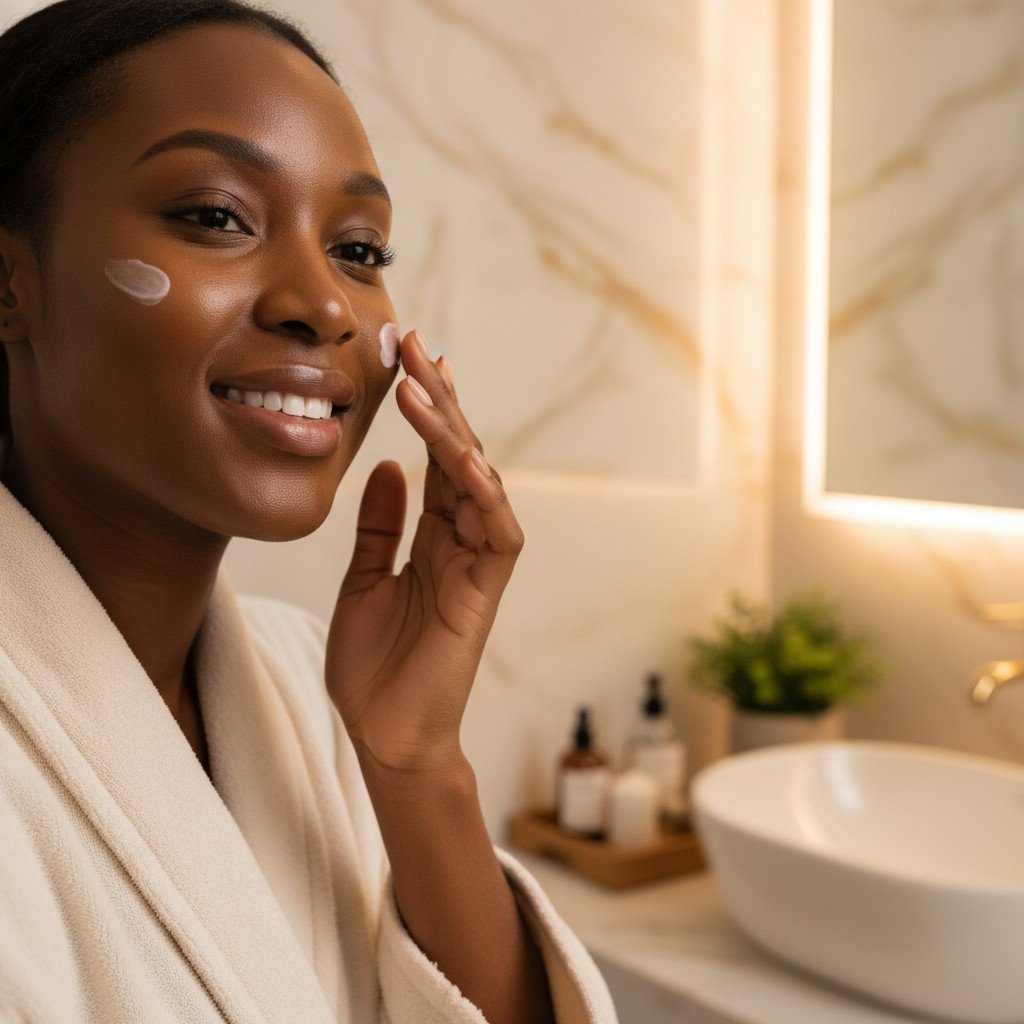
Navigating psoriasis flares and the subsequent lingering discoloration requires a comprehensive approach to daily skin care. The goal is twofold: to soothe active inflammation and discomfort, and to create an optimal environment for the skin to heal and for discoloration to fade. For individuals with melanin-rich skin, this means prioritizing gentle, hydrating, and barrier-supporting ingredients, while also being mindful of products that could further irritate or trigger hyperpigmentation. Consistency and patience are key, as both psoriasis management and PIH fading are long-term journeys.
Gentle Cleansing and Hydration
The foundation of any effective skincare routine for psoriasis-prone skin, especially when dealing with PIH, is gentle cleansing and robust hydration. Harsh soaps and cleansers can strip the skin’s natural oils, compromise the skin barrier, and exacerbate dryness and irritation, which in turn can worsen inflammation and PIH. Opt for a mild, fragrance-free cleanser that is specifically designed for sensitive or compromised skin. Look for ingredients like ceramides, hyaluronic acid, and glycerin, which help to maintain moisture without causing irritation. When cleansing, use lukewarm water and avoid scrubbing or harsh rubbing, as mechanical friction can also trigger inflammation and PIH.
Immediately after cleansing, while the skin is still damp, apply a rich, emollient moisturizer. This helps to lock in moisture and prevent transepidermal water loss, which is crucial for barrier repair. For psoriasis, thick creams and ointments are often more effective than lotions, as they provide a more occlusive barrier. Ingredients like petrolatum, shea butter, colloidal oatmeal, and ceramides are excellent choices for their soothing and barrier-repairing properties. Consistent, twice-daily moisturizing can significantly reduce dryness, scaling, and itching, thereby minimizing the inflammatory triggers for PIH. Consider a product like a fragrance free moisturizer for dark skin to ensure it meets your specific needs.
Targeting Inflammation and Itch
Managing inflammation and itch is paramount in preventing new PIH and allowing existing marks to fade. While prescription treatments are often necessary for active psoriasis, daily care can complement these efforts. Colloidal oatmeal baths can be incredibly soothing for widespread itching and inflammation. Adding a few cups of finely ground oatmeal to a warm bath and soaking for 15-20 minutes can help calm irritated skin. After bathing, gently pat the skin dry and immediately apply your moisturizer to seal in the hydration.
For localized itching, cool compresses can provide temporary relief. Avoid scratching as much as possible, as this introduces further trauma and perpetuates the PIH cycle. Keeping nails short and smooth can help minimize damage if scratching does occur. Some over-the-counter anti-itch creams containing ingredients like pramoxine or hydrocortisone (used sparingly and under guidance) can offer relief, but always consult with your dermatologist before introducing new treatments, especially on active psoriasis plaques.
Supporting Skin Barrier Health
A healthy skin barrier is your first line of defense against irritants and moisture loss. Psoriasis inherently compromises this barrier, making it more vulnerable. Beyond moisturizing, incorporating ingredients that specifically support barrier repair can be beneficial. Niacinamide (Vitamin B3) is a powerful ingredient that can help strengthen the skin barrier, reduce inflammation, and even has some melanin-inhibiting properties, making it a valuable addition to a PIH-focused routine. Look for it in serums or moisturizers.
Omega fatty acids, found in ingredients like sunflower oil, safflower oil, or borage oil, can also contribute to barrier integrity and reduce inflammation. These can be found in specialized body oils or creams. Remember that consistency is more important than product hopping. Stick to a routine for several weeks to truly assess its effectiveness.
Sun Protection: A Non-Negotiable
For anyone dealing with hyperpigmentation, sun protection is non-negotiable, but it’s especially critical for melanin-rich skin prone to PIH from psoriasis. UV radiation is a major trigger for melanin production and can darken existing PIH, making it last longer and appear more pronounced. Even on cloudy days or when indoors near windows, UV rays can penetrate the skin.
Use a broad-spectrum sunscreen with an SPF of 30 or higher every single day, applied generously to all exposed skin. For darker skin tones, mineral sunscreens containing zinc oxide and titanium dioxide are often preferred as they tend to be less irritating and can be formulated to avoid a white cast. However, chemical sunscreens are also effective if they don’t cause irritation. Reapply sunscreen every two hours if you’re outdoors or sweating. Incorporating sun-protective clothing, wide-brimmed hats, and seeking shade are additional layers of protection that can significantly impact the fading of PIH and prevent new marks from forming.
Considerations for Scalp Psoriasis
If your psoriasis affects your scalp, daily care requires specific attention. Harsh shampoos and styling products can exacerbate irritation and flaking. Opt for medicated shampoos prescribed by your dermatologist, or gentle, sulfate-free shampoos. Avoid excessive heat styling, tight hairstyles, and chemical treatments that can further stress the scalp. Regularly moisturizing the scalp with light oils or leave-in treatments designed for sensitive scalps can help reduce dryness and itching. Be gentle when washing and styling to avoid further trauma that could lead to PIH on the scalp or hairline.
Mindful Product Selection
When choosing products, always patch test new items on a small, inconspicuous area of your skin before applying them widely, especially if you have sensitive or reactive skin. Look for products labeled “fragrance-free,” “hypoallergenic,” and “non-comedogenic.” Avoid ingredients known to be irritating, such as harsh alcohols, strong essential oils, and synthetic dyes. The simpler the ingredient list, often the better for compromised skin. Remember that what works for one person may not work for another, so listen to your skin and adjust your routine as needed.
By consistently implementing these daily care strategies, you can significantly support your skin’s healing process, reduce the intensity and duration of psoriasis flares, and create a more favorable environment for lingering discoloration to fade. This proactive and gentle approach is a testament to self-love and dedication to your skin’s well-being.

What May Keep Psoriasis-Related Marks Hanging On Longer
The journey of fading post-inflammatory hyperpigmentation (PIH) left by psoriasis flares on dark skin can be frustratingly slow. While some marks may fade within months, others can persist for years, becoming a constant reminder of past flares. Understanding the factors that contribute to the longevity of these marks is crucial for developing effective strategies to address them and for managing expectations. Several elements, ranging from the nature of the inflammation to external influences, can significantly impact how long psoriasis-related discoloration lingers.
Severity and Duration of the Flare
One of the most significant factors influencing the persistence of PIH is the intensity and duration of the initial psoriasis flare. More severe flares, characterized by deeper inflammation, larger plaques, and prolonged activity, tend to trigger a more robust melanin response. When inflammation is intense and lasts for an extended period, melanocytes are overstimulated for longer, leading to a greater accumulation of pigment. This increased pigment load, especially if deposited deeper into the dermis, will naturally take more time to break down and clear from the skin. Chronic, recurrent flares in the same area can also lead to a buildup of pigment, making those areas particularly resistant to fading.
Depth of Pigment Deposition
As discussed earlier, PIH can be epidermal (superficial) or dermal (deep). Epidermal PIH, which appears brown, is generally easier and quicker to fade because the pigment is located in the upper layers of the skin, which are constantly shedding and renewing. Dermal PIH, however, which often presents as gray, bluish-gray, or slate-colored marks, is much more challenging. The melanin has “dropped” into the dermis, where the natural shedding process is much slower, if it occurs at all. This deep-seated pigment requires more intensive and prolonged intervention, and sometimes, even with consistent effort, these marks may never completely disappear. The chronic inflammation of psoriasis can often lead to this deeper dermal deposition, contributing to the stubborn nature of the marks.
Repeated Trauma and Scratching
The intense itching associated with psoriasis can be incredibly difficult to resist. However, repeated scratching, picking, or rubbing of affected areas introduces additional trauma to the skin. This mechanical irritation acts as a new inflammatory trigger, signaling melanocytes to produce even more pigment. Each time the skin is traumatized, the healing process is reset or prolonged, and new melanin is deposited, effectively deepening and extending the PIH. This cycle of itch-scratch-pigment makes it incredibly challenging for marks to fade, as the skin is constantly being re-injured. Even seemingly gentle friction from tight clothing can contribute to this micro-trauma.
Lack of Consistent Sun Protection
Sun exposure is a major culprit in darkening and prolonging PIH. UV radiation stimulates melanocytes to produce more melanin, which means that any existing dark marks will become darker and take significantly longer to fade if not adequately protected from the sun. Even incidental sun exposure, such as walking to your car or sitting near a window, can have an impact. For melanin-rich skin, the misconception that “dark skin doesn’t need sunscreen” is particularly damaging, as it directly contributes to persistent hyperpigmentation. Consistent, daily use of a broad-spectrum sunscreen with SPF 30 or higher is absolutely critical for preventing PIH from worsening and for supporting its fading process.
Underlying Inflammation and Flare Cycles
If the underlying psoriasis is not well-controlled, and flares are frequent or chronic, the skin is in a constant state of inflammation. This perpetual inflammation means that the melanocytes are continuously being stimulated, making it very difficult for existing PIH to fade, and new marks are likely to form. Effective management of the psoriasis itself, often through prescription medications and lifestyle adjustments, is therefore paramount to breaking the cycle of inflammation and subsequent hyperpigmentation. Without addressing the root cause, topical treatments for PIH will have limited long-term success.
Product Irritation and Inappropriate Treatments
Using harsh skincare products, aggressive exfoliants, or treatments that are too strong for sensitive, post-inflammatory skin can actually worsen PIH. Ingredients like high concentrations of retinoids, alpha hydroxy acids (AHAs), or vitamin C, while beneficial for PIH in some contexts, can cause irritation if not introduced carefully or if the skin barrier is compromised. This irritation triggers new inflammation, leading to a fresh wave of melanin production. Similarly, attempting to “scrub away” dark marks can be counterproductive, causing more trauma and deepening the pigment. It’s essential to approach PIH treatment with gentleness and to prioritize skin barrier health above all else.
Nutritional and Lifestyle Factors
While not always directly linked, certain nutritional deficiencies or lifestyle factors can indirectly impact skin health and its ability to heal efficiently. A diet high in inflammatory foods, chronic stress, lack of sleep, and smoking can all contribute to systemic inflammation and impair the skin’s natural repair processes. While these factors may not directly cause PIH to linger, optimizing overall health can support the body’s ability to heal and reduce inflammatory responses, potentially aiding in the fading of dark marks.
Understanding these contributing factors empowers you to make informed decisions about your daily care, treatment choices, and lifestyle adjustments. Addressing these elements systematically can significantly improve the outcome for lingering psoriasis-related discoloration on your melanin-rich skin.
Questions to Ask a Clinician About Lingering Marks and Flare Patterns
Navigating a chronic condition like psoriasis, especially when it leaves behind persistent discoloration, often requires a strong partnership with your healthcare provider. For Black women and others with melanin-rich skin, it’s particularly important to engage in open and informed discussions with dermatologists or clinicians who understand the unique presentation and healing patterns of your skin. Preparing a list of questions can empower you to advocate for comprehensive care that addresses both your active psoriasis and the lingering hyperpigmentation.
Regarding the Nature of Your Psoriasis and PIH:
* “Given my skin tone, how do you typically identify psoriasis on melanin-rich skin, and what specific characteristics do you observe in my case?” This question helps assess your clinician’s familiarity with diverse skin presentations and ensures they are looking beyond the ‘textbook’ descriptions.
* “Are these lingering dark marks primarily epidermal or dermal PIH, and how does that affect the expected fading time and treatment approach?” Understanding the depth of the pigment will inform realistic expectations and guide treatment strategies.
* “Could the specific type of psoriasis I have (e.g., plaque, guttate, inverse) contribute to the severity or persistence of my PIH?” Different types of psoriasis may have varying inflammatory responses and locations, impacting PIH.
* “What is the underlying cause of the inflammation in my psoriasis, and how can we best manage it to prevent new PIH?” Addressing the root cause of inflammation is key to preventing new marks.
Regarding Treatment Options and Management:
* “What are the most effective topical treatments for fading PIH on dark skin that won’t irritate my psoriasis or trigger new inflammation?” Discuss specific ingredients like retinoids, azelaic acid, niacinamide, or alpha arbutin, and ask about their suitability for your skin.
* “Are there any in-office procedures (e.g., chemical peels, lasers) that might be safe and effective for my PIH, considering my skin type and psoriasis history?” Be sure to emphasize your skin tone and sensitivity to avoid treatments that could worsen PIH.
* “How can I best integrate PIH-fading treatments with my current psoriasis management regimen without causing conflict or irritation?” This is crucial for a cohesive and effective treatment plan.
* “What is a realistic timeline for seeing improvement in my PIH, and what milestones should I look for?” Managing expectations is important for maintaining motivation.
* “What steps can I take to minimize scratching and other trauma to my skin, especially during a flare, to prevent new PIH?” Discuss strategies for itch relief and skin protection.
* “What kind of moisturizers and sunscreens do you recommend specifically for melanin-rich skin that is prone to both psoriasis and PIH?” Get specific product recommendations that cater to your skin’s needs.
Regarding Flare Patterns and Prevention:
* “Have you noticed any patterns in my psoriasis flares (e.g., location, triggers, severity) that might be contributing to persistent PIH?” Identifying patterns can help in trigger avoidance.
* “What are common triggers for psoriasis flares that I should be aware of, and how can I best avoid them?” Discuss environmental, dietary, stress-related, or other potential triggers.
* “How can I tell the difference between a new psoriasis flare and lingering PIH, especially if the marks are dark?” This helps you understand when to seek intervention for active disease versus continuing PIH treatment.
* “Are there any early warning signs of a flare that I should look out for, so I can intervene quickly and potentially minimize subsequent PIH?” Early intervention can sometimes lessen the inflammatory impact.
* “What lifestyle modifications (e.g., diet, stress management, exercise) might support both my psoriasis management and the fading of my PIH?” Holistic approaches can be very beneficial.
General Questions for Your Clinician:
* “How often should I schedule follow-up appointments to monitor my psoriasis and PIH progress?” Regular check-ins ensure your treatment plan remains effective.
* “Are there any patient support groups or resources specifically for Black women with psoriasis that you would recommend?” Connecting with others who share similar experiences can be incredibly validating and informative.
* “What are your thoughts on using natural remedies or supplements alongside my prescribed treatments for psoriasis and PIH?” Always discuss alternative approaches with your clinician to ensure safety and efficacy.
By asking these thoughtful questions, you not only gain a deeper understanding of your condition and its impact on your skin, but you also empower your clinician to provide more personalized and effective care. Your active participation in your healthcare journey is invaluable, especially when navigating the complexities of psoriasis and PIH on melanin-rich skin.

Frequently Asked Questions
What is the main difference in how psoriasis appears on dark skin versus light skin?
On dark skin, psoriasis plaques often appear as purple, violet, or dark brown patches, sometimes with an ashy or grayish tone, rather than the bright red or pink associated with lighter skin. The characteristic silvery scales may also be less prominent or appear thicker and more adherent on melanin-rich skin.
Why does psoriasis leave dark marks on my skin even after the flare is gone?
Psoriasis causes inflammation, which stimulates your skin’s melanin-producing cells (melanocytes) to create excess pigment. Because melanin-rich skin has more active melanocytes, it is more prone to this overproduction, resulting in post-inflammatory hyperpigmentation (PIH) that lingers after the active flare subsides.
How long do these lingering dark marks from psoriasis typically last on dark skin?
The duration varies greatly depending on the severity of the initial inflammation, the depth of the pigment (epidermal vs. dermal PIH), and consistent sun protection. Epidermal marks may fade in months, while deeper dermal marks can take years or may not fully disappear without targeted treatment.
Can scratching make the dark marks from psoriasis worse or last longer?
Yes, absolutely. Scratching or picking at psoriasis plaques introduces additional trauma and inflammation to the skin. This further stimulates melanin production, deepening existing dark marks and potentially creating new ones, thereby prolonging the fading process.
What ingredients should I look for in skincare products to help fade psoriasis-related dark marks on my skin?
Look for gentle ingredients like niacinamide, azelaic acid, alpha arbutin, and certain forms of vitamin C. Always prioritize products that are fragrance-free, non-irritating, and support your skin barrier, and discuss any new treatments with your dermatologist.
Is sun protection really necessary for dark skin when dealing with psoriasis-related discoloration?
Yes, sun protection is crucial. UV radiation stimulates melanin production, which can darken existing PIH and make it last significantly longer. Daily use of a broad-spectrum sunscreen with SPF 30 or higher is essential to prevent worsening of marks and support their fading.
When should I consult a dermatologist about my psoriasis and the lingering dark marks?
You should consult a dermatologist if you suspect you have psoriasis, if your current treatment isn’t effective, or if the lingering dark marks are a significant concern. A dermatologist can accurately diagnose your condition, recommend appropriate treatments, and help manage both active flares and post-inflammatory hyperpigmentation.
Where to Go Next
Navigating the complexities of psoriasis and the persistent dark marks it can leave on melanin-rich skin is a journey that requires both knowledge and resilience. We hope this article has provided you with a deeper understanding of why your skin responds the way it does and empowered you with practical insights for daily care and effective communication with your clinician. Remember, your experience is valid, and your skin deserves care that acknowledges its unique beauty and needs.
The path to clearer, more even-toned skin is often a marathon, not a sprint. It involves consistent effort, patience, and a commitment to understanding and nurturing your body. Don’t hesitate to seek professional guidance from dermatologists who are experienced in treating skin of color. Their expertise, combined with your informed advocacy, forms the most powerful partnership in managing your skin health.
For more comprehensive information on managing various skin conditions and their impact on melanin-rich skin, we encourage you to explore our dedicated section on Skin Conditions on Dark Skin. If you’re looking for broader skincare guidance tailored for your complexion, our Skincare for Black Women section offers a wealth of resources.
Continue your journey of understanding and healing by delving into related topics within our hyperpigmentation cluster. Learn about other condition-linked dark marks by visiting our main cluster page: Condition-Linked PIH: Eczema, Psoriasis, HS, Injuries. You might also find our articles on Post-Eczema Dark Marks on Melanin-Rich Skin, HS Tunnels, Scars, and Dark Spots on Dark Skin, or Injury-Linked PIH on Dark Skin helpful for a broader perspective on hyperpigmentation. For daily strategies, explore Daily Care for Skin Conditions and Dark Marks and Managing Triggers to Prevent New Dark Marks. Your skin’s story is unique, and we are here to support you every step of the way.
Related next steps
Related posts:
 Catamenial Hyperpigmentation & Dark-Spot Flares on Dark Skin
 Targeting Discoloration and Uneven Skin Tone with the Right Skincare Products
 Targeting Discoloration and Uneven Skin Tone with the Right Skincare Products
 Condition-Linked PIH: Eczema, Psoriasis, HS, & Injury Dark Marks on Melanin-Rich Skin
 Hormonal-Pattern Acne on Melanin-Rich Skin: Jawline, Chin, and Cycle-Linked Flares
 Building a Day-to-Day Skin Routine Around Flares and Remission