Retinoids for Uneven Tone on Melanin-Rich Skin: A Gentle, Informed Approach
For many Black women, the journey to even-toned, radiant skin is often paved with well-meaning advice that doesn’t quite account for the unique nuances of melanin-rich complexions. Among the most frequently recommended ingredients in the pursuit of smoother, more uniform skin, retinoids stand out. These powerful vitamin A derivatives are lauded for their ability to accelerate cell turnover, refine texture, and address various skin concerns. However, the conversation around retinoids often overlooks a critical aspect: the heightened sensitivity and specific considerations required when introducing them to melanin-rich skin.
The promise of retinoids—smoother texture, diminished fine lines, and a more even complexion—is undeniably appealing. Yet, for us, the path to achieving these benefits can be fraught with potential pitfalls if not navigated with care and wisdom. Aggressive use or insufficient understanding of how retinoids interact with our skin can lead to irritation, inflammation, and, critically, post-inflammatory hyperpigmentation (PIH), which is the very concern many of us are trying to address. This creates a frustrating cycle where the solution can inadvertently exacerbate the problem. It’s a delicate balance, one that requires a deep appreciation for our skin’s resilience and its particular vulnerabilities.
At Black Beauty Basics, we believe in empowering you with knowledge that respects your unique beauty. This article is dedicated to demystifying retinoids for melanin-rich skin, offering a perspective that prioritizes skin health, barrier integrity, and sustainable results over aggressive, quick fixes. We’ll explore how retinoids can indeed be a valuable tool in your skincare arsenal for managing uneven tone and texture, but always with an emphasis on a gentle, informed approach. Our goal is to help you understand the “why” and “how” behind incorporating retinoids into your routine, ensuring that your journey to radiant skin is one of self-love and thoughtful care, not one that pushes past stinging, peeling, or chronic dryness.
Why Retinoids Come Up in Conversations About Uneven Tone
Retinoids are a class of compounds derived from vitamin A, renowned for their multifaceted benefits in skincare. Their efficacy stems from their ability to interact with retinoid receptors in skin cells, influencing gene expression and cellular function. This interaction triggers a cascade of beneficial effects that make them a cornerstone ingredient in addressing a wide array of skin concerns, including uneven tone and texture. For melanin-rich skin, understanding these mechanisms is crucial to appreciating their potential, while also recognizing the need for a nuanced application strategy.
One of the primary ways retinoids contribute to a more even skin tone is by accelerating cellular turnover. Our skin naturally renews itself, shedding old, dead skin cells and replacing them with new ones. However, this process can slow down with age or due to various environmental factors, leading to a dull complexion, rough texture, and the visible persistence of dark spots. Retinoids essentially “speed up” this renewal cycle, prompting the skin to shed pigmented cells more rapidly. This expedited exfoliation helps to gradually fade existing dark spots, including post-inflammatory hyperpigmentation (PIH) and sun spots, revealing fresher, less pigmented skin underneath. The consistent shedding of surface cells contributes significantly to a brighter, more uniform appearance.
Beyond cell turnover, retinoids also play a role in regulating melanin production. Melanin, the pigment responsible for our skin’s beautiful range of tones, is produced by specialized cells called melanocytes. In conditions like hyperpigmentation, these melanocytes can become overactive, leading to an excess production of melanin in certain areas. While retinoids are not direct melanin inhibitors in the same way some other ingredients are, their influence on cellular communication and skin renewal can indirectly help to normalize melanocyte activity. By promoting a healthier, more organized epidermal structure, they can help to distribute melanin more evenly, reducing the appearance of concentrated pigment. This indirect action, combined with their exfoliating properties, makes them a powerful ally in the fight against uneven tone.
Furthermore, retinoids are celebrated for their ability to improve overall skin texture. By stimulating collagen production, they help to plump the skin, reduce the appearance of fine lines and wrinkles, and refine pore size. This structural improvement contributes to a smoother, more supple feel and a healthier glow. For melanin-rich skin, which can sometimes present with textural irregularities alongside hyperpigmentation, this dual benefit is particularly valuable. A smoother skin surface reflects light more uniformly, enhancing the perception of an even tone and overall radiance. The refinement of texture also means that subsequent skincare products can penetrate more effectively, further optimizing the benefits of your entire routine.
However, it’s this very potency and the rapid cellular changes induced by retinoids that necessitate caution, especially for melanin-rich skin. While the acceleration of cell turnover is beneficial for fading dark spots, it can also increase skin sensitivity and vulnerability if not managed correctly. The initial phases of retinoid use can sometimes lead to dryness, flaking, redness, and irritation. For our skin, any significant inflammation or disruption to the skin barrier can trigger an inflammatory response that, in turn, stimulates melanocytes to produce more pigment, leading to new or worsened PIH. This is the critical paradox that Black Beauty Basics aims to address: harnessing the power of retinoids while meticulously guarding against their potential to cause the very problem we seek to solve.
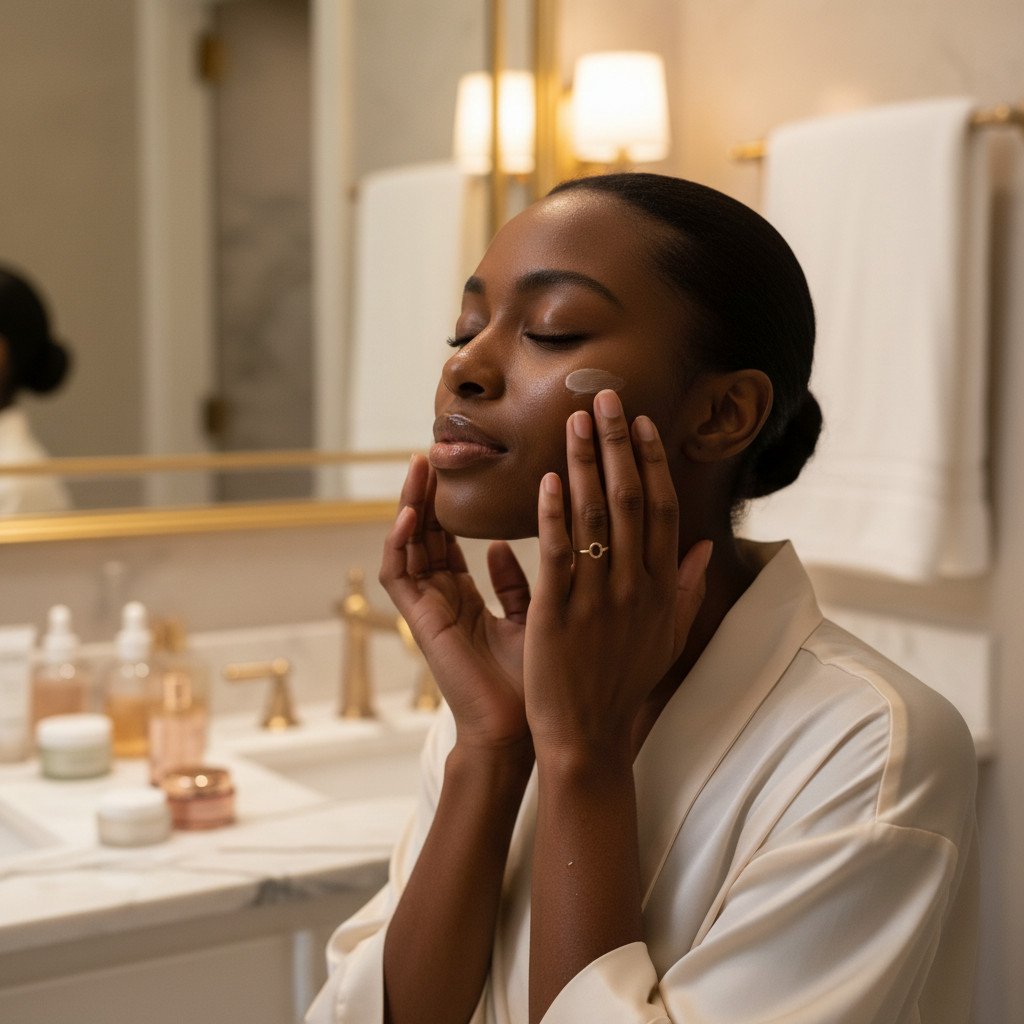
Why Melanin-Rich Skin May Need a Slower, Gentler Approach
The unique physiological characteristics of melanin-rich skin necessitate a more deliberate and gentle approach when incorporating potent ingredients like retinoids. While the fundamental mechanisms of retinoid action are universal, the way our skin responds to and recovers from irritation differs significantly. Understanding these differences is not about fear-mongering, but about informed self-care and maximizing benefits while minimizing risks.
One of the most significant considerations for melanin-rich skin is its inherent predisposition to post-inflammatory hyperpigmentation (PIH). Our melanocytes, the cells responsible for producing melanin, are more active and reactive than those in lighter skin tones. This heightened activity means that any form of inflammation, irritation, or trauma to the skin—whether from acne, a scratch, or even an aggressive skincare product—can easily trigger an overproduction of melanin, resulting in dark spots or patches that can be notoriously difficult to fade. When retinoids are introduced too aggressively, causing redness, peeling, or stinging, this irritation is a direct trigger for PIH. What might be a temporary flush on lighter skin can become a persistent dark mark on melanin-rich skin, effectively undoing any potential benefits and creating new concerns. This makes the “no pain, no gain” mentality utterly counterproductive for our complexions.
Furthermore, melanin-rich skin often has a more robust stratum corneum, the outermost layer of the epidermis. While this can offer some protective benefits, it also means that the skin barrier can be more susceptible to disruption if not treated with care. Retinoids, by accelerating cell turnover, can temporarily compromise the integrity of this barrier, leading to increased transepidermal water loss (TEWL). This loss of moisture can manifest as dryness, tightness, and flaking, which are not only uncomfortable but also further contribute to irritation and inflammation. A compromised barrier is less able to defend against environmental aggressors and more prone to inflammatory responses, exacerbating the risk of PIH. Therefore, maintaining and supporting the skin barrier is paramount throughout the retinoid journey.
Another factor is the natural lipid composition of melanin-rich skin. While often perceived as more oily, this is not universally true, and even oily skin can experience barrier dysfunction. The balance of lipids (ceramides, cholesterol, fatty acids) within the skin barrier is crucial for its health and function. Retinoids can sometimes alter this balance, leading to a temporary reduction in these essential lipids. For melanin-rich skin, which may already be prone to certain types of dryness or sensitivity, this disruption can be more pronounced and take longer to recover from, further increasing the likelihood of irritation and subsequent PIH.
The concept of “retinization”—the period of adjustment where the skin adapts to retinoids—is particularly critical for melanin-rich skin. During this phase, symptoms like dryness, redness, and flaking are common. While these are often considered normal signs of adaptation, for our skin, they are red flags that must be managed meticulously. Pushing through severe irritation is not a sign of progress; it’s a sign that the skin is under stress, and that stress can manifest as hyperpigmentation. Therefore, a slower, more gradual introduction, starting with lower concentrations and less frequent application, is not merely a recommendation but a necessity. This allows the skin ample time to build tolerance without triggering an inflammatory cascade.
In essence, the goal with retinoids on melanin-rich skin is to achieve the benefits of accelerated cell turnover and collagen stimulation without provoking an inflammatory response. This requires a deep respect for the skin’s natural defenses and a commitment to nurturing its barrier. It means listening intently to what your skin is telling you, prioritizing comfort and health over aggressive pursuit of results, and understanding that slow and steady truly wins the race when it comes to achieving an even, radiant complexion without the unwanted side effects of PIH.
How to Think About Texture, Dryness, and Irritation Before Results
Embarking on a retinoid journey for uneven tone on melanin-rich skin requires a fundamental shift in perspective. Instead of solely focusing on the desired end results—faded dark spots and smoother texture—it’s crucial to first understand and manage the initial, often challenging, skin responses: changes in texture, dryness, and irritation. These are not merely inconvenient side effects; they are critical indicators of your skin’s tolerance and, if ignored, can lead to setbacks, particularly the dreaded post-inflammatory hyperpigmentation.
When you first introduce a retinoid, you might notice changes in your skin’s texture. This isn’t always negative; sometimes, the accelerated cell turnover can initially make your skin feel a bit rougher or more “peely” as old cells are shed. However, if this texture becomes overtly flaky, tight, or takes on a sandpaper-like feel, it’s a sign that your skin barrier is being compromised. This is not the goal. The aim is a gradual refinement, not a harsh stripping. The skin should feel resilient, not fragile. A healthy barrier is smooth and supple, whereas a compromised barrier often feels rough, tight, and looks dull. Paying close attention to these textural shifts allows you to adjust your routine proactively, preventing more severe irritation from developing.
Dryness is perhaps the most common and immediate side effect of retinoid use. Retinoids can reduce the skin’s natural oil production and increase transeansepidermal water loss (TEWL), leading to a sensation of tightness, flaking, and overall dehydration. For melanin-rich skin, this dryness can be particularly problematic. While some mild dryness is often part of the “retinization” process, chronic or severe dryness is a red flag. It indicates that your skin barrier is struggling to retain moisture, making it more vulnerable to inflammation. It’s important to differentiate between temporary, manageable dryness and persistent, uncomfortable dehydration. If your skin feels perpetually parched, tight, or itchy, it’s a clear signal that your current retinoid regimen is too aggressive. Addressing dryness immediately with rich, occlusive moisturizers and reducing retinoid frequency is essential to prevent further irritation and potential PIH.
Irritation, manifesting as redness, stinging, burning, or itching, is the most concerning side effect for melanin-rich skin. While some mild, transient redness might occur during the initial adaptation phase, persistent or intense irritation is a direct pathway to PIH. For our skin, redness is not just an aesthetic concern; it’s an inflammatory response that can trigger melanocyte activity. The sensation of stinging or burning is your skin’s way of telling you that its protective barrier has been breached. Many skincare narratives, unfortunately, normalize these sensations as signs that a product is “working.” For melanin-rich skin, this couldn’t be further from the truth. Stinging and burning are not signs of progress; they are warnings of impending damage and potential hyperpigmentation.
The Black Beauty Basics philosophy emphasizes that irritation is not progress. It’s a setback. Pushing through discomfort in the hope of faster results is a gamble that melanin-rich skin often loses, resulting in new dark spots that take months to fade. Instead, the focus should be on building tolerance gradually and maintaining skin comfort. This means starting with the lowest possible concentration of retinoid, applying it infrequently (e.g., once or twice a week), and slowly increasing frequency as your skin adapts, always prioritizing comfort. If irritation occurs, scale back immediately. This might mean reducing frequency, buffering the retinoid with a moisturizer, or even taking a break until your skin recovers.
Ultimately, the goal is to achieve the benefits of retinoids without ever reaching a state of significant irritation. This requires patience, keen observation, and a willingness to adjust your routine based on your skin’s feedback. Prioritizing a healthy, comfortable skin barrier over aggressive pursuit of results will not only prevent setbacks but also ensure that when the results do come, they are sustainable, radiant, and free from new hyperpigmentation. Your skin’s comfort and health are the true indicators of progress, not the intensity of sensation.

What Helps Retinoids Fit More Safely Into a Routine
Integrating retinoids into a skincare routine for melanin-rich skin requires a strategic, gentle, and supportive approach. The key is to mitigate potential irritation while still allowing the retinoid to work its magic. This involves thoughtful product selection, application techniques, and a strong emphasis on barrier support.
Choosing the Right Retinoid and Formulation
The first step to a safer retinoid journey is selecting the appropriate product. Not all retinoids are created equal in terms of potency and potential for irritation. For beginners, especially those with melanin-rich skin, starting with a gentler form is paramount.
* Retinol Esters (e.g., Retinyl Palmitate): These are the mildest forms of retinoids and require multiple conversion steps in the skin to become retinoic acid (the active form). They are excellent for very sensitive skin or for those just starting out, offering minimal irritation risk.
* Retinol: This is a more common and effective over-the-counter retinoid. It requires two conversion steps to become retinoic acid. Start with a low concentration (e.g., 0.1% or 0.25%) and gradually work your way up. This is often the sweet spot for many individuals with melanin-rich skin. Shop retinol serum dark skin women on Amazon.
* Retinaldehyde (Retinal): This form is one step closer to retinoic acid than retinol, making it more potent but generally less irritating than prescription options. It’s a good intermediate step for those who tolerate retinol well but want more efficacy.
* Bakuchiol: While not a retinoid, bakuchiol is a plant-derived ingredient often touted as a retinoid alternative due to its similar benefits without the typical irritation. It can be an excellent option for those who find traditional retinoids too harsh.
Beyond the type of retinoid, consider the formulation. Products that combine retinoids with soothing, hydrating ingredients (like ceramides, hyaluronic acid, or niacinamide) can be less irritating. Avoid formulations with high concentrations of alcohol, fragrances, or other potential irritants, especially when starting out.
The “Sandwich” Method and Buffering
One of the most effective techniques for minimizing retinoid irritation on melanin-rich skin is the “sandwich” method. This involves applying a layer of moisturizer before and after your retinoid.
1. Cleanse and Dry: Start with freshly cleansed, completely dry skin. Applying retinoids to damp skin can increase penetration and thus irritation.
2. First Layer of Moisturizer: Apply a generous layer of a bland, hydrating, and barrier-supporting moisturizer. Look for ingredients like ceramides, hyaluronic acid, glycerin, and squalane. This layer acts as a buffer, creating a protective barrier between your skin and the retinoid. Shop ceramide moisturizer dark skin on Amazon.
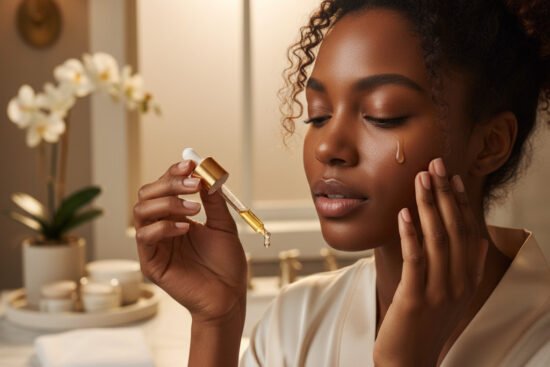
3. Apply Retinoid: Dispense a pea-sized amount of your chosen retinoid and gently spread it evenly over your face, avoiding the immediate eye area, corners of the nose, and mouth (areas prone to irritation).
4. Second Layer of Moisturizer: Once the retinoid has absorbed for a minute or two, apply another layer of your hydrating moisturizer. This seals in moisture and further dilutes the retinoid’s immediate impact.
Buffering, which involves mixing your retinoid with a moisturizer before application, is another strategy. While slightly less precise than the sandwich method, it can also help to reduce direct contact and irritation.
Gradual Introduction and Frequency
Patience is not just a virtue; it’s a necessity when introducing retinoids to melanin-rich skin.
* Start Slow: Begin by using your retinoid just once or twice a week, preferably on non-consecutive nights.
* Monitor Your Skin: Pay close attention to how your skin responds. If there’s no irritation after 2-4 weeks, you can consider increasing frequency.
* Increase Gradually: If your skin tolerates it well, you can increase to every other night, and then eventually to nightly use. However, many people with melanin-rich skin find that 3-4 times a week is their optimal frequency, balancing benefits with minimal irritation. There’s no need to push for nightly use if your skin is happy with less frequent application.
Prioritizing Barrier Support
A healthy skin barrier is your best defense against retinoid-induced irritation and PIH.
* Hydration is Key: Use hydrating serums (e.g., hyaluronic acid, glycerin) both morning and night.
* Moisturize Generously: Invest in a rich, emollient moisturizer that contains barrier-repairing ingredients like ceramides, fatty acids, and cholesterol. Apply it liberally, especially on retinoid nights.
* Avoid Over-Exfoliation: On nights you use a retinoid, skip other active exfoliants like AHAs, BHAs, or physical scrubs. Over-exfoliation will compromise your barrier and lead to significant irritation.
* Gentle Cleansing: Use a mild, non-foaming cleanser that doesn’t strip your skin of its natural oils.
Sun Protection is Non-Negotiable
Retinoids make your skin more sensitive to the sun. This increased photosensitivity, combined with melanin-rich skin’s predisposition to PIH, makes daily, diligent sun protection absolutely critical.
* Broad-Spectrum SPF 30+: Apply a broad-spectrum sunscreen with an SPF of 30 or higher every single morning, rain or shine, indoors or out.
* Reapply: Reapply every two hours if you’re outdoors or sweating.
* Physical Sunscreens: Consider mineral-based sunscreens (zinc oxide, titanium dioxide) as they provide a physical barrier and are often less irritating. Look for formulations that blend seamlessly into melanin-rich skin without leaving a white cast. Shop sunscreen dark skin no white cast on Amazon.
* Protective Measures: Supplement with hats, sunglasses, and seeking shade when possible.
By thoughtfully integrating these strategies, you can harness the powerful benefits of retinoids for uneven tone and texture on melanin-rich skin, ensuring a journey that is both effective and respectful of your skin’s unique needs. Remember, consistency and patience, coupled with a gentle approach, will yield the most rewarding and sustainable results.
Signs Your Routine May Be Doing Too Much
When incorporating powerful ingredients like retinoids into your skincare regimen, especially for melanin-rich skin, it’s crucial to be attuned to your skin’s signals. Our skin communicates its needs and distress through various signs, and learning to interpret these is paramount to preventing irritation, damage, and ultimately, post-inflammatory hyperpigmentation. Ignoring these warnings can set back your progress significantly. Here are the key indicators that your retinoid routine, or your overall skincare approach, might be doing too much.
Persistent Redness or Inflammation
While a very mild, transient flush might occur during the initial “retinization” phase, persistent or noticeable redness is a clear sign of inflammation. For melanin-rich skin, any inflammation is a direct precursor to PIH. If your skin looks perpetually pink or red, particularly in areas where you apply retinoids, it means your skin barrier is compromised, and an inflammatory response is underway. This is not a sign of the product “working harder”; it’s a sign of distress. You should immediately reduce the frequency of retinoid application, lower the concentration, or take a complete break until the redness subsides.
Excessive Dryness, Flaking, or Peeling
Some mild flaking can be expected as cell turnover increases, especially in the first few weeks. However, if you experience widespread, persistent, or severe dryness, flaking, or peeling, your skin is being stripped of its essential moisture and lipids. This compromises the skin barrier, making it vulnerable to environmental aggressors and increasing the risk of irritation and PIH. Your skin should feel hydrated and comfortable, not tight, parched, or shedding like a snake. If you’re constantly battling dryness, it’s a strong indicator that your retinoid is too strong or you’re using it too frequently. Amp up your hydrating and moisturizing steps, and scale back on the retinoid.
Stinging, Burning, or Itching Sensations
These sensations are unequivocal red flags. Your skin should never sting, burn, or itch after applying skincare products, especially retinoids. These are direct signals that your skin barrier is severely compromised, and nerve endings are being irritated. Many people mistakenly believe that “if it stings, it’s working.” For melanin-rich skin, this couldn’t be more dangerous. Stinging and burning are inflammatory responses that will almost certainly lead to PIH. If you experience these sensations, stop using the retinoid immediately and focus on repairing your skin barrier with bland, soothing, and hydrating products. Reintroduce the retinoid only after your skin has fully recovered, and at a much lower frequency or concentration.
Increased Sensitivity to Other Products
If products you previously tolerated well suddenly start to sting, tingle, or cause redness, it’s a sign that your skin barrier has been weakened by your retinoid use. Even gentle cleansers or moisturizers might feel uncomfortable. This heightened sensitivity indicates that your skin’s protective function is impaired, leaving it vulnerable. This is a clear signal to reassess your retinoid usage and prioritize barrier repair.
Breakouts or Worsening Acne (Beyond Initial Purging)
While an initial “purging” phase can occur with retinoids, where existing congestion comes to the surface, this should be temporary (typically 2-6 weeks) and should eventually lead to clearer skin. If you experience persistent new breakouts, especially in areas where you don’t typically get acne, or if your acne significantly worsens beyond the initial purging phase, it could be a sign of irritation. A compromised skin barrier can also lead to increased susceptibility to breakouts as it struggles to maintain its protective function.
Dullness or Lack of Radiance
Paradoxically, while retinoids are meant to enhance radiance, an overstressed skin barrier can lead to a dull, lackluster complexion. When the skin is constantly inflamed, dry, or flaking, it cannot properly reflect light, and its natural glow diminishes. If your skin looks tired or less vibrant despite using a retinoid, it’s a sign that the irritation is outweighing the benefits.
New or Worsening Dark Spots (PIH)
This is the most critical sign for melanin-rich skin. The primary goal of using retinoids for many of us is to address uneven tone and hyperpigmentation. If you notice new dark spots appearing, or if existing ones are becoming darker or more widespread, your retinoid routine is actively causing harm. This is a definitive sign of post-inflammatory hyperpigmentation triggered by irritation. At this point, it is imperative to stop the retinoid and focus entirely on calming inflammation and repairing your skin barrier.
In summary, your skin should feel comfortable, hydrated, and resilient throughout your retinoid journey. Any persistent discomfort, visible irritation, or new hyperpigmentation is a sign that you need to scale back, re-evaluate your approach, and prioritize skin health above all else. Listen to your skin; it’s always telling you what it needs.

Frequently Asked Questions
What is the difference between retinol and retinoids?
Retinoids are a broad class of vitamin A derivatives, encompassing various forms like retinol, retinaldehyde, and prescription-strength tretinoin. Retinol is a specific type of retinoid commonly found in over-the-counter products, known for being gentler than its prescription counterparts but still effective in promoting cell turnover and collagen production. The main difference lies in their potency and the number of conversion steps required in the skin to become retinoic acid, the active form.
Can retinoids make hyperpigmentation worse on melanin-rich skin?
Yes, if used too aggressively or without proper barrier support, retinoids can indeed worsen hyperpigmentation on melanin-rich skin. Any significant irritation, redness, or inflammation caused by retinoids can trigger post-inflammatory hyperpigmentation (PIH) due to the increased reactivity of melanocytes in darker skin tones. This is why a slow, gentle introduction and meticulous attention to skin comfort are crucial to prevent this adverse effect.
How long does it take to see results from retinoids for uneven tone?
Patience is key with retinoids. While some improvements in texture might be noticeable within a few weeks, significant changes in uneven tone and dark spots typically take 3 to 6 months of consistent, gentle use. For deeper or more stubborn hyperpigmentation, it can take even longer, often up to a year or more. Consistency, coupled with diligent sun protection, is more important than aggressive application for sustainable results.
Can I use retinoids with other brightening ingredients like Vitamin C or Niacinamide?
Yes, retinoids can be effectively combined with other brightening ingredients, but careful timing and layering are essential, especially for melanin-rich skin. It’s generally recommended to use Vitamin C in the morning and retinoids at night. Niacinamide, known for its soothing and barrier-supporting properties, can be used both morning and night, and can even be layered with retinoids to help mitigate irritation. Always introduce new ingredients one at a time and observe your skin’s reaction.
What if my skin is too sensitive for retinoids?
If your skin consistently reacts negatively to retinoids despite a gentle introduction, it might be too sensitive for them. In such cases, consider exploring retinoid alternatives like bakuchiol, which offers similar benefits without the irritation. You can also focus on other ingredients known for addressing uneven tone and texture, such as azelaic acid and tranexamic acid, or niacinamide, which are often better tolerated by sensitive skin.
Do I need to use sunscreen with retinoids?
Yes, absolutely. Daily, diligent use of a broad-spectrum sunscreen with an SPF of 30 or higher is non-negotiable when using retinoids. Retinoids increase your skin’s photosensitivity, making it more vulnerable to sun damage and, crucially for melanin-rich skin, increasing the risk of new or worsened hyperpigmentation. Sunscreen protects your skin and ensures that the benefits of your retinoid use are not undone by sun exposure.
How do I know if I’m using the right retinoid concentration?
The “right” concentration is the lowest one that provides benefits without causing irritation. If you experience persistent redness, excessive dryness, stinging, or new dark spots, your concentration is likely too high, or you’re using it too frequently. Start with the lowest available concentration (e.g., 0.1% retinol) and only increase if your skin tolerates it perfectly well for several months without any signs of irritation. Your skin’s comfort and health are the best indicators of appropriate concentration.
Where to Go Next
The journey to radiant, even-toned skin is deeply personal and requires both knowledge and intuition. You’ve now gained a deeper understanding of how retinoids can support your skin goals, particularly in addressing uneven tone and texture, while also appreciating the critical need for a gentle, informed approach for melanin-rich skin. Remember, your skin’s comfort and health are paramount, and irritation is never a sign of progress.
As you continue to refine your skincare routine, we encourage you to explore other powerful ingredients that work harmoniously with your skin’s unique needs. For a comprehensive overview of how various ingredients can tackle hyperpigmentation and dark spots, delve into our Ingredient-Based Solutions hub: Ingredient-Based Solutions: Vitamin C, Niacinamide, Azelaic, Tranexamic, Retinoids.
Consider incorporating other skin-loving ingredients into your regimen. Learn about the brightening and antioxidant power of Vitamin C on Melanin-Rich Skin, or discover how Niacinamide can soothe redness and fade dark spots. For stubborn hyperpigmentation, Azelaic and Tranexamic Acid offer targeted solutions. And to ensure you’re maximizing the benefits of your chosen ingredients without overwhelming your skin, explore our guide on How to Combine Brightening Ingredients Safely.
Ultimately, your skincare journey is about nurturing your skin, celebrating its strength, and addressing its concerns with wisdom and care. For more foundational knowledge on cultivating a robust and effective skincare regimen tailored for you, visit our main pillar on Skincare for Black Women. If you’re navigating challenges like breakouts and sensitivity, our resources on Acne and Sensitive Skin in Black Women offer further insights.
Empower yourself with knowledge, listen to your skin, and embrace the journey to your most confident, radiant self. Your beauty is basic, brilliant, and uniquely yours.
Related next steps
Related posts:
 Bikini-Line and Intimate Shaving for PIH-Prone Skin: A Gentle Approach for Melanin-Rich Skin
 Double Cleansing for Melanin-Rich Skin: A Gentle Approach
 Facial Hyperpigmentation on Melanin-Rich Skin: Acne Marks, Melasma & Uneven Tone
 Uneven Tone Around the Mouth and Jawline on Dark Skin
 Targeting Discoloration and Uneven Skin Tone with the Right Skincare Products
 Targeting Discoloration and Uneven Skin Tone with the Right Skincare Products