Routine Frameworks That Support Fading Dark Spots Over Time
For many women with melanin-rich skin, the journey to even-toned skin can feel like a relentless cycle of trying new products, hoping for a breakthrough, and often ending up right back where they started. The allure of the “next best thing” is powerful, especially when dark spots feel stubborn and persistent. We’re often told that more active ingredients, stronger concentrations, or a complex multi-step regimen is the answer. But what if the true secret to fading dark spots isn’t about constantly chasing the latest serum or overhauling your entire collection every few months? What if it’s about something far simpler, yet profoundly more effective: stability, consistency, and a well-structured routine?
At Black Beauty Basics, we understand that the pursuit of clear, radiant skin is deeply personal and often fraught with frustration. We know the unique challenges that melanin-rich skin faces, particularly when it comes to post-inflammatory hyperpigmentation (PIH) and melasma. These aren’t just cosmetic concerns; they can impact confidence and how we feel in our own skin. It’s easy to fall into the trap of believing that the solution lies in an ever-expanding arsenal of products. However, our experience and the wisdom gleaned from countless women who have successfully navigated this journey tell us a different story. Dark spots, especially on our skin tones, usually respond better to routine stability than to constant switching. They thrive on predictable care, gentle encouragement, and a supportive environment.
This guide is designed to help you shift your perspective from product-centric problem-solving to a more sustainable, framework-based approach. We’ll explore how to build routine frameworks that support progress without overwhelming your skin, your schedule, or your budget. Instead of prescribing specific products, we’ll equip you with the foundational principles that allow you to choose products wisely and integrate them into a harmonious system. We’ll focus on realistic morning and evening routines that are not about maximal application but about strategic, consistent care. Our aim is to foster a relationship with your skin that is built on understanding, patience, and self-love, ultimately leading to the radiant, even-toned complexion you desire, achieved through steady structure rather than endless experimentation. Let’s move beyond the hype and embrace the power of intentional, sustained care.
Why Dark Spots Often Fade Better with Structure Than Intensity
The conventional wisdom in skincare often suggests that to tackle a persistent issue like dark spots, one must escalate the intensity of treatment. This might involve layering multiple potent actives, opting for higher concentrations, or frequently introducing new, aggressive products. While this approach might yield quick, albeit often temporary, results for some skin types, it can be counterproductive and even damaging for melanin-rich skin. Our skin, with its unique physiological characteristics, responds differently to stress and inflammation. The very mechanisms that protect us from sun damage also make us more prone to hyperpigmentation when irritated. This is why, for us, structure and consistency often outperform intensity and novelty.
When you constantly introduce new products or frequently change your routine, you disrupt your skin’s delicate balance. Each new active ingredient, especially potent ones like retinoids, alpha hydroxy acids (AHAs), or strong vitamin C derivatives, requires an adjustment period. During this time, your skin might experience increased sensitivity, redness, dryness, or even a temporary flare-up of inflammation. For melanin-rich skin, any inflammation is a direct precursor to post-inflammatory hyperpigmentation (PIH). This means that the very attempt to fade existing dark spots through aggressive means can inadvertently create new ones or worsen existing ones. It becomes a frustrating cycle where the solution seems to exacerbate the problem.
A structured routine, on the other hand, provides your skin with predictability and stability. When your skin knows what to expect, it can better adapt and respond positively to the ingredients you are using. This approach prioritizes gentle cleansing, consistent hydration, diligent sun protection, and the gradual introduction of targeted treatments. It’s about creating an environment where your skin’s natural healing processes are supported, not overwhelmed. By sticking to a consistent set of products and a predictable order of application, you minimize the risk of irritation, strengthen your skin barrier, and allow the active ingredients sufficient time to work their magic without triggering an inflammatory response. This measured, patient approach respects your skin’s inherent resilience and its unique way of healing, ultimately leading to more sustainable and satisfying results in fading dark spots.
The Science of Skin Barrier Integrity and Melanin Response
Understanding the science behind why structure is paramount for melanin-rich skin begins with appreciating the skin barrier. The outermost layer of our skin, the stratum corneum, acts as a protective shield, preventing moisture loss and blocking environmental aggressors. For Black skin, this barrier can sometimes be more prone to transepidermal water loss (TEWL), meaning it can lose moisture more easily, leading to dryness and increased sensitivity. When this barrier is compromised—whether by harsh cleansers, over-exfoliation, or an onslaught of potent actives—it becomes inflamed. In melanin-rich skin, this inflammation triggers melanocytes, the cells responsible for producing melanin, to go into overdrive. The result is an overproduction of pigment, leading to those stubborn dark spots we’re trying to fade.
Moreover, our melanocytes are inherently larger and more reactive than those in lighter skin tones. This heightened reactivity means that any form of irritation, however minor, can provoke a significant pigmentary response. Think of it like a finely tuned alarm system: for melanin-rich skin, even a small trigger can set off a loud and prolonged alarm (melanin production). An intense, ever-changing skincare routine is essentially a constant barrage of potential triggers. Each new product, especially if it contains strong acids or retinoids, demands an adaptation from the skin. Without a stable foundation, these adaptations can manifest as irritation, leading to a cascade of events that culminates in new or worsened hyperpigmentation. A structured routine, by contrast, focuses on nurturing the skin barrier, minimizing irritation, and introducing active ingredients in a controlled, predictable manner, thereby reducing the likelihood of triggering unwanted melanin production.
The Pitfalls of Product Hopping and Over-Treatment
In the age of social media and rapid product launches, the temptation to “product hop” is immense. We see glowing reviews, impressive before-and-after photos, and feel the pressure to try every new ingredient or formulation that promises a quick fix. However, for those dealing with dark spots on melanin-rich skin, this habit is often a significant roadblock to progress. When you switch products too frequently, you don’t give any single ingredient or formulation enough time to actually work. Skincare ingredients, particularly those targeting hyperpigmentation, require consistent use over several weeks, if not months, to show noticeable results. For example, ingredients like niacinamide, vitamin C, or even retinoids need time to influence cellular turnover and melanin production cycles. Switching after just a few days or weeks means you’re constantly resetting the clock on your skin’s adaptation and response.
Beyond the lack of efficacy, product hopping and over-treatment carry significant risks. Layering too many active ingredients, especially those with similar mechanisms of action or conflicting pH levels, can lead to irritation, redness, dryness, and a compromised skin barrier. This is particularly true for melanin-rich skin, which, as discussed, is more prone to PIH from inflammation. Imagine applying a strong exfoliating acid, followed by a potent vitamin C serum, and then a high-strength retinoid, all within the same routine or rotating them too frequently. Each of these ingredients, while beneficial on its own, can be sensitizing. Combined or used without proper acclimatization, they create a perfect storm for irritation. This over-treatment not only delays the fading of existing dark spots but actively contributes to the formation of new ones. A structured routine, therefore, is not just about what you apply, but about the wisdom of how and when you apply it, prioritizing skin health and long-term results over instant gratification.
A Simple Morning Framework for Melanin-Rich Skin
The morning routine is your skin’s protective shield against the day’s environmental aggressors, most notably UV radiation, which is the primary driver of hyperpigmentation. For melanin-rich skin, this framework should be concise, effective, and focused on prevention and gentle support. The goal is not to load your skin with heavy treatments but to prepare it for the day ahead while laying a foundation for fading dark spots. A simple, consistent morning routine is far more beneficial than a complex one you can’t sustain.
Step 1: Gentle Cleansing
Start your day with a gentle cleanse. For many, a splash of cool water is sufficient, especially if you cleansed thoroughly the night before. If you prefer a cleanser, opt for a mild, hydrating formula that doesn’t strip your skin of its natural oils. Look for ingredients like ceramides, hyaluronic acid, or glycerin. Avoid harsh foaming cleansers or those with strong exfoliants in the morning, as these can disrupt your skin barrier and increase sensitivity to the sun. The aim is to refresh your skin, remove any overnight buildup, and prepare it for the subsequent steps, not to aggressively scrub or dry it out. A healthy skin barrier is your first line of defense against hyperpigmentation, and a gentle cleanse is foundational to maintaining it.
Practical Tip: If your skin feels particularly dry or sensitive in the morning, consider skipping a traditional cleanser altogether and simply rinsing with cool water. This can help preserve your skin’s natural moisture barrier. When choosing a cleanser, prioritize those labeled “pH-balanced” or “for sensitive skin.”
Step 2: Antioxidant Serum (Optional but Recommended)
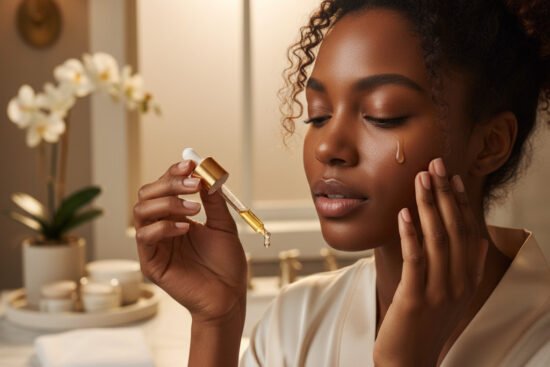
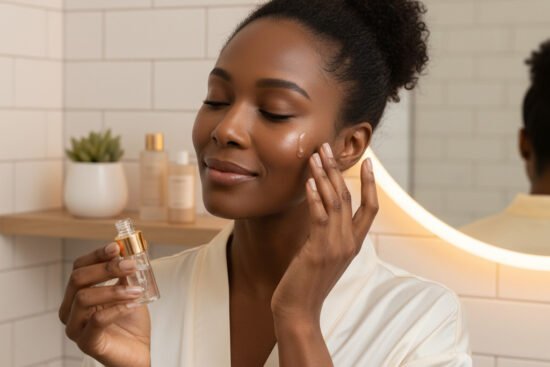
After cleansing, while your skin is still slightly damp, apply an antioxidant serum. Vitamin C is a powerhouse ingredient for melanin-rich skin, not only for its ability to brighten and even out skin tone but also for its protective properties. It helps neutralize free radicals generated by UV exposure and pollution, which can contribute to collagen breakdown and pigment formation. Look for stable forms of Vitamin C (like L-ascorbic acid, magnesium ascorbyl phosphate, or tetrahexyldecyl ascorbate) in concentrations that your skin tolerates well, typically between 10-20%. Other beneficial antioxidants include ferulic acid, vitamin E, or niacinamide. Niacinamide, in particular, is excellent for barrier support and reducing inflammation, making it a fantastic choice for hyperpigmentation-prone skin. This step acts as an additional layer of defense against environmental damage, complementing your sunscreen.
Practical Tip: If you are new to Vitamin C, start with a lower concentration (5-10%) and gradually increase as your skin adapts. Apply a few drops to your face and neck, gently pressing it into the skin. Allow it to absorb for a minute before moving on. If your skin is sensitive, consider alternating Vitamin C with a niacinamide serum on different mornings, or using niacinamide as your primary morning antioxidant.

Step 3: Hydration and Moisture
Next, apply a lightweight moisturizer to lock in hydration and support your skin barrier. Even if your skin is oily, a non-comedogenic moisturizer is crucial. Hydrated skin functions optimally and is less prone to irritation. Look for moisturizers containing humectants like hyaluronic acid or glycerin, and emollients like ceramides or squalane. These ingredients help to replenish moisture, strengthen the skin barrier, and create a smooth canvas for your sunscreen. For melanin-rich skin, which can sometimes be prone to dryness or ashiness, adequate hydration is key to maintaining a healthy, vibrant complexion and preventing the micro-irritations that can lead to PIH.
Practical Tip: Choose a moisturizer that feels comfortable on your skin and doesn’t leave a heavy or greasy residue. If you live in a humid climate, a gel-cream might be sufficient. In drier climates, a slightly richer lotion might be more appropriate. Shop ceramide moisturizer on Amazon to find options that support your skin barrier.
Step 4: Non-Negotiable Sun Protection
This is arguably the most critical step in any routine aimed at fading dark spots on melanin-rich skin, and it is absolutely non-negotiable. Sunscreen prevents new hyperpigmentation from forming and, crucially, prevents existing dark spots from getting darker. Without consistent, diligent sun protection, all other efforts to fade dark spots will be significantly undermined, if not entirely futile. Melanin-rich skin still needs sunscreen, and often, the visible signs of sun damage manifest as hyperpigmentation rather than sunburn. Look for a broad-spectrum sunscreen with an SPF of 30 or higher. Mineral sunscreens containing zinc oxide and/or titanium dioxide are often preferred for sensitive skin and those prone to hyperpigmentation, as they provide a physical barrier against UV rays and are less likely to irritate. However, modern chemical sunscreens can also be excellent, especially those formulated without a white cast.
Practical Tip: Apply a generous amount—about a quarter-sized dollop for your face and neck—as the very last step of your morning routine. Reapply every two hours if you’re outdoors or sweating, and immediately after swimming. Don’t forget areas like your ears, neck, and chest. Finding a sunscreen that you genuinely enjoy wearing is key to consistency. Explore options that blend seamlessly into your skin without leaving a white or ashy residue. Shop sunscreen for dark skin on Amazon to find formulations designed for seamless integration.
A Simple Evening Framework for Melanin-Rich Skin
The evening routine is where your skin does its repair work and where targeted treatments for dark spots can be most effectively applied. This framework focuses on thorough cleansing, barrier repair, and the strategic use of active ingredients to encourage cell turnover and inhibit melanin production. Like the morning routine, simplicity and consistency are key to avoiding irritation and maximizing results.
Step 1: Double Cleansing
The evening cleanse is more intensive than the morning, especially if you wear makeup, sunscreen, or live in an urban environment. Double cleansing is highly recommended for melanin-rich skin to ensure all impurities are thoroughly removed without harsh scrubbing. Start with an oil-based cleanser, balm, or micellar water to dissolve makeup, sunscreen, and environmental pollutants. Gently massage it into dry skin, then rinse with warm water. Follow with a gentle, hydrating water-based cleanser, similar to your morning choice, to clean the skin without stripping it. This two-step process ensures a clean canvas, allowing your treatment products to penetrate more effectively and reducing the likelihood of clogged pores, which can lead to inflammation and subsequent dark spots.
Practical Tip: If you don’t wear makeup, you can still benefit from an oil cleanse, especially if you use a high-SPF mineral sunscreen, which can be tenacious. Always use lukewarm water, as hot water can strip the skin. When choosing your second cleanser, remember the principles of gentleness and hydration. Shop gentle cleanser for dark skin women on Amazon for suitable options.
Step 2: Targeted Treatment for Dark Spots
This is the core of your evening routine for fading dark spots. After cleansing and patting your skin dry (or allowing it to air dry for a minute), apply your chosen active treatment. The key here is *one* primary active ingredient or a well-formulated product that combines complementary actives. Over-layering or rotating too many potent ingredients can lead to irritation. Common effective ingredients for melanin-rich skin include:
- Retinoids (Retinol, Retinaldehyde, Tretinoin): These are gold standard for increasing cell turnover, which helps shed pigmented cells, and for improving overall skin texture. Start with a low concentration and use 2-3 times a week, gradually increasing frequency as tolerated.
- Alpha Hydroxy Acids (AHAs) like Glycolic Acid or Lactic Acid: These gently exfoliate the skin surface, promoting the shedding of pigmented cells. Use a low concentration (5-10%) 2-3 nights a week.
- Azelaic Acid: Excellent for reducing inflammation and directly inhibiting melanin production. It’s often well-tolerated by sensitive skin and can be used daily.
- Tranexamic Acid: Another powerful ingredient for inhibiting melanin production, particularly effective for melasma. Can be used daily.
- Niacinamide: While also an antioxidant, it’s a fantastic choice for evening routines due to its ability to reduce inflammation, strengthen the skin barrier, and inhibit melanin transfer.
The choice of active should be based on your skin’s tolerance, the type of hyperpigmentation, and your overall goals. Remember the principle of “less is more” and “slow and steady wins the race” when introducing these powerful ingredients. For a deeper dive into specific ingredients, you might find our article on ingredient-based solutions helpful.
Practical Tip: If using a retinoid, apply a pea-sized amount to your entire face. If using an AHA, apply a thin layer. For other serums, a few drops are usually sufficient. Always allow the product to fully absorb before moving to the next step. If you’re using multiple actives, consider alternating them on different nights (e.g., retinoid on Monday, AHA on Wednesday, barrier support serum on Friday) rather than layering them all at once, especially when starting out. For more on pacing, see how to pace hyperpigmentation treatments safely.
Step 3: Hydration and Barrier Support
After your treatment serum has absorbed, follow with a nourishing moisturizer. This step is crucial, especially when using active ingredients that can be drying or irritating. A good evening moisturizer should be richer than your morning one, focusing on barrier repair and deep hydration. Look for ingredients like ceramides, cholesterol, fatty acids, squalane, shea butter, or glycerin. These help to replenish the skin’s lipid barrier, prevent moisture loss, and soothe any potential irritation from your active treatments. A strong, healthy skin barrier is fundamental to preventing new dark spots and allowing existing ones to fade effectively.
Practical Tip: If your skin is feeling particularly dry or sensitive, consider the “sandwich method” for retinoids: apply a thin layer of moisturizer, then your retinoid, then another layer of moisturizer. This can help buffer the active ingredient and reduce irritation. Don’t forget your neck and décolletage, as these areas also benefit from consistent care.
Step 4: Occlusive (Optional, for Dry or Compromised Skin)
For those with very dry skin, a compromised barrier, or during harsh winter months, adding an occlusive layer as the final step can be incredibly beneficial. Occlusives like petrolatum (Vaseline), aquaphor, or thick balms create a physical seal over the skin, preventing transepidermal water loss and locking in all the previous layers of hydration and treatment. This helps to accelerate barrier repair and keep the skin supple and moisturized overnight. While not necessary for everyone, it can be a game-changer for skin that struggles with dryness or sensitivity, providing an extra layer of protection and healing.
Practical Tip: Apply a very thin layer of your chosen occlusive over your moisturizer. A little goes a long way. Be mindful if you are prone to acne, as some occlusives can feel heavy, although petrolatum itself is non-comedogenic. Observe how your skin responds and adjust accordingly.

How to Adjust for Sensitivity, Acne History, or a Stressed Barrier
Melanin-rich skin, while resilient, can also be particularly reactive, especially when dealing with existing inflammation, a history of acne, or a compromised skin barrier. These conditions necessitate a more cautious and tailored approach to your routine frameworks. The goal is always to support healing and reduce irritation, not to exacerbate it. Ignoring these signals can lead to a frustrating cycle of breakouts, increased sensitivity, and worsening hyperpigmentation. Understanding how to adapt your routine is crucial for long-term success.
Prioritizing Barrier Repair Above All Else
If your skin is sensitive, irritated, or has a compromised barrier (manifesting as redness, flaking, stinging, or unusual dryness), your absolute first priority must be barrier repair. Trying to fade dark spots on a damaged barrier is like building a house on sand – it won’t hold. Pause all active ingredients (retinoids, AHAs, strong Vitamin C, even some niacinamide formulations) and focus solely on gentle cleansing, hydration, and protection. This “skin fast” might feel counterintuitive when you’re eager to tackle dark spots, but it’s the most effective long-term strategy. Your skin needs time and gentle nourishment to rebuild its protective shield. Think of it as hitting the reset button.
- Cleanse: Stick to the gentlest, most hydrating cleansers possible. Look for cream or oil-based formulas that don’t foam excessively.
- Moisturize: Use rich, fragrance-free moisturizers packed with ceramides, hyaluronic acid, cholesterol, and fatty acids. Apply generously morning and night.
- Protect: Absolutely do not skip sunscreen. A mineral-based sunscreen (zinc oxide, titanium dioxide) is often best for sensitive, compromised skin as it’s less likely to irritate.
- Simplify: Reduce your routine to these three core steps. Avoid toners, essences, masks, and anything else that isn’t directly contributing to barrier repair.
Once your skin feels calm, hydrated, and resilient again (this can take anywhere from a few days to several weeks), you can slowly reintroduce active ingredients, one at a time, and at lower frequencies.
Navigating Acne-Prone Skin
For those with a history of acne, the concern isn’t just fading dark spots, but also preventing new breakouts that will inevitably lead to new spots. The key is to find a balance between treating acne and treating hyperpigmentation without over-drying or irritating the skin. Many acne treatments can be harsh, and for melanin-rich skin, this often means more PIH. Consider incorporating ingredients that address both concerns:
- Azelaic Acid: This is a superstar for acne-prone, hyperpigmentation-prone skin. It’s anti-inflammatory, antibacterial, helps unclog pores, and inhibits melanin production. It’s often well-tolerated and can be used daily.
- Gentle Retinoids: While retinoids are excellent for cell turnover and treating acne, start with a lower strength (e.g., 0.025% tretinoin or a low-strength retinol) and use them less frequently (2-3 times a week) to minimize irritation.
- Niacinamide: Reduces inflammation, helps regulate oil production, and improves barrier function, all of which are beneficial for acne and hyperpigmentation.
- Salicylic Acid (BHA): A lipid-soluble exfoliant that can penetrate oil and unclog pores. Use it cautiously, perhaps 2-3 times a week, as over-use can be drying. Consider it as a spot treatment or in a cleanser, rather than a leave-on serum, if your skin is sensitive.
Avoid harsh physical scrubs, astringent toners, and over-drying acne treatments. These can strip the skin, leading to more oil production (a common rebound effect) and increased inflammation, which will only worsen your dark spots. Focus on consistent, gentle care that addresses the root causes of acne while simultaneously supporting pigment regulation.
Introducing Actives with Caution and Patience
Regardless of your skin’s baseline, introducing new active ingredients, especially those targeting hyperpigmentation, requires a slow and deliberate approach. This is particularly true for melanin-rich skin, where reactivity can be higher. The “patch test” is your friend: apply a small amount of the new product to an inconspicuous area (like behind your ear or on your jawline) for a few days to check for any adverse reactions before applying it to your entire face.
When introducing a new active:
- Start Low, Go Slow: Begin with the lowest available concentration of the active ingredient.
- Frequency: Use it only 2-3 times a week initially, rather than daily.
- Listen to Your Skin: Pay close attention to how your skin responds. Any redness, stinging, excessive dryness, or new breakouts are signs to reduce frequency or stop altogether.
- One at a Time: Introduce only one new active ingredient at a time. Wait at least 2-4 weeks before introducing another, giving your skin ample time to adjust and allowing you to identify any problematic ingredients.
- Buffer: Consider applying a thin layer of plain moisturizer before your active ingredient (the “sandwich method”) to reduce its potency and minimize irritation, especially for retinoids.
Patience is paramount. It takes weeks, often months, for active ingredients to truly make a difference in fading dark spots. Rushing the process or overwhelming your skin will only set you back. Remember, the goal is sustainable progress, not immediate, potentially damaging, results. For more detailed guidance on how to safely integrate treatments, refer to our article on how to pace hyperpigmentation treatments safely.
What Routine Habits Often Slow Progress
While the focus is often on what to *add* to a routine, understanding what habits to *avoid* is equally, if not more, crucial for fading dark spots on melanin-rich skin. Many common skincare practices, often adopted with good intentions, can inadvertently hinder progress, exacerbate hyperpigmentation, or even create new issues. Recognizing and correcting these habits is a powerful step towards achieving an even, radiant complexion. It’s about cultivating a mindful approach to skincare that respects your skin’s unique needs.
Inconsistent Sun Protection
This is, without a doubt, the single biggest saboteur of dark spot fading efforts. Skipping sunscreen, even on cloudy days or when indoors near windows, allows UV radiation to stimulate melanocytes, making existing dark spots darker and triggering new ones. Melanin-rich skin is often mistakenly thought to be immune to sun damage, but while we have a higher baseline SPF, we are still susceptible to UV-induced hyperpigmentation. Even if you are diligently using potent actives to fade spots, inconsistent sun protection will render those efforts largely ineffective. It’s like trying to bail water out of a leaky boat without plugging the hole. The sun is the primary trigger for melanin production, and without consistent, broad-spectrum SPF 30+ protection, you are constantly fighting an uphill battle. This includes neglecting reapplication throughout the day, especially if you’re spending extended time outdoors or sweating.
Over-Exfoliation and Harsh Physical Scrubs
The desire for smooth, clear skin can lead many to believe that more exfoliation is always better. However, over-exfoliation, whether through harsh physical scrubs or excessive use of chemical exfoliants (AHAs, BHAs), is a major culprit for irritation and subsequent PIH in melanin-rich skin. Physical scrubs with jagged particles can create micro-tears in the skin, leading to inflammation. Over-using chemical exfoliants can strip the skin’s protective barrier, making it sensitive, red, and prone to moisture loss. Both scenarios trigger the melanocytes to produce more pigment as a protective response. Instead of aggressively scrubbing or peeling, focus on gentle, consistent chemical exfoliation (e.g., a low-strength AHA 2-3 times a week) or relying on retinoids to naturally increase cell turnover. The goal is to gently encourage the shedding of pigmented cells, not to strip or inflame the skin.
Product Hopping and Lack of Patience
As discussed earlier, constantly switching products every few weeks in search of a “miracle cure” is a common habit that stalls progress. Skincare ingredients, particularly those targeting hyperpigmentation, require time—often 8-12 weeks or more of consistent use—to show noticeable results. When you product hop, you don’t give any single ingredient the opportunity to work its magic. Moreover, each new product introduces a new variable, increasing the risk of irritation or allergic reactions. This constant flux prevents your skin from establishing a stable, healthy rhythm. Patience is a virtue in skincare, especially when dealing with stubborn concerns like dark spots. Stick with a well-chosen routine for at least 3-4 months before evaluating its efficacy, unless you experience clear irritation.
Ignoring Skin Barrier Health
A compromised skin barrier is a breeding ground for problems, including increased sensitivity, dryness, and, crucially, worsened hyperpigmentation. Many active ingredients designed to fade dark spots (like retinoids and AHAs) can be drying or irritating, and if your barrier isn’t strong, these effects are amplified. Habits like using harsh cleansers, hot water, not moisturizing adequately, or layering too many strong actives without proper buffer can all contribute to a damaged barrier. When your barrier is compromised, your skin is in a constant state of low-grade inflammation, which directly fuels melanin production. Prioritizing barrier support—through gentle cleansing, hydrating and nourishing moisturizers, and strategic use of actives—is not just a secondary concern; it’s fundamental to successfully fading dark spots. For more on general skincare for Black women, check out our comprehensive guide.
Picking and Popping Pimples or Scabs
This is a difficult habit to break for many, but it’s one of the most direct ways to create new dark spots. When you pick at a pimple, blackhead, or scab, you introduce bacteria, increase inflammation, and physically damage the skin. This trauma triggers a significant inflammatory response, which, in melanin-rich skin, almost guarantees post-inflammatory hyperpigmentation. Even if the pimple was small, the act of picking can turn a minor blemish into a stubborn dark spot that takes months to fade. Resist the urge to pick. Instead, treat breakouts gently with targeted spot treatments (like salicylic acid or benzoyl peroxide) and allow your skin to heal naturally. If you have a persistent issue with acne, consulting a dermatologist is always recommended to manage breakouts effectively and minimize scarring.

Using Fragranced or Irritating Products
Many skincare products contain artificial fragrances, essential oils, or other common irritants that can cause subtle, chronic inflammation in sensitive skin. While these might smell lovely, they offer no benefit to the skin and can be a silent contributor to hyperpigmentation. For melanin-rich skin, where any inflammation can lead to dark spots, choosing fragrance-free and irritant-free formulations is a wise choice. Pay attention to ingredient lists and opt for products designed for sensitive skin. Even if you don’t immediately react to a fragranced product, prolonged exposure can lead to sensitization over time, making your skin more reactive and prone to PIH.
Neglecting Lifestyle Factors
While not strictly “routine habits,” certain lifestyle choices significantly impact skin health and the efficacy of your skincare routine. Chronic stress, lack of sleep, a diet high in inflammatory foods, and smoking can all contribute to overall inflammation in the body, which can manifest as skin issues, including hyperpigmentation. For example, stress can trigger hormonal fluctuations that exacerbate acne or melasma. Neglecting these broader wellness aspects can undermine even the most perfectly crafted skincare routine. Integrating stress management techniques, ensuring adequate sleep, eating a balanced diet rich in antioxidants, and avoiding smoking are all vital components of a holistic approach to fading dark spots. Our article on lifestyle patterns that influence hyperpigmentation provides more insight.
By consciously avoiding these common pitfalls and embracing a more mindful, consistent, and gentle approach, you empower your skin to heal and reveal its natural radiance. Fading dark spots is a marathon, not a sprint, and these habits are crucial for enduring success.
Frequently Asked Questions
How long does it typically take to see results from a dark spot fading routine?
Patience is key when fading dark spots on melanin-rich skin. You can generally expect to see initial improvements in 8-12 weeks of consistent use, with significant fading often taking 4-6 months or even longer for very stubborn spots or melasma. The timeline depends on the depth and age of the hyperpigmentation, as well as the consistency of your routine and sun protection.
Can I use multiple active ingredients for dark spots at once?
While some well-formulated products combine complementary actives, it’s generally best to introduce one new active ingredient at a time to minimize irritation, especially for melanin-rich skin. If you wish to use multiple strong actives (like retinoids and AHAs), consider alternating them on different nights or using one in the morning and one in the evening, always prioritizing skin barrier health. Consult our guide on how to pace hyperpigmentation treatments safely for more details.
Is sunscreen really necessary for dark skin, even indoors?
Yes, absolutely. Sunscreen is the most critical step in preventing and fading dark spots on melanin-rich skin. UV radiation, even through windows or on cloudy days, can trigger melanin production, worsening existing hyperpigmentation and creating new spots. Consistent daily use of broad-spectrum SPF 30+ is non-negotiable for effective results. For more information, please visit our dedicated page on sunscreen for dark skin.
What if my skin becomes irritated or sensitive after starting a new product?
If you experience irritation, redness, stinging, or excessive dryness, immediately pause all active ingredients. Focus on a simplified routine of gentle cleansing, hydrating with a barrier-repairing moisturizer, and diligent sun protection until your skin calms down. Once your barrier is restored, you can slowly reintroduce the product at a lower frequency or concentration, or consider a different active ingredient that might be better tolerated.
Can diet and lifestyle affect my dark spots?
Yes, diet and lifestyle play a significant role in skin health and can influence hyperpigmentation. Chronic stress, lack of sleep, a diet high in inflammatory foods, and smoking can all contribute to systemic inflammation, which can exacerbate skin issues, including dark spots. Adopting a balanced diet, managing stress, ensuring adequate sleep, and avoiding smoking can support your skincare efforts. Learn more in our article on lifestyle patterns that influence hyperpigmentation.
Should I use physical exfoliants or chemical exfoliants for dark spots?
For melanin-rich skin, gentle chemical exfoliants (like AHAs or retinoids) are generally preferred over harsh physical scrubs. Physical scrubs can create micro-tears and inflammation, leading to new dark spots. Chemical exfoliants work more uniformly to promote cell turnover and shed pigmented cells without causing physical trauma. Always introduce them slowly and at lower concentrations. For a deeper dive into treatment options, see over-the-counter topicals for dark spots.
When should I consider professional treatments like chemical peels?
If you’ve been consistently following a diligent at-home routine for several months with limited results, or if you have very stubborn or deep hyperpigmentation (like melasma), professional treatments can be a valuable next step. Consult with a dermatologist experienced with melanin-rich skin to discuss options like superficial chemical peels, microneedling, or laser treatments. They can assess your skin’s needs and recommend the safest and most effective approach to complement your at-home care. You can find more information in our article on clinic-based peels and procedures on dark skin.
Where to Go Next
Embarking on the journey to fade dark spots is a testament to your dedication to self-care and the pursuit of radiant, even-toned skin. Remember, this is not a sprint, but a marathon—a consistent, gentle, and patient process that honors the unique beauty and resilience of melanin-rich skin. By embracing these routine frameworks, you are choosing stability over intensity, wisdom over hype, and long-term health over fleeting trends. You are empowering your skin to heal and thrive, not just to react.
The frameworks provided here are not rigid rules but adaptable guides, designed to empower you to make informed choices for your skin. Listen to your skin, observe its responses, and adjust as needed. Celebrate the small victories, maintain your consistency, and never underestimate the power of diligent sun protection. Your skin is a living, breathing canvas, and with the right care, it will reflect the inner confidence and self-love you cultivate. Keep nurturing it, keep protecting it, and watch as your complexion transforms, revealing the luminous, even tone that is inherently yours.
For a deeper dive into understanding and treating hyperpigmentation, we encourage you to explore our comprehensive Hyperpigmentation and Dark Spots Pillar Page. There, you’ll find a wealth of resources, from detailed ingredient guides to lifestyle considerations, all tailored to support your journey. You can also visit our Treatment Methods Hub for more articles on topicals, peels, and lifestyle support. Your radiant skin journey continues, and Black Beauty Basics is here to guide you every step of the way.
Related next steps
Related posts:
 Daily Routines That Support Fading Facial Dark Spots
 Body Care Routines That Support Fading Dark Areas Over Time
 Niacinamide for Dark Spots and Redness on Dark Skin: Understanding Its Role and Realistic Expectations
 Over-the-Counter Topicals for Dark Spots on Melanin-Rich Skin
 HS (Hidradenitis Suppurativa) Tunnels, Scars, and Dark Spots on Dark Skin
 Best Ingredients to Fade Dark Spots on Dark Skin (Vitamin C, Azelaic, Kojic, etc.)