Environment & Lifestyle Adaptations for Natural Hair (Work, Gym, Travel)
Natural hair does not live in a vacuum; it lives in offices and hospitals, classrooms and airports, humid summers and dry winters, early‑morning commutes and late‑night gym sessions. Many routines look great on social media but collapse as soon as you factor in sweat, uniforms, weather, or a packed calendar. This cluster focuses on environment and lifestyle adaptations for natural hair inside the broader Natural Hair Care & Protective Styles pillar.
Instead of demanding that you rearrange your entire life around your hair, we start from your reality and work backward. The goal is to help you choose routines, styles, and protective strategies that fit your work, movement, and travel patterns—so your hair supports your life, not the other way around.
What This Cluster Covers
This cluster centers on translating natural‑hair care into work‑safe, gym‑friendly, and travel‑ready plans.
- Adapting styles and wash schedules to different work environments and dress codes.
- Building gym and movement‑friendly routines that do not punish you for sweat.
- Planning travel‑friendly hair strategies for short trips and long stays.
- Adjusting for climate and seasonal changes (humidity, dryness, extreme temperatures).
- How all of this connects back to scalp health, protective‑style strategy, and low‑manipulation habits.
Articles in This Cluster
These are working topic descriptors for articles inside this cluster. Final titles can change, but the URLs and focus areas stay similar.

- Adapting natural‑hair routines to your work environment
- Building gym and movement‑friendly hair routines
- Planning travel‑friendly hair strategies for short and long trips
- How climate and seasons change your hair needs
- Mapping your week to a realistic hair and scalp routine
Choosing Your Lifestyle‑Adaptation Starting Point
This table helps you match your main practical challenge—work, gym, travel, or seasons—to a starting lane.
| If this sounds like you | Start with this lane | Core focus | Where to read more |
|---|---|---|---|
| Your job has dress codes, safety gear, or culture that limit your style options. | Work‑environment adaptations. | Choosing styles and schedules that fit both your workplace and your hair’s needs. | Work adaptations article |
| You work out or sweat often and feel like you must choose between health and hair. | Gym and movement‑friendly routines. | Pre‑ and post‑workout plans, sweat‑friendly styles, and realistic wash‑day timing. | Gym & movement article |
| You travel for work or pleasure and your hair routine falls apart on the road. | Travel‑friendly strategies. | Trip‑length‑based style choices, mini kits, and simple on‑the‑go routines. | Travel strategies article |
| Your hair behaves one way in humid summers and another in dry winters. | Climate and seasonal changes. | Adjusting products, styles, and wash frequency as weather shifts. | Climate & seasons article |
| You are overwhelmed and want a simple week‑to‑week plan that fits your real schedule. | Mapping your week. | Plotting wash days, style days, and rest days around your actual life. | Weekly mapping article |
Adapting Natural‑Hair Routines to Your Work Environment
Work can shape what feels “possible” with your hair: healthcare and food‑service roles may require coverings; corporate offices may carry unspoken style expectations; jobs with helmets or headsets can rub at the same spots daily. Adapting your routine means choosing styles that fit your dress code and tools, planning wash days around your shift pattern, and using simple protections (like satin‑lined caps under helmets) to reduce friction and tension. It also means giving yourself permission to prioritize ease and comfort during intense seasons, not just aesthetics.
This work‑focused article links to the everyday low‑manipulation styling cluster for simple, repeatable work‑friendly styles and to the protective styles strategy cluster for longer‑term options. It also connects with the Scalp Health lifestyle & behaviors cluster where tension, friction, and install length are addressed in more depth.
The Corporate Chameleon: Professional Natural Hair Styles
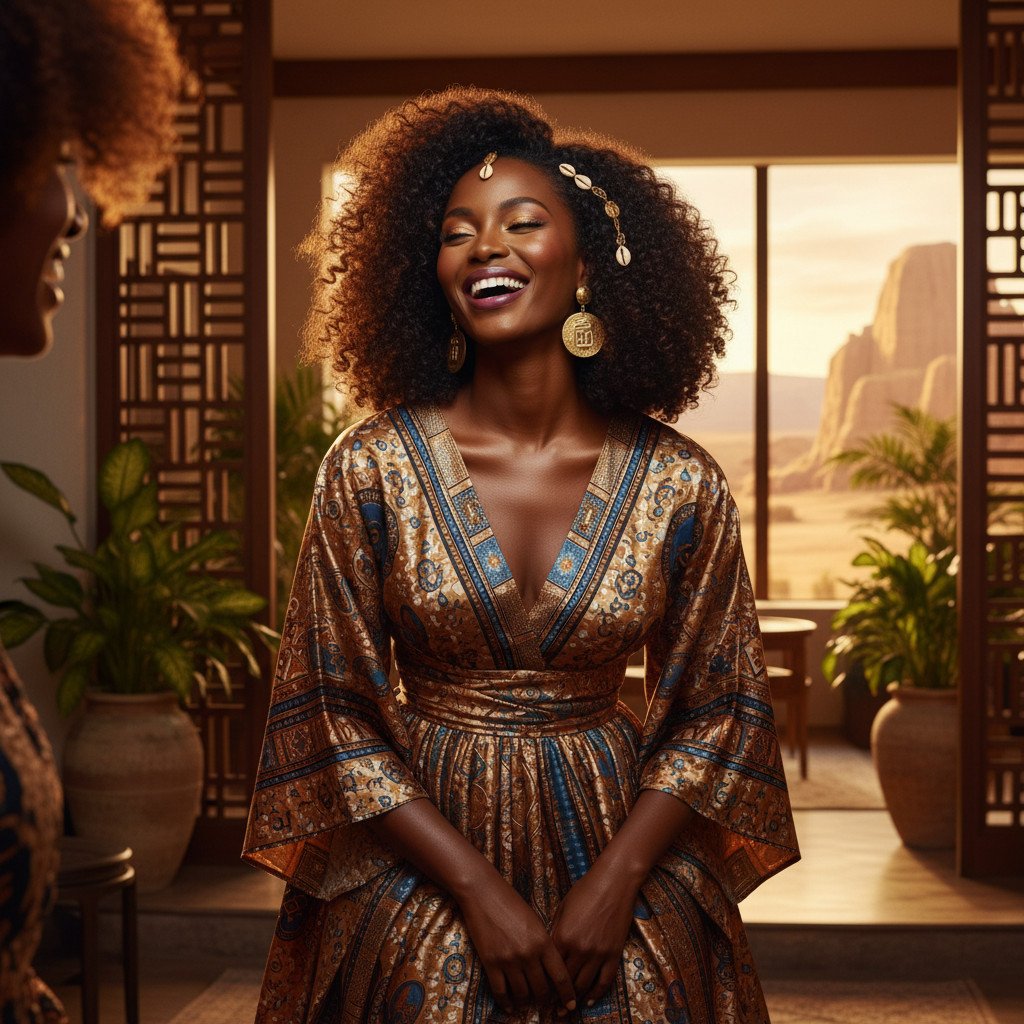
For the professional Black woman, navigating corporate environments with natural hair is an art form. It’s about blending elegance with authenticity, ensuring your hair complements your presence without becoming a distraction. Think sleek updos, polished buns, sophisticated twists, or even carefully defined wash-and-gos that speak to your confidence and attention to detail. The key is often neatness and definition. Consider styles that keep hair off your face, project a sense of order, and can withstand a full day of meetings and presentations. A well-executed twist-out or braid-out can offer beautiful texture while maintaining a professional silhouette. For those in more conservative fields, a low, sleek bun or a chic chignon can be a power move, conveying grace and authority. Remember, your hair is an extension of your personal brand; let it reflect your strength and professionalism.
Healthcare Heroes: Practicality Meets Protection
In healthcare, safety and hygiene are paramount. This often means hair must be secured, covered, or kept out of the way. But practicality doesn’t mean sacrificing hair health. Satin-lined scrub caps or bonnets are your best friends, protecting your strands from friction and dryness under standard caps. Styles like cornrows, flat twists, or small, neat braids can be worn under head coverings comfortably for days or even weeks, minimizing daily manipulation. Low, secure buns or ponytails are also excellent options. The focus here is on styles that are low-tension, allow for easy scalp access for cleansing (especially important in environments requiring frequent handwashing and sanitizing, which can dry out the skin and indirectly affect the scalp), and can be easily maintained with minimal product application during long shifts. Your hair can be both protected and professional, allowing you to focus on your vital work.
Creative Queens & Educators: Expressive Yet Functional
For those in creative fields or education, there’s often more leeway for self-expression. This can mean bolder colors, more voluminous styles, or intricate designs. However, functionality remains key. If you’re an artist, you need hair that won’t get in your way. If you’re an educator, you need styles that can withstand active days with children or dynamic lectures. Braids, twists, locs, and even well-maintained free-flowing styles can thrive here. The goal is to choose styles that reflect your personality while still being practical for your daily tasks. Consider styles that can be easily refreshed, require minimal fuss, and don’t contribute to neck strain or discomfort during long periods of standing or movement. The beauty of natural hair is its versatility; embrace it while ensuring it serves your professional life.

Navigating Uniforms & Headgear: The Unseen Challenges
Many professions require uniforms, helmets, or headsets. These can create unique challenges for natural hair, leading to friction, breakage, or discomfort. The solution often lies in strategic styling and protective measures. For helmets, a low, flat style like cornrows or flat twists can prevent crushing and friction. A satin-lined helmet or cap worn underneath can further reduce damage. For headsets, consider styles that don’t place pressure on the ears or temples, such as a low bun or a side-swept look. For uniforms that might rub against the nape, ensure your hair is tucked away or protected with a scarf. Proactive protection is always better than reactive repair. By understanding the specific demands of your work environment, you can choose styles and accessories that safeguard your hair while allowing you to perform your duties effectively and confidently.
Building Gym and Movement‑Friendly Hair Routines
Regular movement is part of caring for your whole body, but sweat, salt, and friction can make scalp and hair care feel complicated. A gym‑friendly routine focuses on styles that stay put during workouts, simple pre‑sweat setups (like loose braids, puffs, or buns), and realistic post‑workout care—from quick scalp rinses or diluted cleanser along parts to planned wash days after your most intense sessions. The aim is not a perfect style after every workout, but a consistent rhythm that lets you move without dread.
This article connects to the scalp‑focused routines pillar for handling sweat on the scalp and to the Scalp Health lifestyle & behaviors cluster where sweat, sleep, and exercise patterns are explored. It also links back to the low‑manipulation styling cluster for gym‑friendly style ideas that do not require a full reset after every workout.
The Sweat Factor: Managing Moisture and Salt
Sweat is a natural and healthy part of physical activity, but for natural hair, it introduces a unique set of challenges. The salt in sweat can dry out your hair and scalp, leading to frizz, itching, and even breakage if not properly managed. The key is to understand that sweat isn’t inherently bad; it’s the residue and lack of proper care that cause issues. Before a workout, consider applying a light leave-in conditioner or a touch of oil to your strands to create a barrier against the salt. During your workout, a satin-lined sweatband can absorb excess moisture while protecting your edges. Post-workout, focus on cleansing your scalp, not necessarily your entire head of hair. A diluted apple cider vinegar rinse or a refreshing scalp spray can help neutralize pH and remove salt buildup without a full wash. This targeted approach preserves your style while keeping your scalp healthy.
Gym-Friendly Hairstyles: Functionality Meets Flair
Your workout shouldn’t be dictated by your hair, nor should your hair suffer for your commitment to fitness. The best gym hairstyles are those that keep your hair secure, minimize friction, and allow for maximum movement. Think high puffs or pineapple styles, which keep your curls off your neck and shoulders. Braids, whether cornrows, flat twists, or individual braids, are excellent for long-term protection and can last through multiple workouts. Buns, especially high buns or space buns, are also fantastic for keeping hair contained. For shorter hair, a simple headband can do wonders. The goal is to choose a style that stays put, allows your scalp to breathe, and can be easily refreshed without requiring a complete restyle after each session. This empowers you to move freely, knowing your crown is cared for.
Post-Workout Refresh: Extending Your Style
Not every workout needs to end with a wash day. Mastering the post-workout refresh is crucial for maintaining your style and sanity. If your scalp feels sweaty but your hair isn’t visibly dirty, focus on targeted cleansing. Use a dry shampoo specifically designed for natural hair, or a witch hazel-based scalp astringent to clean and soothe your scalp. For a deeper refresh, consider a co-wash or a diluted shampoo just on your scalp and roots, rinsing carefully to avoid saturating your entire style. After cleansing, re-moisturize your hair with a light leave-in conditioner or a curl refresher spray. Re-twist or re-braid any sections that have become frizzy, and allow your hair to air dry or use a diffuser on a cool setting. With a smart refresh routine, you can extend the life of your styles, saving time and reducing manipulation.
Active Lifestyles: Beyond the Gym
Movement isn’t just about the gym; it’s about hiking, dancing, playing with children, or simply living an active life. These activities also demand hair solutions that are adaptable and protective. Consider the environment: will you be outdoors in the wind or sun? Will you be wearing a helmet for cycling or rock climbing? For outdoor activities, protective styles like braids or twists can shield your hair from environmental stressors. Hats or scarves can offer additional protection from sun and wind. For activities involving headgear, ensure your hair is laid flat and protected underneath to prevent friction. The overarching principle is to anticipate the demands of your activity and choose a style that supports your engagement without causing undue stress to your hair. Your hair should enhance your active lifestyle, not hinder it.
Planning Travel‑Friendly Hair Strategies for Short and Long Trips
Travel changes your access to water, products, tools, and time. For short trips, you might focus on a fresh style right before you leave, a compact kit (cleanser, conditioner, oil or cream, satin scarf), and simple refresh routines at night. For longer trips, it may make sense to choose a low‑tension protective style, plan at least one wash day on the road, and think through how climate and water hardness at your destination may affect your hair.
This travel‑focused article ties into the protective styles strategy cluster for choosing travel‑appropriate styles and to the style‑specific prep and takedown routines cluster for timing installs and removals around flights or long drives. It also connects with the moisture, protein, and strength balance cluster, since travel often exposes hair to different climates that shift its needs.
Short Trips: Efficiency and Elegance
For weekend getaways or short business trips, efficiency is paramount. The goal is to minimize your hair care routine without sacrificing style. A fresh, well-defined wash-and-go, twist-out, or braid-out done right before you leave can often last the duration of your trip with minimal touch-ups. Pack a travel-sized kit with your essential products: a small spray bottle for refreshing, a light leave-in, a sealing oil, and a satin bonnet or scarf. Consider styles that can be easily pineapple-d or put into a loose bun at night. The less manipulation required, the more time you have to enjoy your destination or focus on your work. Remember, a chic scarf or headwrap can instantly elevate a day-old style, offering both protection and panache.
Longer Journeys: Strategic Protective Styling
Extended travel, whether for vacation or relocation, calls for a more strategic approach. This is where protective styles truly shine. Braids, twists, faux locs, or even wigs offer unparalleled convenience and protection, allowing you to immerse yourself in your experience without daily hair worries. When choosing a protective style for long-term travel, consider the climate of your destination. Will it be humid, dry, hot, or cold? This can influence your choice of hair texture and installation method. Ensure your protective style is installed without excessive tension to prevent discomfort during long flights or varying climates. Pack a small bottle of scalp oil or a refreshing spray to maintain scalp health and alleviate any itching. The beauty of these styles is the freedom they provide, allowing you to explore new places with confidence and ease.
Navigating Different Climates: Humidity, Dryness, and Water Quality
Travel often means encountering new climates and even different water qualities, both of which can significantly impact your natural hair. In humid environments, your hair might swell and frizz. Opt for styles that embrace the volume or use anti-humidity products. In dry climates, your hair will crave moisture. Increase your water intake, use richer leave-ins and oils, and consider sealing your ends more frequently. Hard water, common in many regions, can leave mineral buildup on your hair, making it feel dry and stiff. If you anticipate hard water, pack a clarifying shampoo or a chelating rinse, and ensure you deep condition regularly. Being prepared for these environmental shifts means your hair remains healthy and vibrant, no matter where your adventures take you.
Packing Smart: Your Travel Hair Kit
A well-curated travel hair kit is essential for any naturalista on the go. For air travel, remember TSA liquid limits and opt for travel-sized containers or solid shampoo/conditioner bars. Prioritize multi-purpose products: a leave-in that doubles as a styler, or an oil that can be used for both hair and scalp. Don’t forget your essential tools: a wide-tooth comb, detangling brush, hair ties, clips, and of course, your satin bonnet or scarf. For longer trips, consider a small portable diffuser if you rely on heat styling. If you’re staying in an Airbnb or a place with a kitchen, you might even consider bringing a small bottle of apple cider vinegar for quick rinses. The goal is to have everything you need without overpacking, allowing you to maintain your hair health and style with minimal effort and maximum enjoyment.
How Climate and Seasons Change Your Hair Needs
Humidity, dryness, wind, and temperature all affect how your hair behaves. Humid environments can cause swelling and frizz, making lighter products and set styles more challenging but sometimes helping with moisture; dry, cold air can draw moisture out of strands, calling for richer products, more protective styles, and extra attention to ends. Seasonal changes are a cue to check in with your hair: do you need to tweak your product weight, wash frequency, or favorite styles to match what the air is doing?
This climate‑focused article links directly to the texture‑specific routines cluster, because high‑porosity and low‑porosity strands respond differently to humidity and dryness. It also connects to the heat styling and silk presses cluster, since many women choose straight styles seasonally, and to the Scalp Health conditions content when seasonal dryness or sweating changes scalp symptoms.
Summer’s Embrace: Humidity and Heat
Ah, summer! The season of sunshine, outdoor adventures, and for many naturalistas, the battle against frizz. High humidity can cause your hair cuticle to lift, leading to swelling and a less defined look. However, humidity also brings moisture, which can be a blessing for dry strands. The key is balance. In summer, you might find yourself reaching for lighter products that don’t weigh down your hair, or opting for styles that embrace volume and frizz, like a voluminous wash-and-go or a high puff. Anti-humidity serums can be helpful for maintaining definition. Sun protection is also crucial; consider UV protectant sprays or stylish hats to shield your hair from damaging rays. Increased sweating means more frequent scalp cleansing might be necessary to prevent buildup and maintain a healthy environment for growth. Embrace the energy of summer, and let your hair flow with it.
Autumn’s Transition: Preparing for Change
As the leaves turn and the air grows crisp, autumn brings a transitional period for your hair. The humidity begins to drop, and the air becomes drier, signaling a need to adjust your routine. This is often a good time to gradually introduce richer, more emollient products to your regimen. Deep conditioning treatments become even more essential to replenish moisture lost to the drier air. As temperatures cool, you might find yourself reaching for protective styles more often, not just for aesthetics but also to shield your hair from the elements. Scarves and headwraps become fashionable and functional accessories. Pay close attention to your ends, as they are most vulnerable to dryness and breakage during this shift. Autumn is a season of preparation, a gentle reminder to fortify your strands for the colder months ahead.
Winter’s Chill: Battling Dryness and Breakage
Winter can be particularly harsh on natural hair. The combination of cold, dry air outdoors and heated indoor environments can strip moisture from your strands, leading to extreme dryness, brittleness, and increased susceptibility to breakage. This is the season for intensive moisture. Amp up your deep conditioning, consider overnight treatments, and use heavier butters and oils to seal in moisture. Protective styles are your best friend during winter, minimizing exposure to the elements and reducing daily manipulation. Wigs, braids, twists, and weaves offer excellent protection. Ensure your ends are tucked away and protected. Satin-lined hats and scarves are not just stylish but vital for preventing friction and retaining moisture. Don’t forget your scalp; it can also become dry and flaky in winter, so regular moisturizing and gentle cleansing are important. Winter is a time for nurturing, for wrapping your hair in warmth and care.
Spring’s Renewal: Lightening Up and Refreshing
With the arrival of spring, nature awakens, and so should your hair routine. As humidity slowly returns and temperatures rise, it’s time to shed the heavy products of winter and embrace a lighter approach. Clarifying shampoos can help remove any buildup from richer winter products, preparing your hair for the new season. You might find your hair responds well to lighter leave-ins, gels, and mousses. Spring is an excellent time to trim any winter-induced split ends, giving your hair a fresh start. Experiment with new styles that celebrate the renewed energy of the season, perhaps more open styles or those that allow for greater movement. As you refresh your wardrobe, refresh your hair care, letting your coils and curls breathe and thrive in the blossoming air. Spring is a season of growth and new beginnings, and your hair should reflect that vibrant energy.
Mapping Your Week to a Realistic Hair and Scalp Routine
Good hair routines do not float above your life; they live on your actual calendar. Mapping your week means looking at your real commitments—work shifts, childcare, workouts, social plans—and deciding when you can reasonably wash, style, and rest your hair and scalp. From there, you can choose styles and products that match your available time, energy, and access to water and tools, instead of copying someone with a completely different schedule.
This mapping article connects all the pieces: the low‑manipulation styling cluster, the protective styles strategy cluster, and the moisture, protein, and strength balance cluster. It also ties into the Scalp Health, CCCA & Hair Loss pillar so that your weekly plan includes both hair and scalp care, not just one or the other.
The Power of Planning: Your Hair Calendar
Imagine your hair routine not as a rigid set of rules, but as a flexible dance partner, moving with the rhythm of your life. Creating a hair calendar isn’t about adding more stress; it’s about reducing it. Start by looking at your week: when are your busiest days? When do you have dedicated free time? When do you typically work out? When do you need your hair to look its most polished? Plotting these key moments allows you to strategically place your wash days, deep conditioning treatments, and styling sessions. Perhaps Sunday is your wash day, allowing for a fresh style to start the week. Mid-week, a quick scalp refresh after a workout, followed by a simple re-twist or bun. Friday might be a day for a quick refresh before social plans. This mindful scheduling ensures your hair care integrates seamlessly into your life, rather than feeling like a separate, demanding chore.
Balancing Wash Days with Life’s Demands
Wash day can be a significant time commitment, and trying to squeeze it into an already packed schedule can lead to frustration and rushed, ineffective care. Instead, identify your ‘hair care windows.’ If you have a busy work week, perhaps a full wash day is best reserved for a relaxed Saturday or Sunday. If your week is more flexible, you might split your wash day into sections: pre-poo on one evening, wash and deep condition the next. For those with highly active lifestyles, consider a mid-week co-wash or targeted scalp cleanse to manage sweat and buildup, reserving a full wash for the weekend. The frequency of your wash days is less important than their effectiveness and how well they fit into your life. Listen to your hair and scalp, and let your schedule guide your choices.
Strategic Styling: Matching Your Hair to Your Week
Your weekly schedule should inform your styling choices. If you have a demanding work week with little time for daily styling, a long-lasting protective style like braids, twists, or a wig might be your best friend. These styles offer weeks of low-maintenance beauty. If your week includes multiple gym sessions, opt for styles that can withstand sweat and be easily refreshed, such as high puffs, buns, or simple cornrows. For days when you need a polished look but are short on time, a sleek bun, a well-defined twist-out from the previous night, or a chic headwrap can be your go-to. The goal is to have a repertoire of styles that cater to different days and different demands, ensuring you always feel confident and beautiful, no matter what your week throws at you.
Scalp Health: An Integral Part of Your Weekly Plan
Often, in the pursuit of perfect curls, we overlook the foundation of healthy hair: the scalp. Your weekly hair plan must include dedicated scalp care. This means regular cleansing to remove buildup, moisturizing to prevent dryness and flakiness, and gentle massage to stimulate blood flow. If you wear protective styles for extended periods, ensure you have a routine for cleansing and moisturizing your scalp in between washes. For active individuals, a post-workout scalp refresh is non-negotiable. If you experience specific scalp conditions, factor in any prescribed treatments. A healthy scalp is the bedrock of healthy hair, and by integrating its care into your weekly routine, you’re investing in the long-term vitality of your crown. Remember, true beauty begins at the roots.
How to Navigate This Cluster
If you feel like your life and your hair are constantly fighting, start with the table above and the work‑adaptations or gym‑routines article that best matches your day‑to‑day. Treat those articles as invitations to make small, sustainable shifts instead of overhauls you cannot maintain. From there, layer in the travel and climate articles when those seasons of life arrive.
When you are ready to pull everything together, move into the weekly mapping article to sketch a rough hair and scalp schedule that honors your energy and responsibilities. Next reads might include the main Natural Hair Care & Protective Styles pillar hub and the Scalp Health, CCCA & Hair Loss pillar, so your lifestyle adaptations line up with your broader hair‑ and scalp‑health goals.
Quick Environment & Lifestyle Principles for Melanin‑Rich Hair
- Your job, movement, and travel patterns are not “excuses”—they are core parts of your hair plan.
- Gym and movement routines should support your health, not disappear for the sake of a style.
- Travel and climate changes are easier when you plan a simple kit and realistic styles ahead of time.
- Seasons and environments change; it is normal for your hair routine to change with them.
- A routine that fits your actual week—even if it looks “simple”—is more powerful than a perfect routine you can never follow.
Embrace Your Journey: Your Hair, Your Life, Your Rules
My beautiful sister, your natural hair is a crown, a testament to your heritage, strength, and unique beauty. It’s not meant to be a burden or a source of stress, but rather a joyful expression of who you are. The journey of natural hair care is deeply personal, and it evolves as your life evolves. You are a dynamic, multifaceted woman, and your hair routine should reflect that. There will be seasons of intense activity, periods of serene calm, and moments of exciting adventure. Through it all, your hair can remain a source of confidence and pride, not a constant negotiation.
We understand the unique challenges and triumphs of caring for melanin-rich hair in a world that doesn’t always cater to its needs. That’s why Black Beauty Basics is here—to empower you with knowledge, strategies, and the unwavering belief that you deserve a hair routine that serves you. You don’t need to choose between your career and your curls, your fitness goals and your coils, or your wanderlust and your waves. You can have it all, with grace, wisdom, and a touch of strategic planning.
Let this cluster be your guide, your confidante, and your source of inspiration. Dive into each article, explore the possibilities, and discover the adaptations that resonate most deeply with your personal rhythm. Remember, every twist, every curl, every strand tells a story—your story. And it’s a magnificent one, deserving of care that fits seamlessly into the vibrant tapestry of your life. Embrace the freedom of a hair routine that truly works for you. Your crown awaits its confident, effortless glow.
Frequently Asked Questions
How can I protect my natural hair in a demanding work environment with dress codes or safety gear?
Protecting your natural hair in demanding work environments involves strategic styling and protective measures. Opt for neat, low-manipulation styles like sleek buns, cornrows, or flat twists that can be easily secured or worn under head coverings. Satin-lined caps or bonnets worn under helmets or uniforms can significantly reduce friction and breakage. Prioritize styles that align with your workplace’s professionalism while safeguarding your hair’s health. Remember, ease and comfort are key during intense work seasons.
What are the best natural hairstyles for active women who frequently work out?
For active women, the best natural hairstyles are those that keep hair secure, minimize friction, and allow for breathability. High puffs, pineapples, braids (cornrows, flat twists, individual braids), and high buns are excellent choices. These styles keep hair off your neck and shoulders, preventing excessive sweat absorption and tangling. A satin-lined sweatband can also protect your edges. The goal is to choose styles that stay put and can be easily refreshed without requiring a full restyle after each session.
How do I maintain my natural hair while traveling, especially for long trips?
For long trips, strategic protective styling is your best friend. Braids, twists, faux locs, or wigs offer convenience and protection, minimizing daily hair worries. For shorter trips, a fresh, well-defined wash-and-go or twist-out done before departure can last. Always pack a travel-sized kit with essential products (leave-in, oil, satin bonnet) and consider the climate and water quality of your destination to adjust your routine accordingly. Planning allows you to enjoy your travels without hair stress.
How does humidity affect natural hair, and what adjustments should I make?
High humidity can cause your natural hair cuticle to lift, leading to swelling and frizz. While it can also provide moisture, it often makes maintaining definition challenging. In humid environments, consider lighter products that don’t weigh hair down, or embrace voluminous styles. Anti-humidity serums can help, and protective styles like braids or twists can manage frizz. Focus on embracing the texture rather than fighting it, and ensure your scalp remains clean with increased sweating.
What’s the difference between a post-workout refresh and a full wash day for natural hair?
A post-workout refresh focuses on targeted cleansing and moisturizing to extend the life of your style without a full wash. This might involve using a dry shampoo, scalp astringent, or a diluted co-wash on the scalp and roots only. A full wash day, on the other hand, involves thoroughly cleansing and conditioning all your hair, often followed by deep conditioning and styling. The refresh is for quick maintenance, while the full wash is for deeper cleansing and resetting your hair.
How can I create a realistic weekly natural hair routine that fits my busy schedule?
To create a realistic weekly routine, start by mapping out your key commitments (work, workouts, social plans). Identify your ‘hair care windows’ and strategically place wash days, deep conditioning, and styling sessions. For busy weeks, consider splitting wash day tasks or opting for long-lasting protective styles. Integrate scalp care into your routine, even if it’s just a quick refresh. The goal is a flexible plan that serves your life, not one that demands you rearrange your life around it.
Why is it important to adapt my natural hair routine to seasonal changes?
Seasonal changes significantly impact your hair’s needs. Dry, cold winter air strips moisture, requiring richer products and protective styles. Humid summers can cause frizz but also provide moisture, calling for lighter products or frizz-embracing styles. Adapting your routine—tweaking product weight, wash frequency, and style choices—ensures your hair remains healthy, moisturized, and protected against environmental stressors throughout the year. It’s about listening to your hair and responding to what the season demands.