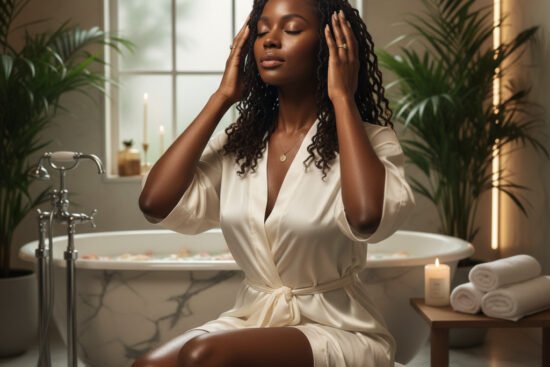
How to Build a Moisturizing Routine for High vs Low Porosity Hair
If you’ve ever followed someone’s “moisture routine” step‑for‑step and ended up with hair that felt either bone dry or heavy and coated, porosity is probably the missing piece. Two people can both have 4C coils or 3C curls and have completely different relationships with water and product—one drinks it in and dries out in hours, the other repels it and builds up in days.
This guide is designed to help you read your own hair and build a moisturizing routine that respects how your cuticle behaves. We’ll walk through what high and low porosity actually mean, how they show up on melanin‑rich hair, and give you clear, porosity‑specific examples for wash day and mid‑week moisture so you can stop guessing.
What Porosity Really Means (and Why It Matters)
Porosity is simply your hair’s ability to absorb and hold onto water. It’s largely dictated by the condition of the cuticle—the outer “shingle” layer of each strand. When those shingles lie flatter and tighter, water and products move in more slowly; when they’re more lifted, water enters easily but also escapes quickly.
Understanding your porosity doesn’t mean memorizing a new label; it’s about noticing patterns. Does your hair take forever to get fully wet, then stay wet for hours? Does it soak up every product quickly yet still feel dry by evening? Those behaviors are what should guide your routine far more than a floating‑hair test or internet quiz.
High vs Low Porosity: How They Show Up on Natural Hair
Signs of High Porosity Hair
High porosity hair has a cuticle that’s more raised or chipped—sometimes naturally, sometimes from color, heat, or past chemical treatments. Moisture gets in easily, but it also escapes quickly, which makes consistency challenging.
- Hair gets wet quickly in the shower but also dries very fast afterward.
- It often feels dry again within a day or two unless you layer richer products.
- Frizz, tangling, and a rough feel on the ends are common, especially between washes.
- Color‑treated, frequently heat‑styled, or previously relaxed hair tends to skew high porosity along the lengths and ends.
For high porosity hair, your routine needs to focus on filling in and sealing—using hydrating products, strengthening ingredients, and seals that slow moisture loss.
Signs of Low Porosity Hair
Low porosity hair has a compact cuticle that doesn’t easily let water or product in. That can be a blessing and a challenge: once moisture is inside, it can last, but getting it there without suffocating the strand in buildup takes strategy.
- Hair takes a long time to get fully wet and can feel like water beads on top at first.
- Products tend to sit on the surface, leaving a filmy, greasy, or coated feel.
- It can look shiny but still feel dry inside, or feel “hard” when overloaded with heavy butters and oils.
- Air‑drying can take a long time, especially if product was applied to very wet hair.
For low porosity hair, your routine needs to focus on helping moisture enter—using warmth, lighter layers, and ingredients that attract water—while avoiding heavy buildup.
Moisture Principles Both Porosity Types Share
Before we split, a few truths hold for most coily and curly hair, regardless of porosity:
- Water is the primary moisturizer. Oils and butters can seal or soften, but they don’t replace water.
- Regular conditioning and deep conditioning support elasticity and reduce breakage.
- Gentle handling, minimal rough towel‑drying, and protecting your hair at night all preserve the moisture you worked for.
- Sunscreen and climate matter: dry, cold air or strong sun will pull moisture from your hair faster.
Your porosity simply changes how you get moisture in and how aggressively you need to work to keep it there.
Building a Moisturizing Routine for High Porosity Hair
High porosity hair is like a sponge with bigger holes: it absorbs everything quickly, then gives it back just as quickly. The routine, therefore, has to be about consistent replenishing, strengthening, and sealing without smothering your scalp.
On Wash Day: Hydrate Deeply and Seal Smart
A high‑porosity wash day routine typically includes:
- Gentle cleansing: Use a non‑stripping shampoo most wash days and clarify only when necessary to avoid further raising the cuticle.
- Regular deep conditioning: Weekly or every wash, with masks that combine moisture (humectants, fatty alcohols, butters) and some protein for reinforcement.
- Warmth during treatment: A heat cap, hooded dryer, or even a warm towel over a plastic cap can help treatments penetrate more evenly.
- Cooler rinse: Rinsing with cooler water at the end can encourage the cuticle to lie flatter and hold moisture better.
This foundation ensures your hair doesn’t start the week already behind on hydration and structure.
Product Layering: LCO or LC for High Porosity Hair
Because high porosity hair loses water quickly, layering tends to favour creams before oils (LCO) rather than heavy oil first. A common pattern:
- L – Liquid/Leave‑In: Apply a hydrating leave‑in on damp hair; look for humectants like glycerin, aloe, or honey plus slip for detangling.
- C – Cream: Follow with a moisturizing cream or butter to add richness and cushion the strand.
- O – Oil: Seal with a light‑to‑medium oil blend, focusing on ends; think avocado, jojoba, or a blend designed for sealing rather than penetrating only.
If your hair is fine or easily weighed down, you may do better with an LC pattern (leave‑in + cream or light butter) and only a small amount of oil on the very ends. The goal is to create a soft, flexible “jacket” around each strand, not a heavy shell.
Mid‑Week Moisture for High Porosity Hair
Because moisture escapes faster, high porosity hair often needs a deliberate mid‑week check‑in:
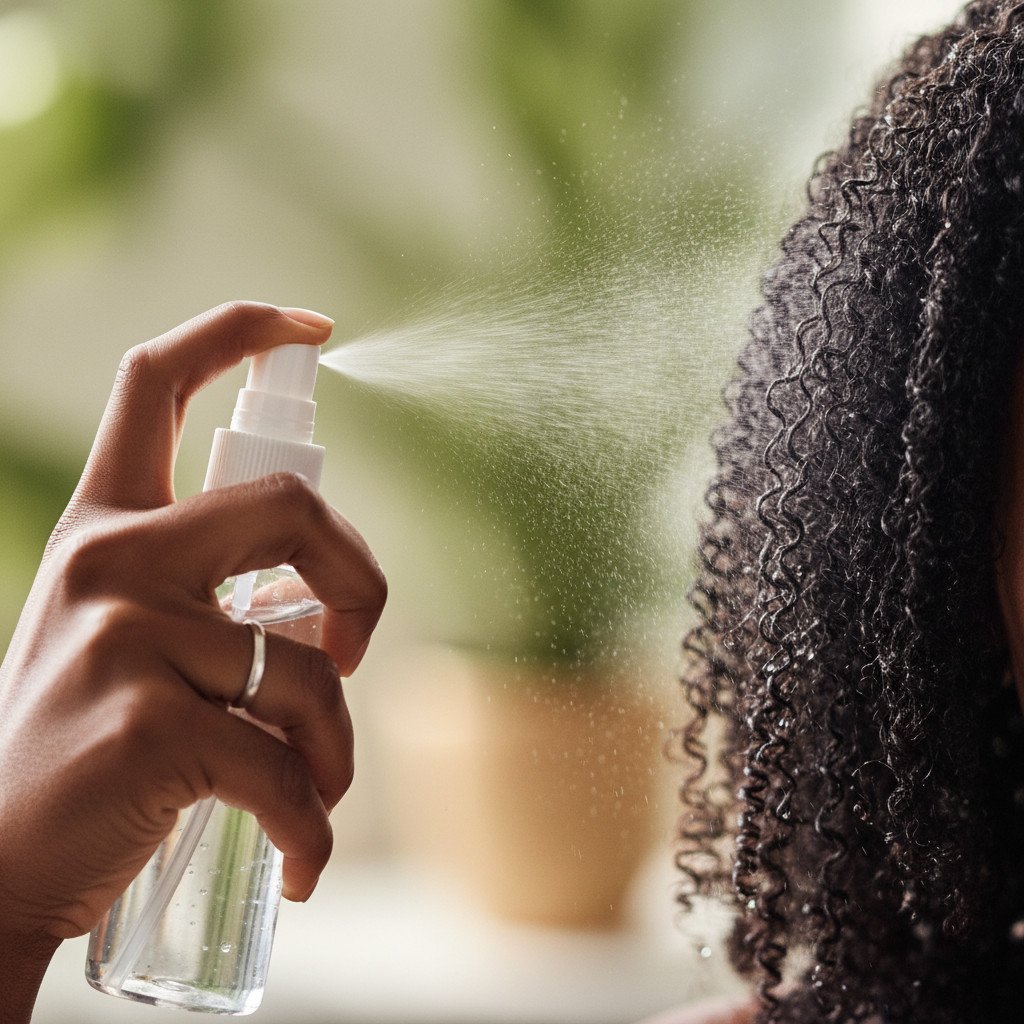
- Refresh with water + leave‑in: Lightly mist hair section by section with water or a water‑based refresher and smooth on a bit of leave‑in.
- Spot‑seal dry zones: Add a dab of cream or oil to ends and any areas that feel rough (often nape and crown).
- Protective nights: Pineapple, chunky twists, or braids under satin or silk help preserve that refresh until the next wash.
The key is to add just enough water and product to restore softness and flexibility without completely re‑wetting the style daily.
Building a Moisturizing Routine for Low Porosity Hair
Low porosity hair behaves more like a tightly woven fabric: water and products sit on top unless you coax them in. When moisture does get in, it tends to last, but heavy formulas and constant layering can quickly lead to buildup and dullness.
On Wash Day: Use Warmth and Lighter Formulas
A low‑porosity wash day routine often benefits from:
- Thorough cleansing: Regularly removing film and residue so fresh moisture can enter each strand.
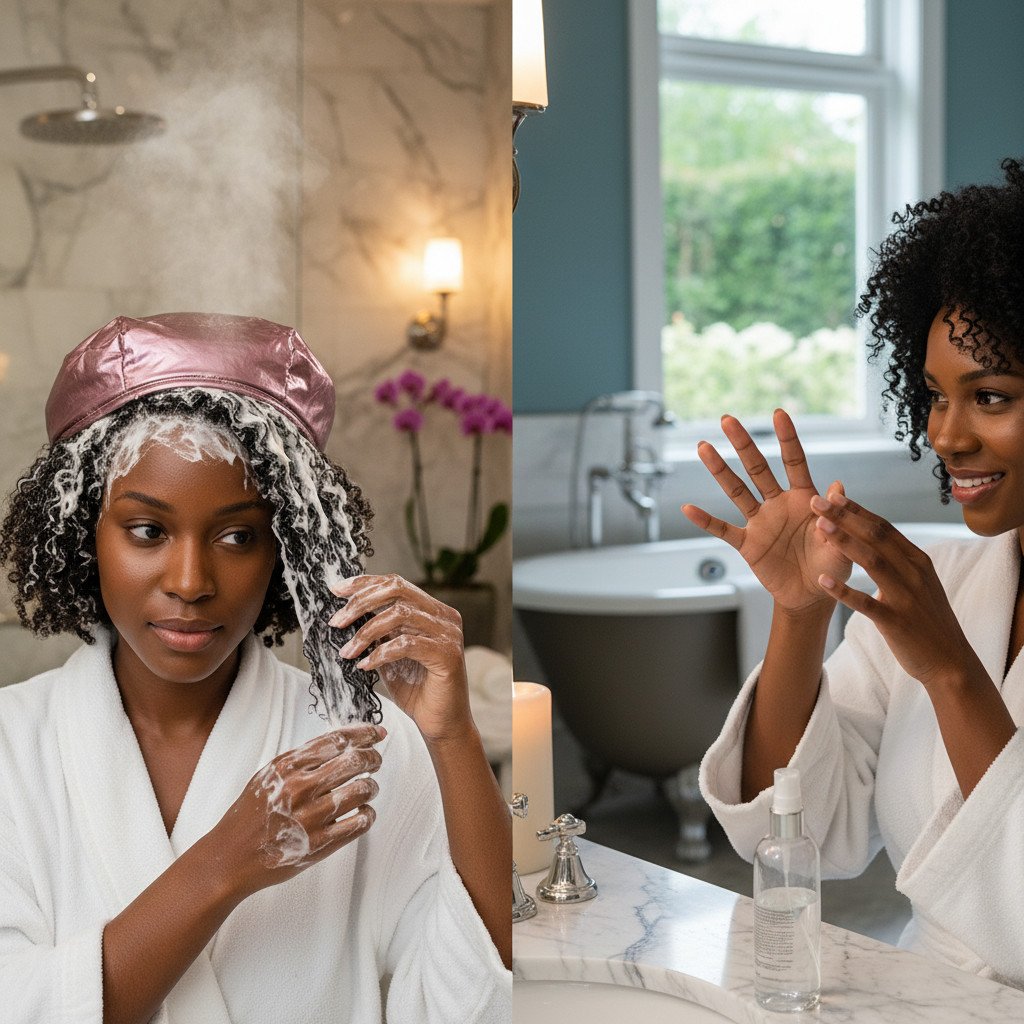
- Warm water and gentle heat: Washing and conditioning with warm (not scalding) water, and using a bit of heat during deep conditioning to nudge the cuticle open.
- Lighter deep conditioners: Choosing masks that are rich in conditioning agents and humectants but not extremely heavy in waxes and butters that can sit on top.
- Rinsing well: Ensuring products are fully rinsed out so your hair isn’t starting the week coated.
If your low porosity hair feels chronically producty, simplifying your wash day formulas and increasing the focus on full rinses can make an immediate difference.
Product Layering: Simple, Lightweight, and Intentional
For low porosity hair, more product doesn’t mean more moisture; it usually means more buildup. Many people do best with a lighter variation of LOC/LCO, or even just leave‑in + cream.
- L – Liquid/Leave‑In: Use a light, water‑based leave‑in or milk; apply to damp, not soaking‑wet hair so you’re not diluting it too much.
- O/C – Oil or Cream: Choose either a light cream or a lightweight oil, not both, unless your hair genuinely needs it. Fine or low‑density hair often prefers a milk plus a few drops of oil.
- Avoid heavy layers: Dense butters and thick oils every wash can quickly create a barrier that repels the water you’re trying to add.
Think of these layers as a delicate glaze, not frosting. You want your strands to feel flexible and touchable, not waxy.
Mid‑Week Moisture for Low Porosity Hair
Low porosity hair often holds moisture longer, so mid‑week routines can be very light:
- Don’t force daily re‑wetting: If your hair still feels soft and pliable, you don’t have to spritz daily just because the internet says so.
- Targeted refresh: When needed, lightly mist just the areas that feel dry (often edges or exposed ends) and smooth in a small amount of leave‑in or milk.
- Clarify periodically: Every few weeks, use a clarifying wash or chelating treatment if you have hard water; this helps prevent the “nothing works” feeling that comes from buildup.
For low porosity hair, restraint is a moisturising strategy in itself. Leave space in the strand for water and air; your hair doesn’t need to be coated to be cared for.
Medium/Normal Porosity: Balancing Both Worlds
If you’re somewhere in the middle—your hair takes water in at a reasonable rate, holds onto moisture fairly well, and you don’t see extreme frizz or extreme buildup—you likely have medium porosity or a mix across your head.
Your routine can borrow from both sides: moderate‑weight products, deep conditioning every wash or every other wash, and a layered approach that doesn’t lean too heavily on either very heavy butters or very stripped‑down formulas. Your main job is maintaining that balance, not chasing a fix.
Putting It All Together: Example Porosity‑Based Routines
Example Routine: High Porosity 4C or 4B Hair
- Wash day (every 7–10 days): Gentle shampoo → strengthening/moisturizing deep conditioner with heat → rinse cool → LCO (hydrating leave‑in, creamy moisturizer, light oil on ends) → low‑manipulation style (twists, braids, or set).
- Mid‑week: Light water/leave‑in mist → cream or oil on ends → re‑twist or braid chunky sections if needed → satin or silk bonnet/pillowcase at night.
Example Routine: Low Porosity 4A or 3C Hair
- Wash day (every 7–10 days): Thorough cleanse → light to medium deep conditioner with gentle heat → rinse well → apply light leave‑in to damp hair → small amount of cream or lightweight oil → style.
- Mid‑week: If hair still feels soft, leave it alone; if dry spots show up, lightly mist specific areas and smooth in a bit more leave‑in; clarify once a month or as needed if hair begins to feel coated.
Mixed Porosity Routine (High Ends, Low Roots)
- Target your products: Use richer creams and more sealant on the older, high‑porosity ends, and lighter formulas closer to the roots.
- Adjust deep conditioning: Focus protein‑containing masks on the ends if they’re more damaged; use more moisture‑focused products on the healthier sections.
Most heads of hair have some variation from root to tip, especially after color or long‑term protective styles. You’re allowed to treat different zones differently.
Beyond the Basics: Advanced Tips for Porosity-Specific Moisture
Once you’ve mastered the foundational routines, you can fine-tune your approach for even better results. This isn’t about adding more steps, but about being more intentional with the steps you already take.
For High Porosity Hair: Maximizing Retention and Strength
High porosity hair, while quick to absorb, is also prone to damage and can struggle with moisture retention. Here’s how to go deeper:
1. The Power of Pre-Poo Treatments
Before shampooing, consider a pre-poo. This step helps protect your delicate strands from the stripping effects of cleansing, which can further raise the cuticle. For high porosity hair, a pre-poo can be particularly beneficial:
- Oil-based Pre-Poo: Apply a penetrating oil like coconut oil or olive oil to dry hair 30 minutes to an hour before shampooing. These oils can reduce hygral fatigue (damage from swelling and unswelling with water) and provide a protective barrier.
- Conditioner-based Pre-Poo: A light conditioner or even a diluted deep conditioner can also work. This adds a layer of slip and moisture, making detangling easier and reducing friction during washing.
Shop pre-poo treatments on Amazon to find options that suit your hair’s needs.
2. Protein-Moisture Balance is Key
High porosity hair often benefits from regular, but not excessive, protein treatments. Protein helps to temporarily fill in the gaps in the raised cuticle, strengthening the hair and improving its ability to hold onto moisture. However, too much protein can lead to stiffness and breakage.
- Frequency: Aim for a light protein treatment every 4-6 weeks, or use a deep conditioner that contains a balanced amount of protein (e.g., hydrolyzed wheat protein, keratin).
- Listen to Your Hair: If your hair feels mushy, overly stretchy, or loses its curl pattern easily, it might need protein. If it feels stiff, brittle, or breaks easily, you might have too much protein and need more moisture.
3. Humectants with Caution in Extreme Climates
Humectants like glycerin, honey, and hyaluronic acid are excellent for attracting moisture from the air into your hair. For high porosity hair, they can be a godsend. However, in extremely dry climates, humectants can draw moisture *out* of your hair and into the drier air, leading to more dryness.
- High Humidity: Embrace humectant-rich products. They will pull moisture from the abundant humidity into your strands.
- Low Humidity: Use humectants in moderation and always layer them under a good sealant (cream and oil) to trap the moisture in. Consider using products with less glycerin if you live in a very arid environment.
4. The Role of ACV Rinses
An Apple Cider Vinegar (ACV) rinse can be particularly beneficial for high porosity hair. It helps to close the cuticle, making it smoother and less prone to moisture loss.
- How to Use: Dilute ACV with water (1 part ACV to 3-4 parts water) and use it as a final rinse after conditioning.
- Benefits: It can also help balance scalp pH, reduce frizz, and add shine.
For Low Porosity Hair: Enhancing Penetration and Preventing Buildup
Low porosity hair’s tightly packed cuticle means products struggle to get in, leading to surface buildup and potential dryness. The goal is gentle persuasion and smart product choices.
1. Clarifying is Your Friend
Regular clarifying is non-negotiable for low porosity hair. Buildup from products sitting on the surface can create an impenetrable barrier, making your moisturizing efforts futile.
- Frequency: Clarify every 2-4 weeks, or whenever your hair feels heavy, dull, or resistant to moisture.
- Gentle Clarifiers: Look for clarifying shampoos that are effective but not overly harsh. Some contain chelating agents to remove mineral buildup from hard water, which is also common for low porosity hair.
Consider adding a clarifying shampoo to your routine from Amazon to ensure your hair is a clean slate.
2. Steaming for Deeper Penetration
Heat is a low porosity hair’s best ally. Steaming, whether with a dedicated hair steamer or a hot towel, can gently lift the cuticle, allowing conditioners and treatments to penetrate more effectively.
- During Deep Conditioning: Apply your deep conditioner, cover with a plastic cap, and sit under a hooded dryer or use a hair steamer for 15-30 minutes.
- Warm Water Rinses: Always use warm water when washing and rinsing to help open the cuticle. Finish with a cool rinse if you wish to help seal it back down, but warm water is crucial for initial product absorption.
3. Emulsifying Products for Better Distribution
Because products can sit on low porosity hair, emulsifying them before application can make a big difference. This means rubbing a small amount of product between your palms until it warms up and spreads more easily.
- Technique: Take a small amount of leave-in or cream, rub it between your hands until it’s almost clear or very thin, then apply it in small sections.
- Less is More: This technique also encourages you to use less product overall, preventing buildup.
4. Choosing the Right Oils
Not all oils are created equal for low porosity hair. Heavy oils like castor oil or shea butter can sit on the surface, creating a greasy film. Opt for lighter, more penetrating oils:
- Penetrating Oils: Jojoba, argan, grapeseed, and sweet almond oil are good choices. They are lighter and more likely to be absorbed.
- Application: Apply oils to damp hair in very small amounts, focusing on sealing in moisture rather than saturating the strands.
The Emotional Connection to Your Hair: Beyond Porosity
Understanding your hair’s porosity is a scientific approach, but our relationship with our hair, particularly as Black women, is deeply emotional and cultural. The journey to healthy hair is often intertwined with self-discovery, self-acceptance, and a celebration of our unique beauty.
For too long, we’ve been told our hair is “difficult” or “unmanageable.” But the truth is, our hair is wonderfully diverse and simply requires understanding and respect. When you learn to read your hair’s cues—its porosity, its density, its elasticity—you move away from frustration and towards a place of empowerment. You stop fighting your hair and start working with it, celebrating its natural tendencies rather than trying to force it into a mold.
This journey is about more than just products and techniques; it’s about cultivating a deep feminine confidence that radiates from within. It’s about knowing that your coils and curls are perfect just as they are, and that you have the wisdom and tools to nurture them. Black Beauty Basics believes in this holistic approach—combining scientific understanding with cultural wisdom and self-love. Your hair is an extension of you, and caring for it is an act of self-care, a ritual of love.
Navigating Product Overload and Marketing Hype
The natural hair market is saturated with products, each promising the next big miracle. This can be overwhelming, especially when you’re trying to pinpoint what works for your specific porosity.
The Ingredient List is Your Map
Instead of falling for flashy marketing, become an ingredient list detective. Look for what’s at the top of the list, as those are the most abundant ingredients.
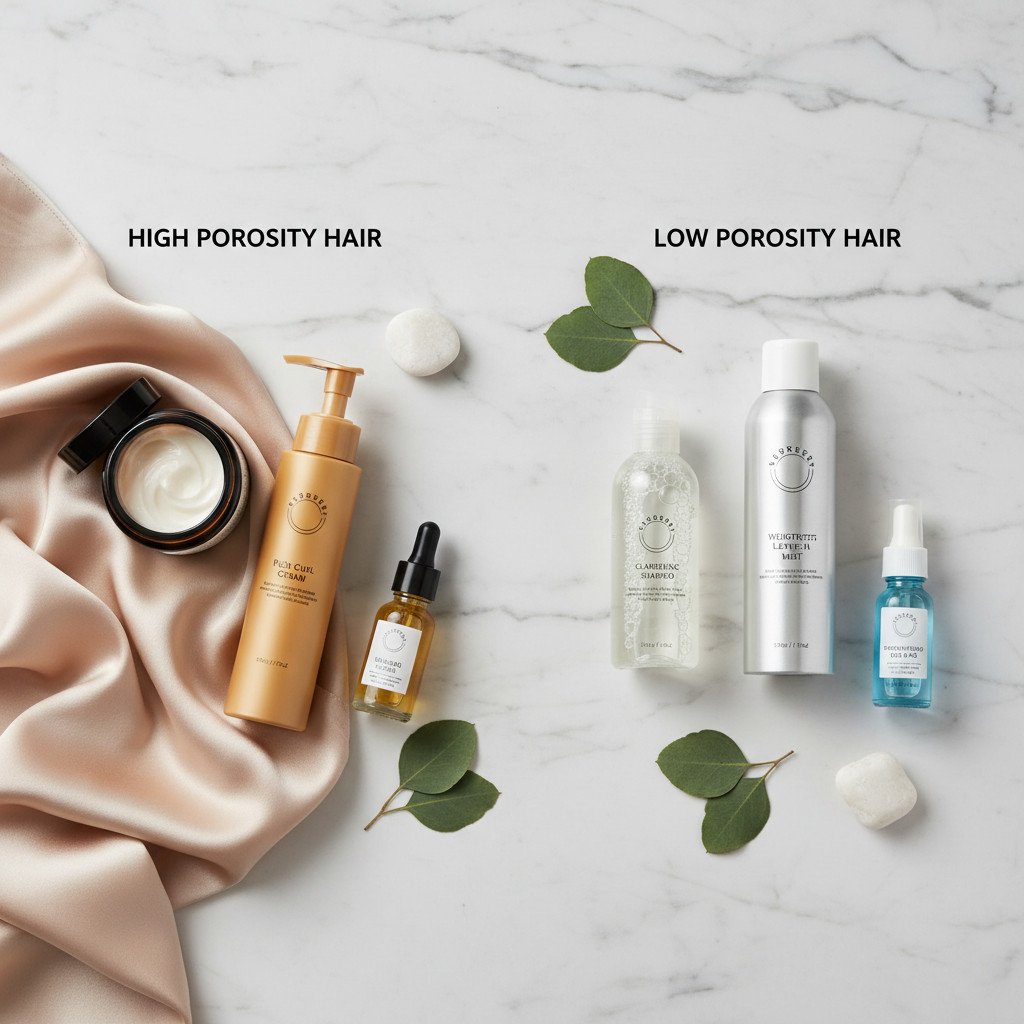
- For High Porosity: Seek out humectants (glycerin, honey, aloe vera), emollients (shea butter, cocoa butter, rich oils), and some proteins (hydrolyzed wheat protein, keratin).
- For Low Porosity: Prioritize water as the first ingredient, lighter humectants, and penetrating oils (jojoba, grapeseed, argan). Avoid heavy waxes and mineral oil high up on the list if your hair is prone to buildup.
Trial and Error, with Patience
Finding your perfect porosity-specific routine is rarely an overnight success. It’s a process of trial and error, observation, and adjustment. Give new products and routines at least 2-3 wash cycles to see how your hair truly responds.
- One Product at a Time: When introducing new products, try to add them one at a time. This way, you can accurately assess its impact on your hair without confusing which product caused what effect.
- Keep a Hair Journal: Note down what you used, how your hair felt immediately after, and how it felt a few days later. This can help you identify patterns and make informed decisions.
Environmental Factors and Your Porosity
Your hair doesn’t exist in a vacuum. The environment you live in plays a significant role in how your hair behaves and how effectively your moisturizing routine works.
Humidity Levels
- High Humidity: For high porosity hair, high humidity can be a blessing, as humectants can draw in ample moisture. However, it can also lead to excess frizz if the cuticle is very open and not properly sealed. For low porosity hair, high humidity might mean you need even less product, as the air itself provides some moisture.
- Low Humidity/Dry Climates: This is where high porosity hair struggles the most, as moisture evaporates rapidly. A strong sealing routine is crucial. Low porosity hair might feel less dry initially, but can still become brittle if not properly hydrated, as humectants may pull moisture out.
Hard Water
Hard water, which contains high levels of minerals like calcium and magnesium, can be detrimental to both porosity types, but in different ways.
- For High Porosity: Minerals can accumulate in the raised cuticles, making hair feel rougher, duller, and even more prone to breakage.
- For Low Porosity: Minerals sit on the surface, contributing to buildup and making it even harder for moisture to penetrate.
If you live in a hard water area, consider a shower filter or incorporate chelating shampoos into your routine to remove mineral buildup.
Seasonal Changes
Your hair routine might need to shift with the seasons:
- Winter: Cold, dry air (indoors and out) can strip moisture. Both porosity types may need richer deep conditioners and more consistent sealing. Protective styling becomes even more important.
- Summer: Heat and humidity can affect frizz and moisture retention. High porosity hair might need more frequent refreshes and stronger sealants. Low porosity hair might thrive with lighter products and less frequent re-moisturizing.
The Role of Hair Tools in Moisture Retention
The tools you use are just as important as your products in maintaining a healthy moisture balance.
For Both Porosity Types:
- Microfiber Towels or Old T-shirts: Ditch the rough terrycloth towel. It can rough up the cuticle, leading to frizz and moisture loss. Microfiber towels or soft cotton t-shirts absorb excess water gently without causing friction.
- Satin or Silk Pillowcases/Bonnet: Essential for protecting your hair overnight. Cotton absorbs moisture from your hair and creates friction, leading to dryness, frizz, and breakage. Satin or silk allows your hair to glide smoothly, preserving your style and moisture.
Porosity-Specific Tool Considerations:
- High Porosity:
- Wide-Tooth Combs and Finger Detangling: Your hair is more fragile and prone to tangles. Gentle detangling is crucial to prevent breakage. Always detangle with conditioner in your hair.
- Heat Caps/Hooded Dryers: As mentioned, these are excellent for ensuring deep conditioners penetrate effectively.
- Low Porosity:
- Hair Steamer: A dedicated hair steamer can be a game-changer for opening the cuticle and allowing moisture in.
- Denman Brush or Similar Styling Brushes: These can help distribute products more evenly and encourage curl clumping, which can aid in moisture retention by creating a more uniform surface.
Common Mistakes and How to Avoid Them
Even with the best intentions, it’s easy to fall into habits that hinder your moisture goals. Recognizing these pitfalls can save you a lot of frustration.
Mistake 1: Applying Products to Dry Hair
The Problem: This is a common error for both porosity types. Oils and creams do not add moisture; they seal it in. If you apply them to dry hair, you’re essentially sealing in dryness, creating a barrier that prevents water from getting in later.
The Solution: Always apply your moisturizing products to damp or wet hair. Water is the ultimate moisturizer. Your leave-in, cream, and oil should be applied to hair that has been freshly washed, rinsed, or spritzed with water.
Mistake 2: Over-Moisturizing (Especially for Low Porosity)
The Problem: The belief that
Frequently Asked Questions
How do I know if my hair is truly high or low porosity?
Porosity tests that involve cups of water and floating strands can be misleading. Instead, watch how your hair behaves: does it soak up water quickly and dry fast with a rough feel (high), or does water and product sit on top and take ages to absorb (low)? You may also notice differences along the strand: ends that have been colored or heat‑styled may act more high porosity while new growth feels lower. Let those patterns, not a one‑time test, guide your routine.
Can my porosity change over time?
Yes. Chemical treatments, bleach, frequent high‑heat styling, and even long‑term sun exposure can raise the cuticle over time, making hair more porous, especially along the lengths and ends. On the other hand, careful care—regular conditioning, protein where appropriate, and less aggressive styling—can improve how high porosity hair behaves. Your new growth typically reflects your natural porosity more closely, while older lengths tell the story of your styling history. It’s normal for your routine to shift as your hair grows out and your habits change.
Should high porosity hair always use heavy butters and oils?
Not always. High porosity hair often benefits from richer products and sealing oils, but “heavy” is relative to your strand size and density. Fine, high porosity strands can be overwhelmed by constant thick butters, leading to limp, coated hair that still feels dry inside. Instead of defaulting to the heaviest product you can find, start with a solid deep conditioner, a good leave‑in, and a mid‑weight cream, then add a small amount of oil on the ends. Adjust based on how your hair feels 24–48 hours later.
Can low porosity hair use oils at all?
Low porosity hair can absolutely use oils, but they tend to sit on the surface more easily, so quantity and type matter. Lightweight oils (like argan or jojoba) in small amounts often work better than thick, slow‑absorbing ones layered heavily every wash day. Try applying oil sparingly on damp—not soaking wet—hair, focusing on ends, and see how your hair feels the next day. If it feels waxy or coated, dial back the amount or frequency rather than cutting moisture from the routine entirely.
How often should I be moisturizing between wash days?
There’s no universal schedule. High porosity hair often needs a focused refresh once or twice between washes; low porosity hair may feel best when you leave it alone for several days. The real measure is how your hair feels: supple and flexible, or stiff and brittle. If you’re refreshing daily and your hair still feels dry, it may be a sign that your wash‑day moisture (deep conditioner, layering) needs attention, not that you should keep adding more product every day.
What’s more important—porosity or curl type?
Both matter, but for moisture routines, porosity often has the final say. Two people with 4C coils can need very different product weights and layering strategies if one has low porosity strands that hate buildup and the other has high porosity hair that dries out within hours. Curl type can help you anticipate shrinkage, tangling, and styling preferences, but porosity is what tells you how aggressively to chase moisture in and how firmly to lock it down.
Shop pre-poo treatments on Amazon
Shop clarifying shampoo on Amazon
Shop deep conditioner on Amazon
Related next steps
Related posts:
 Building Your Best Routine for High Porosity Natural Hair
 Routines for Low Porosity Natural Hair
 Heat Styling, Color, and Porosity Changes Over Time: Adapting Your Routine for Evolving Needs
 How to Build a Skincare Routine for Black Women
 What Low-Manipulation Styling Really Means for Natural Hair
 Combining Low-Manipulation Styling With Protective Styles and Trims: A Holistic Approach to Natural Hair Retention