Mastering Seasonal Shifts: The Ultimate Winter vs. Summer Natural Hair Routine for Black Women
Natural hair doesn’t exist in a vacuum; it lives in real weather. For Black women, the same coils that feel plush and defined in June can feel brittle and broken by January, even when you’re using the same products. That isn’t because your hair is inconsistent; it’s because your routine is being asked to do different jobs in different seasons. The environmental demands on our precious strands shift dramatically with the calendar, and a one-size-fits-all approach simply won’t yield the consistent health and vibrancy we desire.
This guide is your seasonal roadmap, designed to empower you with the knowledge and flexibility to nurture your natural hair year-round. We’ll start with a core natural hair routine – the foundational principles that remain constant – and then show you how to bend it toward winter or summer. We’ll delve into the nuances of when to wash more or less often, when to reach for heavy butters versus lightweight milks, and how to protect your hair from the harsh realities of cold, dry air and the challenges of hot, humid days. The goal is to optimize your hair health, maximize moisture retention, and promote length retention without the exhausting process of rebuilding your entire regimen from scratch every time the weather changes. This isn’t about rigid rules, but about understanding the science behind seasonal hair care and applying that wisdom with confidence and grace.
The Unchanging Foundation: Your Core Natural Hair Routine
Before we dive into the seasonal specifics, it’s crucial to establish the bedrock of any healthy natural hair journey. This core routine comprises fundamental steps that are non-negotiable, regardless of the climate outside your window. These pillars provide the consistent care your hair needs to thrive, acting as the anchor while other elements flex and flow with the seasons. What shifts is how often you perform each step, the richness and type of products you select, and the intensity of protection your hair needs from the environment. Understanding this distinction is key to a truly adaptable hair care regimen.
- Cleanse: This is the essential first step, a regular rhythm of removing product buildup, environmental pollutants, sweat, and excess oils from your scalp and hair strands. A clean canvas allows subsequent products to penetrate and perform effectively.
- Condition/Deep Condition: Crucial for replenishing moisture, enhancing elasticity, and providing slip to prevent tangles and breakage. Conditioning ensures your strands remain flexible, soft, and resilient, rather than brittle and prone to damage. Deep conditioning takes this a step further, offering intensive nourishment.
- Moisturize and Seal: The lifeblood of natural hair. This involves infusing water-based moisture into the hair shaft and then reinforcing that hydration with emollients (creams, butters) and occlusives (oils) to lock it in and prevent rapid evaporation. This step is paramount for maintaining softness and preventing dryness.
- Style and Protect: Beyond aesthetics, styling plays a vital role in length retention and overall hair health. Choosing styles that minimize manipulation, protect delicate ends, and align with your lifestyle helps safeguard your hair from mechanical damage and environmental stressors.
Think of winter and summer as different “filters” or lenses through which you view and adapt this same core routine. You’re not reinventing your hair’s fundamental needs; you’re simply adjusting the climate controls and protection levels around it to ensure optimal performance and health, regardless of the external conditions. This approach fosters a deeper connection with your hair, allowing you to respond intuitively to its needs.
Winter’s Embrace: Understanding Its Impact on Natural Hair
Winter, though often beautiful, is undeniably a challenging season for natural hair. It presents a formidable combination of environmental stressors that can rapidly deplete moisture and compromise the integrity of our coils and curls. The air outside becomes cold and dry, stripping hydration with every gust of wind. Indoors, artificial heating systems, while providing comfort, further desiccate the air, creating an environment that actively pulls moisture from our hair. Add to this the constant friction from winter accessories like wool coats, scarves, and hats, and you have a recipe for brittleness, breakage, and dullness.
On Black hair specifically, with its unique structure of bends and curves, each ‘bend’ in the strand represents a potential weak point. When moisture is scarce, these weak points become even more vulnerable, making the hair susceptible to snapping and splitting. This dryness can travel quickly, starting at the ends and progressing up the strand, leading to significant damage if not addressed proactively. Therefore, a winter hair routine has two overarching, critical objectives: to relentlessly retain moisture and to significantly reduce mechanical stress and friction. Achieving these goals requires a deliberate and thoughtful shift in product choices, styling methods, and overall hair care philosophy.
The Science of Winter Hair Damage: Why Moisture Escapes
To truly understand how to combat winter’s effects, it helps to grasp the underlying science. Our hair’s outermost layer, the cuticle, is made up of overlapping cells that lie flat when healthy and moisturized. This smooth surface reflects light (giving shine) and acts as a barrier, keeping moisture inside the hair shaft. In dry, cold conditions, the cuticle layers tend to lift. This creates a rougher surface, making the hair feel coarse and look dull. More critically, lifted cuticles allow precious water molecules to escape from the hair’s cortex (the inner layer that provides strength and elasticity) at an accelerated rate. This phenomenon, known as transepidermal water loss (TEWL) when referring to skin, applies similarly to hair. The low humidity in the air acts like a sponge, drawing moisture out of anything it touches, including your hair.
Furthermore, the static electricity that becomes so prevalent in winter is a direct result of this dryness. When hair lacks moisture, it’s more prone to picking up an electrical charge, causing strands to repel each other and stick to clothing, leading to tangles and further mechanical damage. The constant rubbing against dry, coarse fabrics like wool and cotton (if not protected by satin) exacerbates this, creating friction that can chip away at the cuticle and lead to split ends and breakage.
Understanding these mechanisms underscores why a winter routine isn’t just about applying more product, but about creating an environment that actively combats moisture loss and protects the hair’s delicate structure. It’s about building a robust defense system against the elements.
Winter Natural Hair Routine: Key Adjustments for Resilience
1. Cleansing: Gentle, Strategic, and Less Frequent
In winter, your scalp’s oil production may naturally decrease, and you might sweat less compared to summer. However, you still accumulate product buildup, environmental debris, and dead skin cells. The key here is not to eliminate cleansing but to make it more strategic and gentle. Over-cleansing with harsh shampoos can strip your hair of its already precious natural oils, leaving it even more vulnerable to dryness and breakage.
- Frequency Adjustment: Aim for cleansing every 1–2 weeks. This frequency allows your scalp’s natural oils to provide some protection without leading to excessive buildup. However, always listen to your scalp; if you experience itchiness or heavy product use, you might need to wash slightly more often. Conversely, if your scalp feels consistently dry, extending the time between washes can be beneficial.
- Product Choice: Prioritize gentle or sulfate-free shampoos for most wash days. These cleansers effectively remove impurities without stripping the hair of its essential moisture. Look for ingredients like coco-glucoside, decyl glucoside, or sodium cocoyl isethionate, which are milder surfactants.
- Clarifying with Caution: Reserve stronger clarifying shampoos only for when your hair genuinely feels coated, weighed down, or has excessive product buildup that gentle cleansers can’t tackle. When you do clarify, always follow immediately with a rich, moisturizing deep conditioner or mask to restore hydration and balance. Think of clarifying as a reset, not a regular occurrence in winter.
- Pre-Poo Treatments: Consider incorporating a pre-poo treatment before shampooing. Applying a nourishing oil (like coconut, olive, or argan oil) or a light conditioner to dry hair for 30 minutes to an hour before shampooing can help create a protective barrier, reducing the stripping effect of the cleanser and minimizing tangles. This is an excellent extra step for extremely dry hair.
2. Conditioning: Heavier, Longer, and More Often – The Deep Dive
Winter is unequivocally deep-conditioning season. This is where you invest heavily in restoring and locking in moisture. Your hair needs sustained nourishment to withstand weeks of dry air, and regular conditioners often aren’t enough to provide the intensive care required.
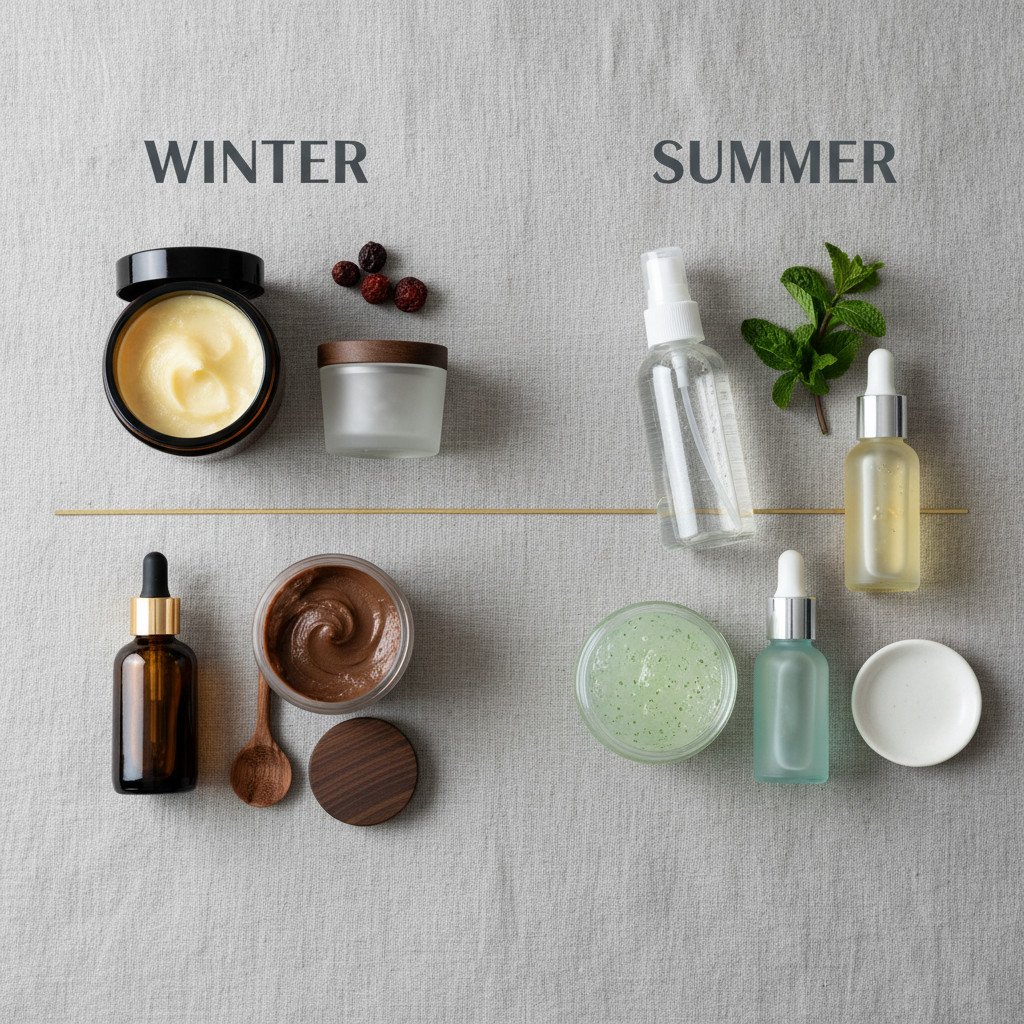
- Deep Condition Almost Every Wash Day: Make deep conditioning a non-negotiable part of nearly every wash day, not just an occasional treat. This consistent infusion of moisture is vital for maintaining elasticity and preventing brittleness.
- Rich, Emollient Formulas: Choose rich, moisturizing masks packed with humectants (like glycerin, honey, hyaluronic acid), emollients (shea butter, cocoa butter, mango butter, various plant oils like avocado, jojoba, castor), and fatty alcohols (cetearyl alcohol, cetyl alcohol). These ingredients work synergistically to attract and seal moisture into the hair shaft.
- Heat for Penetration: Enhance the efficacy of your deep conditioner by applying gentle heat. After applying the product, cover your hair with a plastic cap and then use a heat cap, a hooded dryer, or even a warm towel for 20–30 minutes. Heat gently lifts the cuticle, allowing the conditioning agents to penetrate deeper into the hair shaft, leading to more profound and lasting hydration.
- Protein-Moisture Balance: While moisture is paramount, don’t completely neglect protein. If your hair starts to feel overly soft, mushy, or loses its elasticity (feels limp and overly stretchy when wet), it might be signaling a need for protein. Rotate in a balanced or light protein treatment every 4-6 weeks to strengthen the hair structure, but keep the dominant focus on moisture. Protein treatments should be followed by a moisturizing deep conditioner to prevent stiffness.
- Leave-In Conditioners: After rinsing your deep conditioner, always follow with a good quality leave-in conditioner. This provides an initial layer of hydration and detangling before you move on to styling. Look for creamy, water-based leave-ins that absorb well.
The goal here is to saturate your hair with moisture and provide it with a protective shield that can withstand the harsh, dehydrating effects of winter. This intensive conditioning regimen is your hair’s best defense.
3. Moisturizing and Sealing: Thicker Layers, Stronger Barriers
Cold air and indoor heating are relentless in their quest to evaporate water from your hair. Therefore, your winter moisturizing routine needs significantly more staying power and a multi-layered approach to create a robust barrier against moisture loss. This is where the LOC (Liquid, Oil, Cream) or LCO (Liquid, Cream, Oil) method truly shines, though you might lean towards richer versions of each step.
- Liquid/Leave-in (L): Start with a hydrating leave-in conditioner or a hair milk applied to damp, freshly washed hair. This step provides the essential water-based moisture that your hair craves. Ensure it’s water-based, as water is the ultimate moisturizer. Apply generously, ensuring even distribution from root to tip, paying special attention to the ends, which are the oldest and most fragile parts of your hair.
- Cream/Butter (C): Follow the liquid with a richer cream or butter. This layer acts as an emollient, providing softness, flexibility, and an initial seal. In winter, opt for thicker creams or whipped butters that contain ingredients like shea butter, mango butter, cocoa butter, or heavier plant oils. Focus application on the mid-lengths and ends, where dryness is most prevalent. These heavier products create a more substantial barrier against moisture evaporation.
- Oil (O): The final step is to seal all that goodness in with a medium-to-heavy oil. Oils are occlusives; they don’t moisturize on their own but create a protective film on the hair surface that slows down moisture loss. Good winter sealing oils include castor oil, olive oil, jojoba oil, or a blend of several. Apply a moderate amount, concentrating on your ends and any areas that feel chronically dry. The goal is to lock in the moisture from the previous steps, not to make your hair greasy.
- Mid-Week Refresh: Don’t wait until wash day to re-moisturize. If your hair starts to feel dry between washes, lightly spritz with water or a hydrating refresher spray, then apply a small amount of leave-in or cream to re-hydrate and reseal. This proactive approach prevents deep dryness from setting in.
By layering products in this manner, you’re building a soft, insulating jacket around your hair, creating multiple barriers that significantly slow down the rate at which moisture escapes, even in the driest conditions.
4. Styling: Low-Manipulation and Protective by Design
Winter is the opportune time to embrace styles that prioritize protection, minimize daily handling, and keep your delicate ends tucked away from the elements and friction. The less you manipulate your hair, the less opportunity for breakage, especially when it’s already vulnerable due to dryness.
- Tucked-In Styles: Lean into styles that keep your ends neatly tucked away. Chunky twists, braids, flat-twist styles, buns, and updos are excellent choices. These styles not only protect your ends from the harsh cold air but also shield them from constant rubbing against scarves, coats, and sweaters, which can cause significant friction damage.
- Long-Term Protective Styles: This season is ideal for longer-term protective styles such as braids (box braids, knotless braids), twists (Senegalese twists, Havana twists), faux locs, crochet styles, and wigs. These styles offer a significant reprieve from daily styling and environmental exposure. However, the key to their success lies in proper installation (not too tight, to prevent tension alopecia) and diligent care underneath. Ensure your scalp is regularly cleansed and moisturized, and that your natural hair is well-conditioned before installation. Don’
- Avoid Loose Hair: While wearing your hair loose can be beautiful, it leaves your ends exposed to the elements and constant friction. Avoid wearing your hair down and rubbing against wool collars or scratchy fabrics for extended periods without adequate protection. If you do wear your hair down, consider tucking the ends into your coat or using a satin-lined scarf to create a barrier.
- Nighttime Protection: Double down on nighttime protection. Always sleep with a satin or silk bonnet, scarf, or pillowcase. This reduces friction against cotton pillowcases, which can absorb moisture from your hair and cause tangles and breakage. This is especially crucial in homes with dry indoor heating, as it helps preserve the moisture you’ve worked so hard to put into your hair.
The philosophy behind winter styling is about creating a sanctuary for your hair, minimizing external stressors, and giving it the best chance to retain moisture and length.
5. Accessories: Satin-Lined Everything and Strategic Use
Winter accessories are a double-edged sword. They provide warmth and style, but if not chosen carefully, they can wreak havoc on your hair. The rough texture of many winter fabrics like wool, acrylic, and even some cotton blends can create friction, leading to frizz, breakage, and moisture loss.
- Satin-Lined Hats and Headbands: Invest in satin-lined hats and headbands. These accessories provide the warmth you need while allowing your coils to glide smoothly against the fabric, preventing friction and snagging. This small investment can make a huge difference in preserving your hair’s health.
- Satin Under-Layer: If you don’t have satin-lined options, simply wear a satin scarf or bonnet underneath your wool or acrylic hats. This creates the necessary barrier between your hair and the abrasive fabric.
- Scarves as Protectors: Use scarves strategically. Wrap a satin or silk scarf around your hair before putting on a coat or sweater. This protects your nape and edges, which are particularly vulnerable to friction from collars and high necklines. Ensure the scarf is not tied too tightly, especially around your edges, to avoid tension and breakage.
- Material Matters: Be mindful of the materials your clothing is made from. If you frequently wear high-necked sweaters or coats, consider materials like cashmere or silk blends that are naturally smoother, or always ensure your hair is protected by a satin layer.
By consciously choosing and using your winter accessories, you transform them from potential hair villains into allies, helping to shield your hair from the harsh realities of the season.
Summer’s Radiance: Understanding Its Impact on Natural Hair
Summer, with its vibrant energy and outdoor allure, brings a completely different set of challenges and opportunities for natural hair. While winter’s primary antagonist is dryness, summer introduces a complex interplay of heat, humidity, UV radiation, and increased activity that demands a distinct approach to hair care. High temperatures can lead to increased scalp sweat, which, when combined with product buildup, can create an environment ripe for irritation and clogged follicles. UV exposure from the sun can degrade hair proteins, leading to dryness, color fading, and weakened strands. And then there’s humidity – the perennial love-hate relationship for natural hair. While some humidity can be beneficial for moisture, excessive humidity can cause hair to swell, frizz, and lose definition, especially if not properly managed.
For natural hair, summer’s job description shifts significantly: the focus moves to keeping the scalp fresh and clean, effectively managing humidity to prevent frizz without sacrificing moisture, and protecting against sun and environmental damage without smothering your strands. This requires a lighter touch, more frequent cleansing, and an emphasis on breathable, humidity-friendly products and styles.
The Science of Summer Hair: Humidity, UV, and Sweat
Let’s break down the scientific realities of summer hair. Humidity refers to the amount of water vapor in the air. For natural hair, which is inherently porous, high humidity means that water molecules from the air can easily enter the hair shaft. While this sounds like a good thing (more moisture!), it can lead to problems. When the hair absorbs too much water, it swells unevenly, causing the cuticle layers to lift and creating frizz. This swelling also disrupts the hydrogen bonds that hold your curl pattern in place, leading to a loss of definition and limpness. Products that work well in dry winter air might become too heavy or sticky in high humidity, attracting even more moisture and contributing to a greasy feel or product buildup.
UV radiation from the sun is another significant factor. Just as it damages skin, UV rays can damage hair. UVA and UVB rays can break down the keratin proteins that give hair its strength and elasticity. This leads to dry, brittle hair, split ends, and a dull appearance. For color-treated hair, UV exposure accelerates fading. The sun also dries out the scalp, potentially leading to flakiness or irritation. Chlorine from swimming pools and salt water from the ocean are also highly dehydrating and can strip hair of its natural oils, leaving it rough and tangled.
Finally, increased physical activity and higher temperatures lead to more scalp sweat. Sweat, while natural, can mix with product residue, dead skin cells, and environmental pollutants, creating a breeding ground for bacteria and yeast, potentially leading to scalp irritation, itchiness, and even folliculitis if not managed with proper cleansing. This comprehensive understanding of summer’s environmental impact informs the necessary adjustments to your hair care routine.
Summer Natural Hair Routine: Key Adjustments for Vibrancy
1. Cleansing: More Frequent, Still Gentle, Scalp-Focused
Summer’s increased heat, humidity, sweat, and outdoor activities mean your scalp will likely need more frequent attention. The goal is to keep your scalp clean and fresh without over-stripping your hair.
- Increased Frequency: Consider washing weekly or even more often if you are very active, sweat a lot, or use a significant amount of styling products (like gels) that can lead to buildup. This helps prevent scalp issues and keeps your hair feeling light and clean.
- Alternating Cleansers: Alternate between gentle shampoos and co-washes (conditioner-only washes), depending on how much buildup you accumulate. A co-wash can be perfect for a mid-week refresh after a workout, providing light cleansing and conditioning without fully stripping the hair. On your main wash day, use a gentle sulfate-free shampoo to ensure a thorough cleanse.
- Targeted Scalp Care: Summer is an excellent time to focus on scalp health. If you notice itchiness, flakiness, or excessive oiliness between wash days, incorporate targeted scalp treatments. This could include using a nozzle bottle to apply diluted shampoo or a scalp tonic directly to the scalp, followed by a rinse. Scalp scrubs can also be beneficial once a month to remove stubborn buildup and stimulate circulation. Look for ingredients like tea tree oil, peppermint oil, or salicylic acid in your scalp products for their clarifying and soothing properties.
- Post-Activity Cleansing: After swimming in chlorinated pools or saltwater, it’s crucial to rinse and cleanse your hair as soon as possible. Chlorine and salt are highly dehydrating. A chelating shampoo (designed to remove mineral buildup) followed by a moisturizing conditioner is ideal after swimming.
The emphasis here is on maintaining a clean, balanced scalp environment, which is fundamental to healthy hair growth and comfort during the warmer months.
2. Conditioning: Moisture Without Weight, Balanced Approach
Your hair still needs hydration in summer, but the approach to conditioning shifts from heavy, occlusive masks to formulas that provide moisture without weighing your hair down or contributing to a greasy feel in humid conditions.
- Regular Deep Conditioning, Lighter Formulas: Continue to deep condition regularly, perhaps every wash day or every other wash. However, you might reach for slightly lighter formulas or shorten processing times if your hair starts to feel
Frequently Asked Questions
Do I need completely different products for winter and summer?
Not necessarily. Many Black women thrive with a core set of products and then strategically introduce a few seasonal additions. For instance, you might use the same gentle shampoo and leave-in year-round, but opt for a richer deep conditioner and a heavier butter in winter, switching to a lighter hair milk or gel in summer. If budget or overwhelm is a concern, focus on adjusting the quantity and frequency of your current products rather than buying an entirely new product line each season. Understanding how your existing products perform in different climates can empower you to make informed decisions without constant product overhauls.
How often should I deep condition in winter vs summer?
In winter, deep conditioning every wash day—typically every 1–2 weeks—is an excellent baseline, especially if your hair is prone to dryness. The goal is intensive moisture replenishment. In summer, you can still deep condition with similar frequency, but you might experiment with lighter formulas or shorten processing times if your hair feels overly soft or weighed down by humidity. Always let your hair’s elasticity be your guide: lean into more moisture if it’s brittle, and consider more balanced or protein-containing treatments if it feels limp or overly stretchy.
Should I protective style more in winter than in summer?
Protective styles are beneficial in both seasons, but they serve different primary purposes. In winter, they are invaluable for shielding your ends from harsh, dry air and reducing friction from clothing. In summer, they can offer your hair a break from daily styling and sweat, but they demand diligent scalp care to prevent buildup and irritation in heat and humidity. Instead of blindly following a rule, consider what your hair and lifestyle truly need that season: maximum warmth and shielding, or consistent airflow and frequent cleansing for scalp health.
How do I stop my hair from drying out under hats and scarves in winter?
First, ensure your hair is thoroughly moisturized and sealed with a rich leave-in, cream, and oil before putting on any headwear. Second, invest in satin-lined hats or always wear a satin or silk scarf underneath wool or acrylic hats. This creates a smooth barrier, preventing friction that causes dryness and breakage. Third, pay extra attention to your nape and edges, where friction from collars and scarves is most intense; give these areas special moisturizing attention on wash days and during mid-week refreshes. Proactive protection is key to combating winter dryness.
What’s the best way to handle sweat and workouts in summer without over-washing?
If you’re highly active, you don’t need a full wash day after every workout, but your scalp will benefit from regular attention. Alternate full shampoo days with co-washes (conditioner-only washes) or even water-only rinses, focusing on your scalp and following with conditioner on your lengths. Scalp tonics or diluted shampoo applied directly to the scalp with a nozzle bottle and rinsed out can also effectively refresh between full wash days. Opt for styles that are easy to refresh, such as puffs or chunky twists, making it simpler to cleanse your scalp without completely disrupting your style.
How do I know if my routine is too “winter-heavy” for summer or too “summer-light” for winter?
If your hair feels coated, greasy, and flat in the heat, you’re likely carrying too much winter into summer—heavy butters and oils are probably being layered too often. Conversely, if your hair feels crispy, tangly, and breaks easily once the cold sets in, your routine is probably too light for winter and needs richer treatments and more robust protection. Seasonal tuning is an ongoing, intuitive process. Adjust one variable at a time—like wash frequency, product weight, or style choice—and give your hair a few weeks to respond before making another change. Your hair’s feel and appearance are your best indicators.
Shop sulfate-free shampoos on Amazon
Shop deep conditioners on Amazon
Shop leave-in conditioners on Amazon
Shop chelating shampoos on Amazon
Related next steps
Start Here → Natural Hair Care And Protective Styles → Natural Hair Care 101 For Black Women Moisture Protein Length Retention → Texture Specific Routines 4c Porosity Mixed Textures → Moisture Protein And Strength Balance → Everyday Low Manipulation Styling → Hair Growth For Black Women Scalp Nutrition Routine → Hair Growth And Scalp Health →Related posts:
 Winter and Cloudy-Day SPF on Dark Skin: Protecting Your Radiance Beyond Summer Sunshine
 Mastering the Art of Natural Hair Prep: Your Ultimate Guide to Protective Styles Without Breakage
 The Ultimate Winter Haircare Guide for African American Women: Tailored to Hair Type, Texture, and Concerns
 The Ultimate Winter Skincare Guide for African American Women
 The Ultimate Winter Makeup Guide for African American Women: Top Products and Expert Tips
 The Ultimate Winter Body Care Guide for African American Women: Radiance Redefined