VitaminC and niacinamide offer different strengths for dark spots: I explain how Vitamin C is a potent antioxidant that reduces melanin production but can irritate sensitive skin, while niacinamide is gentler, reduces inflammation and pigment transfer. I advise you to match choice to your skin: use Vitamin C for stubborn, photo-induced pigmentation, niacinamide for sensitive or barrier‑impaired skin, or combine them carefully to maximize results.
Key Takeaways:
- Vitamin C (especially L‑ascorbic acid) lightens pigmentation by inhibiting tyrosinase and providing antioxidant protection; niacinamide reduces hyperpigmentation by blocking melanosome transfer to keratinocytes.
- Vitamin C tends to produce faster brightening and antioxidant benefits; niacinamide improves overall tone, reduces redness, and is often better tolerated for long‑term use.
- Niacinamide is gentler and suitable for sensitive skin; vitamin C (high‑strength LAA) can irritate – start with lower concentrations or buffered formulas if you have reactive skin.
- Effective concentrations: vitamin C (L‑ascorbic acid) ~10-20% at acidic pH (<3.5); niacinamide commonly 2-5% for pigmentation and barrier benefits.
- They can be used together safely; apply vitamin C first (allow it to absorb) then niacinamide, or separate into AM (vitamin C) and PM (niacinamide) routines if preferred.
- Daily sunscreen is nonnegotiable-topicals are far less effective without consistent UV protection; combining with exfoliants, retinoids, or professional treatments improves results for stubborn spots.
- For persistent or deep hyperpigmentation, combine topical therapy with dermatologist‑led options (peels, lasers, prescription agents) and perform patch testing before full use.
Understanding Hyperpigmentation
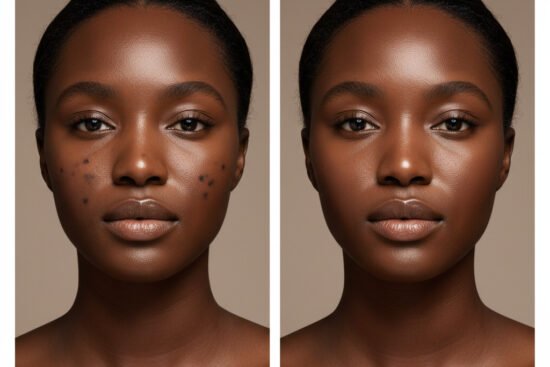
I see hyperpigmentation as localized melanin overproduction that creates darker patches; it’s particularly common in people with Fitzpatrick skin types IV-VI. UV exposure, inflammation, hormones and certain drugs drive these changes, and post-inflammatory spots after acne can persist for months to years. I assess pattern and depth before recommending treatment because topical agents, physical procedures, and strict sunscreen use all play different roles.
What Causes Hyperpigmentation?
I track several drivers: UV radiation stimulates melanin; inflammation from acne or injury triggers post-inflammatory hyperpigmentation; hormonal shifts cause melasma; certain medications and genetics alter baseline risk. For example, acne-related PIH often darkens for months after lesions heal, while melasma flares with pregnancy or combined oral contraceptives. I use these clues to target therapy depth and duration.
- UV radiation – accelerates melanogenesis and age spots.
- Inflammation – acne, eczema, or trauma provoke lasting darkening.
- Hormones – pregnancy and OCPs frequently trigger melasma.
- Medications – some antibiotics and chemotherapy agents can pigment skin.
- Assume that genetics sets your baseline risk and pattern of pigmentation.
| UV radiation | Causes solar lentigines; strict SPF reduces new spots. |
| Inflammation | PIH from acne can last months to years; anti-inflammatory care helps. |
| Hormones | Melasma often linked to pregnancy/OCPs; pigment is symmetric on cheeks. |
| Medications | Minocycline and some chemo agents may induce diffuse pigmentation. |
| Genetics | Fitzpatrick IV-VI show higher PIH risk and deeper pigment reservoirs. |
Types of Hyperpigmentation
I classify pigment as epidermal, dermal, or mixed, plus specific patterns like melasma, lentigines, and post-inflammatory hyperpigmentation (PIH). Epidermal pigment usually responds to topical antioxidants and lighteners, while dermal pigment often requires procedures. I frequently use a Wood’s lamp and clinical history to determine depth before choosing agents or devices.
I go deeper on treatment implications: epidermal lesions typically improve with topical vitamin C, niacinamide, retinoids or hydroquinone 2-4%; dermal pigment may need lasers, microneedling, or chemical peels. Mixed cases demand combination therapy and sun protection. I monitor response over 8-12 weeks and adjust if erythema or rebound pigment appears.
- Epidermal – responds well to topical antioxidants and lightening agents.
- Dermal – deeper, often needs procedural intervention.
- Mixed – combine topical and in-office treatments for best results.
- Lentigines – solar age spots treated with cryo, laser, or retinoids.
- Assume that post-inflammatory hyperpigmentation is especially common after acne in darker skin and warrants gentle, anti-inflammatory approaches.
| Epidermal | Topicals: vitamin C, niacinamide, retinoids, hydroquinone 2-4% (monitor use). |
| Dermal | Procedures: Q-switched/PDL lasers, microneedling; topical benefit limited. |
| Mixed | Sequential or combined topical + procedural plan over months. |
| Lentigines | Sun-induced; treatable with cryotherapy, lasers, or resurfacing. |
| PIH | Anti-inflammatory care, sunscreen, and gradual lightening to prevent rebound. |
Niacinamide: Overview and Benefits
I rely on niacinamide (vitamin B3) at 2-5% in serums and moisturizers to address uneven tone; it reduces melanosome transfer, calms inflammation, boosts ceramide synthesis to strengthen the barrier, and helps regulate sebum-benefits that directly help post‑inflammatory hyperpigmentation. I find it well tolerated across most skin types and excellent for long‑term maintenance.
How Niacinamide Works
I explain its mechanism as mainly blocking melanosome transfer from melanocytes to keratinocytes, while also lowering inflammatory cytokines and increasing epidermal lipid production; those combined effects reduce pigment deposition. Typical effective concentrations are 2-5% in topical products, and I warn that concentrations above 5% can raise the risk of irritation.
Efficacy in Treating Hyperpigmentation
I see consistent evidence and clinical experience showing 2-5% niacinamide applied twice daily often produces visible lightening by 8-12 weeks, particularly for epidermal PIH and solar lentigines. It’s less potent than hydroquinone for severe melasma but offers a safer, long‑term option with low risk of rebound.
In practice, I recommend a 2-5% niacinamide serum morning and night under daily SPF; combining with a retinoid or AHA can speed results but introduce one active at a time. You should expect progressive improvement over several months-I document measurable fading by three months in many patients-and I always advise a patch test, since overlapping actives can increase irritation.
Vitamin C: Overview and Benefits
I favor topical L‑ascorbic acid at 10-20% for brightening and photoprotection; it inhibits melanin synthesis, scavenges free radicals, and boosts collagen. Formulations with 1% vitamin E and 0.5% ferulic acid improved stability and efficacy in landmark trials using 15% L‑ascorbic acid. Be aware that L‑ascorbic acid is unstable-oxidation to brown indicates loss-and can sting sensitive skin at low pH.
How Vitamin C Works
Topical L‑ascorbic acid reduces pigmentation by inhibiting tyrosinase activity and chelating copper cofactors, while its antioxidant action neutralizes UVA/UVB‑induced reactive oxygen species. I look for formulations with pH ≤3.5 to ensure penetration; once inside, vitamin C also regenerates vitamin E and modulates melanocyte signaling to lower melanin production.
Efficacy in Treating Hyperpigmentation
Clinical data show topical vitamin C yields measurable lightening-often visible by 8-12 weeks-with greater effects at higher concentrations (10-20%) and when combined with sunscreen. I find it most effective for epidermal hyperpigmentation (sunspots, post‑inflammatory), less so for deep dermal pigment; combining with retinoids, chemical peels, or hydroquinone speeds clearance.
In practice I recommend morning application of a stabilized 10-20% L‑ascorbic acid plus broad‑spectrum SPF; randomized trials using 15% showed significant reductions in melasma and solar lentigines versus placebo. If your skin is darker (Fitzpatrick IV-VI), proceed cautiously-irritation can worsen pigmentation-and consider lower concentrations, patch testing, or pairing with niacinamide to reduce transient redness.
Comparing Niacinamide and Vitamin C
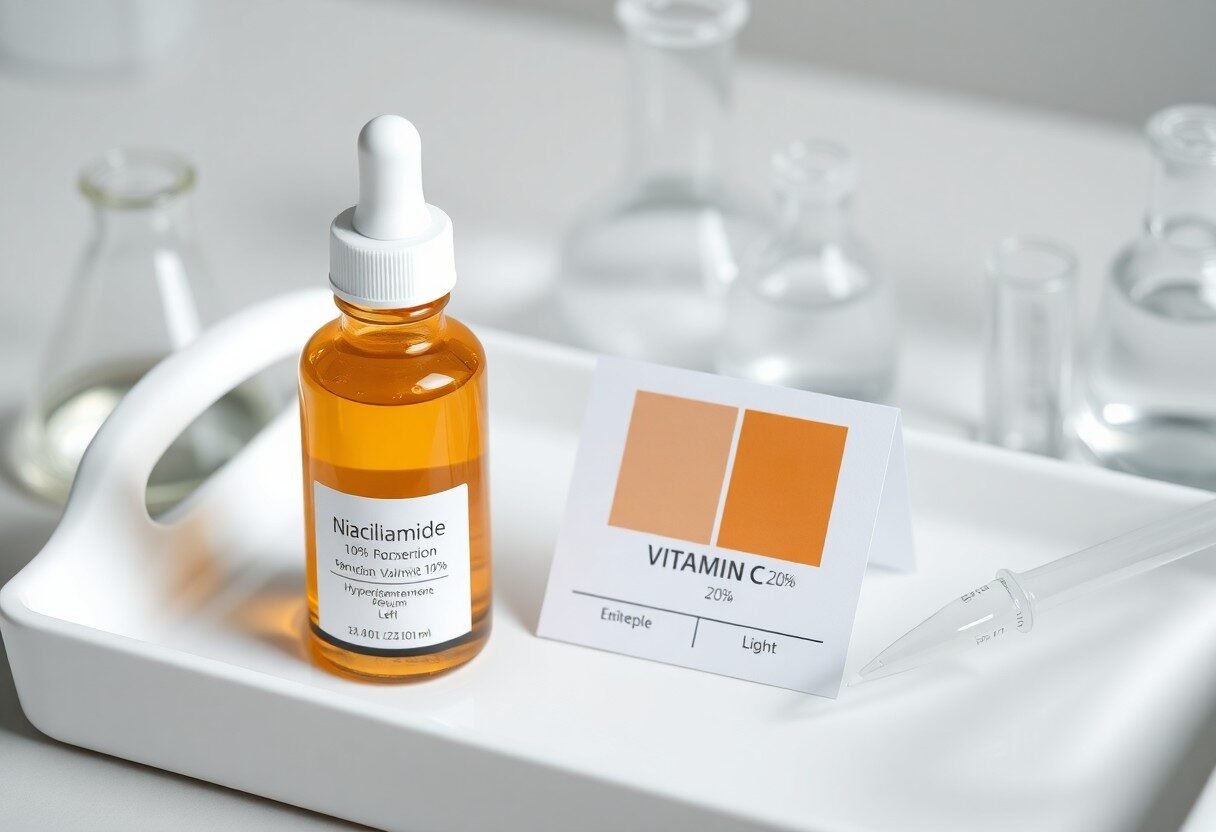
I evaluate both by efficacy, speed, and tolerability: niacinamide 2-5% targets melanosome transfer and barrier repair with low irritation, while L‑ascorbic acid 10-20% provides rapid tyrosinase inhibition and antioxidant photoprotection but requires low pH and can irritate sensitive skin; when formulated correctly they deliver additive brightening with fewer side effects than high‑strength single agents.
Side‑by‑side comparison
| Niacinamide (Vitamin B3) | Vitamin C (L‑Ascorbic Acid) | |
|---|---|---|
| Primary action: reduces melanosome transfer, improves barrier, anti‑inflammatory | Primary action: inhibits tyrosinase, antioxidant, reduces oxidative melanogenesis | |
| Typical %: 2-5% in serums/moisturizers | Typical %: 10-20% L‑ascorbic acid (pH <3.5) or derivatives | |
| Onset: 8-12 weeks for visible tone improvement | Onset: 6-10 weeks for measurable brightening and photoprotection | |
| Tolerance: generally well tolerated; safe for sensitive skin | Irritation risk: higher with low pH/high %; patch test advised | |
| Best use: maintenance, barrier support, melasma adjunct | Best use: active brightening, antioxidant defense, post‑peel care (with caution) |
Mechanisms of Action
I focus on distinct pathways: niacinamide reduces melanosome transfer from melanocytes to keratinocytes and strengthens barrier lipids, while vitamin C directly inhibits tyrosinase, chelates copper at the enzyme site, and neutralizes ROS; clinically I pair 2-5% niacinamide with 10-20% L‑ascorbic acid to target both transfer and synthesis.
Combined Use and Synergy
I often combine them because studies and practice show complementary effects: vitamin C lowers melanin production and offers photoprotection, niacinamide prevents redistribution of existing pigment and soothes; I typically use 10-15% vitamin C with 2-5% niacinamide, but avoid high‑acid vitamin C on compromised skin to reduce irritation risk.
For practical regimens I recommend AM vitamin C (for antioxidant boost) followed by sunscreen, and niacinamide in AM or PM for barrier support; if layering, apply vitamin C first or use pH‑stable derivatives, expect visible improvement in 8-12 weeks, and always perform a patch test when combining active formulations.
Choosing the Right Option for Your Skin
Skin Types and Concerns
I tailor actives to your skin: for oily, acne-prone types I often choose Vitamin C (0.5-10% L‑ascorbic acid) for antioxidant benefits; for sensitive or barrier‑impaired skin I recommend Niacinamide 2-5% to reduce hyperpigmentation and inflammation. Clinical trials show visible change in 8-12 weeks with consistent use, while higher-strength vitamin C (10-20%) speeds brightening but increases irritation risk. Assume that you patch test, start low, and introduce one active at a time.
- Niacinamide: 2-5% – barrier repair, anti-inflammatory
- Vitamin C: 0.5-20% – antioxidant, brightening; irritation risk >10%
- Hyperpigmentation: measurable improvement typically 8-12 weeks
- Sensitive skin: prioritize niacinamide and patch testing
- Combination: layer thoughtfully (AM vitamin C + niacinamide or alternate days)
| Concentration | Niacinamide: 2-5%; Vitamin C: 0.5-20% |
| Onset of results | Niacinamide: ~8-12 weeks; Vitamin C: 4-8 weeks at higher strengths |
| Irritation risk | Low for niacinamide; higher with vitamin C >10% or low pH formulations |
| Best for | Niacinamide: sensitive/barrier repair; Vitamin C: photodamage, antioxidant boost |
| How I use them | I often introduce niacinamide first, add vitamin C 5-10% once the barrier is stable, and insist on daily SPF 30+ |
Expert Recommendations
I generally start people on niacinamide 2% if they report sensitivity or active irritation, then add vitamin C 5-10% after barrier recovery; randomized studies show combined approaches outperform single agents for mild-to-moderate PIH. I require daily SPF 30+ because even the most potent actives fail without sun protection, and I warn that vitamin C at >10% raises the chance of stinging or redness.
In practice I track progress at 8 and 12 weeks: if you’re not seeing ~25-50% reduction in patch contrast by week 12, I escalate (higher vitamin C or add targeted chemical exfoliation like 10% glycolic acid) while monitoring for erythema or persistent irritation and pausing actives if those occur.
Application and Usage Tips
When applying actives I pay attention to concentration, order, and tolerance: apply low-pH vitamin C (L-ascorbic acid 10-20%) in the morning, follow with a hydrating serum and SPF, and use niacinamide (2-5%) morning or night to reinforce barrier and reduce inflammation; avoid layering multiple strong acids the same session and always patch-test new products. High concentrations increase irritation risk, while consistent SPF maximizes results. Knowing you should introduce one active at a time and monitor for redness or stinging.
- AM: Vitamin C (10-20%) → moisturizer → SPF
- AM/PM: Niacinamide (2-5%) with hydrator
- Start low: begin with 5-10% vitamin C and 2% niacinamide
- Patch-test 48 hours before facial use
- Wait ~10 minutes after vitamin C if using low pH formulas
How to Incorporate into Skincare Routine
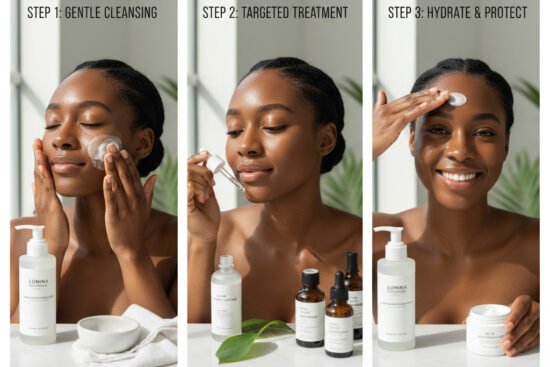
I place water-thin vitamin C serums on clean, dry skin in the morning to neutralize free radicals, then layer a niacinamide serum either after or in the evening to support barrier repair; I recommend introducing each product for 2-4 weeks before combining, using vitamin C 3-7 times weekly and niacinamide daily, and always finishing with broad-spectrum SPF to prevent further hyperpigmentation.
Potential Side Effects
I caution that vitamin C can cause stinging, redness or irritation at high concentrations and unstable formulas, while niacinamide rarely causes transient flushing or mild itching; discontinue use if you develop severe swelling, blistering, or signs of allergic contact dermatitis and consult a dermatologist.
In practice I see mild irritation in roughly 1 in 10 patients starting potent vitamin C (>15%); when that happens I advise lowering frequency to every other day, buffering by mixing a drop with moisturizer, or switching to gentler derivatives like magnesium ascorbyl phosphate or 3‑O‑ethyl ascorbic acid. For niacinamide, dropping to 2% or using it in a moisturizer usually resolves irritation; if you experience persistent redness, pustules, or systemic symptoms, stop use immediately and seek medical attention because those signs suggest a more serious reaction.
To wrap up
Upon reflecting, I conclude that both niacinamide and vitamin C have roles for hyperpigmentation: I recommend vitamin C (stable L-ascorbic derivatives) when you want potent antioxidant action and to fade established dark spots, while niacinamide is my choice for strengthening the barrier, reducing melanosome transfer, and for sensitive or irritated skin. I often advise combining them in a routine-apply vitamin C in the morning and niacinamide evening-to maximize results while protecting your skin.
FAQ
Q: What are the main ways niacinamide and vitamin C act on hyperpigmentation?
A: Niacinamide reduces hyperpigmentation by blocking melanosome transfer from melanocytes to keratinocytes and by lowering inflammation that can provoke post-inflammatory hyperpigmentation; it also strengthens the skin barrier. Vitamin C (especially L-ascorbic acid) inhibits tyrosinase, reduces existing melanin production, provides antioxidant protection against UV-induced pigment, and supports collagen synthesis. Their mechanisms are complementary: niacinamide limits spread and inflammation, while vitamin C targets melanin synthesis and oxidative damage.
Q: Can I use niacinamide and vitamin C together in the same routine?
A: Yes. The old claim that niacinamide inactivates vitamin C is outdated and based on laboratory conditions not relevant to modern formulations. To minimize irritation and maximize stability: apply vitamin C (low pH L‑ascorbic acid) first in the morning, allow absorption (a few minutes), then apply niacinamide; or use vitamin C in the morning and niacinamide in the evening. Alternatively, choose stable vitamin C derivatives (magnesium ascorbyl phosphate, sodium ascorbyl phosphate) or combined products formulated for compatibility.
Q: Which ingredient is better for stubborn dark spots or melasma?
A: For deeper or hormonal hyperpigmentation (melasma), vitamin C is generally more effective at lightening existing pigment because it inhibits melanin synthesis and neutralizes free radicals. Niacinamide helps prevent new pigment transfer and so supports long‑term maintenance and reduces inflammation that exacerbates spots. Best outcomes often come from combination therapy (vitamin C + niacinamide + sunscreen ± retinoid or professional treatments) under dermatologic guidance.
Q: How should I layer niacinamide and vitamin C in my morning and evening routines?
A: Morning: cleanse, apply vitamin C serum (L‑ascorbic acid or derivative), then moisturizer and broad‑spectrum SPF 30+. Evening: cleanse, apply niacinamide serum (or a niacinamide product), then moisturizer; if using a retinoid, apply retinoid first at night and follow with niacinamide to reduce irritation. If irritation occurs, separate use (vitamin C in AM, niacinamide in PM) is simplest.
Q: What concentrations and forms are most effective for hyperpigmentation?
A: Niacinamide: 2-5% is effective and well tolerated; some products go up to 10% but may irritate sensitive skin. Vitamin C: L‑ascorbic acid 10-20% delivers strong benefit for pigment; formulations with vitamin C + vitamin E + ferulic acid improve potency and stability. For sensitive skin or stability concerns, use derivatives such as magnesium ascorbyl phosphate or sodium ascorbyl phosphate at manufacturer‑recommended concentrations.
Q: What side effects or interactions should I watch for?
A: Vitamin C (especially high‑strength L‑ascorbic acid) can cause stinging, redness, or irritation, particularly on thin or reactive skin or when combined with other actives (strong AHAs/BHAs, high‑strength retinoids). Niacinamide is generally well tolerated but can cause mild flushing or irritation at high concentrations. Avoid layering strong exfoliants and L‑ascorbic acid without buffering the skin; separate application times if irritation occurs. Always patch test new products and stop use if allergic reaction develops.
Q: How long until I see improvement in hyperpigmentation and what else should I do?
A: Expect gradual improvement over 8-12 weeks with consistent application; more resistant spots may take several months. Daily broad‑spectrum sunscreen is imperative to prevent worsening and protect treatment gains. For faster or more significant results, combine topical vitamin C and niacinamide with retinoids, azelaic acid, chemical peels, or in‑office procedures (microneedling, lasers) under professional supervision.
Related posts:
 How to Address Hyperpigmentation with Skincare Products
 Understanding Hyperpigmentation – Causes and Treatments for Darker Skin Tones
 Understanding Hyperpigmentation – Causes and Treatments for Darker Skin Tones
 Understanding Hyperpigmentation – Causes and Treatments for Darker Skin Tones
 Maximizing the Benefits of Niacinamide and Hyaluronic Acid in Skincare Products for Darker Skin Tones
 Maximizing the Benefits of Niacinamide and Hyaluronic Acid in Skincare Products for Darker Skin Tones