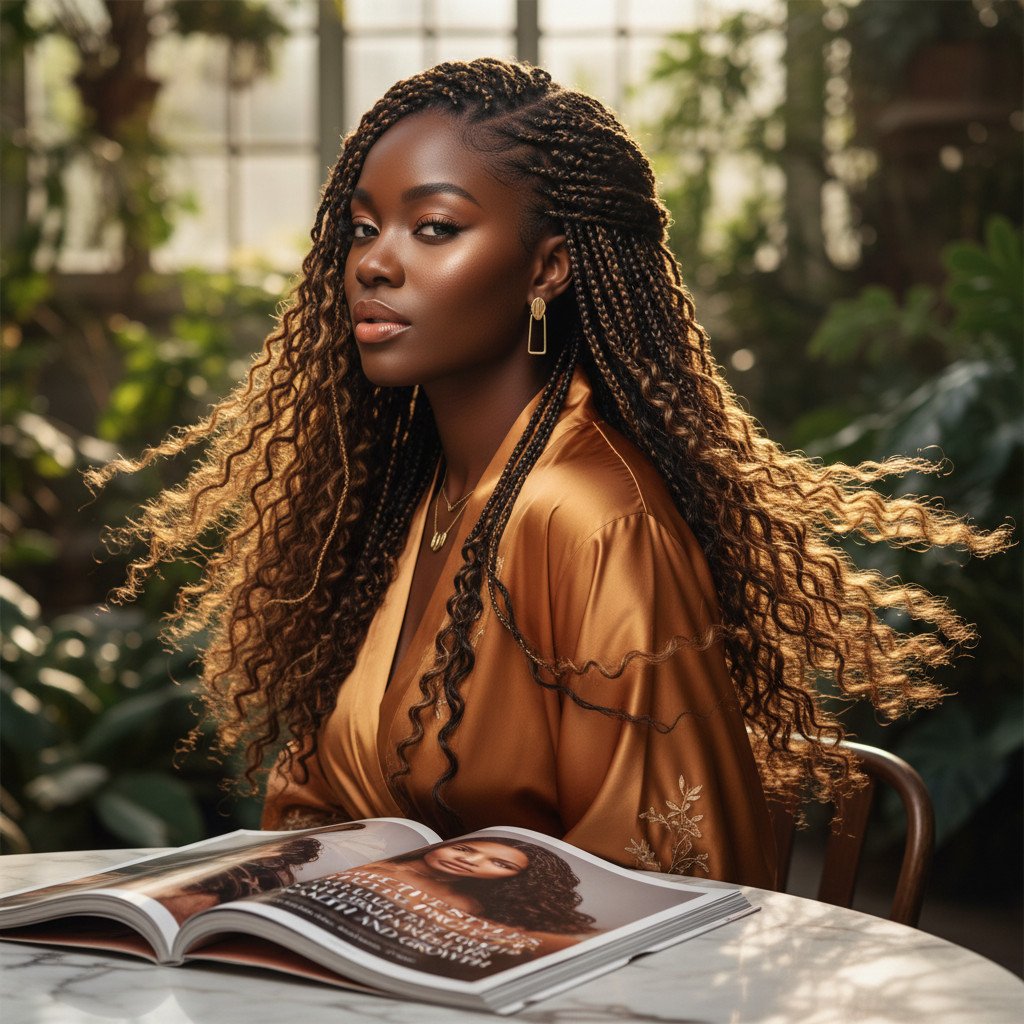
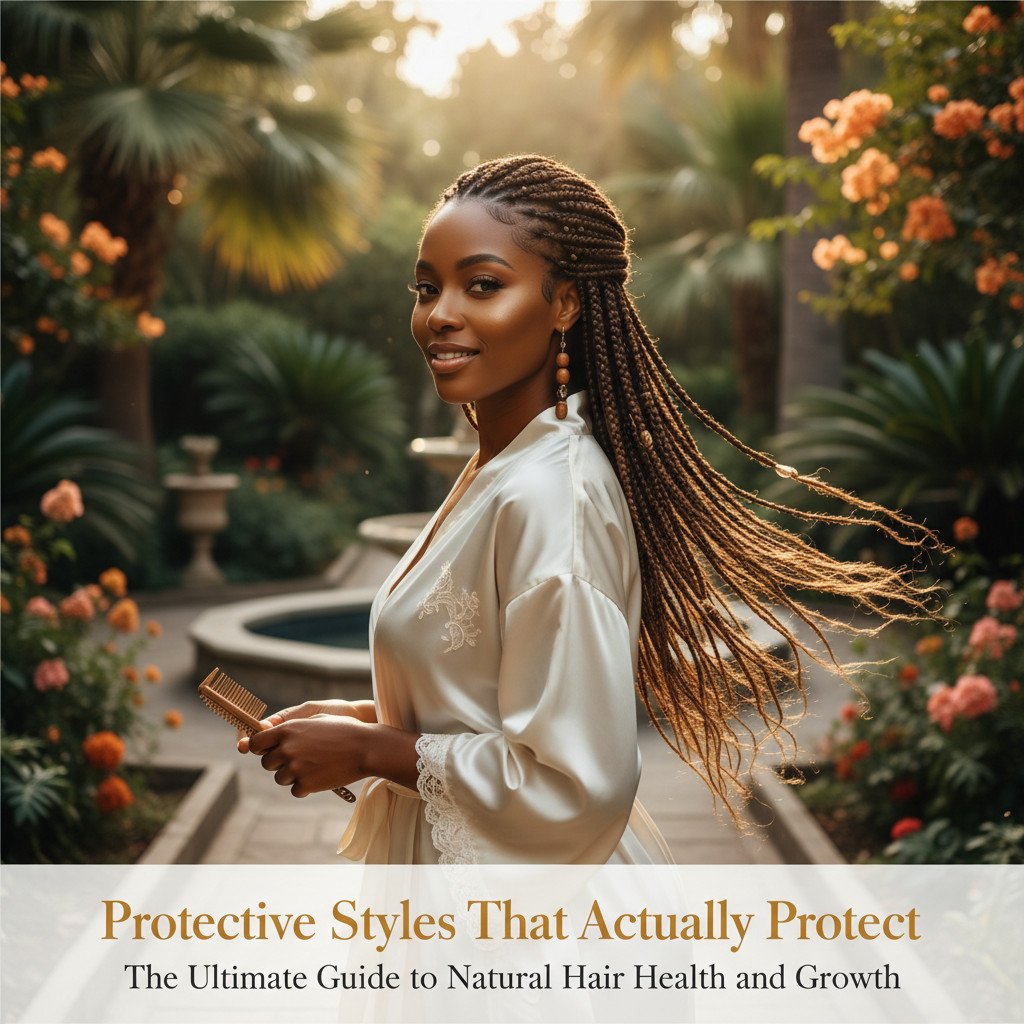
There is a sacred ritual in our community, a moment of anticipation and hope: the installation of a protective style. We seek refuge for our coils, a break from daily manipulation, and the promise of glorious length retention. But let’s be honest, sister—not all protective styles are created equal. If you’ve ever taken down a style only to find breakage, thinning edges, or dryness, it’s time to rethink what ‘protective’ truly means.
At Black Beauty Basics, we believe your hair journey should be one of confidence and celebration. Protective styling is a powerful tool, but only when executed with intention and care. This comprehensive guide will empower you to choose, install, and maintain styles that genuinely prioritize your hair health, leading to the length and lushness you deserve.
What Makes a Style Truly Protective?
The term “protective style” is often misused. A truly protective style minimizes manipulation, shields the fragile ends of your hair, and maintains a balanced moisture level. It’s not just about keeping your hands out of your hair; it’s about reducing stress on the hair strand and follicle.
The Three Pillars of Protection
1. Low Tension is Non-Negotiable
The number one culprit of damage in protective styles is excessive tension. If installation is painful, or if you feel a throbbing headache afterward, the style is actively damaging your hair follicles. This leads to traction alopecia, especially around the delicate hairline (your edges).
- Rule of Thumb: If it hurts, it’s harming. Demand that your stylist uses light tension, especially at the perimeter.
2. Ends Are Tucked Away
The ends of your hair are the oldest and most vulnerable part. They are prone to splitting, friction damage from clothing, and environmental stress. A truly protective style ensures that these ends are securely tucked, braided, or twisted away.
3. Accessibility for Moisture
Your hair still needs moisture and care, even when styled. If a style is so dense or tight that you cannot effectively cleanse your scalp or moisturize the length of your hair, it will lead to dryness, brittleness, and breakage upon takedown.
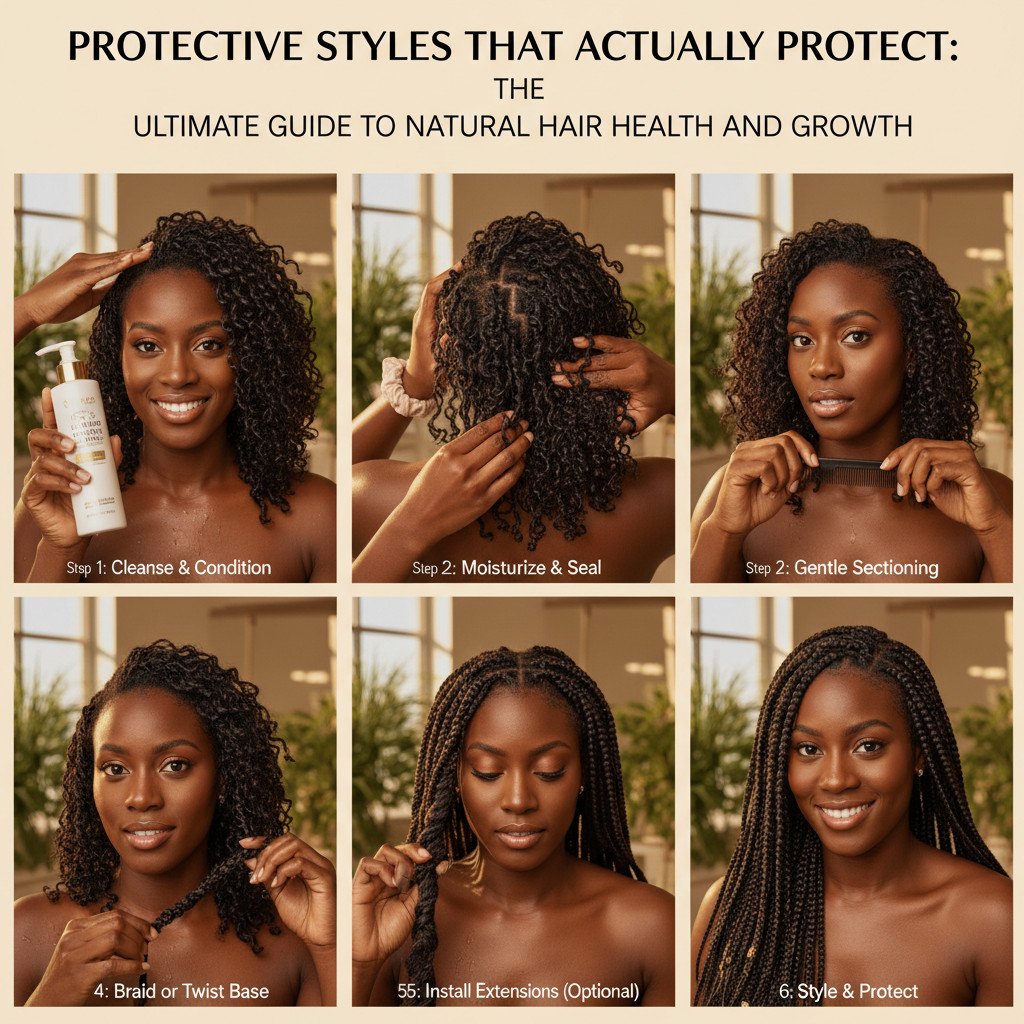
Preparing Your Hair for Protective Styling
Preparation is the foundation of successful protective styling. Think of this as preparing the soil before planting a precious seed. Your hair must be clean, strong, and deeply moisturized before it is locked away.
The Pre-Style Ritual
- Deep Cleanse and Clarify: Use a sulfate-free clarifying shampoo to remove all product buildup, silicones, and environmental residue. A clean slate is essential for moisture absorption. (Product: Clarifying Shampoo)
- Intense Deep Conditioning: This is the most crucial step. Apply a protein-moisture balanced deep conditioner and sit under a steamer or hooded dryer for 20-30 minutes. This infuses the hair shaft with maximum hydration and strength. (Product: Deep Conditioner)
- Protein Treatment (If Needed): If your hair feels mushy, overly stretchy, or you are transitioning from heat damage, incorporate a light protein treatment to fortify the hair structure before styling. (Product: Protein Treatment)
- The L.O.C. or L.C.O. Method: Before installation, seal in that moisture. Use a water-based leave-in conditioner (Product: Leave-In Conditioner), followed by a light oil (Product: Hair Oil), and finally, a rich cream or butter (Product: Hair Butter) to lock everything in.
Editor’s Tip: Ensure your hair is fully dry before braiding or twisting. Installing styles on damp hair can lead to mildew or hygral fatigue (the constant swelling and shrinking of the hair shaft), weakening the strands.
Low-Tension Style Options That Truly Protect
When selecting a style, prioritize those that respect your natural hair density and curl pattern. The best protective styles use minimal added hair and distribute weight evenly.
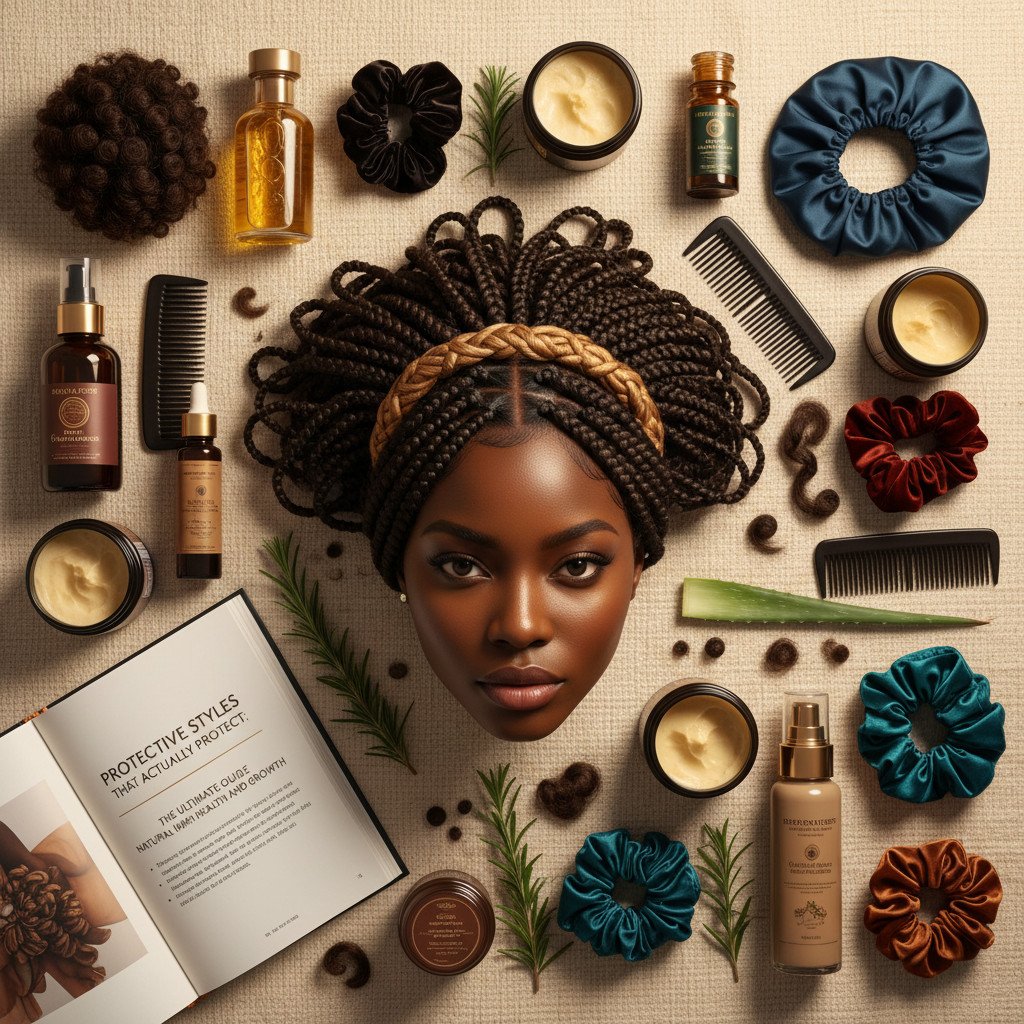
H3: Styles for Maximum Length Retention
1. Chunky Twists and Braids (Without Extensions)
These styles are the gold standard for protection because they are lightweight and allow easy access to the scalp. Larger sections mean less manipulation during installation and takedown.
- Pro: Zero weight, easy to wash, maximum moisture retention.
- Con: Shorter wear time (typically 1-3 weeks).
2. Low-Tension Cornrows or Flat Twists
Ideal as a base for wigs or simply worn alone. The key is ensuring the parts are not razor-sharp and the stylist does not pull the hair taut at the roots. Ask for medium-sized braids rather than micro-braids.
3. Buns and Updos (The Hidden Gem)
A simple, neatly tucked bun or French roll is an excellent protective style, provided you are not pulling the hair tightly. Use soft scrunchies and satin hair ties to secure the style, avoiding rubber bands or metal accessories.
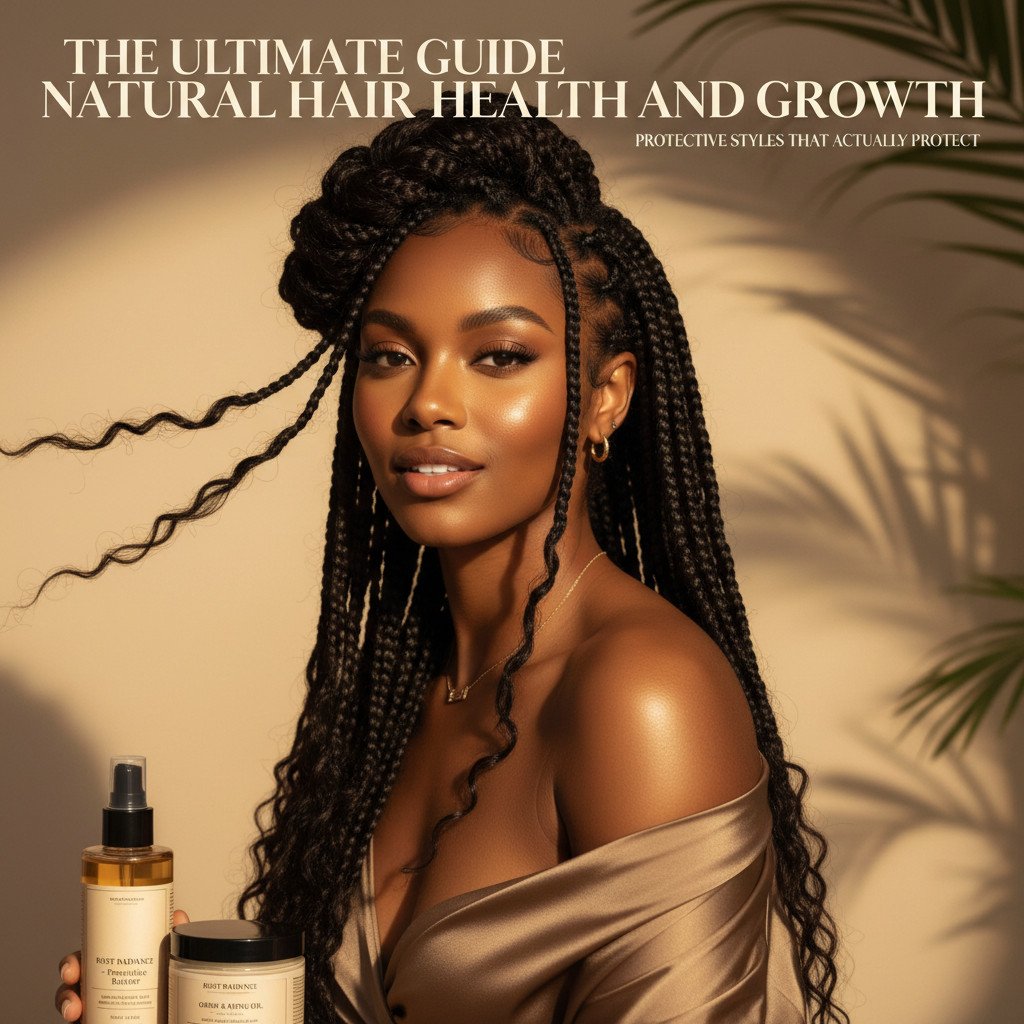
H3: Styles Using Extensions (Proceed with Caution)
Extensions offer versatility, but they introduce weight and tension. If you choose extensions, prioritize quality and moderate length/density.
| Style | Protection Level | Key Consideration |
|---|---|---|
| Box Braids (Medium/Large) | Moderate | Must be lightweight and installed with minimal tension at the root. Avoid small sizes, which add excessive weight. |
| Faux Locs/Goddess Locs | High (Once installed) | The installation process can be high tension. Ensure the stylist uses the wrapping method rather than the interlocking method if your hair is fine. |
| Wigs (Over Cornrows) | Very High | The cornrow base protects the hair, and the wig protects it from environmental elements. Ensure the wig cap is breathable. |
| Crochet Styles | Moderate to High | Depends heavily on the base cornrow structure. Ensure the cornrows are not too small or tight. |
Maintaining Your Hair Under Protective Styles
Protection does not mean neglect. Your hair requires consistent care while in a style to prevent dryness and buildup, which lead to breakage upon takedown.
The Weekly Maintenance Routine
- Scalp Cleansing: Use a diluted astringent (like witch hazel) or a specialized scalp cleanser applied directly to the scalp with a cotton swab or applicator bottle. Follow up with a moisturizing scalp oil. (Product: Scalp Cleanser)
- Moisture Spritz: Daily or every other day, lightly spritz your hair with a water-based moisturizing spray containing humectants like glycerin or aloe vera. Focus on the exposed hair and the length of the braids/twists. (Product: Moisturizing Spray)
- Seal the Ends: If your ends are exposed (as in twists or braids), apply a small amount of light oil or hair butter to the tips to prevent friction and splitting.
- Nighttime Protection: Always, always, always sleep with a satin bonnet or scarf. This is non-negotiable for preserving moisture and preventing friction against cotton pillows. (Product: Satin Bonnet)
How Long to Keep Styles In: The Duration Dilemma
The biggest mistake many women make is leaving a style in too long, often chasing that extra inch of growth. However, after a certain point, the benefits diminish, and the risks increase.
Recommended Maximum Wear Times
- Simple Twists/Braids (Natural Hair): 1 to 3 weeks
- Cornrows (Base for Wigs/Crochet): 4 to 6 weeks
- Box Braids/Faux Locs (With Extensions): 6 to 8 weeks maximum
Why 8 Weeks is the Hard Limit:
Around the 8-week mark, new growth is significant. This new growth is fragile and has not been subjected to the weight of the style. The weight of the extensions pulling on this delicate new hair causes stress at the root, leading to breakage. Furthermore, the buildup of shed hair and product residue can make the takedown process incredibly difficult, resulting in tangles and matting.
Signs Your Style is Causing Damage
Your hair will communicate with you. Listen to these warning signs and be prepared to take the style down immediately if necessary.
Physical and Visual Indicators of Stress
- Persistent Pain or Throbbing: If the pain lasts longer than 24 hours after installation, the style is too tight.
- Small Bumps or Pimples on the Scalp: These indicate inflammation and irritation of the hair follicles, often due to excessive tension or poor hygiene.
- Thinning Edges or Hairline Recession: If you see bald patches or the hair around your temples looks sparse, the style is causing traction alopecia.
- Dandruff or Intense Itching: While some itching is normal, severe, persistent itching often indicates product buildup, dryness, or potential fungal growth due to lack of air circulation.
- Frizzing at the Root (Prematurely): This means your new growth is already straining against the style, signaling it’s time for removal.
Transitioning Between Styles: The Essential Break
The period between protective styles is just as important as the style itself. Your hair needs time to breathe, recover, and receive intensive treatments.
The Rest and Recovery Phase
- The Takedown: Be patient and gentle. Use scissors only on the extension hair, never your own. Saturate the hair with oil or conditioner before unraveling to minimize friction. (Product: Detangling Conditioner)
- Detangle in Sections: Never wash matted hair. Detangle thoroughly with a wide-tooth comb or your fingers while the hair is saturated with conditioner.
- The Deep Treatment: After cleansing, perform another intense deep conditioning treatment, focusing on strengthening the new growth and restoring moisture to the older hair.
- The Break: Allow your hair to be free for at least 1–2 weeks. Wear wash-and-gos, twist-outs, or simple buns. This allows your scalp to fully detoxify and your hair follicles to relax before the next installation.
Affirmation: Your natural hair is resilient, beautiful, and capable of magnificent growth. Treat it with the reverence it deserves, and it will reward you with volume and vitality.
Conclusion: Protecting Your Crown with Intention
Choosing a protective style is an act of self-care, a strategic move in your journey toward thriving natural hair. Remember that true protection isn’t just about the style itself; it’s about the preparation, the maintenance, and the respectful removal. By prioritizing low tension, consistent moisture, and timely breaks, you transform protective styling from a temporary fix into a sustainable, powerful habit that ensures your crown remains healthy, strong, and gloriously long.
Ready to Embrace Your Healthiest Hair Yet?
Take this knowledge and apply it with confidence. Your hair health journey is yours to define. Go forth, protect your edges, moisturize your ends, and watch your beautiful, melanin-rich hair flourish.
Related posts:
 Protective Styling 101 – How to Choose Styles That Retain Length Without Damaging Your Edges
 The Impact of Stress on Hair Health and Growth
 The Truth About Hair Growth Oils and Supplements – What Actually Works?
 The Ultimate Wash Day Routine: A Step-by-Step Guide for Luxurious Natural Hair Care
 The Melanin Guide to Barrier Repair: How to Heal and Strengthen Your Skin’s Protective Shield
 The Ultimate Winter Haircare Guide for African American Women: Tailored to Hair Type, Texture, and Concerns