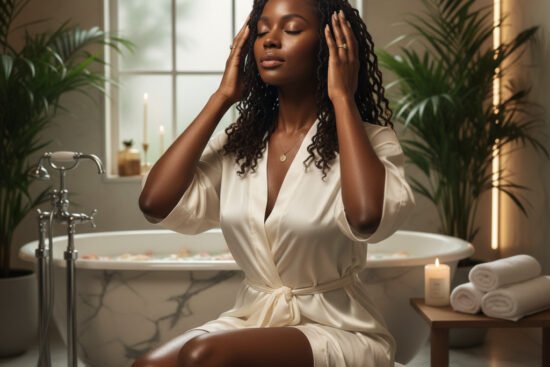
Basic Scalp-Care Routines for Loose Natural and Relaxed Hair
For many Black women, the journey to healthy hair often begins with a focus on the strands themselves—the curl pattern, the length, the shine, the silkiness, or the perfect style definition. We learn about deep conditioners, leave-ins, styling creams, and heat protectants. We master techniques for twists, braids, blowouts, and roller sets. Yet, amidst this dedication to visible hair, the scalp, the very foundation from which our hair grows, can sometimes become an afterthought. It’s a common oversight, one that often leads to confusing symptoms like persistent itch, flaking, or a feeling of constant discomfort that we attribute to everything but the root cause.
When hair is worn loose, whether natural or relaxed, it offers unparalleled access to the scalp. This accessibility might seem like an advantage, making scalp care straightforward. However, it can also present a unique set of challenges. The very products we use to define curls, smooth strands, or add shine can easily accumulate on the scalp. Environmental factors, sweat from daily activities, and even the natural oils our scalp produces can combine with styling products to create a complex layer of buildup. This can mask underlying issues, making it difficult to discern between simple product residue, genuine dryness, sensitivity, or even the early signs of a more significant scalp concern.
This guide is designed to empower you with the knowledge to build a simple, effective, and intuitive scalp-care routine, whether your hair is loose natural or relaxed. We’ll move beyond the assumption that loose hair automatically means a healthy scalp, and instead, equip you with the tools to truly understand and nurture this vital area. Our aim is not to prescribe a rigid, one-size-fits-all schedule, but to offer principles and practices that you can adapt to your unique needs, lifestyle, and hair texture. By focusing on cleansing, comfort, and intelligent product choices, you can cultivate a scalp environment that supports robust hair growth and overall well-being, transforming your hair care from the roots up.
What This Post Covers
In this comprehensive guide, we will delve into the nuances of establishing and maintaining an effective scalp-care routine for Black women with loose natural and relaxed hair. We understand that while both hair types offer direct access to the scalp, they each come with their own set of considerations regarding product choices, styling practices, and environmental exposures.
We’ll begin by defining what a balanced scalp routine truly entails, moving beyond superficial cleansing to address the deeper needs of your scalp. This involves understanding the delicate balance of moisture, oil production, and the microbiome that contributes to a healthy scalp environment. We’ll explore the core routine steps: cleansing, observation, comfort, and protection, breaking down each element into actionable practices you can integrate into your existing hair care regimen.
A significant portion of our discussion will be dedicated to the everyday factors that impact scalp health. This includes how your styling choices, from wash-and-gos to roller sets, can influence product accumulation and scalp exposure. We’ll also address the often-overlooked effects of sweat, the common pitfalls of product layering, and the residue left by heat styling. Understanding these dynamics is crucial for preventing buildup and irritation.
Furthermore, we’ll equip you with the ability to discern when your routine is genuinely beneficial versus merely masking underlying problems. Learning to “read” your scalp—identifying signs of health versus distress—is a powerful skill that will enable you to make informed adjustments. We’ll also provide practical guidance on how to navigate the vast landscape of scalp care, offering a framework for selecting products and techniques that align with your specific needs. This post is a foundational piece within our broader exploration of scalp health, CCCA, and hair loss, designed to empower you with the knowledge to nurture your scalp with confidence and cultural wisdom.
What a Balanced Scalp Routine Means on Loose Natural and Relaxed Hair
A balanced scalp routine for loose natural and relaxed hair isn’t about adhering to a rigid schedule or using a specific set of “miracle” products. Instead, it’s about cultivating an environment where your scalp can thrive, free from excessive buildup, irritation, and dryness. It acknowledges that the scalp is living skin, just like the skin on your face, and requires consistent, gentle care tailored to its unique needs. For Black women, this often means navigating the complexities of textured hair, which can be prone to dryness, and styling practices that might inadvertently contribute to scalp issues.
On loose natural hair, the scalp is often more exposed, making it easier to access for cleansing and treatment. However, the very nature of coily and curly textures can also mean that natural oils struggle to travel down the hair shaft, leaving the scalp potentially oilier while the ends remain dry. This can lead to a cycle of over-cleansing the scalp or under-moisturizing the hair. A balanced routine here focuses on thorough, yet gentle, cleansing to remove buildup without stripping essential moisture, followed by targeted hydration and soothing treatments. It recognizes that product choices for styling natural hair can be extensive, and some ingredients might contribute to buildup or irritation if not properly managed.
For relaxed hair, the chemical process itself can sometimes make the scalp more sensitive or prone to dryness, especially if not properly neutralized and conditioned. While relaxed hair often appears straighter and may seem less prone to tangles, the scalp still requires diligent care to prevent flaking, itching, and irritation, particularly around touch-up times. A balanced routine for relaxed hair emphasizes gentle cleansing to protect the integrity of the scalp barrier, regular conditioning to maintain moisture, and careful product selection to avoid heavy, occlusive ingredients that can clog pores or exacerbate sensitivity. The goal is to support a healthy scalp that can withstand chemical processes and styling without compromise.
Ultimately, a balanced routine for both loose natural and relaxed hair centers on several key principles: regular and effective cleansing to remove product residue, sweat, and environmental pollutants; consistent moisture to prevent dryness and flaking; soothing practices to calm irritation and itch; and mindful product selection to avoid ingredients that might trigger sensitivity or buildup. It’s about listening to your scalp, understanding its signals, and adjusting your approach as needed. This holistic perspective ensures that your scalp isn’t just surviving, but truly flourishing, providing the optimal foundation for healthy, beautiful hair.
Understanding Your Scalp’s Unique Needs
Just as no two hair textures are exactly alike, no two scalps are identical. Your scalp has its own unique ecosystem, influenced by genetics, diet, environment, stress levels, and the specific products you use. A truly balanced routine begins with understanding your scalp’s individual characteristics. Is it naturally oily, dry, or somewhere in between? Does it tend to itch frequently, or is it generally calm? Do you experience flaking, redness, or sensitivity to certain ingredients?
For those with loose natural hair, the density of curls can sometimes create a microclimate on the scalp that can trap heat and moisture, potentially leading to yeast overgrowth if not properly cleansed. Conversely, the natural oils might not easily distribute down the hair shaft, leaving the scalp feeling dry and tight. Relaxed scalps, having undergone chemical processing, might be more prone to sensitivity, especially if the relaxer application was not meticulously performed or if post-relaxer care is insufficient. It’s crucial to observe how your scalp reacts to different products and environmental conditions. Keeping a simple hair journal can be incredibly helpful in identifying patterns and triggers. This observational practice is the cornerstone of a personalized and effective scalp care strategy, allowing you to move beyond generic advice and tailor your approach to what your scalp truly needs to thrive.
The Role of Cleansing Rhythm
One of the most common questions in scalp care is “How often should I wash my hair?” The answer, particularly for Black women with loose natural and relaxed hair, is nuanced and highly individual. There is no universal “right” frequency. A balanced cleansing rhythm is one that effectively removes buildup, sweat, and environmental impurities without stripping the scalp of its natural, protective oils. Over-cleansing can lead to dryness, irritation, and even stimulate increased oil production as the scalp tries to compensate. Under-cleansing, on the other hand, allows product residue, dead skin cells, and sebum to accumulate, leading to itchiness, flaking, and potentially hindering healthy hair growth.
For loose natural hair, the cleansing rhythm might vary depending on styling choices and activity levels. If you use a lot of heavy styling products or exercise frequently, you might need to cleanse more often, perhaps once every 7-10 days. If your hair is styled simply and you use minimal products, you might extend this to 2-3 weeks. For relaxed hair, especially after a fresh relaxer, the scalp might be more sensitive, necessitating gentle, infrequent cleansing initially, then settling into a rhythm of every 10-14 days. The key is to pay attention to your scalp’s signals: an itchy, flaky, or oily scalp is usually indicating it’s time for a wash. Conversely, a tight, dry, or sensitive scalp might be telling you to space out your washes or use a gentler cleanser. Experimentation and observation are your best tools in finding your ideal cleansing rhythm, ensuring your scalp remains clean, comfortable, and balanced.
Core Routine Steps: Cleanse, Observe, Comfort, Protect
Building a foundational scalp care routine doesn’t need to be complicated. It can be distilled into four essential pillars: Cleanse, Observe, Comfort, and Protect. These steps, when consistently applied, create a holistic approach to scalp health that supports both loose natural and relaxed hair, fostering an environment where your hair can flourish from the root.
1. Cleanse: The Foundation of Scalp Health
Cleansing is arguably the most critical step in any scalp care routine. Its purpose is to remove accumulated product residue, excess sebum, dead skin cells, sweat, and environmental pollutants that can clog follicles, lead to irritation, and impede healthy hair growth. For Black women, the choice of cleanser and the technique of washing are paramount, as our hair and scalp can be prone to dryness.
- Choose the Right Cleanser:
- Sulfate-Free Shampoos: These are often recommended for both loose natural and relaxed hair as they cleanse effectively without stripping the scalp and hair of essential moisture. Look for ingredients like cocamidopropyl betaine or decyl glucoside.
- Clarifying Shampoos: Use these periodically (e.g., once a month or every few washes) to remove stubborn buildup from heavy styling products, hard water minerals, or silicones. They are more potent, so follow with a deep conditioner.
- Co-Washes (Conditioner Washes): For very dry scalps or between full shampoo washes, co-washing can gently refresh the scalp and hair without stripping. However, they are not a substitute for regular shampooing, as they don’t always fully remove buildup.
- Medicated Shampoos: If you experience persistent flaking, itching, or redness, your dermatologist might recommend a medicated shampoo containing ingredients like pyrithione zinc, selenium sulfide, or salicylic acid. Use these as directed.
- Technique Matters:
- Focus on the Scalp: When shampooing, concentrate the product and your massage on the scalp, not primarily on the hair strands. Use the pads of your fingertips (never your nails) to gently massage in circular motions, lifting dirt and buildup.
- Rinse Thoroughly: Residual shampoo can cause irritation and flaking. Ensure you rinse your scalp and hair thoroughly with lukewarm water until the water runs clear and your scalp feels clean, not tight.
- Pre-Poo Treatments: For extra protection against stripping, consider a pre-poo oil treatment (e.g., coconut oil, olive oil) applied to the hair strands and scalp before shampooing. This helps to protect the hair’s natural oils.
The frequency of cleansing, as discussed earlier, should be tailored to your individual needs, activity level, and product usage. The goal is a clean, refreshed scalp without compromising its natural moisture barrier.
2. Observe: Listening to Your Scalp’s Signals
Observation is an often-overlooked but crucial step. Your scalp is constantly communicating with you, and learning to interpret its signals is key to maintaining its health. This involves more than just a quick glance in the mirror; it requires a mindful check-in with your scalp regularly.
- Visual Inspection:
- Part your hair in different sections: Look for redness, irritation, bumps, or excessive flaking. Are there any areas that look different from the rest?
- Check for buildup: Is there a visible white or grayish film on your scalp or around the hair follicles? This indicates product or sebum accumulation.
- Note hair density: Are there any areas of thinning or excessive shedding that weren’t present before? (While this article focuses on basic care, recognizing these signs can prompt further investigation if needed.)
- Tactile Assessment:
- Touch your scalp: Does it feel oily, dry, tight, or tender? Is there any warmth or swelling?
- Gently scratch: Does it feel itchy? Is the itch localized or widespread? Does scratching produce flakes?
- Scent Check:
- A healthy scalp typically has a neutral or faint, clean scent. An unusual or strong odor can indicate bacterial or fungal overgrowth, often linked to insufficient cleansing or certain scalp conditions.
Regular observation allows you to catch potential issues early, before they escalate. It helps you understand how your scalp reacts to different products, weather changes, or even stress. This information is invaluable for making informed decisions about your routine.
3. Comfort: Soothe and Nurture
Once your scalp is clean, the next step is to provide comfort and nourishment. This is where you address any dryness, itchiness, or sensitivity, aiming to restore balance and promote a healthy environment for hair growth.
- Moisturize the Scalp:
- Lightweight Oils: After washing, if your scalp feels dry, apply a few drops of a lightweight, non-comedogenic oil (e.g., jojoba, argan, grapeseed) directly to the scalp. Massage gently to stimulate circulation and aid absorption. Avoid heavy oils that can clog pores.
- Scalp Serums/Tonics: Many brands offer specialized scalp serums designed to hydrate, soothe, or balance the scalp. Look for ingredients like hyaluronic acid, aloe vera, or niacinamide.
- Address Itch and Irritation:
- Anti-itch treatments: If you experience persistent itching, consider over-the-counter anti-itch scalp treatments or sprays containing ingredients like menthol, camphor, or salicylic acid (if flaking is also present).
- Cooling rinses: A diluted apple cider vinegar rinse (ACV) can help balance scalp pH and reduce itch, but use sparingly and always dilute.
- Avoid scratching: While tempting, scratching can exacerbate irritation and even lead to open sores, increasing the risk of infection. Use gentle patting or apply a soothing product instead.
- Deep Conditioning for Hair & Scalp:
- While primarily for hair, some deep conditioners can also benefit the scalp by providing moisture. Ensure they are rinsed thoroughly. Look for conditioners that are not overly heavy or greasy if you plan for scalp contact.
The comfort stage is about proactively addressing discomfort and ensuring your scalp feels calm and hydrated, ready to support healthy hair growth. This is particularly important for relaxed hair, where the scalp might need extra soothing post-chemical treatment, and for natural hair, which can be prone to dryness.
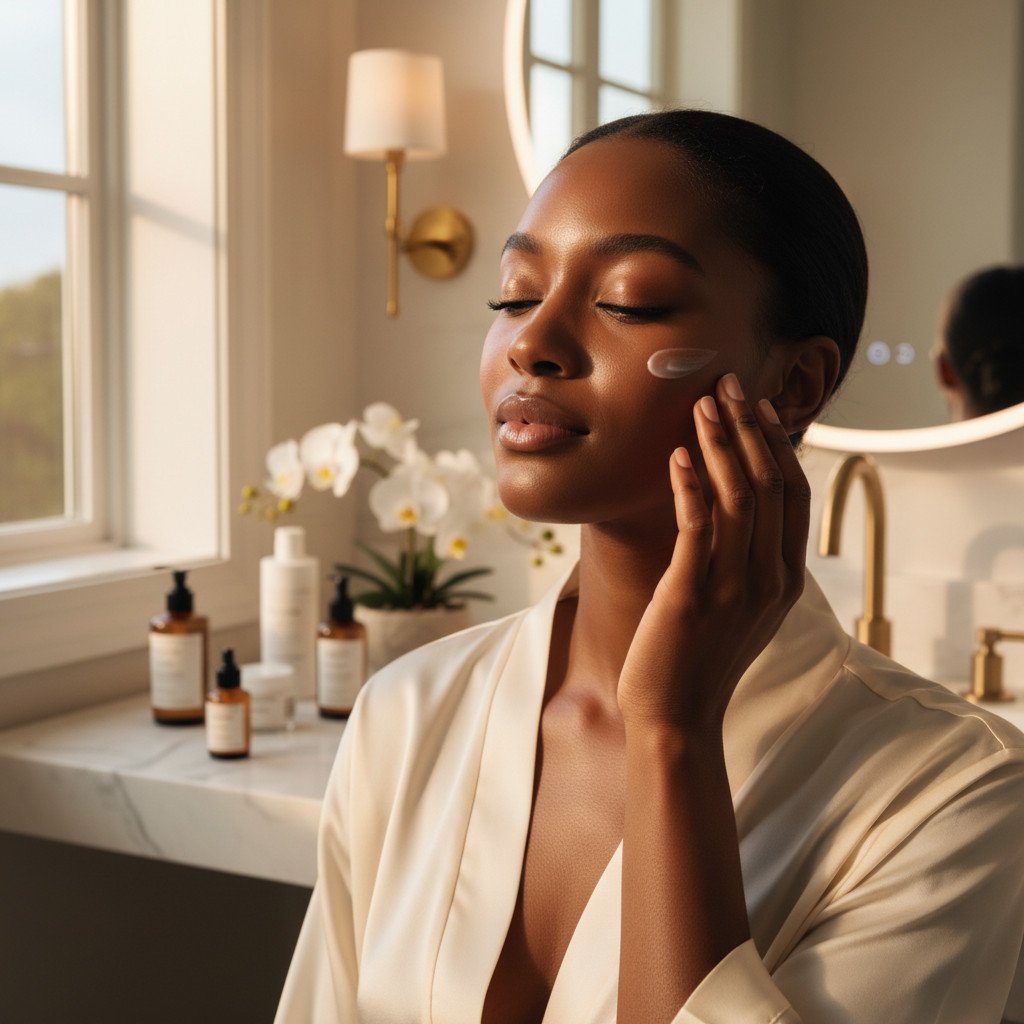
4. Protect: Shielding Your Scalp from Stressors
Protection involves implementing practices and using products that shield your scalp from environmental damage, mechanical stress, and chemical irritation. This is a proactive step to maintain the health you’ve cultivated through cleansing and comforting.
- Mindful Styling:
- Avoid excessive tension: Tight hairstyles, whether ponytails, buns, or braids (even loose ones), can pull on the hair follicles, leading to inflammation and potentially traction alopecia over time. Ensure styles are comfortable and not pulling.
- Limit heat: Excessive heat styling can dry out the scalp and hair. When using heat, apply a heat protectant to the hair and ensure your scalp is not directly exposed to high temperatures.
- Product application: Be mindful of where you apply styling products. Heavy creams, gels, and edge controls can easily accumulate on the scalp. Apply them primarily to the hair strands, avoiding direct scalp contact where possible, or choose lightweight, water-soluble options.
- Environmental Protection:
- Sun protection: Just like the rest of your skin, your scalp can get sunburned, especially along parts. Consider wearing a hat or using a scalp-specific SPF spray if you’ll be in direct sunlight for extended periods.
- Weather elements: Protect your scalp from harsh winds and extreme cold, which can contribute to dryness and irritation.
- Nighttime Care:
- Sleep on satin or silk: Using a satin or silk pillowcase or wearing a satin bonnet helps reduce friction on your hair and scalp, preventing dryness and breakage. This is beneficial for both loose natural and relaxed hair, helping to preserve moisture.
- Chemical Treatments (for relaxed hair):
- Professional application: If you relax your hair, ensure it’s done by a skilled professional who prioritizes scalp protection, uses base cream, and avoids overlapping relaxer on previously relaxed hair.
- Proper neutralization: Thorough neutralization after relaxing is crucial to stop the chemical process and restore scalp pH, preventing irritation and damage.
By consistently implementing these four core steps—Cleanse, Observe, Comfort, and Protect—you create a resilient and healthy scalp environment. This routine is adaptable, allowing you to respond to your scalp’s changing needs and ensuring that your hair has the best possible foundation for growth and vitality, whether it’s loose natural or relaxed.
How Styling Choices, Sweat, and Product Layering Affect the Scalp
The way we style our hair, our daily activities, and the products we choose all have a profound and often underestimated impact on the health of our scalp. For Black women with loose natural and relaxed hair, understanding these interactions is crucial for preventing common scalp issues like buildup, irritation, and dryness. It’s not just about what you put on your hair, but how it interacts with your scalp over time.
Styling Choices and Scalp Health
Even when hair is worn loose, styling choices can significantly influence scalp health. While protective styles like braids and twists are often discussed in relation to scalp care, the day-to-day styling of loose hair also plays a critical role. For loose natural hair, styles like wash-and-gos, twist-outs, or braid-outs often involve applying multiple layers of products—leave-in conditioners, curl creams, gels, and oils—to achieve definition and moisture. While these products are beneficial for the hair strands, their accumulation on the scalp can lead to problems. Heavy gels or creams, especially if not water-soluble, can form a film that traps dead skin cells, sebum, and environmental debris, leading to clogged follicles, itchiness, and flaking. The frequency of product application without adequate cleansing also contributes to this buildup.
For relaxed hair, styling often involves blow-drying, flat-ironing, or roller-setting. While these techniques primarily focus on the hair, the products used in conjunction—heat protectants, setting lotions, and finishing sprays—can also migrate to the scalp. Heat styling itself, if not done carefully, can dry out the scalp, leading to tightness and flaking. Furthermore, the use of edge control products, while excellent for sleek edges, can be particularly problematic. These often contain waxes and heavy oils that, when applied directly to the delicate hairline area day after day, can clog pores and contribute to irritation or even traction alopecia if applied too tightly or without proper cleansing. The constant manipulation of the hairline for styling can also cause mechanical stress to the scalp.
The key takeaway is that any product applied to the hair has the potential to reach the scalp. Therefore, being mindful of the types of products used (opting for lighter, water-soluble formulas where possible), the amount applied, and the frequency of cleansing is essential. Regularly assessing your scalp for signs of buildup or irritation after different styling routines can help you adjust your approach.
The Impact of Sweat and Activity
Sweat is a natural bodily function, but its interaction with the scalp and hair products can create a breeding ground for issues. When we exercise, spend time in warm environments, or simply experience daily stress, our scalp produces sweat. This sweat, combined with natural sebum, dead skin cells, and any existing product on the scalp, creates a moist, warm environment that can encourage the growth of bacteria and yeast. This can lead to increased itchiness, a strong scalp odor, and even conditions like seborrheic dermatitis if not managed.
For those with active lifestyles, the challenge is to balance the need for cleanliness with the desire to maintain hairstyles. It’s a common dilemma: you want to work out, but you don’t want to “ruin” your hair or wash it every day. However, allowing sweat and buildup to sit on the scalp for extended periods is detrimental to scalp health. This doesn’t necessarily mean daily shampooing, but it does mean developing strategies to manage sweat. This could involve using absorbent headbands during workouts, gently wiping the scalp with a witch hazel-soaked cotton ball post-activity, or incorporating a refreshing scalp spray. For relaxed hair, sweat can also cause reversion, leading to more frequent heat styling, which in turn can dry out the scalp. Finding a rhythm that allows for sweat management without excessive manipulation or product application is crucial.
Product Layering and Buildup Control
Product layering is a common practice, especially within the natural hair community, to achieve desired levels of moisture, definition, and hold. The “LOC” method (Liquid, Oil, Cream) or “LCO” method are popular examples. While effective for the hair strands, this layering can quickly lead to significant buildup on the scalp if not managed carefully. Each layer adds a new component—hydrating agents, emollients, humectants, film-formers—all of which can contribute to a sticky, occlusive film on the scalp. This film can suffocate follicles, prevent the scalp from breathing, and trap bacteria, leading to itchiness, flaking, and even folliculitis.
For relaxed hair, while layering might be less extensive, the use of heavier pomades, greases, or silicon-rich serums for shine and frizz control can also contribute to buildup. These products, designed to sit on the hair shaft, can easily transfer to the scalp, especially during styling or when touching the hair. Over time, these heavy, non-water-soluble ingredients can create a barrier that prevents the scalp from being properly cleansed, leading to a cycle of irritation and discomfort.
Effective buildup control requires a multi-pronged approach:
- Mindful Product Selection: Opt for lighter, water-soluble products whenever possible. Read ingredient labels and understand what you’re applying.
- Targeted Application: Apply styling products primarily to the hair strands, working them through from mid-shaft to ends, minimizing direct contact with the scalp.
- Regular Cleansing: Incorporate clarifying shampoos periodically into your routine to effectively remove stubborn buildup that regular sulfate-free shampoos might miss.
- Scalp Massage: Gentle scalp massage during shampooing helps to loosen and lift buildup, making it easier to rinse away. Consider using a scalp massager brush to enhance this process.
By being aware of how styling choices, sweat, and product layering directly impact your scalp, you can make more informed decisions that support its health and vitality. This conscious approach is fundamental to maintaining a clean, comfortable, and thriving scalp environment for both loose natural and relaxed hair.
How to Tell When Your Routine Is Helping Versus Masking Problems
It’s easy to fall into a routine that feels good in the moment but isn’t truly addressing the underlying needs of your scalp. Sometimes, products can provide temporary relief or mask symptoms, making it difficult to discern genuine improvement from superficial comfort. For Black women with loose natural and relaxed hair, understanding this distinction is vital for long-term scalp health. A truly effective routine should lead to sustainable comfort and clarity, not just fleeting relief.
Signs Your Routine is Truly Helping
- Consistent Comfort: Your scalp feels consistently comfortable, calm, and free from persistent itching, burning, or tightness. You don’t find yourself constantly reaching to scratch or applying soothing products throughout the day.
- Reduced Flaking and Buildup: You notice a significant reduction in visible flakes, whether they are dry flakes or oily, waxy scales. Your scalp appears clean and clear, without a noticeable film or residue, even a few days after washing.
- Balanced Oil Production: Your scalp doesn’t feel excessively oily or excessively dry. It maintains a healthy balance, indicating that your cleansing and moisturizing steps are working harmoniously with your natural sebum production.
- Healthy Hair Growth: While this article focuses on scalp care, a healthy scalp is the foundation for healthy hair. You might observe stronger, more resilient hair growth, less breakage at the root, and a general improvement in hair vitality.
- Absence of Odor: A healthy scalp has a neutral or faint, clean scent. If your routine is effective, you shouldn’t experience any unusual or strong odors from your scalp.
- Less Product Dependence: You find that you don’t need to use an excessive amount of products to keep your scalp comfortable. The need for constant reapplication of anti-itch serums or heavy oils diminishes.
Signs Your Routine Might Be Masking Problems
- Temporary Relief Followed by Recurrence: You apply a product that stops the itch or dryness for a few hours, but the symptoms always return. This indicates you’re treating the symptom, not the root cause. For example, constantly oiling a dry, flaky scalp without proper cleansing might temporarily moisturize, but it can also trap dead skin cells and exacerbate buildup.
- Increasing Product Use: You find yourself needing to use more and more product to achieve the same level of comfort or to manage symptoms. This is a red flag that your scalp might be developing a tolerance or that the underlying issue is worsening.
- Persistent Symptoms Despite “Care”: Despite using various “scalp care” products, you still experience chronic itching, flaking, redness, or discomfort. This suggests that the products might not be suitable for your specific scalp needs, or you might be misdiagnosing the issue.
- Scalp Feels Heavy or Clogged: Your scalp might feel perpetually heavy, greasy, or like there’s a film on it, even after washing. This is a classic sign of product buildup that your current cleansing routine isn’t effectively removing.
- Hairline Issues Worsening: If you’re using edge control or other styling products around your hairline and notice increasing irritation, bumps, or thinning despite your routine, it’s a strong indicator that these products or your application method are problematic.
- Inflammation or Bumps: The appearance of small red bumps, pustules, or tender spots on your scalp suggests inflammation or infection, which your current routine is clearly not preventing or resolving.
Making Adjustments Based on Observation
The ability to differentiate between a truly effective routine and one that merely masks problems comes down to consistent observation and a willingness to adjust. If you notice any of the “masking” signs, it’s time to re-evaluate. This might involve:
- Changing your cleanser: Perhaps your shampoo isn’t strong enough to remove buildup, or it’s too harsh and causing dryness.
- Adjusting cleansing frequency: You might need to wash more often to remove sweat and product, or less often if your scalp is becoming too dry.
- Re-evaluating products: Look at the ingredients in your styling products. Are they heavy, occlusive, or known irritants? Consider switching to lighter, water-soluble alternatives.
- Seeking professional advice: If persistent symptoms continue despite adjustments, it’s wise to consult a dermatologist or trichologist. They can help diagnose underlying conditions that may require specific treatments beyond basic care.
Ultimately, a healthy scalp is a comfortable, clear, and balanced scalp. By paying close attention to these signals, you empower yourself to create a routine that genuinely nurtures your scalp, promoting long-term health and vitality for your loose natural or relaxed hair.
How to Navigate This Topic
Navigating the vast and often overwhelming world of scalp care can feel daunting, especially with so much conflicting information available. For Black women, whose hair and scalp needs are often unique and sometimes misunderstood by mainstream beauty advice, a structured approach is essential. This section provides a framework for how to approach and integrate the information presented, ensuring you can build a routine that is truly effective for your loose natural or relaxed hair.
Start with Self-Assessment and Observation
Before making any changes or purchasing new products, take time to truly understand your scalp. This is the most crucial first step. As discussed in the “Observe” section, regularly inspect your scalp visually and tactilely. Ask yourself:
- What is my scalp’s baseline? Is it naturally oily, dry, or normal?
- What are my primary concerns? Is it itchiness, flaking, excessive oil, dryness, or sensitivity?
- How does my scalp feel immediately after washing? How does it feel a few days later?
- What products am I currently using, and how do they interact with my scalp?
- How often do I cleanse my scalp, and does that frequency feel right?
Consider keeping a simple scalp journal for a few weeks. Note down your wash days, products used, styling choices, and any scalp sensations (itch, dryness, comfort). This data will provide invaluable insights into your scalp’s patterns and triggers.
Prioritize Core Principles Over Specific Products
The beauty industry is constantly introducing new products, and it’s easy to get caught up in the hype. Instead of chasing the latest trend, focus on the core principles of scalp care: effective cleansing, consistent moisture, soothing irritation, and protection from stressors. Once you understand these principles, you can then evaluate products based on how well they help you achieve these goals, rather than just their marketing claims.
- Cleansing: Focus on gentle yet effective shampoos that remove buildup without stripping.
- Moisture: Look for lightweight oils or serums that hydrate the scalp without clogging pores.
- Soothing: Identify ingredients that calm irritation (e.g., aloe vera, chamomile, tea tree oil in small concentrations).
- Protection: Consider how your styling and environmental factors impact your scalp and what steps you can take to mitigate harm.
Make Gradual, Informed Changes
Resist the urge to overhaul your entire routine at once. Introducing too many new products or practices simultaneously makes it impossible to identify what’s working and what’s not. Instead, make one change at a time, giving your scalp at least 2-4 weeks to adjust before assessing the results. For example:
- Start by switching to a different shampoo.
- Once you’ve assessed that, try adjusting your wash frequency.
- Then, introduce a scalp serum or oil.
This systematic approach allows you to pinpoint the effectiveness of each change and build a routine incrementally.

Be Patient and Consistent
Scalp health is a journey, not a destination. It takes time for your scalp to respond to new routines, and consistency is key. Don’t expect overnight miracles. Stick with a chosen routine for a reasonable period (e.g., 4-6 weeks) before deciding if it’s working. Remember that external factors like weather, stress, and diet can also impact your scalp, so be prepared to make minor adjustments as needed.
Consult Professionals When Necessary
While this article provides comprehensive guidance for basic scalp care, there are instances when professional help is invaluable. If you experience persistent, severe, or worsening symptoms such as:
- Intense, unmanageable itching or burning
- Excessive hair shedding or noticeable thinning
- Large, persistent flakes or scales
- Open sores, pus-filled bumps, or signs of infection
- Sudden changes in scalp condition
It is crucial to consult a dermatologist or a trichologist. These specialists can accurately diagnose underlying conditions (like seborrheic dermatitis, psoriasis, folliculitis, or forms of alopecia) and recommend appropriate medical treatments. This guide is for general education and routine maintenance, not for diagnosing or treating medical conditions.
By approaching scalp care with self-awareness, an understanding of core principles, gradual adjustments, patience, and a willingness to seek professional help when needed, you can successfully navigate this topic and cultivate a healthy, thriving scalp for your loose natural or relaxed hair.
Where to Go Next
Your scalp health journey is unique, and the information you need will depend on your current hair styling practices and any specific concerns you might have. This article has provided a strong foundation for basic scalp care routines for loose natural and relaxed hair. However, we understand that your hair journey might involve other styles or specific conditions that require tailored attention. Black Beauty Basics is here to guide you every step of the way.
To continue building your comprehensive understanding of scalp health, we encourage you to explore the following resources within our Scalp Health, CCCA, and Hair Loss pillar. These articles delve deeper into specific scenarios and offer targeted advice:
- If you frequently wear braids, twists, or cornrows, understanding how to maintain scalp health beneath these styles is crucial. Learn more here: Scalp Care Under Braids, Twists, and Cornrows.
- For those who opt for wigs or weaves, the unique challenges and best practices for keeping your scalp healthy underneath are essential. Discover tailored advice here: Keeping Scalp Healthy Under Wigs and Weaves.
- If you have locs, from starter locs to mature ones, your scalp routine will have specific considerations. Find dedicated guidance here: Scalp Routines for Locs: From Starter to Mature.
- Should you be experiencing specific scalp conditions or patterns of hair loss, it’s vital to adjust your routine accordingly. Get informed on how to adapt your care here: Adjusting Scalp Routines When You Have a Condition or Hair Loss Pattern.
- To further enhance your routine, explore the essential tools and products for scalp care that can make a significant difference.
- Understand how your broader lifestyle and protective style behaviors impact your scalp health.
- Gain deeper insight into common scalp conditions like dandruff, seborrheic dermatitis, psoriasis, and folliculitis.
Each of these articles offers practical, culturally aligned advice to help you maintain optimal scalp health, no matter how you choose to wear your hair. Your journey to holistic hair wellness starts with a healthy scalp, and we are committed to providing you with the knowledge and confidence to achieve it.
Quick Principles
Cultivating a healthy scalp for loose natural and relaxed hair doesn’t require an overly complicated regimen, but rather a consistent application of foundational principles. These quick principles serve as a concise guide to help you maintain a balanced and thriving scalp environment, ensuring your hair has the best possible foundation for growth and vitality.
- Prioritize Gentle, Thorough Cleansing: The cornerstone of scalp health is a clean scalp. Use sulfate-free shampoos regularly to remove buildup, sweat, and environmental impurities without stripping natural oils. For stubborn buildup, incorporate a clarifying shampoo periodically. Remember, focus the cleansing on your scalp, not just your hair strands.
- Listen to Your Scalp’s Signals: Your scalp communicates its needs through sensations like itchiness, dryness, oiliness, or discomfort. Pay close attention to these signals. If it’s itchy or oily, it likely needs cleansing. If it’s tight or dry, it needs moisture and soothing. This observational practice is key to tailoring your routine.
- Moisturize Your Scalp, Not Just Your Hair: Dryness can lead to flaking and irritation. After cleansing, apply lightweight, non-comedogenic oils or scalp serums directly to your scalp to provide hydration and nourishment. Avoid heavy greases that can clog pores.
- Manage Product Buildup Mindfully: Be aware of how styling products accumulate on your scalp. Opt for lighter, water-soluble formulas when possible, and apply products primarily to your hair strands, minimizing direct scalp contact. Regular, effective cleansing is your best defense against buildup.
- Protect from Mechanical and Environmental Stress: Avoid excessively tight hairstyles that pull on follicles. Limit direct heat exposure to the scalp. Use a satin bonnet or pillowcase at night to reduce friction. Protect your scalp from harsh sun and extreme weather.
- Adjust Cleansing Frequency as Needed: There’s no one-size-fits-all wash schedule. Your ideal frequency depends on your activity level, product usage, and natural scalp oiliness. Aim for a rhythm that keeps your scalp feeling clean and comfortable without being overly dry or oily.
- Be Gentle During Manipulation: Whether washing, conditioning, or styling, treat your scalp with care. Use the pads of your fingertips for massage, never your nails. Detangle hair gently to avoid pulling on the roots.
- Understand the Difference Between Helping and Masking: A truly effective routine provides lasting comfort and resolves issues, rather than offering temporary relief that requires constant reapplication of products. If symptoms persist despite your efforts, it might be time to re-evaluate your approach or seek professional advice.
- Seek Professional Guidance for Persistent Issues: If you experience chronic or severe scalp issues like intense itching, excessive flaking, inflammation, or significant hair loss, consult a dermatologist or trichologist. Basic care is for maintenance; medical conditions require professional diagnosis and treatment.
By integrating these quick principles into your hair care philosophy, you empower yourself to build a resilient, healthy scalp that serves as the optimal foundation for your beautiful loose natural or relaxed hair. This approach fosters self-love and confidence, rooted in genuine care and cultural wisdom.
Frequently Asked Questions
What is the most common mistake Black women make with scalp care on loose hair?
The most common mistake is often treating the scalp as an extension of the hair, leading to product choices and application methods that prioritize strand appearance over scalp health. This can result in excessive product buildup, clogged follicles, and persistent irritation, as heavy styling products designed for hair strands are inadvertently applied directly to the scalp without adequate cleansing.
How often should I cleanse my scalp if my hair is loose natural or relaxed?
There’s no universal answer, as cleansing frequency depends on individual factors like activity level, product usage, and natural oil production. For most, cleansing every 7-14 days is a good starting point. However, if you use heavy products or sweat frequently, you might need to cleanse more often, while those with very dry scalps might extend the time between washes.
Can I use oils directly on my scalp, and if so, which ones?
Yes, you can use lightweight, non-comedogenic oils directly on your scalp to moisturize and soothe. Good options include jojoba oil, argan oil, grapeseed oil, or a light blend. Avoid heavy greases or thick oils that can clog pores, and always massage gently to aid absorption and stimulate circulation.
My scalp is always itchy, even after washing. What could be the cause?
Persistent itchiness after washing can stem from several factors, including insufficient rinsing of shampoo residue, using a shampoo that’s too harsh and stripping, product sensitivity, or an underlying scalp condition like seborrheic dermatitis. Re-evaluate your rinsing technique, consider a gentler shampoo, or consult a dermatologist if the itch persists.
How do I prevent product buildup on my scalp without sacrificing my style?
Preventing buildup involves mindful product selection and application. Opt for water-soluble styling products, apply them primarily to your hair strands (avoiding direct scalp contact), and use a clarifying shampoo periodically to remove accumulated residue. You can also use a scalp applicator bottle to precisely target products to hair strands, minimizing scalp contact.
Is there a difference in scalp care for loose natural versus relaxed hair?
While the core principles of cleansing, moisturizing, and protecting remain the same, there are nuances. Relaxed scalps might be more sensitive due to chemical processing, requiring extra gentle products and careful handling, especially around touch-up times. Loose natural hair, often prone to dryness and extensive product layering, might benefit from more frequent clarifying and targeted moisturizing to combat buildup and dryness.
When should I see a dermatologist or trichologist for scalp issues?
You should seek professional help if you experience persistent, severe, or worsening symptoms such as intense, unmanageable itching, excessive flaking that doesn’t respond to over-the-counter treatments, open sores, pus-filled bumps, significant hair loss, or any sudden, unexplained changes in your scalp’s condition. These symptoms may indicate an underlying medical condition that requires professional diagnosis and treatment.
Conclusion
Embracing a scalp-first approach to your hair care is a profound act of self-love and a cornerstone of true hair wellness. For Black women with loose natural and relaxed hair, understanding that the scalp is living skin, deserving of consistent, gentle, and intentional care, is transformative. We’ve explored how seemingly innocuous styling choices, daily activities, and product layering can inadvertently impact scalp health, often masking underlying issues with temporary fixes. By learning to “read” your scalp’s signals and prioritizing the core principles of cleansing, observation, comfort, and protection, you move beyond superficial care to cultivate a truly thriving foundation for your hair.
Remember, your journey to a healthy scalp is personal and dynamic. There is no rigid “perfect” routine, but rather a flexible framework that adapts to your unique needs, lifestyle, and the ever-changing demands of your environment. Be patient with yourself, make gradual adjustments, and always listen to what your scalp is telling you. The confidence that comes from a healthy, comfortable scalp is unparalleled, allowing your beautiful hair to flourish in its most authentic state.
We encourage you to continue your exploration within Black Beauty Basics, leveraging our resources to deepen your knowledge and refine your routine. Whether you’re navigating protective styles, managing specific conditions, or simply seeking to optimize your daily care, remember that a healthy scalp is the ultimate canvas for healthy, vibrant hair. Embrace this journey with wisdom, intention, and the unwavering belief in your inherent beauty, from the roots up.
For further insights and tailored advice, don’t hesitate to explore our related articles on scalp-focused routines with and without protective styles, and our comprehensive Scalp Health, CCCA, and Hair Loss pillar. Your best hair begins with a healthy scalp.
INTERNAL LINKING OPPORTUNITIES
Scalp Health, CCCA, and Hair Loss
Scalp-Focused Routines With and Without Protective Styles
Scalp Care Under Braids, Twists, and Cornrows
Keeping Scalp Healthy Under Wigs and Weaves
Scalp Routines for Locs: From Starter to Mature
Adjusting Scalp Routines When You Have a Condition or Hair Loss Pattern
Tools and Products for Scalp Care
Lifestyle and Protective Style Behaviors
Scalp Conditions: Dandruff, Seborrheic Dermatitis, Psoriasis, Folliculitis
Related next steps
Related posts:
 Basic AM and PM Routines for Acne-Prone Melanin-Rich Skin
 Transitioning from Relaxed to Natural Hair – A Step-by-Step Guide
 Transitioning from Relaxed to Natural: A 12‑Month Plan
 Adjusting Scalp Routines When You Have a Condition or Hair-Loss Pattern
 Scalp Routines for Locs, From Starter to Mature
 Scalp Care – Maintaining a Healthy Scalp for Optimal Hair Growth