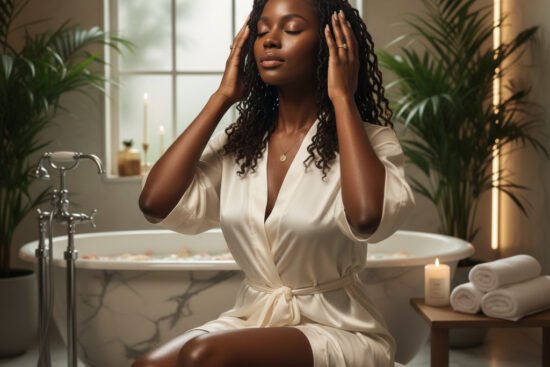

Building a Scalp-Care Kit for Your Routine and Condition
For many of us, the journey to healthy hair often begins with a drawer, or perhaps an entire cabinet, overflowing with products. We’ve all been there: a collection of half-used bottles, promising miraculous growth or instant relief, gathered over years of trial, error, and perhaps a little too much influence from social media trends. When it comes to scalp care, this phenomenon is particularly common. We see a new oil, a trendy serum, or a chic massager, and we add it to our arsenal, hoping it will be the missing piece to our hair health puzzle. Yet, despite this abundance, a coherent, effective scalp-care routine often remains elusive, leaving us with more clutter than clarity.
The truth is, a strong scalp-care kit isn’t about accumulating the most products; it’s about curating the right few things that serve specific roles in your unique routine. It’s about understanding that your scalp, with its particular needs, sensitivities, and styling habits, requires a personalized approach. What works wonders for one woman with loose natural hair might be completely impractical for another who relies on long-term protective styles. A dry, flaky scalp demands different tools and products than an oily, buildup-prone one. And if you’re managing a specific condition like seborrheic dermatitis or even early stages of CCCA, your kit will look different again, often incorporating medically supervised solutions.
This guide is designed to help you cut through the noise and build a practical, intentional scalp-care kit that truly fits your life. We’ll explore the essential categories of products and tools, demystifying their roles and helping you determine what you actually need—and more importantly, what you can confidently let go of. Our aim is to empower you to create a streamlined, effective routine that supports your scalp health, complements your styling choices, and brings you closer to the vibrant, resilient hair you deserve, without the burden of unnecessary purchases or overwhelming options.
What This Post Covers
In this comprehensive guide, we will delve into the nuanced world of scalp care, moving beyond generic advice to provide you with actionable strategies for building a truly effective and personalized scalp-care kit. We understand that your journey is unique, shaped by your hair type, styling preferences, and any specific scalp concerns you may have. Therefore, our focus is on empowering you to make informed decisions that align with your individual needs, rather than promoting a one-size-fits-all approach.
We’ll begin by dissecting the core components of a functional scalp-care kit, distinguishing between truly essential items and those that are often marketed as necessities but may not serve your specific circumstances. This foundational understanding will help you identify the roles each product or tool plays, allowing you to curate a collection that is both purposeful and practical. We’ll explore various product categories, from gentle cleansers and targeted treatments to application tools and supportive accessories, explaining their benefits and when they are most appropriate.
A significant portion of this article will be dedicated to tailoring your kit to different hair routines and conditions. Whether you primarily wear your hair loose, embrace the versatility of protective styles, or navigate the challenges of a harder-to-reach scalp, we’ll provide specific recommendations and considerations. We’ll also address how to adapt your kit when common issues like flakiness, tenderness, excessive buildup, or even thinning hair become part of your reality, ensuring you have the right tools to respond effectively. Our goal is to equip you with the knowledge to maintain a small, useful, and easy-to-stick-with kit that evolves with your needs, fostering a consistent and beneficial scalp-care practice.
What Belongs in a Scalp-Care Kit and What Usually Does Not
The distinction between what genuinely contributes to scalp health and what merely adds to product clutter is crucial for building an effective kit. A truly beneficial scalp-care kit is characterized by intentionality, with each item serving a clear, defined purpose. It’s about quality over quantity, and efficacy over trend. Let’s break down the categories that typically earn a place in a well-curated kit and those that often prove to be superfluous for most users.
Essential Categories for a Functional Scalp-Care Kit
- Gentle Cleanser: This is the cornerstone of any healthy scalp routine. A good cleanser removes dirt, oil, product buildup, and environmental pollutants without stripping the scalp of its natural moisture. Look for sulfate-free options that are pH-balanced and formulated for sensitive skin. Cleansing is non-negotiable, regardless of your hair type or style, as it prevents clogged follicles and creates a clean environment for healthy hair growth.
- Targeted Treatment (Optional but often beneficial): This category includes items like scalp oils, serums, or tonics. Their inclusion depends entirely on your specific scalp needs.
- Scalp Oils: If you experience dryness, itchiness, or want to support a healthy scalp microbiome, a lightweight, nourishing scalp oil can be beneficial. However, if your scalp is oily or prone to buildup, oils might be counterproductive.
- Serums/Tonics: These often contain active ingredients targeting specific concerns like hair growth, soothing irritation, or balancing oil production. If you have concerns about thinning or want to address specific imbalances, a serum might be a valuable addition. For more on these, see our article on Scalp Serums and Growth Products.
- Application Tools:
- Applicator Bottle: Especially useful for precise product delivery, particularly for liquid cleansers, oils, or serums, directly to the scalp, especially when wearing protective styles. Shop scalp applicator bottles on Amazon.
- Soft Scalp Massager/Brush: A gentle tool can aid in product distribution, stimulate blood flow, and help exfoliate the scalp, but it must be used correctly to avoid irritation. For guidance on safe usage, refer to Using Scalp Massagers and Brushes Without Hurting Your Scalp. A silicone scalp massager is often a good choice.
- Microfiber Towel or Wrap: Essential for gently drying the hair and scalp, reducing friction, and preventing damage that can exacerbate scalp issues.
- Tracking Notes/Journal: While not a physical product, a simple notebook or digital note-taking app to track products used, scalp condition, and any changes is invaluable for understanding what works and what doesn’t.
- Medicated Products (If Prescribed/Recommended): If you are managing a diagnosed scalp condition, medicated shampoos, foams, or topical solutions prescribed by a dermatologist or trichologist are critical components of your kit. These are not optional and should be used as directed. Our article on Medicated Shampoos and Topicals for Common Scalp Conditions provides further insight.
What Usually Does Not Belong (or is often Overused)
- Excessive Number of Oils: While a good oil can be beneficial, having five different “growth oils” or a vast collection of essential oils without a clear purpose often leads to product overload and confusion. Stick to one or two that you know work for you.
- Heavy Butters/Greases Directly on Scalp: For most people, especially those prone to buildup or with oily scalps, applying heavy butters or petroleum-based greases directly to the scalp can clog follicles, hinder natural oil production, and create a breeding ground for yeast or bacteria. These are often better suited for sealing moisture on hair strands, not for scalp treatment.
- Harsh Scrubs with Large Granules: While exfoliation is important, many physical scalp scrubs contain large, irregularly shaped particles that can cause micro-tears and irritation, especially on sensitive Black scalps. Chemical exfoliants (like salicylic acid or AHAs in a serum) or a gentle silicone massager are often safer alternatives.
- Products with High Alcohol Content: Many styling products or “refreshers” contain high levels of drying alcohols, which can strip the scalp of moisture, leading to dryness, irritation, and flaking over time.
- “Miracle” Growth Potions Without Scientific Basis: Be wary of products making extravagant claims without credible scientific backing or active ingredients known to support hair growth. Many are simply expensive oils or conditioners repackaged.
By understanding these distinctions, you can begin to declutter your current collection and build a more focused, effective scalp-care kit that truly serves your unique needs. Remember, less is often more when it comes to intentional care.
How to Build a Kit for Loose Hair, Protective Styles, and Harder-to-Reach Scalps
The architecture of your scalp-care kit should be deeply informed by your hair routine and styling choices. What works seamlessly for loose hair might be entirely impractical for someone rocking box braids or locs. Access to the scalp, product application, and the frequency of cleansing all shift dramatically depending on your style. Let’s explore how to tailor your kit to these distinct scenarios, ensuring efficacy and ease of use.
For Loose Hair (Natural or Relaxed)
When your hair is worn loose, whether natural, straightened, or relaxed, your scalp is generally more accessible. This allows for a wider range of product application and direct manipulation. The focus here is often on regular cleansing, gentle exfoliation, and targeted hydration or treatment.
- Cleansing: A gentle, sulfate-free shampoo is paramount. For those with oily scalps or significant product buildup, a clarifying shampoo used periodically (e.g., once a month) can be beneficial. Follow with a moisturizing conditioner that doesn’t weigh down the scalp.
- Exfoliation/Stimulation: A silicone scalp massager is an excellent tool for loose hair. It can be used in the shower during shampooing to gently lift dead skin cells and stimulate blood flow. This direct access allows for thorough, yet gentle, mechanical exfoliation.
- Targeted Treatments: If you experience dryness or itchiness, a lightweight scalp oil can be massaged directly onto the scalp after washing or between washes. If growth or density is a concern, a scalp serum can be applied directly to the scalp, as the hair isn’t obstructing access.
- Moisture Management: While the focus is on the scalp, ensuring the hair strands remain moisturized is also key. A leave-in conditioner or light hair milk can be applied to the lengths, avoiding direct application to the scalp if prone to oiliness.
- Microfiber Towel: Essential for gently absorbing excess water from both hair and scalp, reducing drying time and minimizing friction.
For Protective Styles (Braids, Twists, Weaves, Wigs)
Protective styles are a cornerstone of Black hair care, offering versatility and a break from daily manipulation. However, they also present unique challenges for scalp care, primarily reduced access and the potential for buildup and irritation if not properly maintained. The kit for protective styles prioritizes targeted application and gentle cleansing without disturbing the style.
- Cleansing: A diluted shampoo or a specialized scalp cleanser in an applicator bottle is indispensable. This allows you to direct the cleanser precisely to the scalp between braids or tracks, rather than saturating the entire style. Rinse thoroughly by directing water to the scalp. Dry shampoos or scalp refreshers can be used for quick touch-ups between washes, but they don’t replace a proper cleanse.
- Moisturizing/Soothing: Lightweight, non-comedogenic scalp oils or soothing tonics are crucial for alleviating dryness and itchiness that often accompany protective styles. Again, an applicator bottle ensures precise delivery to the scalp without saturating the hair extensions or braids. Look for ingredients like tea tree oil, peppermint oil (in small amounts), aloe vera, or witch hazel for their soothing properties.
- Anti-Itch Spray: A dedicated anti-itch spray can be a lifesaver, providing immediate relief without needing to manipulate the style. Choose one that is light, non-greasy, and doesn’t leave residue.
- Microfiber Towel/Hair Wrap: Essential for absorbing moisture after cleansing the scalp, helping to prevent mildew or prolonged dampness within the style, which can lead to odor and bacterial growth.
- No Massager: Generally, aggressive scalp massagers are not recommended for protective styles as they can snag hair, loosen braids, or cause frizz. Gentle finger massage during cleansing is usually sufficient.
For Harder-to-Reach Scalps (Locs, Very Dense Hair)
Locs, in particular, require a specialized approach as the hair itself forms a dense mat, making direct scalp access challenging. Very dense loose hair can also present similar difficulties in ensuring products reach the scalp effectively. The kit for these scenarios focuses on liquid-based products and precise application.
- Cleansing: A clarifying or residue-free shampoo is vital for locs to prevent buildup within the locs themselves, which can lead to mildew and odor. For dense loose hair, ensuring the shampoo is thoroughly worked into the scalp with fingertips is key. An applicator bottle is invaluable for both, ensuring the cleanser reaches the scalp directly.
- Exfoliation: For locs, chemical exfoliants (like those with salicylic acid) in liquid form can be applied to the scalp to help break down buildup without mechanical scrubbing. For dense loose hair, a silicone massager can still be used, but with extra care to ensure it reaches the scalp and doesn’t tangle the hair.
- Lightweight Hydration/Treatment: Water-based tonics, light serums, or very thin oils are preferred to avoid residue and buildup. Again, the applicator bottle is your best friend for precise delivery. Heavy oils or butters should be avoided directly on the scalp, especially with locs, as they can lead to buildup and attract lint.
- Drying: A microfiber towel is essential, especially for locs, to absorb as much water as possible. Air drying can take a very long time, and a hooded dryer can help ensure the locs and scalp are completely dry to prevent mildew.
- Itch Relief: Similar to protective styles, a lightweight anti-itch spray can provide relief without introducing heavy products.
By thoughtfully considering your current hair routine and the accessibility of your scalp, you can assemble a kit that is not only effective but also easy to integrate into your lifestyle, making consistent scalp care a sustainable practice.
How to Adjust Your Kit When Flakes, Tenderness, Buildup, or Thinning Are Part of the Picture
Our scalps are dynamic, responding to internal and external factors. Environmental changes, stress, hormonal shifts, product choices, and underlying health conditions can all manifest as specific scalp concerns. A truly effective scalp-care kit is adaptable, allowing you to pivot and address these issues proactively. This section focuses on adjusting your kit to manage common scalp challenges, from simple irritation to more complex conditions, always emphasizing a trauma-aware and non-shaming approach.
When Flakes Are Present (Dandruff, Dry Scalp, Seborrheic Dermatitis)
Flakes are a common concern, but their origin can vary. Distinguishing between dry scalp flakes and those from conditions like dandruff or seborrheic dermatitis is crucial for effective treatment. Dry scalp flakes are usually small, white, and accompanied by a feeling of tightness, while dandruff/seborrheic dermatitis flakes tend to be larger, yellowish, oily, and often accompanied by redness and intense itching.
- Cleanser Adjustment:
- For Dry Scalp: Opt for an ultra-hydrating, sulfate-free shampoo designed for dry scalps. Avoid over-washing, which can strip natural oils.
- For Dandruff/Seborrheic Dermatitis: Incorporate a medicated shampoo containing active ingredients like zinc pyrithione, selenium sulfide, ketoconazole, or salicylic acid. These are designed to target the yeast (Malassezia) often associated with these conditions or to aid in exfoliation. Use as directed, often 2-3 times a week initially, then tapering.
- Targeted Treatments:
- For Dry Scalp: A lightweight, emollient scalp oil (e.g., jojoba, argan, squalane) can be massaged into the scalp to provide moisture and soothe irritation.
- For Dandruff/Seborrheic Dermatitis: A scalp serum with anti-fungal or anti-inflammatory properties (e.g., tea tree oil, salicylic acid, piroctone olamine) can be used between washes. For persistent cases, a dermatologist might prescribe a topical steroid or antifungal.
- Exfoliation: A gentle silicone scalp massager can help lift flakes during shampooing, but avoid aggressive scrubbing, especially if the scalp is inflamed. Chemical exfoliants (e.g., salicylic acid solutions) can be effective for breaking down scales.
- Avoid: Heavy greases or oils that can trap flakes and exacerbate fungal growth. Products with harsh alcohols or fragrances that can irritate an already sensitive scalp.
When Tenderness or Irritation is Present
Scalp tenderness can stem from various sources: tight hairstyles, chemical treatments, sunburn, allergic reactions, or inflammatory conditions. The key here is gentle care and soothing ingredients.
- Cleanser Adjustment: Switch to an ultra-mild, fragrance-free, hypoallergenic shampoo. Avoid anything with harsh sulfates or strong essential oils.
- Soothing Treatments: Incorporate a calming scalp tonic or serum. Look for ingredients like aloe vera, chamomile, allantoin, bisabolol, or centella asiatica (Cica) known for their anti-inflammatory and soothing properties. Apply gently, without rubbing.
- Application Method: Use an applicator bottle to deliver products directly to the scalp without excessive manipulation.
- Tools: Temporarily discontinue using scalp massagers or brushes until tenderness subsides. Use only your fingertips for gentle cleansing.
- Styling: Avoid any tight hairstyles, extensions, or excessive tension. Allow your scalp to breathe.
- When to Seek Professional Help: If tenderness is severe, persistent, accompanied by pus, open sores, or significant hair loss, it’s crucial to consult a dermatologist. This could indicate conditions like folliculitis or even early stages of CCCA.
When Buildup is a Concern (Oily Scalp, Product Accumulation)
Excessive oil production, combined with styling products, dead skin cells, and environmental debris, can lead to significant buildup, clogging follicles and potentially hindering hair growth. This often manifests as a greasy feel, dull hair, and sometimes an itchy scalp.

- Cleanser Adjustment: Incorporate a clarifying shampoo into your routine, using it once a week or every other week, depending on your needs. For regular washes, a balancing or purifying shampoo that controls oil without over-stripping is ideal.
- Exfoliation: A silicone scalp massager is excellent for dislodging buildup during shampooing. Chemical exfoliants containing salicylic acid can also be very effective for breaking down oil and dead skin cells.
- Targeted Treatments: A scalp tonic or serum designed to regulate sebum production can be beneficial. Look for ingredients like witch hazel, tea tree oil, or niacinamide.
- Avoid: Heavy oils, butters, and greases directly on the scalp. These will only exacerbate buildup. Minimize the use of leave-in conditioners or styling creams directly on the scalp area.
- Application: Ensure thorough rinsing after shampooing to remove all product residue.
When Thinning or Hair Loss is Part of the Picture
Hair thinning or loss is a complex issue that requires a holistic approach, often involving professional guidance. Your scalp-care kit can support this journey, but it’s crucial to understand its limitations and when to seek expert help. For more comprehensive information, explore our parent pillar on Scalp Health, CCCA, and Hair Loss.
- Gentle Cleansing: Use a mild, sulfate-free shampoo that cleanses without causing further stress to fragile hair. Avoid harsh scrubbing.
- Stimulating Treatments:
- Scalp Serums/Tonics: These are the primary additions here. Look for products containing ingredients like minoxidil (if recommended by a professional), peptides, caffeine, biotin, or botanical extracts known to stimulate follicles and extend the hair growth phase. Consistency is key. Refer to Scalp Serums and Growth Products for more.
- Lightweight Oils: Some oils, like rosemary oil (diluted), are anecdotally associated with hair growth, but should be used sparingly and carefully to avoid clogging follicles, especially if the scalp is already compromised. For more on oils, see How Scalp Oils Really Work.
- Gentle Tools: A silicone scalp massager can be used very gently to stimulate blood flow, but avoid aggressive movements that could pull out fragile hairs.
- Avoid: Tight hairstyles, excessive heat, chemical treatments, and any products that cause irritation or inflammation. These can exacerbate hair loss.
- Professional Consultation: If you are experiencing significant or sudden hair loss, it is paramount to consult a dermatologist or trichologist. Conditions like CCCA, alopecia, or hormonal imbalances require medical diagnosis and treatment. Your kit should then integrate any prescribed medicated products. For guidance on professional care, see Professional Care Pathways.
By thoughtfully adjusting your kit based on your scalp’s current condition, you can provide targeted care that addresses issues effectively and supports overall scalp health. Remember, consistency and patience are vital, and knowing when to seek professional medical advice is a sign of true self-care.
How to Keep Your Kit Small, Useful, and Easy to Stick With
The allure of new products is strong, but a truly effective scalp-care routine thrives on consistency and simplicity, not an ever-expanding collection. A small, useful kit is less overwhelming, easier to maintain, and ultimately more effective because you’re more likely to stick with it. The goal is to move from impulse buying to intentional curation, ensuring every item serves a purpose tailored to your unique needs.
Embrace Role-Based Shopping, Not Trend-Based Shopping
This is perhaps the most critical principle for a streamlined kit. Instead of buying a product because it’s trending or because an influencer raved about it, identify a specific “role” or need in your scalp-care routine first. Do you need a gentle cleanser? A soothing treatment for occasional itch? A tool for precise application? Once you’ve identified the role, then seek out a product that fulfills it effectively.
- Define Your Needs: Before you even look at products, honestly assess your scalp. Is it dry, oily, sensitive, prone to buildup, or experiencing specific concerns like flaking or tenderness? What are your primary hair styling habits? This self-assessment guides your “role” identification.
- One Product, One Role (Mostly): Aim for one primary product per role. For example, one go-to gentle shampoo, one targeted treatment (if needed), one application tool. While some products might have secondary benefits, their main purpose should be clear.
- Research Ingredients, Not Just Brands: Understand what ingredients address your specific concerns. For dryness, look for humectants and emollients. For buildup, look for clarifying agents like salicylic acid. This empowers you to choose effectively across brands.
Audit Your Current Collection
Before buying anything new, take stock of what you already own. Many of us have duplicates or products that no longer serve us.
- Declutter Ruthlessly: Go through your existing scalp products. Discard anything expired, anything that caused irritation, or anything you haven’t used in six months. Be honest about what truly works for you.
- Identify Gaps, Not Wants: After decluttering, identify genuine gaps in your routine. Do you lack a proper cleansing method for protective styles? Do you need a targeted soothing serum for your sensitive scalp? These are the “roles” you need to fill.
Prioritize Multi-Tasking Products (Where Appropriate)
While “one product, one role” is a good guiding principle, some products can genuinely serve multiple functions effectively, further streamlining your kit.
- Example: A gentle, pH-balanced shampoo might effectively cleanse both loose hair and be diluted for use with protective styles. A lightweight oil might soothe a dry scalp and also provide a light seal for hair strands.
- Caution: Be wary of products claiming to do *everything* without doing anything well. Ensure the primary function you need is performed excellently.
Invest in Quality Over Quantity
A higher-quality product, even if it costs a bit more, often performs better, lasts longer (because you use less), and reduces the need for multiple alternatives. This is especially true for cleansers and targeted treatments.
- Concentrated Formulas: Often, concentrated serums or shampoos mean you need to use less product per application, making them last longer and reducing overall consumption.
Consider Your Routine Access and Style Habits
As discussed earlier, your kit must align with how you wear your hair and how often you can access your scalp.
- Protective Styles: Lean heavily on applicator bottles, lightweight liquids, and anti-itch sprays.
- Loose Hair: More flexibility for massagers, thicker serums, and direct application.
- Frequency: If you wash your hair infrequently, your products need to be effective at managing buildup over a longer period. If you wash often, gentler, less stripping formulas are key.
The Power of Consistency and Observation
A small, well-chosen kit allows you to be more consistent with your routine. When you’re not overwhelmed by choices, you’re more likely to stick to a regimen. This consistency is where true results are seen.
- Track and Adjust: Keep a simple record of what you use, how often, and how your scalp responds. This helps you understand what works and when to make minor adjustments. This “tracking notes” item is a crucial, often overlooked, part of your kit.
- Patience: Scalp health improvements take time. Give new products or routines at least 4-6 weeks to show results before deciding if they are effective.
By adopting these principles, you can transform your scalp-care approach from a chaotic collection of hopeful remedies into a refined, effective, and sustainable ritual that truly supports your scalp health and overall well-being. It’s about empowering yourself with knowledge and making deliberate choices that serve your unique beauty journey.
How to Navigate This Topic
Understanding and addressing scalp health can feel like a complex journey, especially with the abundance of information and products available. The key to navigating this topic effectively is to approach it systematically, prioritizing self-awareness, informed decision-making, and, when necessary, professional guidance. This section provides a framework for how to think about your scalp health and integrate the information presented here into your personal routine.
Start with Self-Assessment and Observation
Before you even consider purchasing a single product, take the time to truly observe and understand your scalp. This is the foundational step. What does your scalp feel like on a daily basis? Is it oily, dry, itchy, tight, or tender? Do you notice flakes, and if so, what do they look like? Are there any areas of redness, bumps, or thinning? Pay attention to how your scalp reacts to different products, styling methods, and even environmental factors.
- Keep a Scalp Journal: A simple notebook or digital note can be invaluable. Record your observations, the products you use, how often you wash, and any changes you notice. This objective data will help you identify patterns and triggers.
- Consider Your Lifestyle: Factors like stress, diet, water intake, and even the climate you live in can impact scalp health. Reflect on how these might be influencing your scalp.
Understand the “Why” Behind Each Product Category
Instead of blindly following recommendations, seek to understand the purpose and mechanism of action for each type of product or tool. This empowers you to make educated choices.
- Cleansers: Why is a gentle, sulfate-free cleanser often recommended? (To clean without stripping natural oils.) When might a clarifying shampoo be necessary? (To remove heavy buildup.)
- Oils: How do scalp oils really work on melanin-rich scalps? (To moisturize, soothe, and support the barrier, not necessarily to “grow” hair.)
- Serums: What can scalp serums and growth products actually do, and what are their limitations? (Deliver active ingredients for specific concerns like growth or inflammation, but aren’t magic cures.)
- Massagers: What are the benefits of using scalp massagers, and how can they be used safely? (Stimulate circulation, aid exfoliation, but avoid over-aggressive use.)
- Medicated Products: When are medicated shampoos and topicals necessary, and how should they be used? (For diagnosed conditions, under professional guidance.)
Prioritize Your Core Routine First
Before adding specialized treatments, ensure your basic cleansing and moisturizing routine is solid. A consistent, gentle cleansing routine is the foundation of scalp health. If your basic routine is causing issues, adding more products will only compound the problem.
- Cleansing Frequency: Determine the optimal cleansing frequency for your scalp type and styling habits.
- Gentle Products: Ensure your everyday shampoo and conditioner are gentle, non-irritating, and suitable for your scalp.
Integrate Specialized Items Based on Specific Needs
Once your core routine is established, then consider adding items to address specific concerns. This is where the concept of role-based shopping truly comes into play.
- Targeted Treatments: If you have persistent dryness, add a soothing oil. If you’re managing flakes, integrate a medicated shampoo. If you’re concerned about thinning, explore a growth serum.
- Application Tools: If protective styles make scalp access difficult, an applicator bottle is a practical addition.
Know When to Seek Professional Guidance
This is perhaps the most crucial aspect of navigating scalp health. While a well-curated kit can manage common issues, certain conditions require the expertise of a medical professional.

- Persistent Issues: If flakes, itchiness, tenderness, or hair loss persist despite consistent at-home care, or worsen, it’s time to see a dermatologist or trichologist.
- Specific Conditions: Conditions like CCCA, severe seborrheic dermatitis, psoriasis, or alopecia require medical diagnosis and treatment. Your at-home kit will then complement, not replace, professional care. For more on this, refer to Scalp Conditions: Dandruff, Seborrheic, Psoriasis, Folliculitis and Professional Care Pathways.
By following these steps, you can confidently navigate the world of scalp care, building a kit and a routine that is truly effective, sustainable, and aligned with your journey to holistic hair health.
Where to Go Next
Your journey to optimal scalp health is an ongoing one, and building your personalized kit is just one powerful step. To deepen your understanding and refine your routine, Black Beauty Basics offers a wealth of resources that complement this guide. We encourage you to explore these articles to further empower your decisions and ensure your scalp receives the targeted, informed care it deserves.
To truly understand the nuances of specific product categories and tools, we recommend diving into the following articles within our Tools and Products for Scalp Care cluster:
- For Informed Oil Decisions: If you’re considering incorporating oils into your routine, or want to understand if your current oil use is beneficial, read How Scalp Oils Really Work on Melanin-Rich Scalps. This article demystifies the role of oils, distinguishing between hydration, sealing, and treatment, and helps you choose wisely without contributing to buildup.
- For Clarity on Serums and Growth Products: If you have questions about hair growth, density, or targeted treatments, our article on Scalp Serums and Growth Products: What They Can and Cannot Do provides an honest look at the science behind these formulations, helping you set realistic expectations and make effective choices.
- For Safe Tool Selection: Scalp massagers and brushes can be beneficial, but improper use can cause more harm than good. Learn how to select and use these tools safely and effectively by reading Using Scalp Massagers and Brushes Without Hurting Your Scalp.
- For Medicated Care: If your kit needs to support a diagnosed or persistent scalp issue, understanding the role of professional-grade treatments is vital. Our guide on Medicated Shampoos and Topicals for Common Scalp Conditions will provide clarity on when and how to integrate these into your routine, often in conjunction with professional advice.
Beyond specific products, understanding the broader context of scalp health and care is invaluable. We encourage you to explore our related articles for a holistic perspective:
- For Routine Customization: To further refine your daily and weekly scalp-care practices, especially concerning different styling choices, delve into Scalp-Focused Routines with and Without Protective Styles.
- For Deeper Understanding of Conditions: If you suspect you might have an underlying scalp condition, or simply want to be more informed, read Scalp Conditions: Dandruff, Seborrheic, Psoriasis, Folliculitis to recognize symptoms and understand treatment approaches.
- For Professional Guidance: Knowing when and how to seek expert help is crucial. Our article on Professional Care Pathways: Dermatologist, Trichologist, Stylist will guide you on when to consult a specialist and what to expect.
By leveraging these resources, you can build not just a kit, but a comprehensive understanding and a sustainable practice for truly nurturing your scalp and, by extension, your beautiful hair. Remember, Black Beauty Basics is here to empower you with knowledge, ensuring your beauty journey is one of confidence, cultural wisdom, and self-love.
Quick Principles
Building an effective scalp-care kit doesn’t have to be complicated or expensive. It’s about intentionality and understanding your unique needs. Here are the quick principles to guide you:
- Assess Your Scalp First: Before buying anything, observe your scalp’s condition (oily, dry, sensitive, flaky) and your styling habits (loose hair, protective styles). This self-assessment is the foundation.
- Define Roles, Not Just Products: Every item in your kit should serve a clear purpose: cleansing, soothing, treating, applying, or drying. Avoid buying products just because they’re popular.
- Prioritize Gentle Cleansing: A good, sulfate-free, pH-balanced shampoo is the non-negotiable cornerstone of any healthy scalp routine. It removes buildup without stripping.
- Tailor to Your Style:
- Loose Hair: More direct access allows for massagers and easy application of serums/oils.
- Protective Styles/Locs: Focus on applicator bottles for precise delivery of diluted cleansers and lightweight liquids to avoid disturbing the style or causing buildup.
- Address Specific Concerns:
- Flakes/Itch: Incorporate medicated shampoos (if needed), soothing oils, or anti-itch sprays.
- Buildup: Use clarifying shampoos and gentle exfoliation (e.g., silicone massager or salicylic acid).
- Tenderness/Thinning: Prioritize gentle, anti-inflammatory ingredients and seek professional advice if persistent.
- Less is Often More: A small, curated kit is easier to manage and more likely to be used consistently. Declutter regularly.
- Invest in Application Tools: An applicator bottle is invaluable for precise delivery, especially for hard-to-reach scalps. A silicone scalp massager can aid cleansing and circulation for loose hair.
- Don’t Forget a Microfiber Towel: Gentle drying reduces friction and damage, benefiting both scalp and hair.
- Track Your Progress: Keep notes on what you use and how your scalp responds. This helps you refine your kit over time.
- Know When to Seek Professional Help: For persistent issues, severe symptoms, or diagnosed conditions, a dermatologist or trichologist is your best resource. Your kit then supports their prescribed treatment.
By adhering to these principles, you can build a scalp-care kit that is not just a collection of products, but a powerful, personalized system for maintaining a healthy, thriving scalp.
Frequently Asked Questions
What is the most essential item for a basic scalp-care kit?
The most essential item is a gentle, sulfate-free, pH-balanced shampoo. Consistent and effective cleansing is the foundation of scalp health, removing buildup and creating a clean environment for hair growth without stripping natural oils.
How often should I use a scalp massager?
For loose hair, a silicone scalp massager can be used 2-3 times a week during shampooing to aid exfoliation and stimulate circulation. For protective styles or sensitive scalps, it’s best to avoid mechanical massagers and rely on gentle finger massage during cleansing to prevent irritation or damage.
Can I use the same products for my scalp as I do for my hair strands?
While some gentle shampoos and conditioners are suitable for both, many hair products (especially heavy creams, butters, and styling gels) are not formulated for direct scalp application and can cause buildup or clog follicles. Scalp-specific products are often lighter and contain active ingredients targeted for scalp health.
When should I consider adding a scalp serum to my kit?
Consider a scalp serum if you have specific concerns like hair thinning, persistent dryness, excessive oiliness, or irritation that your basic cleansing and moisturizing routine isn’t fully addressing. Serums deliver concentrated active ingredients to target these issues.
Are scalp oils necessary for everyone?
No, scalp oils are not necessary for everyone. They are most beneficial for those with dry, itchy scalps or to provide a protective barrier. If you have an oily or buildup-prone scalp, or wear protective styles that trap heavy products, oils might be counterproductive and lead to clogged follicles.
How do I know if my scalp issue requires a dermatologist?
You should consult a dermatologist if you experience persistent, severe, or worsening flakes, itchiness, tenderness, redness, bumps, sores, or significant hair loss that does not improve with consistent at-home care. These symptoms could indicate an underlying medical condition requiring professional diagnosis and treatment.
How can I prevent product buildup when wearing protective styles?
To prevent buildup with protective styles, use diluted, lightweight liquid cleansers and moisturizing tonics applied with an applicator bottle directly to the scalp. Avoid heavy oils, butters, or creams, and ensure thorough rinsing and drying of the scalp after cleansing.
The journey to a healthy scalp is a deeply personal one, reflecting your unique needs and lifestyle. By embracing the principles of intentionality, self-awareness, and informed choice, you can move beyond the clutter of countless products to curate a scalp-care kit that truly serves you. Remember, the goal is not perfection, but consistent, gentle, and effective care that honors your scalp and supports the vibrant beauty of your hair. Trust your instincts, listen to your scalp, and never hesitate to seek professional guidance when needed. Your well-being, from crown to toe, is always worth the thoughtful investment.
Table: Scalp-Care Kit Essentials by Role and Need
| Kit Item | Role It Plays | Who May Actually Need It |
|---|---|---|
| Gentle Cleanser (Shampoo) | Removes dirt, oil, product buildup, pollutants without stripping. | Everyone, regardless of hair type or style. Essential. |
| Applicator Bottle | Precise delivery of liquid products directly to the scalp. | Those with protective styles, locs, or very dense hair; anyone seeking targeted application. |
| Lightweight Scalp Oil | Moisturizes dry scalp, soothes itch, supports skin barrier. | Individuals with dry, itchy, or sensitive scalps. Avoid if prone to oiliness/buildup. |
| Scalp Serum/Tonic | Delivers active ingredients for specific concerns (growth, soothing, oil balance). | Those addressing thinning, irritation, excessive oil, or specific imbalances. |
| Soft Silicone Scalp Massager | Aids exfoliation, stimulates blood flow, helps distribute shampoo. | Individuals with loose hair; use gently. Avoid with protective styles or very tender scalps. |
| Microfiber Towel/Wrap | Gently absorbs excess water, reduces friction and drying time. | Everyone, especially after washing, to prevent damage and prolonged dampness. |
| Tracking Notes/Journal | Records product use, scalp condition, and responses over time. | Everyone, to understand what works and make informed adjustments. |
| Medicated Product (e.g., Shampoo, Topical) | Treats specific diagnosed scalp conditions (dandruff, seborrheic dermatitis, folliculitis). | Individuals with medically diagnosed or persistent scalp conditions, as prescribed/recommended by a professional. |
INTERNAL LINKING OPPORTUNITIES
Tools and Products for Scalp Care: Oils, Serums, Massagers, Medicated Products
Scalp Health, CCCA, and Hair Loss
How Scalp Oils Really Work on Melanin-Rich Scalps
Scalp Serums and Growth Products: What They Can and Cannot Do
Using Scalp Massagers and Brushes Without Hurting Your Scalp
Medicated Shampoos and Topicals for Common Scalp Conditions
Scalp-Focused Routines with and Without Protective Styles
Scalp Conditions: Dandruff, Seborrheic, Psoriasis, Folliculitis
Professional Care Pathways: Dermatologist, Trichologist, Stylist
Related next steps
Related posts:
 Adjusting Scalp Routines When You Have a Condition or Hair-Loss Pattern
 Building a 4C and Tightly Coiled Hair Routine: Your Guide to Effortless Care and Lasting Radiance
 Daily Care That Supports Both Your Condition and Your Dark Marks
 Using Scalp Massagers and Brushes Without Hurting Your Scalp
 Building Your Best Routine for High Porosity Natural Hair
 Regimen Building – Incorporating Serums and Treatments in Your Skincare Routine