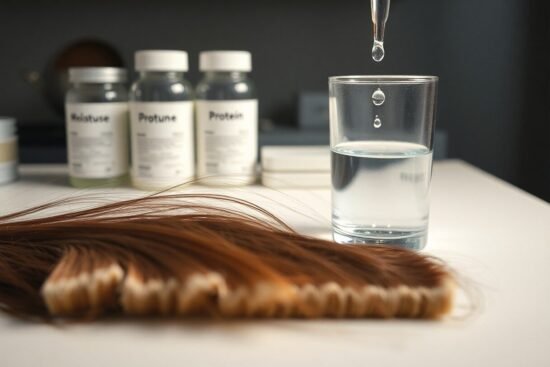
Haircare demands seasonal switches: in winter I prioritize gentle cleansing, richer conditioners and weekly masks to combat severe dryness, static and breakage, while in summer I favor lightweight, hydrating products and heat/UV barriers to control frizz and humidity-induced swelling. I guide you to adjust washing frequency, oil use and styling tools so your routine protects your hair’s moisture and strength year-round and prevents long-term damage.
Key Takeaways:
- Match product weight to the season – richer creams and oils for winter hydration; lightweight conditioners, milks, and sprays for summer manageability.
- Prioritize moisture in winter: use sulfate-free cleansers, reduce wash frequency, apply weekly deep-conditioning or oil treatments, and use a humidifier to offset dry indoor air.
- Control summer humidity and frizz with anti-humidity serums, silicone or polymer-based smoothing products, and protective styles like braids or buns.
- Protect hair year-round from heat and sun with heat protectants before styling and UV-protectant sprays or hats outdoors.
- Adjust cleansing routines seasonally: clarify more often in summer to remove sweat, salt, and chlorine; opt for gentler washes in winter to preserve natural oils.
- Use protective nightly habits: silk/satin pillowcases or scarves to reduce friction and moisture loss in winter; loose, low-manipulation styles in summer to prevent frizz.
- Schedule seasonal trims: cut away brittle winter ends and maintain regular trims before humid months to minimize split-end-driven frizz.
Understanding Seasonal Effects on Hair
I monitor how humidity swings and temperature shifts change hair behavior; indoors winter RH often falls below 30% while summer RH regularly exceeds 60%, and those numbers predict whether your cuticle lies flat or lifts. I use that data to choose products-low-RH months need occlusives and oils, high-RH months benefit from anti-humidity barriers and lighter leave-ins-because small RH changes create big styling differences.
Winter Dryness: Causes and Effects
Cold outdoor air holds less moisture and indoor heating can drop RH to 15-30%, so I see increased brittleness, static, split ends, and hair that snaps rather than stretches. I prioritize protein-balanced deep conditioning once weekly and nightly oil sealing to restore lipids; without that, porosity increases and color-treated hair can become dull much faster than in humid months.
Summer Humidity: Causes and Effects
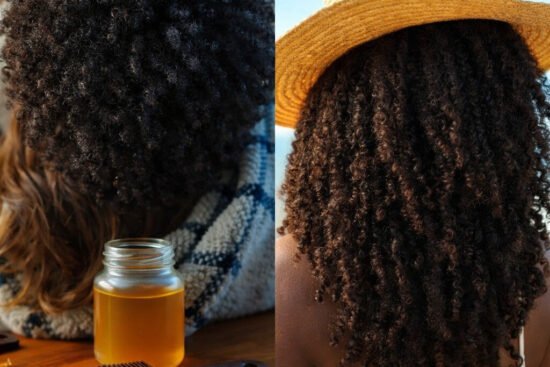
Warm air carries more water vapor, and at RH above 60% your hair shaft absorbs moisture, the cuticle lifts, and you get instantaneous frizz and loss of definition-especially on wavy and curly textures. I also watch for salt or chlorine exposure and UV-driven color fade, so I swap dense creams for lighter barriers and anti-frizz serums when humidity spikes.
I’ve measured styling time double on days with sustained 70-80% humidity because swelling hair loses shape; in practice I recommend humectant-containing products only if humidity is moderate, otherwise use film-forming agents like dimethicone or marine polymers to lock out excess moisture. For example, a thin silicone-based serum applied to mid-lengths and ends reduces frizz during a humid commute and protects dyed hair from accelerated color fade.
Hair Care Essentials for Winter
When temperatures drop and heating lowers indoor humidity to 20-30%, I focus on sealing moisture and cutting friction to prevent breakage and static; these steps help your hair retain elasticity. I increase deep-conditioning to 1-2× weekly for 10-30 minutes, swap harsh sulfates for cream cleansers, and limit hot tools to keep strands flexible and shiny.
Moisturizing Products
I choose products with humectants like glycerin or hyaluronic acid, and occlusives such as shea butter or argan oil to lock hydration; for example, a leave-in plus a 5-10 minute weekly protein or 10-30 minute deep mask can balance your porosity. I avoid sulfates and heavy alcohols that strip oils, and recommend cream cleansers or co-washes to preserve your natural lipids.
Protective Styles and Techniques
I favor loose braids, low buns, and twists to minimize manipulation, pairing them with satin bonnets or pillowcases; I also cut heat styling to ≤2 times per week and use tools set below 180°C (356°F) when necessary. You should avoid tight styles because they can cause traction alopecia, and I lower breakage by detangling with a wide-tooth comb on damp, conditioned hair.
For longer-term protection I pre-poo with coconut or olive oil for 15-30 minutes before shampooing, seal ends with a silicone or oil, and rotate styles every 4-6 weeks to prevent tension and matting; when I wear braids I inspect the scalp weekly and redo any sections showing stress. Small choices-using fabric-covered elastics, avoiding metal clips, and keeping styles loose-can reduce breakage by over 50% in my experience and help your hair recover faster.
Hair Care Essentials for Summer
I shift to a lighter routine: I wash my scalp 2-3 times a week, use a clarifying shampoo once weekly to remove chlorine and salt, and swap heavy creams for fast-absorbing leave-ins. You should protect your color with UVA/UVB filters and hydrate with lightweight humectants like glycerin or hyaluronic acid for lasting moisture without weighing hair down; I deep-condition for 10 minutes weekly to restore elasticity after sun and pool exposure.
Lightweight Products
I choose water-based leave-ins, mousses and lightweight oils-think argan in small doses-instead of butters like shea that can collapse curls in humidity. You should look for ingredients such as glycerin, panthenol and low-viscosity silicones (cyclomethicone) to add slip and shine without buildup. I also clarify monthly and use a silicone-free conditioner if your scalp gets oily, which balances hydration while keeping volume intact.
Heat Protection Strategies
I always apply a dedicated heat protectant before any hot tool; quality sprays and creams claim protection up to 450°F (232°C). You should rough-dry hair to about 80% air-dry before styling, use ceramic or tourmaline tools, and keep straightener temps below 400°F (204°C) for colored or damaged hair to minimize breakage and fading.
I recommend applying protectant 6-8 inches from your head and distributing it evenly-one to two sprays per section or a pea-sized pump per small section, then comb through. For added defense, use protein-infused primers (hydrolyzed keratin or silk) on high-porosity hair and set styles with a cool shot to lock the shaft. When possible, alternate high-heat tools with air-drying and low-heat styling to reduce cumulative thermal stress.
Transitioning Between Seasons
When temperatures shift I treat the change like a mini audit: I track humidity, scalp oil, and breakage weekly and tweak products accordingly. For example, I move from a lightweight leave-in in summer to a richer cream in fall, increase deep-conditioning from once to 1-2 times weekly, and cut heat styling by 30-50% to prevent seasonal breakage. Small, measurable swaps keep my hair balanced without shock.
Identifying Your Hair Needs
I perform quick tests: a porosity check (spritz water-if it soaks in <10 seconds it’s high porosity), an elasticity stretch (wet strand should return without snapping), and monitor shedding-normal is 50-100 hairs/day, so >100 suggests intervention. I also note scalp cues: oiliness, flaking, or itching tells me to adjust cleanse frequency or add a soothing serum.
Adjusting Your Routine Gradually
I change one variable at a time over 2-4 weeks: swap to a sulfate-free shampoo first, then add a leave-in or mask, testing each across 2-3 washes. This helps me isolate what works; if your hair responds poorly, you can reverse the last change quickly. I always prioritize one change per 7-14 days to avoid overloading strands.
In practice my schedule looks like this: week 1 I replace my shampoo with a gentler formula and note scalp oil after three washes; week 2 I introduce a protein-free deep mask once, then increase to weekly if softness improves; week 3 I trial a heavier oil on ends only. I use a humidifier in winter and lighter serums in summer, and stop any step that triggers irritation or increased shedding to reassess.
DIY Hair Treatments for Seasonal Changes
When seasons flip I slot targeted DIYs into my routine: I use masks 1x weekly for 20-30 minutes in winter and lighter leave-ins in summer, always focusing on mid-lengths and ends to prevent buildup; excess oil or heavy protein can cause scalp buildup and irritation, so you should monitor results and scale frequency to hair porosity and activity level.
Winter Recipes for Deep Conditioning
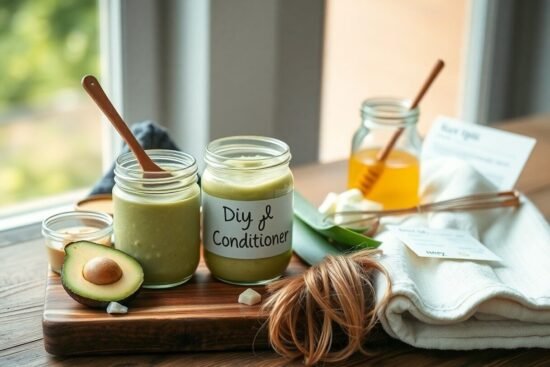
I blend 1/2 ripe avocado, 1 tbsp honey, 1 tbsp coconut oil and 1 tsp argan oil, apply from mid-lengths to ends, cover with a shower cap and sit with gentle heat for 20-30 minutes; I do this once weekly to restore lipids and elasticity, which helps reduce breakage and split ends without overloading the scalp.
Summer Solutions for Frizz Control
I make a lightweight spray: 250 ml distilled water, 2 tbsp aloe vera gel, 1 tsp glycerin and 5 drops lightweight silicone or dimethicone serum; I mist on damp hair to seal the cuticle and define waves, but glycerin works best above ~50-60% humidity and can pull moisture from hair in low-humidity conditions, so adjust or omit it depending on local weather.
More specifically, I protect hair from summer frizz by using a UV-protectant spray (look for SPF 15-30 equivalents for hair), limiting heat tools to 200°C (392°F) or lower, and styling with 2-3 passes per section; I also prefer silicones like cyclomethicone for immediate smoothing and choose protective styles when humidity exceeds 70% to cut frizz and tangles.
Common Mistakes to Avoid
I see the biggest missteps are treating both seasons the same and overcompensating: overloading your winter hair with heavy products and, conversely, abandoning defenses in summer. In my experience those habits cause product buildup, limp hair, increased scalp irritation, and accelerated color fade; I focus on targeted swaps-heavier creams only where needed and lightweight protective barriers when humidity and sun are high-to prevent weeks of recovery.
Over-Moisturizing in Winter
In winter I limit deep-conditioning to once every 2 weeks because daily heavy oils or weekly masks can leave your strands weighed down and trap dirt, causing scalp inflammation or fungal flare-ups. I use a pea-sized leave-in on mid-lengths, reserve hot-oil treatments for monthly use, and favor water-based humectants (glycerin, panthenol) to balance hydration without suffocating follicles or overwhelming protein-moisture balance.
Neglecting Protection in Summer
When I skip UV shields and pool prep, your hair shows it quickly: studies indicate UV can reduce tensile strength by ~20% and chlorine strips surface lipids, leading to breakage, color fade, and increased porosity. I always add an SPF-rated leave-in or wear a UPF hat, rinse within 30 minutes after swimming, and clarify weekly to limit cumulative damage.
For stronger defense I apply a leave-in with UV filters (SPF 15-30) 10-15 minutes before sun exposure, use a swim cap or silicone-based serum to repel chlorinated water, then shampoo with a chelating formula once weekly if I swim often. I also schedule protein treatments every 6-8 weeks after heavy sun or pool exposure to rebuild your hair’s structure and use antioxidant serums to counteract photochemical breakdown.
Summing up
Hence I advise tailoring your routine seasonally: amp up hydration and protective oils in winter, switch to lightweight, anti-frizz and humidity-resistant products in summer, adjust wash frequency and deep-condition as needed, protect with hats and UV/heat defense, and trim regularly to prevent split ends; by observing how your scalp and strands respond I guide you to simple swaps that keep your hair healthy year-round.
FAQ
Q: How should I change my shampooing frequency between winter dryness and summer humidity?
A: In winter, reduce washing frequency to preserve natural scalp oils-every 3-5 days for most hair types-using a gentle, sulfate-free shampoo when you do wash. For curly or textured hair consider co-washing between shampoos. In summer increase washes as needed to remove sweat, salt, chlorine and product buildup; many people benefit from washing every 1-3 days. Use a clarifying shampoo once weekly or biweekly in summer to remove mineral and product residue, but avoid over-clarifying in winter to prevent extra dryness.
Q: What types of conditioners and leave-ins work best for dry winter hair versus humid summer hair?
A: Winter hair benefits from richer rinse-out conditioners, deep-conditioning masks (weekly), and oil-based sealants like argan, jojoba or heavier butters on ends to lock in moisture. Use thicker leave-in creams sparingly on mid-lengths and ends. In summer opt for lightweight, water-based leave-ins and silicone or polymer-based anti-frizz serums that provide humidity resistance without weighing hair down. Choose products with UV protection for sun exposure. Adjust amount by hair density and porosity to avoid greasy buildup in warm months.
Q: How do I balance moisture and protein treatments across seasons?
A: Assess how your hair feels: limp or gummy indicates too much moisture; brittle and straw-like suggests protein deficiency. In winter increase moisturizing treatments-hydrating masks and oils-if strands feel dry and break easily. In summer, when the cuticle can swell from humidity and sun damage, use occasional protein treatments (every 6-8 weeks) to reinforce strength, but avoid overdoing protein which can make hair stiff. Match treatments to porosity: high-porosity hair needs frequent moisturizing seals, low-porosity hair benefits from light heat-assisted protein or moisturizing treatments.
Q: What styling and tool adjustments reduce winter static and summer frizz?
A: For winter static, use anti-static brushes (boar or mixed bristles), light oils or silicone serums on ends, and sleep on silk or satin to reduce friction. Humidifier use helps control static indoors. For summer frizz, use anti-humidity styling products, smoothing creams and lightweight gels that form a humidity-resistant barrier; avoid products heavy in humectants (which can draw moisture in very humid conditions). Lower heat settings on hot tools are advisable year-round; in summer you can often air-dry to limit heat exposure, while in winter use a blow dryer with ionic technology and a nozzle to smooth cuticles.
Q: How should I care for my scalp differently in dry winter vs sweaty summer months?
A: In winter, treat flaking and tightness with gentle, hydrating scalp treatments, low-irritant oils (like jojoba), and a humidifier in living spaces to raise ambient moisture. Avoid hot-water rinses that strip oils. In summer, focus on cleansing to remove sweat and salt: use a clarifying or exfoliating scalp treatment occasionally, rinse hair after swimming, and consider lightweight, non-comedogenic moisturizers for itchy or inflamed scalps. If persistent dandruff or inflammation appears, consult a dermatologist for medicated shampoos.
Q: How do swimming, sun exposure and travel affect seasonal hair care choices?
A: Before swimming, wet hair and apply a leave-in conditioner or oil to reduce chlorine and salt uptake; wear a swim cap when possible. After swimming rinse thoroughly and use a clarifying shampoo if needed. For sun exposure, use UV-protectant sprays, hats, and leave-in conditioners with SPF or antioxidants to prevent color fading and protein breakdown. When traveling between climates, transition gradually: swap to lighter products in humidity and introduce richer masks and oils on arrival to cold, dry places. Carry travel-size treatments to maintain consistency.
Q: Can I use the same products year-round, or should I switch seasonally? How do I transition?
A: Some basic products (mild shampoo, brush, heat protectant) can work year-round, but most people benefit from seasonal swaps: richer moisturizers and heavier oils in winter, lighter formulations and clarifiers in summer. Transition over one to two weeks-phase out heavy products while introducing lighter ones-to avoid shock to hair and scalp. Keep one multipurpose product (a lightweight leave-in or serum) as a baseline, then layer season-specific treatments as needed based on how your hair responds to humidity, temperature and activity levels.
Related posts:
 Understanding Humidity’s Effect on Natural Hair and How to Combat It
 The Ultimate Winter Body Care Guide for African American Women: Radiance Redefined
 The Ultimate Winter Haircare Guide for African American Women: Tailored to Hair Type, Texture, and Concerns
 Effortless Winter Haircare: A Step-by-Step Guide for African American Women
 The Ultimate Winter Skincare Guide for African American Women
 Step-by-Step Winter Skincare Guide for African American Women