Community‑Driven Beauty Practices & Intergenerational Wisdom
Most Black women did not learn beauty from brand campaigns or derm textbooks first; we learned it in kitchens, bathrooms, basements, and salons. We learned it from aunties who could silk‑press anything, from cousins who experimented on their own edges so we didn’t have to, from stylists and braiders who acted as therapists, and now from group chats and creators who finally show our tones and textures on camera. That “village” shapes how we see our faces and hair in the mirror long before we read an ingredient list.
This cluster on Community‑driven beauty practices & intergenerational wisdom lives inside the broader Self‑Care Rituals & Black‑Owned Beauty pillar. It explores how to honour the wisdom you were given, gently update what no longer serves your skin and hair, and design self‑care that feels supported by a village instead of resting entirely on your own shoulders.
What This Cluster Covers
This cluster centres where your beauty habits come from and how to carry them forward with care.
- Beauty lessons from mothers, aunties, elders, and community stylists.
- Kitchen‑beauty and DIY recipes: which to keep, tweak, or retire.
- Online sisterhoods as beauty classrooms and support systems.
- Designing a “village‑based” self‑care plan instead of doing everything alone.
Articles in This Cluster
These are working topic descriptors for articles inside this cluster. Final titles can change, but the URLs and focus areas will stay similar.
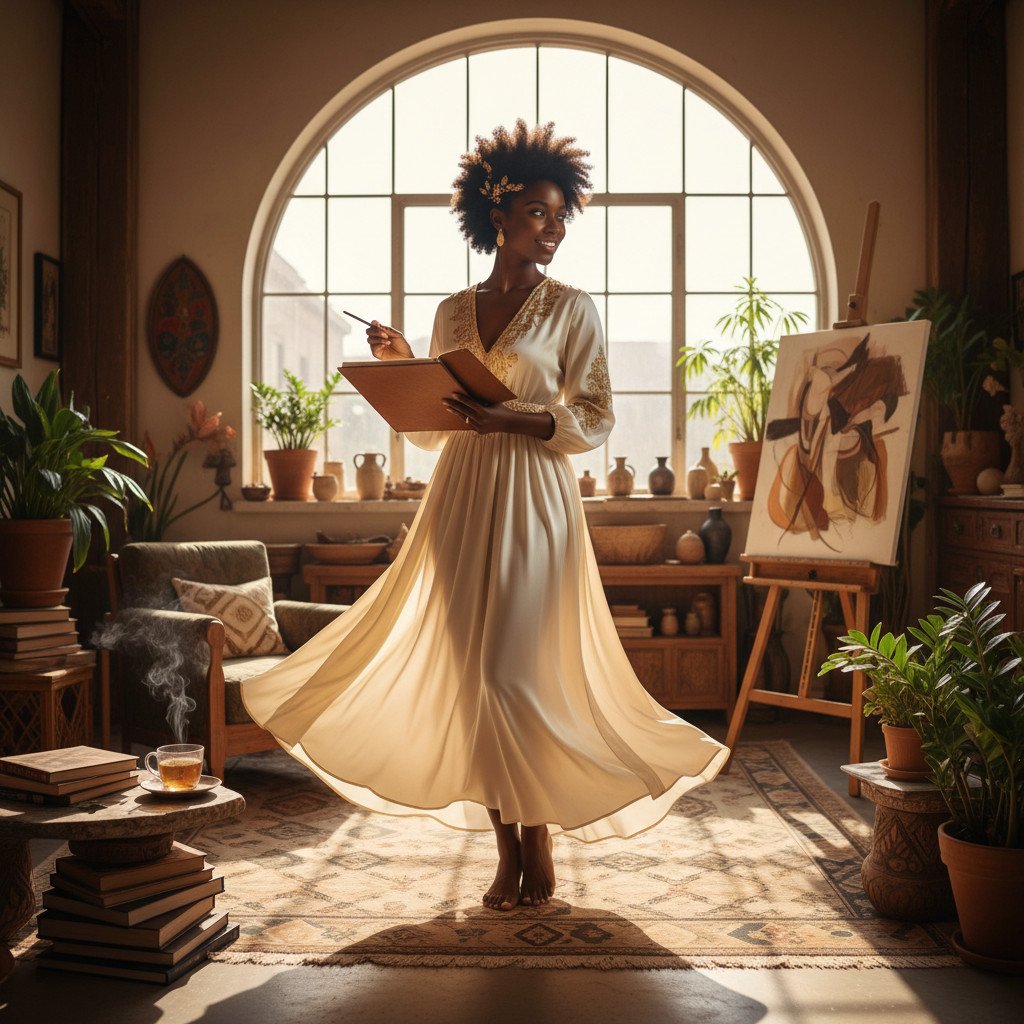
- Beauty lessons from mothers, aunties & elders
- Kitchen‑beauty & when to modernize recipes
- Online sisterhoods & beauty community
- Designing a village‑based self‑care plan
Choosing Your Starting Lane
Use this table to match what’s most on your mind to a first article and lane.
| If this sounds like you | Start with this lane | Core focus | Where to read more |
|---|---|---|---|
| “So many of my habits came from my mom/aunties—I want to honour that and sort what still works.” | Beauty lessons from mothers & elders. | Mapping what you inherited, what to keep, and what to gently evolve. | Elders‑lessons article |
| “I love kitchen‑beauty and DIYs, but I’m not sure what’s actually safe for my skin and hair.” | Kitchen‑beauty & modernizing recipes. | Which recipes are still great, which need tweaking, and which to retire. | Kitchen‑beauty article |
| “Most of my tips now come from group chats and creators—I want a healthy way to use that.” | Online sisterhoods & beauty community. | Finding supportive spaces and filtering advice through a dark‑skin lens. | Online‑sisterhoods article |
| “I’m tired of doing all my self‑care alone; I want more of a ‘village’ around it.” | Designing a village‑based self‑care plan. | Bringing friends, family, and pros into your care in practical ways. | Village‑plan article |
Beauty Lessons from Mothers, Aunties & Elders
Older women in your life may have taught you everything from how to oil your scalp and tie a scarf to which shades “look good on our colour.” Some of that is pure gold—techniques that protect your hairline, the habit of moisturizing your whole body, or the idea that presentation can be a form of self‑respect in a world that disrespects you. Some of it may carry limiting beliefs about what is “too dark,” “too nappy,” or “too much.” This article helps you list out those lessons, keep the ones that support your health and joy, and consciously rewrite the ones that shrink you.
This elders‑lessons article links back to the main Self‑Care Rituals & Black‑Owned Beauty pillar and the Identity, colorism & texturism cluster, since many elder lessons sit inside those dynamics. It also connects to the Emotional & identity impact content, acknowledging that gratitude and frustration toward these lessons can coexist.
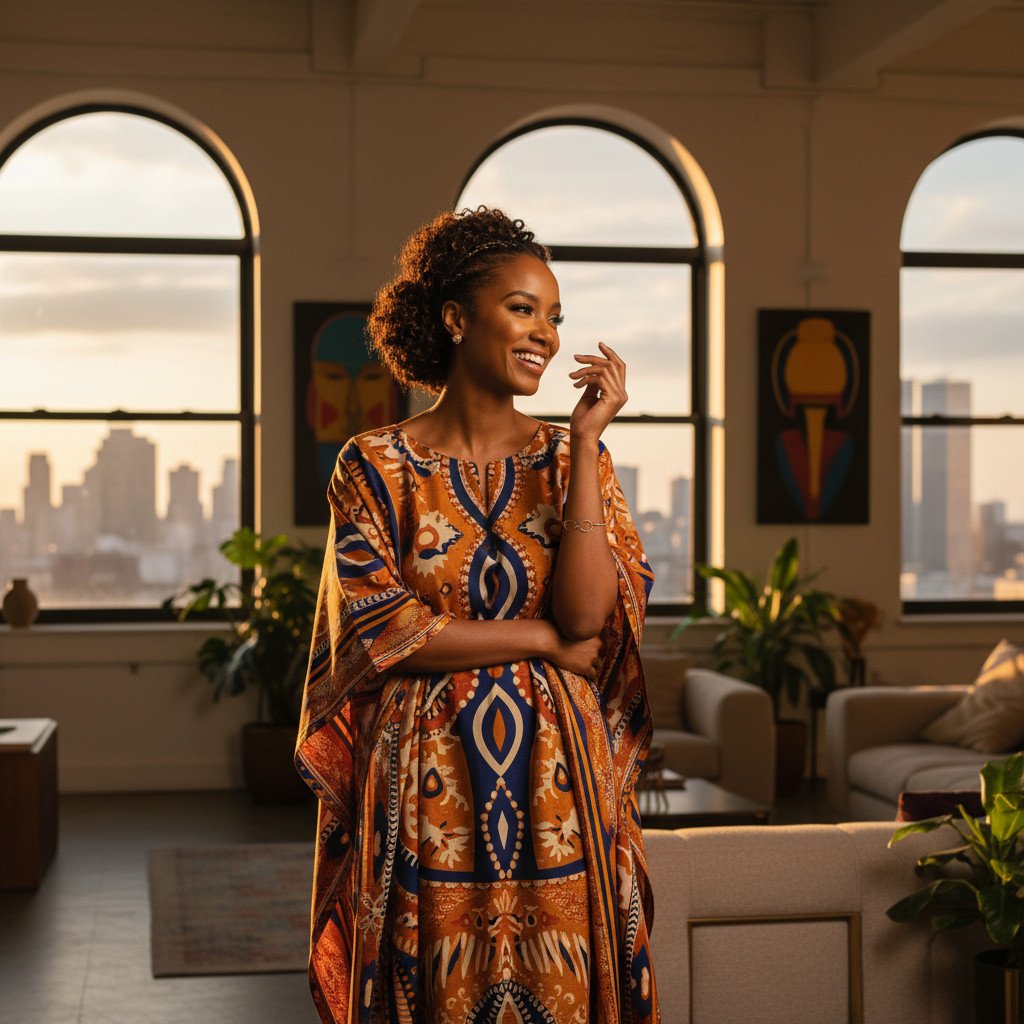
Kitchen‑Beauty & When to Modernize Recipes
Kitchen‑beauty—greases and oils, egg masks, sugar scrubs, shea butter mixes—has a long history of making the most of what was accessible and affordable. Some of these recipes still serve dark skin and textured hair well; others turn out to be too harsh, comedogenic, or risky once we know more (like undiluted lemon or baking soda on the face, or constant heavy oils on a scalp prone to buildup or CCCA). This article walks through common DIYs, which are usually fine to keep, which can be tweaked with small changes, and which are best replaced with modern, melanin‑aware formulations.
This kitchen‑beauty article connects to the Skincare for Black Women and Scalp Health, CCCA & Hair Loss pillars, where ingredient‑level and condition‑specific nuances live. It also links to the Curated Black‑owned beauty ecosystems cluster, suggesting Black‑owned products that honour the spirit of certain DIYs while being safer and more stable.
Online Sisterhoods & Beauty Community
Group chats, Discords, subreddits, and creators have become new beauty classrooms and support systems, especially when they show deep skin and tightly‑coiled hair in real time. They can offer representation, testing on skin like yours, and collective warning systems for harmful trends. They can also become overwhelming, with endless recommendations, comparison, and pressure to keep up with every launch or procedure. This article looks at how to choose a few trusted voices, set boundaries around content intake, and filter advice through your own skin, hair, budget, and mental‑health needs.

This online‑sisterhoods article connects to the AI & app‑based skin analysis and Evaluating providers & devices clusters, since recommendations—human or AI—always need a dark‑skin‑safety filter. It also links back to Beauty rituals & emotional wellbeing, encouraging you to let online inspiration feed calming rituals rather than constant comparison.
Designing a Village‑Based Self‑Care Plan
A village‑based self‑care plan accepts that you are one person, not a whole spa staff. It might include: sharing braider or stylist info with friends so appointments feel social instead of isolating; planning periodic “mask + catch‑up” nights with a cousin; budgeting for a pro service that takes something off your plate (like a seasonal blowout, twists, or a facial); and letting trusted people know what kind of beauty support actually helps you (compliments, practical help, child‑care swaps, or just listening when you’re frustrated with your skin or hair). The goal is to make care more communal and sustainable, not just more elaborate.
This village‑plan article links to the Medical navigation and Emotional & identity impact clusters, recognizing that bringing someone with you to challenging appointments or treatments is a form of beauty support too. It also connects back to the Beauty rituals & emotional wellbeing and Curated Black‑owned ecosystems clusters, because shared rituals and brand choices can become part of how your village celebrates and cares for itself.
How to Navigate This Cluster
If you’re reflecting on where your beauty habits came from, start with the elders‑lessons article and jot down which teachings feel like care and which feel like constraint. Then move into the kitchen‑beauty piece to evaluate any DIYs or long‑standing practices through a modern, melanin‑aware safety lens.
If community is what you’re craving, focus on the online‑sisterhoods and village‑plan articles, and identify one or two concrete changes—joining or leaving a particular group, planning a shared wash day, asking a friend to be your “appointment buddy.” Next reads might include the main Self‑Care Rituals & Black‑Owned Beauty pillar hub, plus the Beauty rituals & emotional wellbeing and Identity, colorism & texturism clusters, so your rituals, community, and unlearning work all support each other.
Quick Community & Intergenerational Beauty Principles
- Your first beauty teachers were likely people, not brands; you are allowed to honour them and still evolve what they taught you.
- Kitchen‑beauty and DIYs carry history and care, but some recipes need updating for today’s skin, scalps, and knowledge.
- Online sisterhoods can be powerful mirrors; the key is choosing spaces that expand your self‑respect instead of eroding it.
- Self‑care does not have to be solo; letting trusted people into your routines can make them more sustainable and more joyful.
- Changing the village’s beauty language—even in small ways—is a meaningful kind of beauty work, not a side project.
The Enduring Power of Our Beauty Village
Sister, think for a moment about the hands that first touched your hair, the whispers of advice that guided your first skincare choices, the shared laughter over a botched DIY, or the collective sighs of relief in a salon chair. For Black women, beauty has rarely been a solitary journey. It’s a tapestry woven with the threads of generations, a vibrant conversation passed down through whispers, shared spaces, and now, digital connections. This isn’t just about products or techniques; it’s about identity, resilience, and the profound love embedded in our communal care.
We understand that navigating this rich heritage can sometimes feel complex. How do you honor the wisdom of your elders while embracing modern science? How do you discern genuine care from outdated beliefs? How do you find your voice amidst a chorus of online opinions? This cluster is your compassionate guide, designed to help you sift through the layers of tradition and innovation with grace and confidence.
We celebrate the aunties who taught us to ‘grease the scalp,’ the mothers who insisted on shea butter, and the stylists who transformed our crowns into works of art. These are not just memories; they are the foundations upon which we build our contemporary beauty practices. Yet, with evolving knowledge about skin health, hair science, and the specific needs of melanin-rich skin and textured hair, we also have the power to refine and adapt. This journey is about empowerment – taking what serves you, respectfully letting go of what doesn’t, and creating a beauty narrative that is uniquely, beautifully yours, supported by the collective strength of your village.
Honoring the Roots: Intergenerational Wisdom in Practice
Our beauty traditions are steeped in history, born from necessity, creativity, and a deep understanding of our unique needs. From the intricate braiding patterns of ancient Africa to the kitchen remedies concocted during times of scarcity, Black women have always innovated. These practices weren’t just about aesthetics; they were acts of self-preservation, cultural expression, and community bonding.
Consider the ritual of wash day. For many, it wasn’t just a chore; it was a sacred time spent with mothers, sisters, or cousins, a space for storytelling, laughter, and shared vulnerability. The lessons learned during these moments—how to detangle gently, the importance of deep conditioning, the art of styling—were absorbed not just through instruction, but through osmosis, through touch, through shared experience. These are the foundations of our beauty wisdom, passed down from hands that loved us first.
Similarly, the wisdom of our elders extends beyond hair care. Think of the auntie who always had a remedy for dry skin, or the grandmother who swore by a particular oil for a radiant glow. These informal apprenticeships taught us about natural ingredients, the power of consistency, and the importance of self-care as a holistic practice. They instilled in us a sense of pride in our appearance and an understanding that beauty is an act of self-love, not merely vanity.
Modernizing Kitchen-Beauty: A Balanced Approach
The kitchen, for many Black women, was our first beauty lab. Coconut oil, olive oil, eggs, avocado, honey, aloe vera—these staples were transformed into potent elixirs for hair and skin. While the spirit of kitchen-beauty remains invaluable, our scientific understanding has evolved. We now know more about pH balances, comedogenic ingredients, and the potential for certain natural elements to cause irritation or allergic reactions, especially on sensitive skin or scalps prone to conditions like CCCA.
Which DIYs to keep: Many traditional ingredients, when used correctly, are still powerhouses. Shea butter, cocoa butter, argan oil, jojoba oil, and aloe vera gel are fantastic emollients and hydrators. Honey is a natural humectant and antibacterial. These can be safely incorporated into your routine, often providing gentle, effective nourishment.
Which to tweak: Some DIYs benefit from a modern update. For example, while lemon juice might be touted for brightening, its acidity can be harsh and photosensitizing on skin, particularly melanin-rich skin prone to hyperpigmentation. Instead of direct application, consider using products formulated with Vitamin C, a stable and effective alternative. Similarly, baking soda, often used as an exfoliant, can disrupt the skin’s natural barrier. Opt for gentle chemical exfoliants like AHAs or PHAs designed for dark skin.
Which to retire: Certain practices, while well-intentioned, are best left in the past. Heavy mineral oils or petroleum jelly, while providing a temporary seal, can suffocate the scalp and lead to buildup, hindering healthy hair growth. Undiluted essential oils can cause severe irritation. It’s about discernment: embracing the natural, but with an informed, scientific lens, ensuring safety and efficacy for your unique skin and hair.
This modernization isn’t about rejecting our heritage; it’s about refining it, ensuring that our beauty practices are not only culturally rich but also scientifically sound and beneficial for our health.
The Digital Village: Online Sisterhoods and Beauty Community
In today’s interconnected world, our beauty village has expanded beyond physical spaces. Online communities—from Instagram and TikTok to dedicated forums and Facebook groups—have become vibrant hubs for sharing information, seeking advice, and finding representation. For Black women, these digital spaces offer an unparalleled opportunity to connect with others who share similar skin tones, hair textures, and beauty concerns, often providing a sense of belonging that traditional media has historically failed to deliver.
The power of online sisterhood lies in its collective wisdom. You can find real-time reviews of products on dark skin, tutorials for complex hairstyles, and discussions about navigating specific skin conditions. These platforms democratize beauty knowledge, allowing us to learn from peers and experts alike. They also serve as crucial spaces for validating our experiences, celebrating our unique beauty, and challenging harmful beauty standards.
However, the digital landscape also presents challenges. The sheer volume of information can be overwhelming, leading to analysis paralysis or the pressure to constantly consume new products. Comparison culture can erode self-esteem, and not all advice shared online is safe or accurate. The key is to cultivate a discerning eye: seek out trusted creators and communities that prioritize education, inclusivity, and evidence-based information. Set boundaries on your consumption, remember that your journey is unique, and always filter advice through the lens of your own skin, hair, and well-being. The online village should empower you, not exhaust you.
Designing Your Village-Based Self-Care Plan: Beyond Solo Endeavors
Self-care is often portrayed as a solitary act—a bubble bath, a quiet meditation, a solo spa day. While these moments of individual reflection are vital, for Black women, self-care has always had a communal dimension. A village-based self-care plan recognizes that we thrive when supported by our community, when our burdens are shared, and our joys are amplified.
Imagine a self-care routine that feels less like another item on your to-do list and more like a shared experience. This could mean:
- Shared Beauty Appointments: Coordinating salon visits with a friend or cousin, turning a routine appointment into a social outing. The shared experience, the conversation, the mutual encouragement—these elevate self-care beyond mere maintenance.
- DIY Spa Nights: Hosting a “mask and catch-up” evening with your closest sisters, where you experiment with gentle DIYs, share beauty tips, and simply enjoy each other’s company.
- Professional Support: Recognizing when to delegate. Perhaps budgeting for a professional facial that addresses specific skin concerns, or investing in a stylist who can create protective styles that save you time and effort. This isn’t a failure of self-care; it’s a smart allocation of resources, leveraging the expertise of others.
- Mutual Aid & Accountability: Creating a system with friends where you check in on each other’s self-care goals, share recommendations, or even swap childcare so one person can have uninterrupted self-care time.
- Emotional Support: Letting your trusted circle know when you’re struggling with a beauty concern, whether it’s hair loss, a skin condition, or simply feeling overwhelmed. Sometimes, self-care is having someone listen without judgment, offering empathy and understanding.
A village-based self-care plan is about creating a network of support that makes your well-being sustainable and joyful. It’s about acknowledging that you don’t have to do it all alone, and that true strength often lies in vulnerability and connection.
The Evolution of Our Beauty Language: A Legacy of Empowerment
The beauty language we inherit, and the one we choose to speak, profoundly impacts our self-perception. For too long, the dominant narrative has imposed Eurocentric standards, often labeling our natural textures as ‘unruly’ or our melanin-rich skin as ‘problematic.’ But within our communities, a different language has always existed—one of resilience, creativity, and profound self-love.
This cluster encourages you to engage in a conscious evolution of your beauty language. It’s about reclaiming terms, celebrating our diverse features, and challenging internalised biases. When we choose to speak positively about our coils, our rich skin tones, and our unique features, we not only empower ourselves but also contribute to a more affirming narrative for the next generation.
This work is not just personal; it’s communal. By sharing our updated knowledge, by celebrating Black-owned brands that truly understand our needs, and by fostering inclusive online spaces, we collectively shift the beauty paradigm. Every conversation in a salon, every shared tip in a group chat, every conscious choice to embrace our authentic selves contributes to a powerful, evolving legacy of Black beauty.
Your Journey to Confident, Communal Beauty Starts Here
Our beauty journey as Black women is a magnificent tapestry, rich with the threads of history, community, and personal evolution. It’s a journey that began in the loving hands of our mothers and aunties, expanded into the vibrant spaces of our salons, and now thrives in the dynamic digital sisterhoods we cultivate. At Black Beauty Basics, we believe that true beauty confidence blossoms when you honor these roots, embrace informed choices, and allow your self-care to be supported by the village that cherishes you.
You are not alone in seeking to balance tradition with innovation, to discern what truly serves your skin and hair, and to weave a self-care practice that feels both deeply personal and wonderfully communal. This cluster is your invitation to explore, to question, to celebrate, and to connect. Dive into the articles that resonate most with you, and begin to craft a beauty narrative that is as authentic, resilient, and radiant as you are.
Ready to deepen your connection to your beauty heritage and empower your self-care journey? Explore the articles in this cluster to uncover the wisdom that awaits you.
Frequently Asked Questions
What is ‘community-driven beauty’ for Black women?
Community-driven beauty refers to the unique ways Black women learn and share beauty knowledge and practices through informal networks like family, friends, salons, and online groups, rather than solely from mainstream media or brands. It emphasizes shared experiences, intergenerational wisdom, and collective support in navigating beauty standards and self-care.
How can I honor intergenerational beauty wisdom while ensuring safety and efficacy?
You can honor this wisdom by recognizing the love and intention behind traditional practices. Then, gently evaluate them through a modern, melanin-aware lens. Keep practices that are still beneficial (like deep conditioning or protective styling), tweak those that can be improved with current knowledge (e.g., using formulated Vitamin C instead of undiluted lemon), and replace any that are potentially harmful with safer, scientifically-backed alternatives.
Which kitchen-beauty DIYs are generally safe for dark skin and textured hair?
Many natural ingredients are beneficial! Shea butter, cocoa butter, argan oil, jojoba oil, aloe vera gel, and honey are generally safe and effective for moisturizing and nourishing. However, always patch test new ingredients, and be cautious with highly acidic (like lemon juice) or alkaline (like baking soda) ingredients, which can be harsh on melanin-rich skin and sensitive scalps.
How do online sisterhoods contribute to Black women’s beauty journeys?
Online sisterhoods provide vital spaces for representation, shared learning, and support. They offer platforms to see products and techniques tested on diverse dark skin tones and hair textures, exchange tips, validate experiences, and build collective confidence. They can be powerful tools for finding trusted advice and building community, but require discernment to filter out overwhelming or inaccurate information.
What does a ‘village-based self-care plan’ look like?
A village-based self-care plan integrates your community into your wellness routine. It might involve shared beauty appointments, mutual aid for childcare swaps to allow for self-care, group spa nights, or simply having trusted friends and family to lean on for emotional support regarding beauty concerns. The goal is to make self-care more communal, sustainable, and joyful, rather than a solo burden.
How can I identify and challenge outdated beauty beliefs passed down through generations?
Start by reflecting on the beauty lessons you received and identifying which ones make you feel empowered versus those that create limitations or insecurities (e.g., beliefs about ‘good hair’ or skin tone). Educate yourself with modern, melanin-aware information, and consciously choose to adopt practices and language that affirm your authentic beauty. Share your evolving understanding with your community in a loving, respectful way, fostering a new dialogue.
Where can I find Black-owned beauty brands that align with this community-driven approach?
Many Black-owned beauty brands are founded on principles of community, heritage, and addressing the specific needs of Black women. Look for brands that prioritize natural ingredients, scientific formulations for melanin-rich skin and textured hair, and those that actively engage with and uplift the Black community. Our ‘Curated Black-owned beauty ecosystems’ cluster and other articles on Black Beauty Basics often highlight such brands.