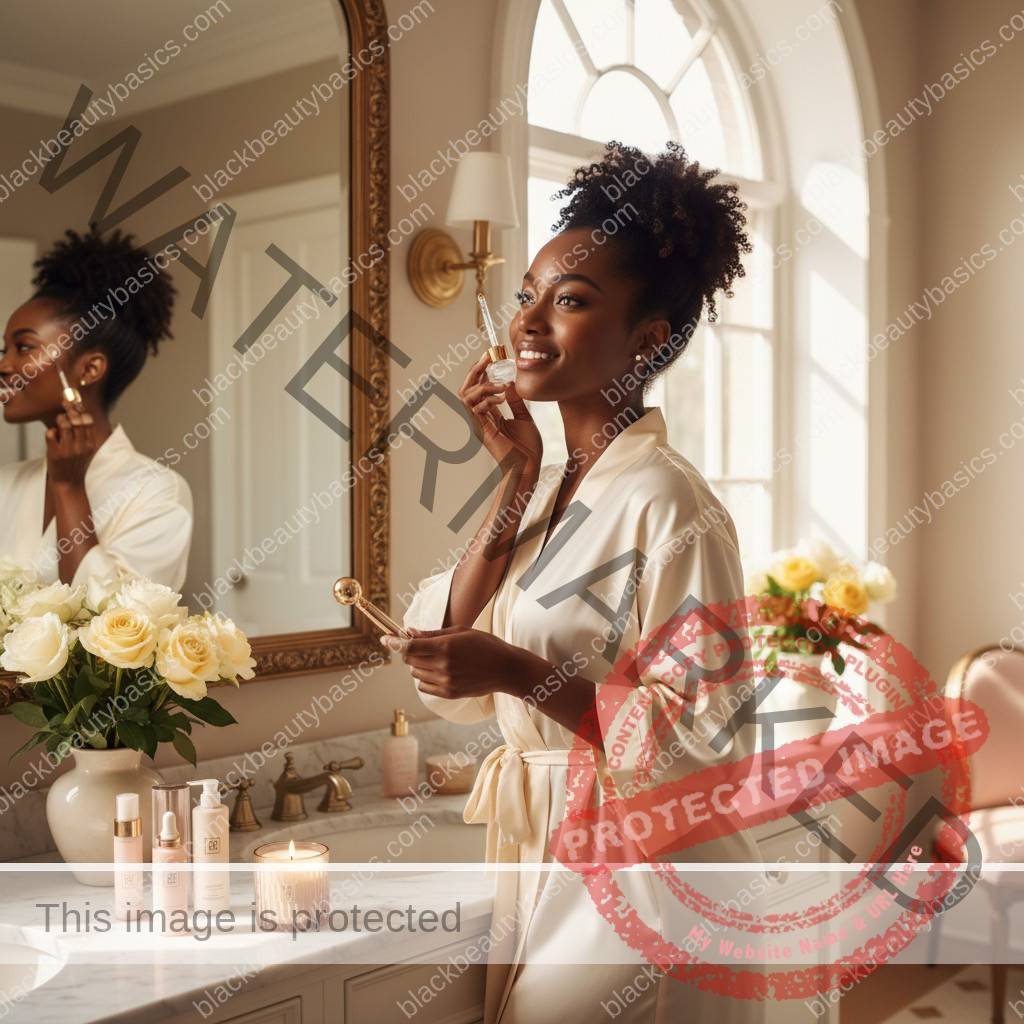
Non-Toxic & “Clean” Black-Owned Beauty Brands Explained: Navigating Claims with Clarity and Confidence
In the vibrant and ever-evolving landscape of beauty, terms like “clean,” “non-toxic,” “natural,” and “safe” are frequently used, often interchangeably, to describe products. For many of us, especially those with melanin-rich skin who are deeply attuned to what we put on our bodies, these words can sound incredibly reassuring. They promise a certain purity, a freedom from perceived harmful ingredients, and a more mindful approach to self-care. However, the truth is that these terms, while well-intentioned in their marketing, are largely unregulated and can mean vastly different things depending on the brand, the retailer, and even the individual consumer’s interpretation. This ambiguity can create confusion, making it challenging to discern genuine commitment to ingredient integrity from clever marketing jargon.
As discerning consumers within the Black Beauty Basics community, we seek more than just surface-level promises. We desire transparency, efficacy, and products that truly cater to the unique needs and sensitivities of our skin and hair. When these terms are applied to Black-owned beauty brands, an additional layer of significance emerges. Many Black-owned brands are founded on principles of ancestral wisdom, community well-being, and a deep understanding of the specific concerns that affect us, from hyperpigmentation and barrier sensitivity to texture care. This often leads to a natural inclination towards ingredients that are perceived as gentler, more nourishing, and less likely to cause irritation, aligning intuitively with the spirit of “clean” or “non-toxic” beauty, even if the formal definitions remain elusive.
This comprehensive guide is designed to empower you with the knowledge to navigate the often-murky waters of “clean” and “non-toxic” beauty, particularly within the context of Black-owned brands. We will unpack what these terms typically imply, what they emphatically do not guarantee, and how to develop a critical eye for evaluating product claims. Our aim is not to instill fear or shame, but rather to foster a deeper understanding of ingredient literacy, allowing you to make informed choices that resonate with your personal values, your skin’s specific requirements, and your desire to support brands that genuinely prioritize your well-being. By the end of this exploration, you’ll be better equipped to identify brands that truly align with your vision of mindful, effective, and culturally resonant beauty.
What This Post Covers
This article aims to demystify the concepts of “non-toxic” and “clean” beauty, particularly as they pertain to the burgeoning sector of Black-owned beauty brands. We will embark on a detailed exploration, beginning with an examination of the common interpretations and marketing applications of these terms within the beauty industry. Understanding what brands typically mean when they use these labels is the first step towards informed decision-making. We will then delve into the limitations and potential pitfalls of relying solely on these unregulated descriptors, highlighting what they cannot, and often do not, promise regarding product safety or efficacy. This critical analysis is essential for developing a nuanced perspective that moves beyond simplistic claims.
A significant portion of our discussion will focus on how Black-owned brands, often born from a deep understanding of community needs and a commitment to holistic well-being, approach ingredient selection, transparency, and the delicate balance of formulating products that are effective yet gentle. We will specifically address how concerns prevalent in melanin-rich skin, such as hyperpigmentation, barrier sensitivity, and reactivity, profoundly influence the conversation around “clean” ingredients and low-irritation formulations. Furthermore, we will equip you with practical strategies and probing questions to ask when evaluating product claims, encouraging a proactive approach to ingredient literacy. Finally, we will guide you on how to align your shopping choices with both your personal values and your skin’s unique compatibility, ensuring that your beauty rituals are truly empowering and beneficial.
What “Clean” Usually Means in Beauty Marketing
The term “clean” in beauty marketing has become a pervasive and powerful descriptor, often evoking images of purity, naturalness, and safety. However, it’s crucial to understand that “clean” is not a legally defined or regulated term by bodies like the FDA in the United States or similar regulatory agencies globally. Instead, it functions primarily as a marketing concept, a shorthand for a brand’s commitment to avoiding certain ingredients that have fallen out of favor with consumers or are perceived as potentially harmful or irritating. This perception is often driven by a combination of scientific research (sometimes misinterpreted or taken out of context), consumer advocacy, and social media trends.
Typically, when a brand labels itself as “clean,” it implies a formulation free from a “blacklist” of ingredients. This blacklist is not universal; it varies significantly from one brand to another, and even between different retailers who might establish their own “clean beauty standards.” Common ingredients often excluded from “clean” formulations include parabens, phthalates, sulfates (SLS/SLES), synthetic fragrances, certain dyes, formaldehyde-releasing preservatives, and polyethylene glycols (PEGs). The rationale behind excluding these ingredients ranges from concerns about endocrine disruption (parabens, phthalates), skin irritation (sulfates, synthetic fragrances), potential carcinogenicity (formaldehyde releasers), to environmental impact (some silicones, microplastics). Brands often publish their “no-list” or “free-from” lists, inviting consumers to review their specific criteria for what constitutes “clean.”
Beyond simply avoiding certain ingredients, “clean” beauty marketing often emphasizes transparency and sourcing. Brands might highlight their use of ethically sourced, sustainable, or organic ingredients. They may also focus on minimalist formulations, suggesting that fewer ingredients equate to greater purity and less risk of irritation. The narrative often positions “clean” products as a healthier, more environmentally conscious alternative to conventional beauty. This approach taps into a growing consumer desire for products that align with broader wellness and ethical considerations, extending beyond just immediate skin benefits to encompass personal health and planetary well-being. However, it’s important to remember that while these intentions are commendable, the term itself remains a self-defined standard, requiring consumers to delve deeper into a brand’s specific practices rather than relying solely on the “clean” label.
What “Non-Toxic” Can and Cannot Honestly Promise
The term “non-toxic” carries an even stronger implication of safety than “clean,” suggesting a complete absence of any substance that could cause harm. In the context of beauty products, this is a particularly complex and often misleading claim. Like “clean,” “non-toxic” is not regulated by any governmental body. There is no universally agreed-upon scientific or legal definition for what constitutes a “non-toxic” cosmetic product. This allows brands significant latitude in how they use the term, often leading to consumer confusion and unrealistic expectations about product safety.
What “non-toxic” often attempts to promise, implicitly or explicitly, is that a product contains no ingredients known to be harmful to human health at any concentration. This is an incredibly difficult, if not impossible, promise to make with absolute certainty. The reality is that nearly every substance, including water, can be toxic at a high enough dose. The concept of toxicity is dose-dependent. For example, essential oils, often championed in “non-toxic” formulations, can be highly irritating or even toxic in concentrated forms, yet are generally safe when diluted appropriately in a product. Conversely, many synthetic ingredients, often demonized by “non-toxic” rhetoric, are perfectly safe and beneficial when used within established regulatory limits and concentrations.
What “non-toxic” cannot honestly promise is absolute safety for every individual under all circumstances. Human biology is incredibly diverse, and what is perfectly safe for one person might cause an allergic reaction or irritation in another. Ingredients like nuts, gluten, or certain botanicals, while “natural” and often considered “non-toxic,” are potent allergens for many. Furthermore, the long-term effects of many ingredients, both natural and synthetic, are still being studied, and scientific understanding evolves. A brand claiming “non-toxic” might be operating under the best current knowledge, but this doesn’t guarantee future revelations won’t shift perceptions. It also doesn’t account for individual sensitivities or the potential for interactions between different products used simultaneously.
Therefore, when encountering a “non-toxic” claim, it’s essential to approach it with a discerning eye. It’s best interpreted as a brand’s commitment to avoiding ingredients that are widely recognized as problematic or have strong scientific evidence of harm at typical cosmetic concentrations. It signals a brand’s intention to formulate with consumer well-being in mind, often adhering to stricter internal guidelines than minimum regulatory requirements. However, it does not negate the need for consumers to understand their own sensitivities, patch test new products, and scrutinize ingredient lists for potential irritants, regardless of how a product is marketed. The true measure of a product’s suitability lies in its compatibility with your unique skin, not solely in a marketing label.
How Black-Owned Brands May Approach Ingredient Transparency, Fragrance, and Irritation Concerns
Black-owned beauty brands often bring a unique and deeply personal perspective to formulation, rooted in cultural wisdom, a keen understanding of melanin-rich skin and textured hair needs, and a strong sense of community responsibility. This often translates into a distinctive approach to ingredient transparency, the use of fragrance, and proactive efforts to minimize irritation. Unlike some mainstream brands that might adopt “clean” or “non-toxic” as a trend, many Black-owned brands have historically prioritized natural ingredients and gentle formulations out of necessity and cultural tradition, long before these terms gained widespread traction.
Ingredient Transparency: A Foundation of Trust
For many Black-owned brands, ingredient transparency is not just a marketing strategy; it’s a cornerstone of trust and education. Founders often share personal stories of struggling to find suitable products, leading them to create solutions with carefully selected ingredients. This often results in detailed ingredient lists, explanations of why certain components are chosen, and a willingness to educate consumers about the benefits of specific botanicals, oils, and active ingredients. There’s a strong emphasis on empowering the consumer with knowledge, rather than simply presenting a “free-from” list. This transparency can extend to sourcing practices, highlighting fair trade relationships or sustainable cultivation of ingredients, particularly those with cultural significance like shea butter, moringa, or baobab oil. This commitment often stems from a desire to provide truly beneficial products that address specific concerns like hyperpigmentation, dryness, or scalp health, without relying on harsh chemicals that have historically caused issues for our community.
Navigating Fragrance: A Delicate Balance
Fragrance is one of the most contentious topics in the “clean” beauty space, and Black-owned brands navigate this with particular nuance. While many “clean” beauty lists automatically exclude all synthetic fragrances, the reality is more complex. For some Black-owned brands, especially those rooted in aromatherapy or traditional practices, natural fragrances from essential oils or botanical extracts are integral to the sensory experience and perceived benefits. However, these natural fragrances can also be potent allergens and irritants, particularly for sensitive skin. Other Black-owned brands might opt for entirely fragrance-free formulations, recognizing that minimizing potential irritants is paramount for a community prone to post-inflammatory hyperpigmentation (PIH) from any skin disruption. Still others might use synthetic fragrances at very low, carefully tested concentrations, prioritizing a pleasant user experience while striving to avoid common sensitizers. The key differentiator is often the intentionality and transparency around fragrance choices, with brands often explaining their approach and offering both scented and unscented options to cater to diverse sensitivities within their audience.
Prioritizing Low Irritation Formulations for Melanin-Rich Skin
The imperative to create low-irritation formulations is particularly pronounced among Black-owned brands, driven by a deep understanding of melanin-rich skin’s unique characteristics. Melanin-rich skin is often more prone to post-inflammatory hyperpigmentation (PIH) as a result of inflammation or irritation. This means that even minor irritants that might go unnoticed on lighter skin tones can lead to persistent dark spots on deeper skin tones. Consequently, many Black-owned brands are meticulously formulated to be gentle, focusing on ingredients that support the skin barrier, provide deep hydration, and soothe rather than provoke. This includes a preference for humectants like hyaluronic acid and glycerin, emollients like ceramides and squalane, and anti-inflammatory botanicals. They often avoid harsh exfoliants, high concentrations of retinoids without proper buffering, and strong detergents that can strip the skin or scalp. The goal is not just to be “non-toxic” in the abstract, but to be actively “non-irritating” and “barrier-supportive” for the specific physiological needs of their target demographic, ensuring that products contribute to overall skin health and even tone.
How Melanin-Rich Skin Concerns Change the Conversation
The unique physiological characteristics and common concerns of melanin-rich skin profoundly reshape the conversation around “clean” and “non-toxic” beauty. While the general principles of avoiding harsh chemicals and potential irritants are universal, their implications become even more critical when considering skin tones prone to specific issues like hyperpigmentation, barrier sensitivity, and certain dermatological conditions. For Black women and others with deep skin tones, the stakes are often higher when a product causes irritation, making ingredient literacy and careful product selection not just a preference, but a necessity for maintaining skin health and evenness.
Hyperpigmentation: The Foremost Concern
One of the most significant factors is post-inflammatory hyperpigmentation (PIH). Any form of inflammation, irritation, or injury to melanin-rich skin can trigger an overproduction of melanin, leading to dark spots that can linger for months or even years. This means that ingredients that might cause a mild, transient redness on lighter skin can result in a stubborn dark mark on deeper skin tones. Consequently, the threshold for what constitutes an “irritant” is often lower for melanin-rich skin. Products marketed as “clean” or “non-toxic” must go beyond simply avoiding generic “bad” ingredients; they must actively prioritize formulations that are non-comedogenic, non-sensitizing, and barrier-supportive to prevent the cascade that leads to PIH. This includes careful consideration of essential oils, strong acids, and even certain botanical extracts that, while “natural,” can still be potent irritants.
Barrier Sensitivity and Transepidermal Water Loss (TEWL)
Research suggests that melanin-rich skin can sometimes exhibit a higher propensity for transepidermal water loss (TEWL) and a more compromised skin barrier compared to lighter skin types. This can lead to increased dryness, ashiness, and a heightened susceptibility to environmental aggressors and irritants. For this reason, “clean” formulations for melanin-rich skin must place a strong emphasis on barrier repair and moisture balance. Ingredients that strip the skin’s natural oils, disrupt the acid mantle, or contain strong surfactants are particularly problematic. Instead, the focus shifts to robust humectants, ceramides, fatty acids, and occlusives that help to fortify the skin barrier, lock in moisture, and prevent dehydration. A truly “non-toxic” approach for melanin-rich skin means actively nurturing and protecting the skin’s natural defenses, not just avoiding a list of chemicals.
For more on this, explore our guide on Barrier Repair and Moisture Balance.
Unique Hair Texture Needs and Scalp Health
Beyond skincare, the “clean” and “non-toxic” conversation extends profoundly to haircare for textured hair. Coily, curly, and kinky hair types are often drier and more fragile than straight hair, making them more susceptible to breakage from harsh sulfates, drying alcohols, and certain silicones that can build up and weigh down strands. Scalp health is also paramount, as issues like dryness, itchiness, and inflammation can lead to hair loss or stunt growth. Therefore, “clean” haircare for Black women often means formulations that are deeply moisturizing, gentle on the scalp, and free from ingredients that can cause excessive stripping or buildup. The emphasis is on nourishing ingredients that support hair elasticity, moisture retention, and a healthy scalp microbiome, rather than just avoiding a generic “no-list.”
The Nuance of “Natural” Ingredients
Finally, the cultural affinity for “natural” ingredients within the Black community, often passed down through generations, adds another layer of complexity. While many traditional ingredients like shea butter, coconut oil, and various herbal extracts are incredibly beneficial, the “natural” label itself does not equate to “non-irritating” or “non-toxic.” Many potent botanicals contain active compounds that can cause allergic reactions or irritation, especially in concentrated forms or when combined improperly. For melanin-rich skin, an allergic reaction or contact dermatitis can quickly lead to PIH. Therefore, a truly informed “clean” approach for our community involves understanding the specific properties of natural ingredients, their concentration, and their potential for irritation, rather than simply assuming that “natural” is always better or safer.
In essence, for melanin-rich skin, the “clean” and “non-toxic” dialogue must evolve beyond a simple checklist of banned ingredients. It must incorporate a deeper understanding of skin physiology, a proactive approach to preventing irritation and hyperpigmentation, and a nuanced appreciation for how ingredients, both synthetic and natural, interact with our unique skin and hair. It’s about seeking formulations that are not just “free from,” but actively “full of” ingredients that support, protect, and enhance the health and radiance of melanin-rich beauty.
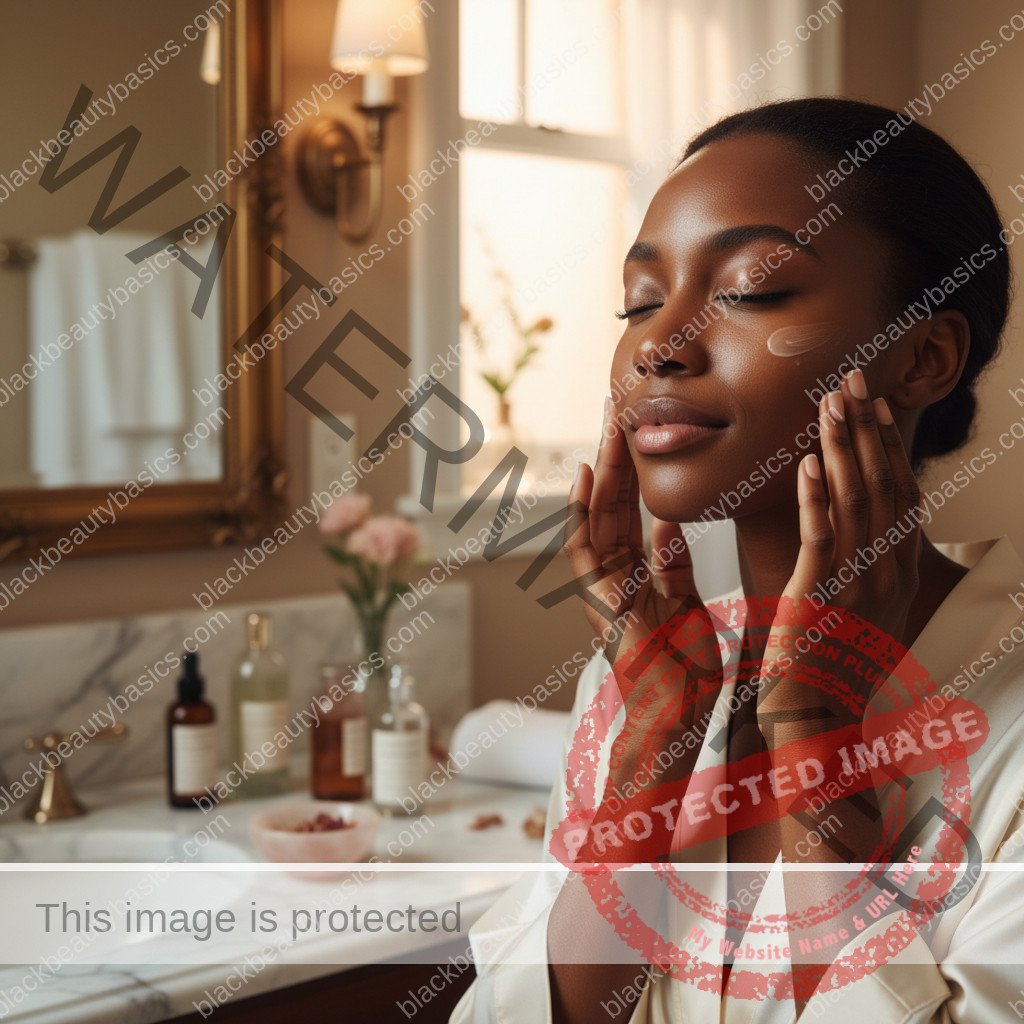
What Questions to Ask Instead of Trusting the Label Alone
Given the unregulated and often ambiguous nature of “clean” and “non-toxic” labels, a more proactive and critical approach is essential for discerning consumers. Instead of blindly trusting a marketing claim, empowering yourself with a set of probing questions can help you evaluate a brand’s true commitment to ingredient integrity and suitability for your skin. This shift from passive acceptance to active inquiry is fundamental to making informed beauty choices, especially when navigating the diverse offerings of Black-owned beauty brands.
1. What is the Brand’s Specific “No-List” or Ingredient Philosophy?
Don’t just look for the word “clean.” Ask: What specific ingredients does this brand avoid, and why? A transparent brand will clearly articulate its ingredient philosophy, often providing a detailed “no-list” on its website. This list should go beyond generic terms and name specific chemicals or categories. More importantly, understand the rationale behind their exclusions. Are they avoiding ingredients due to established scientific concerns, potential irritation, environmental impact, or a philosophical stance? A well-defined philosophy demonstrates intentionality rather than simply following a trend.
2. How Transparent Is the Ingredient List and Sourcing?
Beyond the “no-list,” scrutinize the actual ingredient list (INCI list). Is it easily accessible and understandable? Does the brand provide explanations for key ingredients, especially those that might be less familiar? For natural or botanical ingredients, does the brand discuss their sourcing? Are they ethically sourced, organic, or sustainably harvested? For Black-owned brands, this can often include culturally significant ingredients. Transparency in sourcing speaks volumes about a brand’s integrity and commitment beyond just formulation.
3. How Do They Address Fragrance?
Fragrance is a major potential irritant. Ask: Does this product contain fragrance? If so, is it synthetic or natural (e.g., essential oils)? Is there an unscented option? For brands using essential oils, do they indicate the concentration or potential allergens present (e.g., limonene, linalool)? A brand truly committed to low irritation will either offer fragrance-free options or be very clear about their fragrance choices and their efforts to minimize sensitization.
4. What Testing and Safety Protocols Do They Employ?
A “non-toxic” claim is only as strong as the testing behind it. Inquire about their safety testing. Do they conduct patch testing? Are their products dermatologist-tested, especially on diverse skin tones? Do they perform stability testing, microbial testing, or heavy metal screening? While not all small brands can afford extensive clinical trials, a commitment to rigorous safety and stability testing indicates a serious approach to product integrity, going beyond just ingredient selection.
5. How Do They Address Common Melanin-Rich Skin Concerns?
For Black-owned brands, this question is particularly pertinent. Ask: How does this product specifically cater to or consider the needs of melanin-rich skin, such as preventing hyperpigmentation, supporting the skin barrier, or addressing specific hair texture needs? Does their formulation strategy reflect an understanding of these unique concerns? A brand that truly understands its audience will integrate these considerations into its product development, not just its marketing.
6. What Is Their Stance on Efficacy and Evidence?
While “clean” and “non-toxic” focus on what’s excluded, efficacy is about what the product does. Ask: What are the active ingredients, and what evidence supports their claims? Do they rely on anecdotal testimonials, or do they cite scientific studies (even if in-vitro or ex-vivo) for their key ingredients? A balanced approach combines ingredient safety with proven effectiveness, ensuring you’re investing in products that deliver tangible benefits.
7. What Is the Brand’s Overall Ethos and Values?
Beyond ingredients, consider the brand’s broader mission. Do they align with your personal values regarding sustainability, social justice, animal welfare (cruelty-free), or community empowerment? Many Black-owned brands are founded on strong ethical principles that extend beyond product formulation. Understanding their overall ethos can help you make choices that resonate on a deeper level, transforming your beauty routine into a more conscious and values-aligned practice.
By asking these questions, you move beyond the superficiality of marketing labels and engage in a more meaningful dialogue with brands. This empowers you to make truly informed decisions, selecting products that are not only aligned with “clean” principles but are also genuinely suitable, effective, and supportive of your unique beauty journey.
How to Shop for Values and Skin Compatibility at the Same Time
Navigating the beauty market, especially for those seeking “clean” or “non-toxic” options from Black-owned brands, often feels like a balancing act between supporting ethical businesses and ensuring product efficacy and compatibility with your unique skin. It’s entirely possible, and indeed empowering, to shop for both your values and your skin’s specific needs simultaneously. This requires a strategic approach that combines research, self-awareness, and a willingness to look beyond surface-level claims.
1. Define Your Personal “Clean” and “Non-Toxic” Standards
Before you even start shopping, clarify what “clean” and “non-toxic” mean to you. Is it primarily about avoiding known allergens? Is it about sustainability and environmental impact? Is it about plant-based formulations? Is it about minimizing synthetic ingredients? Your personal definition will guide your choices. For many with melanin-rich skin, a key component of “non-toxic” means “non-irritating” to prevent hyperpigmentation. This personal framework will help you filter brands and products more effectively, ensuring you’re not just adopting someone else’s definition but aligning with your own priorities.
2. Prioritize Brands with Clear Ingredient Transparency
Seek out Black-owned brands that are forthright about their ingredients. Look for websites that clearly list full INCI (International Nomenclature of Cosmetic Ingredients) lists, explain their “no-list” or ingredient philosophy, and ideally, provide information on ingredient sourcing. Brands that are proud of their formulations will make this information easily accessible. This transparency allows you to cross-reference ingredients against your personal “avoid list” and identify potential irritants or allergens specific to your skin.
3. Understand Your Skin’s Specific Needs and Sensitivities
This is paramount for skin compatibility. Do you have oily, dry, combination, or sensitive skin? Are you prone to acne, eczema, hyperpigmentation, or rosacea? Do you have known allergies to specific ingredients (e.g., essential oils, nuts, gluten)? Keep a record of ingredients that have caused issues in the past. When evaluating a “clean” product, even if it avoids common irritants, check its ingredient list for anything you know your skin reacts poorly to. Remember, “natural” does not automatically mean “safe” for your individual skin.
4. Research Brand Values Beyond Ingredients
Many Black-owned brands are built on strong ethical foundations. Investigate their commitment to sustainability (packaging, carbon footprint), fair labor practices, cruelty-free status, and community engagement. Does the brand actively support Black communities or causes? Do they champion diversity and inclusion in their marketing and operations? By choosing brands whose values align with yours, you’re not just buying a product; you’re investing in a movement and supporting businesses that contribute positively to the world.
5. Read Reviews from People with Similar Skin Tones and Concerns
While general reviews are helpful, seek out testimonials from individuals with melanin-rich skin and similar skin types or concerns. Their experiences with hyperpigmentation, barrier sensitivity, or specific hair textures will be far more relevant than reviews from those with different skin profiles. Pay attention to comments about irritation, breakouts, or product efficacy on deeper skin tones. This can provide invaluable insights into how a “clean” product truly performs for your demographic.
6. Patch Test New Products Diligently
Regardless of how “clean” or “non-toxic” a product claims to be, always patch test new products before incorporating them fully into your routine. Apply a small amount to an inconspicuous area of your skin (e.g., behind the ear, on the inner forearm) for a few days to monitor for any adverse reactions. This is especially critical for melanin-rich skin, where an irritation can easily lead to persistent hyperpigmentation. A patch test is your ultimate safeguard for ensuring skin compatibility.
7. Don’t Be Afraid to Experiment (Carefully) and Adjust
Finding the perfect balance between values-aligned shopping and skin compatibility is an ongoing journey. It may involve some careful experimentation. Be patient with the process, and don’t be discouraged if a highly-touted “clean” product doesn’t work for you. Your skin is unique, and what works for one person may not work for another. Be prepared to adjust your routine and continue your search until you find products that make your skin feel good and your conscience feel clear.
By adopting this holistic approach, you can confidently support Black-owned beauty brands that not only share your values but also deliver effective, gentle, and truly beneficial solutions for your melanin-rich skin and textured hair. It’s about making conscious choices that nourish both your body and your spirit.
How to Navigate This Topic
Navigating the complex and often emotionally charged topic of “non-toxic” and “clean” beauty, especially within the context of supporting Black-owned brands, requires a thoughtful and balanced approach. It’s easy to get overwhelmed by conflicting information, marketing claims, and the sheer volume of products available. Here’s a structured way to approach this topic, ensuring you remain informed, empowered, and confident in your choices without succumbing to fear or confusion.
1. Embrace Ingredient Literacy, Not Ingredient Fearmongering
The core of navigating this topic is developing a foundational understanding of ingredients. This doesn’t mean becoming a cosmetic chemist, but rather learning to identify common ingredient categories, understanding what they generally do, and recognizing potential irritants or allergens. Focus on understanding the “why” behind ingredient choices, rather than simply memorizing a “good” or “bad” list. Resources like Paula’s Choice Ingredient Dictionary, EWG Skin Deep (with caution, as their ratings can be controversial), and reputable dermatological websites can be helpful. Remember that the dose makes the poison, and many ingredients deemed “bad” are perfectly safe and effective at appropriate concentrations. The goal is to be informed, not to be scared of every chemical name.
2. Understand the Difference Between Regulation and Marketing
Internalize the fact that “clean” and “non-toxic” are marketing terms, not regulatory ones. This understanding is your shield against misleading claims. It means that while a brand might genuinely strive for these ideals, their definition might not align with yours, or with scientific consensus. Always look beyond the label to the actual ingredient list and the brand’s specific ingredient philosophy. This critical distinction empowers you to evaluate claims with a healthy skepticism.
3. Prioritize Your Skin’s Unique Needs and Sensitivities
Your skin is your most important guide. If an ingredient, natural or synthetic, consistently causes irritation, breakouts, or hyperpigmentation for you, then it’s “toxic” for your skin, regardless of what a “clean” label might suggest. Conversely, if a product with ingredients on a “no-list” works beautifully for your skin without issues, there’s no inherent reason to discard it. Melanin-rich skin’s propensity for PIH means that avoiding irritation is often more critical than adhering to a generic “clean” list. Listen to your skin above all else.

4. Support Brands That Are Truly Transparent and Educational
Actively seek out Black-owned brands that don’t just make claims but also educate their consumers. Look for brands that explain their ingredient choices, discuss their sourcing, and provide resources for understanding their formulations. This commitment to transparency and education is a strong indicator of integrity and a genuine desire to empower their community. These brands often go above and beyond simple “free-from” lists to explain the benefits and purpose of each ingredient.
5. Be Wary of Absolutist Claims and Fear-Based Marketing
Approach any brand that uses overly dramatic or fear-based language about ingredients with caution. Marketing that demonizes entire categories of ingredients or promises a complete “detox” often lacks nuance and scientific accuracy. True ingredient literacy acknowledges complexity and the importance of context. A balanced perspective understands that both natural and synthetic ingredients have their place, and that individual reactions vary widely.
6. Focus on Overall Formulation and Product Performance
Ultimately, a product’s success lies in its overall formulation and how it performs for you. A “clean” label is meaningless if the product doesn’t deliver results or causes issues. Evaluate products based on their complete ingredient profile, their texture, their scent (if any), and most importantly, how your skin responds to them over time. Does it hydrate, soothe, treat, or protect as promised? Does it contribute to your skin’s overall health and radiance?
7. Engage with the Black Beauty Basics Community
You are not alone in this journey. Engage with our community, share your experiences, and learn from others. The collective wisdom and diverse experiences within the Black Beauty Basics community can provide invaluable insights, recommendations, and support as you navigate your personal path to informed and empowering beauty choices. Sharing what works (and what doesn’t) can help others avoid pitfalls and discover new favorites.
By adopting these principles, you can move beyond the marketing hype and build a beauty routine that is truly aligned with your values, deeply compatible with your skin, and effectively supports the health and vibrancy of your melanin-rich beauty.
Where to Go Next
Having explored the nuances of “clean” and “non-toxic” beauty within the context of Black-owned brands, you’re now equipped with a more discerning eye and a deeper understanding of ingredient literacy. This journey towards informed beauty choices is continuous, and there are many more avenues to explore within the Black Beauty Basics community that will further enhance your self-care rituals and empower your beauty decisions. Consider these next steps to deepen your knowledge and refine your approach:
- Explore Curated Black-Owned Beauty Ecosystems: Dive deeper into the world of Black-owned brands that are thoughtfully creating comprehensive product lines. Our main hub for Curated Black-Owned Beauty Ecosystems offers an overview of brands that prioritize the unique needs of melanin-rich skin and textured hair. This is an excellent starting point for discovering brands that align with the principles discussed in this article.
- Discover Black-Owned Skincare Capsules: For those specifically interested in skincare, our guide on Black-Owned Skincare Capsules for Melanin-Rich Skin provides insights into building effective, minimalist routines with products designed to address concerns like hyperpigmentation, dryness, and barrier health. It’s a practical extension of understanding how “clean” principles translate into daily skincare.
- Unpack Black-Owned Haircare Ecosystems: If your focus is on nurturing textured hair, our article on Black-Owned Haircare Ecosystems for Textured Hair offers a comprehensive look at brands formulating for the unique needs of coils, curls, and kinks. This is crucial for understanding how “non-toxic” principles apply to scalp health and hair integrity.
- Build Your Black-Owned Makeup Wardrobe: Extend your conscious choices to color cosmetics with our guide to Black-Owned Makeup Wardrobes for Deep Skin Tones. Discover brands that not only offer inclusive shade ranges but also align with ingredient integrity, ensuring your makeup is as thoughtful as your skincare.
- Deepen Your Understanding of Skin Barrier Health: Given the emphasis on irritation prevention for melanin-rich skin, a thorough understanding of Barrier Repair and Moisture Balance is invaluable. This article delves into the science behind maintaining a healthy skin barrier, which is fundamental to preventing issues like hyperpigmentation and dryness, regardless of a product’s “clean” status.
- Explore Safety Frameworks for Melanin-Rich Skin: For those considering advanced beauty treatments or devices, understanding the Structured Pre-Treatment Assessment for Dark Skin is crucial. This resource highlights the importance of safety and informed decision-making in aesthetic procedures, mirroring the critical thinking applied to ingredient choices.
- Reflect on Identity and Beauty Choices: Finally, consider the broader cultural context of your beauty choices. Our article on How Bias Shapes Routines, Procedures, and Hair Choices delves into the impact of societal influences like colorism and texturism on our beauty journeys. This piece offers a reflective lens, encouraging you to make choices that are truly self-affirming and free from external pressures.
Each of these resources builds upon the foundation laid in this article, guiding you towards a more holistic, informed, and empowering approach to beauty that celebrates your unique identity and supports the growth of Black excellence in the beauty industry. Continue to explore, question, and refine your understanding, knowing that Black Beauty Basics is here to support you every step of the way.
Quick Principles
Navigating the world of “non-toxic” and “clean” Black-owned beauty brands can be simplified by adhering to a few core principles. These quick guidelines will serve as your compass, helping you make informed decisions that prioritize both your skin’s health and your values, without getting bogged down in marketing jargon. Remember, empowerment comes from clarity, not confusion.
- “Clean” and “Non-Toxic” are Marketing Terms, Not Regulations: Understand that these labels are self-defined by brands and retailers. They do not guarantee universal safety or a lack of irritation. Always look beyond the label to the actual ingredient list and the brand’s specific philosophy.
- Prioritize Ingredient Literacy Over Fear: Learn to read ingredient lists (INCI names). Understand common ingredient categories and their general functions. Focus on identifying potential irritants or allergens specific to your skin, rather than simply avoiding a generic “bad list.” Knowledge empowers, fear disempowers.
- Your Skin’s Response is the Ultimate Guide: If an ingredient or product consistently causes irritation, breakouts, or hyperpigmentation for your melanin-rich skin, it’s not suitable for you, regardless of its “clean” status. Melanin-rich skin’s propensity for PIH makes avoiding irritation paramount. Patch test new products diligently.
- Transparency is Key: Seek out Black-owned brands that are transparent about their ingredient lists, their “no-list” philosophy, and ideally, their sourcing practices. Brands that educate their consumers about their formulations demonstrate integrity and a genuine commitment to well-being.
- Natural Does Not Always Mean Better or Safer: Many natural ingredients (e.g., essential oils, certain botanicals) can be potent irritants or allergens. Do not assume that because an ingredient is “natural,” it is automatically “non-toxic” or safe for your skin. Context, concentration, and your individual sensitivity matter.
- Focus on Formulation for Melanin-Rich Skin: For Black-owned brands, look for formulations that actively address concerns like hyperpigmentation prevention, barrier support, deep hydration, and gentle care for textured hair. A truly “non-toxic” approach for our community means actively nurturing and protecting, not just avoiding.
- Align with Brand Values: Beyond ingredients, consider a brand’s broader ethos. Do they champion sustainability, ethical sourcing, cruelty-free practices, and community empowerment? Supporting brands whose values resonate with yours adds a deeper layer of meaning to your beauty choices.
- Beware of Absolutist Claims: Be skeptical of brands that use fear-based marketing or make sweeping, unsubstantiated claims about the dangers of all synthetic ingredients. A balanced, nuanced perspective is always more reliable than sensationalism.
By keeping these principles in mind, you can confidently navigate the “clean” beauty landscape, make choices that truly serve your skin, and proudly support Black-owned brands that are committed to excellence and the well-being of our community. Your beauty journey should be one of empowerment, clarity, and self-love.
Frequently Asked Questions
What does “clean beauty” actually mean for Black-owned brands?
“Clean beauty” for Black-owned brands typically signifies a commitment to formulating without certain ingredients perceived as potentially harmful or irritating, often including parabens, sulfates, phthalates, and synthetic fragrances. However, it’s an unregulated term, so its precise definition can vary by brand, often reflecting a deeper cultural understanding of ingredients and a focus on preventing issues like hyperpigmentation and barrier disruption common in melanin-rich skin.
Are “natural” ingredients always better or safer than synthetic ones in “non-toxic” products?
No, “natural” does not automatically equate to “better” or “safer.” Many natural ingredients, such as essential oils or certain botanical extracts, can be potent allergens or irritants, especially for sensitive melanin-rich skin prone to post-inflammatory hyperpigmentation. Conversely, many synthetic ingredients are highly stable, effective, and rigorously tested for safety. The key is understanding individual ingredient properties, concentrations, and your skin’s unique sensitivities, regardless of origin.
How can I tell if a Black-owned beauty brand is truly transparent about its ingredients?
Look for brands that clearly list all ingredients (INCI names) on their website and product packaging. Truly transparent brands often provide a detailed “no-list” or ingredient philosophy, explaining why certain ingredients are excluded and others are chosen. They may also discuss ingredient sourcing, testing protocols, and offer educational content to help consumers understand their formulations. A lack of easily accessible ingredient information is a red flag.
Why is preventing irritation so important for melanin-rich skin when choosing “clean” products?
Melanin-rich skin is highly susceptible to post-inflammatory hyperpigmentation (PIH), meaning any irritation, inflammation, or injury can trigger an overproduction of melanin, leading to stubborn dark spots. Therefore, for melanin-rich skin, a truly “clean” or “non-toxic” product must prioritize being non-irritating and barrier-supportive to prevent PIH, even more so than simply avoiding a generic list of “bad” ingredients.
Should I avoid all products with fragrance if I’m looking for “clean” or “non-toxic” options?
Not necessarily, but proceed with caution. Fragrance, whether synthetic or natural (from essential oils), is a common irritant. Many “clean” brands exclude all fragrances, while others use them at low concentrations or opt for natural essential oils. If you have sensitive skin or are prone to PIH, fragrance-free options are generally the safest. If a product contains fragrance, look for brands that are transparent about their fragrance choices and offer unscented alternatives.
How do I balance supporting Black-owned brands with finding products that work for my specific skin concerns?
Start by defining your personal “clean” standards and understanding your skin’s unique needs. Then, actively seek out Black-owned brands that demonstrate strong ingredient transparency and specifically formulate for melanin-rich skin concerns like hyperpigmentation and barrier health. Read reviews from people with similar skin types, and always patch test new products. It’s a journey of research and self-awareness, allowing you to align your values with effective skincare.
What is the most important takeaway when considering “non-toxic” and “clean” Black-owned beauty brands?
The most important takeaway is to be an informed and discerning consumer. Do not rely solely on marketing labels. Instead, prioritize ingredient literacy, understand your skin’s unique needs (especially its propensity for PIH), seek out brands with genuine transparency, and always patch test new products. Your personal experience and your skin’s health are the ultimate arbiters of what is truly “clean” and “non-toxic” for you.
We hope this comprehensive guide empowers you to make confident, informed choices on your beauty journey. Remember, Black Beauty Basics is dedicated to providing you with the knowledge and resources to celebrate your unique beauty with integrity and self-love. Continue to explore, question, and refine your understanding, knowing that you are part of a vibrant community that values both cultural wisdom and modern science.
For more insights and curated selections, visit our Self-Care Rituals and Black-Owned Beauty pillar page.
Shop fragrance free moisturizer on Amazon.
Shop ceramide serum on Amazon.
Shop shea butter hair cream on Amazon.
INTERNAL LINKING OPPORTUNITIES
Curated Black-Owned Beauty Ecosystems
Self-Care Rituals and Black-Owned Beauty
Black-Owned Skincare Capsules for Melanin-Rich Skin
Black-Owned Haircare Ecosystems for Textured Hair
Black-Owned Makeup Wardrobes for Deep Skin Tones
Barrier Repair and Moisture Balance
Structured Pre-Treatment Assessment for Dark Skin
How Bias Shapes Routines, Procedures, and Hair Choices
Related next steps
Related posts:
 Black-Owned Luxury & Prestige Beauty Brands to Build Rituals Around
 Black-Owned Haircare Ecosystems for Textured Hair: Cultivating Cohesion and Confidence
 Online Sisterhoods & Beauty Community: Navigating Digital Spaces for Melanin-Rich Beauty
 The Best Black-Owned Hair Care Brands & Must-Try Products
 Navigating the World of K-Beauty Skincare Products as a Black Woman
 Navigating the World of K-Beauty Skincare Products as a Black Woman