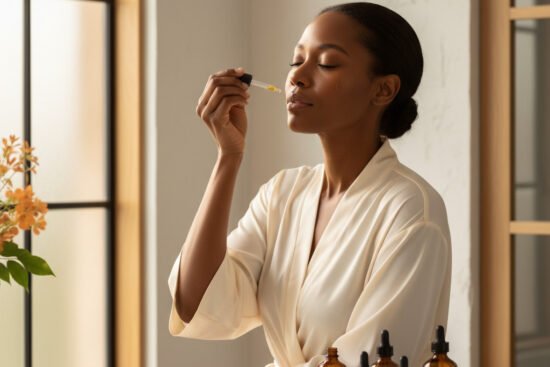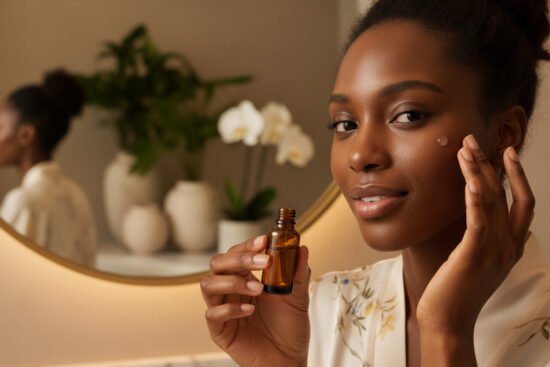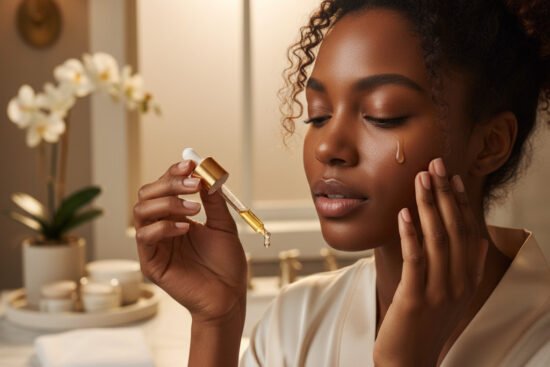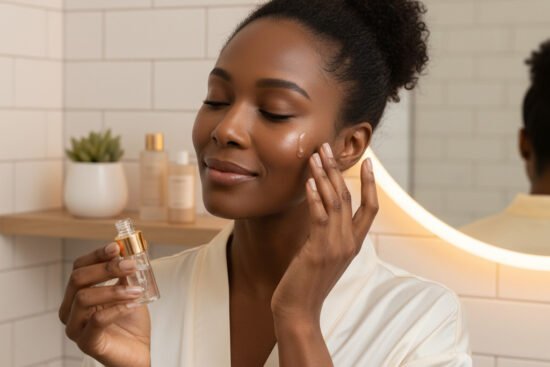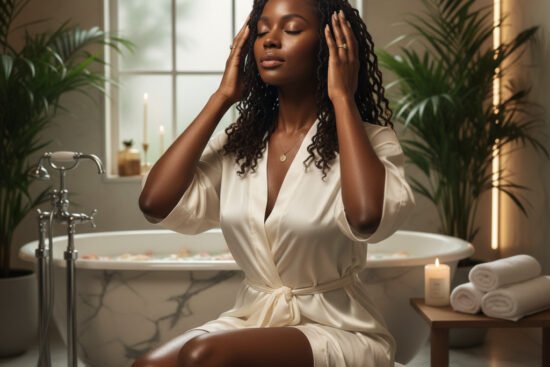
Sensory Beauty Rituals for Self-Soothing: Finding Ground in Touch, Scent, and Warmth
In a world that often demands our constant mental engagement, the concept of self-soothing is frequently framed as a cognitive exercise. We’re told to “think positive,” “reframe our thoughts,” or “practice mindfulness” through meditation. While these approaches hold undeniable value, they often overlook a fundamental truth: sometimes, the body needs to calm before the mind can truly follow. For many of us, especially Black women navigating unique pressures and expectations, true self-soothing isn’t just about what we think, but profoundly about what we feel.
Imagine a moment when stress feels like a tight knot in your shoulders, or anxiety hums beneath your skin, making it hard to settle. Your mind might be racing, but your body is also signaling distress. In these moments, abstract mental exercises can feel like trying to catch smoke. This is where the profound power of sensory beauty rituals comes into play. These aren’t just about looking good; they are about feeling safe, contained, and regulated through the intentional engagement of our senses. They offer a tangible pathway back to ourselves, anchoring us in the present moment through touch, warmth, scent, texture, sound, and visual softness.
This guide from Black Beauty Basics is an invitation to explore how your beauty routines can transform into powerful sensory anchors. We’ll delve into how deliberate engagement with the physical world of your self-care can help you navigate moments of stress, overstimulation, emotional flatness, or disconnection. These rituals are not a luxury, but a vital tool for emotional resilience, offering a gentle yet profound way to reconnect with your body and cultivate a deeper sense of inner peace. They are about honoring your inherent need for comfort and grounding, using the very tools you already possess.
What This Post Covers
This comprehensive guide delves into the transformative power of sensory beauty rituals, offering practical insights and actionable strategies to integrate them into your daily life. We’ll explore why these tactile, olfactory, and visual experiences can be more effective for self-soothing than purely abstract mental exercises, particularly when you’re feeling overwhelmed or disconnected. We’ll break down the specific sensory elements—touch, pressure, texture, warmth, steam, scent, and sound—and explain how each can contribute to a profound sense of calm and regulation. You’ll learn how to intentionally build a personalized sensory ritual, whether you’re grappling with overstimulation, emotional numbness, or restless energy, ensuring it remains comforting rather than overwhelming. We’ll provide examples of small, impactful rituals for different times of the day, acknowledging that even limited time and energy can yield significant benefits. Finally, we’ll offer guidance on navigating this topic with an open mind and provide a quick principles summary and answers to frequently asked questions, empowering you to embrace a more embodied and deeply resonant approach to your self-care.
Why Sensory Rituals Can Feel More Effective Than Abstract Self-Care
In an age saturated with advice on mindfulness apps and meditation techniques, it’s easy to feel like you’re “doing self-care wrong” if your mind still races or your body remains tense. Abstract self-care, while valuable, often requires a level of cognitive control and emotional regulation that can be elusive when you’re already stressed, overwhelmed, or emotionally depleted. When your nervous system is activated, whether by external pressures or internal anxieties, the logical, reasoning part of your brain can feel hijacked. Trying to force calm through pure thought in such moments is akin to trying to stop a speeding train with a whisper.
Sensory rituals, however, bypass this cognitive bottleneck. They engage the more primal, ancient parts of our brain that respond directly to physical input. Think about a baby being comforted by a warm blanket and a gentle hum, or a distressed animal finding solace in a safe, enclosed space. These are not intellectual processes; they are deeply embodied responses to sensory cues that signal safety and comfort. For Black women, who often carry the weight of historical and contemporary stressors, this direct pathway to calm can be particularly potent. It acknowledges that our bodies hold wisdom and memory, and that sometimes, the most effective healing comes through direct physical experience rather than purely mental effort.
When you engage in a sensory beauty ritual, you’re not just distracting yourself; you’re actively providing your nervous system with cues of safety and regulation. The gentle pressure of a facial massage, the enveloping warmth of a steamy shower, the familiar, comforting scent of a beloved body butter—these are physical anchors that ground you in the present moment. They offer a tangible, undeniable experience that can quiet the mental chatter and soothe the physiological manifestations of stress. This approach recognizes that our minds and bodies are inextricably linked, and that by tending to the body’s sensory needs, we create a more fertile ground for mental and emotional peace to flourish. It’s a practical, grounded way to reclaim a sense of control and ease, even when the world around you feels chaotic.
The Body’s Wisdom: A Primal Pathway to Calm
Our bodies are incredibly intelligent, equipped with intricate systems designed for survival and well-being. When we experience stress, our sympathetic nervous system kicks into gear, preparing us for “fight or flight.” This can manifest as a racing heart, shallow breathing, muscle tension, and heightened vigilance. Abstract self-care methods often aim to calm this system through top-down processing—from mind to body. However, sensory rituals utilize bottom-up processing, addressing the body’s state directly, which can then send signals of safety back to the brain. This is why a warm bath can feel so profoundly calming; the warmth and buoyancy signal safety and relaxation to the body, which in turn informs the mind.
For individuals who have experienced chronic stress or trauma, the body can become hyper-vigilant, making it difficult to access states of calm through purely cognitive means. Sensory input, carefully chosen and intentionally applied, can help to gently downregulate the nervous system. The rhythmic application of a body lotion, the comforting weight of a warm towel, or the soft texture of a robe can create a sense of containment and security that allows the body to release tension. This isn’t about ignoring mental distress, but rather creating the physiological conditions necessary for mental clarity and emotional processing to occur more effectively. It’s about meeting the body where it is, rather than demanding it conform to a mental ideal of calm.
Beyond Distraction: Intentional Engagement and Presence
Some might dismiss sensory rituals as mere distractions, but there’s a crucial difference between mindless distraction and intentional sensory engagement. Mindless distraction often involves passive consumption—scrolling through social media, binge-watching TV—which can provide temporary relief but often leaves us feeling more depleted or disconnected in the long run. Intentional sensory rituals, on the other hand, demand presence and active participation. When you are mindfully applying a rich cream, feeling its texture, inhaling its scent, and observing its absorption into your skin, you are fully immersed in the present moment. This active engagement pulls your attention away from stressors and into the immediate, tangible experience.
This presence is a form of embodied mindfulness. It’s not about emptying your mind, but about filling it with the rich data of your senses. This focused attention can help to interrupt cycles of rumination and worry, providing a gentle yet firm anchor in reality. The repetition inherent in many beauty rituals—the circular motions of a massage, the rhythmic strokes of a brush, the consistent application of products—can also be deeply meditative. This structured, predictable sensory input can be incredibly soothing for an overstimulated or anxious mind, offering a sense of order and control in a world that often feels unpredictable. It transforms a routine task into a sacred moment of self-connection, fostering a deeper relationship with your body and its needs.
Touch, Pressure, and Texture: What the Skin and Body May Respond To
Our skin is the largest organ of the body, a vast landscape of sensory receptors constantly relaying information to our brain. It’s a primary interface with the world, and as such, it holds immense potential for self-soothing. The deliberate application of touch, pressure, and varied textures can be profoundly regulating, offering a sense of containment, comfort, and safety. For Black women, whose skin is often celebrated for its resilience and beauty, engaging with it through conscious touch can be a powerful act of self-love and grounding.
Consider the difference between a fleeting, utilitarian touch and a slow, intentional one. When we rush through applying lotion, we miss an opportunity. But when we take the time to truly feel the product, to massage it into our skin with firm, even strokes, we activate a different kind of experience. This isn’t just about product absorption; it’s about communicating safety and care to our nervous system. The vagus nerve, a key player in regulating our body’s response to stress, is stimulated by gentle, rhythmic touch, helping to shift us from a state of arousal to one of calm and rest.
Different types of touch and pressure can elicit different responses. A light, feathery touch might be stimulating for some, while a deeper, more sustained pressure can be deeply grounding. Understanding your own preferences is key. Some may find immense comfort in the firm, enveloping pressure of a weighted blanket, while others prefer the soft caress of silk. By intentionally incorporating these elements into your beauty rituals, you create a personalized sensory sanctuary, tailored to your unique needs for comfort and regulation.
The Power of Intentional Touch: From Facial Massage to Body Oiling
Intentional touch is perhaps the most direct pathway to self-soothing through beauty rituals. It transforms a mundane task into a moment of profound connection with your own body. For example, a facial massage, whether performed with your fingertips or a specialized tool, can release tension held in the jaw, temples, and forehead. The gentle kneading and circular motions stimulate blood flow, relax facial muscles, and send calming signals to the brain. This isn’t just about preventing wrinkles; it’s about actively softening your expression and releasing the physical manifestations of stress.
Similarly, the ritual of slow body oiling or moisturizing after a shower is a prime opportunity for intentional touch. Instead of quickly slathering on lotion, take your time. Warm the product in your hands, then apply it with deliberate, long strokes, paying attention to the sensation of your hands gliding over your skin. Focus on areas that tend to hold tension, like your shoulders, neck, or feet. The act of deeply massaging a rich body butter or oil into your skin not only nourishes it but also provides sustained, comforting pressure that can be incredibly grounding. This mindful application creates a boundary, a protective layer that signals to your body that it is cared for and safe, helping to dissipate feelings of restlessness or emotional flatness.
Pressure and Containment: The Comfort of Being Held
The sensation of pressure can be deeply comforting, mimicking the feeling of being held or embraced. This is why many people find weighted blankets or tight hugs so soothing. In beauty rituals, we can replicate this sense of containment and gentle pressure in various ways. Applying a thick, occlusive balm to your lips or hands, for instance, provides a subtle but noticeable feeling of protection and presence. The slight pressure and barrier created by the product can be surprisingly grounding, especially when you’re feeling scattered or anxious.
Consider also the application of a rich, creamy face mask. The weight and coolness of the mask as it sets on your skin can create a sensation of gentle pressure, signaling to your sensory system that you are being cared for and contained. For those who find comfort in firm pressure, using a Gua Sha tool or a jade roller with deliberate, firm strokes can provide a similar effect, stimulating circulation while offering a deeply satisfying physical sensation. The key is to listen to your body and discover what level and type of pressure feels most regulating and comforting to you. This intentional engagement with pressure can help to bring you back into your body, making you feel more present and less overwhelmed by external stimuli.
Textures That Soothe: From Silky Smooth to Gently Exfoliating
The world of beauty products offers an incredible array of textures, each with the potential to evoke a different sensory experience. For self-soothing, the goal is often to find textures that feel luxurious, comforting, and nurturing against the skin. This could be the silky glide of a facial oil, the plush softness of a microfiber towel, or the rich creaminess of a body butter that melts into your skin. These textures provide a pleasant tactile input that can help to override less comfortable sensations and bring a sense of ease.
For some, a gentle exfoliating texture can also be grounding. The fine grit of a sugar scrub, applied with slow, circular motions, can provide a stimulating yet comforting sensation, helping to bring awareness back to the body and release stagnant energy. The key is to ensure the texture is not abrasive or irritating, but rather a pleasant, intentional sensation. Think about the soft, fluffy feel of a clean cotton pad, or the smooth, cool surface of a ceramic face roller. These seemingly small details contribute to the overall sensory landscape of your ritual, creating a multi-layered experience of comfort. By consciously choosing products not just for their efficacy but also for their textural appeal, you elevate your routine into a truly sensory delight, fostering a deeper connection to your body and a profound sense of self-care.
Warmth, Steam, Scent, and Sound as Beauty Anchors
Beyond touch and texture, the senses of warmth, smell, and hearing offer equally powerful pathways to self-soothing within beauty rituals. These elements can profoundly influence our mood, energy levels, and overall sense of well-being, acting as potent anchors that draw us into the present moment and signal safety to our nervous system. For Black women, who often carry the weight of multi-faceted responsibilities, intentionally weaving these sensory experiences into daily routines can create vital pockets of peace and restoration.
Consider the profound comfort of warmth. It’s a universal signal of safety and relaxation, reminiscent of a mother’s embrace or the cozy feeling of being indoors on a cold day. When integrated into beauty rituals, warmth can relax muscles, open pores, and create a deeply enveloping sensation. Similarly, scent, with its direct link to our limbic system—the brain’s emotional center—can evoke powerful memories and shift our emotional state almost instantaneously. A familiar, beloved fragrance can be a potent reminder of comfort and calm. And while often overlooked in beauty, sound plays a crucial role, from the gentle hum of a humidifier to the quiet ambiance of a dedicated self-care space.
By consciously curating these sensory elements, we transform routine beauty tasks into rich, multi-sensory experiences that nourish not just the skin, but the soul. These anchors help to ground us, providing a tangible connection to the present moment and offering a gentle respite from the demands of the outside world. They are not merely additions; they are integral components of a holistic approach to self-care that honors the body’s innate need for comfort and regulation.
The Enveloping Comfort of Warmth and Steam
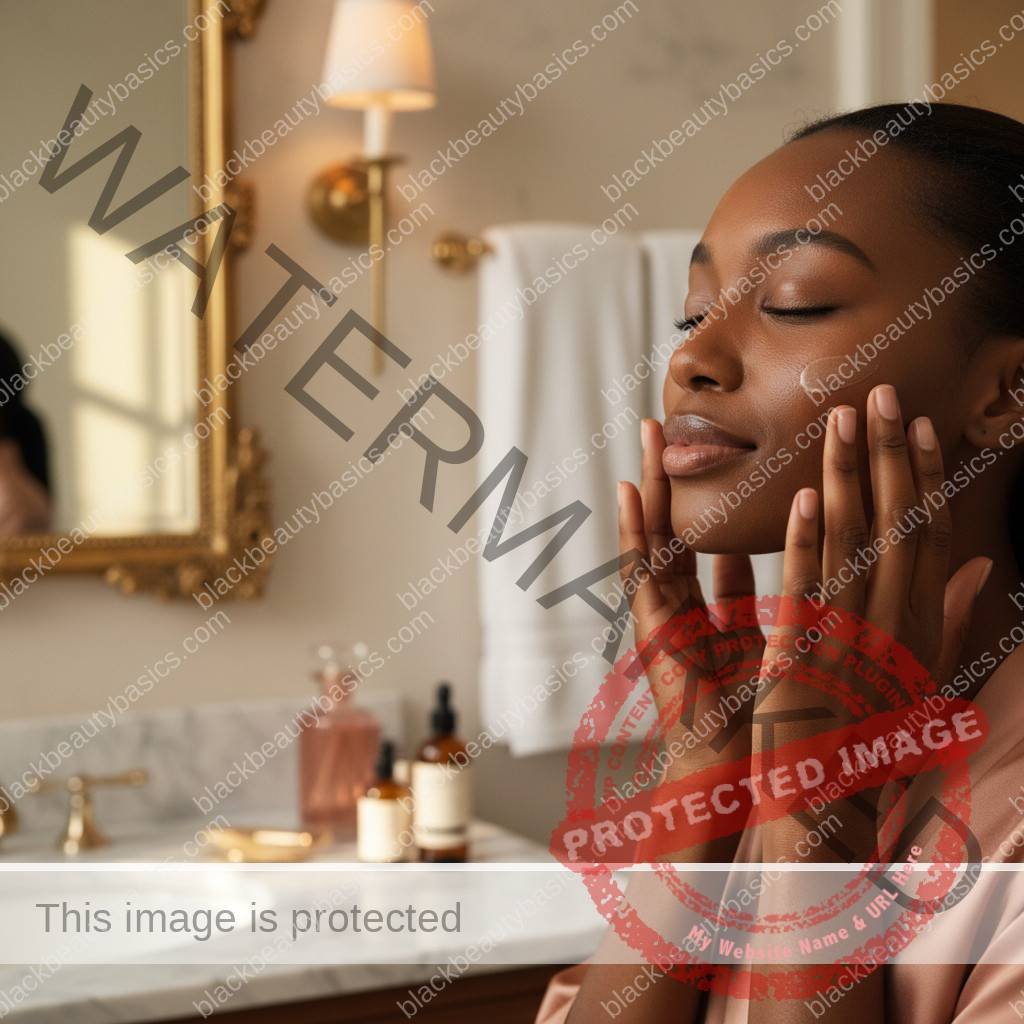
Warmth is an incredibly potent self-soothing agent. It signals safety, relaxation, and comfort to our bodies, helping to release tension and promote a sense of ease. Incorporating warmth into your beauty rituals can transform them into deeply restorative experiences. One of the most accessible ways to do this is through warm towels. Imagine draping a warm, damp towel over your face before cleansing, allowing the gentle heat to relax your facial muscles and open your pores. This simple act can instantly melt away tension, preparing your skin for treatment and your mind for a moment of peace.
The ritual of a steamy shower or bath is another powerful example. The enveloping warmth of the water, combined with the rising steam, creates a cocoon-like environment that can be incredibly regulating. The steam itself is beneficial for the skin, helping to hydrate and prepare it for product absorption. But beyond the physical benefits, the sensory experience of warmth and steam can help to quiet a racing mind, reduce feelings of anxiety, and foster a sense of containment. For those who find comfort in heat, a warm foot soak with essential oils can also be a deeply grounding ritual, especially after a long day. The warmth penetrates deep into the muscles, releasing tension and promoting overall relaxation, anchoring you firmly in the present moment.
Scent as an Emotional Anchor: Curating Your Olfactory Sanctuary
Our sense of smell is intimately connected to memory and emotion, making scent an incredibly powerful tool for self-soothing. A particular fragrance can instantly transport us to a different time or place, evoke a specific feeling, or simply signal comfort and calm. However, it’s crucial to acknowledge that individual preferences for scent vary widely. What is soothing for one person might be overwhelming or irritating for another. Some individuals find deep comfort in rich, complex fragrances, while others prefer subtle, natural aromas, or even completely unscented products due to sensitivities.
For those who are soothed by fragrance, incorporating intentionally chosen scents into beauty rituals can create powerful emotional anchors. This could be a body butter with a calming lavender or chamomile scent, a facial mist infused with rosewater, or a shower gel with uplifting citrus notes. The key is to select scents that genuinely resonate with you and evoke positive feelings. The act of inhaling these chosen aromas during your routine—whether it’s while applying lotion, lighting a candle, or using a diffuser—can help to ground you, shift your mood, and create a consistent signal of self-care and peace. For those who prefer unscented products, the absence of strong fragrance can itself be a soothing experience, allowing for a focus on other sensory inputs without olfactory overload.
The Subtle Influence of Sound and Visual Softness
While often less directly integrated into beauty products themselves, sound and visual elements play a significant role in creating a self-soothing environment for your rituals. The soundscape of your self-care space can profoundly impact your ability to relax and feel grounded. This might mean cultivating quiet lighting, perhaps dimming overhead lights and relying on softer, warmer lamps or even candlelight. Visual softness can also come from the textures and colors in your space—a plush bathmat, soft towels, or calming hues in your decor. These visual cues contribute to an overall atmosphere of tranquility and ease, signaling to your brain that this is a safe and peaceful space.
In terms of sound, consider what helps you feel most regulated. For some, complete silence is key, allowing them to fully immerse in the tactile and olfactory sensations of their ritual. For others, gentle background noise can be comforting—soft instrumental music, ambient nature sounds (like rain or ocean waves), or even the quiet hum of a humidifier. The goal is to eliminate jarring or overstimulating sounds and replace them with auditory input that promotes relaxation. This might involve turning off notifications, closing the bathroom door to minimize household noise, or intentionally playing a soothing playlist. By consciously managing the sound and visual elements of your self-care environment, you create a holistic sensory experience that supports deep relaxation and emotional grounding, transforming your beauty routine into a truly restorative sanctuary.
Building a Sensory Ritual for Overstimulation, Numbness, or Restlessness
The beauty of sensory rituals lies in their adaptability. They can be tailored to address specific emotional states, whether you’re feeling overwhelmed and overstimulated, emotionally flat and disconnected, or restless and agitated. The key is to identify what your body and mind truly need in that moment and then intentionally choose sensory inputs that will help to regulate those feelings. This isn’t about rigid rules, but about intuitive self-attunement and practical application. Building such a ritual involves a thoughtful selection of products, techniques, and environmental elements that create a coherent and comforting experience.
When you’re overstimulated, the goal is often to reduce external input and create a sense of containment and calm. This might involve dimming lights, choosing unscented or very subtle scents, and focusing on firm, grounding touches. If you’re feeling emotionally numb or disconnected, the aim might be to gently awaken the senses, bringing you back into your body with stimulating yet pleasant textures, invigorating scents, and perhaps a slightly more active physical engagement. For restlessness, the ritual might incorporate rhythmic, repetitive motions and sustained pressure to help channel and release pent-up energy. The table below offers a starting point, but remember that your personal preferences are the ultimate guide.
The process of building your ritual is itself a form of self-care. It encourages you to pause, reflect on your needs, and make deliberate choices that honor your well-being. This intentionality transforms routine into ritual, infusing everyday actions with deeper meaning and therapeutic potential. It’s about creating a personalized toolkit of sensory anchors that you can deploy whenever you need to recenter, reconnect, and restore your inner balance.
Tailoring Rituals for Specific States: A Practical Guide
Understanding your current emotional and physical state is the first step in crafting an effective sensory ritual. Here’s how to tailor your approach:
For Overstimulation and Overwhelm
When the world feels too loud, too bright, or too demanding, the nervous system is often in overdrive. The goal here is to create a sense of calm, containment, and reduced sensory input. Focus on:
- Dimmed Lighting: Turn off harsh overhead lights. Use soft lamps, candlelight, or even just natural light if it’s not too bright.
- Subtle or Unscented Products: Avoid strong fragrances that might add to the overload. Opt for unscented lotions, or those with very mild, naturally calming scents like chamomile or pure rosewater.
- Firm, Grounding Touch: Engage in slow, deliberate movements. A deep facial massage with a rich balm, or slowly massaging a heavy body cream into your limbs, can provide comforting pressure.
- Warmth: A warm, damp cloth over the eyes, a warm bath, or a steamy shower can create a soothing, enveloping sensation.
- Quiet: Minimize external noise. This might mean putting on noise-canceling headphones, or simply enjoying the silence.
- Texture: Focus on soft, plush textures like a thick robe, a soft towel, or a smooth, cool stone roller.
Example Ritual: A warm, dim-lit bath with unscented bath salts. Afterwards, apply a thick, unscented body butter with slow, firm strokes, focusing on areas of tension. Finish with a gentle lip balm, feeling the protective layer on your lips.
For Numbness, Disconnection, or Emotional Flatness
When you feel detached, unmotivated, or emotionally flat, the aim is to gently re-engage your senses and bring you back into your body without overwhelming it. This is about awakening, not shocking, the system.
- Invigorating yet Gentle Scents: Choose uplifting but not overpowering scents like citrus (lemon, grapefruit), peppermint, or rosemary. These can help to stimulate the senses and clear the mind.
- Varied Textures: Incorporate textures that provide pleasant stimulation. A gentle exfoliating scrub (sugar or coffee-based) can awaken the skin. The cool sensation of a jade roller followed by the warmth of a rich moisturizer can create interesting, grounding contrasts.
- Rhythmic, Engaging Touch: Scalp oiling with a stimulating oil (like peppermint or tea tree) and a gentle massage can be incredibly awakening and grounding. Focus on rhythmic, repetitive motions.
- Controlled Visual Stimulation: Use brighter, but still soft, lighting. Perhaps a brightly colored, yet soft, towel.
- Sound: Upbeat but not jarring music, or even an inspiring podcast, can help to shift your mood and bring you back to the present.
Example Ritual: A stimulating scalp oil massage with peppermint oil, followed by a warm shower. Use a gentle body scrub to awaken the skin, then apply a citrus-scented body lotion with invigorating, rhythmic strokes. Finish with a bright, hydrating lip gloss.
For Restlessness and Agitation
When you feel fidgety, agitated, or unable to settle, the goal is to channel that energy into a productive, calming physical activity. This often involves sustained pressure and repetitive motions.
- Sustained Pressure: Focus on products that provide a sense of weight or deep pressure. A thick, heavy body cream or oil, massaged deeply into the muscles, can be very grounding.
- Rhythmic, Repetitive Motions: The act of slow, deliberate hair brushing, or the repetitive motion of applying a product with a tool (like a facial roller or Gua Sha), can help to channel restless energy.
- Warmth and Containment: A warm bath or shower, or wrapping yourself in a warm, heavy robe, can provide a sense of being held and contained, which helps to calm agitation.
- Earthy or Grounding Scents: Scents like sandalwood, cedarwood, frankincense, or vetiver can promote a sense of stability and calm.
- Focus on Extremities: A foot massage with a rich balm, or a hand massage, can be very effective in grounding restless energy, as these areas are rich in nerve endings and often hold tension.
Example Ritual: A warm foot soak with Epsom salts. Follow with a deep foot and leg massage using a rich, earthy-scented body balm. Brush your hair slowly and deliberately, focusing on the sensation of the bristles against your scalp. Finish by applying a thick hand cream, massaging each finger individually.
Sensory Need, Beauty Ritual Option, and Why It May Help
Here’s a simple table to guide your choices:
| Sensory Need | Beauty Ritual Option | Why It May Help |
|---|---|---|
| Overwhelmed/Overstimulated | Warm facial compress with unscented cloth, followed by gentle facial oil massage. | Warmth and gentle pressure provide containment; unscented focus reduces input; slow touch grounds. |
| Numb/Disconnected | Scalp oiling with stimulating essential oil (e.g., peppermint) and vigorous massage. | Invigorating scent and active massage awaken senses and bring awareness to the body. |
| Restless/Agitated | Deep body oiling with rich, earthy-scented balm, focusing on long, firm strokes. | Sustained pressure and rhythmic motion channel energy; earthy scent grounds and calms. |
| Anxious/Tense | Warm bath with calming essential oils (e.g., lavender), followed by soft towel wrap. | Enveloping warmth relaxes muscles and signals safety; calming scent reduces anxiety; soft texture soothes. |
| Fatigued/Drained | Cool eye mask or roller, followed by hydrating facial mist. | Coolness invigorates and reduces puffiness; mist provides refreshing sensory burst. |
| Unsettled/Scattered | Lip care ritual: scrub, balm, and mindful application. | Focus on a small, contained area brings concentration; tactile sensations are grounding. |
| Irritable/Impatient | Hand massage with rich cream, focusing on each finger and palm. | Slow, deliberate touch forces pause; rich texture provides comfort; redirects energy. |
How to Keep the Ritual Comforting Instead of Overwhelming
The very essence of a self-soothing sensory ritual is to provide comfort, not to add another layer of stress or overwhelm to your day. It’s easy to fall into the trap of thinking “more is better” or to feel pressured to perform a perfect, elaborate ritual. However, the most effective rituals are often the simplest, most accessible, and most attuned to your current energy levels and needs. The goal is gentle regulation, not rigid adherence to a complex regimen. This means being mindful of your sensory preferences, respecting your energy boundaries, and always prioritizing ease and enjoyment over perceived perfection.
One of the primary ways to prevent overwhelm is to start small. You don’t need an hour-long spa experience to reap the benefits of sensory self-soothing. A two-minute lip balm application, a five-minute hand massage, or a quick warm facial compress can be profoundly effective. The consistency and intentionality behind these small acts are far more important than their duration or complexity. Remember, the purpose is to create a moment of grounded presence, not to add another item to your to-do list. If a ritual feels like a chore, it defeats its own purpose. It should feel like a gentle invitation to return to yourself.
Furthermore, it’s vital to be attuned to your individual sensory sensitivities. What one person finds calming, another might find irritating. For example, while many find strong fragrances soothing, others are highly sensitive and can be easily overwhelmed by them. Similarly, some prefer firm pressure, while others prefer a lighter touch. There is no universal “right” way to engage your senses for self-soothing. The most comforting ritual is the one that genuinely resonates with your unique body and preferences, allowing you to feel safer, more contained, and more regulated without any added strain.
Listening to Your Body: The Ultimate Guide
Your body is your most reliable guide when it comes to sensory self-soothing. It will tell you what feels good, what feels neutral, and what feels overwhelming. The practice of listening to your body involves tuning into subtle cues and sensations without judgment. Before engaging in a ritual, take a moment to check in: How do I feel right now? What does my body need? Am I craving warmth or coolness? Strong scent or none at all? Firm pressure or gentle touch?
- Pay Attention to Reactions: As you engage in a ritual, notice how your body responds. Does a particular scent make you feel more relaxed or more agitated? Does a certain texture feel comforting or irritating? If something doesn’t feel right, stop or adjust. There’s no need to push through discomfort in the name of self-care.
- Respect Your Energy Levels: Some days, you might have the energy for a full body oiling ritual. Other days, simply applying a lip balm with intention might be all you can manage. Both are valid and effective. The goal is to meet yourself where you are, not to force a ritual when your energy is low.
- Adjust as Needed: Your sensory preferences might change from day to day, or even hour to hour, depending on your stress levels, environment, and mood. Be flexible and willing to adapt your rituals. What soothed you yesterday might not be what you need today. This adaptability is a sign of self-awareness and self-compassion.
Listening to your body transforms self-soothing from a prescriptive task into an intuitive dance, ensuring that your rituals remain a source of genuine comfort and support.
Avoiding Sensory Overload: Less Can Be More
The paradox of sensory self-soothing is that while we’re engaging the senses, we must also be mindful of not overstimulating them. For individuals who are already feeling overwhelmed, adding too many sensory inputs at once can exacerbate feelings of anxiety or agitation. This is where the principle of “less is more” becomes crucial.
- Focus on One or Two Senses: Instead of trying to engage all five senses simultaneously, choose one or two that feel most appealing and grounding in the moment. Perhaps today it’s just about the warmth of a bath and the feel of a rich cream. Tomorrow, you might add a subtle scent.
- Control Intensity: If you’re using scented products, opt for subtle, natural aromas rather than overpowering synthetic fragrances. If you’re using sound, keep the volume low. If you’re using light, dim it. The aim is gentle engagement, not bombardment.
- Create a Dedicated Space: If possible, designate a small area for your rituals that is free from clutter and distractions. A clean, organized space can reduce visual overwhelm and create a more peaceful environment for your senses to relax.
- Be Mindful of Product Choices: For some, a minimalist approach to products can be less overwhelming. Choose a few high-quality, multi-tasking products that you love, rather than feeling pressured to use a vast array of different items.
By consciously curating your sensory experience and simplifying where necessary, you ensure that your self-soothing rituals remain a source of calm and regulation, rather than an additional source of stress. The elegance of these rituals lies in their thoughtful simplicity and their profound ability to bring you back to a state of inner peace.
Small Sensory Rituals for Mornings, Evenings, and In-Between Moments
The beauty of sensory self-soothing is that it doesn’t require a significant time commitment or elaborate preparation. Even the smallest, most intentional acts can create powerful shifts in your emotional and physiological state. For Black women navigating busy lives, integrating these micro-rituals into existing routines or finding brief moments throughout the day can be a game-changer. The key is consistency and intentionality, transforming mundane tasks into mindful anchors that ground you in the present.

These small rituals are particularly effective because they are accessible when energy is low, time is scarce, or motivation is fleeting. They offer quick, yet profound, opportunities to check in with yourself, regulate your nervous system, and reclaim a sense of inner peace. Whether you’re starting your day, winding down, or needing a quick reset, there’s a sensory ritual that can fit seamlessly into your life. It’s about recognizing that self-care isn’t just a grand gesture, but a collection of small, deliberate acts of kindness towards yourself.
The power of these micro-rituals lies in their ability to create consistent, positive sensory input. Over time, these repeated actions can train your nervous system to associate certain sensations with calm and safety. They become reliable anchors that you can turn to whenever you feel yourself drifting into stress, overwhelm, or disconnection. This section offers practical, easy-to-implement ideas for integrating sensory self-soothing throughout your day, proving that profound well-being is often found in the simplest of moments.
Morning Rituals: Setting a Grounded Tone for the Day
Starting your day with intentional sensory input can set a powerful tone, helping you feel more grounded and prepared for whatever lies ahead. These rituals don’t need to be long; even five minutes can make a difference.
- Warm Facial Compress & Gentle Cleansing: Instead of splashing cold water, begin by holding a warm, damp cloth to your face for 30-60 seconds. Inhale deeply. Then, slowly and gently massage your cleanser into your skin, feeling the texture and the warmth of your hands. This awakens the skin and senses without shock.
- Scented Body Lotion/Oil Application: After your shower, take an extra minute to mindfully apply your body lotion or oil. Choose a scent that feels uplifting but not overpowering (e.g., a light citrus or herbal blend). Focus on the sensation of your hands gliding over your skin, providing gentle pressure. This creates a protective, comforting layer for the day.
- Lip Care Ritual: Before applying any makeup, take a moment for your lips. Apply a nourishing lip balm or oil with your fingertip, feeling the texture and the subtle pressure. This small act of care brings focus to a sensitive area and can be surprisingly grounding.
- Hair Brushing/Scalp Massage: If your hair is dry, a slow, deliberate brushing can be meditative. For those with textured hair, a gentle scalp massage with a light oil can stimulate circulation and provide a comforting, awakening sensation. Focus on the rhythmic strokes and the feel of the brush or your fingertips.
These morning rituals are about signaling to your body and mind that you are worthy of gentle care and intentional presence, even before the demands of the day begin.
Evening Rituals: Winding Down and Releasing the Day
Evening rituals are crucial for transitioning from the day’s activities to a state of rest and rejuvenation. They help to release accumulated tension and prepare your body and mind for sleep.
- Steamy Shower/Bath with Calming Scents: End your day with a warm, steamy shower or bath. Use a body wash with a calming scent like lavender, chamomile, or sandalwood. Allow the warmth and steam to envelop you, melting away physical and mental tension. Focus on the feel of the water on your skin.
- Slow Body Oiling/Moisturizing: After your bath or shower, take your time applying a rich body oil or cream. Use slow, deliberate strokes, paying extra attention to areas that feel tense (shoulders, neck, feet). The sustained pressure and nourishing texture signal deep relaxation.
- Foot Soak & Massage: If a full bath isn’t possible, a warm foot soak with Epsom salts can be incredibly grounding. Afterwards, massage your feet with a rich balm, focusing on pressure points. This helps to release tension held in the extremities.
- Quiet Lighting & Ambient Sound: As you perform your evening skincare routine, dim the lights in your bathroom or bedroom. Consider playing soft, instrumental music or nature sounds. This visual and auditory softness signals to your nervous system that it’s time to wind down.
- Lip Mask/Overnight Treatment: Before bed, apply a thick, occlusive lip mask. The feeling of the protective layer on your lips can be very comforting and provides a subtle, sustained sensory input as you drift to sleep.
These evening rituals are an invitation to shed the day’s burdens and embrace a state of deep rest, ensuring you wake up feeling more refreshed and centered.
In-Between Moments: Quick Resets for Overload or Disconnection
Life happens, and sometimes you need a quick reset in the middle of the day. These micro-rituals are designed to be performed discreetly and efficiently, offering a rapid return to presence and calm.
- Hand Cream Ritual: Keep a luxurious, richly textured hand cream at your desk or in your bag. When feeling stressed or disconnected, apply a generous amount, slowly massaging it into your hands, each finger, and your cuticles. Focus on the scent and the sensation of the cream absorbing. This is a discreet yet powerful grounding technique.
- Facial Mist Moment: A hydrating facial mist can offer an instant sensory reset. Choose one with a subtle, refreshing scent (like rosewater or cucumber). Close your eyes, spritz generously, and take a deep breath, focusing on the cool, fine mist on your skin.
- Lip Balm Application: The simple act of mindfully applying lip balm can be a powerful anchor. Feel the pressure, the texture, and the subtle scent. This small, contained action brings your focus back to your body.
- Scalp Massage (Quick): If you wear your hair in a style that allows, a quick, gentle scalp massage with your fingertips for 30 seconds can release tension and bring you back into your body.
- Warm Drink & Mindful Sip: While not strictly a beauty ritual, holding a warm mug of tea or water and mindfully sipping it, focusing on the warmth and taste, can be a profound sensory anchor during a busy day.
These in-between moments are about recognizing your need for a pause and giving yourself permission to briefly step away from external demands to reconnect with your inner self, using the power of everyday sensory experiences.
How to Navigate This Topic
Approaching the concept of sensory beauty rituals for self-soothing requires a mindset of openness, curiosity, and self-compassion. This isn’t about finding a quick fix or adhering to a rigid set of instructions; it’s about embarking on a personal journey of discovery, learning what truly resonates with your unique body and nervous system. As an expert beauty editor and self-care content strategist for Black Beauty Basics, my aim is to provide you with a framework and practical tools, but the ultimate authority on what soothes you rests within you.
It’s important to remember that self-soothing is a skill, and like any skill, it improves with practice and self-awareness. There will be days when a ritual feels profoundly effective, and other days when it might not land the same way. This is normal. The goal is not perfection, but consistent, gentle engagement with your own needs. Avoid the trap of comparing your rituals to others or feeling like you need to buy every product mentioned. Start with what you have, experiment with what feels good, and gradually build a repertoire of practices that genuinely support your well-being.
Furthermore, it’s crucial to approach this topic with an understanding that sensory preferences are deeply personal and can evolve. What felt comforting last year might not feel the same today. What soothes a friend might overwhelm you. This is not a flaw; it’s simply a reflection of your unique sensory profile. Embrace this individuality and allow yourself the freedom to explore without judgment. This journey is about cultivating a deeper, more intimate relationship with your body and its wisdom, empowering you to create a self-care practice that is truly your own.
Embrace Experimentation and Personal Preference
The world of sensory experiences is vast and varied, and your personal preferences are the most important compass. What feels luxurious and calming to one person might be irritating or overwhelming to another. This is especially true for scents, where individual sensitivities and associations are highly personal. Don’t be afraid to experiment with different textures, temperatures, pressures, and aromas until you discover what truly resonates with you.
- Start with What You Have: You don’t need to purchase new products to begin. Look at your existing beauty routine. Can you slow down the application of your moisturizer? Can you mindfully inhale the scent of your body wash? Can you take an extra minute to massage your shampoo into your scalp?
- Observe and Adjust: Pay close attention to how different sensory inputs make you feel. Does a warm bath feel more soothing than a cool shower today? Does a rich, creamy texture feel more comforting than a light, gel-like one? If something doesn’t feel right, don’t force it. Adjust your approach until you find what truly brings you ease.
- No Right or Wrong: There is no universal “right” self-soothing ritual. Your unique body and nervous system will tell you what it needs. Trust your intuition and allow your preferences to guide you. This is a journey of self-discovery, not a checklist to complete.
Beyond the Product: The Power of Intentionality
While beauty products are the vehicles for many of these sensory experiences, the true power of these rituals lies not in the product itself, but in the intentionality and presence you bring to the act. A simple, affordable lotion applied with mindful attention can be far more soothing than a high-end cream slathered on mindlessly.
- Focus on the Process: Shift your attention from the outcome (e.g., perfectly moisturized skin) to the process itself (e.g., the feeling of the cream, the warmth of your hands, the rhythmic motion). This emphasis on the present moment is what transforms a routine into a ritual.
- Engage All Relevant Senses: As you apply a product, consciously engage your senses. Feel its texture, notice its scent (or lack thereof), observe its visual appeal, and even listen to the subtle sounds of application. This multi-sensory engagement deepens the grounding effect.
- Create a Sacred Space: Even if it’s just your bathroom, try to create an environment that supports your ritual. Dim the lights, play soft music, or ensure it’s clean and uncluttered. This signals to your brain that this is a dedicated time for self-care.
- Practice Self-Compassion: There will be days when you don’t have the time or energy for an elaborate ritual, or when your mind wanders. That’s perfectly okay. Simply return to your intention with kindness, and know that even a few seconds of mindful engagement can make a difference.
By embracing experimentation, honoring personal preferences, and prioritizing intentionality, you can transform your beauty routines into powerful, personalized sensory rituals that consistently support your emotional well-being and bring a deeper sense of calm and presence to your life.
Where to Go Next
As you deepen your understanding and practice of sensory beauty rituals, remember that this is just one facet of a rich and holistic approach to self-care and well-being. Black Beauty Basics is dedicated to providing comprehensive resources that honor your unique needs and experiences. To continue your journey of self-discovery and empowerment, explore these related topics and articles:
- For a broader perspective on integrating self-care into your life, delve into our main hub for Self-Care Rituals and Black-Owned Beauty.
- If you’re looking for ways to quickly re-center during overwhelming days, our guide on Reset Routines for Overloaded Days offers practical strategies.
- For those moments leading up to important events, discover how to build confidence and calm with Pre-Event Rituals for Anxiety and Confidence.
- Explore the deeply grounding experience of caring for your hair with Wash Day Rituals for Textured Hair and Emotional Reset.
- To understand the foundational elements of healthy skin, especially for melanin-rich tones, read about Barrier Repair and Moisture Balance.
- For a deeper dive into the emotional and cultural significance of beauty rituals, explore our cluster hub on Beauty Rituals and Emotional Wellbeing.
- And for a critical look at technology in beauty, particularly its implications for Black women, consider reading Beauty and Skin Age Apps: How Bias Shows Up for Black Women.
Each of these resources is designed to empower you with knowledge and practical tools, fostering a holistic approach to your beauty and well-being journey. Continue to explore, learn, and cultivate practices that honor your unique self.
Quick Principles
To distill the essence of sensory beauty rituals for self-soothing, here are the core principles to guide your practice:
- Body First, Mind Follows: Acknowledge that physical sensations can calm the nervous system more effectively than purely mental efforts, especially when stressed or overwhelmed.
- Personalized Preferences: Your sensory needs are unique. What soothes one person may not soothe another. Experiment with different textures, scents, temperatures, and pressures to find what resonates with you.
- Intentionality Over Complexity: The power lies in conscious, mindful engagement, not in elaborate or expensive routines. Even a two-minute ritual performed with presence can be profoundly effective.
- Listen to Your Body: Pay attention to how your body responds to different sensations. Adjust your rituals based on your current energy levels, mood, and sensitivities.
- Less Can Be More: Avoid sensory overload. Sometimes focusing on one or two senses with gentle input is more calming than trying to engage all senses at once.
- Anchors, Not Distractions: These rituals are about grounding you in the present moment through tangible sensations, helping to regulate your nervous system and foster a sense of safety and containment.
- Consistency is Key: Small, regular acts of sensory self-care build resilience over time. Integrate micro-rituals into your mornings, evenings, and in-between moments.
- Cultivate a Sanctuary: Create an environment that supports your rituals, using soft lighting, calming sounds, and minimal clutter to enhance the soothing experience.
- Self-Compassion Always: There’s no right or wrong way to do this. Be kind to yourself on your journey of discovery and allow your rituals to evolve with your needs.
Frequently Asked Questions
What exactly are sensory beauty rituals for self-soothing?
Sensory beauty rituals are intentional beauty practices that engage your senses—touch, smell, sight, sound, and sometimes even taste (like lip balms)—to help calm your nervous system, reduce stress, and promote a sense of grounding and well-being. They transform routine tasks into mindful moments of self-care, using the physical sensations of products and environment to foster inner peace.
Why might these rituals be more effective than traditional self-care methods like meditation for some people?
For many, especially when feeling overwhelmed or disconnected, abstract mental exercises like meditation can be challenging because the mind is racing or the body is tense. Sensory rituals work by engaging the body’s more primal responses to physical input, providing direct cues of safety and comfort that can help regulate the nervous system from the “bottom up,” often calming the body before the mind can follow.
How do I know what sensory inputs will be most soothing for me?
Discovering what soothes you is a personal journey of experimentation and self-awareness. Pay attention to how different textures, scents, temperatures, and pressures make you feel. Do you prefer firm pressure or light touch? Are you soothed by warm, earthy scents or prefer unscented products? Your body will provide the best guidance, so listen to its responses without judgment.
Can I integrate these rituals even if I have very little time or low energy?
Absolutely. The beauty of sensory rituals is their adaptability. Even a two-minute mindful application of lip balm, a quick hand massage with lotion, or holding a warm, damp cloth to your face can be profoundly effective. The key is intentionality and presence, not duration or complexity. Start small and build from there, honoring your current energy levels.
Are there any specific products or ingredients that are universally recommended for sensory soothing?
While there are no universally recommended products due to individual preferences, look for products with rich, luxurious textures (like thick body butters or oils), calming scents (lavender, chamomile, sandalwood, or unscented options), and those that facilitate gentle massage. The focus should be on how the product feels and smells to you, rather than specific ingredients.
How can I make sure my sensory ritual doesn’t become another source of stress or overwhelm?
To prevent overwhelm, keep your rituals simple, listen to your body, and don’t force anything that doesn’t feel right. Focus on one or two senses at a time, control the intensity of inputs (e.g., dim lights, subtle scents), and prioritize ease over perfection. Remember, the goal is comfort and regulation, not adding another item to your to-do list.
Can these rituals help with feelings of numbness or disconnection, not just stress?
Yes, sensory rituals can be very effective for feelings of numbness or disconnection. By gently re-engaging your senses through pleasant textures, invigorating (but not overwhelming) scents, and active, rhythmic touch, these rituals can help to bring you back into your body and foster a sense of presence and connection, awakening your senses without causing overload.
INTERNAL LINKING OPPORTUNITIES
Beauty Rituals and Emotional Wellbeing
Self-Care Rituals and Black-Owned Beauty
Reset Routines for Overloaded Days
Pre-Event Rituals for Anxiety and Confidence
Wash Day Rituals for Textured Hair and Emotional Reset
Barrier Repair and Moisture Balance
Self-Care Rituals and Black-Owned Beauty
Beauty and Skin Age Apps: How Bias Shows Up for Black Women
Related next steps
Related posts:
 Self-Love Workbook for Women | Release Self-Doubt & Embrace Your True Self
 Self-Love Journal for Women: Boost Confidence, Self-Worth, and Self-Care
 Black-Owned Luxury & Prestige Beauty Brands to Build Rituals Around
 Reset Routines for Overloaded Days: Finding Calm in the Chaos
 Pre-Event Rituals for Anxiety & Confidence
 Wash-Day Rituals for Textured Hair & Emotional Reset