Who Gets to Be the “Luxury” Beauty Customer?
For many Black women, the world of luxury beauty can feel like a beautifully curated, exquisitely scented, yet subtly gated community. We’ve all been there: the allure of a shimmering new serum, the promise of an exclusive fragrance, or the desire for a truly bespoke skincare experience. We arrive with our discerning tastes, our hard-earned resources, and our inherent elegance, ready to indulge in the prestige that these brands purport to offer. Yet, too often, the experience is marred by a silent, unsettling question that hangs in the air: Am I truly seen as a deserving customer here?
This isn’t about mere price tags or the ability to purchase. It’s about something far more profound: the unspoken assumptions, the visual cues, the quality of service, and the very narrative of who is imagined as the ideal luxury consumer. It’s about walking into a high-end boutique or department store beauty counter, ready to explore, and being met with a subtle skepticism, a hurried dismissal, or an almost imperceptible shift in demeanor from staff that suggests you are an anomaly, rather than an anticipated, valued patron. This phenomenon isn’t imagined; it’s a lived reality for countless Black women navigating spaces that claim to be inclusive but often fall short in practice.
At Black Beauty Basics, we understand that luxury is not just a product; it’s an experience, a feeling of belonging, and a recognition of one’s inherent worth. When that recognition is absent, when the visual representation on glossy ads doesn’t reflect our diverse beauty, or when the service we receive is less than stellar, it diminishes the entire concept of luxury. This article delves into the often-unspoken dynamics that determine “who gets to be the luxury beauty customer,” dissecting how race, shade, texture, presentation, class signaling, and in-store treatment collectively shape the prestige beauty experience for Black women. We will explore how luxury, at its heart, should be about dignity, respect, and an unwavering affirmation of your presence, not a constant negotiation for it.
What This Post Covers
This comprehensive exploration aims to illuminate the multifaceted ways in which the luxury beauty industry often defines, consciously or unconsciously, its ideal customer, and how these definitions impact Black women. We will dissect the layers of exclusion, subtle and overt, that can make engaging with prestige beauty a complex endeavor. Our journey will cover the foundational understanding of luxury beyond mere cost, examining the visual narratives that perpetuate narrow ideals of beauty, and scrutinizing how the quality of service, shade range availability, and in-store interactions serve as potent signals of belonging or exclusion.
Furthermore, we will delve into the insidious roles of colorism, texturism, and class coding, revealing how these societal biases are often mirrored and amplified within luxury retail environments, influencing who is perceived as “fitting in.” We will articulate the emotional weight of experiencing subtle exclusion, even when no explicit words are spoken, and envision what a truly equitable and honest luxury standard would entail—one that genuinely embraces and celebrates the diverse beauty of Black women. Finally, we will offer practical guidance on navigating these spaces and provide quick principles for empowerment, ensuring that your pursuit of luxury beauty is always on your terms.
Why Luxury in Beauty Is About More Than Price Tags
The conventional understanding of luxury often begins and ends with a high price tag. A product costs more, therefore it is luxury. While cost is certainly a component, it is a superficial one that fails to capture the true essence of what makes something luxurious, especially in the realm of beauty. For Black women, and indeed for any discerning consumer, luxury transcends mere expense. It embodies a holistic experience rooted in quality, exclusivity, craftsmanship, thoughtful design, exceptional service, and, crucially, a profound sense of belonging and recognition.
Consider the difference between a mass-produced item and a meticulously crafted one. The luxury item often boasts superior ingredients, innovative formulations, sustainable sourcing, and an attention to detail that speaks to a heritage of excellence. It’s not just about what the product does, but how it’s made, the story it tells, and the values it represents. This commitment to excellence extends beyond the physical product to the entire brand ecosystem. Luxury brands often invest in research and development, ensuring their offerings are at the forefront of scientific advancement or traditional wisdom, delivering tangible results that justify their premium positioning.
Beyond the tangible, true luxury in beauty offers an intangible value: an elevation of the everyday into a ritual. It transforms a routine task into a moment of self-care, indulgence, and pleasure. The packaging is exquisite, the scent is captivating, the texture is sublime. These sensory elements contribute to an overall experience that feels special, exclusive, and deeply personal. It’s about the feeling of pampering, of treating oneself to something truly exceptional that nourishes not just the skin or hair, but also the spirit. This is where the emotional resonance of luxury truly shines, creating a connection between the consumer and the brand that goes beyond transactional exchange.
However, for Black women, this emotional connection can be fractured when the “luxury” experience is undermined by a lack of recognition or respect. If a product is expensive but lacks suitable shades for deeper skin tones, or if the customer service is dismissive, the inherent value of the luxury proposition crumbles. The feeling of being an afterthought, or worse, an intruder, negates the very essence of exclusivity and bespoke attention that luxury promises. Therefore, for Black women, luxury is inextricably linked to being seen, understood, and celebrated within these spaces, rather than simply tolerated or ignored. It’s about the dignity of the interaction, the confidence that your needs will be met, and the assurance that your presence is not only welcomed but valued as a key part of the luxury narrative.
The Intangible Elements of True Luxury
- Quality and Craftsmanship: Luxury implies superior ingredients, meticulous formulation, and often, artisanal production methods that result in unparalleled efficacy and sensory delight. It’s about products designed to perform exceptionally and last.
- Exclusivity and Rarity: While not always about limited editions, luxury often conveys a sense of specialness, of being part of a select group who appreciates and can access these elevated offerings. This can be through unique ingredients, innovative technology, or limited distribution.
- Exceptional Service: This is a cornerstone of luxury. It means personalized attention, knowledgeable staff, a welcoming atmosphere, and a genuine desire to meet the customer’s needs with grace and efficiency. It’s about feeling cared for and understood.
- Brand Story and Heritage: Many luxury brands have rich histories, compelling narratives, or a commitment to specific values (e.g., sustainability, ethical sourcing) that resonate deeply with consumers and add to the perceived value of their products.
- Emotional Resonance and Self-Worth: Ultimately, luxury provides a feeling. It’s the feeling of indulgence, confidence, self-care, and being valued. For Black women, this feeling is amplified when it comes from a space that genuinely embraces and affirms their beauty and presence.
The Visual Story: Who Prestige Beauty Usually Imagines First
Before a single word is exchanged or a product is even touched, the visual landscape of prestige beauty tells a powerful story about who belongs and who is merely an observer. From glossy magazine spreads to elaborate in-store displays, from brand websites to social media campaigns, the imagery deployed by luxury beauty brands acts as a primary gatekeeper, subtly but effectively defining the “ideal” customer. And for far too long, this ideal has been overwhelmingly narrow, predominantly featuring light-skinned, often Eurocentric, models.
When Black women consistently see themselves marginalized or entirely absent from these visual narratives, it sends a clear and painful message: this luxury isn’t for you. It suggests that our beauty, our skin tones, our hair textures, and our unique features are not the standard of aspiration, nor are they the primary focus of these high-end formulations. This visual exclusion isn’t just an oversight; it’s a strategic choice, whether conscious or unconscious, that perpetuates a long-standing bias within the beauty industry. It reinforces the notion that luxury, by default, is reserved for a particular aesthetic, leaving Black women to feel like outsiders looking in.
The impact of this visual scarcity is profound. It can erode self-esteem, foster a sense of alienation, and make the act of seeking out luxury beauty feel like an act of defiance rather than a simple indulgence. Imagine wanting to invest in a premium foundation, only to find that every model showcasing the product has a skin tone significantly lighter than your own. How are you to accurately gauge the shade, or even feel confident that the brand has considered your complexion at all? This lack of representation isn’t just about marketing; it’s about product development, shade range inclusion, and a fundamental understanding of the diverse beauty landscape.
Furthermore, when Black women are featured, the representation can sometimes feel tokenistic or stereotypical. Are they always depicted in a certain way, fulfilling a pre-defined “role” rather than showcasing the full spectrum of Black womanhood? Is their hair always straightened, or their features softened to fit a more conventional beauty ideal? Authentic representation means celebrating the richness of our diverse hair textures—from coily to kinky to locs—and the myriad of our skin tones, from rich ebony to warm caramel, without compromise or homogenization. It means seeing Black women depicted as sophisticated, powerful, elegant, and deserving of the finest, not just as an afterthought or a diversity quota.
The visual story is the first impression, the silent ambassador of a brand’s values. When that story consistently overlooks or misrepresents Black women, it communicates a profound lack of understanding and respect. True luxury should be aspirational for all, reflecting a world where every woman’s beauty is celebrated and catered to, not just a select few. Until prestige beauty fully embraces and authentically portrays the multifaceted beauty of Black women in its core messaging, the question of “who gets to be the luxury customer” will remain a poignant and often exclusionary one.
The Subtle Messages of Visual Exclusion
- Limited Shade Ranges: The most glaring visual signal of exclusion is often the lack of foundation, concealer, or even complexion powder shades suitable for deeper skin tones. When the darkest shade is a medium beige, it screams, “We didn’t consider you.”
- Homogenous Model Casting: Consistently featuring only light-skinned models, or a single Black model who fits a very specific, often Eurocentric, beauty standard, reinforces a narrow ideal of luxury beauty. This lack of diversity in skin tone, hair texture, and facial features sends a message about who the primary target audience is.
- Hair Texture Bias: A common issue is the absence of models with natural, coily, or kinky hair textures in hair care or general beauty campaigns. This implies that only certain hair types are deemed “luxurious” or desirable, overlooking the rich diversity of Black hair.
- Lack of Cultural Context: When Black women are depicted, is it in a way that feels authentic and culturally resonant, or does it feel like a generic attempt at inclusion that lacks genuine understanding of our unique beauty expressions and styles?
- Packaging and Product Design: While less direct, even the aesthetic of packaging can subtly communicate. Does it feel universally elegant, or does it lean into aesthetics that might not resonate with or feel designed for a diverse audience?
Service, Shade Range, and Store Treatment as Luxury Signals
Beyond the visual narratives, the tangible experience within a luxury beauty environment—encompassing customer service, product availability (especially shade ranges), and overall store treatment—serves as a critical set of signals, affirming or denying one’s status as a valued luxury customer. For Black women, these signals are often scrutinized with an acute awareness, born from countless experiences of subtle microaggressions and overt dismissals.
Exceptional customer service is a hallmark of true luxury. It implies a personalized, attentive, and respectful interaction where the customer’s needs are anticipated and met with grace. When a Black woman enters a prestige beauty counter, she expects to be greeted warmly, offered assistance, and treated with the same deference and expertise extended to any other patron. However, the reality can often be starkly different. She might be ignored, met with suspicion, or receive perfunctory service that lacks genuine engagement. The sales associate might assume she’s merely browsing, or worse, that she lacks the purchasing power for the products on display. This disparity in treatment is not just an inconvenience; it’s a direct assault on the luxury experience, transforming a moment of potential indulgence into one of discomfort and alienation.
The availability of an inclusive shade range is perhaps the most concrete and undeniable signal of a brand’s commitment to Black women as luxury customers. For years, Black women have navigated the frustrating landscape of limited foundation and concealer options, often having to mix shades or settle for ill-fitting tones. When a luxury brand launches a new complexion product with only a handful of shades, or with a “dark” range that barely scratches the surface of deeper skin tones, it communicates a clear message: our primary customer is not you. This isn’t just a product gap; it’s a fundamental failure of understanding and respect. A truly luxurious brand would invest the resources and expertise to develop a comprehensive range that caters to the vast spectrum of melanin-rich skin, recognizing that true inclusivity is a non-negotiable aspect of modern luxury.
Store treatment extends beyond individual interactions to the overall ambiance and policies of the retail space. Does the store feel welcoming and accessible to all, or does it project an air of exclusivity that subtly deters certain demographics? Are security personnel overly attentive to Black customers compared to others? Are product samples freely offered, or are they withheld? These seemingly small details coalesce to form a powerful impression. When a Black woman is constantly made to feel as though she needs to “prove” her worthiness to be in a luxury space, or that she is being watched more closely than her white counterparts, the entire premise of a luxurious, stress-free shopping experience collapses. The expectation of being treated as “expected” rather than “exceptional” is a core tenet of true luxury, and its absence for Black women is a glaring deficiency in the prestige beauty landscape.
Ultimately, these elements—service, shade range, and store treatment—are not just practical considerations; they are profound indicators of a brand’s values and its genuine commitment to inclusivity. For Black women, they are the litmus test for whether a luxury beauty brand truly sees them as part of its esteemed clientele, or merely as an untapped market segment to be superficially addressed. Until these signals consistently affirm our presence and worth, the luxury beauty industry will continue to fall short of its own aspirational promises for a significant portion of its potential customer base.
The Litmus Test of Luxury: What to Look For
- Personalized Greeting and Engagement: Does the sales associate make eye contact, offer a warm greeting, and inquire about your needs without immediate assumptions about your budget or intentions? Is the conversation tailored to you, or does it feel generic?
- Knowledgeable and Respectful Consultation: When seeking advice, is the staff genuinely knowledgeable about products suitable for Black skin tones and hair textures? Do they listen attentively to your concerns and offer solutions without condescension or stereotypes?
- Comprehensive Shade and Product Inclusion: Beyond foundation, are there diverse options for concealers, powders, bronzers, and blushes that flatter deeper skin tones? Are hair care products suitable for various Black hair textures prominently displayed and recommended?
- Equitable Treatment in Sampling and Demos: Are you offered samples and demonstrations as readily as other customers? Is there an assumption that you are genuinely interested in trying products, or is there hesitation?
- Absence of Microaggressions: Are you free from subtle slights, dismissive body language, or questions that imply you don’t belong (e.g., “Are you sure you can afford that?” or being followed unnecessarily)?
- Post-Purchase Follow-Up: In truly high-end luxury, there might be a follow-up call or email. Is this extended to Black customers, or is the interaction purely transactional?
| Prestige-Beauty Signal | What It Communicates (Often Unspoken) | Question to Ask Yourself or the Brand |
|---|---|---|
| Visual Representation (Ads, Website) | “This is who we imagine as our primary, aspirational customer.” | Do I see myself, or women who look like me, genuinely celebrated and authentically represented in their core messaging? |
| Shade Range Availability | “We have invested in understanding and catering to diverse skin tones.” | Does this brand offer a truly comprehensive range of shades that includes and flatters my specific skin tone, without requiring me to mix or compromise? |
| In-Store Greeting & Service | “You are a valued potential customer, and we are here to assist you.” | Was I greeted promptly and warmly, and did I feel genuinely welcomed and respected from the moment I entered, or did I feel overlooked or scrutinized? |
| Product Consultation Quality | “Our staff is knowledgeable, unbiased, and committed to finding the best solution for your unique needs.” | Did the consultant listen to my concerns, offer tailored advice relevant to my skin/hair type, and avoid making assumptions based on my appearance? |
| Sampling & Testing Policies | “We trust our customers to explore our products freely and confidently.” | Was I offered samples or the opportunity to test products without hesitation, or did I feel that access was restricted or granted reluctantly? |
| Overall Store Ambiance | “This space is designed for comfort, discovery, and an elevated experience for all.” | Did the environment feel inclusive and luxurious, or did I sense an underlying tension or a subtle message that I might not fully belong? |
How Colorism, Texturism, and Class Coding Shape Who Seems to “Fit”
The concept of “who gets to be the luxury beauty customer” is not a neutral one; it is deeply intertwined with insidious societal biases that manifest even within the seemingly glamorous world of prestige beauty. Colorism, texturism, and class coding are powerful, often unspoken, forces that shape perceptions of beauty, desirability, and economic worth, ultimately influencing who is deemed to “fit” the luxury mold and who is subtly, or overtly, excluded.
Colorism, the prejudice or discrimination against individuals with a darker skin tone, typically among people of the same ethnic or racial group, plays a significant role. Within the Black community, and in wider society, lighter skin tones are often implicitly or explicitly favored, associated with greater beauty, sophistication, and even trustworthiness. In the luxury beauty space, this bias can manifest in several ways. Brands might feature lighter-skinned Black models more prominently, or their shade ranges might extend only to a medium-dark tone, effectively cutting off those with deeper complexions. Sales associates, consciously or unconsciously, might perceive lighter-skinned Black women as more “approachable” or more likely to be legitimate luxury consumers, leading to preferential treatment. This leaves darker-skinned Black women feeling doubly marginalized—first by the broader beauty standards, and then by the very brands that claim to offer premium experiences.
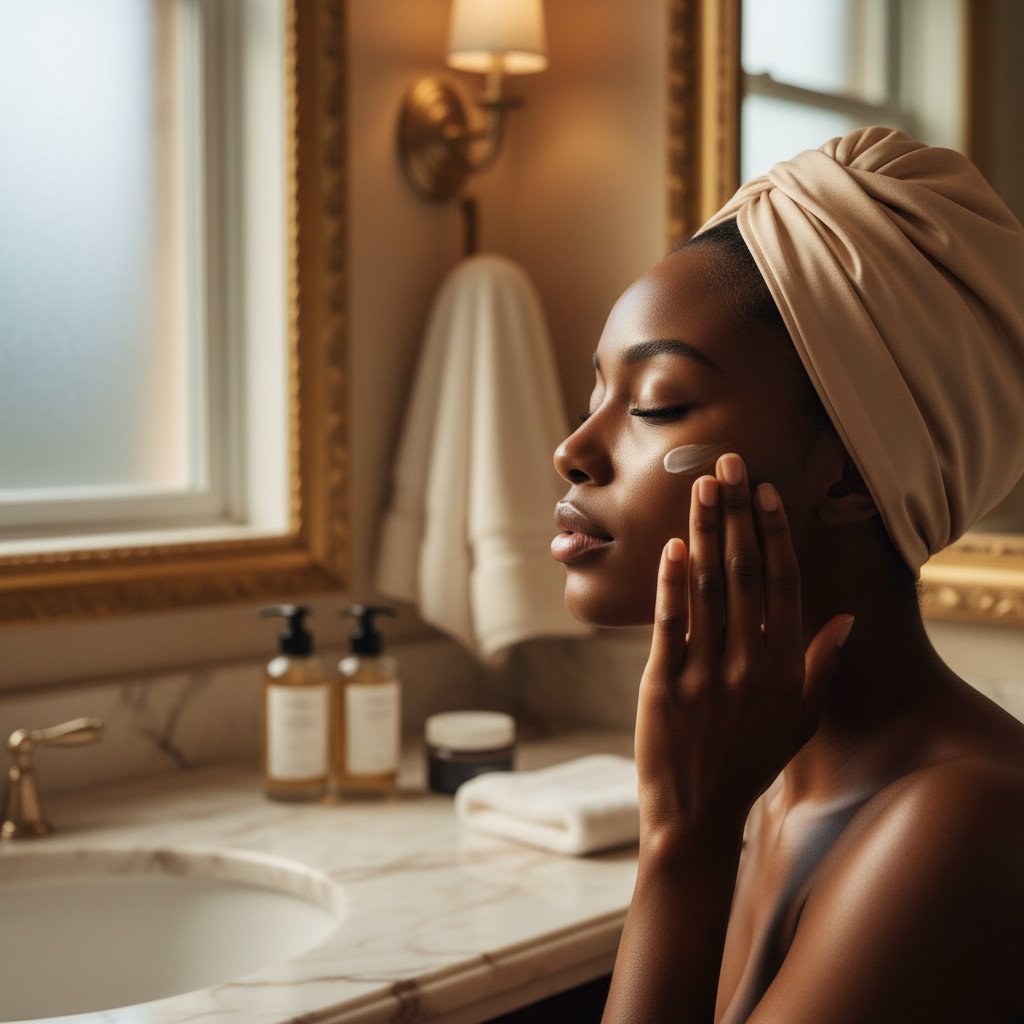
Similarly, texturism—prejudice against individuals based on their hair texture, often favoring straighter or looser curls over coily or kinky textures—shapes perceptions of “luxury hair.” For decades, Black women have been pressured to conform to Eurocentric hair standards, often seeing natural, textured hair deemed “unprofessional” or “unpolished.” In luxury beauty, this translates to a scarcity of high-end hair care products specifically formulated for coily and kinky hair, or a lack of representation of these textures in advertising. When Black women with natural hair enter luxury salons or beauty counters, they might encounter stylists or sales associates who lack knowledge about their hair type, or who subtly suggest that their hair needs to be “tamed” or altered to fit a luxury aesthetic. This sends a clear message that their natural hair, in its authentic glory, is not inherently luxurious, forcing them to either compromise their identity or seek luxury elsewhere.
Finally, class coding, the use of visual or behavioral cues to signal social or economic status, heavily influences how Black women are perceived in luxury spaces. This is a particularly fraught area, as Black women often face stereotypes about their economic status, regardless of their actual wealth. An elegantly dressed Black woman might still be subjected to heightened scrutiny or assumptions of shoplifting, while a white woman in similar attire might be treated with immediate deference. This coding extends to presentation: the type of handbag, the style of shoes, the way one speaks, or even the choice of makeup can be interpreted through a biased lens. If a Black woman doesn’t conform to a very specific, often Eurocentric, and sometimes outdated, idea of “luxury presentation,” she might be dismissed. This creates an unfair burden, forcing Black women to perform a certain type of “respectability” or “affluence” just to receive basic, dignified service that should be universally granted.
These interconnected biases create a complex web of exclusion. They dictate who is seen as inherently beautiful, who possesses “good” hair, and who is perceived as having the financial means and social capital to be a luxury customer. For Black women, navigating these spaces means constantly being aware of these codes, often having to overcompensate or strategically present themselves to counteract deeply ingrained prejudices. A truly inclusive luxury industry would actively dismantle these biases, recognizing that true elegance and worth transcend superficial markers and reside in the diverse, authentic beauty of every individual.
The Intersectional Impact of Bias
- Intersection of Colorism and Class: A darker-skinned Black woman might face more intense scrutiny regarding her perceived class and purchasing power than a lighter-skinned Black woman, even if both are equally affluent. The darker skin tone can trigger deeper, more negative stereotypes.
- Texturism and Professionalism: A Black woman with natural, coily hair might be seen as less “professional” or “luxurious” than a Black woman with straightened hair, impacting how she is treated in high-end beauty settings, regardless of her attire or demeanor.
- Presentation as a Performance: Black women often feel compelled to dress in a specific, often conservative or overtly “expensive” manner when entering luxury spaces, not just out of personal style, but as a protective measure to signal their worth and deflect negative assumptions.
- The “Unexpected” Customer: When a Black woman defies the stereotypes (e.g., a darker-skinned woman with natural hair purchasing high-end items), her presence might be met with surprise or an almost performative over-friendliness, rather than genuine, consistent respect.
- Internalized Bias: The constant exposure to these biases can lead to internalized colorism or texturism, where Black women themselves might unconsciously favor certain aesthetics or feel that they need to alter their appearance to be considered “luxury-worthy.”
What Exclusion Can Feel Like Even When No One Says It Out Loud
The insidious nature of exclusion in luxury spaces often lies in its subtlety. It’s rarely an overt declaration, a spoken word that explicitly denies access or worth. Instead, it manifests as a constellation of microaggressions, unspoken cues, and atmospheric shifts that communicate a profound sense of “otherness.” For Black women, these experiences are not isolated incidents but a recurring pattern, leaving an indelible mark on their psyche and shaping their interactions with prestige brands. The feeling of exclusion, even when unspoken, is palpable and deeply impactful.
It starts with the gaze—or the lack thereof. You walk into a high-end boutique, and the sales associates’ eyes seem to glide over you, perhaps lingering on a white customer who entered moments after you. You might stand at a counter, ready to engage, while staff members are visibly busy with others, or suddenly find tasks to do that keep them from approaching you. This isn’t just poor customer service; it’s a deliberate, albeit unspoken, signal that your presence is not prioritized, that your potential as a customer is not immediately recognized or valued. It’s the feeling of being invisible in a space designed for visibility.
Then there’s the tone of interaction, when it finally occurs. It might be overly formal, lacking the warmth and genuine interest extended to others. Questions might be phrased in a way that subtly probes your purchasing power (“Are you looking for something specific, or just browsing?” delivered with a hint of skepticism), rather than assuming your intent to buy. Product recommendations might be generic, or worse, completely inappropriate for your skin tone or hair texture, signaling a lack of knowledge or care. The consultation, which should be an intimate, personalized experience, becomes a hurried, transactional one, devoid of the bespoke attention that defines luxury.
The physical environment itself can contribute to this feeling. Are you consistently being followed by security, even when you’re simply browsing? Are you offered samples or demonstrations as readily as others, or do you have to explicitly ask, feeling as though you’re demanding something rather than being offered a courtesy? This constant awareness of being watched, judged, or treated differently creates a pervasive sense of unease. It transforms what should be a pleasurable shopping experience into an emotional labor, where you’re constantly performing “worthiness” or bracing for the next subtle slight.
Perhaps one of the most painful aspects is the erosion of dignity. Luxury is meant to be an affirmation, a moment of self-indulgence where you are treated as special and deserving. When you are repeatedly made to feel like an outsider, a potential threat, or simply not the “right” kind of customer, it chips away at that sense of worth. It forces you to question your place, even when you know you have every right to be there. This emotional toll extends beyond the moment of interaction, fostering a distrust of luxury brands and creating a barrier to authentic engagement. The unspoken exclusion is a powerful, silent language that communicates volumes, and Black women, unfortunately, are often fluent in deciphering its hurtful messages.
The Silent Language of Exclusion
- The “Invisible” Treatment: Being overlooked or ignored by sales associates, even when clearly seeking assistance, while other customers are promptly attended to.
- Heightened Scrutiny: Feeling excessively watched by security or staff, as if your presence is suspicious or requires additional monitoring.
- Lack of Eye Contact or Warmth: Receiving perfunctory service that lacks genuine warmth, a welcoming smile, or direct eye contact, signaling disinterest or discomfort.
- Assumptive Questioning: Being asked questions that subtly challenge your intent to purchase or your financial capacity, rather than assuming you are a legitimate customer.
- Reluctance to Offer Samples or Demos: Having to explicitly request samples or product demonstrations that are freely offered to other patrons, implying a lack of trust or belief in your genuine interest.
- Generic or Inappropriate Recommendations: Receiving product advice that clearly doesn’t consider your specific skin tone, hair texture, or concerns, indicating a lack of expertise or care.
- The “Wait and See” Approach: Staff members observing you for an extended period before offering assistance, as if assessing your “worthiness” to be served.
- Body Language Cues: Subtle non-verbal signals like crossed arms, averted gazes, or a hurried demeanor that convey discomfort or a desire to end the interaction quickly.
What a More Honest Luxury Standard Would Look Like
Envisioning a truly honest and inclusive luxury standard requires a fundamental shift in perspective—one that moves beyond superficial gestures and embraces a deep, systemic commitment to equity and respect. For Black women, a more honest luxury standard would mean an environment where their presence is not just tolerated, but genuinely celebrated, and where their unique beauty needs are anticipated and met with unwavering excellence. It would be a space where luxury is defined by dignity, belonging, and an unwavering affirmation of every customer’s worth, irrespective of race, shade, or hair texture.
Firstly, an honest luxury standard demands authentic and pervasive representation. This means moving beyond tokenism to consistently feature a diverse array of Black women across all marketing channels—from global campaigns to in-store visuals. This representation would showcase the full spectrum of Black skin tones, hair textures (natural, relaxed, locs, braids), and facial features, depicting Black women as sophisticated, powerful, elegant, and aspirational in their own right, not just as an adjunct to a Eurocentric ideal. It would communicate, unequivocally, that Black beauty is luxury beauty, and that the brand sees and values this truth.
Secondly, it requires uncompromising product inclusivity. This goes far beyond adding a few “darker” shades to a foundation line. It means developing comprehensive complexion ranges that genuinely cater to the vast nuances of melanin-rich skin, ensuring undertones are correct and coverage is flawless for all. For hair care, it means creating high-performance, luxurious formulations specifically designed for coily, kinky, and textured hair, developed with expertise and respect for these unique needs. It also extends to skincare, ensuring that products address common concerns for Black skin, such as hyperpigmentation, without causing irritation or compromising skin health. This commitment to product development signals a genuine understanding and investment in the Black consumer.
Thirdly, a truly honest luxury standard necessitates equitable and exceptional service at every touchpoint. This means staff training that actively addresses unconscious bias, ensuring that every customer is greeted with warmth, respect, and the assumption of purchasing power. Sales associates should be genuinely knowledgeable about products suitable for diverse skin tones and hair textures, capable of offering personalized, expert advice without making assumptions or perpetuating stereotypes. The in-store experience should be consistently welcoming, free from surveillance, and designed to make every Black woman feel like a valued VIP, not an anomaly. This includes offering samples, conducting thorough consultations, and providing follow-up care with the same diligence as for any other high-value customer.
Finally, an honest luxury standard embraces cultural literacy and respect. It understands that Black women’s beauty choices are often intertwined with identity, heritage, and self-expression. It avoids cultural appropriation and instead seeks to understand and celebrate the rich tapestry of Black beauty traditions. This means engaging with Black communities authentically, collaborating with Black experts, and listening to the voices of Black women to truly understand their desires and needs. It’s about creating a space where Black women feel seen, understood, and honored for who they are, without having to perform or assimilate. This is the essence of true luxury: a dignified, affirming experience that elevates and celebrates every individual.
Pillars of Honest Luxury for Black Women
- Authentic Visual Representation: Consistently showcasing diverse Black women across all marketing, reflecting various skin tones, hair textures, and styles in aspirational and dignified ways.
- Comprehensive Product Development: Creating extensive shade ranges for complexion products that truly cater to melanin-rich skin, and developing luxurious, effective hair and skin care lines specifically for Black women’s unique needs.
- Bias-Aware Customer Service: Implementing rigorous training for all staff to eliminate unconscious bias, ensuring every Black woman receives warm, respectful, knowledgeable, and personalized service without judgment or assumption.
- Inclusive Store Environment: Designing retail spaces that feel welcoming and safe for Black women, free from excessive scrutiny, and where samples and consultations are offered equitably.
- Cultural Competence: Demonstrating an understanding and respect for Black beauty traditions, styles, and preferences, avoiding appropriation, and engaging authentically with the Black community.
- Feedback Integration: Actively seeking and incorporating feedback from Black consumers to continuously improve products, services, and overall brand experience.
- Leadership Diversity: Ensuring that diversity extends to leadership and product development teams, bringing authentic perspectives to decision-making processes.
How to Navigate This Topic
Navigating the complex landscape of luxury beauty as a Black woman requires a blend of self-awareness, discernment, and strategic empowerment. It’s about reclaiming your agency and ensuring that your pursuit of beauty is always on your terms, rather than dictated by the industry’s often-flawed standards. This topic, while sometimes disheartening, is also an opportunity to define luxury for yourself and to demand the respect you inherently deserve.
First and foremost, cultivate a strong sense of self-worth and confidence. Understand that your beauty is inherent, multifaceted, and unequivocally luxurious. Your value as a customer is not contingent on external validation or the approval of a sales associate. When you walk into a luxury space, do so with the confidence that you belong, and that your presence is a gift to the brand, not the other way around. This internal strength acts as a shield against microaggressions and empowers you to assert your needs.
Secondly, do your research before you shop. In the age of digital information, you have powerful tools at your fingertips. Explore brand websites, look for diverse representation in their campaigns, read reviews from other Black women, and check swatches for shade inclusivity. Seek out brands that visibly and authentically cater to Black women. This pre-shopping reconnaissance allows you to identify brands that align with your values and are more likely to offer a positive experience, saving you time and emotional energy.
Thirdly, be prepared to advocate for yourself, politely but firmly. If you encounter dismissive service or a lack of knowledge, don’t hesitate to speak up. Ask specific questions about products for your skin tone or hair texture. If a sales associate is unhelpful, politely ask to speak with another. If the shade range is inadequate, voice your disappointment. Your feedback, delivered respectfully, is valuable and can contribute to change. Remember, you are a paying customer, and you have every right to expect excellent service.
Fourthly, seek out and support Black-owned luxury brands. These brands are often founded by individuals who intimately understand the needs and desires of Black women, ensuring that inclusivity is baked into their DNA from product development to customer service. By investing in Black-owned businesses, you are not only getting products tailored to you but also contributing to an ecosystem where Black women are consistently centered and celebrated. You can find a curated list of such brands in our article on Black-Owned Luxury and Prestige Beauty Brands.
Finally, redefine luxury on your own terms. Luxury isn’t just about the most expensive item; it’s about what makes you feel cherished, confident, and beautiful. It might be a meticulously formulated product, an exceptional service, or simply a ritual that brings you joy and peace. Prioritize experiences and products that affirm your identity and enhance your well-being, rather than chasing external validations. This empowers you to curate a personal luxury experience that is authentic, fulfilling, and free from the industry’s biases. This approach aligns perfectly with reframing “treat yourself” for Black women, as discussed in Reframing “Treat Yourself” for Black Women.
Practical Steps for Empowerment
- Educate Yourself: Understand the nuances of colorism, texturism, and class bias so you can recognize them when they occur and not internalize them.
- Leverage Online Resources: Use beauty blogs, YouTube reviews from Black creators, and brand websites to assess inclusivity before visiting a physical store.
- Shop with Purpose: Identify specific products or services you’re interested in, rather than aimlessly browsing, which can sometimes lead to being overlooked.
- Dress for Confidence, Not Approval: Wear what makes you feel good and powerful, not what you think will “signal” your worth to others. Your presence is enough.
- Bring a Friend: Sometimes, having a supportive companion can make navigating challenging retail environments easier and more enjoyable.
- Document Experiences: If you face particularly egregious treatment, consider documenting it (without being confrontational in the moment) and providing feedback to brand management or corporate.
- Prioritize Your Well-being: If an experience is consistently negative, don’t force it. There are countless brands and retailers that will value your business.
Where to Go Next
Our exploration of “Who Gets to Be the Luxury Beauty Customer?” is just one facet of a larger, ongoing conversation about Black women and their rightful place in the world of prestige beauty. At Black Beauty Basics, we are committed to providing resources, insights, and empowerment to help you navigate these spaces with confidence and grace. To deepen your understanding and further equip yourself, we invite you to explore related articles within our curated collection.
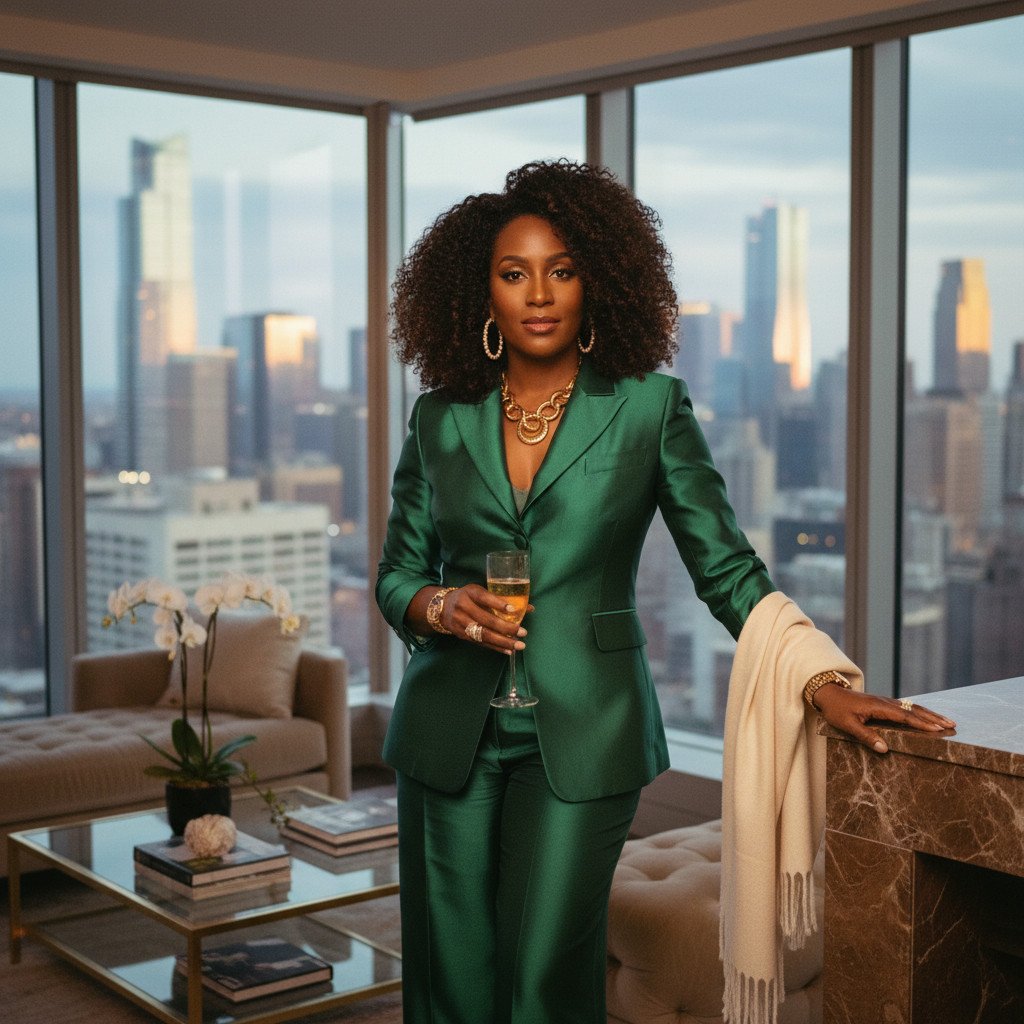
For a broader perspective on the luxury landscape, delve into our main cluster on Luxury and Prestige Beauty Narratives for Black Women. This hub offers a comprehensive overview of how luxury is perceived, accessed, and redefined by and for Black women, serving as a foundational resource for understanding the nuances of this category.
If you’re eager to discover brands that are actively building a more inclusive luxury experience, we highly recommend reading Black-Owned Luxury and Prestige Beauty Brands. This article highlights innovators who are creating exceptional products and services with Black women specifically in mind, ensuring that quality, representation, and respect are paramount.
To further empower your approach to self-care and indulgence, consider our piece on Reframing “Treat Yourself” for Black Women. It explores how we can reclaim and redefine acts of self-care and luxury, ensuring they are truly nourishing and affirming, free from external pressures or expectations.
For practical advice on navigating potentially challenging retail environments, our guide on Navigating Prestige Counters and Spas as a Black Woman offers actionable strategies and insights to ensure you receive the service and respect you deserve in high-end settings.
Beyond luxury, it’s crucial to understand the broader impact of bias on our beauty choices. Explore How Bias Shapes Routines, Procedures, and Hair Choices to see how societal prejudices, including colorism and texturism, influence everything from our daily routines to major beauty decisions. This article provides critical context for understanding the challenges we face.
And for those looking to build a beauty arsenal that truly reflects and celebrates their unique needs, our article on Black-Owned Makeup Wardrobes for Deep Skin Tones offers curated recommendations and insights into creating a makeup collection that prioritizes inclusivity and excellence.
Finally, for a holistic view of self-care, rituals, and the power of Black-owned beauty, revisit our foundational Parent Pillar: Self-Care Rituals and Black-Owned Beauty. This comprehensive resource ties together all these themes, reinforcing our commitment to empowering Black women on their beauty and wellness journeys. Each of these articles is designed to provide you with knowledge, validation, and practical tools to confidently claim your space in every aspect of the beauty world.
Quick Principles
Navigating the luxury beauty landscape as a Black woman can be a nuanced journey, often requiring a strategic approach to ensure a positive and affirming experience. These quick principles are designed to empower you, offering concise guidance to confidently claim your space and demand the respect you deserve within prestige beauty environments. They serve as a reminder that your worth is inherent, and your luxury experience should always reflect that truth.
- Your Presence is Luxury: Understand that your inherent elegance and discerning taste make you a valuable customer. You don’t need to prove your worth; you already possess it.
- Research is Power: Before stepping into a store, research brands for authentic representation and inclusive product ranges. Prioritize brands that visibly demonstrate a commitment to Black women.
- Demand Respectful Service: Expect and insist upon the same level of warmth, knowledge, and personalized attention offered to any other customer. Do not tolerate dismissive or biased treatment.
- Know Your Needs: Be clear about what you’re looking for—whether it’s a specific shade, a product for your hair texture, or a particular skin concern. This helps guide the interaction and assert your expertise.
- Advocate Gracefully: If service falls short, politely but firmly express your expectations or ask to speak with another associate or manager. Your feedback is valuable.
- Support Aligned Brands: Actively seek out and patronize Black-owned luxury brands and those non-Black brands that genuinely champion inclusivity in their products, marketing, and service.
- Redefine Luxury for Yourself: True luxury is what makes you feel cherished, confident, and beautiful. Curate your beauty experience based on your personal values and preferences, not external pressures.
- Trust Your Intuition: If a space or interaction feels off, it probably is. Prioritize your comfort and well-being over forcing an experience that doesn’t serve you.
- Celebrate Your Beauty: Embrace your unique skin tone, hair texture, and features as inherently luxurious. Your authentic self is your greatest asset in any beauty space.
Frequently Asked Questions
What does “luxury beauty customer” truly mean for Black women?
For Black women, being a “luxury beauty customer” extends beyond purchasing expensive products; it means being seen, valued, and respected as an anticipated, deserving patron. It encompasses receiving exceptional service, finding inclusive product ranges that cater to diverse skin tones and hair textures, and experiencing an overall sense of belonging and affirmation within prestige beauty spaces.
Why do Black women often feel excluded from luxury beauty?
Exclusion often stems from a combination of factors: limited visual representation in marketing, inadequate shade ranges for deeper skin tones, and subtle biases in customer service that lead to dismissive treatment or heightened scrutiny. These elements collectively communicate that Black women are not the primary or ideal customer, creating feelings of otherness.
How do colorism and texturism impact the luxury beauty experience?
Colorism and texturism lead to implicit biases where lighter skin tones and straighter hair textures are often favored or seen as more “luxurious.” This can result in preferential treatment for some Black women, while others with darker skin or natural, coily hair may face a lack of suitable products, knowledgeable staff, or general respect, reinforcing feelings of exclusion.
What can Black women do to ensure a better luxury beauty experience?
Black women can empower themselves by researching brands for inclusivity beforehand, advocating for respectful service, politely but firmly addressing inadequate treatment, and actively supporting Black-owned luxury brands. Cultivating a strong sense of self-worth and defining luxury on personal terms also helps navigate these spaces with confidence.
Are there luxury beauty brands that are truly inclusive of Black women?
Yes, the landscape is evolving. Many Black-owned luxury beauty brands are explicitly created with Black women in mind, ensuring inclusivity from product development to marketing. Additionally, some mainstream luxury brands are making genuine efforts to improve representation, expand shade ranges, and implement bias training for staff, though consistent progress is still needed across the industry.
How can I tell if a luxury brand genuinely values Black customers?
Genuine value is reflected in consistent, authentic visual representation of diverse Black women across all platforms, comprehensive product ranges that truly serve deeper skin tones and varied hair textures, and consistently excellent, bias-free customer service. Look for brands that engage authentically with Black communities and have diverse teams behind the scenes.
Why is it important for luxury beauty to be inclusive of Black women?
Inclusivity is crucial because luxury, at its core, should be about aspiration, dignity, and self-affirmation. Excluding Black women not only denies a significant and discerning consumer base access to premium products and experiences but also perpetuates harmful stereotypes and reinforces a narrow, outdated definition of beauty. True luxury celebrates and elevates all forms of beauty.
INTERNAL LINKING OPPORTUNITIES
Luxury and Prestige Beauty Narratives for Black Women
Self-Care Rituals and Black-Owned Beauty
Black-Owned Luxury and Prestige Beauty Brands
Reframing “Treat Yourself” for Black Women
Navigating Prestige Counters and Spas as a Black Woman
How Bias Shapes Routines, Procedures, and Hair Choices
Black-Owned Makeup Wardrobes for Deep Skin Tones
Self-Care Rituals and Black-Owned Beauty
Shop Our Recommendations
Related next steps
Related posts:
 Black-Owned Luxury & Prestige Beauty Brands to Build Rituals Around
 Reframing “Treat Yourself” for Black Women: From Obligation to Intentional Luxury and Deep Care
 Online Sisterhoods & Beauty Community: Navigating Digital Spaces for Melanin-Rich Beauty
 The Olive & Gold Synergy: How to Master Quiet Luxury Glamour for Your Next Evening Event
 The Executive Edge: Power Dressing in Ochre and Black — Quiet Luxury Look for Fall 2025
 Defining Colorism, Featurism & Texturism in Black Beauty