Building a Day-to-Day Skin Routine Around Flares and Remission
For Black women and others with melanin-rich skin, navigating chronic skin conditions like eczema, psoriasis, hidradenitis suppurativa (HS), or even persistent sensitivity is a journey of constant adaptation. One of the most challenging aspects isn’t just the physical discomfort of a flare, but the emotional and mental toll of uncertainty. The unpredictable shifts between periods of intense symptoms (flares), recovery, and moments of calm (remission) can make establishing a consistent self-care routine feel like an impossible task. It often feels like you’re always reacting, always in crisis mode, rather than proactively nurturing your skin.
This constant state of flux can be exhausting. You might find yourself wondering if there’s a way to create a rhythm that supports your skin through all its phases without turning your daily routine into an anxiety-fueled battle. The truth is, your skin journey is unique, and so too should be your approach to its care. We understand that your life isn’t just about your skin condition; you’re managing careers, families, friendships, and all the beautiful complexities of being a Black woman in the world. Your routine needs to be a source of stability and comfort, not another burden.
At Black Beauty Basics, we believe in empowering you with knowledge and strategies that honor your experience. This article isn’t about finding a magic bullet or promising complete control over conditions that are inherently unpredictable. Instead, it’s about cultivating a flexible, compassionate, and effective day-to-day skin routine that can gracefully adapt to the ebb and flow of flares and remission. It’s about building a foundation of self-care that supports your skin’s health, respects your energy levels, and integrates seamlessly into your vibrant life, ensuring that your skin care becomes a stabilizing force, not a source of stress.
What This Post Covers
This article is designed to be your comprehensive guide to creating a dynamic skin care strategy that respects the unpredictable nature of chronic skin conditions. We’ll delve into why flexibility is paramount for melanin-rich skin dealing with flares and remission, moving beyond rigid, one-size-fits-all approaches. We’ll explore the concept of a “calm baseline routine” – the gentle, consistent practices that provide a foundation of support during stable periods.
Crucially, we’ll address the often-overlooked challenge of simplifying your routine during flares without abandoning essential care, and how to thoughtfully reintroduce elements as you transition into remission or calmer weeks. Beyond just product application, we’ll discuss external factors like travel, work stress, weather changes, and even hormonal shifts, offering insights into how these can influence your skin and how to adjust accordingly. We’ll also provide practical advice on stocking your beauty cabinet to make routine adjustments less chaotic and introduce methods for tracking patterns without letting your skin condition dominate your entire life. Our aim is to equip you with the tools to navigate your skin journey with grace, confidence, and a deep understanding of your unique needs.
Why Chronic Skin Routines Need Flexibility
The very nature of chronic skin conditions is their unpredictability. Unlike a temporary breakout or a sunburn that follows a clear healing trajectory, conditions like eczema, psoriasis, and HS operate on their own complex timelines, often influenced by a myriad of internal and external factors. For Black women, these conditions can present uniquely, often with more pronounced post-inflammatory hyperpigmentation (PIH) and a greater impact on skin barrier function, making a rigid routine not just ineffective, but potentially detrimental.
Imagine trying to wear the same outfit every day, regardless of the weather – a thick wool coat in summer, a light dress in winter. It simply wouldn’t work. Your skin routine needs the same adaptability. A routine that works perfectly during a period of remission might be too harsh, too stimulating, or simply too much effort during a severe flare. Conversely, a routine designed for acute flare management might not provide adequate long-term nourishment or protection when your skin is calm and needs support for barrier maintenance and pigment regulation.
Furthermore, the lives of Black women are dynamic. We navigate demanding careers, family respons responsibilities, social engagements, and personal aspirations. Stress, sleep deprivation, dietary changes, environmental shifts, and hormonal fluctuations are all realities that can act as triggers or exacerbating factors for chronic skin conditions. A routine that doesn’t account for these variables becomes a source of frustration rather than a tool for well-being. Flexibility isn’t a luxury; it’s a necessity for sustainable skin health and mental peace when managing a chronic condition. It allows you to respond to your skin’s immediate needs without feeling like you’ve failed or fallen off track, fostering a sense of agency and self-compassion rather than defeat.
The Impact of Unpredictability on Melanin-Rich Skin
For melanin-rich skin, the stakes of unpredictability are often higher. Flares can lead to significant post-inflammatory hyperpigmentation (PIH) that can linger for months or even years, impacting self-esteem and requiring targeted, consistent care even after the active inflammation subsides. This means that managing a flare isn’t just about calming the immediate symptoms; it’s also about minimizing potential long-term discoloration. A rigid routine might not adequately address both concerns simultaneously, or it might exacerbate one while trying to treat the other.
Moreover, the skin barrier in darker skin tones can sometimes be more prone to transepidermal water loss (TEWL) in certain conditions, making it more susceptible to dryness and irritation during flares. This heightened sensitivity means that products and practices that are tolerable during remission might become irritating or counterproductive during an active flare. A flexible routine allows for the immediate withdrawal of potential irritants and the introduction of ultra-gentle, barrier-supporting formulations when the skin is most vulnerable, preventing further damage and accelerating the healing process. Without this adaptability, you risk prolonging flares, intensifying discomfort, and deepening hyperpigmentation.
Beyond Products: Lifestyle Flexibility
Flexibility in a chronic skin routine extends beyond just swapping out cleansers or moisturizers. It encompasses lifestyle adjustments that ebb and flow with your skin’s state. During a flare, you might need to prioritize extra sleep, reduce stress-inducing activities, or modify your diet. In remission, you might feel more energized to engage in activities that contribute to overall well-being. A flexible approach acknowledges that your skin health is deeply intertwined with your holistic health.
This might mean adjusting your exercise intensity or type to minimize friction or sweat during an HS flare, or choosing specific fabrics during an eczema outbreak. It could also involve being more diligent with laundry detergents or household cleaning products when your skin is particularly sensitive. The goal is to create a dynamic framework where your skin care practices and lifestyle choices are in constant, harmonious dialogue with your body’s signals. This prevents the feeling of “failure” when you can’t adhere to a perfect, unchanging routine and instead empowers you to make informed, compassionate choices for your well-being.
What a Calm Baseline Routine Can Look Like
A calm baseline routine is the bedrock of managing chronic skin conditions. It’s the gentle, consistent set of practices you adhere to when your skin is relatively stable, in remission, or experiencing only minor, manageable symptoms. This isn’t a “do nothing” routine; rather, it’s a strategic approach designed to maintain skin barrier integrity, minimize irritation, and support overall skin health, preparing your skin to better withstand potential triggers. For melanin-rich skin, this baseline is crucial for preventing dryness, maintaining an even tone, and reducing the likelihood of post-inflammatory hyperpigmentation.
The key characteristics of a calm baseline routine are simplicity, consistency, and a focus on hydration, protection, and gentle care. It prioritizes soothing ingredients and avoids anything that could potentially disrupt the skin barrier or trigger a flare. Think of it as your skin’s daily nourishment – essential, reliable, and non-negotiable, but never overwhelming.
Core Components of a Baseline Routine
1. Gentle Cleansing (Morning & Evening): This is paramount. Opt for a mild, hydrating, fragrance-free cleanser that doesn’t strip your skin of its natural oils. Look for formulations specifically designed for sensitive or dry skin. For melanin-rich skin, maintaining the skin barrier is crucial to prevent moisture loss and reduce susceptibility to irritation and hyperpigmentation. In the morning, a splash of water might suffice if your skin is particularly dry or sensitive. In the evening, a thorough but gentle cleanse is necessary to remove environmental pollutants, makeup, and sunscreen without causing stress to the skin. Consider a hydrating cream cleanser for optimal gentleness.
2. Targeted Treatment (Optional, as needed): During remission, you might incorporate treatments for specific concerns that aren’t actively flaring. This could include ingredients like niacinamide for barrier support and hyperpigmentation, or a very gentle retinoid (if tolerated and approved by your dermatologist) for texture and tone. However, this step should always be approached with caution. If your skin is prone to sensitivity, it’s often best to keep this step minimal or skip it altogether during baseline, focusing instead on hydration and protection.
3. Moisturization (Morning & Evening): This is arguably the most critical step for chronic skin conditions, especially for melanin-rich skin which can be prone to dryness. Choose a rich, emollient, fragrance-free moisturizer that helps to repair and maintain the skin barrier. Ingredients like ceramides, hyaluronic acid, glycerin, shea butter, and petrolatum are excellent. Apply moisturizer to damp skin immediately after cleansing to lock in hydration. For areas prone to eczema or psoriasis, a thicker balm or ointment might be beneficial. Consistency here is key to keeping the skin supple and reducing itchiness. Shop ceramide-rich moisturizers on Amazon.
4. Sun Protection (Morning): Non-negotiable for all skin types, but especially important for melanin-rich skin to prevent the darkening of existing hyperpigmentation and the formation of new dark spots. Choose a broad-spectrum sunscreen with an SPF of 30 or higher. Mineral sunscreens (zinc oxide, titanium dioxide) are often preferred for sensitive skin as they are less likely to cause irritation. Look for formulations that blend well into darker skin tones without leaving a white cast. Consistent daily use of sunscreen helps protect your skin from UV damage, which can exacerbate inflammation and pigmentation issues.
Beyond the Face: Body Care as Part of Baseline
A calm baseline routine extends to your entire body, particularly for conditions like eczema, psoriasis, or HS that can manifest beyond the face. This includes:
- Lukewarm Baths/Showers: Keep water temperature moderate and duration short to avoid stripping the skin.
- Gentle Body Cleansers: Use the same principles as facial cleansers – mild, hydrating, fragrance-free.
- Immediate Body Moisturizing: Apply a generous amount of body lotion or cream to damp skin immediately after bathing to seal in moisture.
- Appropriate Clothing: Choose soft, breathable fabrics like cotton to minimize friction and irritation, especially in areas prone to HS or eczema.
- Detergent Awareness: Use hypoallergenic, fragrance-free laundry detergents to reduce exposure to potential irritants.
The goal of this baseline is to create a stable, comfortable environment for your skin, allowing it to function optimally and reducing the frequency and severity of potential flares. It’s about proactive care, not reactive damage control. By consistently nurturing your skin with these fundamental steps, you build its resilience and empower it to better navigate the inevitable challenges that chronic conditions present.
How to Simplify During Flares Without Abandoning Care
When a flare strikes, your skin is inflamed, irritated, and often compromised. This is not the time for complex routines or active ingredients. The primary goal during a flare is to soothe, protect, and support the skin’s natural healing process while minimizing further irritation. Simplifying your routine doesn’t mean abandoning care; it means strategically paring down to the absolute essentials. For melanin-rich skin, this phase is critical to prevent exacerbating inflammation and minimizing the risk of severe post-inflammatory hyperpigmentation.
The temptation might be to throw every product you own at the problem, or conversely, to give up entirely out of frustration. Neither approach is beneficial. Instead, focus on a “less is more” philosophy, prioritizing gentle cleansing, intense moisturization, and targeted soothing treatments, often prescribed by a dermatologist.
The Flare Routine: Back to Basics
1. Ultra-Gentle Cleansing: During a flare, even your usual gentle cleanser might feel too much. Consider switching to an even milder, soap-free, pH-balanced wash. For very sensitive or painful areas, a simple rinse with lukewarm water might be all your skin can tolerate. The aim is to remove surface impurities without any scrubbing or harsh chemicals. If using a cleanser, apply it with your fingertips and rinse thoroughly but gently. Pat, don’t rub, your skin dry with a soft towel.
2. Intensive Moisturizing & Occlusion: This is the cornerstone of flare management. Your skin barrier is compromised, losing moisture rapidly. Apply a thick, emollient moisturizer or ointment generously and frequently throughout the day. Look for ingredients like petrolatum, mineral oil, shea butter, or ceramides. For eczema or psoriasis, “slugging” – applying a thick layer of occlusive ointment (like petroleum jelly) over your moisturizer – can be incredibly beneficial to seal in moisture and protect the compromised barrier. For HS, gentle, non-comedogenic moisturizers are key, applied to clean, dry skin around affected areas to reduce friction and promote healing without clogging pores. The goal is to create a protective barrier that aids healing and reduces itchiness. You might need to reapply every few hours, not just twice a day.
3. Prescription Treatments (as directed): This is where your dermatologist’s guidance is paramount. During a flare, you will likely be using topical corticosteroids, calcineurin inhibitors, or other prescribed medications. Apply these exactly as directed by your doctor, usually after cleansing and before your heavy moisturizer. Do not self-diagnose or self-treat with strong active ingredients during a flare, as this can worsen the condition. These treatments are designed to reduce inflammation and manage the acute symptoms.
4. Avoidance of Irritants: This is not the time for exfoliating acids, retinoids, vitamin C, or any fragranced products. Avoid anything with alcohol, essential oils, or harsh preservatives. Even physical exfoliation (scrubs, brushes) should be completely paused. Your skin is already inflamed; introducing potential irritants will only prolong the flare and increase discomfort. Check all product labels meticulously.
5. Cool Compresses & Soothing Practices: For itchy or inflamed areas, cool, damp compresses can provide immediate relief. Oatmeal baths (colloidal oatmeal) can be incredibly soothing for widespread eczema or psoriasis. For HS, warm compresses can help bring boils to a head, while cool compresses can reduce pain and swelling. Listen to your body and provide gentle, non-irritating comfort.
Practical Considerations During a Flare
- Reduce Shower/Bath Frequency: If possible, reduce the frequency of full body washes. Spot clean areas as needed. When you do shower, keep it brief and lukewarm.
- Softest Fabrics: Opt for loose-fitting, 100% cotton clothing. Avoid wool, synthetics, and tight garments that can chafe or trap heat and sweat, especially for HS-prone areas.
- Prioritize Rest: Flares are physically and emotionally draining. Allow yourself extra rest. Stress is a known trigger, so prioritize self-care and stress reduction techniques.
- Hydration from Within: Drink plenty of water to support overall skin hydration and bodily functions.
- Adjust Diet (if applicable): If you’ve identified dietary triggers, be extra diligent about avoiding them during a flare.
Simplifying your routine during a flare is an act of self-compassion. It acknowledges that your skin needs a break, not a challenge. By focusing on gentle support and essential treatments, you create the optimal environment for healing, helping your melanin-rich skin recover more effectively and minimize long-term impact like hyperpigmentation.
How Remission or Calmer Weeks May Change the Routine
Achieving remission or experiencing calmer weeks is a welcome reprieve, but it’s crucial to understand that this isn’t a finish line. Instead, it’s an opportunity to shift your routine from crisis management to proactive maintenance and subtle enhancement. The goal during these periods is to strengthen your skin barrier, address any lingering concerns (like post-inflammatory hyperpigmentation), and build resilience against future flares, all while maintaining the gentle principles established in your baseline routine. For melanin-rich skin, this phase is particularly important for addressing the aftermath of flares, such as dark spots, and for ensuring overall skin health and radiance.
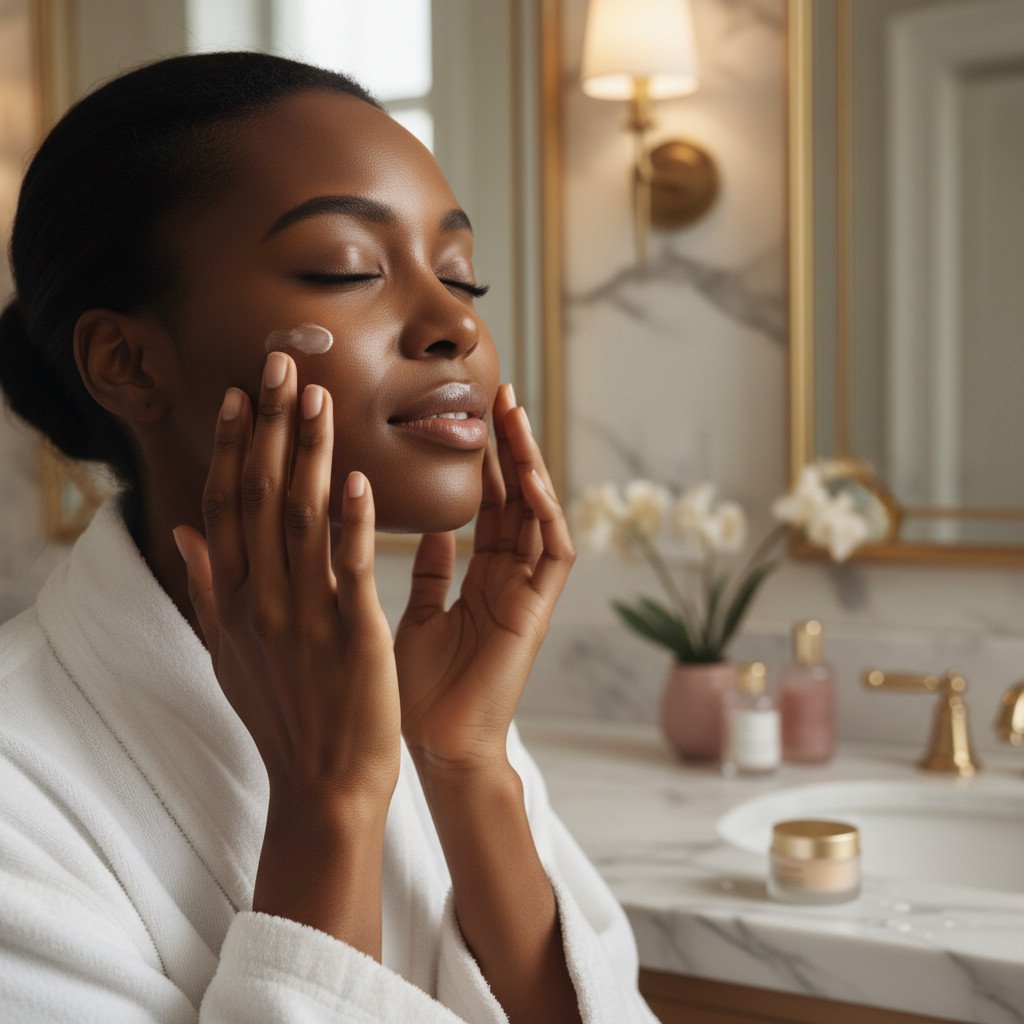
Think of remission as a period of strategic rebuilding and fortification. You’re not just waiting for the next flare; you’re actively working to prolong the calm and improve your skin’s overall condition. This means you can gradually reintroduce certain beneficial ingredients and practices, but always with caution and keen observation.
The Remission/Calm Routine: Strategic Reintroduction and Maintenance
1. Consistent Gentle Cleansing: Your gentle cleanser remains your staple. Consistency here helps maintain a clean canvas without stripping the skin. You might find you can return to your preferred gentle cleanser if you switched to an ultra-mild option during a flare.
2. Robust Moisturizing: Continue with a rich, barrier-supporting moisturizer twice daily. While the intense, frequent application of a flare might not be necessary, consistent and generous moisturization is still paramount. This helps to keep the skin supple, reduce dryness, and prevent the micro-cracks that can compromise the barrier and invite irritation. Ingredients like ceramides, fatty acids, and cholesterol are excellent for barrier repair. Shop for ceramide moisturizer for dark skin on Amazon.
3. Targeted Treatments for Post-Inflammatory Hyperpigmentation (PIH): This is a key focus for melanin-rich skin during remission. Once active inflammation has subsided, you can carefully introduce ingredients that help fade dark spots and even out skin tone. These might include:
- Niacinamide (Vitamin B3): Excellent for barrier support, reducing inflammation, and inhibiting melanin transfer, thereby fading PIH.
- Alpha Arbutin or Tranexamic Acid: Gentle but effective ingredients for targeting hyperpigmentation.
- Azelaic Acid: Known for its anti-inflammatory properties and ability to reduce PIH.
- Vitamin C: A powerful antioxidant that brightens skin and helps with collagen production, but introduce slowly as some forms can be irritating.
- Gentle Retinoids (e.g., Bakuchiol or low-strength retinaldehyde): If tolerated and approved by your dermatologist, these can help with cell turnover and improve skin texture and tone, including PIH. Start with a very low concentration and use infrequently.
Introduce one new ingredient at a time, patch test, and observe your skin for several weeks before adding another. This cautious approach prevents overwhelming your skin and triggering a new flare.
4. Gentle Exfoliation (Very Cautiously): If your skin is truly stable and not prone to immediate irritation, you might consider very gentle chemical exfoliation (e.g., a low-concentration PHA or lactic acid) once or twice a week. This helps with cell turnover and can improve skin texture and tone, aiding in the fading of PIH. However, for many with chronic conditions, even gentle exfoliation can be too much. Listen to your skin and if there’s any doubt, skip this step. Physical exfoliation (scrubs) should generally be avoided.
5. Consistent Sun Protection: Daily broad-spectrum SPF 30+ is non-negotiable. Sun exposure can darken existing PIH and trigger new inflammation, undoing all your progress. This is especially critical when using ingredients that target hyperpigmentation, as they can make your skin more sensitive to the sun.
Lifestyle Adjustments for Sustained Remission
- Stress Management: Continue to prioritize stress-reducing activities. Remission doesn’t mean stress disappears, but managing it proactively can help prevent triggers.
- Healthy Diet: Focus on an anti-inflammatory diet rich in fruits, vegetables, and healthy fats. Continue to avoid known dietary triggers.
- Adequate Sleep: Good sleep is essential for skin repair and overall well-being.
- Regular, Gentle Exercise: Promotes circulation and reduces stress. Be mindful of sweat and friction, especially for HS-prone areas, and cleanse gently afterwards.
- Environmental Awareness: Continue to use hypoallergenic detergents and be mindful of household irritants.
The transition from flare to remission is a delicate dance. It requires patience, observation, and a willingness to adapt. Your dermatologist can provide invaluable guidance on which active ingredients are safe and effective for your specific condition during remission. By thoughtfully adjusting your routine during calmer periods, you empower your skin to heal, strengthen, and maintain its beautiful, resilient nature, reducing the frequency and severity of future flares and promoting a more even, radiant complexion.
Travel, Work, Weather, and Menstrual-Cycle or Stress Shifts
Life is dynamic, and your skin, especially when managing a chronic condition, is highly responsive to these shifts. Travel, work demands, changes in climate, hormonal fluctuations, and stress are not just external events; they are potent triggers that can disrupt your skin’s delicate balance and potentially initiate or worsen a flare. For Black women, who often carry multiple responsibilities and face unique stressors, understanding and anticipating these shifts is crucial for maintaining skin health and preventing unnecessary discomfort or hyperpigmentation.
A truly flexible routine isn’t just about adapting to flares and remission; it’s about proactively preparing for and responding to these common life variables. It means recognizing that your skin’s needs aren’t static from day to day, even within a period of remission.
Navigating Travel
Travel, whether for business or pleasure, introduces a host of potential skin stressors:
- Changes in Climate: Moving from a humid to a dry environment (or vice versa) can drastically impact your skin’s hydration levels. Dry airplane air is notoriously dehydrating.
- Water Quality: “Hard” water in different regions can irritate sensitive skin.
- Sleep Disruption & Jet Lag: Lack of sleep and circadian rhythm disruption can elevate stress hormones, impacting skin.
- Dietary Changes: Eating out, trying new foods, or inconsistent meal times can introduce triggers.
- New Products: Using hotel toiletries or forgetting your own products can expose your skin to irritants.
Adaptation Strategy:
- Pack Your Essentials: Never rely on hotel products. Decant your trusted gentle cleanser, rich moisturizer, and any prescription treatments into travel-sized containers.
- Hydrate Internally & Externally: Drink plenty of water. Apply a thicker layer of moisturizer or an occlusive balm before and during flights. Consider a portable humidifier for dry hotel rooms.
- Sun Protection: Always pack and use your broad-spectrum SPF, especially if traveling to sunnier climates.
- Keep it Simple: Stick to your baseline routine as much as possible. Avoid introducing new products while traveling.
- Consider Shower Filters: If you know you’re sensitive to hard water, a portable shower filter can be a worthwhile investment.
Managing Work Stress and Demands
Work-related stress is a well-documented trigger for many chronic skin conditions. Tight deadlines, long hours, emotional labor, and workplace dynamics can all contribute to elevated cortisol levels, which can fuel inflammation and exacerbate conditions like eczema, psoriasis, and HS.
Adaptation Strategy:
- Prioritize Stress Reduction: Integrate stress-management techniques into your daily life – even short breaks for deep breathing, meditation, or a quick walk.
- Maintain Sleep Hygiene: Despite demanding schedules, aim for consistent, adequate sleep.
- Quick Self-Care Rituals: Keep a hydrating facial mist or a small pot of soothing balm at your desk for quick moments of comfort and hydration.
- Boundary Setting: Learn to say no and protect your personal time to prevent burnout, which can manifest on your skin.
Responding to Weather Shifts
Seasonal changes and extreme weather conditions significantly impact skin:
- Cold, Dry Air (Winter): Strips moisture, leading to dryness, cracking, and increased flare risk.
- Heat & Humidity (Summer): Can lead to increased sweating, friction, and clogged pores, exacerbating HS, fungal issues, or heat rash. UV exposure is also higher.
- Allergens (Spring/Fall): Pollen and other environmental allergens can trigger eczema.
Adaptation Strategy:
- Winter: Switch to richer, thicker moisturizers and occlusives. Use humidifiers indoors. Keep showers shorter and cooler. Protect exposed skin with scarves and gloves.
- Summer: Opt for lighter, but still hydrating, non-comedogenic moisturizers. Prioritize sweat management (gentle cleansing after sweating, breathable fabrics). Double down on sunscreen. For HS, focus on friction reduction and keeping areas cool and dry.
- Allergy Seasons: Be extra diligent with cleansing to remove allergens, and consider adding anti-inflammatory ingredients like niacinamide if tolerated.
Hormonal Fluctuations (Menstrual Cycle, Pregnancy, Menopause)
Hormones play a significant role in skin health. Many women experience pre-menstrual flares of eczema, psoriasis, or HS due to hormonal shifts. Pregnancy and menopause also bring profound hormonal changes that can impact skin conditions.
Adaptation Strategy:
- Track Your Cycle: Note skin changes in relation to your menstrual cycle. This helps you anticipate and proactively adjust your routine.
- Proactive Support: If you know a flare is likely around your period, increase moisturizing, reduce potential irritants, and have your prescribed treatments on hand a few days prior.
- Consult Your Doctor: Discuss hormonal impacts with your dermatologist or gynecologist, especially during pregnancy or menopause, as treatment options may need to be adjusted.
By integrating these considerations into your flexible routine, you move beyond simply reacting to flares. You become an active participant in your skin’s well-being, anticipating its needs and providing thoughtful, compassionate care that honors the beautiful complexity of your life and your melanin-rich skin.
What to Keep Stocked So Routine Changes Feel Less Chaotic
One of the most effective ways to manage the unpredictable nature of chronic skin conditions is to be prepared. Having a well-stocked “skin emergency kit” or a thoughtfully curated collection of products means you can seamlessly transition between your baseline, flare, and remission routines without the added stress of last-minute shopping or product scarcity. For Black women, whose skin can react intensely to irritants and whose healing process can be prolonged, having the right products on hand is not just convenient, it’s essential for minimizing discomfort and preventing long-term hyperpigmentation.
Think of it as having a wardrobe for your skin – different outfits for different occasions. You wouldn’t want to be caught without a warm coat in winter or a light dress in summer. Similarly, your skin needs its specific “garments” ready for whatever phase it’s in. This proactive approach reduces decision fatigue during stressful flare-ups and ensures you can provide immediate, appropriate care.
The Essentials for Every Phase
These are the non-negotiables that form the backbone of your flexible routine:
- Multiple Gentle Cleansers:
- Everyday Gentle Cleanser: Your go-to, hydrating, fragrance-free cleanser for baseline and remission. (e.g., a cream or milky cleanser).
- Ultra-Mild Cleanser/Wash: An even gentler, possibly soap-free, option for acute flares or when skin is extremely sensitive. Sometimes, just water is best, but having this on hand is a good backup.
- Variety of Moisturizers & Occlusives:
- Everyday Rich Moisturizer: A substantial, barrier-supporting cream for daily use during baseline and remission. Look for ceramides, hyaluronic acid, glycerin.
- Thick Emollient/Ointment: A heavier, occlusive balm (like petrolatum jelly, shea butter, or a thick eczema cream) for intense hydration, barrier repair, and protection during flares or very dry conditions.
- Lighter Lotion (Optional): For warmer weather or if you prefer a less heavy feel during remission, ensure it’s still hydrating and non-irritating.
- Broad-Spectrum Sunscreen (SPF 30+):
- Always have a trusted, sensitive-skin-friendly, broad-spectrum mineral sunscreen on hand. Opt for one that blends well into darker skin tones.
- Prescription Medications:
- Keep your prescribed topical steroids, calcineurin inhibitors, or other treatments well-stocked and easily accessible. Ensure you understand their usage instructions for flares vs. maintenance.
- Soothing & Anti-Inflammatory Aids:
- Colloidal Oatmeal Products: Lotions, creams, or bath treatments for soothing itch and irritation, especially for eczema and psoriasis.
- Cool Compresses: Simple washcloths or gel packs stored in the fridge for immediate relief during flares.
- Anti-itch Creams: Over-the-counter options (e.g., hydrocortisone 1% – use sparingly and under guidance) or non-steroidal anti-itch creams.
- Targeted Treatment for Hyperpigmentation (for Remission):
- Once active inflammation has subsided, have your chosen niacinamide serum, alpha arbutin, azelaic acid, or other dermatologist-recommended PIH treatment ready to introduce gradually.
- Gentle Body Care:
- Hypoallergenic Body Wash: A large bottle of your preferred gentle, fragrance-free body cleanser.
- Large Tub of Body Moisturizer/Cream: For post-shower hydration, especially important for widespread conditions.
- Specialized HS products (if applicable): Antiseptic washes (like Hibiclens, if recommended by your doctor), gentle cleansers, and non-comedogenic moisturizers for HS-prone areas.
- Soft, Breathable Fabrics:
- Ensure you have a supply of 100% cotton clothing, especially undergarments and sleepwear, to minimize friction and irritation.
- Hypoallergenic Laundry Detergent:
- Always have a supply of fragrance-free, dye-free detergent.
Organization and Storage Tips
- Designated “Flare Shelf”: Keep all your flare-specific products (thicker creams, prescription meds, soothing balms) together in an easily accessible spot. When a flare hits, you won’t have to search.
- Check Expiry Dates: Regularly review your products and discard anything expired, especially prescription medications.
- Travel Kit Ready: Keep a small bag pre-packed with travel-sized versions of your baseline cleanser, moisturizer, and sunscreen, along with any daily prescription meds. This reduces stress when last-minute travel arises.
- Buy in Bulk (for staples): For your everyday gentle cleanser and moisturizer, buying larger sizes can be cost-effective and ensures you don’t run out unexpectedly.
By proactively stocking these items, you transform moments of skin crisis from chaotic scrambles into manageable transitions. This preparedness not only benefits your skin by providing immediate, appropriate care but also significantly reduces the mental load and stress associated with living with a chronic condition, allowing you to maintain a sense of control and calm.
How to Track Patterns Without Centering Your Whole Life Around Skin
Living with a chronic skin condition often feels like a delicate dance between observation and overwhelm. On one hand, understanding your triggers, the efficacy of treatments, and the nuances of your skin’s behavior is crucial for effective management. On the other, meticulously tracking every detail can quickly become an obsessive, anxiety-inducing task that centers your entire life around your skin. For Black women, who already navigate unique pressures and expectations, adding this layer of constant vigilance can be particularly draining.
The key is to find a balance: a method of tracking that is insightful without being intrusive, empowering without being all-consuming. The goal is to identify patterns and gain knowledge, not to create a new source of stress or to feel like your skin dictates your every move. This approach helps you make informed adjustments to your flexible routine without feeling like your identity is solely defined by your skin condition.
The Purpose of Tracking
Tracking isn’t about perfection; it’s about:
- Identifying Triggers: Pinpointing what might be causing or exacerbating flares (e.g., specific foods, stress, weather, products, fabrics).
- Assessing Treatment Efficacy: Understanding which products or medications are truly helping and which are not.
- Recognizing Pre-Flare Signals: Learning your body’s subtle cues that a flare might be imminent, allowing for proactive intervention.
- Understanding Remission Factors: What helps you maintain calmer periods?
- Communicating with Your Dermatologist: Providing concrete data to your healthcare provider for more accurate diagnoses and treatment plans.
Simple, Sustainable Tracking Methods
Forget complex spreadsheets or daily hour-long journaling sessions. Focus on methods that are quick, easy, and integrate into your existing life without feeling like a chore.
1. The “Snapshot” Approach (Weekly Check-in):
- Instead of daily, dedicate 5-10 minutes once a week (e.g., Sunday evening) to reflect on your skin.
- Key Questions:
- How would I rate my skin this week (1-5, 1=severe flare, 5=clear)?
- Any new or worsening symptoms (itch, pain, redness, bumps, dryness)?
- Any potential triggers this week (high stress, new food, poor sleep, travel, period)?
- What products did I use consistently?
- Any positive observations?
- Tool: A simple notebook, a note on your phone, or a digital calendar entry.

2. Targeted Trigger Tracking (Event-Based):
- Only log when you suspect a specific trigger or experience a significant change.
- Example: “Ate X food – skin flared 24 hours later.” or “Used Y new detergent – developed rash.”
- This helps you isolate potential culprits without tracking everything all the time.
- Tool: A dedicated section in your phone’s notes app, or a small, pocket-sized notebook.
3. Photo Journaling (Visual Tracking):
- Take a photo of affected areas once a week or when a flare begins/ends.
- Benefits: Visual evidence of progress (or lack thereof), especially helpful for tracking hyperpigmentation. It can be hard to remember how bad a flare was, and photos provide objective data.
- Tool: Your phone camera. Create a dedicated album for “Skin Journey.”
4. Menstrual Cycle Tracking:
- If your skin condition is influenced by your cycle, use a period tracking app that allows for custom symptom logging. Note skin changes (e.g., “HS flare,” “eczema itch”) alongside your cycle phases.
- Benefit: Helps you anticipate and proactively adjust your routine before hormonal shifts trigger a flare.
5. The “Traffic Light” System (Simplified Daily Check-in):
- At the end of each day, quickly assign your skin a “color”:
- Green: Calm, clear, no issues.
- Yellow: Minor irritation, slight itch, feeling sensitive (potential pre-flare).
- Red: Active flare, significant discomfort, pain.
- Tool: A simple calendar where you can quickly mark a color or letter.
- Benefit: Provides a quick overview of trends without detailed journaling.
Important Considerations for Sustainable Tracking
- Be Kind to Yourself: Don’t beat yourself up if you miss a day or a week. Consistency over perfection.
- Focus on Trends, Not Daily Fluctuations: Look for patterns over weeks and months, not just day-to-day.
- Privacy: Ensure your tracking method is private and secure, especially if including photos.
- Share with Your Dermatologist: Bring your notes or photos to appointments. This data is invaluable for personalized care.
- Don’t Over-Analyze: Use tracking as a tool for information, not a source of constant worry. If it starts to feel overwhelming, scale back.
By adopting a simple, sustainable tracking method, you gain valuable insights into your skin’s unique rhythms without letting your condition consume your life. This informed approach empowers you to make proactive, compassionate choices for your melanin-rich skin, fostering a sense of control and peace amidst the unpredictability.
How to Navigate This Topic
Navigating the complexities of chronic skin conditions, especially for Black women, requires a thoughtful and compassionate approach. This isn’t just about applying products; it’s about understanding your body, advocating for yourself, and integrating self-care into a life that is already rich and demanding. The information provided here is designed to empower you, offering strategies and insights that resonate with your experiences and honor your unique skin.
As you read through this article, remember that every piece of advice is a suggestion, a tool for your personal toolkit. Your skin journey is deeply individual, and what works for one person may not work for another, even within the same condition or skin tone. We encourage you to approach this information with an open mind, but also with a critical eye, always prioritizing what feels right and beneficial for your skin and your well-being.
Here are some guiding principles for navigating this topic effectively:
- Listen to Your Body First: Your skin is constantly communicating with you. Pay attention to how it feels – the sensations of tightness, itch, pain, or calm. These are invaluable signals that should guide your routine adjustments more than any rigid set of rules. If a product or practice causes discomfort, even if it’s highly recommended, it’s not right for you in that moment.
- Consult with a Dermatologist Who Understands Melanin-Rich Skin: While this article provides general guidance, it is not a substitute for professional medical advice. A board-certified dermatologist, especially one with experience treating skin of color, can offer personalized diagnoses, prescription treatments, and tailored recommendations for your specific condition and skin type. They can help you differentiate between a flare and a reaction, and guide you on the safe use of active ingredients.
- Adopt a “Test and Observe” Mindset: When introducing new products or making significant changes to your routine, do so gradually. Patch test new products on a small, inconspicuous area of skin for a few days before applying them more broadly. Observe how your skin reacts over several days or even weeks before deciding if it’s a good fit. This slow and deliberate approach minimizes the risk of triggering a new flare or irritation.
- Embrace Imperfection and Flexibility: Chronic conditions are not linear. There will be good days and challenging days. Your routine will not always be perfect, and that is perfectly okay. The goal is not flawless execution, but consistent, compassionate care that adapts to your skin’s changing needs. Frame your routine as a stabilizing support system, not a test of your discipline.
- Focus on Holistic Well-being: Remember that your skin health is deeply interconnected with your overall physical and emotional health. Stress, sleep, diet, and mental well-being all play significant roles. While product routines are important, don’t overlook the power of holistic self-care in managing your condition.
- Be Patient and Persistent: Managing chronic skin conditions is a marathon, not a sprint. It takes time to understand your triggers, find effective routines, and see results. Celebrate small victories, learn from setbacks, and remain persistent in your commitment to caring for your skin.
- Connect with Your Community: You are not alone in this journey. Black Beauty Basics is a community built on shared experiences and mutual support. Connecting with others who understand can provide emotional validation, practical tips, and a sense of belonging.
By approaching this topic with these principles in mind, you can transform the challenge of managing chronic skin conditions into an empowering journey of self-discovery and self-care. This article is here to light the path, but your intuition and collaboration with your healthcare provider will be your ultimate guides.
Where to Go Next
Understanding how to build a flexible day-to-day skin routine around flares and remission is a significant step in managing chronic skin conditions. However, it’s just one piece of the larger puzzle. To truly empower yourself with comprehensive knowledge and practical strategies, Black Beauty Basics offers a wealth of resources tailored specifically for Black women and others with melanin-rich skin. We encourage you to explore the interconnected topics that further illuminate the path to healthier, more comfortable skin.
Your journey with chronic skin conditions is multifaceted, touching upon daily habits, environmental factors, and deeper biological understandings. To continue building your expertise and refining your self-care practices, we recommend delving into the following related articles and sections:
- Deep Dive into Everyday Management: This article is part of a larger cluster dedicated to the practical, day-to-day aspects of living with chronic skin conditions. Explore the full range of topics within this hub for a holistic understanding of how daily choices impact your skin: Everyday Management: Baths, Fabrics, Detergents, Lifestyle.
- The Foundation of Skin Conditions on Dark Skin: For a broader understanding of how various skin conditions manifest and are managed in melanin-rich skin, revisit our overarching pillar page. This will provide context and foundational knowledge for all the specific management strategies: Skin Conditions on Dark Skin.
- Optimizing Your Bath and Shower Habits: Learn how to transform your bathing routine from a potential trigger into a soothing, skin-supportive ritual. This article provides specific guidance on water temperature, cleansers, and post-shower care to minimize irritation and maximize hydration: Bath and Shower Habits for Eczema, Psoriasis, and Sensitive Dark Skin.
- Making Smart Fabric and Clothing Choices: Discover how the clothes you wear can significantly impact conditions like eczema, psoriasis, and HS. This guide helps you choose fabrics and styles that reduce friction, manage sweat, and promote skin comfort: Fabrics and Clothing Choices for Itchy or HS-Prone Areas.
- Understanding Detergents and Household Products: Many everyday products contain hidden irritants that can trigger or worsen skin conditions. This article empowers you to identify and choose safer alternatives for laundry and home cleaning: Detergents, Fragrances, and Household Products That Skin Notices.
- Managing Friction, Sweat, and Heat: For those with HS or keloid-prone skin, specific strategies are needed to manage environmental and bodily factors. This guide offers practical tips to minimize irritation and promote healing: Managing Friction, Sweat, and Heat for HS and Keloid-Prone Skin.
For deeper understanding of specific conditions and foundational skincare principles:
- Eczema and Dermatitis Presentations on Dark Skin: Gain a more in-depth understanding of how eczema and various forms of dermatitis uniquely affect melanin-rich skin, including common presentations and misdiagnoses: Eczema and Dermatitis Presentations on Dark Skin.
- Psoriasis and HS in Black Women: Learn more about the specific challenges and manifestations of psoriasis and hidradenitis suppurativa in Black women, including diagnostic nuances and treatment considerations: Psoriasis and HS in Black Women.
- Barrier Repair and Moisture Balance: Regardless of your specific condition, maintaining a healthy skin barrier and optimal moisture balance is fundamental. This article provides essential knowledge on how to achieve and sustain these crucial aspects of skin health: Barrier Repair and Moisture Balance.
By exploring these resources, you will build a robust framework of knowledge that empowers you to make informed decisions, advocate for your needs, and cultivate a truly supportive and effective skincare journey. Each article is crafted with the same warmth, expertise, and cultural resonance you’ve come to expect from Black Beauty Basics, ensuring that you feel seen, understood, and confidently equipped.
Quick Principles
Navigating chronic skin conditions requires a strategic yet compassionate approach. Here are the quick principles to guide your day-to-day skin routine, ensuring flexibility, effectiveness, and peace of mind:
| Routine Phase | What to Prioritize | What to Keep Simple/Avoid |
|---|---|---|
| Calm Baseline / Remission |
|
|
| Flare |
|
|
| Recovery / Post-Flare |
|
|
Remember, your skin journey is unique. These principles offer a framework, but your intuition, observation, and dermatologist’s guidance are your most valuable tools. Embrace flexibility, prioritize gentle care, and empower yourself with knowledge to navigate every phase with confidence and grace.
Frequently Asked Questions
What is the difference between a “flare routine” and a “remission routine”?
A flare routine focuses on soothing acute inflammation, intense barrier repair, and using prescribed medications, often simplifying to just cleanser, thick moisturizer, and medication. A remission routine, on the other hand, maintains gentle cleansing and robust moisturizing but allows for the cautious reintroduction of beneficial ingredients like those targeting hyperpigmentation, aiming to strengthen the skin barrier and prevent future flares.
How can I tell if my skin is entering a flare or just experiencing minor irritation?
Flares typically involve a significant increase in characteristic symptoms of your condition, such as widespread redness, intense itching, pain, swelling, or new lesions. Minor irritation might be localized, less severe, and often resolves quickly with basic gentle care. Tracking your patterns and consulting your dermatologist can help you distinguish between the two.
Is it really necessary to use sunscreen every day, even indoors or on cloudy days?
Yes, absolutely. UV rays can penetrate clouds and windows, and for melanin-rich skin, sun exposure can significantly worsen post-inflammatory hyperpigmentation and trigger inflammation. Consistent daily use of a broad-spectrum SPF 30+ is crucial for protecting your skin and supporting its healing process, regardless of the weather or your location.
Can stress truly impact my skin condition, and if so, how can I manage it?
Yes, stress is a well-documented trigger for many chronic skin conditions, as it can elevate cortisol levels, leading to increased inflammation. Managing stress through practices like meditation, deep breathing, adequate sleep, regular gentle exercise, and setting boundaries can significantly help in reducing flare frequency and severity.
What are some common ingredients I should avoid during a flare?
During a flare, it’s best to avoid harsh active ingredients like retinoids, exfoliating acids (AHAs, BHAs), Vitamin C, and any products containing fragrance, essential oils, or alcohol. These can further irritate compromised skin and prolong the healing process. Stick to bland, barrier-supporting formulations.
How long should I wait before reintroducing active ingredients after a flare?
The timing for reintroducing active ingredients varies, but a general rule is to wait until your skin is completely calm, free of active inflammation, and has maintained stability for at least 1-2 weeks. Always reintroduce one product at a time, starting with a low concentration and patch testing, and observe your skin’s reaction carefully.
My skin feels very dry even during remission. Am I moisturizing enough?
If your skin feels persistently dry during remission, you might need to increase the frequency or richness of your moisturizer. Consider layering a hydrating serum (like hyaluronic acid) under a thick cream, or using an occlusive balm at night. Ensure your cleanser isn’t stripping your skin, and consider a humidifier in dry environments. Consistent, generous application is key.
At Black Beauty Basics, we are committed to providing you with the knowledge and support you need to navigate your unique beauty journey with confidence and grace. Your skin is a testament to your strength and resilience, and by understanding its needs through every phase, you empower yourself to nurture it with the care it truly deserves. Remember, you are beautiful, resilient, and deeply cherished, and your skin care routine should reflect that self-love.
Continue to explore, learn, and connect with our community. Your path to radiant, comfortable skin is a shared one, and we are here to walk it with you, every step of the way.
With warmth and confidence,
The Black Beauty Basics Team
INTERNAL LINKING OPPORTUNITIES
Everyday Management: Baths, Fabrics, Detergents, Lifestyle
Skin Conditions on Dark Skin
Bath and Shower Habits for Eczema, Psoriasis, and Sensitive Dark Skin
Fabrics and Clothing Choices for Itchy or HS-Prone Areas
Detergents, Fragrances, and Household Products That Skin Notices
Managing Friction, Sweat, and Heat for HS and Keloid-Prone Skin
Eczema and Dermatitis Presentations on Dark Skin
Psoriasis and HS in Black Women
Barrier Repair and Moisture Balance
Related next steps
Related posts:
 Building a Cycle-Aware Skin Routine for Dark Skin
 Building a Skin-Type-Aware SPF Routine on Dark Skin
 Building a Perimenopause/Menopause Skin Routine for Dark Skin: Nurturing Your Radiance Through Change
 Building an Everyday Office-Ready Makeup Routine for Deep Skin
 Psoriasis Flares and Lingering Discoloration on Dark Skin
 Building an Anti-Pollution Skincare Routine for Urban Environments