Building a Support System: Therapy, Community, and Creative Outlets for Chronic Skin Conditions
Living with a chronic skin condition, especially when you have melanin-rich skin, is a journey that extends far beyond dermatological appointments and topical treatments. It’s a deeply personal experience, often fraught with emotional complexities, social anxieties, and a quiet resilience that many outside of our community may never fully grasp. For too long, conversations about managing these conditions have been narrowly focused on physical symptoms, as if the only viable paths were stoic endurance or medical intervention. This overlooks the profound impact these conditions have on our self-perception, our relationships, and our overall well-being. It also minimizes the rich, diverse tapestry of support that can genuinely uplift and empower us.
The truth is, true healing and comprehensive management involve nurturing not just the skin, but also the spirit. When your skin tells a story that others can see, or when it causes constant discomfort, the need for a robust, multi-faceted support system becomes paramount. This isn’t about weakness; it’s about wisdom. It’s about recognizing that our strength lies not in isolation, but in connection – to ourselves, to others who understand, and to practices that allow us to process and express our unique experiences. We deserve more than just solutions for our skin; we deserve holistic care that acknowledges our full humanity, our cultural context, and our inherent beauty, regardless of what our skin is doing on any given day.
This article is a gentle invitation to explore the expansive landscape of support available to you. We’ll delve into how therapy can be a safe harbor, how community can be a mirror reflecting your shared experiences, and how creative outlets can be a powerful balm for the soul. We’ll challenge the idea that support must look a certain way, honoring diverse paths from clinical guidance to spiritual solace, from practical assistance to the quiet comfort of your own creative space. Our aim is to empower you with a broader understanding of what a “support system” truly means, helping you weave together the threads that will create a resilient and comforting fabric around your life with a chronic skin condition.
What This Post Covers
This comprehensive guide aims to illuminate the many facets of building a robust support system for those navigating chronic skin conditions, particularly within the context of melanin-rich skin. We recognize that the journey is deeply personal and multifaceted, requiring more than just medical advice. We will explore the critical emotional, practical, and relational dimensions of support, moving beyond conventional notions to embrace a holistic approach.
Specifically, this post will delve into the transformative potential of therapy and counseling, offering insights into how to find a good fit and what to expect from these professional relationships. We will then turn our attention to the power of community, from online forums to local groups, emphasizing the profound relief that comes from connecting with others who share similar experiences. Beyond traditional support structures, we will highlight the therapeutic benefits of creative outlets, journaling, spiritual practices, and body-based movement, demonstrating how these can serve as vital tools for emotional processing and self-expression.
Furthermore, we will address the practicalities of enlisting support from friends, family, and partners, offering guidance on how to articulate your needs effectively. Acknowledging that access to resources can vary widely, we will also provide strategies for building a strong support system even when faced with limitations such as cost, stigma, or geographical barriers. Finally, we will offer a dedicated section for navigating this topic with grace and self-compassion, along with quick principles and frequently asked questions to ensure you feel equipped and empowered on your path to holistic well-being.
Why Support Needs Are Emotional, Practical, and Relational
Living with a chronic skin condition is a complex experience that touches every aspect of life, making the need for a multifaceted support system undeniable. It’s not simply about managing physical symptoms; it’s about navigating a landscape where emotional, practical, and relational needs constantly intersect and demand attention. To truly thrive, we must acknowledge and address all these dimensions, understanding that they are deeply interconnected and equally vital to our overall well-being.
Emotionally, chronic skin conditions can be incredibly taxing. The visible nature of many conditions can lead to feelings of self-consciousness, shame, and anxiety about how one is perceived by others. For Black women, these feelings can be compounded by societal beauty standards that often exclude or marginalize features common in melanin-rich skin, adding another layer of pressure and self-doubt. The unpredictability of flares, the discomfort of itching or pain, and the frustration of ineffective treatments can contribute to a cycle of grief, anger, and even depression. Support in this realm means having safe spaces to process these complex emotions, to grieve losses (of clear skin, of ease, of certain social interactions), and to cultivate self-compassion and resilience. It’s about validating your feelings and understanding that your emotional responses are not only normal but also deeply human.
Practically, chronic skin conditions often introduce a host of daily challenges that require specific types of assistance. This could range from needing help with household chores during a severe flare, to assistance with transportation to appointments, or even simply needing someone to pick up a prescription. Managing treatment regimens, understanding complex medical information, and advocating for oneself within healthcare systems can be overwhelming. Practical support can alleviate some of this burden, freeing up mental and physical energy that can then be directed towards healing and self-care. This might involve a partner helping with meal prep, a friend offering to research specialists, or a community member sharing tips on navigating insurance. It’s about recognizing that you don’t have to carry the entire load alone.
Relationally, chronic skin conditions can impact our connections with others in profound ways. There can be a fear of judgment, a reluctance to engage in intimacy, or a sense of isolation when others don’t understand the daily struggles. Explaining your condition repeatedly to well-meaning but sometimes insensitive individuals can be exhausting. Conversely, having people in your life who offer unconditional acceptance, understanding, and empathy can be a powerful antidote to these challenges. Relational support means having individuals who see beyond your skin condition, who listen without judgment, and who affirm your worth. It’s about fostering connections where you feel safe, loved, and truly seen, allowing you to maintain a sense of belonging and connection that is essential for human flourishing. These three pillars – emotional, practical, and relational – form the bedrock of a truly comprehensive support system, enabling you to navigate your journey with greater grace and strength.
Therapy, Counseling, and What a Good Fit Can Look Like
The idea of therapy or counseling can sometimes feel daunting or even stigmatized, especially within certain cultural contexts. However, for those living with chronic skin conditions, professional mental health support can be an invaluable component of a holistic support system. It offers a dedicated, confidential space to process the unique emotional and psychological burdens that often accompany visible or painful conditions. Therapy isn’t about being “broken”; it’s about seeking expert guidance to navigate complex feelings, develop coping strategies, and foster resilience.
Understanding the Role of Therapy
A therapist or counselor can help you unpack the layers of emotion tied to your skin condition. This might include feelings of grief over the loss of “normal” skin, anxiety about social interactions or flares, anger at the unfairness of the condition, or even trauma related to medical experiences or insensitive comments. They can provide tools for managing stress, improving self-esteem, and challenging negative thought patterns that may emerge from living with a chronic illness. For Black women, a therapist can also help address the intersection of skin condition challenges with racial identity, cultural expectations, and systemic biases often encountered in healthcare settings.
What to Look for in a Therapist
Finding a “good fit” is crucial for effective therapy. This isn’t a one-size-fits-all scenario, and it’s perfectly acceptable to “shop around” for a therapist who resonates with you. Here are key aspects to consider:
- Cultural Competence and Sensitivity: For Black women, finding a therapist who understands or is willing to learn about the nuances of Black culture, experiences, and potential medical biases is paramount. This doesn’t always mean a therapist of the same race, but one who demonstrates cultural humility and an awareness of how race, gender, and chronic illness intersect. Ask about their experience with clients of color or their approach to cultural sensitivity.
- Experience with Chronic Illness/Body Image: A therapist who has experience working with individuals facing chronic health conditions or body image issues will be better equipped to understand your specific struggles. They can help you navigate the unique challenges of illness acceptance, pain management (emotional), and self-compassion.
- Therapeutic Approach: Different therapists use various modalities (e.g., Cognitive Behavioral Therapy (CBT), Dialectical Behavior Therapy (DBT), psychodynamic therapy, somatic therapy). Research these approaches to see what might appeal to you, or discuss them with potential therapists. CBT, for example, can be helpful for challenging negative thoughts, while somatic therapy might address body-based trauma or chronic pain.
- Rapport and Trust: This is perhaps the most important factor. You need to feel comfortable, respected, and heard. The therapeutic relationship is built on trust. During initial consultations, pay attention to how you feel in their presence. Do they listen actively? Do they seem empathetic? Do you feel a sense of safety?
- Practical Considerations: Location (in-person or telehealth), fees, insurance coverage, and availability are practical aspects that need to align with your needs. Many therapists offer sliding scale fees or provide superbills for out-of-network reimbursement.
Lower-Pressure Ways to Begin
If the idea of formal, long-term therapy feels overwhelming, there are lower-pressure entry points:
- Initial Consultations: Many therapists offer a free 15-20 minute phone consultation. Use this opportunity to ask questions about their approach, experience, and fees, and to gauge if you feel a connection.
- Online Therapy Platforms: Services like Therapy for Black Girls, Inclusive Therapists, or Psychology Today’s directory allow you to filter by race, specialty, and insurance, making the search more accessible. Some platforms offer more flexible scheduling and pricing.
- Support Groups Led by Therapists: Sometimes, group therapy focused on chronic illness can be a gentle introduction, combining professional guidance with peer support.
- Self-Help Resources: While not a replacement for therapy, therapist-recommended books, workbooks, or podcasts on chronic illness, body image, or self-compassion can be a good starting point for self-exploration and understanding.
Remember, seeking therapy is an act of self-care and strength. It’s an investment in your mental and emotional health, which profoundly impacts your ability to manage your physical condition and live a fulfilling life. Don’t be afraid to take your time finding the right person who can walk alongside you on this journey.
Community Support, Online Spaces, and Not Feeling Uniquely Broken
One of the most isolating aspects of living with a chronic skin condition is the feeling that no one truly understands what you’re going through. The invisible burdens, the constant discomfort, the self-consciousness – these can lead to a profound sense of being “uniquely broken” or alone. This is where community support, particularly within online spaces, becomes an incredibly powerful and validating force. Connecting with others who share similar experiences can dissolve feelings of isolation, foster a sense of belonging, and provide a wellspring of empathy, practical advice, and shared resilience.
The Power of Shared Experience
When you encounter someone who says, “I know exactly what you mean,” regarding the relentless itch, the pain of a flare, or the sting of an insensitive comment, a fundamental shift occurs. That moment of recognition is profoundly healing. It validates your experience, normalizes your struggles, and reminds you that you are not alone. This shared understanding reduces feelings of shame and isolation, replacing them with a sense of camaraderie and mutual support. In these spaces, you don’t have to explain yourself or justify your feelings; you are simply understood.
Navigating Online Communities
The internet has revolutionized access to support communities, making it possible to connect with others from anywhere in the world, often anonymously. This can be particularly beneficial for those with visible conditions who might feel self-conscious in in-person settings, or for those in areas with limited local resources. Here’s what to consider:
- Facebook Groups: Search for groups dedicated to specific conditions (e.g., “Hidradenitis Suppurativa Support for Black Women,” “Eczema Warriors of Color”). Look for active groups with clear moderation policies that foster a respectful and supportive environment.
- Reddit Subreddits: Platforms like Reddit host numerous communities (subreddits) for various chronic illnesses. These can be excellent for anonymous sharing and asking questions. Again, check for active and well-moderated communities.
- Disease-Specific Forums and Organizations: Many national and international organizations dedicated to specific skin conditions (e.g., National Eczema Association, Psoriasis Foundation) host their own online forums or connect members. These are often moderated by professionals and can provide reliable information alongside peer support.
- Instagram and TikTok: While often visually driven, these platforms host “skinfluencers” and patient advocates who share their journeys. Following accounts that resonate with you can create a sense of connection and provide inspiration, though it’s important to remember that social media often presents a curated reality.
Benefits of Community Support
- Validation and Empathy: Hearing others articulate feelings and experiences similar to your own is incredibly validating. It helps you realize your reactions are normal and understandable.
- Practical Advice and Tips: Community members often share practical tips for managing symptoms, navigating healthcare, finding specific products, or coping with daily challenges that medical professionals might not cover.
- Reduced Isolation: Knowing there are others who “get it” can significantly reduce feelings of loneliness and isolation.
- Advocacy and Empowerment: Collective voices can lead to greater awareness, research, and better care. Being part of a community can empower you to advocate for yourself and others.
- Hope and Inspiration: Seeing others manage their conditions with grace and resilience can offer immense hope and inspiration during challenging times.
Finding Your Place: Tips for Engagement
- Start by Listening: You don’t have to jump in immediately. Spend time reading posts and comments to get a feel for the community’s tone and dynamics.
- Share When Ready: When you feel comfortable, start by sharing a small part of your story or asking a question. You’ll likely be met with warmth and understanding.
- Be Discerning: While communities are supportive, remember that not all advice is medically sound. Always consult with your healthcare provider before making significant changes to your treatment plan. Some online spaces can also be negative or overwhelming; it’s okay to step away if a group doesn’t feel right for you.
- Respect Privacy: Many online communities are private for a reason. Respect the confidentiality of other members’ stories.
Community support, whether online or in-person, is a vital lifeline. It reminds you that your journey, while unique, is also part of a larger human experience. It transforms the burden of a chronic condition into an opportunity for connection, shared wisdom, and collective strength, ensuring you never feel uniquely broken again.
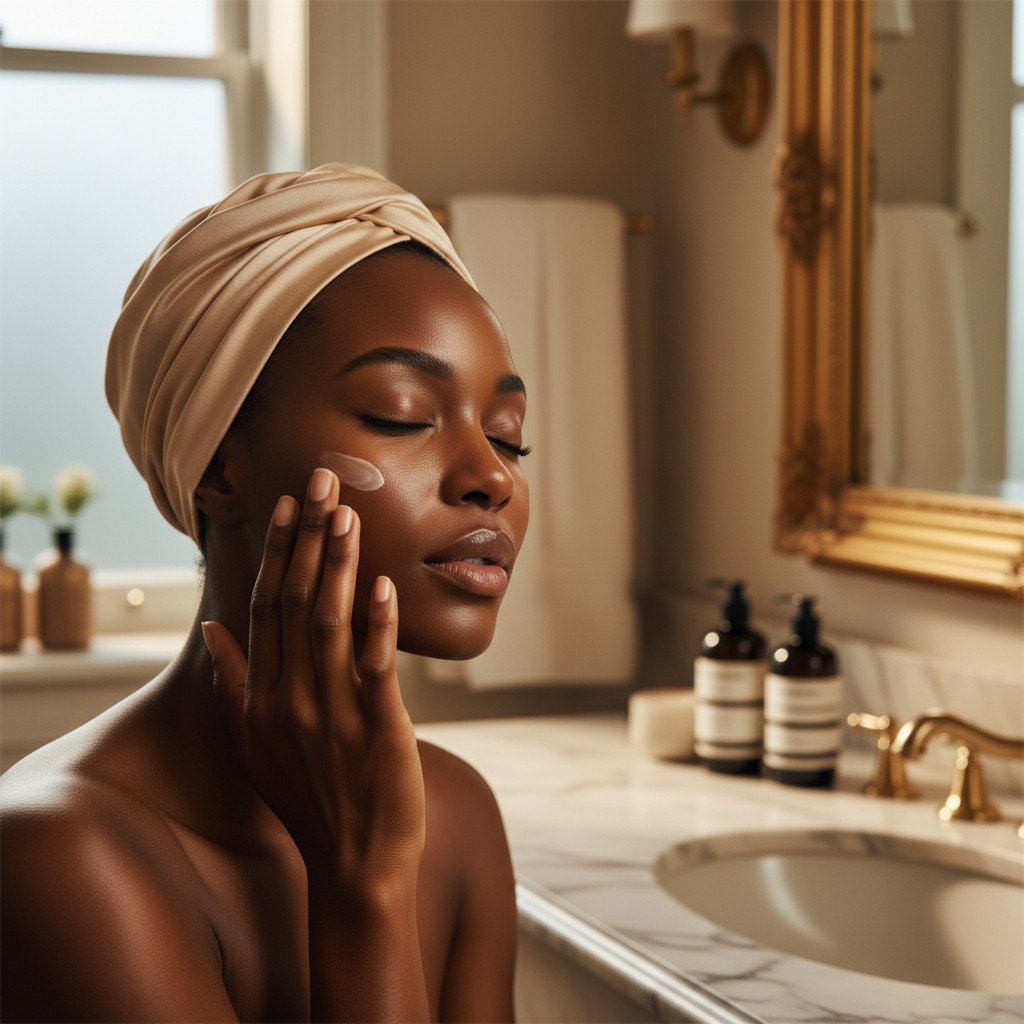
Creative Outlets, Journaling, Prayer, Movement, and Body-Based Release
Beyond traditional therapy and community groups, the journey of living with a chronic skin condition often calls for deeply personal and intuitive forms of support. These creative outlets, spiritual practices, and body-based releases offer powerful avenues for processing emotions, finding solace, and reconnecting with oneself in a way that words alone sometimes cannot. They provide a space for self-expression, healing, and reclaiming agency over one’s experience, especially when dealing with the unpredictable nature of skin conditions.
The Healing Power of Creative Expression
Art, in its myriad forms, offers a unique language for feelings that are difficult to articulate. When your skin is a canvas of discomfort or visible change, expressing yourself creatively can be profoundly cathartic. It allows you to externalize internal struggles, transform pain into something tangible, and find beauty even amidst challenge.
- Visual Arts (Painting, Drawing, Collage): You don’t need to be an artist to benefit. Simply putting colors on paper, sketching shapes, or creating collages from magazine clippings can be a powerful way to represent your feelings about your skin, your body, or your journey. It can help you visualize pain, frustration, or even hope, giving form to the formless.
- Music and Sound: Listening to music that resonates with your mood, or even creating your own (singing, playing an instrument, drumming), can shift your emotional state. Music therapy is a recognized field, but even personal engagement with sound can be deeply therapeutic.
- Writing (Poetry, Storytelling): Beyond journaling, crafting poems or short stories can allow you to explore your experiences through metaphor or narrative, creating distance and perspective. It can be a way to process trauma, celebrate resilience, or simply document your day-to-day reality.
To begin, consider a simple search for “guided art journaling supplies” on Amazon to find tools that can help you get started: Shop guided art journaling supplies on Amazon.
Journaling: A Private Sanctuary
Journaling is a time-honored practice of self-reflection and emotional release. It’s a private, non-judgmental space where you can pour out your thoughts, fears, frustrations, and hopes without filter. For those with chronic skin conditions, journaling can serve several vital functions:
- Emotional Processing: It allows you to acknowledge and process difficult emotions like anger, sadness, shame, or anxiety related to your condition.
- Pattern Recognition: By tracking symptoms, triggers, and emotional states, you might identify patterns that inform your self-care or discussions with your doctor.
- Gratitude and Affirmation: It can be a space to practice gratitude, affirming your resilience, your inner strength, and the beauty you possess beyond your skin.
- Decision Making: Journaling can help you weigh options, articulate boundaries, and plan for challenging situations.
Starting a journaling practice can be as simple as dedicating 10-15 minutes each day to free-writing. Don’t worry about grammar or structure; just let your thoughts flow onto the page. For inspiration, you might explore “guided journals for chronic illness” on Amazon: Shop guided journals for chronic illness on Amazon.
Prayer and Faith Spaces: Spiritual Solace
For many Black women, faith and spirituality are central to their lives and a profound source of strength and comfort. Prayer, meditation, and engagement with faith communities can offer a unique form of support:
- Spiritual Connection: Prayer can provide a direct connection to a higher power, offering solace, hope, and a sense of being watched over and cared for, even in times of suffering.
- Community and Fellowship: Faith communities often provide a built-in network of support, offering practical help, emotional comfort, and a sense of belonging. They can be spaces where you are seen and loved beyond your physical condition.
- Meaning-Making: Spiritual practices can help individuals find meaning and purpose even amidst chronic illness, fostering resilience and a sense of peace.
Whether through quiet personal prayer, communal worship, or engaging with spiritual texts, these practices can ground you and provide a deep sense of peace that transcends physical discomfort.
Movement and Body-Based Release: Reconnecting with Self
Chronic skin conditions can sometimes lead to a disconnect from one’s own body, especially if it’s a source of pain or self-consciousness. Body-based practices are crucial for reclaiming agency, releasing tension, and fostering a more positive relationship with your physical self.
- Gentle Movement (Yoga, Tai Chi, Stretching): These practices emphasize mindful movement, breathwork, and gentle stretching, which can improve circulation, reduce stress, and help you tune into your body’s signals without judgment. Modified poses can accommodate discomfort or limited mobility.
- Dance: Moving your body freely to music can be incredibly liberating and joyful, allowing for emotional release and a celebration of your body’s capabilities, regardless of its current state.
- Somatic Practices: Techniques like Somatic Experiencing or Trauma-Sensitive Yoga focus on the body’s sensations to release stored tension and trauma. These can be particularly helpful if your condition has led to medical trauma or chronic stress.
- Mindful Breathing and Body Scans: Simple practices like deep breathing exercises or body scan meditations can help you stay present, manage pain, and calm the nervous system.
These diverse avenues of support are not mutually exclusive; rather, they can complement each other, creating a rich tapestry of care that addresses your unique needs. Exploring them allows you to discover what truly nourishes your spirit and empowers you on your healing journey.
What to Ask For From Friends, Family, or Partners
One of the most challenging aspects of building a support system is often articulating what you need to the people closest to you. Friends, family, and partners often want to help, but they may not know how, or they might offer support in ways that aren’t actually helpful. For individuals managing chronic skin conditions, especially those with melanin-rich skin who may face unique cultural and social considerations, clear communication is paramount. This section will guide you on how to effectively communicate your needs, ranging from emotional validation to practical assistance, and even how to set boundaries.
The Importance of Direct Communication
It’s a common misconception that loved ones should instinctively know what you need. However, chronic illness is often invisible in its emotional toll, and even visible conditions can be misunderstood. Assuming others will “just know” can lead to frustration and unmet needs. Direct, calm, and specific communication is key. Remember, you are educating them and empowering them to support you effectively.
Types of Support to Ask For
1. Emotional Support and Validation
- “I need you to listen without trying to fix it.” Sometimes, the greatest gift is simply to be heard. Explain that you’re not looking for solutions, but rather a space to vent, express frustration, or share your feelings without judgment or unsolicited advice.
- “Can you acknowledge how tough this is?” A simple “I can only imagine how hard this must be for you” or “It’s okay to feel overwhelmed” can be incredibly validating. It confirms that your experience is real and your feelings are justified.
- “Please don’t minimize my experience.” Gently explain that phrases like “it could be worse” or “just try to relax” can feel dismissive. Instead, ask them to focus on your current experience.
- “Can you remind me of my strength/beauty?” When self-esteem is low due to visible symptoms, a genuine compliment or affirmation of your worth, separate from your skin, can be a powerful uplift.
2. Practical Assistance
- “Could you help me with X task today/this week?” Be specific. Instead of a vague “I need help,” say “Could you pick up groceries on your way home?” or “I’m having a flare, would you mind helping with laundry this weekend?”
- “Can you come with me to my appointment?” Having an advocate or simply a supportive presence at medical appointments can be invaluable. They can take notes, ask questions you might forget, or simply offer moral support.
- “I need help researching X.” If you’re overwhelmed with finding specialists, understanding insurance, or looking for specific products, delegate research tasks if you have a willing helper.
- “Could you prepare a meal/bring over food?” During flares, cooking can be exhausting. A ready-made meal or even a simple grocery delivery can make a huge difference.
3. Witness Support and Understanding
- “Can you learn more about my condition?” Share reliable resources (websites, articles, books) and ask them to educate themselves. This shows genuine care and helps them understand your daily reality.
- “Please don’t make comments about my skin unless I bring it up.” Set boundaries around unsolicited advice or observations about your appearance. Explain that while well-intentioned, these comments can be hurtful or increase self-consciousness.
- “Can you help me explain this to others?” Sometimes, having a partner or close friend who understands your condition can help you navigate social situations by explaining to others on your behalf, or by deflecting insensitive questions.
- “I might need to cancel plans last minute, please understand.” Explain that the unpredictable nature of chronic conditions means you might need flexibility. Ask for their understanding rather than judgment when plans change.
4. Setting Boundaries
- “I appreciate your concern, but I’m not looking for advice right now.” It’s okay to politely decline unsolicited suggestions, especially if you’ve heard them before or they’re not relevant to your treatment plan.
- “I need some quiet time/space.” Communicate when you need to retreat and recharge, explaining that it’s not personal but a necessary part of managing your condition.
- “Let’s talk about something else.” If the conversation continually revolves around your condition and you need a break, gently redirect.
Tips for Effective Communication
- Choose the Right Time: Don’t try to have these conversations in the middle of a flare or when you’re already stressed. Pick a calm moment when you can both focus.
- Use “I” Statements: Frame your needs from your perspective: “I feel overwhelmed when…” or “I need X because…” This avoids making the other person feel blamed or defensive.
- Be Patient: It might take time for loved ones to fully grasp the nuances of your condition and how best to support you. Reinforce positive behaviors and gently correct misunderstandings.
- Express Gratitude: When someone does provide helpful support, acknowledge and thank them. This reinforces their efforts and encourages continued support.
Remember, asking for help is a sign of strength, not weakness. It allows your loved ones to show up for you in meaningful ways, deepening your relationships and creating a more robust support system that truly meets your needs.
Building a Support System When Access Is Limited
The reality for many Black women and individuals with melanin-rich skin is that access to traditional support systems—like well-resourced therapy, in-person support groups, or even consistent, empathetic medical care—can be significantly limited. Barriers such as cost, lack of insurance, geographical isolation, cultural stigma around mental health, time constraints due to work or caregiving responsibilities, and historical medical mistrust can make building a robust support network feel like an insurmountable challenge. However, it is crucial to remember that support can manifest in myriad forms, and resourcefulness, creativity, and self-advocacy can help you forge a network that truly sustains you, even with limitations.
Addressing Cost and Insurance Barriers
- Community Mental Health Centers: Many areas have publicly funded mental health clinics that offer services on a sliding scale based on income. These can be excellent, affordable options for therapy.
- University Training Clinics: Psychology and social work departments at universities often run clinics where graduate students provide therapy under supervision at a reduced cost.
- Online Therapy Platforms with Sliding Scales: Some online platforms or individual therapists offer sliding scale fees. Don’t be afraid to ask during initial consultations.
- Support Groups (Free or Low Cost): Many disease-specific organizations offer free online or in-person support groups. These are often peer-led and can provide immense emotional and practical support without the cost of therapy.
- Employee Assistance Programs (EAPs): If you are employed, check if your workplace offers an EAP. These programs often provide a limited number of free counseling sessions.
Overcoming Stigma and Cultural Mistrust
- Culturally Affirming Spaces: Seek out therapists or support groups specifically for Black women or people of color. Organizations like Therapy for Black Girls, Inclusive Therapists, or Black Mental Health Alliance can help you find culturally competent providers who understand the unique challenges you face. This can help mitigate mistrust and create a safer space.
- Anonymous Online Communities: If in-person stigma is a concern, anonymous online forums (like Reddit subreddits or private Facebook groups) can provide a safe space to share and receive support without revealing your identity.
- Faith-Based Support: For many, faith leaders (pastors, imams, spiritual elders) can offer pastoral counseling and spiritual guidance, which can be a culturally accepted and deeply comforting form of support.
- Educating Loved Ones: Gently educate friends and family about the benefits of mental health support, framing it as self-care and resilience, rather than a sign of weakness.
Navigating Time Constraints and Caregiving Responsibilities
- Telehealth and Online Support: Virtual therapy sessions and online support groups eliminate travel time and can often be scheduled more flexibly, fitting into busy schedules or during children’s nap times.
- Micro-Moments of Self-Care: Even 5-10 minutes of journaling, deep breathing, or listening to calming music can be a powerful act of self-support when longer blocks of time are unavailable.
- Leveraging Practical Support: Don’t hesitate to ask for practical help from your existing network (friends, family, neighbors) to free up time for self-care or appointments. “Could you watch the kids for an hour while I do a virtual therapy session?”
- Podcasts and Audiobooks: Utilize commute times or household chore times to listen to podcasts or audiobooks on chronic illness management, mindfulness, or mental well-being.
Building a Private and Personal Support System
Support doesn’t always have to be external or public. Sometimes, the most profound support comes from within or from very private practices.
- Journaling and Reflective Writing: As discussed, this is a free, accessible, and deeply personal way to process emotions, track symptoms, and cultivate self-awareness.
- Creative Outlets: Engaging in art, music, dance, or any creative pursuit can be a powerful form of self-expression and emotional release, requiring minimal resources.
- Spiritual Practices: Prayer, meditation, or connecting with nature can provide immense comfort and a sense of grounding, regardless of external circumstances.
- Body-Based Practices: Gentle stretching, mindful movement, or simply paying attention to your breath can help you reconnect with your body and release tension. Many free resources are available online (YouTube yoga, guided meditations).
Maximizing Existing Relationships
- Identify Your “Go-To” People: Who in your life is a good listener? Who is reliable for practical help? Who makes you laugh? Identify 1-2 people for specific types of support and communicate your needs clearly.
- Educate Your Inner Circle: Share information about your condition with trusted friends or family. The more they understand, the better equipped they are to offer meaningful support.
- Reciprocal Support: Offer support to others when you can. Reciprocity strengthens bonds and creates a network where everyone feels valued.
Building a support system when access is limited requires intentionality, resilience, and a willingness to think outside the box. It means recognizing that every small act of self-care, every genuine connection, and every moment of self-compassion contributes to a stronger, more resilient you. Your journey is valid, and your need for support is real, regardless of the resources immediately at hand.
How to Navigate This Topic
Approaching the topic of building a support system for chronic skin conditions, especially for Black women, requires a nuanced and empathetic perspective. It’s not about finding a single, perfect solution, but rather about creating a personalized tapestry of care that honors individual needs, cultural contexts, and practical realities. Navigating this journey effectively means embracing self-compassion, patience, and a willingness to explore diverse avenues of healing and connection.
Embrace Self-Compassion and Patience
First and foremost, approach this topic with immense self-compassion. Living with a chronic skin condition is inherently challenging, and seeking support is a sign of strength, not weakness. There will be good days and bad days, moments of progress and moments of setback. Be patient with yourself as you explore different types of support; what works for one person may not work for another, and what works for you today might change tomorrow. Give yourself permission to experiment, to step back when overwhelmed, and to celebrate every small step forward. Avoid comparing your journey to others, as everyone’s path is unique.
Recognize the Diversity of Support
Understand that “support” is a broad and inclusive term. It doesn’t solely mean formal therapy or large in-person groups. Support can be clinical (dermatologists, therapists), relational (friends, family, partners), spiritual (faith communities, prayer), creative (art, journaling), practical (help with chores, appointments), or deeply private (meditation, self-reflection). The goal is to identify which of these resonate most with you and to integrate them into your life in a way that feels authentic and sustainable. Don’t feel pressured to engage in a type of support that doesn’t feel right for you.

Prioritize Your Needs and Boundaries
As you build your support system, it’s crucial to prioritize your own needs and establish healthy boundaries. This means learning to say “no” to things that drain your energy, communicating your limitations clearly to others, and protecting your emotional and physical space. It also means being discerning about the support you receive; not all advice is good advice, and not all community spaces are healthy. You have the right to curate your support network, choosing individuals and groups that uplift and empower you, and stepping away from those that do not.
Be Proactive and Resourceful
While it can be exhausting, a proactive approach to seeking support often yields the best results. This might involve researching therapists with specific cultural competencies, actively searching for online communities relevant to your condition, or initiating conversations with trusted loved ones about your needs. When traditional resources are limited, cultivate resourcefulness: explore free online tools, community programs, or creative ways to repurpose existing relationships for support. Remember the strategies outlined in the section “Building a Support System When Access Is Limited.”
Integrate Support into Your Lifestyle
Finally, view building a support system not as a temporary fix, but as an ongoing process of integrating care into your lifestyle. Just as you manage your physical symptoms daily, commit to nurturing your emotional and relational well-being regularly. This might look like scheduling weekly therapy sessions, dedicating time for daily journaling, participating in a monthly online support group, or having regular check-ins with a trusted friend. By weaving these practices into the fabric of your life, you create a resilient and enduring framework that empowers you to navigate the complexities of your chronic skin condition with grace and strength.
Navigating this topic is a journey of self-discovery and empowerment. It’s about recognizing your inherent worth, advocating for your well-being, and building a life rich with connection and care, regardless of what your skin is doing. You are deserving of holistic support, and by embracing these principles, you can create a system that truly nurtures your mind, body, and spirit.
| Support Type | What It Can Offer | Lower-Pressure Way to Begin |
|---|---|---|
| Therapy/Counseling | Professional guidance for processing emotions, developing coping strategies, addressing trauma, improving self-esteem, and navigating the psychological impact of chronic illness. A safe, confidential space for deep self-exploration. | Free 15-minute phone consultation with a therapist; exploring online directories for culturally competent providers; trying a single session to gauge fit. |
| Community Support (Online/In-person) | Validation, shared experiences, practical tips, reduced isolation, sense of belonging, and collective advocacy. Connects you with others who truly “get it.” | Joining a private Facebook group or Reddit subreddit for your specific condition; reading posts without immediate participation; attending a virtual meeting. |
| Journaling | Private space for emotional processing, tracking symptoms/triggers, self-reflection, gratitude practice, and creative expression. Helps externalize thoughts and feelings. | Dedicate 5-10 minutes daily to free-writing; use a simple notebook; explore guided journals for chronic illness or self-care. |
| Creative Outlets (Art, Music, Dance) | Non-verbal emotional release, stress reduction, self-expression, fostering joy, and reconnecting with your body. Transforms difficult emotions into tangible forms. | Doodle in a notebook; listen to music that shifts your mood; dance freely in your living room; try a simple online art tutorial. |
| Prayer/Faith Spaces | Spiritual solace, hope, connection to a higher power, community fellowship, meaning-making, and a sense of peace. | Quiet personal prayer or meditation; listening to spiritual music; attending a virtual service; connecting with a trusted faith leader. |
| Movement/Body-Based Practices | Reconnecting with the body, releasing physical tension, stress reduction, improved body awareness, and gentle self-care. | Gentle stretching for 5 minutes; mindful walking; trying a beginner’s yoga video on YouTube; focusing on deep breathing exercises. |
| Trusted Friends/Family/Partners | Emotional validation, practical help (chores, appointments), witness support, advocacy, and unconditional love. | Choose one trusted person; clearly communicate one specific need (“Can you listen without advice?”); share a reliable article about your condition. |
Where to Go Next
You’ve taken a significant step by exploring the diverse landscape of support available for chronic skin conditions. The journey doesn’t end here; it evolves. The next phase involves translating this knowledge into actionable steps that resonate with your unique needs and circumstances. Remember, building a support system is an ongoing process, not a one-time event. It requires continuous self-assessment, adaptation, and a commitment to nurturing your well-being.
As you move forward, consider revisiting the Emotional and Identity Impact of Chronic Skin Conditions hub. This central resource offers a broader perspective on how these conditions shape our self-image and overall sense of self, providing context for why a robust support system is so crucial. Understanding the emotional landscape is key to identifying the right types of support for you.
Next, reflect on the specific challenges you face. Do you struggle with self-image? Explore our article on How Chronic Skin Conditions Shape Self-Image on Dark Skin. Are social interactions or intimacy a concern? Our piece on Clothing, Intimacy, and Being Seen with Visible Scars and Rashes offers valuable insights. If you’re grappling with difficult emotions or past negative medical experiences, the article on Grief, Anxiety, and Medical Trauma in Chronic Skin Conditions can provide understanding and guidance. And for practical strategies on communicating your needs, delve into Language, Boundaries, and Self-Advocacy with Others.
Beyond the emotional cluster, consider practical aspects of your journey. Our parent pillar, Skin Conditions on Dark Skin, serves as a comprehensive starting point for all topics related to managing skin conditions in melanin-rich skin. For daily self-care that integrates emotional well-being, explore Beauty Rituals, Emotional Wellbeing, Reset Routines, and Pre-Event Rituals. If navigating the medical system feels overwhelming, our article on Medical Navigation for Under-Diagnosed Conditions on Dark Skin offers crucial guidance. And for practical, day-to-day management, learn about Building a Day-to-Day Skin Routine Around Flares and Remission.
Your path to holistic well-being is a mosaic, and each piece of information and support you gather contributes to its strength and beauty. Keep exploring, keep learning, and most importantly, keep nurturing yourself. You are worthy of all the support and care you seek.
Quick Principles
Navigating life with a chronic skin condition, especially for Black women, requires a blend of resilience, self-awareness, and strategic self-care. As you embark on or continue your journey of building a robust support system, keep these quick principles in mind. They serve as guiding lights, offering clarity and empowerment amidst the complexities.
- Your Feelings Are Valid: No matter what your skin is doing, your emotional responses—grief, anger, anxiety, frustration, or even joy—are real and deserve to be acknowledged without judgment.
- Support is Diverse: There is no single “right” way to find support. It can be clinical, relational, spiritual, creative, practical, or private. Embrace the variety and find what resonates with you.
- Communication is Key: People cannot read your mind. Clearly, calmly, and specifically articulate your needs to friends, family, and partners. Educate them on your condition and how they can best help.
- Boundaries Protect Your Peace: Learning to say “no,” setting limits on discussions about your skin, and protecting your energy are crucial acts of self-preservation.
- Community Heals Isolation: Connecting with others who share similar experiences can profoundly reduce feelings of loneliness and validate your journey. Seek out online or in-person groups where you feel understood.
- Creative Expression is Therapeutic: Art, writing, music, and movement offer powerful, non-verbal ways to process emotions, reduce stress, and reconnect with your body.
- Access Can Be Overcome: Even with limitations like cost, stigma, or time, resourceful approaches (sliding scale therapy, online communities, faith-based support, self-care practices) can help you build a strong network.
- Self-Compassion is Non-Negotiable: Be kind to yourself. This journey is challenging, and you are doing your best. Celebrate small victories, rest when needed, and treat yourself with the same care you would offer a loved one.
- You Are More Than Your Skin: Your worth, beauty, and identity extend far beyond your physical appearance. A support system helps you remember and affirm this truth, even when your skin is flaring.
- This is an Ongoing Journey: Building and maintaining a support system is a continuous process. Your needs will evolve, and your support network may adapt over time. Stay flexible and committed to your holistic well-being.
Frequently Asked Questions
What if I don’t have money for therapy?
Many options exist beyond traditional private therapy. Look into community mental health centers, university training clinics, therapists offering sliding scale fees, or employee assistance programs (EAPs) through your workplace. Online therapy platforms can also sometimes be more affordable, and free support groups are widely available.
How can I find a support group that understands my experience as a Black woman with a chronic skin condition?
Seek out online communities specifically for Black women with chronic illnesses or particular skin conditions on platforms like Facebook or Reddit. Websites like Therapy for Black Girls or Inclusive Therapists also often list support groups or culturally competent providers who can offer referrals. Don’t hesitate to ask your dermatologist or primary care physician for local recommendations.
My family means well but gives unhelpful advice about my skin. How do I handle this?
The key is gentle but firm communication. Express gratitude for their concern, then clearly state your needs using “I” statements, such as “I appreciate you wanting to help, but right now I just need you to listen, not offer solutions.” You can also share reliable educational resources with them to help them understand your condition better.
What if I’m not “creative” but want to try creative outlets for support?
You don’t need artistic talent to benefit from creative expression. The goal is emotional release and self-exploration, not producing a masterpiece. Try simple activities like doodling, coloring, free-writing in a journal, listening to or singing along with music, or dancing freely in your living room. The process itself is the therapy.
How can I get practical help when I’m having a flare-up and feel overwhelmed?
Be specific when asking for help. Instead of saying “I need help,” try “Could you pick up groceries for me today?” or “Would you mind doing a load of laundry?” Identify one or two trusted individuals (friends, family, partners) who you can rely on for specific tasks during challenging times, and communicate your needs clearly in advance if possible.
Is it okay if I prefer private forms of support over community groups or therapy?
Absolutely. Support is deeply personal. If journaling, prayer, meditation, or creative expression in solitude resonates more with you, those are incredibly valid and powerful forms of self-support. The most effective support system is one that genuinely nurtures your unique needs and preferences, whether public or private.
My chronic skin condition has made me feel disconnected from my body. How can movement help?
Gentle movement practices like stretching, mindful walking, or beginner’s yoga can help you gradually reconnect with your body without judgment. Focus on how your body feels, not on performance. These practices can release tension, improve body awareness, and foster a sense of presence, helping to bridge the gap between your mind and body.
INTERNAL LINKING OPPORTUNITIES
Emotional and Identity Impact of Chronic Skin Conditions
Skin Conditions on Dark Skin
How Chronic Skin Conditions Shape Self-Image on Dark Skin
Clothing, Intimacy, and Being Seen with Visible Scars and Rashes
Grief, Anxiety, and Medical Trauma in Chronic Skin Conditions
Language, Boundaries, and Self-Advocacy with Others
Beauty Rituals, Emotional Wellbeing, Reset Routines, and Pre-Event Rituals
Medical Navigation for Under-Diagnosed Conditions on Dark Skin
Building a Day-to-Day Skin Routine Around Flares and Remission
Related next steps
Related posts:
 How Chronic Skin Conditions Shape Self-Image on Dark Skin
 Grief, Anxiety, and Medical Trauma in Chronic Skin Conditions
 LED Light Therapy at Home on Dark Skin: Safety and Expectations
 When to Consider In-Office Treatments or Hormone Therapy for Skin Changes
 Designing a Village-Based Self-Care Plan: Cultivating Community for Sustainable Well-being
 Online Sisterhoods & Beauty Community: Navigating Digital Spaces for Melanin-Rich Beauty