Building an Anti-Pollution Skincare Routine for Urban Environments
Living in the city offers vibrancy, opportunity, and a dynamic pace, but it also introduces unique challenges for our skin. If you’ve noticed your melanin-rich skin feeling a little duller, looking more congested, or showing signs of irritation and unevenness that weren’t there before, it’s not your imagination. The constant exposure to urban elements—from commuting through traffic fumes to navigating indoor air pollution, grime, and environmental stressors—can subtly yet significantly impact skin health and appearance. This isn’t about creating panic; it’s about understanding how to provide your skin with the thoughtful support, balanced cleansing, deep hydration, and consistent protection it deserves to thrive in a city landscape.
Our skin, particularly melanin-rich skin, possesses incredible resilience and natural protective qualities. However, the cumulative effect of urban living can sometimes overwhelm these defenses, leading to concerns like increased oxidative stress, barrier disruption, and a propensity for post-inflammatory hyperpigmentation (PIH) when irritation occurs. This guide is designed to help you craft a skincare routine that thoughtfully addresses these environmental pressures, ensuring your skin remains radiant, balanced, and confident, no matter how bustling your surroundings. We’ll explore how to design a routine that integrates seamlessly into your life, offering practical steps to nurture your skin without feeling overwhelmed. For a deeper dive into designing routines for various skin goals, explore our comprehensive guide on Routine Design for Different Goals.
Understanding these environmental influences is the first step toward empowering your skin. We’ll move beyond generic advice to focus on strategies that truly resonate with the needs of melanin-rich skin, acknowledging its unique characteristics and how it responds to the urban environment. This isn’t about adding countless steps to your regimen; it’s about strategic choices that make a meaningful difference, helping your skin maintain its natural glow and even tone. For a foundational understanding of skincare tailored for Black women, you can always refer to our main resource on Skincare for Black Women.
What This Post Covers
This article will guide you through the intricacies of building an anti-pollution skincare routine specifically tailored for melanin-rich skin navigating urban environments. We’ll begin by exploring the specific ways city life can manifest on your skin, from subtle dullness to more pronounced irritation and uneven tone. We’ll then outline the core goals of an effective anti-pollution routine, emphasizing protection, cleansing, and restoration.
You’ll find detailed morning and evening routine frameworks, complete with practical steps and product considerations designed to counteract daily environmental aggressors. We’ll delve into the types of product textures that tend to perform best in urban settings and demystify the concept of oxidative stress in a practical skincare context. Crucially, we’ll address how city living can impact concerns like dark marks and sensitivity, offering targeted solutions.
We’ll also highlight common pitfalls to avoid when designing your routine and provide realistic examples for various urban lifestyles and skin types. A comparative analysis will help you distinguish between a balanced, supportive routine and an overly aggressive, “overdefensive” approach. Finally, we’ll offer principles for navigating this topic, connect you to related resources, and answer frequently asked questions, ensuring you feel equipped to protect and nourish your skin with confidence and grace.
How Urban Life Can Show Up on Melanin-Rich Skin
The constant interaction with an urban environment can subtly yet profoundly influence the health and appearance of melanin-rich skin. While our skin is naturally resilient, the cumulative effect of city stressors can lead to a range of concerns that might not always be immediately obvious but can certainly impact how our skin looks and feels over time. It’s not just about visible dirt; it’s about the invisible aggressors that trigger internal responses.
Dullness
One of the most common complaints among city dwellers is a persistent lack of radiance or a “dull” complexion. This dullness isn’t just about surface grime; it’s often a result of several factors converging. Air pollution, including particulate matter (PM2.5), ozone, and nitrogen dioxide, can adhere to the skin’s surface and penetrate deeper layers. These pollutants generate free radicals, leading to oxidative stress. This stress can slow down the natural process of cell turnover, meaning dead skin cells accumulate more readily on the surface. For melanin-rich skin, this buildup can make the complexion appear ashy or muted, obscuring the natural luminosity and vibrancy that is so characteristic. Furthermore, chronic low-level inflammation triggered by pollutants can also contribute to a less vibrant skin tone, as the skin’s internal processes are constantly battling external threats rather than focusing on optimal function.
Congestion
Urban environments are a breeding ground for various forms of congestion. Beyond visible dirt and dust, pollutants can mix with sebum and dead skin cells, forming a sticky film that clogs pores. For melanin-rich skin, which can sometimes be prone to larger pores or increased sebum production, this can exacerbate the issue. The result is often an increase in blackheads, whiteheads, and sometimes even inflammatory breakouts. The constant exposure to grime means that even diligent cleansing might struggle to keep up if the routine isn’t specifically designed to address this daily buildup. Furthermore, the occlusive nature of some pollutants can create an anaerobic environment within the pores, favoring the growth of acne-causing bacteria. This can lead to persistent texture issues and a feeling of “uncleanliness” even after washing.
Dehydration
Despite often being associated with humidity, many urban environments can be surprisingly dehydrating for the skin. Indoor heating and air conditioning systems constantly strip moisture from the air, and by extension, from our skin. Commuting in dry, recirculated air on public transport or in cars further contributes to this. Moreover, certain pollutants can compromise the skin’s natural barrier function, making it less effective at retaining moisture. When the skin barrier is weakened, transepidermal water loss (TEWL) increases, leading to a feeling of tightness, flakiness, and a lack of plumpness. For melanin-rich skin, dehydration can also make fine lines more apparent and contribute to a rougher texture, diminishing the smooth, supple feel we desire. The skin may also feel less comfortable and more reactive when its moisture barrier is compromised.
Rough Texture
A rough or uneven skin texture is another common manifestation of urban stress. This can stem from a combination of factors. The accumulation of dead skin cells due to slowed cell turnover (as mentioned with dullness) is a primary culprit. When these cells don’t shed efficiently, the skin’s surface feels bumpy and less smooth. Additionally, chronic exposure to pollutants and UV radiation can damage collagen and elastin fibers over time, contributing to a less resilient and more uneven skin surface. Dehydration also plays a role, as parched skin tends to feel rougher to the touch. For melanin-rich skin, maintaining a smooth texture is key to an even-looking tone, and urban aggressors can actively work against this goal, making the skin feel less refined and supple.
Irritation
The constant assault of environmental aggressors can lead to chronic low-grade inflammation and irritation. Pollutants, UV radiation, and even stress (which often accompanies city life) can trigger inflammatory responses in the skin. For melanin-rich skin, irritation is a significant concern because it can easily lead to post-inflammatory hyperpigmentation (PIH). Even seemingly minor irritation, such as from abrasive cleansing or exposure to harsh environmental factors, can leave behind dark spots that take a long time to fade. The skin may feel itchy, sensitive, or reactive, showing signs of redness (which can appear as a deeper purplish or brownish hue on darker skin tones) or increased sensitivity to products that were previously tolerated. This cycle of irritation and subsequent hyperpigmentation is a major challenge for urban dwellers with melanin-rich skin.
Uneven-Looking Tone
Perhaps one of the most visible and frustrating effects of urban living on melanin-rich skin is the development or exacerbation of an uneven skin tone. This is primarily driven by the interplay of irritation and sun exposure. As discussed, irritation from pollutants and other stressors can trigger PIH, leading to dark spots and patches. When these spots are then exposed to UV radiation, they can darken further and become more stubborn to fade. Oxidative stress from pollution also contributes to melanocyte overactivity, potentially leading to a mottled or patchy appearance. The skin’s natural ability to maintain a uniform tone is challenged by these constant aggressions, making it harder to achieve and maintain that coveted radiant, even complexion. This unevenness can manifest as new dark spots, a general darkening of certain areas, or a less luminous overall appearance, requiring a targeted approach to restore balance.
The Core Goals of an Anti-Pollution Routine
An effective anti-pollution skincare routine for melanin-rich skin in urban environments isn’t about adding endless steps or harsh treatments. Instead, it’s a strategic approach focused on a few fundamental pillars that work synergistically to protect, cleanse, and restore your skin’s natural balance and resilience. The aim is to support your skin’s inherent defenses, not to wage war on your environment. By focusing on these core goals, you can build a routine that is both effective and sustainable, helping your skin thrive amidst city life.
- Fortify the Skin Barrier: The skin barrier is your first line of defense against environmental aggressors. A strong, intact barrier prevents pollutants from penetrating, minimizes moisture loss, and reduces sensitivity. Our routine aims to use ingredients that support barrier function, such as ceramides, fatty acids, and cholesterol, ensuring your skin is robust and resilient.
- Neutralize Free Radicals: Urban pollution, UV radiation, and even visible light generate free radicals that cause oxidative stress, damaging skin cells and accelerating signs of aging and hyperpigmentation. A key goal is to incorporate potent antioxidants that scavenge these free radicals, protecting your skin from their damaging effects and preserving its youthful vitality.
- Thorough, Gentle Cleansing: Daily exposure to pollution means daily buildup. The routine must include effective yet gentle cleansing steps to remove accumulated grime, pollutants, and sunscreen without stripping the skin of its natural oils or compromising the barrier. This prevents congestion and dullness without causing irritation.
- Maintain Optimal Hydration: Dehydrated skin is more vulnerable to environmental damage and can appear dull and rough. A core goal is to consistently replenish and lock in moisture, ensuring the skin remains plump, supple, and better equipped to defend itself. This involves humectants, emollients, and occlusives working in harmony.
- Prevent and Manage Hyperpigmentation: For melanin-rich skin, irritation and sun exposure can easily lead to dark spots. An anti-pollution routine must actively work to prevent irritation, protect against UV damage, and incorporate ingredients that gently address existing hyperpigmentation, promoting an even and radiant tone.
- Support Skin’s Natural Repair Processes: While we protect the skin from daily damage, it’s equally important to support its natural ability to repair itself overnight. Ingredients that aid in cellular repair and regeneration help reverse the day’s damage and prepare the skin for the next day’s challenges.
- Reduce Inflammation and Soothe: Urban stressors can trigger inflammatory responses. A good routine aims to include ingredients with calming and anti-inflammatory properties to soothe the skin, reduce reactivity, and prevent the cascade of events that can lead to irritation and subsequent hyperpigmentation.
Morning Routine for City Days
Your morning routine is your skin’s armor for the day ahead. It’s about proactive protection, hydration, and creating a clean canvas to face the urban environment. The focus here is on fortifying your skin’s natural defenses against pollution, UV radiation, and other environmental aggressors without weighing it down. Each step is designed to build upon the last, ensuring comprehensive coverage and comfort throughout your busy day.
Cleanse According to Comfort and Buildup
How you cleanse in the morning sets the tone for the rest of your routine. For many, a full cleanse with a foaming cleanser might be too much, especially if you cleansed thoroughly the night before. The goal is to remove any overnight buildup, excess oil, and residual nighttime products without stripping your skin. Listen to your skin and adjust accordingly.
If your skin feels balanced and not particularly oily, a simple rinse with cool or lukewarm water might be sufficient. This helps to refresh the skin without disturbing its natural barrier. Pat dry gently with a clean towel. For those who experience a bit more oiliness overnight, or if you prefer a fresh start, a very gentle, low-lathering cleanser or a micellar water can be excellent options. Look for formulas that are sulfate-free and pH-balanced, designed for sensitive skin. These will effectively cleanse without leaving your skin feeling tight or dry. Remember, the sensation of “squeaky clean” is often a sign of over-stripping, which can weaken your barrier and make your skin more vulnerable to pollution. You can browse options for gentle cleansers on Amazon that are formulated with melanin-rich skin in mind. The key is to feel refreshed, not parched.
For individuals with oilier skin types or those who sweat more overnight, a mild, hydrating gel cleanser can provide a more thorough cleanse without being harsh. The goal is to remove impurities that accumulated overnight, including any remnants of your evening skincare, without compromising the skin’s delicate moisture barrier. A gentle touch is paramount here; avoid vigorous scrubbing, which can irritate the skin and potentially trigger hyperpigmentation. Your morning cleanse should leave your skin feeling soft, clean, and ready to absorb the protective layers that follow, not tight or uncomfortable.
Add Hydration and Antioxidant Support
This is where you build your protective shield. After cleansing, your skin is primed to receive beneficial ingredients. Start with a hydrating toner or essence. These steps replenish moisture immediately after cleansing and prepare the skin for subsequent treatments. Look for ingredients like hyaluronic acid, glycerin, and ceramides, which draw moisture into the skin and support barrier function. A hydrating mist can also serve this purpose, providing a quick burst of moisture and a refreshing sensation.
Next, and critically, apply an antioxidant serum. This is your skin’s primary defense against free radical damage caused by pollution and UV exposure. Vitamin C (L-ascorbic acid or its derivatives) is a powerhouse antioxidant, known for its ability to neutralize free radicals, brighten the complexion, and support collagen production. Other excellent antioxidants include ferulic acid, vitamin E, niacinamide, green tea extract, and resveratrol. These ingredients work synergistically to protect your skin from oxidative stress, which is rampant in urban environments. For melanin-rich skin, vitamin C is particularly beneficial as it can also help to brighten and even out skin tone over time, addressing concerns like dullness and hyperpigmentation. You can explore antioxidant serum formulas on Amazon that are often well-suited for darker skin tones. Apply the serum to slightly damp skin to enhance absorption, pressing it gently into your face, neck, and décolletage.
Following your serum, apply a lightweight moisturizer. Even if your skin tends to be oily, a moisturizer is crucial to seal in the hydration from your toner/essence and serum, and to provide an additional layer of barrier support. Choose a non-comedogenic formula that feels comfortable on your skin and doesn’t leave a greasy residue. Look for ingredients like ceramides, squalane, and fatty acids to reinforce the skin barrier. In humid climates, a gel-cream might be perfect, while in drier urban environments, a slightly richer lotion could be more appropriate. The goal is to keep your skin supple and protected without feeling heavy or occluded, ensuring it remains comfortable throughout the day.
Finish with Sunscreen and Wearable Textures
This is arguably the most non-negotiable step in any anti-pollution routine, especially for melanin-rich skin. Daily, broad-spectrum sunscreen is essential to protect against UV radiation, which exacerbates pollution-induced damage and is a primary trigger for hyperpigmentation. For urban environments, choose a sunscreen with at least SPF 30, and ideally SPF 50, that offers broad-spectrum protection against both UVA and UVB rays. Look for formulations that are specifically designed for darker skin tones to avoid a white cast, which can be a common concern with mineral sunscreens. Modern chemical sunscreens and tinted mineral sunscreens often blend seamlessly, providing invisible protection.
The texture of your sunscreen is paramount for consistent use. It needs to be comfortable, non-greasy, and blend effortlessly into your skin without pilling or interfering with makeup. Many brands now offer elegant, fluid sunscreens that feel more like a light moisturizer or primer. Consider a formula with added antioxidants for an extra layer of defense against environmental aggressors. Apply a generous amount—about a nickel-sized dollop for your face and neck—as the very last step in your morning routine, before any makeup. Reapply every two hours if you’re outdoors for extended periods, or if sweating heavily. You can check current prices for sunscreens that leave no white cast on Amazon. This final layer is your skin’s ultimate shield against the combined assault of UV and pollution, ensuring your skin stays protected and its tone remains even. Prioritizing a comfortable, effective sunscreen ensures you’ll use it every single day, which is the most powerful anti-aging and anti-pollution step you can take.
Evening Routine for Commuter and City Buildup
Your evening routine is your opportunity to undo the day’s environmental exposure, thoroughly cleanse, repair, and replenish your skin. After hours of battling pollution, grime, and potentially harsh indoor air, your skin needs careful attention to prevent congestion, irritation, and the cumulative effects of oxidative stress. This routine focuses on effective removal of impurities, gentle restoration of the skin barrier, and deep nourishment, preparing your skin for its overnight repair processes.
Remove the Day Gently
The first and most crucial step in your evening routine is to thoroughly remove all traces of makeup, sunscreen, and environmental pollutants. This is where the concept of “double cleansing” truly shines, especially for city dwellers. Double cleansing ensures that your skin is completely free of oil-soluble impurities (like makeup, sunscreen, and sebum) and water-soluble impurities (like sweat and some pollutants) without harsh scrubbing.
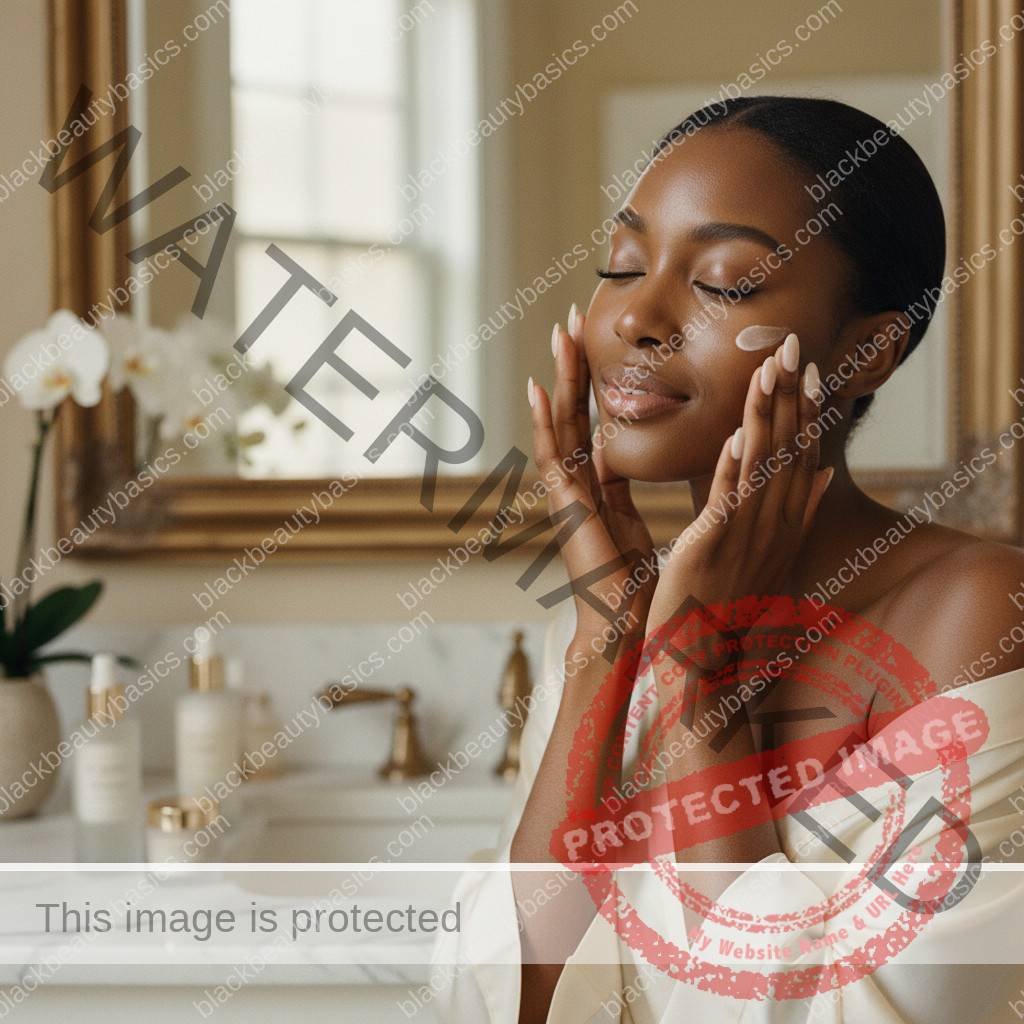
Start with an oil-based cleanser, balm, or micellar water. These formulations are excellent at dissolving makeup, waterproof sunscreen, and the oily film of pollutants that accumulate on your skin throughout the day. Gently massage the oil cleanser onto dry skin for about 60 seconds, allowing it to break down all the day’s buildup. Pay particular attention to areas where makeup or sunscreen tends to cling. Then, emulsify with a little water, turning the oil into a milky texture, and rinse thoroughly. This first step effectively lifts away the bulk of the day’s grime without stripping your skin. For those who wear heavy makeup or spend significant time outdoors, this step is non-negotiable for preventing congestion and ensuring your subsequent cleansing is truly effective.
Follow with a gentle, water-based cleanser. This second cleanse removes any remaining residue from the oil cleanser, sweat, and water-soluble impurities, leaving your skin feeling truly clean but not tight. Look for a pH-balanced, sulfate-free cleanser that is hydrating and doesn’t foam excessively. Ingredients like glycerin, ceramides, and mild surfactants are ideal. Massage it onto damp skin for 30-60 seconds, then rinse thoroughly with lukewarm water. Pat your skin dry with a clean, soft towel. This two-step cleansing process ensures that your skin is perfectly clean, allowing your treatment products to penetrate effectively, without compromising your skin’s delicate barrier. It’s a foundational step for preventing dullness, congestion, and irritation on melanin-rich skin exposed to urban stressors.
Reset Without Stripping
After thorough cleansing, the next phase is about resetting your skin’s balance and preparing it for repair, all while avoiding any harshness that could lead to irritation or hyperpigmentation. This involves gentle exfoliation (if needed), targeted treatments, and deep hydration.
If you incorporate exfoliation into your routine, the evening is the ideal time. For melanin-rich skin, chemical exfoliants (AHAs like lactic or mandelic acid, or BHAs like salicylic acid) are generally preferred over harsh physical scrubs, as they are less likely to cause micro-tears or irritation that can lead to PIH. Start with a low concentration and use 2-3 times a week, or less if your skin is sensitive. Exfoliation helps to remove dead skin cells and pollutant residue, improving texture, brightness, and allowing other products to absorb better. However, if your skin feels particularly irritated or sensitive from the day, skip exfoliation and focus on soothing and hydrating steps instead. A gentle exfoliating toner or serum can be a good entry point.
Following cleansing and optional exfoliation, apply your targeted treatment serums. This is where you can address specific concerns exacerbated by city life. A retinoid (retinol, retinal, or prescription tretinoin) is an excellent choice for evening routines as it promotes cell turnover, reduces congestion, and helps to fade hyperpigmentation, while also offering anti-aging benefits. Start with a low concentration and gradually increase frequency to build tolerance, as retinoids can sometimes cause initial irritation. Alternatively, or in conjunction with retinoids (on alternating nights), consider serums with niacinamide, alpha arbutin, or tranexamic acid to specifically target hyperpigmentation and support barrier function. Niacinamide, in particular, is a multi-tasker, helping to reduce inflammation, minimize pore appearance, and strengthen the skin barrier, making it ideal for urban skin. Apply these serums to clean, dry skin, allowing them a moment to absorb before moving to the next step.
The goal is to provide your skin with the active ingredients it needs to repair and rejuvenate, without overwhelming it. Choose 1-2 targeted treatments per evening, rather than layering too many actives, especially when starting out. This approach minimizes the risk of irritation and allows your skin to effectively utilize each product’s benefits, ensuring a calm and effective reset after a day in the city.
Rebuild Comfort Overnight
The final stage of your evening routine is dedicated to rebuilding your skin’s comfort, deeply hydrating, and supporting its natural overnight repair processes. This is when your skin is most receptive to restorative ingredients, and when your body is naturally focused on regeneration. A rich, nourishing moisturizer is key here.
After your serums have absorbed, apply a generous layer of a barrier-supportive moisturizer or a night cream. Look for formulas rich in ceramides, cholesterol, fatty acids, squalane, and shea butter. These ingredients mimic the skin’s natural lipid barrier, helping to replenish what may have been depleted during the day and strengthening its protective function. A robust barrier is less susceptible to future environmental damage and better at retaining moisture. For melanin-rich skin, a well-hydrated and protected barrier is crucial for preventing irritation that can lead to PIH. The moisturizer acts as an occlusive layer, sealing in all the beneficial ingredients applied previously and preventing transepidermal water loss (TEWL) throughout the night, ensuring you wake up with plump, supple skin.
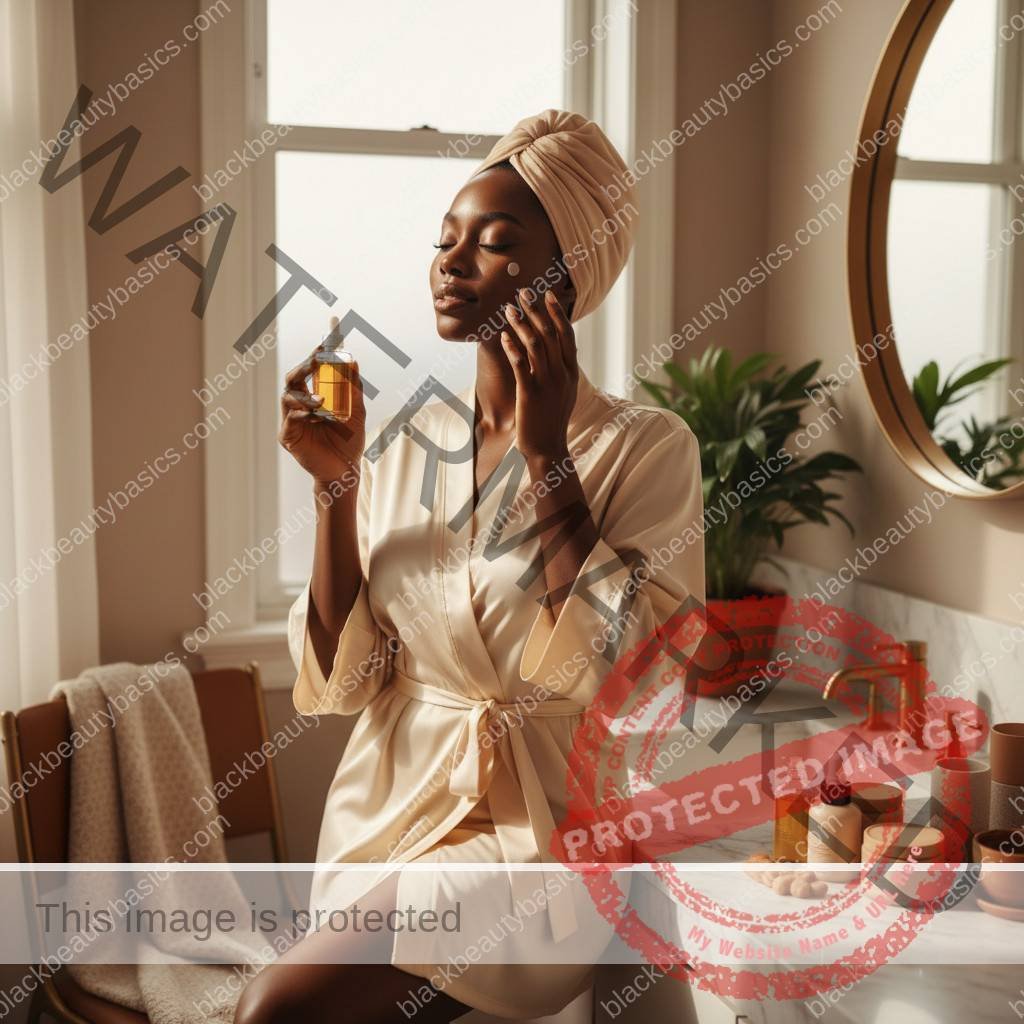
For an extra boost of nourishment, especially if your skin feels particularly dry or stressed, you might consider adding a facial oil as the very last step, after your moisturizer. Oils rich in omega fatty acids, such as rosehip, marula, or argan oil, can provide additional emollience and antioxidant benefits. Gently press a few drops onto your face. This “slugging” technique, if done occasionally with a non-comedogenic occlusive balm, can also be beneficial for extremely dry or compromised barriers, creating an intensive healing environment. However, this is not for everyone and should be approached with caution if you are prone to congestion. The aim is to create an optimal environment for your skin to repair and rejuvenate itself, so you wake up with skin that feels calm, hydrated, and ready to face another day in the city. Remember, consistency in these restorative steps is what truly makes a difference in maintaining resilient, radiant melanin-rich skin.
Anti-Pollution Texture Types That Usually Work Best
When curating an anti-pollution skincare routine for melanin-rich skin in urban environments, the texture of your products plays a significant role in their efficacy and your willingness to use them consistently. Heavy, occlusive textures can sometimes feel suffocating in humid city climates or contribute to congestion if not balanced. Conversely, overly light formulations might not provide enough barrier support in dry, harsh conditions. The sweet spot lies in elegant, effective textures that feel comfortable and perform their intended function without leaving an undesirable residue or causing issues.
Lightweight Hydrators
In urban settings, especially for those with melanin-rich skin that can sometimes be prone to oiliness or congestion, lightweight hydrators are often preferred. These include hydrating toners, essences, and serums that deliver a burst of moisture without feeling heavy or sticky. Look for textures that are watery, gel-like, or fluid. Ingredients like hyaluronic acid, glycerin, and polyglutamic acid are excellent humectants that draw moisture into the skin, and they are often formulated into these lighter textures. These hydrators layer beautifully under other products, providing a foundational layer of moisture that helps to plump the skin and improve its barrier function without contributing to a greasy feel. They are particularly beneficial in helping to combat the dehydration caused by indoor air conditioning, heating, and general urban dryness, ensuring the skin remains supple and resilient.
Antioxidant-Support Steps
Antioxidant serums, which are crucial for neutralizing free radicals from pollution, also tend to come in lightweight, fast-absorbing textures. Vitamin C serums, for instance, are often formulated as thin liquids or light gels that sink into the skin quickly, making them ideal for morning application under sunscreen. Other antioxidant-rich serums containing ingredients like niacinamide, ferulic acid, or green tea extract also typically have elegant, non-greasy textures. The goal here is to deliver potent active ingredients efficiently without adding an extra layer of heaviness. These textures ensure that the antioxidants can get to work protecting your skin without interfering with the wear of subsequent products like moisturizer or makeup. Their quick absorption means less waiting time in your morning routine, making consistent application more feasible for busy city schedules.
Barrier-Supportive Moisturizers
While lightweight textures are often favored, the moisturizer step requires a balance. You need something substantial enough to support and repair your skin barrier, but not so heavy that it feels occlusive or leads to breakouts. For daytime, a lightweight lotion or gel-cream with barrier-supporting ingredients like ceramides, squalane, and fatty acids is often ideal. These provide essential moisture and protection without feeling greasy under sunscreen. For evening, you might opt for a slightly richer cream, especially if your skin is on the drier side or if you’ve used active ingredients like retinoids. However, even these richer creams should ideally have a non-comedogenic formulation that absorbs well without leaving a thick film. The best barrier-supportive moisturizers for urban skin strike a balance between being nourishing and breathable, ensuring your skin feels comfortable and protected without being overloaded.
Comfortable Sunscreen
The texture of your sunscreen is paramount for daily compliance, especially for melanin-rich skin aiming to avoid a white cast. Modern sunscreens have come a long way, offering incredibly elegant, comfortable textures. Look for fluid, serum-like, or tinted mineral sunscreens that blend seamlessly into the skin. Chemical sunscreens often have a lighter feel and absorb without a trace, while newer mineral sunscreens use micronized zinc oxide and titanium dioxide to minimize the white cast. Many formulations now include hydrating ingredients, making them feel more like a moisturizer than a traditional thick sunscreen. The ideal sunscreen for urban environments should feel weightless, non-greasy, and provide an invisible finish, allowing it to be worn comfortably every day, whether alone or under makeup. This ensures consistent, broad-spectrum protection against UV and amplified pollution damage, which is non-negotiable for maintaining an even, radiant tone on melanin-rich skin.
Pollution, Oxidative Stress Language, and Real-Life Skincare
The terms “pollution” and “oxidative stress” are frequently used in skincare marketing, sometimes to create a sense of urgency or fear. However, understanding what they genuinely mean for your skin, particularly melanin-rich skin, and how to address them practically, can demystify the topic and empower your routine choices. It’s not about complex chemistry; it’s about simple, consistent actions.
What is Pollution in Skincare Terms? When we talk about pollution in skincare, we’re referring to a cocktail of environmental aggressors present in urban air. This includes:
- Particulate Matter (PM): Tiny airborne particles (like soot, dust, smoke) that can settle on the skin, clog pores, and even penetrate the skin barrier.
- Gases: Ozone (O3), nitrogen dioxide (NO2), and sulfur dioxide (SO2) are common urban pollutants. These gases can react with the skin’s natural oils and lipids, leading to irritation and the formation of harmful byproducts.
- Heavy Metals: Trace amounts of metals like lead, mercury, and cadmium can be present in polluted air and can contribute to oxidative stress.
- Polycyclic Aromatic Hydrocarbons (PAHs): These organic compounds are byproducts of burning fossil fuels and can generate free radicals on the skin.
These pollutants don’t just sit on the surface; they can trigger inflammatory responses, disrupt the skin barrier, and generate free radicals.
Understanding Oxidative Stress: This is the key mechanism through which pollution (and UV radiation) damages the skin. In simple terms, free radicals are unstable molecules (missing an electron) that “steal” electrons from healthy skin cells (like lipids, proteins, and DNA) to stabilize themselves. This “theft” causes damage to the healthy cells, leading to a cascade of negative effects:
- Collagen and Elastin Breakdown: Leading to premature fine lines, wrinkles, and loss of firmness.
- Increased Inflammation: Contributing to redness, sensitivity, and for melanin-rich skin, a higher risk of post-inflammatory hyperpigmentation.
- Disrupted Barrier Function: Making the skin more vulnerable to dehydration and further irritation.
- Melanocyte Overactivity: Potentially leading to uneven skin tone and dark spots.
- Slowed Cell Turnover: Resulting in dullness and rough texture.
Think of it like an apple turning brown when exposed to air – that’s oxidation. Our skin experiences a similar process internally when exposed to free radicals.
Real-Life Skincare Solutions (No Hype): The good news is that addressing pollution and oxidative stress in your skincare routine doesn’t require exotic ingredients or complicated steps. It boils down to a few practical, consistent actions:
- Antioxidants are Your Allies: These are molecules that “donate” an electron to free radicals, neutralizing them before they can damage your skin cells. Incorporating a potent antioxidant serum (like Vitamin C, Vitamin E, Ferulic Acid, Niacinamide, Green Tea Extract) in your morning routine is your best defense against oxidative stress. It’s like putting a protective shield on your skin. You can explore antioxidant serum formulas on Amazon that are often well-suited for darker skin tones.
- Daily Sunscreen is Non-Negotiable: UV radiation is a massive generator of free radicals and significantly amplifies the damage caused by pollution. Broad-spectrum SPF 30+ every single day, rain or shine, indoors or out, is your most powerful anti-pollution tool. It prevents UV-induced oxidative stress and helps your skin focus its energy on repairing other damage.
- Thorough, Gentle Cleansing: This removes the physical pollutants, grime, and excess sebum that accumulate on your skin throughout the day. Double cleansing in the evening ensures your skin is truly clean without being stripped, preventing congestion and allowing your nighttime repair products to work effectively.
- Barrier Support: A strong, healthy skin barrier is less permeable to pollutants and better able to defend against their damaging effects. Use moisturizers rich in ceramides, fatty acids, and cholesterol to keep your barrier intact and resilient.
- Hydration: Well-hydrated skin functions better and is less prone to irritation. Consistent hydration helps maintain skin elasticity and supports its natural protective functions.
In essence, “anti-pollution” skincare is simply good skincare with a heightened focus on protection and thorough cleansing. It’s about empowering your skin to defend itself against the realities of urban living, not about falling for marketing buzzwords. By understanding the mechanisms, you can make informed choices that genuinely support your skin’s health and radiance.
City Living, Dark Marks, and Tone Protection
For melanin-rich skin, the challenges of urban living often intersect directly with the predisposition to hyperpigmentation. Dark marks, or post-inflammatory hyperpigmentation (PIH), are a primary concern, and city stressors can significantly exacerbate their appearance and persistence. Understanding this connection is crucial for designing a routine that prioritizes tone protection and clarity.

The Link Between Urban Stress and Dark Marks:
- Inflammation from Pollution: As discussed, urban pollutants trigger oxidative stress and inflammation in the skin. For melanin-rich skin, any inflammation, no matter how minor, can stimulate melanocytes (the cells that produce pigment) to overproduce melanin. This leads to the formation of dark spots or patches where the inflammation occurred.
- UV Exposure Amplification: UV radiation is a primary trigger for hyperpigmentation and significantly darkens existing dark marks. In a city, even incidental sun exposure during commutes or daily activities adds up. When UV exposure combines with pollution-induced inflammation, the risk and severity of PIH are greatly amplified.
- Barrier Compromise: Pollution can weaken the skin barrier, making it more vulnerable to irritants and moisture loss. A compromised barrier is more prone to inflammation, creating a vicious cycle that perpetuates PIH.
- Congestion and Breakouts: Urban grime and clogged pores can lead to breakouts. Each breakout, even a small one, is a potential source of inflammation and thus, a potential dark mark for melanin-rich skin.
This means that an anti-pollution routine for melanin-rich skin must inherently be an anti-hyperpigmentation routine, focusing on prevention, protection, and gentle correction.
Strategies for Tone Protection in the City:
- Non-Negotiable Sunscreen: This is the single most important step. Daily, broad-spectrum SPF 30-50+ is essential to prevent new dark marks from forming and to keep existing ones from darkening. Choose a formula that blends seamlessly into your skin without a white cast, ensuring consistent use. For a comprehensive guide on selecting the best sunscreens, explore our resource on Sunscreen for Dark Skin. Consistency is key here; even a few minutes of unprotected sun exposure can undo weeks of effort in fading dark spots. You can check current prices for sunscreens that leave no white cast on Amazon.
- Antioxidant Power: Incorporate a potent antioxidant serum (e.g., Vitamin C, Niacinamide, Ferulic Acid) into your morning routine. These ingredients neutralize free radicals generated by pollution and UV, reducing the inflammatory cascade that leads to PIH. Vitamin C, in particular, also has direct brightening properties, helping to inhibit melanin production.
- Gentle Exfoliation: Regular, gentle exfoliation (2-3 times a week) with AHAs (like lactic or mandelic acid) helps to shed pigmented skin cells, gradually fading dark marks and improving overall skin radiance. Avoid harsh physical scrubs, which can cause micro-tears and further irritation, leading to more PIH.
- Targeted Brightening Ingredients: In your evening routine, consider incorporating ingredients known for their ability to address hyperpigmentation. Niacinamide (Vitamin B3) reduces inflammation and inhibits melanin transfer, while alpha arbutin, tranexamic acid, and azelaic acid are excellent for fading existing dark spots. Retinoids (retinol, retinal, prescription tretinoin) also accelerate cell turnover, helping to push pigmented cells to the surface and fade more quickly. For a deeper dive into managing hyperpigmentation, refer to our guide on Hyperpigmentation and Dark Spots.
- Barrier Support and Soothing: A strong, healthy skin barrier is less likely to become irritated, thus reducing the trigger for PIH. Use moisturizers rich in ceramides and fatty acids, and incorporate soothing ingredients like centella asiatica (cica), allantoin, or panthenol to calm any potential inflammation.
- Thorough, Gentle Cleansing: Preventing congestion and breakouts is a direct strategy against PIH. Double cleansing ensures all pollutants, makeup, and sunscreen are removed, minimizing the chances of inflammation-inducing breakouts.
By integrating these strategies, your anti-pollution routine becomes a powerful tool for maintaining an even, luminous skin tone, protecting your melanin-rich skin from the unique challenges of city life, and ensuring that dark marks are managed proactively and effectively.
Buildup, Congestion, and Sensitive Skin in Urban Environments
Urban environments present a unique set of challenges for skin, particularly for those prone to buildup, congestion, and sensitivity. Melanin-rich skin, while resilient, can often react to these stressors with increased inflammation, which, as we know, can lead to persistent dark marks. Understanding how city life exacerbates these issues is the first step toward building a supportive and effective skincare routine.
The Urban Impact on Congestion and Sensitivity:
- Pollutant Adhesion: Particulate matter, gases, and other airborne pollutants can adhere to the skin’s surface, mixing with sebum and dead skin cells to form a sticky film. This film can physically clog pores, leading to blackheads, whiteheads, and an overall congested appearance.
- Oxidative Stress and Inflammation: Pollutants generate free radicals that trigger oxidative stress. This stress can lead to chronic low-grade inflammation, which not only contributes to PIH but also weakens the skin barrier. A compromised barrier is more permeable, allowing irritants to penetrate more easily and making the skin more reactive and sensitive.
- Increased Sebum Production: Some studies suggest that exposure to certain pollutants can increase sebum production, further contributing to pore clogging and a greasy feel, especially in warmer or more humid city climates.
- Dehydration from Indoor Environments: Constant exposure to dry indoor air (heating/AC) can dehydrate the skin. Paradoxically, dehydrated skin can sometimes produce more oil to compensate, leading to a cycle of oiliness and congestion. Dehydration also makes the skin barrier more fragile and prone to irritation.
- Stress: The fast pace and demands of city life can contribute to psychological stress, which is known to influence skin health, potentially exacerbating acne and sensitivity.
For melanin-rich skin, the consequence of this cycle of congestion and irritation is often a heightened risk of post-inflammatory hyperpigmentation, making it crucial to address these issues gently and proactively.
Targeted Strategies for Buildup, Congestion, and Sensitivity:
- Mastering Gentle, Thorough Cleansing: This is paramount. Double cleansing in the evening (oil-based cleanser followed by a gentle water-based cleanser) ensures all pollutants, makeup, and sunscreen are effectively removed without stripping the skin. For a comprehensive understanding of how to manage acne and sensitive skin, refer to our guide on Acne and Sensitive Skin in Black Women.
- Strategic Exfoliation: For congestion, chemical exfoliants are your best friends. Beta Hydroxy Acids (BHAs) like salicylic acid are oil-soluble, meaning they can penetrate into the pore lining to dissolve sebum and dead skin cells, preventing and treating blackheads and whiteheads. Alpha Hydroxy Acids (AHAs) like lactic or mandelic acid are gentler options that work on the skin surface to improve texture and brightness without causing excessive irritation. Start with low concentrations (e.g., 2% BHA, 5-8% AHA) and use 2-3 times a week, adjusting frequency based on your skin’s response. Avoid harsh physical scrubs, which can aggravate sensitive skin and trigger PIH.
- Niacinamide for Balance: This versatile ingredient (Vitamin B3) is excellent for urban skin. It helps to regulate sebum production, reduce inflammation, minimize the appearance of pores, and strengthen the skin barrier, all of which combat congestion and soothe sensitivity. Look for serums with 5-10% niacinamide.
- Barrier-Supportive Moisturizers: Even oily or congested skin needs moisturizer. Choose non-comedogenic formulas rich in ceramides, fatty acids, and cholesterol. A strong barrier is less prone to irritation and better at fending off pollutants. Hydrated skin is also less likely to overproduce oil.
- Soothing Ingredients: For sensitive skin, incorporate ingredients known for their calming properties, such as centella asiatica (cica), allantoin, panthenol (Vitamin B5), and colloidal oatmeal. These help to reduce redness, soothe irritation, and support the skin’s healing process. For a detailed approach to calming irritated skin, explore our Calming Routine for Sensitive, Easily Irritated Dark Skin.
- Antioxidant Protection: Don’t forget your morning antioxidant serum. By neutralizing free radicals, you reduce the inflammatory cascade that contributes to both sensitivity and congestion.
- Consistent Sun Protection: Sunscreen prevents UV-induced inflammation and ensures that any existing dark marks from breakouts don’t darken further.
By focusing on gentle yet effective cleansing, strategic exfoliation, barrier support, and soothing ingredients, you can successfully manage buildup, congestion, and sensitivity in an urban environment, protecting your melanin-rich skin from irritation and the subsequent development of dark marks.
Common Mistakes in Anti-Pollution Skincare
Navigating the world of anti-pollution skincare can sometimes lead to missteps, especially when trying to address multiple concerns simultaneously. For melanin-rich skin, certain mistakes can be particularly counterproductive, potentially exacerbating issues like hyperpigmentation and sensitivity. Being aware of these common pitfalls can help you refine your routine and ensure you’re truly supporting your skin’s health and radiance in an urban environment.
- Over-Cleansing or Using Harsh Cleansers: In an effort to remove city grime, it’s tempting to use strong, stripping cleansers or to cleanse too frequently. This is a common mistake. Harsh cleansers (especially those with sulfates) or excessive scrubbing can compromise the skin’s natural barrier, leading to dehydration, increased sensitivity, and inflammation. For melanin-rich skin, this inflammation is a direct pathway to post-inflammatory hyperpigmentation. Instead, focus on gentle, pH-balanced cleansers and the double cleansing method in the evening, ensuring thorough removal without stripping.
- Neglecting Daily Sunscreen: This is perhaps the most critical mistake. Many underestimate the cumulative effect of incidental UV exposure in the city. UV radiation significantly amplifies pollution-induced damage and is the primary trigger for hyperpigmentation. Relying solely on antioxidants without consistent, broad-spectrum SPF 30+ protection renders much of your anti-pollution effort ineffective. Sunscreen is your skin’s most powerful shield against environmental damage.
- Over-Exfoliating: While exfoliation is beneficial for removing dead skin cells and improving texture, doing it too often or using overly aggressive exfoliants (harsh physical scrubs, high concentrations of acids daily) can irritate the skin. This irritation, again, is a major trigger for PIH in melanin-rich skin. Instead, opt for gentle chemical exfoliants (AHAs, BHAs) 2-3 times a week, or as tolerated, and always listen to your skin.
- Ignoring Barrier Support: Focusing solely on “active” ingredients like antioxidants and exfoliants without adequately supporting the skin barrier is a recipe for sensitivity and inflammation. A compromised barrier is less able to defend against pollutants and more prone to moisture loss. Always include barrier-repairing ingredients like ceramides, fatty acids, and cholesterol in your moisturizers to keep your skin resilient and healthy.
- Layering Too Many Actives at Once: The desire to address all concerns quickly can lead to layering multiple potent serums (e.g., Vitamin C, Retinoid, AHA) in a single routine. This can overwhelm the skin, leading to irritation, redness, and increased sensitivity. Introduce new actives one at a time, use them on alternating nights, or reserve certain actives for specific times of day. Simplicity and consistency often yield better results than an overly complex routine.
- Expecting Instant Results: Skincare, especially when addressing concerns like hyperpigmentation and environmental damage, requires patience and consistency. Expecting immediate dramatic changes can lead to frustration and the temptation to switch products too frequently, which can further irritate the skin. Give products time (at least 4-6 weeks for most actives) to show their effects.
- Forgetting About Hydration: Even if you live in a humid city, indoor environments (AC/heating) and general urban stressors can dehydrate the skin. Dehydrated skin is more vulnerable to damage and can appear dull. Neglecting humectant-rich toners, essences, and moisturizers means your skin isn’t functioning at its optimal protective capacity. Consistent hydration is fundamental to a healthy, resilient skin barrier.
- Not Adapting to Seasonal or Environmental Changes: City environments can vary greatly with seasons (e.g., dry winter air vs. humid summer). Sticking to the exact same routine year-round without adjustment can be detrimental. Your skin may need richer moisturizers in drier months or lighter textures in humid ones. Being attuned to your skin’s needs and adjusting your routine accordingly is key to maintaining balance.
By avoiding these common mistakes, you can ensure your anti-pollution skincare routine is truly supportive, protective, and effective for your melanin-rich skin, helping it to thrive amidst the demands of urban life.
Realistic Urban Routine Examples
Designing an anti-pollution routine doesn’t mean a one-size-fits-all approach. The best routine is one that fits your lifestyle, your skin’s specific needs, and the unique conditions of your urban environment. Here are a few realistic examples, showcasing how to adapt core principles to different scenarios without becoming paranoid or overloaded.
Commuter Routine (Busy, Exposed, Average Skin)
This routine is for the individual who spends significant time outdoors, on public transport, or walking through city streets, experiencing direct exposure to traffic fumes and environmental elements. The focus is on robust protection and thorough evening cleansing.
Morning:
- Cleanse: Quick splash with water or a very gentle, hydrating gel cleanser.
- Hydrate & Protect: Hydrating toner/essence (e.g., with hyaluronic acid). Follow with a potent Vitamin C serum (e.g., 10-15% L-ascorbic acid or a stable derivative) to neutralize free radicals.
- Moisturize: Lightweight, barrier-supportive moisturizer (with ceramides, niacinamide).
- Sunscreen: Non-negotiable SPF 50 broad-spectrum fluid or gel sunscreen that leaves no white cast. Reapply if spending extended time outdoors.
Evening:
- Double Cleanse: Oil-based balm or oil cleanser to melt away sunscreen, makeup, and pollutants. Follow with a gentle, pH-balanced cream or gel cleanser.
- Treat: Niacinamide serum (5-10%) to soothe, reduce inflammation, and support barrier. On alternate nights, a gentle retinoid (e.g., 0.25% retinol) to promote cell turnover and address hyperpigmentation.
- Moisturize: Richer, restorative night cream with ceramides and peptides to support overnight repair.
Mostly Indoor Office Routine (AC/Heating, Screen Time, Normal to Dry Skin)
This routine addresses the dehydrating effects of indoor air, artificial lighting, and potential indoor air pollutants, with less emphasis on heavy outdoor grime.
Morning:
- Cleanse: Gentle rinse with water or a hydrating micellar water.
- Hydrate & Protect: Hydrating toner/essence. Antioxidant serum (e.g., a blend of green tea extract, ferulic acid, Vitamin E) to combat indoor oxidative stress.
- Moisturize: Hydrating lotion with humectants (glycerin, hyaluronic acid) and emollients (squalane).
- Sunscreen: SPF 30-50 broad-spectrum, lightweight lotion, even indoors, to protect from window UV and blue light.
Evening:
- Cleanse: Gentle cream or hydrating gel cleanser. Double cleanse only if wearing makeup or heavy sunscreen.
- Treat: Hydrating serum (e.g., hyaluronic acid, polyglutamic acid) to replenish moisture loss from dry indoor air. Occasionally (2x/week), a gentle AHA toner (e.g., lactic acid) for mild exfoliation.
- Moisturize: Barrier-repairing cream, perhaps with ceramides and occlusives (e.g., shea butter) to seal in moisture overnight.
Humid City Routine (Oily/Combination Skin, Prone to Congestion)
This routine focuses on lightweight textures, oil control, and preventing congestion in humid, often sweat-inducing urban climates.
Morning:
- Cleanse: Foaming gel cleanser (sulfate-free) to remove excess oil without stripping.
- Hydrate & Protect: Lightweight hydrating toner/essence. Antioxidant serum (e.g., Vitamin C or Niacinamide) in a gel or watery texture.
- Moisturize: Oil-free, gel moisturizer or fluid lotion.
- Sunscreen: Mattifying or gel-based SPF 50 broad-spectrum sunscreen.
Evening:
- Double Cleanse: Lightweight cleansing oil or balm, followed by a gentle foaming gel cleanser.
- Treat: BHA serum (e.g., 2% salicylic acid) 2-3 times a week to target pores and congestion. On other nights, a niacinamide serum to regulate oil and soothe.
- Moisturize: Lightweight, non-comedogenic gel-cream or oil-free lotion.
Dry City Routine (Dry/Sensitive Skin, Barrier Support)
For those in drier urban climates, the emphasis is on rich hydration, barrier repair, and minimizing any potential irritation.
Morning:
- Cleanse: Rinse with water or a very gentle, non-foaming cream cleanser.
- Hydrate & Protect: Hydrating toner/essence. Antioxidant serum with soothing ingredients (e.g., Vitamin E, Ferulic Acid, Green Tea).
- Moisturize: Richer cream with ceramides, squalane, and fatty acids to provide ample moisture and barrier support.
- Sunscreen: Hydrating SPF 30-50 broad-spectrum cream sunscreen.
Evening:
- Double Cleanse: Hydrating cleansing balm, followed by a gentle, non-foaming cream cleanser.
- Treat: Hydrating serum (e.g., hyaluronic acid, panthenol). On alternate nights, a very gentle retinoid (e.g., 0.1% retinol or bakuchiol) if tolerated, or a soothing barrier serum.
- Moisturize: Occlusive-rich night cream or balm (e.g., with shea butter, petrolatum) to prevent TEWL and deeply nourish. Consider a facial oil layered on top.
Sensitive-Skin City Routine (Prone to Redness/Irritation, PIH Concern)
This routine prioritizes soothing, barrier repair, and avoiding any potential irritants, while still offering anti-pollution benefits.
Morning:
- Cleanse: Rinse with water or a very gentle, fragrance-free cream cleanser.
- Hydrate & Protect: Soothing toner/essence (e.g., with centella asiatica, allantoin). Antioxidant serum with gentle ingredients (e.g., Vitamin E, green tea, niacinamide).
- Moisturize: Hypoallergenic, fragrance-free, barrier-repairing moisturizer.
- Sunscreen: Mineral-based (zinc oxide, titanium dioxide) SPF 30-50 broad-spectrum sunscreen, or a chemical formula specifically designed for sensitive skin.
Evening:
- Double Cleanse: Gentle cleansing balm or oil, followed by a soothing, fragrance-free cream cleanser.
- Treat: Niacinamide serum (5%) to reduce inflammation and strengthen barrier. Avoid strong actives like retinoids or AHAs initially. If introducing, do so very slowly and infrequently (e.g., once a week).
- Moisturize: Rich, soothing, barrier-repairing cream, potentially with ingredients like colloidal oatmeal or bisabolol.
These examples illustrate that an effective anti-pollution routine is adaptable. The core principles remain: cleanse, protect with antioxidants and SPF, and restore barrier function. The specific products and textures will vary based on your skin type and environment, ensuring your routine is both effective and enjoyable.
Balanced City Routine vs Overdefensive Routine
When faced with the myriad challenges of urban living, it’s easy to fall into the trap of becoming “overdefensive” with your skincare. The desire to protect your skin from every possible aggressor can sometimes lead to a routine that is counterproductive, irritating, and ultimately, unsustainable. A truly effective anti-pollution routine for melanin-rich skin strikes a delicate balance: it offers robust protection and repair without overwhelming or stripping the skin. Let’s compare a balanced approach with an overdefensive one.
| Feature | Balanced City Routine | Overdefensive City Routine |
|---|---|---|
| Cleansing Philosophy | Thorough but gentle double cleansing in the evening; light cleanse or rinse in the morning. Focus on pH-balanced, non-stripping formulas. | Aggressive cleansing multiple times a day with strong foaming cleansers; excessive scrubbing or use of harsh cleansing tools. |
| Exfoliation Approach | Strategic use of gentle chemical exfoliants (AHAs, BHAs) 2-3 times a week, or as tolerated. Focus on improving texture and aiding cell turnover without irritation. | Daily or overly frequent use of strong exfoliants (high-percentage acids, harsh physical scrubs). Believes “more is better” for removing buildup. |
| Antioxidant Use | Consistent daily application of a potent, well-formulated antioxidant serum in the morning to neutralize free radicals. | Layering multiple different antioxidant serums in one routine, often without understanding ingredient compatibility or concentration. |
| Barrier Support | Prioritizes moisturizers rich in ceramides, fatty acids, and cholesterol to strengthen and repair the skin barrier, reducing sensitivity. | Neglects barrier-supporting ingredients in favor of “active” treatments; believes skin should feel “tight” or “squeaky clean.” |
| Sun Protection | Daily, broad-spectrum SPF 30-50+ sunscreen, chosen for comfort and lack of white cast. Reapplication when necessary. | May use high SPF but neglects consistent application or reapplication; might rely on SPF in makeup only, which is often insufficient. |
| Treatment Actives | Introduces actives (retinoids, brightening agents) gradually, on alternating nights, or in concentrations appropriate for skin type. Listens to skin’s response. | Layers multiple potent actives every night, leading to increased irritation, redness, and potential barrier damage. |
| Product Quantity | Focuses on a streamlined routine with effective, multi-tasking products. Quality over quantity. | Uses an excessive number of products, believing each additional step offers more protection, leading to product overload and confusion. |
| Skin Response | Skin feels calm, hydrated, resilient, and gradually improves in tone and texture. Minor breakouts are managed gently. | Skin feels tight, sensitive, red, prone to irritation, and may experience more breakouts or persistent hyperpigmentation due to inflammation. |
| Mindset | Empowered, strategic, and gentle. Views skincare as supportive and nurturing. | Anxious, reactive, and aggressive. Views skin as needing constant “fixing” or “fighting” against the environment. |
The key takeaway is that an “overdefensive” approach often stems from a good intention—to protect the skin—but ultimately harms it by stripping its natural defenses and causing irritation. For melanin-rich skin, this irritation is a direct path to hyperpigmentation, making the problem worse. A balanced routine, on the other hand, respects the skin’s natural physiology, supports its barrier, and provides targeted protection and repair in a gentle, consistent manner. It’s about working with your skin, not against it, ensuring it remains healthy, radiant, and resilient amidst the urban landscape.
How to Navigate This Topic
Understanding how urban environments impact your skin and designing a routine to address these concerns can feel like a complex journey. However, with the right approach and resources, you can confidently navigate this topic and build a routine that truly serves your melanin-rich skin. Here are some guiding principles and further resources to help you along the way:
- Start with the Basics, Then Personalize: The core principles of anti-pollution skincare (gentle cleansing, antioxidants, SPF, barrier support) are universal. Start by ensuring these foundational steps are solid in your routine. Once you have a strong base, you can then personalize by adding targeted treatments for specific concerns like hyperpigmentation or sensitivity, always introducing new products slowly.
- Listen to Your Skin: Your skin is constantly communicating with you. Pay attention to how it feels after cleansing, how it reacts to new products, and how it responds to environmental changes. If your skin feels tight, irritated, or becomes overly reactive, it’s a sign that something in your routine needs adjustment. Don’t push through discomfort; scale back and simplify.
- Consistency Over Complexity: A simple, consistent routine that you can adhere to daily will always yield better results than a complex, multi-step regimen that you struggle to maintain. Choose products that you enjoy using and that fit seamlessly into your lifestyle.
- Prioritize Prevention: For melanin-rich skin, preventing irritation and sun damage is paramount to preventing hyperpigmentation. This means daily sunscreen and antioxidants are non-negotiable. It’s easier to prevent a dark spot than to fade one.
- Educate Yourself with Reliable Sources: The beauty industry is full of trends and hype. Stick to evidence-based information from reputable sources. Understand the ingredients, their functions, and how they interact with melanin-rich skin.
- Be Patient: Skincare is a marathon, not a sprint. It takes time for products to show results, especially when addressing concerns like hyperpigmentation or improving skin barrier function. Give your routine at least 4-6 weeks before evaluating its effectiveness.
Further Resources for Your Skincare Journey:
- For a Radiant Complexion: If your primary goal is to enhance your skin’s natural luminosity and even tone, you’ll find immense value in exploring our guide on building a Glow-Focused Routine for Melanin-Rich Skin. This resource delves into ingredients and techniques that specifically target radiance, which complements an anti-pollution approach by improving overall skin health.
- For Soothing Reactive Skin: If your skin tends to be sensitive or easily irritated by urban stressors, it’s crucial to adopt a gentle approach. Our article on a Calming Routine for Sensitive, Easily Irritated Dark Skin provides detailed strategies for reducing inflammation and strengthening your skin’s resilience, which is essential for preventing pollution-induced irritation.
- For Addressing Dark Marks: Since urban living can exacerbate hyperpigmentation, understanding how to actively manage and fade dark marks is key. Our comprehensive guide on Combatting Post-Inflammatory Hyperpigmentation Through Routine Design offers targeted solutions and ingredient recommendations to help you achieve a more even-looking tone.
- For Streamlined Skincare: If the idea of a multi-step routine feels daunting, especially with a busy city schedule, our Minimalist Skincare Routine for Busy Black Women offers practical ways to simplify without sacrificing effectiveness.
- For Understanding Actives: To confidently incorporate targeted treatments, learn more about How to Layer Actives Safely on Melanin-Rich Skin.
By leveraging these resources and adopting a mindful approach, you can create an anti-pollution skincare routine that is not only effective but also deeply nurturing and empowering for your melanin-rich skin, allowing you to thrive in any urban environment.
Quick Principles for Urban Skincare
When the complexities of urban living and skincare intersect, it’s helpful to have a few guiding principles to simplify your approach. These quick tenets serve as a compass for building and maintaining an effective anti-pollution routine for melanin-rich skin, ensuring you stay focused on what truly matters without getting overwhelmed.
- Cleanse Smart, Not Hard: Double cleanse every evening to remove pollutants, sunscreen, and makeup thoroughly. In the morning, a gentle rinse or mild cleanser is usually sufficient. Always prioritize gentle, pH-balanced formulas that don’t strip your skin.
- Antioxidants are Your Morning Shield: Incorporate a potent antioxidant serum (like Vitamin C, Niacinamide, or a blend) into your morning routine. This is your primary defense against free radicals generated by pollution and UV radiation.
- Sunscreen is Non-Negotiable: Apply broad-spectrum SPF 30-50+ every single day, without fail. This is the single most important step for preventing pollution-induced damage and hyperpigmentation on melanin-rich skin. Choose a formula that leaves no white cast and feels comfortable.
- Fortify Your Barrier: Use moisturizers rich in ceramides, fatty acids, and cholesterol to strengthen your skin’s natural protective barrier. A healthy barrier is more resilient to environmental aggressors and less prone to irritation and moisture loss.
- Hydrate, Hydrate, Hydrate: Urban environments, especially indoor ones, can be dehydrating. Layer hydrating toners, essences, and serums with ingredients like hyaluronic acid and glycerin to keep your skin plump, supple, and functioning optimally.
- Gentle Exfoliation is Key: If you exfoliate, opt for gentle chemical exfoliants (AHAs like lactic or mandelic acid, or BHAs like salicylic acid) 2-3 times a week, or as tolerated. Avoid harsh physical scrubs that can cause micro-tears and irritation, leading to PIH.
- Prioritize Soothing Ingredients: For melanin-rich skin, any irritation can lead to dark marks. Incorporate soothing ingredients like centella asiatica, allantoin, or panthenol to calm inflammation and support healing.
- Be Consistent and Patient: Skincare results take time. Stick to your routine consistently and give products several weeks to show their effects. Avoid constantly switching products, which can irritate the skin.
- Listen to Your Skin: Your skin’s needs can change with seasons, stress, or product use. Pay attention to how your skin feels and looks, and adjust your routine accordingly. If something feels off, simplify.
- Less Can Be More: You don’t need a 10-step routine. A few well-chosen, effective products used consistently will yield better results than an overloaded regimen that overwhelms your skin or your schedule.
Frequently Asked Questions
What is anti-pollution skincare, and do I really need it in the city?
Anti-pollution skincare refers to products and routines designed to protect your skin from the damaging effects of environmental pollutants, such as particulate matter, gases, and heavy metals, commonly found in urban areas. Yes, if you live in a city, your skin is constantly exposed to these aggressors, which can lead to dullness, congestion, dehydration, irritation, and accelerated signs of aging and hyperpigmentation. A targeted routine helps to mitigate these effects, supporting your skin’s natural defenses.
How does pollution specifically affect melanin-rich skin?
For melanin-rich skin, pollution-induced oxidative stress and inflammation are significant concerns because they can easily trigger post-inflammatory hyperpigmentation (PIH), leading to stubborn dark spots and an uneven skin tone. Additionally, pollutants can exacerbate existing conditions like acne and sensitivity, and contribute to dullness by slowing cell turnover. Protecting melanin-rich skin from pollution is therefore crucial for maintaining an even, radiant complexion.
What are the most important ingredients for an anti-pollution routine?
The most important ingredients are antioxidants (like Vitamin C, Vitamin E, Ferulic Acid, Niacinamide, Green Tea Extract) to neutralize free radicals, and broad-spectrum SPF to protect against UV radiation which amplifies pollution damage. Additionally, barrier-repairing ingredients (ceramides, fatty acids, cholesterol) and hydrating agents (hyaluronic acid, glycerin) are essential to maintain skin health and resilience against environmental stressors.
Can I use my regular skincare products, or do I need special “anti-pollution” ones?
You likely don’t need entirely new “anti-pollution” labeled products, as many effective skincare ingredients already offer anti-pollution benefits. Focus on incorporating strong antioxidants, a reliable daily SPF, and gentle, barrier-supportive cleansers and moisturizers into your existing routine. The key is to ensure your current products are effectively addressing cleansing, protection, and repair against environmental stressors.
How often should I cleanse my face if I live in a polluted area?
In a polluted urban environment, it is highly recommended to double cleanse your face every evening. This ensures thorough removal of all makeup, sunscreen, and environmental grime without stripping your skin. In the morning, a gentle rinse with water or a very mild cleanser is usually sufficient to refresh your skin without over-cleansing.
Will an anti-pollution routine prevent all dark spots from forming?
While an anti-pollution routine significantly reduces the risk of dark spots by minimizing inflammation and protecting against UV damage, it cannot guarantee complete prevention of all hyperpigmentation. Dark spots can arise from various factors, including hormonal changes, genetics, and picking at blemishes. However, a consistent and well-designed anti-pollution routine will greatly improve your skin’s resilience and its ability to maintain an even tone.
How long does it take to see results from an anti-pollution skincare routine?
Like most skincare routines, consistency is key, and results will vary depending on individual skin concerns and product efficacy. You might notice immediate improvements in skin comfort and hydration within days. However, for more significant changes like reduced dullness, improved texture, and fading of dark spots, expect to see noticeable results after 4-8 weeks of consistent use, with continued improvement over several months.
Final Thoughts
Living in the city is a vibrant, enriching experience, and your skincare routine should empower you to embrace it fully, not make you feel like you’re constantly battling your environment. Building an anti-pollution routine for your melanin-rich skin isn’t about fear or paranoia; it’s about providing thoughtful, consistent care that acknowledges the unique demands of urban life. It’s about creating a ritual of self-love that fortifies your skin’s natural strength and resilience.
Remember, your skin is an incredible organ, capable of profound self-defense and repair. By focusing on gentle yet thorough cleansing, layering potent antioxidants, committing to daily broad-spectrum sun protection, and nurturing your skin barrier, you are giving it the best possible tools to thrive. This approach ensures your skin remains radiant, balanced, and confident, reflecting the inner strength and elegance that is uniquely yours. Embrace your city life with the assurance that your skin is well-cared for, allowing your natural beauty to shine through, uncompromised and luminous.
Related next steps
Related posts:
 Incorporating Anti-Pollution Skincare Products in Your Routine as a Black Woman
 Incorporating Anti-Pollution Skincare Products in Your Routine as a Black Woman
 Skincare Products for Urban Living – Protecting Skin from Environmental Stressors
 Raising Children With Anti-Colorist, Anti-Texturist Beauty Messages
 Regimen Building – Incorporating Serums and Treatments in Your Skincare Routine
 Regimen Building – Incorporating Serums and Treatments in Your Skincare Routine