Calming Routine for Sensitive, Easily Irritated Dark Skin
It can feel utterly disheartening when your skin seems to react to everything. One moment you’re excited to try a new product, the next you’re left with a stinging sensation, uncomfortable tightness, or an unwelcome patch of rough, dull skin. For Black women and others with melanin-rich skin, this frustration is often compounded by the fact that irritation doesn’t always look like the dramatic redness seen on lighter skin tones. Instead, it might manifest as a persistent dullness, an unexpected darkening, or a subtle yet undeniable discomfort that whispers, “something isn’t right.”
You’re not imagining it; your skin is sending clear signals. This experience can lead to a cycle of trying more products to fix the issue, only to exacerbate the sensitivity, leaving you feeling defeated and unsure where to turn. It’s a common and valid concern, and it’s time to break free from that cycle. Your skin deserves a gentle, understanding approach that respects its unique needs and inherent resilience.
This article is designed to be your compass, guiding you toward a calmer, more comfortable relationship with your skin. We’ll explore how to identify the subtle signs of irritation on melanin-rich skin, understand why a less-is-more approach is often the most effective, and build a routine that prioritizes healing, protection, and long-term comfort. This isn’t about deprivation; it’s about intelligent, intentional care that allows your skin to thrive without constant battle. For more comprehensive guidance on tailoring your skincare to specific goals, explore our broader insights on routine design for different goals.
Our journey together will focus on rebuilding your skin’s natural defenses, choosing ingredients that soothe rather than provoke, and embracing a pace that allows your skin to recover and strengthen. We understand that your skin is a vital part of your identity, and caring for it should be a source of empowerment, not stress. This path is about restoring balance, fostering self-love, and cultivating a radiant confidence that comes from truly nurturing your skin from the inside out. For a foundational understanding of skincare principles tailored for melanin-rich skin, you can always refer back to our main resource on skincare for Black women.
What This Post Covers
This comprehensive guide will delve deep into understanding and caring for sensitive, easily irritated melanin-rich skin. We’ll begin by dissecting the unique ways irritation manifests on darker complexions, moving beyond the common misconception that redness is the sole indicator. From there, we’ll explore why a specialized routine is not just beneficial but essential for skin prone to reactivity, emphasizing barrier support and gentle prevention of post-inflammatory hyperpigmentation.
We’ll then meticulously outline both morning and evening routines, providing step-by-step guidance on product selection and application techniques that prioritize soothing and recovery. Expect detailed discussions on the most suitable product textures, strategies for carefully reintroducing active ingredients, and the crucial connection between irritation and the development of dark marks. We’ll also address common pitfalls to avoid, offer practical routine examples for various sensitive skin patterns, and provide a clear framework for navigating product choices without overwhelm. Finally, we’ll equip you with quick, actionable principles and answer frequently asked questions, ensuring you have all the tools to foster a truly calm and resilient complexion.
How Sensitivity Often Shows Up on Melanin-Rich Skin
When we talk about “sensitive skin,” the immediate image that often comes to mind is visible redness. However, for Black women and other individuals with melanin-rich skin, the signs of sensitivity and irritation can be far more nuanced and less overtly red. This difference in presentation can sometimes lead to misdiagnosis or a delay in addressing the underlying issue, as the conventional indicators don’t always apply. Understanding these unique manifestations is the first crucial step in effectively caring for easily irritated dark skin.
Stinging and Burning Sensations
One of the most common and immediate indicators of irritation on melanin-rich skin is a subjective sensation of stinging, burning, or tingling. This isn’t always accompanied by visible redness, but it’s a clear signal that your skin’s protective barrier has been compromised. When products containing active ingredients, fragrances, or even certain preservatives come into contact with a weakened barrier, nerve endings can become exposed and reactive, leading to these uncomfortable sensations. This stinging might occur immediately upon application or develop a few minutes later, and it’s a definitive sign that the product or ingredient is not agreeing with your skin, regardless of what it claims to do.
Tightness and Discomfort
Another prevalent symptom is a feeling of tightness, especially after cleansing or exposure to environmental factors. This isn’t the “tight” feeling of pores shrinking, but rather a sensation that your skin is stretched, dry, and lacking elasticity. It can feel like your skin is a size too small for your face, leading to general discomfort and an urge to immediately apply moisturizer. This tightness indicates dehydration and a compromised barrier function, where the skin is struggling to retain moisture and protect itself from external aggressors. It’s a silent cry for hydration and gentle care.
Rough Patches and Uneven Texture
Irritated skin often loses its smooth, supple quality. You might notice areas that feel rough to the touch, almost like sandpaper, even if they don’t appear visibly inflamed. These rough patches are a sign of disrupted skin cell turnover and a weakened barrier, where dead skin cells accumulate unevenly. This can also contribute to a dull appearance, as light doesn’t reflect as evenly off an uneven surface. These textural changes are often a precursor to or a lingering effect of irritation, indicating that the skin’s natural renewal process is out of sync.
Ashiness and Dullness
While ashiness is often associated with dry skin, it can also be a direct consequence of irritation. When the skin barrier is compromised, it struggles to retain moisture, leading to increased transepidermal water loss (TEWL). This dehydration makes the skin appear dull, lacklustre, and can accentuate a greyish or ashy tone, particularly on darker complexions. This isn’t just a cosmetic concern; it’s a visual cue that your skin’s health and vitality are being undermined by ongoing irritation. It signals that the skin is not functioning optimally to maintain its natural glow and hydration.
Product Intolerance and Increased Reactivity
A hallmark of sensitive skin is its tendency to react negatively to a wide range of products that others might tolerate well. What might be a perfectly fine ingredient for one person could trigger a cascade of issues for another with sensitive skin. This can manifest as the stinging, tightness, or rough patches mentioned above, but it can also involve breakouts that are not typical for your skin, or a general feeling that “nothing works.” Over time, repeated exposure to irritants can make the skin even more reactive, leading to a vicious cycle where more and more products seem to cause problems. This heightened intolerance is a clear sign that your skin’s threshold for stimulation is low and needs careful management.
Lingering Dark Marks After Irritation (Post-Inflammatory Hyperpigmentation)
Perhaps the most frustrating and persistent manifestation of irritation on melanin-rich skin is post-inflammatory hyperpigmentation (PIH). Unlike lighter skin tones where inflammation might leave behind a temporary red mark, on darker skin, any form of irritation – be it from a breakout, a scratch, an allergic reaction, or an aggressive skincare product – can trigger an overproduction of melanin. This results in dark spots or patches that can linger for months, or even years, long after the initial irritation has subsided. This is why preventing irritation is paramount; it’s not just about immediate comfort but also about safeguarding your skin’s even tone and preventing the long-term challenge of PIH. The subtle irritation that might go unnoticed on lighter skin can still lead to significant hyperpigmentation on darker skin, making proactive, gentle care absolutely essential.
Why Easily Irritated Skin Needs a Different Routine Goal
When your skin is easily irritated, the conventional goals of skincare—like rapid brightening, aggressive anti-aging, or quick acne clearance—can actually become counterproductive. Attempting to achieve these goals with potent active ingredients or multi-step routines often pushes sensitive skin further into a state of reactivity, leading to a frustrating cycle of inflammation and repair. For melanin-rich skin, this cycle is particularly problematic due to the heightened risk of post-inflammatory hyperpigmentation (PIH). Therefore, a fundamentally different approach is required, one that reorients the entire routine around healing, protection, and gentle maintenance.
Less Intensity, More Gentleness
The primary shift for easily irritated skin is a drastic reduction in intensity. This means moving away from high concentrations of active ingredients, harsh exfoliants, and anything that strips or over-stimulates the skin. Instead, the focus shifts to ultra-mild formulations, soothing ingredients, and products designed to calm rather than provoke. Think of it as a reset button for your skin. Aggressive treatments, while sometimes effective for resilient skin, can overwhelm and damage the delicate barrier of sensitive skin, leading to more problems than they solve. The goal is to nurture, not to force change.
Fewer Variables, Greater Clarity
A complex routine with many different products and active ingredients introduces numerous variables, making it incredibly difficult to pinpoint what might be causing irritation. When your skin is reactive, simplifying your routine is key. By reducing the number of products and ingredients, you create a clearer picture of what your skin tolerates and what it doesn’t. This minimalist approach minimizes the chances of adverse reactions and allows you to identify potential triggers more easily. It’s about creating a controlled environment for your skin to heal, free from unnecessary stressors and potential culprits.
Prioritizing Barrier Support and Repair
At the heart of sensitive skin issues is often a compromised skin barrier. This barrier, composed of lipids and skin cells, acts as your skin’s first line of defense against environmental aggressors and prevents excessive moisture loss. When it’s damaged, irritants can penetrate more easily, and moisture escapes, leading to dryness, tightness, and increased sensitivity. A routine for easily irritated skin must, therefore, prioritize barrier support and repair above all else. This involves using ingredients like ceramides, fatty acids, cholesterol, hyaluronic acid, and niacinamide, which help to replenish and strengthen the skin’s natural protective layer. A healthy barrier is resilient, calm, and less prone to reactivity.
Slower Product Changes and Introduction
For sensitive skin, patience is not just a virtue; it’s a necessity. Introducing new products too quickly or too many at once is a recipe for disaster. Each new product should be introduced one at a time, allowing several days or even a week to observe how your skin reacts before adding another. This slow and deliberate approach helps you identify any potential irritants and gives your skin ample time to adjust. It’s a marathon, not a sprint, and respecting this slower pace is crucial for long-term success and maintaining skin comfort.
Prevention of Post-Inflammatory Hyperpigmentation (PIH)
For melanin-rich skin, the stakes of irritation are higher because of the direct link to PIH. Any inflammation or damage to the skin can trigger melanocytes (the cells that produce melanin) to go into overdrive, resulting in dark spots that are often more challenging to treat than the initial irritation. Therefore, preventing irritation is not just about avoiding discomfort; it’s a proactive strategy to maintain an even skin tone and prevent the formation of stubborn dark marks. This means choosing gentle products, avoiding over-exfoliation, protecting the skin from sun exposure, and immediately addressing any signs of sensitivity. The goal is to keep the skin calm and prevent the inflammatory cascade that leads to hyperpigmentation.
The Core Goals of a Calming Routine
A calming routine for easily irritated, melanin-rich skin isn’t about achieving dramatic transformations overnight. Instead, it’s about fostering a state of balance, comfort, and resilience. Every step and product choice in this routine is carefully selected to support these fundamental objectives, allowing your skin to heal and strengthen over time. The core goals are:
- Restore and strengthen the skin barrier: This is paramount. A healthy barrier acts as a shield, protecting your skin from irritants and preventing moisture loss. Ingredients that mimic the skin’s natural lipid composition (ceramides, fatty acids, cholesterol) are key.
- Reduce inflammation and soothe discomfort: Address the immediate sensations of stinging, tightness, and burning. Focus on ingredients known for their anti-inflammatory and calming properties, such as centella asiatica, allantoin, bisabolol, and oats.
- Hydrate deeply and maintain moisture: Replenish lost moisture and ensure the skin stays plump and comfortable throughout the day and night. Humectants like hyaluronic acid and glycerin, combined with occlusives, are essential.
- Prevent further irritation and sensitivity: Identify and eliminate triggers. This involves simplifying routines, avoiding harsh ingredients, and protecting the skin from environmental stressors.
- Minimize the risk of post-inflammatory hyperpigmentation (PIH): By preventing inflammation and protecting the skin, we reduce the likelihood of dark spots forming, which is a critical consideration for melanin-rich skin.
- Promote skin healing and recovery: Support the skin’s natural repair processes, allowing it to return to a healthy, balanced state.
Morning Routine for Easily Irritated Skin
The morning routine for sensitive, easily irritated skin is all about gentle cleansing, hydration, and robust protection. It sets the tone for the day, shielding your delicate skin from environmental aggressors and locking in moisture without causing further stress. The emphasis is on simplicity and efficacy, ensuring your skin feels comfortable and supported as you navigate your day.
Cleanse Only as Needed
For easily irritated skin, the first step in the morning might not even involve a traditional cleanse. Many individuals with sensitive skin find that cleansing twice a day can be too stripping, especially if they’ve thoroughly cleansed the night before. Your skin doesn’t typically get very dirty overnight, unless you’re a heavy night sweater or have applied occlusive balms that need removal.
Option 1: Water Rinse. If your skin feels relatively clean and comfortable in the morning, a simple splash of lukewarm water is often sufficient. This removes any overnight residue without disturbing the skin’s natural oils or barrier. Pat your face gently dry with a soft, clean towel, avoiding any rubbing or tugging.
Option 2: Ultra-Gentle Cleanser. If you feel the need for a more thorough cleanse, opt for an extremely mild, hydrating, and fragrance-free cleanser. Look for cream, milk, or non-foaming gel textures that are pH-balanced and specifically designed for sensitive or compromised skin. These cleansers should remove impurities without leaving your skin feeling tight, dry, or stripped. Avoid anything with sulfates, strong surfactants, or exfoliating acids. Apply with fingertips in gentle, circular motions, then rinse thoroughly with lukewarm water. Remember, the goal is to cleanse without stripping, preserving your skin’s delicate balance. You can browse options for gentle cleansers on Amazon.
Why this matters: Over-cleansing or using harsh cleansers can disrupt the skin’s natural barrier, leading to increased dryness, irritation, and heightened sensitivity. By being mindful of your morning cleanse, you start the day by respecting your skin’s delicate state.
Hydrate and Cushion the Skin
After cleansing (or rinsing), the next crucial step is to replenish moisture and provide a comforting cushion for your skin. This layer of hydration helps to soothe any lingering irritation, plump up the skin, and prepare it for the protective steps that follow. Focus on products with barrier-supporting ingredients.
Step 1: Hydrating Toner or Essence (Optional but Recommended). If your skin is particularly dry or tight, a hydrating toner or essence can provide an immediate boost of moisture. Look for formulas rich in humectants like hyaluronic acid, glycerin, or polyglutamic acid, and soothing ingredients such as centella asiatica, green tea, or oat extract. These should be alcohol-free and fragrance-free. Gently pat a small amount onto damp skin with your hands; avoid cotton pads if your skin is very reactive, as the friction can be irritating.
Step 2: Soothing Serum (Optional). If you have a specific concern like persistent redness (even if subtle on dark skin) or a compromised barrier, a soothing serum can be beneficial. Ingredients like niacinamide (at 2-5%), ceramides, panthenol (Vitamin B5), or madecassoside are excellent choices. These help to calm inflammation, strengthen the barrier, and provide additional hydration. Apply a few drops to your face and neck, gently pressing it into the skin.
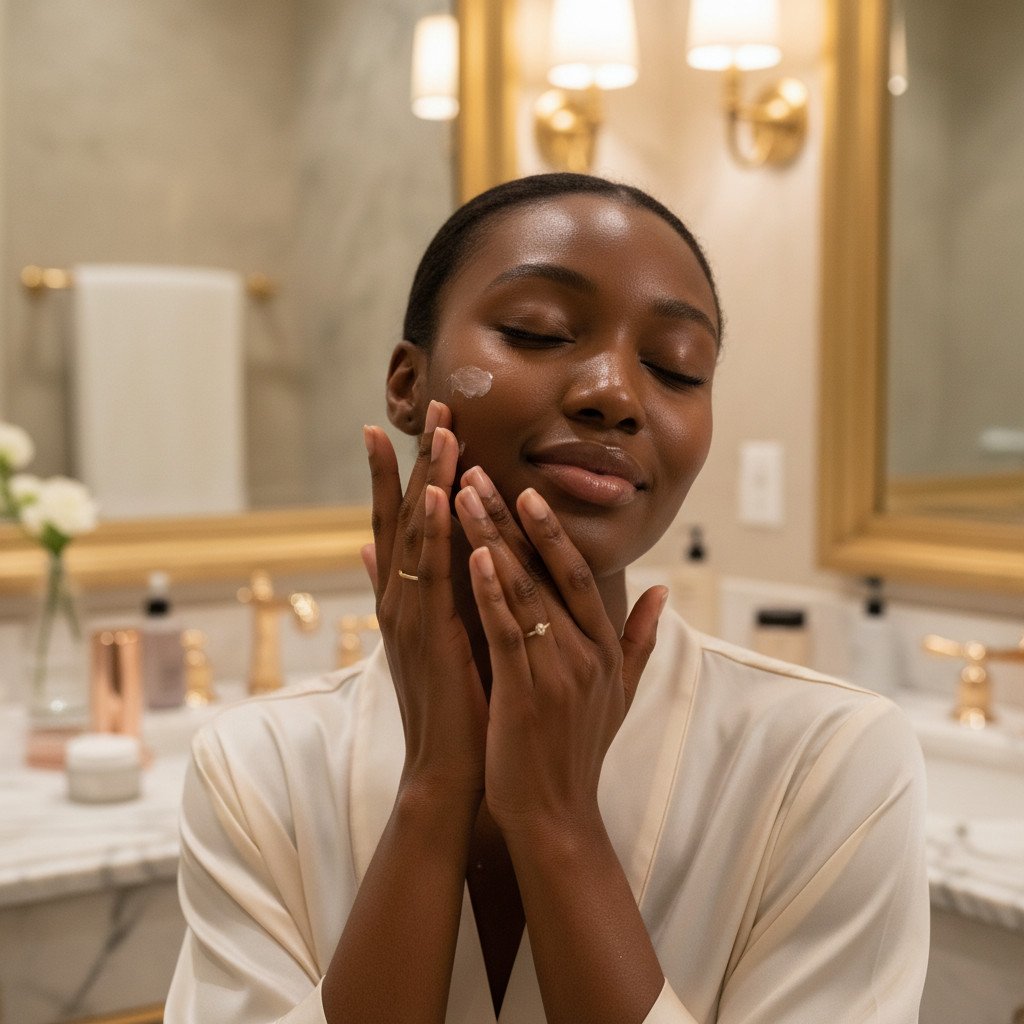
Step 3: Barrier-Supporting Moisturizer. This is a non-negotiable step. Choose a rich, emollient, and fragrance-free moisturizer specifically formulated for sensitive or dry skin. Look for ingredients like ceramides, fatty acids, cholesterol, shea butter, squalane, or petrolatum. These ingredients help to repair and reinforce the skin’s natural barrier, preventing moisture loss and protecting against environmental irritants. Apply a generous amount to your face and neck, ensuring even coverage. The moisturizer should feel comforting and protective, not heavy or occlusive. You can explore formulas for fragrance-free moisturizers on Amazon.
Why this matters: Hydration is fundamental for barrier function. These layers of moisture and barrier-repairing ingredients create a resilient shield, reducing sensitivity and promoting a healthy, comfortable complexion throughout the day.
Protect with Comfortable Sunscreen
Sunscreen is the single most important product in any skincare routine, but it’s especially critical for easily irritated melanin-rich skin. UV radiation can exacerbate inflammation, further compromise the skin barrier, and significantly trigger or worsen post-inflammatory hyperpigmentation. Finding a comfortable, non-irritating sunscreen that doesn’t leave a white cast is essential.
Choose the Right Formula:
- Mineral Sunscreens (Zinc Oxide and Titanium Dioxide): Often preferred for sensitive skin as they sit on top of the skin and are less likely to cause irritation. Modern formulations have come a long way in minimizing white cast, especially those with tinted options or micronized particles.
- Chemical Sunscreens: While some chemical filters can be irritating for very sensitive skin, many newer generation filters (e.g., Tinosorb S, Tinosorb M, Uvinul A Plus) are very stable, broad-spectrum, and generally well-tolerated. Avoid older filters like oxybenzone and octinoxate if you are particularly reactive.
Application: Apply a generous amount (about a quarter-sized dollop for the face and neck) as the final step in your morning routine. Ensure even coverage. Reapply every two hours if you’re outdoors, sweating, or swimming. Look for formulas that are broad-spectrum (protect against UVA and UVB), SPF 30 or higher, and labeled “fragrance-free” and “non-comedogenic.”
Why this matters: Sunscreen provides vital protection against UV damage, which is a major trigger for inflammation and PIH on melanin-rich skin. It helps to prevent the breakdown of the skin barrier and safeguards against further irritation, allowing your skin to heal and maintain an even tone. For a deeper dive into choosing the right protection, refer to our guide on sunscreen for dark skin. You can also check current prices for sunscreens that don’t leave a white cast on Amazon.
Evening Routine for Recovery and Comfort
The evening routine for easily irritated skin is dedicated to undoing the day’s environmental stresses, supporting the skin’s natural repair processes, and providing deep, comforting nourishment. This is the time to allow your skin to rest and regenerate, focusing on gentle cleansing, barrier replenishment, and soothing care without the interference of active ingredients that might cause further sensitivity.
Remove the Day Gently
Thoroughly removing makeup, sunscreen, and environmental pollutants is crucial, but it must be done with the utmost gentleness to avoid further irritating already sensitive skin. The goal is to cleanse effectively without stripping or creating friction.
Step 1: Oil Cleansing or Micellar Water (First Cleanse). If you wear makeup or a high SPF sunscreen, a first cleanse is essential to break down these oil-based products.
- Oil Cleanser: Choose a fragrance-free cleansing oil or balm. Apply to dry skin, gently massage in circular motions for about 30-60 seconds, allowing it to dissolve makeup and sunscreen. Emulsify with a little water, then rinse thoroughly. Oil cleansers are excellent because they cleanse without stripping and often leave the skin feeling soft.
- Micellar Water: For lighter makeup or if you prefer a non-oil option, a gentle micellar water can be used. Apply to a soft cotton pad and gently wipe across the face. Avoid rubbing aggressively. Look for formulas specifically for sensitive skin.
Step 2: Gentle Second Cleanse. Follow with the same ultra-gentle, hydrating, fragrance-free cleanser you might use in the morning. This ensures all residues are removed without over-stripping. Lather a small amount in your hands, apply to damp skin, gently massage, and rinse thoroughly with lukewarm water. Pat dry with a soft, clean towel. The skin should feel clean but not tight or dry after this step.
Why this matters: Proper, gentle cleansing prevents pore congestion and allows subsequent skincare products to penetrate effectively, all while preserving the integrity of your skin barrier. Skipping this step can lead to buildup, which can exacerbate sensitivity and contribute to breakouts or dullness.
Skip the Urge to Over-Treat
This is perhaps the most challenging but critical advice for sensitive skin: resist the temptation to layer on multiple active ingredients or try to “fix” issues with potent treatments. The evening is for recovery, not for aggressive intervention.
Avoid:
- Exfoliating Acids (AHAs, BHAs): While beneficial for some, these can be highly irritating for sensitive skin, especially when used frequently or in high concentrations. During periods of irritation, eliminate them entirely.
- Retinoids (Retinol, Tretinoin, etc.): These powerful ingredients are known to cause initial irritation, redness, and dryness, even on resilient skin. For easily irritated skin, they should be avoided until the barrier is fully restored and the skin is completely calm. If you eventually reintroduce them, it must be done with extreme caution and at very low concentrations, very infrequently.
- Vitamin C (especially L-Ascorbic Acid): While a fantastic antioxidant, highly concentrated L-Ascorbic Acid can sometimes be irritating. If your skin is reactive, opt for gentler derivatives of Vitamin C or skip it altogether until your skin is stable.
- Multiple Serums: Limit your serum step to one, if any, and ensure it’s focused on soothing or barrier repair. Layering too many products, even gentle ones, increases the chance of a reaction.
Focus On: Simplicity. After cleansing, your evening routine should primarily focus on hydration and barrier support. If your skin is very reactive, you might even skip a serum and go straight to moisturizer.
Why this matters: Over-treating is a common pitfall that perpetuates the cycle of irritation. By giving your skin a break from active ingredients, you allow its natural healing mechanisms to take over and reduce the inflammatory load, which is crucial for preventing PIH on melanin-rich skin.
Support Overnight Comfort
The final step in your evening routine is to provide a rich, comforting layer that supports your skin’s overnight repair processes. This helps to seal in moisture, protect the barrier, and ensure you wake up with calm, supple skin.
Step 1: Hydrating Toner/Essence (Optional). As in the morning, if your skin needs an extra boost of hydration, gently pat on a fragrance-free, alcohol-free hydrating toner or essence. This step primes the skin to better absorb subsequent products.
Step 2: Soothing/Barrier Repair Serum (Optional). If you choose to use a serum, make it one focused on soothing or barrier repair. Ingredients like ceramides, niacinamide, panthenol, or beta-glucan are excellent choices. These help to reduce inflammation and reinforce the skin’s protective layer. Apply a few drops and gently press into the skin.
Step 3: Rich Emollient Moisturizer or Balm. This is the cornerstone of your evening recovery. Choose a thick, nourishing, fragrance-free cream or balm that contains a blend of humectants, emollients, and occlusives. Look for ingredients such as shea butter, squalane, petrolatum, mineral oil, ceramides, fatty acids, and cholesterol. These ingredients work synergistically to deeply hydrate, repair the skin barrier, and prevent transepidermal water loss (TEWL) throughout the night. Apply a generous layer to your face and neck. For extremely dry or compromised skin, you might even consider “slugging” – applying a thin layer of petrolatum jelly (like Vaseline or Aquaphor) over your moisturizer to create an occlusive seal, locking in moisture and aiding barrier repair.
Why this matters: Overnight is when your skin does most of its repair work. Providing it with the right environment – deeply hydrated and protected – significantly enhances its ability to heal, reduce inflammation, and rebuild a stronger, more resilient barrier. This consistent, gentle care is what ultimately leads to lasting comfort and a reduction in sensitivity.
Texture Types That Usually Feel Better on Reactive Skin
The texture of a skincare product can have a profound impact on how sensitive skin reacts. Beyond the ingredients themselves, the physical feel and spreadability of a product can either soothe or exacerbate irritation. For easily irritated melanin-rich skin, the general rule is to gravitate towards textures that are rich, emollient, non-stripping, and provide a comforting cushion without feeling heavy or suffocating. Avoiding anything that requires excessive rubbing, feels tight, or leaves a residue that necessitates further cleansing is key.
Cream and Balm Cleansers
Unlike foaming gels or harsh scrubs, cream and balm cleansers are designed to cleanse without stripping the skin of its natural oils.
- Cream Cleansers: These are typically milky or lotion-like, low-foaming or non-foaming. They gently lift impurities while leaving a hydrating film on the skin, preventing that uncomfortable tight feeling. They are excellent for maintaining the skin’s moisture barrier.
- Balm Cleansers: Often oil-based, these melt upon contact with the skin, effectively dissolving makeup, sunscreen, and grime without friction. They emulsify with water to rinse clean, leaving the skin soft and nourished, not stripped. They are particularly good for the first step in a double cleanse.
Why they feel better: Their rich, slippery texture minimizes friction during cleansing, which is crucial for preventing mechanical irritation. They also tend to be formulated with hydrating ingredients, ensuring the skin remains comfortable and moisturized.
Hydrating Toners and Essences (Watery, Gel-like)
These liquid layers are meant to add hydration, not strip it.
- Watery Toners: Look for those that feel like slightly thicker water, often with humectants like glycerin or hyaluronic acid. They absorb quickly and provide an immediate boost of moisture.
- Gel-like Essences: These have a slightly more viscous, often bouncy texture. They can deliver a higher concentration of soothing and hydrating ingredients, forming a comforting layer on the skin.
Why they feel better: They are lightweight yet effective, delivering hydration without any stickiness or heaviness. They prepare the skin for subsequent layers, making it more receptive to moisturizers and serums.
Cream and Lotion Serums
While many serums are thin liquids, sensitive skin often benefits from serums with a slightly richer, more emollient texture.
- Cream Serums: These combine the targeted benefits of a serum with the comforting feel of a light moisturizer. They often contain ceramides, peptides, or calming botanicals in a nourishing base.
- Lotion Serums: Similar to cream serums, but typically lighter, they provide a gentle layer of active ingredients without feeling heavy or potentially irritating due to high concentrations in a watery base.
Why they feel better: The creamier texture often means they contain more emollients and less potential for rapid penetration of highly concentrated actives, which can sometimes sting. They provide a softer, more cushioned application.
Rich Creams and Balms (Moisturizers)
These are the workhorses for sensitive skin, providing essential barrier support and deep hydration.
- Rich Creams: These are thicker than lotions but still spread easily. They are packed with emollients (like shea butter, squalane), humectants (glycerin, hyaluronic acid), and occlusives (petrolatum, mineral oil, dimethicone) to lock in moisture and repair the barrier.
- Balms: The thickest consistency, often semi-solid at room temperature. Balms create a protective, occlusive layer that is excellent for severely dry, compromised, or irritated skin, especially as a final step in the evening.
Why they feel better: Their substantial texture provides immediate comfort, reduces tightness, and creates a physical barrier against environmental stressors. They feel protective and nourishing, allowing the skin to heal without feeling exposed or vulnerable.
Mineral-Based Sunscreens (Cream, Lotion, or Tinted)
While chemical sunscreens have improved, mineral sunscreens often remain the gold standard for sensitive skin due to their inert nature.
- Cream/Lotion Mineral Sunscreens: Modern formulations are often lightweight, blendable, and designed to minimize white cast. They provide broad-spectrum protection without irritating sensitive skin.
- Tinted Mineral Sunscreens: These are particularly beneficial for melanin-rich skin as the tint helps to counteract any potential white cast, providing a more natural finish while offering gentle protection.
Why they feel better: They sit on the skin’s surface, acting as a physical shield, rather than being absorbed into the skin where they could potentially cause irritation. The cream or lotion base also adds an extra layer of hydration and comfort.
In essence, for reactive skin, the best textures are those that feel nurturing, spread easily without friction, and provide a comforting, protective layer. Avoid anything that feels harsh, dries quickly to a tight finish, or requires vigorous rubbing to apply.
How to Reintroduce Actives Carefully
Once your sensitive, easily irritated skin has found a state of calm and its barrier feels restored – meaning no stinging, tightness, rough patches, or new dark marks – you might feel ready to reintroduce certain active ingredients. This phase requires extreme caution, patience, and a “less is more” philosophy. The goal is to slowly integrate beneficial actives without triggering a relapse into irritation. Remember, for melanin-rich skin, any irritation can lead to stubborn post-inflammatory hyperpigmentation, so prevention is paramount.
The “Patch Test” and “One Product at a Time” Rule
Before applying any new active ingredient to your entire face, always perform a patch test. Apply a small amount to an inconspicuous area (like behind your ear or on your jawline) for a few days to check for any adverse reactions. If no irritation occurs, proceed with caution.
When introducing a new active, introduce only ONE new product at a time. This allows you to clearly identify if a particular ingredient is causing an issue. Wait at least 2-4 weeks before introducing another new active, giving your skin ample time to adjust and show any delayed reactions.
Start Low, Go Slow
This is the golden rule for reintroducing actives to sensitive skin.
- Low Concentration: Always start with the lowest available concentration of an active ingredient. For example, if reintroducing retinol, begin with 0.1% or 0.25% rather than a higher percentage.
- Low Frequency: Begin by using the active ingredient only 1-2 times a week. Gradually increase the frequency as your skin tolerates it, but never push it to daily use if your skin shows any signs of protest. For many with sensitive skin, 2-3 times a week might be the maximum comfortable frequency.
- Short Contact Therapy (for some actives): For ingredients like retinoids or certain acids, consider applying them for a shorter duration (e.g., 30 minutes to an hour) before rinsing off, especially during the initial phase. This allows your skin to adapt to the ingredient with less prolonged exposure.
Buffer and Sandwich Methods
These techniques help to reduce the direct impact of an active ingredient on the skin, making it more tolerable.
- Buffering: Apply a layer of plain, soothing moisturizer first, then apply the active ingredient, and follow with another layer of moisturizer. This dilutes the active and creates a protective barrier.
- Sandwich Method: Apply a thin layer of moisturizer, then the active, then another layer of moisturizer. This is particularly useful for retinoids.
These methods are excellent for reducing potential irritation while still allowing the active ingredient to deliver its benefits over time.
Choose Gentle Actives First
Not all active ingredients are created equal in terms of their potential for irritation. Start with those known to be gentler or those that also offer barrier support.
- Niacinamide (Vitamin B3): Excellent for sensitive skin. It helps strengthen the barrier, reduce inflammation, and can even help with hyperpigmentation. Start with 2-5% and incorporate it daily if tolerated.
- Azelaic Acid: A multi-tasker that helps with redness, breakouts, and hyperpigmentation, often well-tolerated by sensitive skin. Start with 10% once every other day.
- Polyhydroxy Acids (PHAs): Gentler exfoliants than AHAs/BHAs, PHAs (like gluconolactone, lactobionic acid) exfoliate superficially without deep penetration, making them suitable for sensitive skin. Introduce 2-3 times a week.
- Bakuchiol: A plant-derived alternative to retinoids, often better tolerated by sensitive skin. Start with 0.5-1% a few times a week.
When to Consider Retinoids or AHAs/BHAs
If your skin remains calm and resilient after introducing gentler actives, and you still have specific concerns (like persistent texture issues or more stubborn hyperpigmentation), you might consider very carefully reintroducing retinoids or mild AHAs/BHAs.
- Retinoids: Start with an over-the-counter retinol at the lowest concentration (e.g., 0.1% or 0.25%) once or twice a week, using the sandwich method. Observe your skin closely for any signs of irritation. If you’re considering a prescription retinoid, discuss your sensitivity history thoroughly with your dermatologist.
- AHAs/BHAs: Opt for low concentrations (e.g., 5% lactic acid or mandelic acid for AHAs, 1-2% salicylic acid for BHAs). Use once a week, perhaps as a rinse-off mask, rather than a leave-on treatment. Mandelic acid is often preferred for melanin-rich skin due to its larger molecular size, which penetrates slower and is less irritating.
Always remember that for sensitive skin, consistent gentle care is more effective than intermittent aggressive treatments. If any active ingredient causes stinging, redness, dryness, or new dark marks, stop immediately and revert to your calming routine. Your skin’s comfort and health are the priority. For more detailed guidance on integrating actives, refer to our article on how to layer actives safely on melanin-rich skin.

Sensitive Skin, Irritation, and Dark Marks
For Black women and others with melanin-rich skin, the relationship between sensitive skin, irritation, and dark marks is uniquely intertwined and profoundly significant. While irritation on lighter skin tones might manifest primarily as transient redness, on darker complexions, it almost invariably leads to post-inflammatory hyperpigmentation (PIH). This means that managing sensitive skin isn’t just about alleviating discomfort; it’s a critical strategy for maintaining an even skin tone and preventing the development of stubborn, long-lasting dark spots.
The Melanin Response to Inflammation
Melanin, the pigment responsible for skin color, is your skin’s natural protector against UV radiation. However, it’s also highly reactive to inflammation. When melanin-rich skin experiences any form of irritation or trauma—whether it’s from a breakout, a scratch, a harsh chemical, sun exposure, or an aggressive skincare product—the skin’s immune response kicks in. This inflammatory process triggers melanocytes, the cells that produce melanin, to overproduce pigment. This excess melanin is then deposited in the deeper layers of the skin, resulting in the appearance of dark spots or patches that can range from light brown to deep black.
This process is why even seemingly minor irritations, which might be overlooked on lighter skin, can have significant and lasting consequences on darker skin. A small breakout, a slight rub from a towel, or a product that causes a subtle sting can all initiate the cascade that leads to PIH.
The Cycle of Irritation and PIH
The challenge for sensitive, melanin-rich skin often becomes a vicious cycle:
- Initial Irritation: Skin barrier is compromised, leading to stinging, tightness, or subtle inflammation.
- Melanin Overproduction: The inflammation triggers melanocytes to produce excess melanin.
- PIH Formation: Dark spots appear, often long after the initial irritation has subsided.
- Frustration and Over-Treatment: In an attempt to fade the dark spots, individuals might reach for aggressive brightening agents or exfoliants.
- Renewed Irritation: These harsh treatments further irritate the already sensitive skin, perpetuating the cycle and potentially creating new dark marks.
Breaking this cycle is paramount. It means shifting the focus from aggressively treating existing dark marks to proactively preventing their formation by nurturing and protecting the skin.
Preventing PIH Through Gentle Care
The most effective way to manage PIH on sensitive, melanin-rich skin is through prevention, which directly ties into a calming skincare routine:
- Barrier First: A strong, healthy skin barrier is less prone to inflammation and irritation. Prioritize barrier-repairing ingredients like ceramides, fatty acids, and cholesterol.
- Gentle Cleansing: Avoid harsh cleansers that strip the skin. Opt for hydrating, non-foaming formulas.
- Avoid Over-Exfoliation: Harsh physical scrubs or high concentrations of chemical exfoliants are major triggers for inflammation and PIH. If exfoliation is needed, use very gentle options (like PHAs) sparingly.
- Sun Protection is Non-Negotiable: UV radiation directly stimulates melanin production and worsens existing PIH. Daily, consistent use of a broad-spectrum SPF 30+ sunscreen is essential, even on cloudy days or indoors near windows.
- Soothe Inflammation Immediately: If irritation occurs, use soothing ingredients (centella asiatica, niacinamide, allantoin) to calm the skin as quickly as possible, minimizing the inflammatory response.
- Patience with Actives: When reintroducing actives, do so with extreme caution, starting low and going slow, to avoid triggering irritation.
Sensitive Skin and Acne: A Double Whammy
When sensitive skin is also acne-prone, the challenge of PIH is even greater. Acne lesions themselves are inflammatory, and each breakout can leave a dark mark. Treating acne often involves ingredients that can be irritating (like salicylic acid, benzoyl peroxide, or retinoids). This creates a delicate balance: addressing acne effectively without causing further irritation that leads to more PIH. This is a complex area, and we delve deeper into it in our article on acne and sensitive skin in Black women. The key takeaway is that for acne-prone sensitive skin, gentle, anti-inflammatory acne treatments (like azelaic acid or low-concentration salicylic acid) combined with robust barrier support are often the most effective approach.
Understanding this intricate connection between sensitivity, irritation, and PIH empowers you to make informed, gentle choices for your melanin-rich skin. The focus shifts from merely treating symptoms to nurturing a resilient, calm, and even-toned complexion. For a broader perspective on managing dark spots, our guide on hyperpigmentation and dark spots offers further insights.
Common Mistakes in Calming Routines
When embarking on a journey to calm easily irritated skin, it’s easy to fall into common traps that can inadvertently perpetuate the cycle of sensitivity. Even with the best intentions, certain practices or product choices can undermine your efforts to restore balance and comfort. Recognizing these common mistakes is crucial for navigating your sensitive skin journey successfully and ensuring your melanin-rich skin doesn’t suffer from unnecessary post-inflammatory hyperpigmentation.
1. Over-Cleansing or Using Harsh Cleansers
The Mistake: Using foaming cleansers that leave the skin feeling “squeaky clean,” cleansing too frequently (e.g., twice a day with a strong cleanser when only once is needed), or using cleansers with sulfates, high pH, or exfoliating acids when the skin is already compromised.
Why it’s a mistake: Harsh cleansers strip the skin of its natural protective lipids, disrupting the skin barrier and leading to increased dryness, tightness, and sensitivity. This weakens the skin’s defense mechanisms, making it more vulnerable to irritants and inflammation.
The Solution: Opt for ultra-gentle, hydrating, fragrance-free cream, milk, or oil cleansers. Consider a water rinse in the morning. Your skin should feel soft and comfortable after cleansing, never tight or stripped.
2. Too Many Products or Actives Too Soon
The Mistake: Bombarding sensitive skin with multiple serums, essences, or active ingredients (like retinoids, AHAs, BHAs, high-concentration Vitamin C) all at once or too frequently, especially during a period of irritation.
Why it’s a mistake: Each new product introduces potential irritants or allergens. Layering too many actives can overwhelm the skin, lead to synergistic irritation, and make it impossible to identify the culprit if a reaction occurs. It prevents the skin from healing and adapting.
The Solution: Embrace minimalism. During recovery, stick to a basic routine of gentle cleanse, hydrate, and protect. When reintroducing actives, do so one at a time, starting with the lowest concentration and frequency, and waiting weeks between introductions.
3. Ignoring the Importance of Sun Protection
The Mistake: Skipping sunscreen, or not reapplying it, especially when trying to calm irritated skin or fade dark marks.
Why it’s a mistake: UV radiation is a major trigger for inflammation and directly stimulates melanin production, exacerbating existing PIH and creating new dark spots. It also further compromises an already weakened skin barrier, hindering healing.
The Solution: Daily, year-round use of a broad-spectrum SPF 30+ or higher sunscreen is non-negotiable. Choose a mineral or sensitive-skin-friendly chemical formula that doesn’t leave a white cast on dark skin. Reapply every two hours when outdoors.
4. Not Patch Testing New Products
The Mistake: Applying a new product directly to the entire face without first testing a small, inconspicuous area.
Why it’s a mistake: Sensitive skin can react unpredictably to new ingredients. A full-face application of an irritating product can lead to widespread irritation, breakouts, or a significant flare-up of PIH, setting back your progress considerably.
The Solution: Always patch test new products for several days on a small area (e.g., behind the ear, on the jawline, or inner forearm) before incorporating them into your full routine.
5. Over-Exfoliation (Physical and Chemical)
The Mistake: Using harsh physical scrubs with abrasive particles, stiff cleansing brushes, or high concentrations/frequent use of chemical exfoliants (AHAs, BHAs) on sensitive skin.
Why it’s a mistake: Both physical and chemical over-exfoliation can physically abrade the skin or chemically strip its protective barrier, leading to micro-tears, inflammation, increased sensitivity, and a heightened risk of PIH.
The Solution: During periods of irritation, avoid exfoliation completely. Once skin is calm, introduce very gentle options like PHAs or low-concentration mandelic acid once or twice a week, or use a soft washcloth for very gentle manual exfoliation.
6. Using Fragranced Products
The Mistake: Choosing skincare products that contain synthetic fragrances or essential oils.
Why it’s a mistake: Fragrances, both natural and synthetic, are common sensitizers and allergens. They can trigger contact dermatitis, irritation, and inflammation in sensitive skin, even if you don’t immediately see a reaction.
The Solution: Always opt for “fragrance-free” products. Be aware that “unscented” can sometimes mean chemicals have been added to mask natural odors. Look for explicit “fragrance-free” labeling.
7. Impatience and Inconsistency
The Mistake: Expecting immediate results, constantly switching products, or not sticking to a gentle routine long enough to see improvements.
Why it’s a mistake: Sensitive skin healing takes time. The skin barrier needs weeks, sometimes months, to fully repair. Constantly changing products introduces new variables and doesn’t allow the skin to stabilize, perpetuating the cycle of reactivity.
The Solution: Be patient and consistent. Stick to your calming routine for at least 4-6 weeks before evaluating its effectiveness. Trust the process of gentle, consistent care. Skin health is a journey, not a destination.
Realistic Calming Routines by Skin Pattern
Sensitive skin isn’t a monolith; it manifests differently depending on underlying skin characteristics. A calming routine must be tailored to address these specific patterns while still adhering to the core principles of gentleness, barrier support, and protection. Here, we’ll outline realistic routines for common sensitive skin patterns, ensuring that the approach is as effective as it is nurturing for melanin-rich skin.
1. Very Reactive Skin (Stinging, Constant Tightness, Frequent Flare-ups)
This skin type is often characterized by an extremely compromised barrier, reacting to almost everything. The goal is absolute minimalism and intense barrier repair.
Morning Routine:
- Cleanse: Gentle water rinse only.
- Hydrate & Soothe: Apply a fragrance-free hydrating toner or essence (e.g., with centella asiatica or oats) by gently patting.
- Moisturize: Apply a rich, occlusive, fragrance-free cream or balm with ceramides, fatty acids, and cholesterol.
- Protect: Mineral sunscreen (Zinc Oxide/Titanium Dioxide) SPF 30+, tinted if possible, to minimize white cast and provide gentle protection.
Evening Routine:
- Cleanse: If makeup/sunscreen, use a fragrance-free cleansing balm/oil, followed by an ultra-gentle cream cleanser. Otherwise, just the cream cleanser.
- Hydrate & Soothe: Reapply the hydrating toner/essence.
- Moisturize & Repair: Apply a generous layer of the rich, occlusive cream or balm. Consider “slugging” with a thin layer of petrolatum jelly over the moisturizer for intense barrier repair.
Key Focus: Eliminate all actives. Prioritize barrier repair and soothing ingredients. No exfoliation, no retinoids, no Vitamin C. Stick to this for at least 4-6 weeks until skin is completely calm before considering any reintroductions.
2. Oily but Irritated Skin (Breakouts, Stinging, Dehydration)
This pattern is tricky, as the skin produces oil but is also dehydrated and reactive. The temptation to use harsh oil-control products must be resisted.
Morning Routine:
- Cleanse: Gentle water rinse or a very light, low-foaming gel cleanser.
- Hydrate: Lightweight, oil-free hydrating toner or essence (e.g., with hyaluronic acid, niacinamide 2-5%).
- Moisturize: Lightweight, oil-free, non-comedogenic lotion or gel-cream that still contains barrier-supporting ingredients (e.g., ceramides, squalane).
- Protect: Lightweight, oil-free, non-comedogenic broad-spectrum SPF 30+ sunscreen (mineral or sensitive-skin-friendly chemical).
Evening Routine:
- Cleanse: Gentle, low-foaming gel cleanser. If wearing makeup/sunscreen, a first cleanse with micellar water or a light oil cleanser.
- Soothe & Treat (Optional): If breakouts are a concern, consider a very gentle active like Azelaic Acid (5-10%) 2-3 times a week, applied after cleansing. Otherwise, a soothing serum with niacinamide or panthenol.
- Moisturize: Lightweight, oil-free lotion or gel-cream.
Key Focus: Balance oil control with hydration and barrier support. Avoid harsh astringents or drying acne treatments. Introduce actives like azelaic acid very slowly and observe carefully. Niacinamide is a great ingredient here as it helps with oil regulation and barrier function.
3. Dry, Stingy Skin (Flaky, Tight, Ashy, Prone to Eczema/Dermatitis)
This skin type requires maximum hydration and lipid replenishment to restore comfort and prevent flare-ups.
Morning Routine:
- Cleanse: Gentle water rinse only.
- Hydrate: Hydrating toner or essence (e.g., with glycerin, hyaluronic acid, polyglutamic acid).
- Serum (Optional): A hydrating or barrier-repairing serum (e.g., with ceramides, squalane, hyaluronic acid).
- Moisturize: A very rich, emollient cream with a high concentration of ceramides, fatty acids, and occlusives (e.g., shea butter, petrolatum, mineral oil).
- Protect: Rich, moisturizing broad-spectrum SPF 30+ sunscreen, preferably mineral.
Evening Routine:
- Cleanse: Cream or oil cleanser, followed by a very gentle cream cleanser.
- Hydrate: Hydrating toner or essence.
- Serum (Optional): Barrier-repairing serum.
- Moisturize & Seal: Apply a very generous layer of the rich emollient cream. Consider layering a thin amount of petrolatum jelly or a thick balm over top to seal in moisture and protect the barrier overnight.
Key Focus: Maximize hydration and lipid replenishment. Avoid anything that strips moisture. Use occlusives liberally to prevent transepidermal water loss. Be extra cautious with environmental triggers like dry air or harsh weather.

4. Acne-Prone Sensitive Skin (Breakouts with PIH, Reactive to Acne Treatments)
This is a delicate balance. The goal is to treat acne inflammation gently to prevent new breakouts and subsequent PIH, while also soothing existing sensitivity.
Morning Routine:
- Cleanse: Gentle, low-foaming gel cleanser.
- Soothe & Treat: A serum with niacinamide (2-5%) to help with inflammation and barrier, or a very gentle acne active like Azelaic Acid (5-10%) if tolerated, applied to affected areas.
- Moisturize: Lightweight, non-comedogenic lotion or gel-cream.
- Protect: Oil-free, non-comedogenic broad-spectrum SPF 30+ sunscreen.
Evening Routine:
- Cleanse: Double cleanse if wearing makeup/sunscreen: oil cleanser then gentle gel cleanser.
- Treat: Alternate nights with a very gentle acne active. For example, on one night, apply a low-concentration salicylic acid (0.5-1%) serum or toner to affected areas. On another night, use Azelaic Acid. Avoid using multiple actives on the same night.
- Soothe & Repair: On nights without actives, use a barrier-repairing serum (e.g., ceramides, panthenol).
- Moisturize: Non-comedogenic lotion or cream.
Key Focus: Treat acne inflammation gently to minimize PIH. Avoid harsh benzoyl peroxide or high-concentration retinoids initially. Introduce one acne active at a time, at low concentrations and frequencies. Prioritize soothing and barrier repair on alternate nights. If acne is severe or persistent, consult a dermatologist for professional guidance on managing both acne and sensitivity, as this can be a complex interplay.
Always remember that these are starting points. Listen to your skin, observe its reactions, and adjust as needed. Patience and consistency are your greatest allies in achieving calm, healthy, and resilient melanin-rich skin.
Calming Routine vs. Constant Retrying
When dealing with sensitive, easily irritated skin, especially melanin-rich skin prone to post-inflammatory hyperpigmentation, the approach you take to your skincare routine can make all the difference. There’s a stark contrast between patiently committing to a calming routine and the frustrating cycle of “constant retrying” new products in search of a quick fix. Understanding this distinction is key to achieving lasting skin health and comfort.
The Calming Routine: A Path to Healing and Resilience
A calming routine is built on principles of minimalism, gentleness, and consistent barrier support. It’s an intentional pause from aggressive treatments, designed to allow the skin to heal, reduce inflammation, and rebuild its natural defenses. This approach acknowledges that sensitive skin needs time, stability, and nurturing to recover its balance.
- Core Philosophy: Prioritize skin barrier repair, reduce inflammation, prevent further irritation, and protect against environmental damage.
- Product Selection: Focus on a few, well-chosen, fragrance-free, hypoallergenic products with soothing and barrier-supporting ingredients (ceramides, hyaluronic acid, niacinamide, centella asiatica).
- Pace of Introduction: Extremely slow. New products are introduced one at a time, with extensive patch testing and observation periods (weeks).
- Goal: Long-term skin health, comfort, reduced reactivity, and prevention of PIH. It’s about bringing the skin back to a neutral, strong state.
- Outcome: Over time, skin becomes less reactive, more resilient, comfortable, and less prone to dark marks.
The “Constant Retrying” Cycle: A Recipe for Frustration and Further Damage
The “constant retrying” cycle is often driven by desperation and the desire for immediate results. It involves frequently switching products, layering multiple new actives, and chasing the latest trends, often without fully understanding their impact on sensitive skin. This approach tends to exacerbate existing issues and can lead to a perpetual state of irritation.
- Core Philosophy: Quickly “fix” perceived flaws (e.g., dark spots, texture, dullness) with potent ingredients, often without addressing underlying sensitivity.
- Product Selection: Driven by marketing claims, influencer recommendations, or a desire for rapid change. Often involves multiple active ingredients, potentially irritating fragrances, or harsh formulations.
- Pace of Introduction: Rapid. Multiple new products introduced simultaneously or within days of each other. Patch testing is often skipped.
- Goal: Quick, dramatic improvements in specific concerns, often at the expense of overall skin health.
- Outcome: Increased irritation, heightened sensitivity, more frequent flare-ups, a compromised skin barrier, and a higher likelihood of new or worsened PIH. This leads to frustration, product fatigue, and a feeling of defeat.
Comparison Table: Calming Routine vs. Constant Retrying
| Feature | Calming Routine | Constant Retrying |
|---|---|---|
| Primary Goal | Heal, soothe, strengthen barrier, prevent PIH | Quickly “fix” specific concerns (e.g., fade spots, anti-age) |
| Product Count | Minimal (3-5 core products) | Many (often 7+ products, frequently changing) |
| Ingredient Focus | Soothing, barrier-repairing, hydrating, fragrance-free | Potent actives, high concentrations, trendy ingredients |
| Pace of Change | Slow, patient, consistent, weeks/months for results | Fast, impatient, frequent product switching, days/weeks for results |
| Risk of Irritation | Low, managed, quickly addressed | High, frequent, often leads to new issues |
| Impact on PIH | Prevents, minimizes, allows for natural fading | Triggers, exacerbates, creates new dark marks |
| Skin Condition | Becomes more resilient, calm, comfortable, even-toned | Becomes more reactive, inflamed, compromised, uneven, frustrated |
The choice is clear: for sensitive, easily irritated melanin-rich skin, the calming routine is not just a preference, it’s a necessity. It’s an investment in your skin’s long-term health, comfort, and even tone. Breaking free from the cycle of constant retrying requires discipline and patience, but the rewards of a truly calm and resilient complexion are immeasurable.
How to Navigate This Topic
Navigating the world of skincare for sensitive, easily irritated melanin-rich skin can feel like walking a tightrope. There’s a constant balance between wanting to address concerns and fearing a negative reaction. This guide provides a foundational framework, but true mastery comes from understanding how to apply these principles to your unique skin journey and knowing where to find additional, relevant insights. Here’s how to effectively navigate this topic and build a truly personalized approach.
1. Embrace the “Less Is More” Philosophy
The single most important takeaway for sensitive skin is simplification. Resist the urge to layer many products or chase every new ingredient trend. A streamlined routine with a few, high-quality, gentle products is far more effective than a complex one that constantly challenges your skin barrier. When in doubt, strip back your routine to the absolute essentials: a gentle cleanser, a soothing moisturizer, and a protective sunscreen. This minimalist approach allows your skin to breathe, heal, and show you what it truly needs, rather than what you’re trying to force upon it. For a deeper dive into this approach, consider exploring our guide on the minimalist skincare routine for busy Black women, which perfectly aligns with the principles of sensitive skin care.
2. Become an Ingredient Detective
Learn to read ingredient lists. While you don’t need to be a chemist, understanding common irritants (fragrance, essential oils, high concentrations of alcohol, harsh surfactants like SLS) and beneficial soothing agents (ceramides, hyaluronic acid, niacinamide, centella asiatica, allantoin) will empower your product choices. Look for products specifically labeled “fragrance-free,” “for sensitive skin,” or “dermatologist-tested.” Remember that even “natural” ingredients can be irritating, so always approach new additions with caution.
3. Listen to Your Skin (The Ultimate Guide)
Your skin is constantly communicating with you. Pay attention to how it feels after applying products, throughout the day, and from week to week.
- Stinging, burning, itching: Immediate stop.
- Tightness, dryness, flakiness: Indicates barrier compromise or dehydration.
- New breakouts or unusual texture: A sign of irritation or intolerance.
- Dullness or new dark spots: Often a subtle sign of ongoing low-grade inflammation or irritation.
Keep a simple skincare journal if needed, noting new products and your skin’s response. This helps you identify patterns and triggers unique to you.
4. Prioritize Barrier Health Above All Else
A healthy skin barrier is your best defense against sensitivity and irritation. Focus on products that replenish and strengthen this protective layer. Think of it as the foundation of your skin’s health. When the barrier is strong, your skin is more resilient, less reactive, and better able to retain moisture and keep irritants out. This emphasis on barrier health is particularly crucial for melanin-rich skin to prevent the inflammatory response that leads to PIH.
5. Be Strategic with Actives, and Understand Their Role
While the initial phase of calming sensitive skin involves eliminating actives, they can be beneficial once your skin is stable. However, the reintroduction must be slow, strategic, and with a clear understanding of how to mitigate potential irritation. For instance, if you’re looking to incorporate actives for concerns like texture or brightening, it’s vital to know how to do so safely without overwhelming your skin. Our detailed guide on how to layer actives safely on melanin-rich skin provides invaluable insights into this delicate process, ensuring you can reap the benefits without the drawbacks.
6. Proactively Address Post-Inflammatory Hyperpigmentation (PIH)
For melanin-rich skin, irritation and PIH are inextricably linked. Therefore, every step in your calming routine is also a step towards preventing and managing dark spots. Sunscreen is your primary tool here, but gentle, anti-inflammatory ingredients also play a role. If you are specifically targeting existing dark marks, remember that patience and consistency with gentle, barrier-supporting ingredients are more effective than aggressive treatments that can cause further irritation and new PIH. Our article on combatting post-inflammatory hyperpigmentation through routine design offers tailored strategies that complement a calming approach.
7. Seek Professional Guidance When Needed
If your skin sensitivity is severe, persistent, or accompanied by conditions like eczema, rosacea, or persistent acne, don’t hesitate to consult a dermatologist. A professional can help diagnose underlying conditions, identify triggers, and recommend appropriate treatments that go beyond over-the-counter options. They can provide personalized advice and ensure you’re on the safest and most effective path for your skin.
By integrating these navigation strategies, you’ll move beyond simply following a routine to truly understanding and responding to your sensitive, melanin-rich skin’s needs, fostering a journey of healing and lasting confidence.
Quick Principles for Easily Irritated Skin
For those moments when you need a quick reminder or a guiding light, these principles encapsulate the essence of caring for easily irritated melanin-rich skin. They are your non-negotiables, the foundational truths that will steer you toward a calmer, more resilient complexion.
- Gentle is Gold: Always choose the mildest option. If it stings, burns, or feels tight, stop immediately. Your skin’s comfort is paramount.
- Barrier First: Prioritize products that repair and strengthen your skin’s natural protective barrier. This is your skin’s shield.
- Hydration is Key: Keep your skin deeply hydrated to prevent dryness, tightness, and flakiness. Hydrated skin is happy skin.
- Sunscreen Every Day: Non-negotiable. Protect your skin from UV damage, which exacerbates irritation and triggers post-inflammatory hyperpigmentation.
- Less is More: Simplify your routine. Fewer products mean fewer variables and less chance of irritation.
- Patch Test Always: Introduce new products one at a time, and always patch test before full-face application.
- Fragrance-Free is a Must: Avoid all synthetic fragrances and essential oils, as they are common irritants.
- Patience, Patience, Patience: Skin healing takes time. Stick to a consistent, gentle routine for weeks, not days, to see true improvement.
- Listen to Your Skin: It’s your best guide. Pay attention to its signals and adjust your routine accordingly.
- Prevent PIH: Every step taken to prevent irritation is a step taken to prevent dark spots on melanin-rich skin.
Frequently Asked Questions
What are the most common signs of sensitive skin on Black women?
On melanin-rich skin, sensitivity often manifests as stinging, tightness, rough or dull patches, ashiness, and increased reactivity to products. Visible redness might be less apparent than on lighter skin tones, but any irritation can quickly lead to post-inflammatory hyperpigmentation (PIH), which appears as dark spots.
Can I still use active ingredients like retinoids or AHAs if I have sensitive dark skin?
While possible, it requires extreme caution. It’s crucial to first restore your skin’s barrier with a calming routine. When reintroducing actives, start with the lowest concentrations, use them infrequently (1-2 times a week), and employ buffering techniques. Always listen to your skin and stop if irritation occurs to prevent PIH.
How can I prevent post-inflammatory hyperpigmentation (PIH) if my skin is easily irritated?
The best prevention strategy is to avoid irritation in the first place. This means using gentle, barrier-supporting products, avoiding harsh exfoliants, and consistently applying broad-spectrum SPF 30+ sunscreen daily. If irritation does occur, immediately soothe the skin to minimize the inflammatory response.
What type of cleanser is best for sensitive melanin-rich skin?
Opt for ultra-gentle, hydrating, and fragrance-free cleansers. Cream, milk, oil, or non-foaming gel textures are ideal as they cleanse without stripping the skin’s natural oils. Avoid harsh sulfates or high pH cleansers that can disrupt the skin barrier.
How long does it take for sensitive skin to calm down with a new routine?
Patience is key. It can take anywhere from 4 to 8 weeks, or even longer for severely compromised skin, to see significant improvement. Consistency with a gentle, barrier-focused routine is crucial. Avoid introducing new products too quickly during this healing phase.
Are natural ingredients always safe for sensitive dark skin?
Not necessarily. While some natural ingredients are soothing, many (like certain essential oils, witch hazel, or citrus extracts) can be potent irritants or allergens for sensitive skin. Always patch test any new product, whether natural or synthetic, and prioritize “fragrance-free” formulations.
Should I avoid exfoliating altogether if my skin is sensitive and irritated?
During periods of active irritation, yes, avoid exfoliation entirely. Once your skin is calm and its barrier is restored, you might cautiously introduce very gentle exfoliants like Polyhydroxy Acids (PHAs) or low-concentration Mandelic Acid, used sparingly (once or twice a week at most). Harsh physical scrubs should always be avoided.
Final Thoughts
Embracing a calming routine for your sensitive, easily irritated melanin-rich skin is not about settling for “boring” skincare; it’s about cultivating a profound respect for your skin’s unique needs. It’s an act of self-love, choosing to nurture rather than constantly push or provoke. There’s immense power in understanding that true radiance stems from a healthy, balanced skin barrier and a consistent, gentle touch.
Remember, your journey to calm, comfortable skin is deeply personal. It requires patience, keen observation, and the courage to step away from the noise of quick fixes. As you consistently apply these principles – prioritizing gentleness, hydration, barrier support, and sun protection – you’ll witness your skin transform. It will become more resilient, less reactive, and capable of holding onto its natural, beautiful glow without the constant threat of irritation or the lingering concern of dark marks. Trust in the process, honor your skin’s signals, and allow yourself the grace of a truly nurturing routine. Your skin deserves this peace, and you deserve the confidence that comes with it.
Related next steps
Related posts:
 Barrier Repair Routine for Sensitive Dark Skin: Your Gentle Guide
 Gentle Cleansing for Dark, Sensitive Skin: A Barrier-First Guide
 Glow-Focused Routine for Melanin-Rich Skin
 Using Benzoyl Peroxide on Dark, Sensitive Skin: A Thoughtful Approach
 Gentle but Thorough Makeup Removal on Dark, Sensitive Skin
 Ingredients That Support PIH Without Overwhelming Sensitive Dark Skin