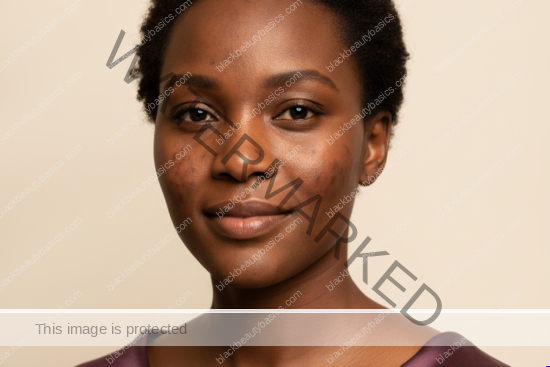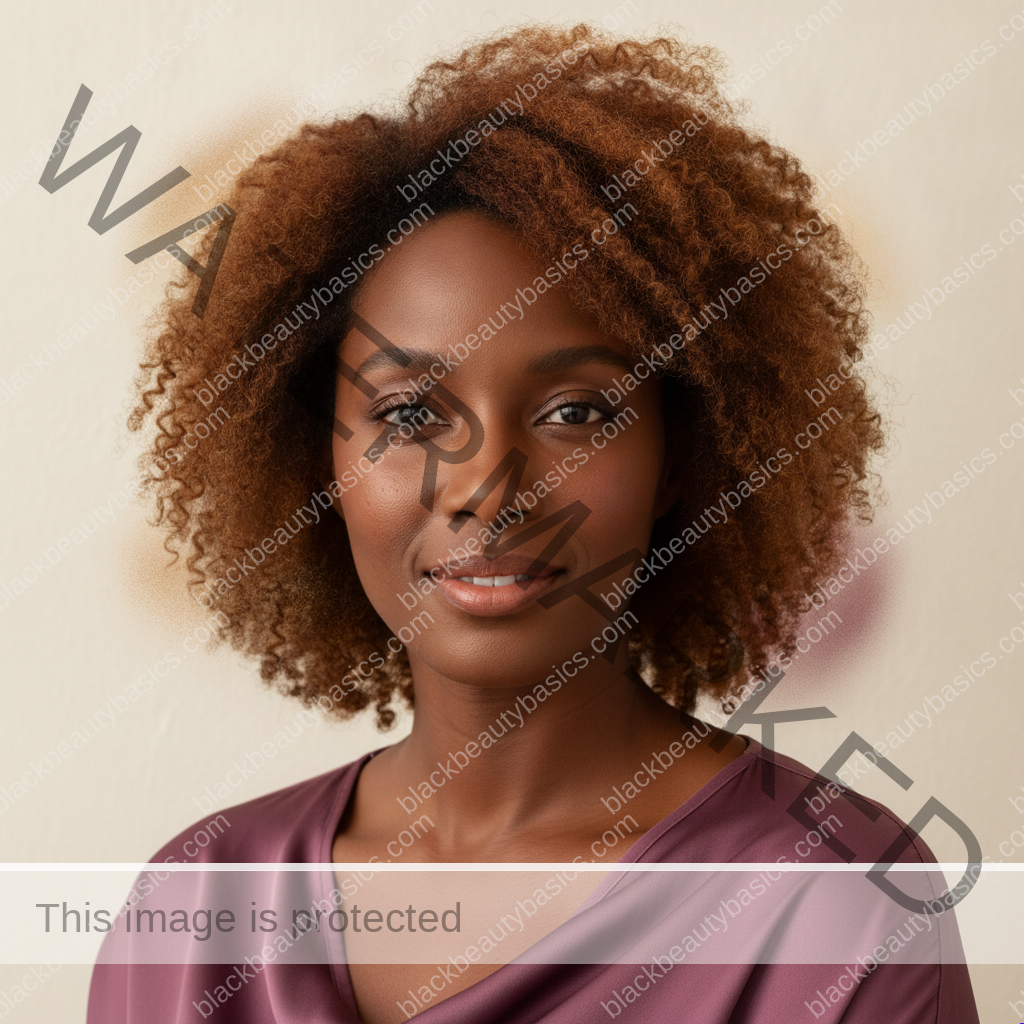
When your skin feels tight, looks less radiant, or seems to drink up every product you apply, it is easy to label the problem “dry skin” and start buying the richest cream in reach. But dry skin and dehydrated skin are not the same thing. They can overlap, and on deep tones, both can show up in ways that are easy to miss when beauty advice is built around redness as the default signal.
For Black women and people with melanin-rich skin, the clues may look like ashiness, a gray or muted cast, makeup catching around the mouth, fine texture that becomes more visible in certain light, or post-acne marks looking more pronounced when the skin is stressed. None of these signs mean you have neglected yourself. They are information, not a verdict on your hygiene, beauty routine, income, discipline, or desirability.
There is also no single “Black skin” experience. Skin tone, oil production, climate, water exposure, medications, acne treatments, hormonal shifts, eczema history, and grooming habits can all affect how skin feels and behaves. Research on skin barrier differences across racial and ethnic groups has important limitations, including inconsistent definitions and study methods. Race, pigmentation, and skin biology should not be treated as interchangeable categories. What matters most is learning your own patterns with care.
This guide will help you sort through the difference between dry skin and dehydration without panic, over-exfoliation, or a shelf full of products that do not fit your needs. For a broader foundation, visit our Skincare for Black Women guide. The goal is not perfect skin. It is a calmer, more useful way to respond when your skin asks for support.
Dry Skin and Dehydrated Skin Are Different, but They Can Happen Together
Dry skin generally describes a skin type or ongoing tendency. It means your skin produces less oil, or sebum, than it needs to feel comfortably cushioned. Sebum is not dirt, and it is not automatically a problem. It is one part of the skin’s surface environment. When there is less of it, skin may feel rough, look dull, become flaky, or feel uncomfortable after cleansing.
Dehydrated skin describes a temporary condition in which the skin is lacking water. Any skin type can become dehydrated, including oily, acne-prone, combination, and dry skin. A person can have an oily forehead and a dehydrated face. They can have dry cheeks and dehydration around the mouth. They can also have both dry skin and dehydration at the same time.
The distinction matters because oil and water needs are not identical. Dry skin often benefits from products that help soften and seal the skin’s surface. Dehydrated skin may need a gentler routine, less stripping cleansing, and layers that support water retention. In practice, many routines need both approaches: water-friendly ingredients, softening ingredients, and a final layer that helps reduce water loss.
Think of it this way: dry skin tends to need more cushioning from skin-compatible oils and emollients. Dehydrated skin tends to need help holding onto water. Neither concern is solved by repeatedly washing, scrubbing, masking, or treating the skin as if it is “dirty.”
Skin barrier science is still developing, especially across varied populations and skin tones. Reviews of the literature caution against making broad claims that any racial group has one fixed barrier profile. Still, there is strong practical support for a gentle cleansing and moisturizing baseline when skin feels dry, reactive, or uncomfortable. The American Academy of Dermatology similarly recommends gentle cleansing and applying moisturizer while skin is still slightly damp.
If you are new to reading your skin, start with the basics in our guide to skin typing and fundamentals for melanin-rich skin. You do not need to identify a permanent label before making a few low-risk adjustments.

How Dryness and Dehydration Can Look on Deep Tones
On lighter skin, dryness is often described through visible redness. That language can leave deeper skin tones out of the conversation. Irritation can appear as deeper brown, purple-brown, gray, violet, or uneven-looking areas rather than obvious pink or red. Some people notice that their complexion looks less even, less reflective, or more “shadowed” before they recognize discomfort.
Possible signs of dryness include persistent roughness, flaking, ashiness, a powdery appearance, cracking around the nostrils or lips, and skin that feels uncomfortable soon after cleansing. Dryness may be more consistent from week to week, especially in cooler weather or in naturally dry areas of the face and body. Foundation may drag rather than glide, and cream products may catch on textured patches.
Possible signs of dehydration include tightness without much visible flaking, skin that seems oily but still feels uncomfortable underneath, a temporary increase in fine lines when you smile, and a dull or tired-looking surface. Makeup may separate or cling in areas that do not usually look dry. Your skin may feel better for a short time after applying a light hydrating layer, then feel tight again if there is nothing to help hold that moisture in.
These clues are not a diagnostic test. Acne, eczema, seborrheic dermatitis, contact dermatitis, psoriasis, medication effects, and other conditions can also cause flaking, discomfort, or texture changes. If you have a rash, persistent itch, painful cracks, swelling, oozing, sudden widespread discoloration, or symptoms that do not settle with a simplified routine, it is worth speaking with a dermatologist or other qualified clinician.
Pay attention to location. Dryness may show up around the mouth, on the cheeks, along the jawline, or on the body below the knees. Dehydration can appear across the face after a long flight, a hot workout, a week of over-cleansing, or several nights of poor sleep. The pattern is often more useful than one isolated day.
Also notice sensation. Does your skin feel tight immediately after washing? Does it sting when you apply products that normally feel fine? Does it become oily by midday but still feel taut? Does it feel comfortable under a richer cream but congested under heavy layers? Those answers can guide your next step more effectively than chasing a trend.
What to Avoid When Your Skin Feels Tight, Ashy, or Off Balance
The urge to “fix” a dry-looking face quickly can lead to routines that create more irritation. This is especially frustrating on deep tones, where inflammation can leave discoloration that lingers after the original irritation fades. A protective approach means avoiding unnecessary friction, unnecessary actives, and the idea that stronger is automatically smarter.
First, avoid using harsh cleansing as a response to oiliness or texture. A face that looks shiny can still be dehydrated. Cleansing several times a day, using very hot water, or relying on aggressive foaming formulas may leave some people feeling tighter and more uncomfortable. Cleanser mildness involves more than a product’s pH, and no single label guarantees gentleness. The practical test is how your skin feels after regular use.
Second, pause the habit of exfoliating every time your complexion looks dull. Dullness can come from dryness, dehydration, irritation, uneven texture, post-inflammatory hyperpigmentation, or simply a buildup of makeup and sunscreen. Scrubs, brushes, peeling gels, strong acids, and frequent at-home treatments may make a stressed barrier feel worse. If your skin stings, burns, flakes, or suddenly looks more uneven after exfoliation, do not treat that as proof that you need to “push through.”
Third, do not confuse fragrance with effectiveness. Fragrance can be pleasant, but it is not required for a product to work. When skin is reactive or uncomfortable, fewer potential irritants can make a routine easier to evaluate. Our guide to fragrance-free skincare for Black women can help you assess whether fragrance-free options make sense for your routine.
Fourth, avoid layering many new products at once. When you introduce a cleanser, toner, serum, exfoliant, moisturizer, and facial oil in the same week, it becomes difficult to know what your skin likes, dislikes, or simply does not need. More products can create more variables, not more clarity.
Finally, resist shame-based skincare advice. You are not “failing” because you need a richer moisturizer in winter, a lighter texture in humid weather, or fewer actives during a stressful month. Skin changes. Your routine can change with it.
A Gentle Plan for Figuring Out What Your Skin Needs
If you are unsure whether you are dealing with dryness, dehydration, irritation, or a combination, simplify before you intensify. A short, consistent reset can reveal more than switching products every few days. This does not mean abandoning prescribed treatment. If you use a prescription acne medication, retinoid, or other prescribed topical treatment, follow your prescriber’s instructions and ask them before making changes.
Start with a basic morning routine: cleanse only if you need to, or rinse with lukewarm water if your skin is comfortable with that approach; apply moisturizer to slightly damp skin; then use sunscreen when you will be exposed to daylight. At night, use a gentle cleanser to remove sunscreen, makeup, sweat, and daily buildup, then apply moisturizer. Keep the routine steady long enough to observe patterns rather than judging after one application.
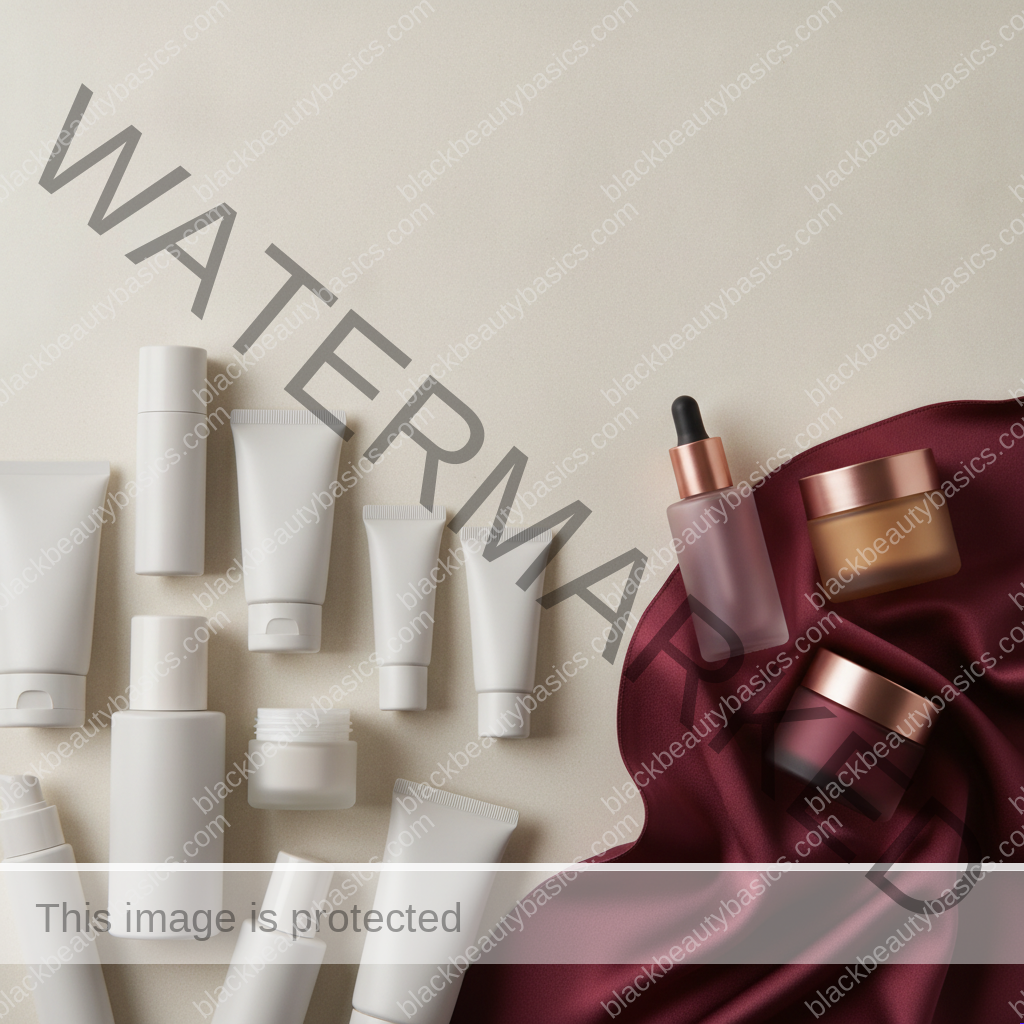
For dry-feeling skin, look for moisturizer textures that include emollient and occlusive support. Emollients help soften and smooth the surface of the skin. Occlusive ingredients help reduce water loss by forming a protective layer. Creams, balms, and ointments often provide more of this support than very light lotions or gel products, although the best texture depends on your skin, climate, and comfort.
For dehydrated-feeling skin, look for a routine that combines a gentle cleanse with humectant-containing products and a moisturizer that helps seal them in. Humectants are ingredients that attract and hold water in the outer layers of skin. Glycerin and hyaluronic acid are familiar examples, though ingredient lists alone do not tell you whether a product will suit your skin. A lightweight hydrating serum can be useful, but it is not automatically enough on its own.
Moisturizers can contain humectants, emollients, occlusives, and barrier-supporting ingredients in different combinations. There is no universal best formula or ideal ratio for every person. Consider the product’s texture, your routine, your climate, your sensitivity history, and whether you are more likely to use it consistently.
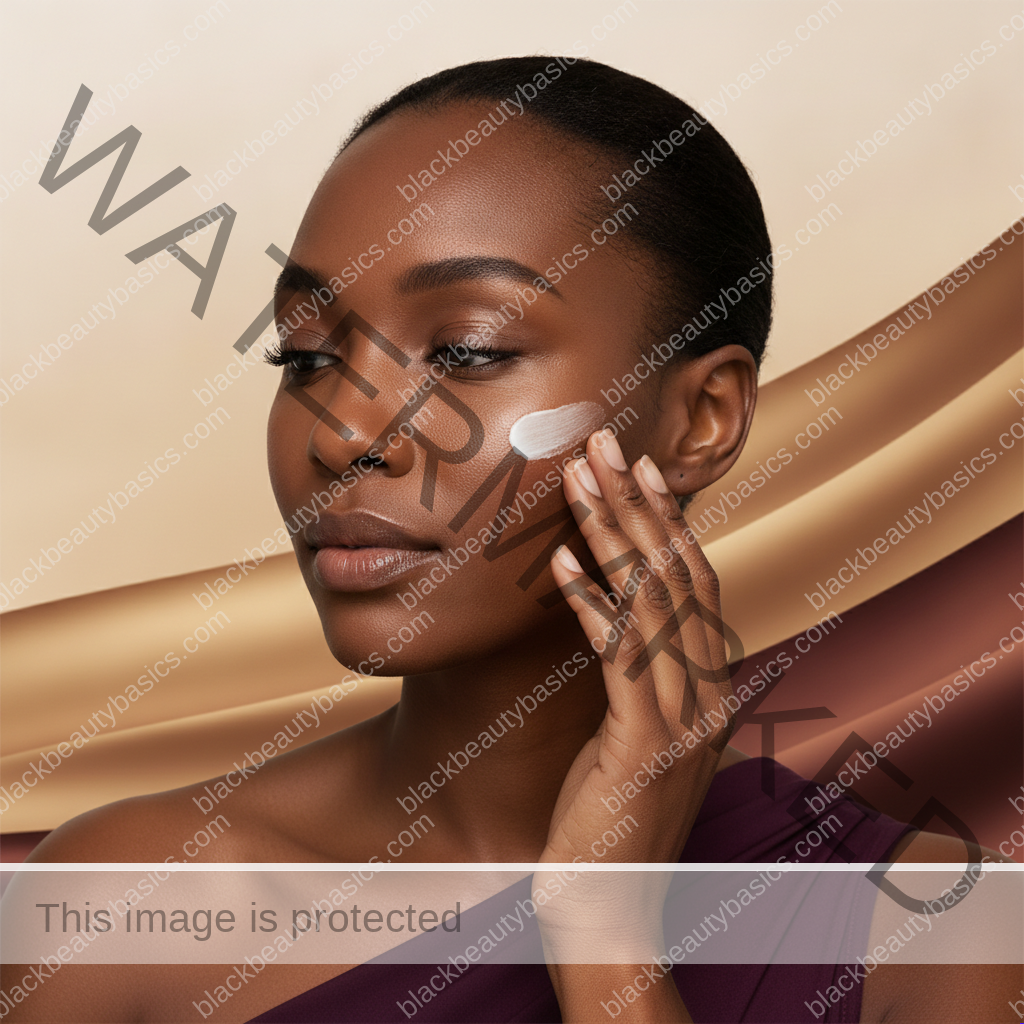
A practical approach is to apply a hydrating layer to damp skin, then follow with moisturizer. If certain areas still feel dry, you can add a small amount of a richer cream or ointment only where needed, such as around the nostrils, lips, cheeks, or under-eye area. This targeted method can be more comfortable than covering an oily T-zone in a heavy product it does not enjoy.
For body skin, moisturize soon after bathing, while the skin is still slightly damp. If your arms, legs, or hands look ashy again soon after lotion, the issue may be the amount, the texture, frequent washing, dry indoor air, or friction from clothing. A thicker cream may suit some people better than a thin lotion. Others prefer to layer a lotion under a more protective cream in drier areas.
Keep water temperature comfortably warm rather than hot. Long, hot showers can feel soothing in the moment, but they may leave some people feeling more dry afterward. Use your hands or a soft cloth rather than abrasive tools when possible. Pat skin dry instead of rubbing hard, especially if you are prone to irritation or dark marks after inflammation.
If you use exfoliating acids, retinoids, benzoyl peroxide, or other active ingredients, consider whether your current frequency is matching your skin’s comfort level. Do not stop or change a prescription independently. Instead, ask your prescriber how to support dryness and irritation while continuing treatment safely. For more guidance, read our article on building a skincare routine around prescription acne treatments.
Real-Life Variations: Weather, Acne, Grooming, and Combination Skin
Your skin is not a controlled laboratory. It responds to commuting, indoor heating, air conditioning, workouts, menstrual cycles, travel, sleep, makeup, shaving, protective styles, masks, and the products that touch your pillowcase and phone. A useful routine leaves room for these real-life shifts.
In cold or dry weather, you may need a creamier moisturizer, gentler cleansing, and more attention to the areas that crack or flake first. In hot, humid weather, you may prefer a lighter lotion or gel-cream during the day and a more protective moisturizer at night. This does not mean your skin type has changed every season. It may simply mean your skin’s daily needs have changed.
Combination skin deserves nuance. A shiny forehead does not cancel out dry cheeks. An oily nose does not mean your entire face needs stripping cleansers. Try applying different textures in different places: a light moisturizer across the face, with a richer cream on dry zones. This is often more sensible than forcing one product to perform every job equally well.
Acne-prone skin can also be dry or dehydrated. Many acne treatments can cause dryness, peeling, or sensitivity. Overcorrecting with harsh cleansing or skipping moisturizer may make your routine harder to tolerate. Choose non-irritating support around treatment steps, and seek personalized guidance if your skin becomes painful, persistently inflamed, or difficult to manage.
Shaving and hair removal can complicate the picture, particularly for people prone to ingrown hairs and razor bumps. Bumps after shaving are not proof that your skin is unclean. Curly or tightly coiled hair can re-enter the skin, and irritation from close shaving can add to the problem. Use a clean razor, avoid pulling the skin taut, shave in the direction of hair growth when possible, and avoid repeated passes over the same area. If bumps, dark marks, or pain are persistent, a dermatologist can help you discuss options.
Hard water is another possible factor, but it should not become a source of anxiety. Research has examined links between hard water, eczema, and skin barrier function, with much of the evidence focused on childhood eczema. Water softeners have not been shown to improve established eczema severity in trials. If your skin feels uncomfortable after bathing, focus first on practical steps: shorter showers, gentler cleanser use, and prompt moisturizing. You do not need to blame your water supply for every dry patch.
If your face looks dull but feels sensitive, do not assume exfoliation is the answer. A calmer approach may be more useful. See our guide to a dull but sensitive skin routine for ways to support radiance without treating sensitivity as something to scrub away.
Troubleshooting When Moisturizer Does Not Seem to Be Enough
If you have been moisturizing and your skin still feels dry or tight, slow down and look at the full routine. The problem may not be that you have chosen the “wrong” moisturizer. It may be that cleansing is too frequent, water is too hot, actives are too intense for the moment, products are layered in an irritating combination, or the moisturizer is not being used in a way that suits your skin.
Ask yourself a few simple questions. Does tightness start immediately after cleansing? Does it happen after a specific serum, toner, sunscreen, or makeup product? Are you using an exfoliant more often than your skin seems to tolerate? Did the problem begin after starting acne treatment, changing birth control, moving, traveling, or spending more time in heated or air-conditioned spaces? A small written note for one or two weeks can reveal patterns that memory misses.
If your skin stings when you apply bland products, reduce the number of nonessential steps and avoid introducing new actives. If your face feels oily yet tight, consider whether you are using a strong cleanser or skipping moisturizer because you fear breakouts. If your body remains ashy after lotion, try applying a more substantial cream to damp skin and pay attention to areas exposed to frequent friction, such as elbows, knees, hands, and shins.
Persistent flaking around the nose, eyebrows, hairline, or ears may not be simple dryness. Similarly, a rash, swelling, intense itch, painful fissures, crusting, or skin that becomes darker or lighter in patches deserves professional attention. Deep tones can show inflammation differently, and you do not need to wait for dramatic redness to take discomfort seriously.

When a reaction follows a new product, simplify rather than trying to counter it with several more products. Stop using the suspected non-prescription cosmetic product if it is causing clear irritation, return to a basic routine you know your skin tolerates, and seek medical care for severe symptoms. Our guide on how to simplify your skincare routine after a reaction can help you move carefully.
There is no prize for tolerating discomfort. A burning sensation is not evidence that a product is “working,” and visible irritation is not a necessary stage of achieving clear or glowing skin.
What to Do Next: Build a Routine Around Your Actual Pattern
Start by observing, not overhauling. For the next week or two, notice when your skin feels tight, where it flakes, whether it becomes oily later in the day, and which products leave it comfortable. Keep cleansing gentle, moisturize on slightly damp skin, and avoid adding multiple new treatments at once.
If your skin is consistently rough, flaky, or uncomfortable, consider whether you need a more emollient moisturizer and less aggressive cleansing. If it feels tight but also oily, focus on hydration-supporting layers plus a moisturizer that feels comfortable enough to use daily. If you have both patterns, use a flexible approach: lighter layers where you are oily and richer support where you are dry.
Protecting your skin is not vanity, and it is not an attempt to meet anyone else’s beauty standard. It is a form of attention. Your deep tone does not make dryness less real because it does not always look red, and your skin does not need to suffer before it deserves gentleness.
Frequently Asked Questions
Can oily skin be dehydrated?
Yes. Oil production and water content are different concerns, so oily skin can still feel tight, look dull, or become uncomfortable after cleansing. Some people notice shine on the forehead, nose, or chin while their cheeks feel tight or makeup clings around the mouth. This does not necessarily mean you should eliminate moisturizer. Instead, consider a gentler cleanser, a light hydrating layer on damp skin, and a moisturizer with a texture you can tolerate consistently. If oiliness and discomfort are severe or accompanied by a rash, persistent acne flare, or itching, seek individualized medical advice.
Why does dry skin look gray or ashy on deep skin tones?
When the outermost layer of skin is dry or uneven, it can scatter light differently and create a gray, muted, powdery, or ashy appearance. On melanin-rich skin, this may be more noticeable than the redness commonly described in generic skincare advice. Ashiness is not a sign that your skin is dirty or that you have failed to moisturize “well enough.” It is a useful cue to check your bathing habits, cleanser, moisturizer texture, climate, and any irritating treatments. Consistent gentle care can be more helpful than scrubbing or applying multiple fragranced products.
Should I drink more water if my skin is dehydrated?
Regular hydration supports overall health, but drinking extra water is not a guaranteed fix for facial tightness, flaking, or a compromised skin barrier. Skin comfort can also be affected by cleansing habits, dry air, medications, active ingredients, and the products you apply. If you are thirsty, ill, exercising, or have been advised to manage fluid intake for a health condition, follow appropriate medical guidance. For skincare, focus on a gentle routine, moisturizing while skin is slightly damp, and avoiding practices that repeatedly leave your skin feeling stripped.
Can I use facial oil instead of moisturizer?
Facial oils can make skin feel softer and may help reduce the feeling of dryness for some people, but they do not automatically replace a well-rounded moisturizer. Many moisturizers combine water, humectants, emollients, and occlusive ingredients in ways that support comfort differently than oil alone. If you enjoy an oil, you might use a small amount over moisturizer, especially on dry areas, rather than using it as your only step. Pay attention to how your skin responds. If you are acne-prone or easily congested, introduce one product at a time and avoid assuming that richer is always better.
How can I tell if my cleanser is too harsh?
A cleanser may be too harsh for your current needs if your skin feels tight, squeaky, itchy, stinging, or uncomfortable immediately afterward. You may also notice more flaking, dullness, or sensitivity when you apply your usual products. This does not mean every foaming cleanser is harmful or every cream cleanser is ideal. The key is your repeated experience. Try using lukewarm water, cleansing no more often than needed, and choosing a formula that removes sunscreen and makeup without leaving your skin feeling stripped. If symptoms persist, consider professional guidance.
Do I need to exfoliate dry, dull skin?
Not always. Dullness can come from dryness, dehydration, irritation, uneven pigment, makeup buildup, or many other factors. Exfoliation may be appropriate for some routines, but it can worsen discomfort when the skin is already stinging, peeling, or reactive. Before adding an exfoliant, strengthen the basics: gentle cleansing, regular moisturizing, and sunscreen use. If you already use acids, scrubs, retinoids, or acne treatments, avoid stacking them without a clear reason. If you use a prescription treatment, ask your prescriber how exfoliation fits into your specific routine.
When should I see a dermatologist about dry or dehydrated-looking skin?
Consider seeing a dermatologist if you have persistent itch, pain, cracking, swelling, crusting, oozing, widespread rash, sudden changes in pigment, or symptoms that do not improve after simplifying your routine. It is also wise to seek help when acne treatment, shaving bumps, eczema, or another known concern is making it difficult to maintain skin comfort. A dermatologist can assess possibilities that a general skincare guide cannot diagnose. Bring a list of products, treatments, symptoms, and timing. You deserve care that takes your skin tone, history, and concerns seriously.
Related next steps
Related posts:
 Is Your Hair Breaking or Shedding? How to Tell the Difference and Fix It
 Shedding vs Breakage: How Black Women Can Tell the Difference
 Hair Shedding vs Breakage on Natural Hair: How to Tell the Difference
 Transition Routines Between Seasons for Melanin-Rich Skin
 “Is My Skin Dry or Dehydrated?” A Guide for Women of Color
 SPF for Dry or Dehydrated Dark Skin: Comfort, Flaking, and Glow