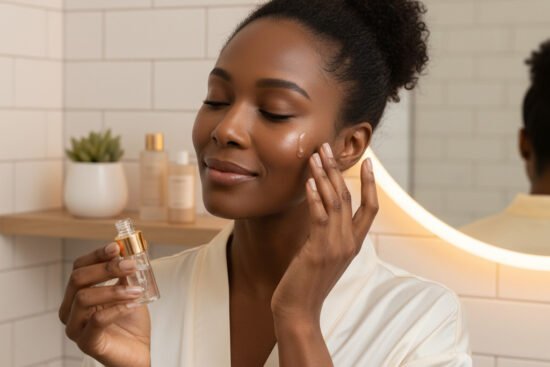
The desire for smooth, radiant skin is universal, and for many Black women, the journey to achieving it often involves navigating the complexities of uneven texture, dullness, and persistent dark spots. It’s incredibly tempting to reach for the most potent exfoliant when you’re dealing with these concerns, hoping to scrub or peel away what feels like a stubborn layer of history. The promise of an instant glow or rapid fading of hyperpigmentation can be compelling, especially when traditional beauty narratives often push for more aggressive solutions.
However, for melanin-rich skin, the path to clarity and even tone requires a nuanced approach. While exfoliation can be a powerful ally in revealing brighter, smoother skin, it’s also a double-edged sword. Irritation, even minor, can leave a lasting visual signature in the form of post-inflammatory hyperpigmentation (PIH) – those persistent dark marks that seem to linger long after the initial issue has resolved. This unique characteristic of melanin-rich skin means that a good exfoliation routine isn’t about finding the harshest product or the most frequent application. Instead, it’s about finding the sweet spot: the routine that effectively improves texture and tone while meticulously protecting your skin barrier and preventing the very dark spots you’re trying to avoid.
At Black Beauty Basics, we understand that your skin deserves care that is both effective and deeply respectful of its unique physiology. This article is your guide to understanding how to approach exfoliation in a way that supports your skin’s natural radiance without triggering new concerns. We’ll explore how to integrate exfoliation into your regimen thoughtfully, ensuring that every step contributes to a healthier, more luminous complexion. For a broader understanding of how to care for your skin, explore our comprehensive guide to Skincare for Black Women. For more in-depth insights into cleansing and exfoliation, you can always refer back to our hub on Cleansing & Exfoliation Best Practices.
What This Post Covers
Navigating exfoliation for melanin-rich skin can feel like a delicate dance, but with the right knowledge, you can move with confidence and grace. This guide is designed to empower you with the insights needed to make informed choices for your unique skin. Here’s what we’ll explore:
- The Dual Nature of Exfoliation: Why exfoliation can be incredibly helpful for dark skin, but also why it carries a higher risk of backfiring if not approached with care.
- Finding Your Rhythm: How to think about exfoliation frequency and intensity, moving beyond generic advice to truly listen to your skin’s needs.
- Preventing Dark Spot Triggers: Practical strategies to ensure your pursuit of smoother texture doesn’t inadvertently lead to new post-inflammatory hyperpigmentation.
- Assessing Skin Readiness: How to accurately determine when your skin is prepared for exfoliation and, perhaps more importantly, when it’s signaling a need for pause.
- Fortifying Your Barrier: Essential steps to support your skin’s protective barrier before, during, and after exfoliation to maintain its resilience and health.
- Crafting a PIH-Aware Routine: Step-by-step guidance on building an exfoliation regimen that prioritizes preventing dark spots while still delivering visible results.
Why Exfoliation Needs Extra Care on Melanin-Rich Skin
For Black women and individuals with melanin-rich skin, the conversation around exfoliation carries a unique weight. Our skin, while often lauded for its resilience and ability to age gracefully, also possesses a heightened sensitivity to inflammation. This isn’t a weakness, but a biological reality rooted in the very cells that give our skin its beautiful spectrum of color: melanocytes.
When melanin-rich skin experiences any form of irritation, whether from a harsh scrub, an overly potent chemical exfoliant, sun exposure, or even a simple scratch, those melanocytes go into overdrive. They produce excess melanin as a protective response, and this overproduction manifests as post-inflammatory hyperpigmentation (PIH)—those dark spots and patches that can linger for months, sometimes even years. Unlike lighter skin tones where irritation might primarily show as temporary redness, for us, that inflammation often leaves a much longer, more visible trail in the form of a dark mark.
This means that over-exfoliation isn’t just about temporary sensitivity or a compromised barrier; it can directly translate into a significant dark spot problem. A routine that might be perfectly fine for someone with less melanin could easily trigger PIH in our skin. The goal, therefore, is not to avoid exfoliation altogether, but to approach it with an acute awareness of this biological predisposition. Exfoliation itself is not inherently bad; in fact, when done correctly, it can be incredibly beneficial for promoting cell turnover, improving texture, and enhancing radiance. The issue lies in the intensity, the frequency, and the readiness of the skin. Our approach must be calm, practical, and non-alarmist, recognizing that gentle, consistent care is far more effective than aggressive, sporadic treatments.
Understanding this fundamental difference is the first step towards building an exfoliation routine that truly serves your skin, helping you achieve your desired glow without inadvertently creating new challenges.
What Exfoliation Is Actually Supposed to Do
At its core, exfoliation is a process designed to help your skin shed dead cells from its outermost layer, the stratum corneum. Think of it as a gentle nudge to your skin’s natural renewal cycle. Our skin is constantly regenerating, with new cells forming at the bottom layers and gradually migrating to the surface. As they reach the top, they flatten and eventually flake off, making way for fresh, new cells. Sometimes, however, this natural shedding process can slow down, leading to a build-up of dead skin cells. This accumulation can make your skin look dull, feel rough, and even contribute to clogged pores and uneven tone.
When done correctly, exfoliation helps to accelerate this shedding, revealing the newer, healthier skin underneath. The result? Skin that appears smoother, feels softer, and reflects light more evenly, contributing to a brighter, more luminous complexion. It can also help skincare products penetrate more effectively, as they don’t have to contend with a thick layer of dead cells. For melanin-rich skin, this gentle encouragement of cell turnover can be particularly beneficial for addressing concerns like textural irregularities and mild hyperpigmentation, helping to even out skin tone over time.
It’s crucial to understand what exfoliation is not supposed to do. It is not meant to sting dramatically, leave your skin raw, or create that “squeaky clean” feeling often associated with harsh cleansing. These sensations are red flags, indicating that your skin barrier is being stripped or damaged. A properly exfoliated face should feel comfortable, smooth, and supple, not tight or irritated. The aim is to gently assist your skin’s natural processes, not to aggressively force them. Remember, smoother skin does not have to mean harsher treatments; in fact, for melanin-rich skin, gentleness is key to long-term success and protection against dark spots.
The Difference Between Helpful Exfoliation and Triggering Irritation
The line between beneficial exfoliation and irritation can be incredibly fine, especially for melanin-rich skin. Helpful exfoliation is a steady, controlled process that gently encourages cell turnover without disrupting the skin’s delicate barrier. It’s about consistency and patience, leading to gradual improvements in texture and tone. When you’re exfoliating correctly, you might notice your skin feeling softer, looking a bit brighter, and your other skincare products absorbing more effectively over time. There should be no immediate discomfort, redness, or heightened sensitivity.
Triggering irritation, on the other hand, happens when you overdo it—either by using products that are too strong, exfoliating too frequently, or employing aggressive techniques. For melanin-rich skin, the signs of trouble might not always be the dramatic redness often seen on lighter skin tones. Instead, irritation can manifest in more subtle, yet equally concerning, ways:
- Ashiness or Dullness: Paradoxically, over-exfoliation can strip the skin of its natural oils and moisture, leading to a greyish, ashy appearance rather than a radiant glow.
- Stinging or Burning: Products that once felt fine might suddenly sting upon application, indicating a compromised barrier.
- Rough Patches or Flakiness: Instead of smooth skin, you might develop dry, rough, or flaky areas, especially around the mouth or nose.
- Tenderness or Sensitivity: Your skin might feel unusually sensitive to touch, water, or even mild environmental factors.
- Rebound Oiliness: In an attempt to compensate for stripped moisture, your skin might start producing excess oil, leading to a greasy feeling.
- New or Worsening Breakouts: A damaged barrier can make your skin more susceptible to bacteria and inflammation, potentially leading to new blemishes.
- Later Dark Marks: The most significant and frustrating sign for melanin-rich skin is the emergence of new dark spots or the worsening of existing hyperpigmentation, which is a direct result of inflammation.
It’s vital to recognize these cues as your skin’s way of communicating distress. Ignoring them and pushing through with more exfoliation will only exacerbate the problem, potentially leading to long-lasting PIH. If you’re unsure whether your current routine is causing more harm than good, it’s helpful to review the signs you are over-cleansing or over-exfoliating. Understanding these distinctions empowers you to adjust your approach, ensuring that your exfoliation efforts are always supportive and never detrimental to your skin’s health and clarity.
When Skin Is Ready for Exfoliation and When It Is Not
Knowing when your skin is truly ready for exfoliation is paramount, especially when safeguarding against dark spots. It’s not about following a rigid schedule, but rather about tuning into your skin’s current state. Exfoliation is a treatment, and like any treatment, it should only be applied when the conditions are right. Pushing exfoliation on skin that isn’t ready is a direct invitation for irritation and subsequent hyperpigmentation.
Skin that feels calm and stable
This is the ideal state for introducing or continuing exfoliation. If your skin feels comfortable, hydrated, free from active breakouts, and isn’t showing any signs of sensitivity or irritation, it’s likely receptive to gentle exfoliation. In this state, your skin’s barrier is intact and robust, meaning it can handle the subtle encouragement of cell turnover without reacting defensively. Think of it as a green light: your skin is balanced, and a mild exfoliant can help maintain its clarity and glow. This is when you can confidently proceed with your chosen method, always starting slow and observing how your skin responds.
Skin that is already irritated
If your skin is currently experiencing any form of irritation—be it redness, stinging, flakiness, unusual sensitivity, or even a feeling of tightness—it is emphatically not the time to exfoliate. This is a red flag. Irritated skin has a compromised barrier, meaning its natural defenses are down. Introducing an exfoliant, even a mild one, will only worsen the irritation, potentially leading to a vicious cycle of inflammation and, for melanin-rich skin, almost certainly triggering PIH. In this scenario, the smartest move is to pause all active treatments, including exfoliation, and focus entirely on soothing, hydrating, and repairing your skin barrier. Let your skin heal and regain its equilibrium before reintroducing any exfoliating steps.
Skin that is acne-prone and inflamed
Acne-prone skin often comes with inflammation, especially if you have active, red, or painful breakouts. While certain exfoliants (like salicylic acid) can be beneficial for managing acne by clearing pores, applying them to already inflamed skin can be counterproductive. If your acne is severe, cystic, or widespread, or if your skin feels generally inflamed and sensitive, aggressive exfoliation can exacerbate the problem, spread bacteria, and increase the risk of PIH once the breakout heals. Instead, focus on calming the inflammation, using gentle cleansers, and consulting with a dermatologist. Once the active inflammation subsides, a very gentle, targeted exfoliant can be carefully introduced, but always with caution and a barrier-first mindset.
Skin that feels oily but dehydrated
This is a common and often misunderstood skin state. Oily skin that also feels tight, rough, or produces excess oil after cleansing might actually be dehydrated. Dehydration compromises the skin barrier, leading to increased sensitivity and a compensatory overproduction of oil. Exfoliating dehydrated skin, even if it feels oily, can strip away more moisture, further damaging the barrier and leading to more irritation and potential PIH. If your skin feels oily but also uncomfortable, focus on hydration first. Use gentle, humectant-rich products to replenish moisture and restore barrier function. Once your skin feels balanced and hydrated, you can then consider a very mild exfoliant, perhaps a PHA, introduced slowly.
Skin adjusting to new actives
When you introduce new active ingredients into your routine—such as retinoids, vitamin C, or other potent treatments—your skin needs time to adjust. These ingredients can increase sensitivity and make your skin more vulnerable to irritation. Layering exfoliation on top of new actives, especially in the initial adjustment phase, is a recipe for disaster. It’s best to introduce new actives one at a time, allowing several weeks for your skin to acclimate before considering any form of exfoliation. If you’re using a retinoid, for example, your skin might be exfoliating itself more efficiently already, making additional exfoliation unnecessary or even detrimental. Always prioritize patience and observe your skin’s reactions carefully.
In all these scenarios, pausing is sometimes the smarter, more protective move. Your skin is a living organ, and its needs fluctuate. Learning to read its signals is the most powerful tool you have in preventing irritation and safeguarding against dark spots.
Choosing an Exfoliation Pace That Respects Dark Skin
The concept of “pace” in exfoliation is far more critical for melanin-rich skin than often acknowledged in mainstream beauty advice. It’s not about how quickly you can achieve a result, but how sustainably and gently you can support your skin’s natural processes without triggering a defensive response. For us, more is almost never automatically better, and chasing an aggressive glow can lead to a frustrating cycle of dark spots.
When starting any new exfoliation routine, especially if you’re new to actives or have sensitive skin, a beginner’s pace is non-negotiable. This means starting with the lowest possible frequency and concentration. For example, if a product suggests daily use, begin with once or twice a week. If it’s a leave-on treatment, start with a very short contact time or dilute it with a moisturizer. This slow introduction allows your skin to gradually acclimate and gives you crucial time to observe its reactions. Any signs of stinging, tightness, or increased sensitivity are immediate signals to reduce frequency or stop altogether.
The ideal frequency for exfoliation is deeply personal and depends entirely on your skin’s behavior, not on what’s trending or what works for someone else. There’s no universal rule that dictates “exfoliate twice a week” for everyone. Your skin’s needs can fluctuate due to environmental factors, stress, hormonal changes, and other products in your routine. For some, once a week might be perfect; for others, once every two weeks is sufficient. Some might even find that their skin prefers a very mild daily exfoliant, while others thrive on a more potent, less frequent treatment. The key is to be an attentive observer of your own skin, rather than a rigid follower of prescribed schedules.
Remember, the goal is gentle, consistent encouragement of cell turnover, not aggressive stripping. Over-exfoliation, even if it doesn’t immediately cause visible irritation, can slowly erode your skin barrier, making it more vulnerable over time. This cumulative damage can eventually manifest as persistent dryness, sensitivity, and, inevitably, dark spots. By choosing a pace that respects your skin’s natural rhythm and sensitivity, you’re not just preventing immediate irritation; you’re investing in the long-term health and clarity of your complexion. For a deeper dive into the different methods, you might find our article on Chemical vs. Physical Exfoliation on Melanin-Rich Skin particularly helpful.
Chemical and Physical Exfoliation in Real Life
When we talk about exfoliation, we’re generally referring to two main categories: chemical and physical. Both have their place in a thoughtful skincare routine, but for melanin-rich skin, the emphasis must always be on gentleness and control to prevent irritation and subsequent dark spots.
Chemical exfoliation involves using acids to dissolve the bonds between dead skin cells, allowing them to shed more easily. The most common types are Alpha Hydroxy Acids (AHAs) like glycolic and lactic acid, Beta Hydroxy Acids (BHAs) like salicylic acid, and Polyhydroxy Acids (PHAs) like gluconolactone and lactobionic acid. For melanin-rich skin, PHAs are often an excellent starting point. They have a larger molecular size, meaning they penetrate the skin more slowly and superficially, making them incredibly gentle and less likely to cause irritation. Lactic acid is another good option, as it’s an AHA that also offers hydrating benefits. Salicylic acid (BHA) is excellent for oily and acne-prone skin because it’s oil-soluble and can penetrate pores to clear congestion, but even with BHAs, starting with lower concentrations and less frequent use is crucial. The beauty of chemical exfoliants is their ability to work evenly across the skin without mechanical friction, reducing the risk of micro-tears. However, even the gentlest chemical exfoliant can become a problem if used too frequently or at too high a concentration.
To explore gentle chemical exfoliant options, you can browse options on Amazon.
Physical exfoliation involves using a granular substance or tool to manually buff away dead skin cells. This includes scrubs with beads or particles, cleansing brushes, or even cloths. While the immediate sensation of smoothness can be satisfying, physical exfoliation carries a higher risk of irritation for melanin-rich skin. Harsh scrubs with jagged particles can create microscopic tears in the skin, leading to inflammation and, you guessed it, PIH. Even seemingly soft brushes, if used too vigorously or too often, can compromise the skin barrier. If you prefer physical exfoliation, opt for extremely fine-grained scrubs (like those with jojoba beads or finely milled rice powder) and use them with the lightest touch, no more than once a week. Avoid anything with large, irregular particles like crushed nut shells. The technique is everything here: gentle, circular motions for a very short duration, followed by thorough rinsing.
Regardless of the method you choose, the guiding principle is restraint. Start low, go slow, and listen to your skin. A product that promises dramatic results overnight is often a red flag. Instead, look for formulations designed for sensitive skin, with lower concentrations of active ingredients, and always patch test first. The goal is to gently encourage cell turnover, not to aggressively strip or abrade the skin. Both chemical and physical methods can be effective, but either can become a problem if used too aggressively or without proper consideration for your skin’s unique needs.
Exfoliation Routines for Different Skin Patterns
There’s no one-size-fits-all exfoliation routine, especially when considering the diverse needs of melanin-rich skin. Instead of rigid rules, think of these as adaptable frameworks, designed to guide you toward a routine that honors your skin’s specific patterns and concerns while prioritizing barrier protection and PIH prevention.
For Sensitive Skin
- Approach: Ultra-gentle, infrequent, and barrier-supportive.
- Product Type: Polyhydroxy Acids (PHAs) are your best friend. Their large molecular size means they exfoliate very superficially and are often hydrating. Lactic acid at a low concentration (5% or less) can also be a good option. Avoid glycolic acid and salicylic acid initially.
- Frequency: Start with once every 10-14 days. If your skin tolerates this well after a month or two, you might cautiously increase to once a week.
- Application: Apply to clean, dry skin. Leave on for a shorter duration than recommended (e.g., 5-10 minutes if it’s a rinse-off mask, or a thin layer of a leave-on toner). Follow immediately with a rich, soothing moisturizer.
- What to Avoid: Physical scrubs, high-concentration acids, layering with other actives, and daily use.
For Acne-Prone Skin
- Approach: Targeted, anti-inflammatory, and pore-clearing.
- Product Type: Salicylic Acid (BHA) is excellent for acne-prone skin because it’s oil-soluble and can penetrate into pores to dissolve sebum and dead skin cells. Look for concentrations between 0.5% and 2%.
- Frequency: Start with 2-3 times a week. If your skin tolerates it, you might increase to every other day, but listen closely to your skin.
- Application: Apply as a toner or serum after cleansing. Focus on areas prone to breakouts. Ensure your skin is not actively inflamed or raw. Follow with a non-comedogenic moisturizer.
- What to Avoid: Over-exfoliating inflamed breakouts, harsh physical scrubs that can spread bacteria, and layering with other strong actives like retinoids without careful consideration.
For Oily but Dehydrated Skin
- Approach: Hydrating exfoliation that respects the barrier.
- Product Type: PHAs or low-concentration Lactic Acid. The goal is to gently remove surface buildup while attracting moisture to the skin.
- Frequency: Start with once a week. If well-tolerated, you might increase to twice a week.
- Application: Apply to clean skin. Immediately follow with hydrating serums (hyaluronic acid, glycerin) and a robust moisturizer. The focus is on replenishing moisture lost during the day.
- What to Avoid: Strong AHAs or BHAs that can be too drying, harsh physical scrubs that strip natural oils, and skipping moisturizer.
For Combination Skin
- Approach: Zone-specific or balanced exfoliation.
- Product Type: A mild AHA (like lactic acid) for overall tone and texture, or a BHA (salicylic acid) specifically for oilier T-zone areas.
- Frequency: 1-2 times a week, depending on the product and your skin’s response.
- Application: You might use a BHA on your T-zone and a gentler AHA on drier areas, or use a mild, all-over AHA/PHA product. Always follow with a balanced moisturizer.
- What to Avoid: Aggressive full-face exfoliation if certain areas are drier or more sensitive.
For Uneven Tone and Dullness (Mainly)
- Approach: Gentle, consistent cell turnover to reveal brighter skin.
- Product Type: Lactic acid (5-10%) or a PHA toner. These help with surface texture and can contribute to a more even, luminous complexion over time.
- Frequency: Start with 2-3 times a week. Adjust based on skin tolerance.
- Application: Apply after cleansing. Ensure adequate hydration and sun protection are part of your daily routine.
- What to Avoid: Expecting exfoliation alone to solve all dark spot issues; it’s one piece of a larger puzzle. Over-exfoliating in pursuit of faster results.
These routines are starting points. Your skin is unique, and its needs will evolve. Always observe, adjust, and prioritize your skin’s comfort and health above all else. Remember, consistency with gentleness yields far better results than sporadic aggression.
When Dark Spots Are the Goal, Not the Only Lens
It’s completely natural to focus on dark spots when they are a primary skin concern. The desire to fade them quickly can drive many of our skincare choices, often leading us to believe that more aggressive exfoliation is the direct route to clear skin. However, when dark spots—specifically post-inflammatory hyperpigmentation (PIH)—are the goal, it’s crucial to understand that exfoliation is just one tool in a much larger and more intricate toolkit. It’s a supportive player, not the sole solution.
The journey to addressing hyperpigmentation is far broader than simply shedding dead skin cells. In fact, an over-reliance on exfoliation without considering other factors can often make dark spots worse by triggering new inflammation. True dark spot care is a holistic approach that centers on several key pillars:
- Irritation Control: This is arguably the most critical factor for melanin-rich skin. Since PIH is a direct result of inflammation, preventing irritation in the first place is paramount. This means using gentle products, avoiding harsh scrubbing, and being mindful of how your skin reacts to everything you put on it.
- Consistency: Fading dark spots is a marathon, not a sprint. It requires consistent application of appropriate ingredients over time, not aggressive, quick fixes. Patience is your most valuable asset.
- Overall Barrier Support: A healthy, intact skin barrier is your skin’s first line of defense against environmental aggressors and irritants. When the barrier is strong, your skin is less reactive and better equipped to heal and prevent PIH. This means focusing on hydration and nourishing ingredients that fortify your skin’s natural protective layer.
- Targeted Brightening Ingredients: While exfoliation helps with cell turnover, ingredients like niacinamide, vitamin C, alpha arbutin, kojic acid, and azelaic acid specifically target the melanin production process, helping to inhibit its overproduction and fade existing spots. These work synergistically with gentle exfoliation.
- Daily Sun Protection: This cannot be stressed enough. UV radiation is the number one trigger for melanin production and will darken existing PIH, making all other efforts futile. Daily, consistent use of a broad-spectrum sunscreen with an SPF of 30 or higher is non-negotiable for anyone concerned with dark spots.
Exfoliation, when done gently and thoughtfully, can help by removing the surface layers of darkened skin cells, allowing brightening ingredients to penetrate more effectively and revealing fresher skin. But it should always be integrated into a routine that prioritizes calming inflammation, supporting the skin barrier, and consistently protecting against sun exposure. Thinking of dark spots through this broader lens ensures that your efforts are truly productive and sustainable, leading to long-term clarity and radiance. For a deeper dive into managing hyperpigmentation, we encourage you to explore our comprehensive guide on Hyperpigmentation and Dark Spots.
What to Pair With Exfoliation So It Does Not Backfire
Exfoliation, even when gentle, is a stimulating process for the skin. To ensure it works for you and not against you, especially in preventing dark spots, it must be paired with a supportive cast of skincare habits and products. Think of it as a team effort: exfoliation does its job, but the rest of your routine provides the necessary recovery and protection.
- Gentle Cleansing: Before you even think about exfoliation, ensure your cleansing routine is non-stripping. A harsh cleanser can compromise your skin barrier before you even apply an exfoliant, setting the stage for irritation. Opt for creamy, hydrating, or oil-based cleansers that remove impurities without leaving your skin feeling tight or “squeaky clean.” Your skin should feel soft and comfortable after washing.
- Supportive Moisturizing: This is non-negotiable. After exfoliating, your skin needs immediate and robust hydration and barrier support. Choose a rich, nourishing moisturizer packed with ingredients like ceramides, hyaluronic acid, glycerin, fatty acids, and cholesterol. These ingredients help to replenish moisture, repair the skin barrier, and calm any potential post-exfoliation sensitivity. Applying moisturizer to slightly damp skin can help lock in hydration more effectively. For more on this, see our section on Barrier Repair and Moisture Balance.
- Calmer Routines on Exfoliation Days: On days you exfoliate, simplify the rest of your routine. Avoid layering other potent actives like retinoids, strong vitamin C serums, or other acids. Give your skin a break from anything that could potentially add to its workload. A gentle cleanser, your chosen exfoliant, and a good moisturizer are often all you need. This allows your skin to focus its energy on recovery and prevents ingredient interactions that could lead to irritation.
- Next-Day Sun Protection (and Every Day): This is perhaps the most crucial pairing. Exfoliation can make your skin more sensitive to the sun, and for melanin-rich skin, sun exposure is the primary trigger for darkening existing PIH and creating new spots. A broad-spectrum sunscreen with an SPF of 30 or higher is essential, every single day, rain or shine, indoors or out. Reapply throughout the day, especially if you’re outdoors. Without diligent sun protection, even the most perfectly executed exfoliation routine can backfire, leading to more dark spots.
You don’t need an overloaded routine to make exfoliation “work.” In fact, often less is more. The goal is to create an environment where your skin can benefit from exfoliation’s clarifying effects without experiencing the stress that leads to inflammation and hyperpigmentation. By integrating these supportive practices, you transform exfoliation from a potentially risky step into a truly beneficial one, paving the way for clearer, more even-toned skin. For more detailed guidance on what to do after exfoliating, refer to our article on Post-Exfoliation Care for Dark Skin.
What to Pause When You Start Exfoliating
Starting a new exfoliation routine, or even reintroducing one, is an exciting step towards clearer, smoother skin. However, it’s also a moment that requires strategic simplification. The temptation to “stack” active ingredients—using multiple powerful treatments at once—is common, driven by the desire for faster results. For melanin-rich skin, this approach is often counterproductive and can easily lead to irritation, barrier damage, and ultimately, new dark spots.
When you introduce an exfoliant, your skin is undergoing a change. It’s working to shed dead cells and adjust to a new active ingredient. Adding too many other potent ingredients to the mix simultaneously can overwhelm your skin, making it difficult to discern what’s actually working and what might be causing irritation. It’s like trying to listen to multiple conversations at once; your skin can’t clearly signal its needs when it’s bombarded with too many stimuli.
Therefore, a crucial step in beginning or adjusting an exfoliation routine is to pause or significantly reduce the frequency of other potentially irritating or sensitizing actives. This includes:
- Other Exfoliants: If you’re introducing a chemical exfoliant, pause any physical scrubs or other chemical exfoliants you might be using. You should only be using one primary exfoliation method at a time.
- Retinoids/Retinols: These are powerful cell turnover stimulators on their own. Combining them with another exfoliant, especially when first starting either, is a high-risk move for irritation. If you’re using a retinoid, you might find you don’t need additional exfoliation, or you’ll need to alternate nights very carefully.
- Strong Vitamin C Serums: While vitamin C is a fantastic antioxidant and brightener, some formulations can be quite acidic and potentially irritating, especially L-ascorbic acid at high concentrations. Consider pausing it on exfoliation nights or switching to a gentler derivative.
- Benzoyl Peroxide: Commonly used for acne, benzoyl peroxide can be drying and irritating. Combining it with an exfoliant can lead to excessive dryness and sensitivity.
- New Products in General: When introducing an exfoliant, avoid introducing any other new skincare products for at least 2-4 weeks. This “one new product at a time” rule allows you to accurately assess your skin’s reaction to the exfoliant without confounding factors.
The goal is to simplify your routine to its most basic, supportive elements: a gentle cleanser, your chosen exfoliant (on exfoliation days), a hydrating serum, a robust moisturizer, and daily sunscreen. This stripped-down approach allows your skin to clearly communicate its tolerance levels. If you experience irritation, you’ll know exactly which product is the culprit, enabling you to adjust quickly. This isn’t about fear; it’s about smart, barrier-aware strategy that prioritizes your skin’s long-term health and prevents the frustrating cycle of irritation and dark spots.
Signs Your Exfoliation Routine Is Too Much
Your skin is constantly communicating with you, and learning to interpret its signals is key to a healthy, balanced complexion, especially when it comes to exfoliation. For melanin-rich skin, these signals might not always be as obvious as dramatic redness, but they are equally important indicators that your exfoliation routine is doing more harm than good. Ignoring these signs can lead to a compromised barrier, increased sensitivity, and persistent dark spots.
Here are clear signs that your exfoliation routine might be too much for your skin:
- Stinging or Burning Sensation: If products that normally feel fine suddenly sting or burn upon application, especially after exfoliating, your skin barrier is likely compromised. This is a direct signal of irritation.
- Tenderness or Sensitivity: Your skin feels unusually tender to touch, or becomes sensitive to water, wind, or even mild environmental changes. This indicates a weakened protective layer.
- Increased Dryness or Flakiness: Instead of smooth skin, you notice new dry patches, flakiness, or a generally tight, uncomfortable feeling. For melanin-rich skin, this can sometimes manifest as greyish, ashy patches.
- Rebound Oiliness: Paradoxically, if your skin feels stripped and dry, it might overcompensate by producing excess oil, leading to a greasy feeling or increased breakouts.
- Texture Changes: Your skin might feel rougher, bumpy, or develop a sandpaper-like texture, rather than the desired smoothness.
- Increased Sensitivity to Regular Products: Even your go-to moisturizer or serum might start to feel irritating, indicating that your skin’s tolerance threshold has lowered.
- Persistent or New Breakouts: A damaged barrier is less effective at keeping out bacteria and irritants, which can lead to new or worsening acne.
- Dark Marks That Seem to Follow Irritation: This is the most significant red flag for melanin-rich skin. If you notice new dark spots appearing after periods of perceived irritation or aggressive exfoliation, your routine is directly contributing to post-inflammatory hyperpigmentation.
- Lack of Improvement: If you’ve been exfoliating consistently but aren’t seeing any improvement in texture or tone, or if your concerns seem to be worsening, it’s a strong indicator that your approach needs adjustment.
These signs are not your skin “failing” but rather your skin asking for less, not more. They are signals to pause, simplify, and focus on barrier repair and soothing ingredients. Continuing to exfoliate when these signs are present will only perpetuate the cycle of inflammation and hyperpigmentation. Learning to recognize and respect these cues is a fundamental aspect of building a truly effective and protective skincare routine. For a more detailed look at these warning signs, revisit our article on Signs You Are Over-Cleansing or Over-Exfoliating.
Common Mistakes When Exfoliating to Fade Dark Spots
The pursuit of fading dark spots often leads to well-intentioned but ultimately counterproductive exfoliation habits. For melanin-rich skin, understanding these common pitfalls is crucial to avoid exacerbating hyperpigmentation and achieving lasting clarity. Here are some of the most frequent mistakes:
- Exfoliating When Skin Is Already Inflamed: This is perhaps the biggest mistake. Applying exfoliants to skin that is actively breaking out, red, irritated, or otherwise compromised is a direct pathway to more inflammation and, subsequently, more PIH. Always wait until active inflammation has subsided.
- Layering Too Many Actives at Once: The “more is better” mentality can lead to combining multiple strong exfoliants, retinoids, and vitamin C serums in a single routine. This overwhelms the skin, damages the barrier, and increases sensitivity, making it ripe for hyperpigmentation.
- Chasing Glow with Irritation: Believing that a product “working” means it should sting, tingle, or cause temporary redness. For melanin-rich skin, any sensation of discomfort is a warning sign, not a sign of efficacy. True glow comes from healthy, calm skin, not irritation.
- Increasing Frequency Too Fast: Starting with a strong exfoliant daily or every other day without gradually building tolerance. This rapid escalation doesn’t allow the skin to adapt, often leading to barrier breakdown.
- Using Rough Physical Scrubs on Already Reactive Skin: Abrasive physical exfoliants can create micro-tears and inflammation, especially on sensitive or acne-prone skin. This mechanical irritation is a significant trigger for PIH.
- Ignoring Barrier Damage Because There Is No Dramatic Redness: Melanin-rich skin often doesn’t show redness as prominently as lighter skin tones. Signs like ashiness, increased sensitivity, tightness, or a dull complexion can be indicators of barrier damage, even without visible redness.
- Expecting Exfoliation Alone to Do All the Work on Dark Marks: While exfoliation helps, it’s only one part of a comprehensive dark spot treatment plan. Neglecting daily sun protection, barrier support, and targeted brightening ingredients will severely limit the effectiveness of exfoliation and can even make the problem worse.
- Not Patch Testing: Skipping the crucial step of applying a new exfoliant to a small, inconspicuous area of skin to check for adverse reactions before full-face application.
- Using Products Past Their Expiry Date: Expired products can become less effective or even irritating, especially active ingredients like acids.
By being mindful of these common errors, you can refine your exfoliation strategy to be truly protective and effective, leading to a clearer, more even-toned complexion without the frustrating cycle of new dark spots.
How to Build This Into a Real Routine
Moving from theory to practice is where the magic happens. Building a real, sustainable exfoliation routine for melanin-rich skin means integrating these principles into your daily and weekly habits, always with flexibility and an ear to your skin’s needs. Here are practical examples for different skin patterns, including low-energy and “skin feels off” versions.
For Sensitive Skin (or new to exfoliation)
- Goal: Gentle cell turnover, minimal irritation.
- AM Routine (Daily):
- Rinse with water or a very mild cleanser.
- Hydrating serum (e.g., hyaluronic acid).
- Moisturizer.
- SPF 30+ (non-negotiable).
- PM Routine (Exfoliation Day – 1x every 10-14 days):
- Gentle Cleanser.
- Gentle PHA Toner or Serum: Apply a thin layer.
- Rich, soothing moisturizer.
- PM Routine (Non-Exfoliation Days):
- Gentle Cleanser.
- Hydrating serum.
- Barrier-repairing moisturizer.
- Low-Energy Version: On exfoliation night, just cleanse, apply PHA, then a thick moisturizer. Skip other serums.
- “Skin Feels Off” Version: If skin feels tight, sensitive, or irritated, skip exfoliation entirely. Focus on cleansing, hydrating serum, and a heavy-duty barrier repair cream for several days.
For Acne-Prone Skin
- Goal: Clear pores, reduce breakouts, prevent PIH.
- AM Routine (Daily):
- Gentle Cleanser.
- Light hydrating serum (optional).
- Moisturizer (non-comedogenic).
- SPF 30+.
- PM Routine (Exfoliation Day – 2-3x a week, alternate nights):
- Gentle Cleanser.
- Salicylic Acid (BHA) Toner or Serum (1-2%): Apply to breakout-prone areas.
- Hydrating, non-comedogenic moisturizer.
- PM Routine (Non-Exfoliation Days):
- Gentle Cleanser.
- Niacinamide serum (helps with inflammation and dark spots). You can explore formulas on Amazon.
- Light moisturizer.
- Low-Energy Version: Cleanse, BHA, then moisturizer.
- “Skin Feels Off” Version: Pause BHA. Focus on calming cleansers, hydrating serums, and a simple moisturizer. Address active inflammation with targeted spot treatments if needed, but avoid exfoliating over raw skin.
For Oily but Dehydrated Skin
- Goal: Balance oil, improve texture, maintain hydration.
- AM Routine (Daily):
- Gentle Cleanser.
- Hydrating serum.
- Light, oil-free moisturizer.
- SPF 30+.
- PM Routine (Exfoliation Day – 1-2x a week):
- Gentle Cleanser.
- PHA or Low-Concentration Lactic Acid Toner/Serum: Apply a thin layer. You can check current prices for PHA exfoliants on Amazon.
- Hydrating serum (e.g., hyaluronic acid).
- Moisturizer (can be slightly richer on these nights).
- PM Routine (Non-Exfoliation Days):
- Gentle Cleanser.
- Hydrating serum.
- Barrier-supporting moisturizer.
- Low-Energy Version: Cleanse, exfoliant, then a good moisturizer.
- “Skin Feels Off” Version: Skip exfoliation. Double down on hydrating and barrier-repairing products. Your skin is signaling it needs moisture, not more exfoliation.
These examples are flexible. The most important thing is to observe your skin’s unique responses. If you feel any irritation, scale back immediately. Consistency with gentleness is always more effective than aggressive, sporadic treatments. Remember, your skin is a living canvas, and these routines are tools to help you paint a picture of health and radiance, not rigid commands to follow blindly.
How to Navigate This Topic
Understanding exfoliation for melanin-rich skin is a journey of learning, observation, and adaptation. This article, “Exfoliation Routines That Protect Against Dark Spots,” is a foundational piece within our larger Cleansing & Exfoliation Best Practices cluster. It’s designed to give you a comprehensive overview of how to approach exfoliation with care and intention, ensuring that your pursuit of smoother texture and brighter tone doesn’t inadvertently lead to new dark spots.
To continue building your expertise and tailor your routine even further, consider what question is most pressing for you right now:
- If you’re still weighing your options between different exfoliation methods and want to understand the nuances of each, your next read should be Chemical vs. Physical Exfoliation on Melanin-Rich Skin. This article delves into the pros and cons of each approach specifically for melanin-rich skin, helping you make an informed choice.
- If you’ve recently exfoliated (or are planning to) and want to ensure you’re providing your skin with the best possible support afterward, head over to Post-Exfoliation Care for Dark Skin. It outlines the crucial steps to soothe, hydrate, and protect your skin during its recovery phase.
- If you suspect your current cleansing or exfoliation habits might be causing more harm than good, or if you’re experiencing signs of irritation, you’ll find invaluable guidance in Signs You Are Over-Cleansing or Over-Exfoliating. This article helps you identify the red flags and adjust your routine accordingly.
- And if you’re looking to refine the very first step of your routine to ensure it’s always gentle and supportive, then Choosing a Gentle Cleanser for Dark Sensitive Skin is your go-to resource.
Each article in this cluster is designed to provide practical, barrier-first, and PIH-aware advice, ensuring that every step you take in your skincare journey is a step towards healthier, more radiant skin. For a broader perspective on all aspects of caring for your beautiful complexion, remember to explore our main Skincare for Black Women pillar.
Quick Principles for Exfoliating Without Triggering Dark Spots
- More is Not Always Better: Aggressive exfoliation often leads to irritation, which directly triggers dark spots on melanin-rich skin. Prioritize gentleness over intensity.
- Calm Skin Tolerates More: Only exfoliate when your skin is calm, stable, and free from active irritation or inflammation. A healthy barrier is a prerequisite.
- Dark Marks Begin with Inflammation: Understand that for melanin-rich skin, any irritation, however minor, can result in post-inflammatory hyperpigmentation. Prevent inflammation to prevent dark spots.
- Barrier Support is Non-Negotiable: Always pair exfoliation with robust hydration, soothing ingredients, and barrier-repairing moisturizers to help your skin recover and stay resilient.
- Slow Pacing is Smarter: Introduce new exfoliants gradually, starting with low frequency and concentration. Allow your skin ample time to adjust and show you what it can tolerate.
- Sun Protection is Paramount: Daily, consistent use of broad-spectrum SPF 30+ is essential to prevent existing dark spots from darkening and to protect freshly exfoliated skin.
- Your Skin is Responding, Not Failing: If you experience irritation, sensitivity, or new dark spots, it’s your skin communicating that your routine needs adjustment, not that your skin is inherently problematic. Listen to its signals.
Frequently Asked Questions
How often should dark skin exfoliate?
The ideal frequency varies greatly depending on your skin type, sensitivity, and the type of exfoliant. For most melanin-rich skin, starting with 1-2 times a week is a safe bet. Some may tolerate 3 times a week, while very sensitive skin might only need exfoliation once every 10-14 days. Always listen to your skin and adjust based on its response.
Can exfoliation fade dark spots?
Yes, gentle and consistent exfoliation can help fade dark spots (post-inflammatory hyperpigmentation) by encouraging the shedding of surface skin cells that contain excess melanin. However, it’s most effective when combined with daily sun protection, barrier support, and targeted brightening ingredients, rather than being used as a standalone solution.
What if exfoliation stings?
If exfoliation causes stinging, burning, or discomfort, it’s a clear sign that your skin is irritated or that the product is too strong for you. Immediately rinse off the product, and focus on soothing and hydrating your skin. Pause exfoliation for several days or weeks until your skin feels calm and stable again, then consider a gentler product or lower frequency.
Should I exfoliate if I have acne?
Yes, certain exfoliants, particularly salicylic acid (BHA), can be very beneficial for acne-prone skin by clearing pores and reducing inflammation. However, avoid exfoliating over active, inflamed, or broken breakouts, as this can worsen irritation and lead to more dark spots. Always use gentle formulations and consult with a dermatologist for severe acne.
Is chemical exfoliation better for dark skin?
Generally, chemical exfoliation (especially with gentle acids like PHAs or lactic acid) is often preferred for melanin-rich skin over harsh physical scrubs. Chemical exfoliants work more evenly and gently, reducing the risk of micro-tears and inflammation that can lead to post-inflammatory hyperpigmentation. However, even chemical exfoliants must be used with caution and at appropriate concentrations.
Can over-exfoliation cause hyperpigmentation?
Absolutely. Over-exfoliation is a primary cause of post-inflammatory hyperpigmentation (PIH) in melanin-rich skin. The irritation and inflammation caused by aggressive exfoliation trigger melanocytes to produce excess melanin as a protective response, resulting in new or worsened dark spots that can be difficult to fade.
What should I use after exfoliating?
After exfoliating, it’s crucial to soothe, hydrate, and protect your skin. Apply a hydrating serum (like hyaluronic acid), followed by a rich, barrier-repairing moisturizer. Always finish with a broad-spectrum sunscreen of SPF 30 or higher during the day, as exfoliated skin can be more sensitive to sun exposure.
Final Thoughts
The journey to radiant, even-toned skin for Black women is one that calls for wisdom, patience, and a deep understanding of our unique skin. Exfoliation, when approached with reverence for our skin’s melanin-rich nature, can be a beautiful ally in revealing the luminous complexion you deserve. It’s not about harshness or quick fixes, but about nurturing your skin, listening to its subtle cues, and consistently providing the gentle support it needs to thrive.
Remember, the goal of exfoliation is to support skin clarity and smoothness, not to create more inflammation that you then have to clean up later. Embrace a philosophy of patience, observation, and unwavering barrier support. Your skin is a testament to your heritage and resilience; treat it with the care and elegance it deserves. For more insights into building a skincare routine that truly celebrates your skin, continue to explore our Cleansing & Exfoliation Best Practices, and our broader Skincare for Black Women resources.
INTERNAL LINKING OPPORTUNITIES:
https://blackbeautybasics.com/skincare-for-black-women/cleansing-and-exfoliation-best-practices/
This hub provides a comprehensive overview of gentle cleansing and exfoliation techniques tailored for melanin-rich skin.
https://blackbeautybasics.com/skincare-for-black-women/
Explore our full pillar for a holistic approach to skincare designed specifically for Black women.
https://blackbeautybasics.com/skincare-for-black-women/cleansing-and-exfoliation-best-practices/signs-you-are-over-cleansing-or-over-exfoliating/
Learn to recognize the subtle and overt signs that your skin might be over-cleansed or over-exfoliated, especially for melanin-rich complexions.
https://blackbeautybasics.com/skincare-for-black-women/cleansing-and-exfoliation-best-practices/chemical-vs-physical-exfoliation-on-melanin-rich-skin/
Delve deeper into the specific considerations for choosing between chemical and physical exfoliation methods for melanin-rich skin.
https://blackbeautybasics.com/hyperpigmentation-and-dark-spots/
Gain a comprehensive understanding of hyperpigmentation and effective strategies for managing dark spots on melanin-rich skin.
https://blackbeautybasics.com/skincare-for-black-women/barrier-repair-and-moisture-balance/
Discover essential practices and ingredients for strengthening your skin’s barrier and maintaining optimal moisture balance.
https://blackbeautybasics.com/skincare-for-black-women/cleansing-and-exfoliation-best-practices/post-exfoliation-care-for-dark-skin/
Learn the critical steps to take immediately after exfoliating to soothe, protect, and support your melanin-rich skin.
https://blackbeautybasics.com/skincare-for-black-women/cleansing-and-exfoliation-best-practices/choosing-a-gentle-cleanser-for-dark-sensitive-skin/
Find out how to select a cleanser that effectively cleanses without stripping or irritating sensitive, melanin-rich skin.
Related next steps
Related posts:
 Chemical vs Physical Exfoliation on Melanin-Rich Skin: A Gentle Guide
 Post-Exfoliation Care for Dark Skin: Nurturing Melanin-Rich Complexions
 Gentle Full-Body Exfoliation on Dark Skin: Unveiling Your Natural Radiance
 Working With Professional Treatments Alongside Gentle Routines for Melanin-Rich Skin
 Double Cleansing for Melanin-Rich Skin: A Gentle Approach
 Resetting Your Routine After Irritation or Over-Exfoliation on Melanin-Rich Skin