How Often Should Black Women Exfoliate? Physical vs Chemical Safely Explained
The quest for radiant, even-toned skin is a journey many Black women embark upon, often encountering a myriad of advice along the way. Exfoliation, the process of removing dead skin cells, frequently emerges as a cornerstone of achieving that coveted glow. Yet, for those with melanin-rich skin, this seemingly simple step can become a source of profound confusion and, at times, unintended distress. You may have been promised the secret to luminous skin through daily acids or invigorating scrubs, only to find yourself grappling with burning sensations, the emergence of new, stubborn dark marks, or a noticeable peeling that, on deeper complexions, can appear more pronounced and less like a ‘glow.’ This experience is not uncommon, and it speaks to a fundamental misunderstanding within mainstream beauty narratives regarding the unique needs of Black skin.
The sheer volume of products and techniques available further complicates the matter. Are scrubs truly beneficial, or are they too harsh? What about chemical peels, exfoliating toners, or those ‘exfoliating cleansers’ that promise daily renewal? And how often is ‘often enough’ without being ‘too much’? The conflicting messages can leave one feeling adrift, unsure of how to navigate the path to healthy, vibrant skin without inadvertently causing harm. The truth is, the stakes for exfoliation are indeed higher when you have melanin-rich skin, and a nuanced approach is not just preferred, but essential.
This comprehensive guide is designed to cut through the noise, offering clarity and confidence. By the end of this exploration, you will possess clear starting points for how often to exfoliate, an understanding of which methods to favor, and a discerning eye for identifying the subtle, yet critical, signs that indicate you might be doing ‘too much.’ Our aim is to empower you with the knowledge to cultivate a skincare routine that honors the resilience and beauty of your melanin-rich complexion, ensuring that exfoliation becomes a tool for enhancement, not irritation.
Why Exfoliation Is a Bigger Deal on Melanin-Rich Skin
Exfoliation, at its core, is a beneficial practice. It aids in the removal of dead skin cells that can accumulate on the skin’s surface, contributing to dullness, uneven texture, and even clogged pores. When performed correctly, it can reveal fresher, brighter skin beneath, enhance the penetration of other skincare products, and contribute to a smoother, more refined complexion. However, for Black women and others with melanin-rich skin, the act of exfoliation carries a unique set of considerations that elevate its importance and potential impact. The very mechanisms that make our skin so beautiful and protective—the abundance of melanin—also make it more susceptible to certain types of irritation and subsequent pigmentation issues.
The primary concern when exfoliating melanin-rich skin is the heightened risk of post-inflammatory hyperpigmentation (PIH). PIH manifests as dark spots or patches that appear after an injury or inflammation to the skin. This could be anything from a breakout to a cut, or, critically, irritation caused by aggressive exfoliation. Our melanocytes, the cells responsible for producing melanin, are highly reactive. When they detect inflammation or trauma, they go into overdrive, producing excess pigment as a protective response. This means that while a Caucasian individual might experience temporary redness from over-exfoliation, a Black woman is far more likely to develop persistent dark marks that can take months, or even years, to fade. This makes the margin for error significantly smaller and necessitates a more cautious, deliberate approach.
Furthermore, signs of irritation on darker skin tones may not always present as the bright redness commonly associated with inflammation on lighter skin. Instead, over-exfoliation might manifest as an increase in existing hyperpigmentation, a deeper brown or greyish tone in certain areas, a rough or sandpaper-like texture, or even tiny, almost imperceptible bumps. The skin might feel tight, sensitive, or exhibit an unusual ‘shiny-but-thin’ appearance. These subtle cues are vital to recognize, as they are the skin’s way of signaling distress before more severe PIH sets in. The ultimate goal for melanin-rich skin is not aggressive peeling or rapid turnover, but rather gentle, consistent cell renewal that supports the skin’s natural barrier function without provoking an inflammatory response. For a deeper dive into comprehensive care for your skin, explore our Skincare for Black Women – The Complete Melanin-Rich Skin Guide.
Physical vs Chemical Exfoliation – What’s the Difference?
Understanding the fundamental distinctions between physical and chemical exfoliation is paramount for making informed choices about your skincare routine. Both methods aim to remove dead skin cells, but they achieve this through entirely different mechanisms, each with its own set of benefits and considerations for melanin-rich skin. The choice between them, or the decision to incorporate both judiciously, hinges on your skin’s specific needs, sensitivities, and tolerance levels.
Physical exfoliation involves the manual removal of dead skin cells through friction. This can be achieved using various tools and products, such as scrubs containing granules (sugar, salt, beads, crushed nuts), cleansing brushes (manual or electric), washcloths, or dermaplaning tools. The immediate gratification of a smooth, clean feel after physical exfoliation can be appealing, but it also carries the highest risk of micro-tears and irritation, especially if the abrasive particles are irregularly shaped, too large, or if excessive pressure is applied. For melanin-rich skin, this mechanical trauma can easily trigger the inflammatory response that leads to PIH. Therefore, if choosing physical exfoliation, the emphasis must be on extreme gentleness, fine, rounded particles, and infrequent use.
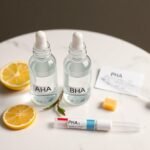
Chemical exfoliation, on the other hand, utilizes acids or enzymes to dissolve the ‘glue’ that holds dead skin cells together, allowing them to shed more easily. This process is often perceived as gentler because it doesn’t involve harsh scrubbing. The main types of chemical exfoliants include Alpha Hydroxy Acids (AHAs like glycolic, lactic, mandelic acid), Beta Hydroxy Acids (BHAs like salicylic acid), and Poly Hydroxy Acids (PHAs like gluconolactone, lactobionic acid). Enzymes (from fruits like papaya or pineapple) also fall into this category, offering a very mild form of chemical exfoliation. AHAs work on the skin’s surface, improving texture and tone; BHAs are oil-soluble, making them excellent for penetrating pores and addressing acne; and PHAs are larger molecules that exfoliate gently without penetrating as deeply, making them ideal for sensitive skin. While chemical exfoliants are generally favored for melanin-rich skin due to their controlled action, potency and frequency still require careful consideration to prevent irritation.
The key takeaway is that ‘gentle’ is not just a suggestion, but a directive when it comes to exfoliation for dark skin. Whether physical or chemical, the method chosen must respect the skin’s delicate barrier and its propensity for hyperpigmentation. Understanding the nuances of each type allows for a more strategic and safer integration into your routine. For guidance on selecting appropriate cleansing methods that won’t exacerbate sensitivity or dryness, refer to our article on How to Choose Cleanser for Melanin-Rich Skin.
| Feature | Physical Exfoliation | Chemical Exfoliation |
|---|---|---|
| Mechanism | Manual removal of dead cells through friction (scrubs, brushes, cloths). | Dissolves intercellular ‘glue’ with acids or enzymes, allowing cells to shed. |
| Common Forms | Scrubs (sugar, salt, beads), cleansing brushes, washcloths, dermaplaning. | AHAs (glycolic, lactic, mandelic), BHAs (salicylic), PHAs (gluconolactone), enzymes. |
| Risk Level on Dark Skin | Higher risk of micro-tears, irritation, and PIH if particles are harsh or pressure is excessive. | Lower risk if concentration is appropriate and frequency is controlled; still can cause PIH if overused. |
| Best Use Cases | Infrequent, very gentle polishing for texture; fine, rounded particles only. | Improving texture, tone, hyperpigmentation, acne; generally preferred for PIH-prone skin. |
How Often to Exfoliate by Skin Type
Determining the ideal frequency for exfoliation is less about adhering to a universal schedule and more about listening intently to your skin’s unique language. These guidelines serve as thoughtful starting points, not rigid mandates. Your skin’s response—its resilience, its sensitivity, its tendency towards oiliness or dryness—will always be the most accurate indicator of what it truly needs. The goal is to find a rhythm that supports healthy cell turnover without provoking irritation or compromising your skin barrier. Remember, consistency in gentleness will yield far greater, more lasting benefits than sporadic, aggressive treatments.
Oily and Acne-Prone Melanin-Rich Skin
For Black women with oily and acne-prone skin, exfoliation can be a transformative step, helping to decongest pores, reduce breakouts, and improve overall texture. However, the temptation to aggressively exfoliate to combat oiliness or active acne must be resisted. Over-exfoliation on already inflamed, acneic skin can exacerbate existing breakouts, trigger more severe inflammation, and significantly increase the likelihood of stubborn post-inflammatory hyperpigmentation. The key is strategic, gentle intervention.
We recommend starting with chemical exfoliation 1–2 times per week. This frequency allows your skin to adapt and respond without being overwhelmed. Beta Hydroxy Acids (BHAs), particularly salicylic acid, are often the heroes for oily and acne-prone skin because they are oil-soluble, allowing them to penetrate deep into the pores to dissolve sebum and dead skin cells. Look for formulations with concentrations typically between 0.5% to 2%. Gentle Alpha Hydroxy Acids (AHAs), such as mandelic acid, are also excellent choices. Mandelic acid has a larger molecular size than glycolic acid, meaning it penetrates the skin more slowly and gently, making it less irritating while still effective for surface texture and hyperpigmentation. Glycolic acid can be effective but should be introduced with extreme caution and at lower concentrations (5-8%) for melanin-rich skin.
It is crucial to understand why daily strong acids often backfire on PIH-prone dark skin. The constant stripping of the skin’s natural oils and disruption of its barrier can lead to a vicious cycle: the skin becomes dehydrated, signaling to your sebaceous glands to produce even more oil, which can lead to more breakouts. Moreover, the chronic inflammation caused by daily strong acids directly stimulates melanocytes, leading to more pronounced and widespread dark marks. Signs that you are overdoing it include: increased redness or a greyish cast (especially around active breakouts), a persistent burning or stinging sensation, unusual tightness, or, paradoxically, an increase in breakouts or new dark spots. If you experience these symptoms, immediately reduce frequency or pause exfoliation. For comprehensive strategies to manage acne and sensitive skin, visit our Acne & Sensitive Skin pillar hub. Integrating exfoliation into your morning routine can be effective, but always ensure proper sun protection, as detailed in our Morning Skincare Routine for Black Women. You can explore gentle BHA exfoliants suitable for oily dark skin on Amazon.
Dry, Dehydrated, and Ashy Melanin-Rich Skin
For Black women with dry, dehydrated, or ashy skin, exfoliation might seem counterintuitive, as the immediate thought is often to avoid anything that could further strip the skin. However, gentle and strategic exfoliation is incredibly beneficial. Dead skin cells can accumulate on dry skin, creating a dull, rough surface that prevents moisturizers from penetrating effectively. By carefully removing this layer, you can significantly improve skin texture, enhance radiance, and allow your hydrating products to work more efficiently, leading to a softer, more supple complexion. The challenge lies in choosing methods and frequencies that respect the skin’s compromised barrier and avoid exacerbating dryness or triggering irritation.
We recommend starting with chemical exfoliation once weekly. For dry and dehydrated skin, Alpha Hydroxy Acids (AHAs) are generally preferred, particularly lactic acid. Lactic acid is a larger molecule than glycolic acid, making it gentler on the skin, and it also functions as a humectant, meaning it helps to attract and retain moisture in the skin. This dual action of gentle exfoliation and hydration makes it an excellent choice for dry, melanin-rich complexions. Poly Hydroxy Acids (PHAs) are another superb option, as their even larger molecular structure ensures very superficial penetration, offering extremely mild exfoliation with minimal risk of irritation, while also providing antioxidant benefits. Look for hydrating toners or serums that feature these ingredients at low concentrations (e.g., 5-10% lactic acid or PHA blends).

If you prefer physical methods, opt for very gentle options such as a soft, damp microfiber cloth used with a creamy cleanser, or an enzyme-based exfoliant, which offers a mild chemical action without harsh scrubbing. The focus should always be on improving texture and glow, not on achieving a ‘peeling’ effect. Crucially, exfoliation for dry skin must always be paired with robust barrier support. Immediately after exfoliating, apply a rich, emollient moisturizer that contains ceramides, hyaluronic acid, and fatty acids to replenish the skin’s barrier and lock in hydration. This step is non-negotiable and essential to prevent post-exfoliation dryness and sensitivity. For guidance on selecting the right moisturizers, consult our article on Moisturizers for Black Women: Barrier vs. Lightweight. Incorporating this into your evening routine can be particularly beneficial, allowing your skin to recover overnight, as detailed in our Nighttime Routine for Black Women with Hyperpigmentation. Discover gentle lactic acid exfoliants suitable for dry, dark skin on Amazon.
Combination and Sensitive Melanin-Rich Skin
Navigating exfoliation with combination and sensitive melanin-rich skin requires a nuanced and often customized approach. This skin type presents the challenge of managing oiliness in some areas (typically the T-zone) while dealing with dryness or heightened sensitivity in others (cheeks, jawline). The goal is to address congested areas without provoking irritation or inflammation in sensitive zones, which, as we know, can quickly lead to post-inflammatory hyperpigmentation on darker skin tones. Aggressive, blanket exfoliation across the entire face is generally ill-advised for this skin type.
For combination skin, we recommend starting with exfoliation once weekly, focusing primarily on the oilier, more congested areas. This technique, known as ‘spot-exfoliation,’ allows you to target specific concerns without over-treating areas that are already balanced or sensitive. For instance, you might apply a BHA-based product (like salicylic acid) only to your T-zone, or use a mild AHA on areas prone to dullness, while completely avoiding drier, more reactive zones. This precision minimizes overall skin stress and reduces the risk of irritation. When considering a full-face application, opt for the gentlest chemical exfoliants available, such as Poly Hydroxy Acids (PHAs).
For sensitive skin, patch-testing new exfoliating products is not just a recommendation but an absolute necessity. Apply a small amount of the product to an inconspicuous area (like behind the ear or on a small patch of skin on your jawline) for a few days to observe any adverse reactions before applying it to your entire face. Furthermore, consider alternating between a mild exfoliating toner on one night and a non-exfoliation night where you focus solely on hydration and barrier repair. This gives your skin ample time to recover and rebuild. Avoid harsh physical scrubs entirely, as their unpredictable friction can easily trigger sensitivity and subsequent PIH. Even with chemical exfoliants, look for formulas specifically designed for sensitive skin, often characterized by lower concentrations and the inclusion of soothing ingredients. Remember that layering multiple strong actives can overwhelm sensitive skin; for guidance on how to integrate new products, refer to our How to Layer Actives on Dark Skin post. Be mindful of common pitfalls that can exacerbate sensitivity, as discussed in our article on Skincare Mistakes Causing Dark Marks & Sensitivity. Explore PHA exfoliants specifically formulated for sensitive dark skin on Amazon.
How to Fit Exfoliation into Your Routine (AM vs PM)
Integrating exfoliation seamlessly and safely into your existing skincare routine requires thoughtful planning, particularly when considering the unique sensitivities of melanin-rich skin. The timing of your exfoliation—morning (AM) versus evening (PM)—can significantly impact its effectiveness and your skin’s recovery process. Generally, exfoliating in the evening is often the preferred and safer option, allowing your skin ample time to rest, repair, and regenerate overnight without immediate exposure to environmental stressors.
Exfoliating at night makes sense for several reasons. Firstly, many chemical exfoliants, particularly AHAs, can increase your skin’s photosensitivity, making it more vulnerable to sun damage. Applying them in the evening minimizes this risk, provided you diligently apply sunscreen the following morning. Secondly, night is when your skin naturally focuses on repair and regeneration. Introducing an exfoliant before this restorative period can enhance the shedding of dead cells, paving the way for your nighttime treatments (like serums and moisturizers) to penetrate more effectively. This allows your skin to fully absorb reparative ingredients and rebuild its barrier while you sleep, reducing the likelihood of irritation or dryness.
While limited AM exfoliation might be considered for some (e.g., a very mild PHA toner on non-sun exposure days), it generally comes with higher risks for melanin-rich skin. The potential for increased photosensitivity, combined with the need for immediate, robust SPF application, often makes it less ideal. If you choose to exfoliate in the morning, ensure it’s a very gentle product, and follow up immediately with a broad-spectrum sunscreen with an SPF of 30 or higher. The golden rule, regardless of timing, is to simplify the rest of your routine on exfoliation nights. Avoid layering multiple strong actives (like retinoids, vitamin C, or other potent serums) on the same night as your exfoliant. A typical exfoliation night routine might look like this:
- Example PM Exfoliation Routine: Gentle cleanser → Chemical exfoliant (toner or serum) → Hydrating serum (optional, if skin tolerates) → Rich, barrier-supporting moisturizer.
- Example AM Routine After an Exfoliation Night: Gentle splash of water or mild cleanser → Hydrating serum (optional) → Antioxidant serum (optional) → Moisturizer → Broad-spectrum SPF 30+ (non-negotiable).
This streamlined approach prevents over-stimulation and provides your skin with the best environment for healing and rejuvenation. For more detailed routine guidance, explore our Morning Skincare Routine for Black Women and Nighttime Routine for Black Women with Hyperpigmentation. Remember, sunscreen is your most critical ally, especially after exfoliation; delve into our Sunscreen pillar hub for comprehensive information on protecting melanin-rich skin.
Signs You’re Over-Exfoliating on Dark Skin
Recognizing the signs of over-exfoliation is perhaps the most critical skill for anyone with melanin-rich skin. Unlike lighter skin tones where redness and peeling are immediate, obvious indicators, the signals on dark skin can be more subtle, insidious, and, if ignored, lead to more persistent and challenging issues like widespread post-inflammatory hyperpigmentation. The allure of a ‘glassy skin’ routine or the promise of rapid transformation can sometimes lead us to push our skin beyond its limits. It’s essential to remember that on melanin-rich skin, more exfoliation does not equate to more glow; it often leads to more damage.
Classic signs of over-exfoliation, which can also appear on dark skin, include a persistent burning, stinging, or itching sensation, especially when applying other products. Your skin might feel unusually tight, dry, or appear excessively shiny, almost like a thin, stretched film, rather than a healthy glow. New flaking or peeling, particularly in areas not typically dry, is another clear indicator. However, for dark skin, there are specific nuances to watch for. Instead of bright red inflammation, you might notice an increase in existing dark spots, the emergence of new, seemingly random dark patches, or a general deepening of your skin tone, sometimes appearing greyish or dull rather than vibrant. Your skin might also become unusually sensitive to touch, temperature changes, or even products you previously tolerated well. Tiny, almost imperceptible bumps or a rough, sandpaper-like texture can also be a sign of a compromised skin barrier due to over-exfoliation.
If you observe any of these signs, it is imperative to take immediate action. Continuing to exfoliate will only exacerbate the problem and prolong recovery. The first step is to completely pause all forms of exfoliation and any other strong active ingredients (like retinoids, Vitamin C serums, or other potent treatments). Shift your routine entirely towards barrier repair and soothing. This means focusing on gentle, hydrating cleansers, rich, emollient moisturizers packed with ceramides, hyaluronic acid, and fatty acids, and consistent, broad-spectrum SPF application. Allow your skin several days to weeks to recover, depending on the severity of the damage. If your skin does not settle or if the dark marks persist or worsen, consider consulting a board-certified dermatologist who understands melanin-rich skin. Remember, the goal is always calm, resilient skin, not constant irritation. For further insights into managing and preventing dark spots, our Hyperpigmentation pillar hub offers extensive resources. Revisit our recommendations on Moisturizers for Black Women to ensure you’re using products that truly support your skin’s barrier.
- Signs of Over-Exfoliation:
- Burning, stinging, or lasting tingling sensation upon product application.
- Unusual tightness or dryness, even after moisturizing.
- New flaking, peeling, or rough texture.
- Skin appears excessively shiny but thin, rather than healthy and hydrated.
- Increase in existing dark marks or appearance of new, unexplained dark patches.
- General dullness or greyish tone.
- Increased sensitivity to touch, products, or environmental factors.
- More frequent breakouts or irritation.
- What to Do:
- Slow Frequency: Immediately stop all exfoliation.
- Pause Actives: Discontinue use of retinoids, Vitamin C, and other strong serums.
- Lean into Barrier Repair: Focus on gentle cleansers, rich moisturizers with ceramides and hyaluronic acid, and consistent SPF.
- Observe & Adjust: Give your skin several days to weeks to recover.
- Seek Professional Help: If symptoms persist or worsen, consult a dermatologist experienced with melanin-rich skin.
Choosing Safer Exfoliation Products and Tools
The landscape of exfoliation products and tools is vast, but for Black women, the selection process must be guided by a principle of utmost caution and an understanding of how specific formulations and instruments interact with melanin-rich, PIH-prone skin. The objective is to achieve effective cell turnover without provoking inflammation, which is the precursor to hyperpigmentation. This means discerning between what is marketed as ‘effective’ and what is truly ‘safe’ for your complexion.
When considering physical exfoliants, the primary concern is the potential for micro-tears and uneven abrasion. Therefore, if you choose to incorporate physical exfoliation at all, opt for products with fine, uniformly rounded particles. Natural scrubs with large, irregularly shaped granules (like crushed nut shells or coarse sugar crystals) are generally too harsh and should be avoided. Instead, consider very gentle options like finely milled rice powder or synthetic beads that are perfectly spherical. Even then, apply with minimal pressure and infrequent use. Soft, damp microfiber cloths can be a safer alternative for very mild physical buffing when used gently. Harsh cleansing brushes, especially those with stiff bristles or rotating heads, can also be overly aggressive for daily use on sensitive, dark skin, potentially leading to barrier damage and PIH. If you use a brush, ensure it has very soft bristles and use it sparingly, perhaps once a week, with a light hand.
For chemical exfoliants, the focus should be on low to moderate strength acids and gentle formulations. Poly Hydroxy Acids (PHAs) are often the gold standard for sensitive and melanin-rich skin due to their large molecular size, which ensures superficial exfoliation with minimal irritation. Lactic acid (an AHA) is another excellent choice, as it offers gentle exfoliation while also providing hydrating benefits. Mandelic acid, also an AHA, is well-tolerated due to its larger molecular structure and is effective for hyperpigmentation. Salicylic acid (BHA) is beneficial for oily and acne-prone skin, but concentrations should be kept moderate (0.5-2%) and frequency controlled. Avoid products with very high concentrations of glycolic acid (above 10-15%) or formulations that combine multiple strong acids, especially if you are new to chemical exfoliation or have sensitive skin. Never attempt to mix multiple strong acids yourself, as this can lead to unpredictable and potentially damaging reactions.
Testing new exfoliating products is non-negotiable. Always perform a patch test on a small, inconspicuous area of your skin for several days before applying it to your entire face. Observe for any signs of redness, itching, burning, or increased sensitivity. Start with the lowest recommended frequency and gradually increase if your skin tolerates it well, but always err on the side of caution. Remember, your skin’s health and integrity are paramount. Prioritize gentle, consistent care over aggressive treatments that promise quick fixes but often deliver long-term problems for melanin-rich skin.

- Safer Product Patterns:
- Fine, rounded physical particles (e.g., finely milled rice powder, synthetic beads) if used at all.
- Low to moderate strength chemical exfoliants (e.g., 5-10% Lactic Acid, 0.5-2% Salicylic Acid, PHAs).
- Enzyme-based exfoliants for very mild chemical action.
- Formulations specifically designed for sensitive skin or melanin-rich complexions.
- Avoid DIY mixing of multiple strong acids; stick to professionally formulated products.
- Tools to Use Lightly or Skip:
- Harsh physical scrubs with large, irregularly shaped granules (e.g., crushed nut shells, coarse salt/sugar).
- Aggressive cleansing brushes with stiff bristles or high rotation speeds.
- Rough washcloths or abrasive sponges used with excessive pressure.
- Dermaplaning, if not performed by a professional or if you have active acne/sensitive skin.
- How to Test New Exfoliating Products:
- Perform a patch test on a small, discreet area (e.g., behind the ear, jawline) for 3-5 days.
- Observe for any signs of irritation, redness, itching, or increased sensitivity.
- Introduce new products one at a time, allowing your skin to adjust before adding others.
- Start with the lowest recommended frequency and concentration.
For a truly gentle physical exfoliation option, consider exploring soft face cloths on Amazon, which can provide mild buffing without harsh abrasion.
How to Integrate Exfoliation with Other Actives
Integrating exfoliation into a routine that already includes other potent active ingredients, such as retinoids, Vitamin C, or hydroquinone, requires a meticulous and strategic approach, especially for melanin-rich skin. The goal is to maximize the benefits of each active without overwhelming the skin’s barrier or triggering irritation and subsequent post-inflammatory hyperpigmentation. The principle of ‘less is more’ often holds true, and careful sequencing and timing are paramount.
The most crucial rule is to avoid applying multiple strong actives on the same night. This is particularly true for chemical exfoliants and retinoids (retinol, tretinoin, etc.). Both categories of ingredients accelerate cell turnover and can increase skin sensitivity. Combining them simultaneously can lead to excessive dryness, peeling, irritation, and a compromised skin barrier, which is a direct pathway to PIH on darker skin. Instead, alternate your exfoliation nights with your retinoid nights. For example, if you exfoliate on Monday and Thursday, use your retinoid on Tuesday and Friday, leaving Wednesday, Saturday, and Sunday for barrier repair and hydration only. This allows your skin to process each active individually and recover.
Vitamin C, while an antioxidant and brightening agent, can also be irritating in high concentrations or low pH formulations. If you use a potent Vitamin C serum (e.g., L-Ascorbic Acid), it is generally best applied in the morning, separate from your evening exfoliation. If you prefer to use it at night, ensure it’s on a non-exfoliation, non-retinoid night, and always observe your skin’s tolerance. For those using hydroquinone or other prescription-strength hyperpigmentation treatments, consult with your dermatologist before introducing any new exfoliant, as these combinations can be very potent and require professional guidance.
When you do exfoliate, simplify the rest of your routine for that evening. After cleansing, apply your chosen exfoliant, and then follow with a hydrating serum (if tolerated) and a rich, barrier-supporting moisturizer. Skip any other active serums or treatments. This minimalist approach allows the exfoliant to do its work without interference and provides your skin with the necessary ingredients for recovery. On the mornings following an exfoliation night, focus on hydration, antioxidants, and, most importantly, diligent sunscreen application. Exfoliation can make your skin more vulnerable to UV radiation, so a broad-spectrum SPF 30 or higher is non-negotiable to prevent sun damage and new hyperpigmentation. For detailed guidance on combining various treatments, our How to Layer Actives on Dark Skin post provides comprehensive strategies. Always remember that your skin’s comfort and health should dictate the pace and intensity of your routine, especially when incorporating powerful ingredients.
The Role of Hydration and Barrier Support in Exfoliation
While exfoliation focuses on removing dead skin cells, its success and safety, particularly for melanin-rich skin, are inextricably linked to robust hydration and a strong skin barrier. These elements are not merely complementary; they are foundational to preventing irritation, minimizing the risk of post-inflammatory hyperpigmentation (PIH), and ensuring that the skin remains resilient and healthy. Neglecting hydration and barrier support while exfoliating is akin to building a house without a stable foundation – it’s destined to crumble.
Exfoliation, by its very nature, involves disrupting the outermost layer of the skin (the stratum corneum) to facilitate cell turnover. This process, even when gentle, can temporarily weaken the skin’s natural barrier function, making it more susceptible to moisture loss (transepidermal water loss, or TEWL) and environmental aggressors. A compromised barrier leads to dryness, sensitivity, and inflammation, which, for dark skin, is a direct trigger for PIH. Therefore, actively supporting and rebuilding the skin barrier before, during, and especially after exfoliation is not an option, but a necessity.
Hydration is key. Incorporating humectant-rich products, such as serums or toners containing hyaluronic acid, glycerin, or polyglutamic acid, before or after your exfoliant can help draw moisture into the skin, plumping it and making it more resilient. These ingredients act like sponges, holding onto water and preventing the feeling of tightness or dehydration that can accompany exfoliation. Furthermore, selecting exfoliating products that themselves contain hydrating ingredients (like lactic acid or PHAs, which have humectant properties) can offer a gentler experience.
Barrier support comes primarily from emollients and occlusives found in your moisturizers. Look for ingredients like ceramides, fatty acids (e.g., linoleic acid), cholesterol, squalane, and shea butter. These components mimic the natural lipids in your skin barrier, helping to replenish and fortify it. A strong barrier acts as a protective shield, locking in moisture and defending against irritants. Applying a rich, nourishing moisturizer immediately after exfoliation is crucial. This step helps to seal in hydration, calm the skin, and provide the necessary building blocks for barrier repair. On exfoliation nights, prioritize these barrier-supporting moisturizers, even if you typically use a lighter formula. For comprehensive guidance on choosing the right moisturizers to support your skin barrier, refer to our article on Moisturizers for Black Women: Barrier vs. Lightweight. By consciously integrating robust hydration and barrier support, you transform exfoliation from a potentially risky step into a safe and effective tool for achieving and maintaining healthy, radiant melanin-rich skin.
Exfoliation for Specific Concerns: Hyperpigmentation and Texture
Exfoliation is often touted as a panacea for common skin concerns, and while it can be incredibly effective, its application for specific issues like hyperpigmentation and uneven texture on melanin-rich skin demands precision and patience. The very nature of these concerns means that aggressive exfoliation can easily worsen the problem, turning a quest for clarity into a battle against new or intensified dark marks. Therefore, a targeted and gentle approach is paramount, focusing on consistent, mild renewal rather than harsh stripping.
For hyperpigmentation, the goal of exfoliation is to gently encourage the shedding of skin cells that contain excess melanin, thereby fading dark spots over time. The most effective exfoliants for this purpose are chemical ones, particularly AHAs and PHAs. Lactic acid and mandelic acid are excellent choices for melanin-rich skin due to their larger molecular size, which allows for slower, more controlled penetration, reducing the risk of irritation. They work on the skin’s surface to improve cell turnover and can significantly improve the appearance of post-inflammatory hyperpigmentation (PIH) and uneven skin tone. Salicylic acid (BHA) can also be beneficial, especially if hyperpigmentation is linked to acne, as it helps to clear pores and reduce future breakouts that could lead to new dark spots. However, consistency and patience are key. Results are gradual, typically appearing over several weeks to months, and aggressive exfoliation will only trigger more PIH. Always pair exfoliation for hyperpigmentation with diligent sun protection, as UV exposure is a major trigger for darkening existing spots and creating new ones. Our Hyperpigmentation pillar hub offers a deeper dive into managing and fading dark spots.
When addressing uneven texture, which can manifest as roughness, small bumps, or a generally dull appearance, exfoliation helps to smooth the skin’s surface by removing the build-up of dead skin cells. Again, chemical exfoliants are generally preferred over physical ones for melanin-rich skin. AHAs (lactic, mandelic, glycolic in low concentrations) are highly effective at refining skin texture, promoting a smoother feel, and enhancing overall radiance. PHAs are also excellent for gentle texture improvement, especially for sensitive skin. For texture concerns related to congestion or tiny bumps (like closed comedones), BHAs can be very helpful due to their ability to penetrate oil and clear pores. The frequency should remain conservative – 1-2 times per week at most, depending on your skin’s tolerance. Over-exfoliating in an attempt to rapidly smooth texture can lead to a compromised barrier, making the skin feel rougher, more sensitive, and prone to irritation. Remember, the aim is a refined, even texture that reflects light beautifully, not a stripped, raw surface. For a comprehensive morning routine that supports overall skin health and texture, explore our Morning Skincare Routine for Black Women.
In both cases, the principle remains the same: gentle, consistent, and patient. Exfoliation is a supportive player in a broader skincare strategy that includes cleansing, hydration, barrier repair, and sun protection. It should never be seen as a standalone solution or an aggressive quick fix. By understanding the specific mechanisms and appropriate application for hyperpigmentation and texture, you can harness the power of exfoliation to reveal your skin’s natural, luminous beauty without compromise.
The Importance of Sun Protection Post-Exfoliation
The relationship between exfoliation and sun protection for melanin-rich skin is not merely a recommendation; it is a non-negotiable imperative. While our skin naturally possesses a higher degree of photoprotection due to its abundant melanin, this does not render us immune to sun damage. In fact, for Black women, sun exposure, especially after exfoliation, carries a heightened risk of exacerbating one of our most common and frustrating skin concerns: post-inflammatory hyperpigmentation (PIH). Understanding and diligently practicing sun protection after exfoliating is paramount to achieving and maintaining a clear, even-toned complexion.
Exfoliation, by its very mechanism, removes the outermost layer of dead skin cells. While this reveals fresher, brighter skin, it also temporarily makes the skin more vulnerable to ultraviolet (UV) radiation. This increased sensitivity means that the skin’s natural defenses are slightly lowered, making it more susceptible to damage from the sun’s rays. For melanin-rich skin, this vulnerability translates directly into an elevated risk of stimulating melanocytes, leading to the production of excess pigment. Even a seemingly mild amount of sun exposure after exfoliation can trigger or darken existing dark spots, undoing all the progress you’ve made in fading hyperpigmentation and potentially creating new, stubborn marks.

Therefore, consistent and adequate sun protection is the most critical step following any exfoliation. This means applying a broad-spectrum sunscreen with an SPF of 30 or higher every single morning, without fail, regardless of whether you plan to be indoors or outdoors, and regardless of the weather. Look for sunscreens specifically formulated for darker skin tones that do not leave a white cast, ensuring both protection and aesthetic comfort. Mineral sunscreens containing zinc oxide and titanium dioxide are often well-tolerated and provide broad-spectrum coverage. Chemical sunscreens are also effective, but ensure they are comfortable for your skin type. Reapplication throughout the day, especially if you are sweating or spending extended time outdoors, is also essential.
Beyond sunscreen, incorporating other sun-protective measures is wise. Seeking shade, wearing wide-brimmed hats, and using UV-protective clothing can further safeguard your skin. This diligent approach to sun protection ensures that the benefits of exfoliation—improved texture, enhanced glow, and fading hyperpigmentation—are realized without the detrimental side effect of increased dark spots. It transforms exfoliation from a potentially risky step into a truly beneficial one, allowing your melanin-rich skin to thrive in its natural radiance. For a comprehensive guide to selecting and using sunscreens for your complexion, explore our Sunscreen pillar hub.
Final Thoughts
Your skin, in its magnificent melanin-rich glory, is not ‘high maintenance’ for requiring a gentler, more considered approach to exfoliation. It is simply wise, discerning, and beautifully designed. The journey to radiant, even-toned skin should never involve forcing your complexion into routines that provoke irritation, compromise its natural defenses, or leave you battling new dark marks. True self-care for Black women means opting out of trends that do not respect the unique biology and beauty of our pigment, choosing instead a path that honors our skin’s resilience and inherent wisdom.
The ultimate goal is not constant peeling or aggressive turnover, but rather the cultivation of calm, steadily brighter, and consistently healthy skin. This is achieved through a delicate balance of gentle, strategic exfoliation, robust hydration, unwavering barrier support, and, crucially, diligent sun protection. Your skincare routine is a conversation with your skin, a dialogue of understanding and responsiveness. Listen to its cues, adjust your practices accordingly, and always prioritize its comfort and long-term health over fleeting, aggressive promises.
We encourage you to revisit your exfoliation routine with this enlightened lens. Embrace the power of gentle chemical exfoliants, be judicious with physical methods, and always pair your efforts with nourishing moisturizers and broad-spectrum SPF. Let the Black Beauty Basics Skincare pillar be your anchor as you navigate these choices, empowering you to make decisions that truly celebrate and protect your beautiful, melanin-rich complexion. Your skin deserves nothing less than this thoughtful, informed, and deeply respectful care.
Frequently Asked Questions
Is it safe for Black women to exfoliate every day?
No, daily exfoliation is generally not recommended for Black women, especially with potent products. Melanin-rich skin is prone to post-inflammatory hyperpigmentation (PIH) from irritation, and daily exfoliation can easily compromise the skin barrier, leading to dryness, sensitivity, and dark spots. It’s safer to start with 1-2 times per week and adjust based on your skin’s unique response.
Which is better for dark skin: scrubs or acids?
For melanin-rich skin, chemical exfoliants (acids like AHAs, BHAs, PHAs) are generally preferred over physical scrubs. Scrubs, especially those with harsh or irregularly shaped particles, can cause micro-tears and irritation, leading to PIH. Chemical exfoliants offer a more controlled and gentle way to remove dead skin cells without the physical friction, reducing the risk of inflammation.
Can I exfoliate if I’m already using retinoids or other strong actives?
Using exfoliants alongside retinoids or other strong actives requires extreme caution and careful planning. It’s generally best to alternate them on different nights to prevent over-exfoliation and irritation, which can lead to PIH. Consult with a dermatologist or follow a staggered routine (e.g., exfoliate Monday, retinoid Tuesday, rest Wednesday) to allow your skin to recover.
How soon should I see results from exfoliating?
Results from gentle exfoliation on melanin-rich skin are typically gradual and subtle. You might notice improved texture and a more radiant glow within a few weeks, but significant changes in hyperpigmentation can take several weeks to months of consistent, gentle use. Patience is key, as aggressive exfoliation for rapid results often backfires with increased dark spots.
What should I do if an exfoliant burns or leaves dark patches?
If an exfoliant burns, stings, or causes new dark patches, immediately stop using it. These are clear signs of irritation or over-exfoliation. Focus on soothing and repairing your skin barrier with gentle cleansers, rich moisturizers, and consistent SPF. If symptoms persist or worsen, consult a dermatologist experienced with melanin-rich skin for professional guidance.
Do I still need moisturizer if I use a hydrating exfoliating toner?
Yes, even if you use a hydrating exfoliating toner, a dedicated moisturizer is still essential, especially for melanin-rich skin. While some exfoliating toners contain humectants, they are not a substitute for a comprehensive moisturizer that provides emollients and occlusives to seal in hydration and support the skin barrier. Always follow exfoliation with a good moisturizer to prevent dryness and irritation.
Shop gentle BHA exfoliant on Amazon
Shop gentle lactic acid exfoliant on Amazon
Shop soft face cloth on Amazon
Related next steps
Related posts:
 Chemical vs Physical Exfoliation on Melanin-Rich Skin: A Gentle Guide
 Non-Toxic & “Clean” Black-Owned Beauty Brands Explained: Navigating Claims with Clarity and Confidence
 How to Layer Actives Safely on Melanin-Rich Skin
 The Lip Care Pre-Game: How to Exfoliate & Moisturize for Flawless Lipstick Application
 A Beginner’s Guide to Acids – AHAs, BHAs, and PHAs Explained Simply
 Hair Porosity Explained – How to Test Yours and Choose the Right Products