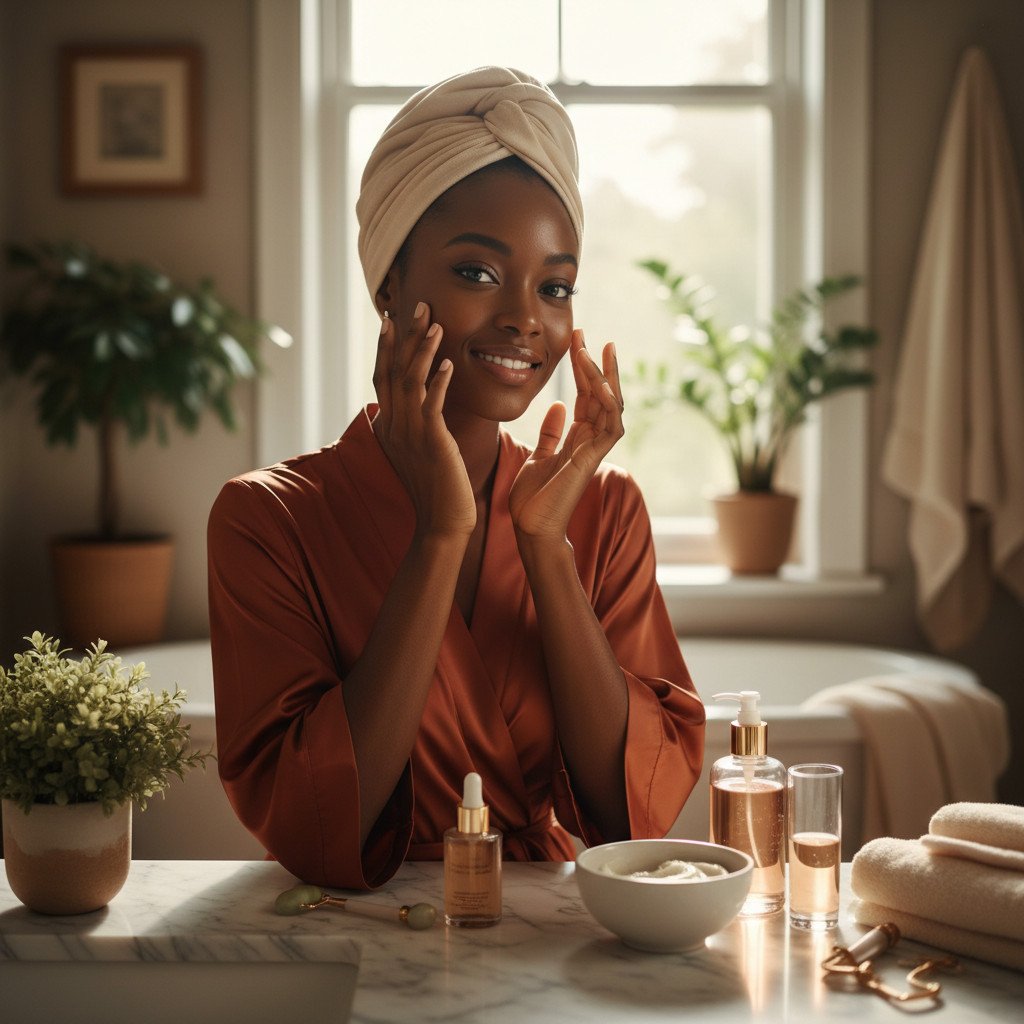
Travel Skincare Routines for Flights and Hotel Stays
Traveling, whether for pleasure or business, often brings a mix of excitement and anticipation. Yet, for many Black women, the thought of travel can also bring a subtle undercurrent of anxiety about how our skin will fare. The unique challenges of flights, unfamiliar hotel environments, shifting climates, and disrupted routines can make even the most stable melanin-rich skin feel unpredictable. It’s a common experience for our skin to feel a little “off” when we’re away from home, and this isn’t just in our heads. The dry cabin air on planes, the varying water quality in different cities, the inevitable sleep disruption, long days, and the general rush of travel can all conspire to throw our skin’s delicate balance into disarray.
We understand that you want to protect your glow, maintain your skin’s health, and prevent those unwelcome post-trip breakouts or hyperpigmentation flare-ups, all without overpacking or turning your carry-on into a mobile beauty salon. This isn’t about adding another layer of stress to your journey; it’s about equipping you with the knowledge and practical strategies to navigate these challenges gracefully. We believe that your skincare routine should adapt to your life, not the other way around, especially when you’re on the go. For more insights into how to tailor your skincare to various life demands, including gym days, night shifts, and general travel, explore our comprehensive guide to lifestyle-driven skincare routines.
This article is crafted with your specific needs in mind, acknowledging that melanin-rich skin has distinct characteristics and concerns that deserve dedicated attention. From combating the arid conditions of airplane cabins to managing the impact of different water types in hotel showers, we’ll delve into practical, effective solutions. Our goal is to empower you to maintain your skin’s vitality and radiance, ensuring that your travels are as rejuvenating for your spirit as they are gentle on your skin. For a broader understanding of foundational skincare principles tailored for Black women, you can always refer back to our main skincare for Black women pillar page.
What This Post Covers
This comprehensive guide is designed to be your essential companion for maintaining healthy, radiant melanin-rich skin while traveling. We’ll explore the specific ways travel impacts dark skin, from the dehydrating effects of airplane cabins to the challenges of varying climates and water quality. You’ll learn how to strategically adapt your skincare routine for flights and hotel stays, focusing on prevention and targeted care. We’ll dive into practical advice on what products to pack, what to leave behind, and how to create efficient, effective routines that don’t compromise your skin’s health or your travel experience. Our aim is to equip you with the knowledge to address common travel-induced concerns like dullness, ashiness, breakouts, and hyperpigmentation, ensuring your glow travels with you, effortlessly.
Why Travel Can Throw Dark Skin Off Balance
Traveling introduces a cascade of environmental and lifestyle changes that can significantly impact melanin-rich skin. Our skin, while resilient, thrives on consistency. When that consistency is disrupted by new environments, varying air quality, and altered routines, it can react in ways we might not anticipate. Understanding these triggers is the first step in building a protective and proactive travel skincare strategy.
Dehydration and Dryness: The Cabin Air Culprit
One of the most immediate and pervasive challenges of travel, particularly air travel, is extreme dehydration. Airplane cabins are notorious for their incredibly low humidity levels, often drier than many deserts. This arid environment acts like a sponge, actively drawing moisture out of your skin with every passing hour. For melanin-rich skin, which can sometimes be prone to transepidermal water loss (TEWL) and may already have a tendency towards dryness, this can be particularly problematic. The result is often skin that feels tight, looks dull, and can even become flaky or ashy. This acute dryness can also compromise the skin barrier, making it more susceptible to irritation and sensitivity.
Breakouts and Congestion: A Perfect Storm
Travel often creates a perfect storm for breakouts and congestion. Several factors contribute to this:
- Increased Oil Production: When skin becomes dehydrated, it can sometimes overcompensate by producing more oil, leading to a greasy surface that can still feel tight underneath. This excess oil, combined with dead skin cells, can clog pores.
- Environmental Impurities: Airports, planes, and public transportation expose your skin to a higher concentration of pollutants, dust, and bacteria. These can settle on the skin, contributing to congestion.
- Stress and Sleep Disruption: Travel is inherently stressful, and sleep patterns are often disturbed. Both stress and lack of sleep can trigger hormonal fluctuations that increase sebum production and inflammation, paving the way for breakouts.
- Touching the Face: Unconsciously, we tend to touch our faces more when traveling, transferring germs from surfaces to our skin.
For melanin-rich skin, post-inflammatory hyperpigmentation (PIH) is a significant concern following breakouts. Even minor blemishes can leave behind stubborn dark spots that take months to fade, making prevention even more critical.
Sunscreen Inconsistency: A Dangerous Oversight
When routines are disrupted, consistent sunscreen application can fall by the wayside. Many travelers underestimate the sun exposure they receive, whether it’s from sitting by a window on a plane, exploring a new city, or lounging at a resort. Furthermore, the intensity of UV radiation increases at higher altitudes, meaning you’re exposed to more potent rays on a flight. For dark skin, the misconception that we don’t need as much sun protection is dangerous. While melanin offers some natural protection, it does not block all UV rays, and consistent exposure without protection can still lead to premature aging, sun damage, and exacerbate hyperpigmentation. Skipping sunscreen, even for a day or two, can undo weeks of diligent care.
Friction and Irritation: The Unseen Aggressors
Travel involves a lot of friction and potential irritation. Think about the constant rubbing of seatbelts, the pressure of headphones, the contact with unfamiliar fabrics on plane seats or hotel linens, or even the subtle friction from masks. These seemingly minor irritations can disrupt the skin barrier, leading to redness, sensitivity, and even micro-tears. For sensitive melanin-rich skin, this can trigger inflammation, which, as we know, is a precursor to hyperpigmentation. The stress of travel itself can also lower the skin’s threshold for irritation, making it more reactive to otherwise benign stimuli.
How Travel Stress Often Shows Up on Melanin-Rich Skin
The unique characteristics of melanin-rich skin mean that travel-induced stress and environmental changes can manifest in specific, often frustrating, ways. It’s not just about feeling a little dry; it’s about a visible shift in our skin’s vibrancy and evenness. Recognizing these signs early can help you address them proactively.
Dullness: The Loss of Inner Radiance
One of the most common complaints after travel is a noticeable lack of radiance. Skin that was once glowing and vibrant can appear lackluster, as if its inner light has dimmed. This dullness is often a direct result of dehydration, reduced cell turnover due to stress, and the accumulation of dead skin cells that aren’t being properly shed. The dry cabin air, in particular, can make the skin’s surface appear rougher and less reflective, diminishing that coveted glow. For melanin-rich skin, dullness can also make existing hyperpigmentation appear more pronounced, as the lack of luminosity prevents light from reflecting evenly.
Ashiness: A Visible Sign of Dehydration
Ashiness is a particularly visible and unwelcome sign of extreme dryness on melanin-rich skin. It appears as a grayish or whitish cast, especially on areas like the cheeks, forehead, and around the mouth. This isn’t just a cosmetic issue; it’s a clear indicator that the skin’s moisture barrier is severely compromised and that there’s a significant lack of hydration and lipids on the skin’s surface. The low humidity environments of planes and some hotel rooms, combined with insufficient moisturizing, can strip the skin of its natural oils and water, leading to this tell-tale ashy appearance. It’s a signal that your skin is crying out for deep, sustained moisture.
Tightness: The Uncomfortable Sensation
Beyond visible dryness, many experience an uncomfortable sensation of tightness. This feeling is a direct consequence of the skin’s outer layers losing their elasticity due to dehydration. It can feel as though your skin is stretched taut, especially after cleansing or even just waking up. This tightness is often accompanied by a feeling of vulnerability, as the skin barrier feels compromised and less able to protect itself from external aggressors. It’s a physical manifestation of your skin’s desperate need for hydration and barrier support.
Puffiness: Fluid Retention and Inflammation
Puffiness, particularly around the eyes and sometimes the entire face, is another common travel companion. This can be attributed to several factors:
- Fluid Retention: Long periods of sitting, especially on flights, can lead to fluid retention throughout the body, including the face.
- Sleep Disruption: Irregular sleep patterns and insufficient rest can impair the body’s natural drainage systems, leading to fluid buildup.
- Dietary Changes: Consuming more sodium-rich foods or alcohol during travel can contribute to puffiness.
- Inflammation: Stress and environmental aggressors can trigger a mild inflammatory response in the skin, resulting in swelling.
While often temporary, puffiness can make the skin look tired and less vibrant, adding to the overall “travel-worn” appearance.
Random Breakouts: The Stress-Induced Eruptions
Even those with normally clear skin can experience random breakouts during travel. As discussed, the combination of stress, sleep deprivation, increased oil production, and exposure to environmental impurities creates a fertile ground for blemishes. These breakouts can range from small whiteheads and blackheads to more inflamed papules or pustules. For melanin-rich skin, any form of inflammation, including breakouts, carries the risk of leading to post-inflammatory hyperpigmentation (PIH), turning a temporary blemish into a long-lasting dark spot. This makes gentle, preventative care crucial.
Tone Looking Less Even: The Pigmentation Predicament
Perhaps one of the most disheartening effects of travel on melanin-rich skin is an exacerbation of uneven skin tone. Existing dark spots can appear darker, new ones can emerge from minor irritations or breakouts, and the overall complexion can lose its harmonious appearance. This is primarily due to:
- Sun Exposure: Inconsistent or inadequate SPF application during travel can worsen existing hyperpigmentation and trigger new spots.
- Inflammation: Any irritation, whether from dryness, friction, or breakouts, can stimulate melanin production, leading to post-inflammatory hyperpigmentation.
- Dullness: When the skin is dull and dehydrated, the contrast between lighter and darker areas becomes more pronounced, making the tone appear less even overall.
Maintaining an even skin tone requires consistent protection and gentle care, which can be challenging to uphold while navigating the demands of travel.
The Core Goals of a Travel Skincare Routine
When crafting a skincare routine for travel, our objectives shift slightly from our everyday regimen. The focus moves from long-term treatment and complex layering to immediate protection, hydration, and damage control. For melanin-rich skin, these goals are amplified by our unique concerns, particularly around maintaining an even tone and preventing hyperpigmentation.
1. Maximize Hydration and Barrier Support
This is paramount. The primary aggressor in most travel scenarios, especially air travel, is extreme dehydration. Our goal is to infuse the skin with as much moisture as possible and then lock it in, reinforcing the skin’s natural barrier. A strong barrier is your first line of defense against environmental stressors, helping to prevent moisture loss, irritation, and the penetration of pollutants. This means prioritizing humectants (like hyaluronic acid and glycerin) and occlusives (like petrolatum, squalane, or thick creams) to create a protective seal.
2. Prevent Breakouts and Congestion
Despite the dryness, travel can paradoxically lead to breakouts due to stress, increased oil production, and exposure to impurities. A travel routine should aim to keep pores clear without stripping the skin. Gentle cleansing is key, along with strategic use of non-comedogenic products. The goal is to minimize inflammation, which for melanin-rich skin, directly translates to preventing post-inflammatory hyperpigmentation.
3. Provide Consistent Sun Protection
Non-negotiable, always. Whether you’re flying at 30,000 feet, exploring a sunny destination, or simply moving between airport terminals, UV exposure is a constant threat. For dark skin, consistent, broad-spectrum SPF is crucial not just for preventing sun damage and premature aging, but especially for preventing the exacerbation of existing dark spots and the formation of new ones. Our goal is to make SPF application easy and consistent, even on the go.
4. Minimize Irritation and Inflammation
Travel environments can be harsh. Changes in water, air quality, and even sleep patterns can make skin more reactive. A travel routine should be calming and gentle, avoiding harsh actives or new products that could trigger sensitivity. The less inflammation, the lower the risk of hyperpigmentation for melanin-rich skin. This means sticking to tried-and-true, gentle formulations.
5. Maintain Simplicity and Efficiency
No one wants to spend precious travel time on an elaborate 10-step routine. The goal is to be effective with minimal products and steps. This means choosing multi-tasking products and focusing on the essentials. A streamlined routine is easier to stick to, reducing the chances of skipping steps due to fatigue or time constraints. It’s about smart choices, not more choices.
6. Adapt to Environmental Changes
Whether you’re going from a humid climate to a dry one, or vice versa, your skin will need to adjust. A good travel routine allows for slight modifications to accommodate these shifts. This might mean adding an extra layer of moisture in dry climates or opting for lighter textures in humid ones, all while keeping the core principles intact.
By focusing on these core goals, you can build a travel skincare routine that safeguards your melanin-rich skin, ensuring it remains healthy, hydrated, and radiant, no matter where your journey takes you.
Flight Skincare Before Boarding
The journey to healthy skin during travel begins long before you step onto the plane. Strategic preparation can significantly mitigate the harsh effects of cabin air and set your skin up for success.
What to do before leaving for the airport
The hours leading up to your flight are crucial for fortifying your skin’s defenses. Think of it as pre-loading your skin with everything it needs to withstand the impending stress.
Deep Hydration and Barrier Reinforcement
Before you even pack your bags, ensure your skin is optimally hydrated. The morning of your flight, or the night before for an early departure, perform a thorough, hydrating routine. This means:
- Gentle Cleansing: Use a non-stripping, hydrating cleanser. Avoid anything that leaves your skin feeling tight or squeaky clean.
- Layering Hydrating Serums: Apply a generous layer of a humectant-rich serum, like one with hyaluronic acid or glycerin. These ingredients act like magnets for moisture, drawing it into the skin.
- Rich Moisturizer: Follow with a substantial, occlusive moisturizer. Look for ingredients like ceramides, shea butter, squalane, or petrolatum. This layer acts as a protective shield, locking in the hydration from your serums and preventing moisture from escaping. For melanin-rich skin, this is particularly important to prevent ashiness and maintain barrier integrity.
- Facial Oil (Optional but Recommended): If your skin tolerates oils well, a few drops of a nourishing facial oil can add an extra layer of protection and emollients, further sealing in moisture.
The goal here is to create a “moisture sandwich” that will keep your skin plump and protected for as long as possible.
Avoid Harsh Actives and New Products
The days leading up to your flight are not the time to introduce new skincare products or use potent actives like high-strength retinoids, strong exfoliants (AHAs/BHAs), or vitamin C serums. These ingredients can increase skin sensitivity, making it more vulnerable to irritation and dryness in the harsh cabin environment. Stick to your most gentle, tried-and-true products to ensure your skin barrier is as calm and robust as possible. Any inflammation or irritation on melanin-rich skin can easily lead to post-inflammatory hyperpigmentation, so minimizing potential triggers is key.
Drink Plenty of Water
Hydration isn’t just topical; it’s internal. Start hydrating from within hours before your flight. Drink ample water, herbal tea, and avoid excessive caffeine or alcohol, which can be dehydrating. This internal hydration supports your skin’s overall health and ability to retain moisture.
What to keep on before a flight
Once your pre-flight routine is complete, there are a few essentials to ensure your skin remains protected and comfortable during transit.
Sunscreen is Non-Negotiable
Even if it’s cloudy or you’re flying at night, apply a broad-spectrum SPF 30 or higher. UV radiation is significantly stronger at cruising altitudes, and airplane windows do not block all harmful rays. For melanin-rich skin, consistent SPF application is vital for preventing sun damage and maintaining an even skin tone, especially to combat hyperpigmentation. Choose a formula that doesn’t leave a white cast and feels comfortable under makeup or on its own. You can explore formulas on Amazon that are specifically designed for dark skin.
Light, Hydrating Base
If you wear makeup, opt for a light, hydrating base rather than heavy foundations or powders. A tinted moisturizer, BB cream, or a hydrating skin tint will allow your skin to breathe and won’t emphasize dryness. Heavy makeup can feel uncomfortable and potentially exacerbate congestion in a dry environment.
Lip Balm and Hand Cream
Don’t forget your lips and hands! These areas are often the first to show signs of dryness. Apply a rich, occlusive lip balm and a nourishing hand cream before leaving for the airport and reapply as needed.
What not to pile on
Sometimes, less is more, especially when preparing for a flight.
Avoid Heavy Makeup
As mentioned, heavy foundations and powders can settle into fine lines, emphasize dryness, and feel suffocating in the dry cabin air. They can also make it harder for your skin to breathe and can clog pores, especially if you’re touching your face or resting against surfaces.
Skip Strong Actives or Exfoliants
Resist the urge to apply any strong active ingredients like retinoids, aggressive AHAs, or BHAs right before or during a flight. Your skin barrier is already under stress, and these ingredients can further compromise it, leading to irritation, redness, and increased sensitivity. Save these for when your skin is in a stable, familiar environment.
Don’t Over-Layer Unnecessary Products
While hydration is key, avoid piling on too many different products that aren’t specifically designed for intense hydration or barrier protection. Stick to your core hydrating and protective layers. Too many layers of non-essential products can feel heavy and might not provide additional benefit in the unique cabin environment. The goal is strategic layering, not excessive layering.
By being mindful of these pre-flight steps, you can significantly reduce the potential for travel-induced skin woes, ensuring your melanin-rich skin remains as radiant and healthy as possible throughout your journey.
In-Flight Skincare Reality Check
The idea of a full, multi-step skincare routine at 30,000 feet might sound appealing, but the reality of cramped airplane seats, limited water access, and public spaces often makes it impractical. Our goal here is to be effective and discreet, focusing on what truly matters for melanin-rich skin in that unique environment.
What is actually useful
When you’re confined to an airplane seat, simplicity and targeted hydration are your best friends.
Hydrating Facial Mist
A good quality hydrating facial mist is invaluable. Look for mists that contain humectants like glycerin or hyaluronic acid, and avoid those with high alcohol content, which can be drying. A few spritzes every hour or two can provide an immediate boost of hydration and refresh your skin. It’s a discreet way to combat the arid cabin air without needing to leave your seat. This is especially helpful for preventing that tight, parched feeling on dark skin.
Rich Moisturizer or Facial Oil
This is your primary defense against dehydration. Reapply a rich, occlusive moisturizer or a nourishing facial oil periodically throughout the flight, especially on longer journeys. Focus on areas prone to dryness like the cheeks, forehead, and around the mouth. This helps to reinforce your skin’s barrier and lock in moisture. If you have combination or oily skin, opt for a non-comedogenic oil or a slightly lighter, yet still occlusive, cream.
Lip Balm and Hand Cream
These are non-negotiables. The lips and hands are often the first to show signs of dryness. Keep a rich, emollient lip balm and a hydrating hand cream within easy reach and apply frequently. This prevents chapping, cracking, and ashiness.
Eye Cream
The delicate skin around the eyes is particularly susceptible to dehydration and puffiness. A hydrating eye cream can help keep this area moisturized and comfortable, reducing the appearance of fatigue.
Water, Water, Water
Internal hydration is just as crucial as external. Drink plenty of water throughout your flight. Ask for water frequently from the flight attendants, or bring your own reusable bottle to fill after security. Avoid excessive caffeine and alcohol, as they can contribute to dehydration.
What can wait
Not everything needs to happen in the air. Some steps are better saved for your destination.
Cleansing (Unless Absolutely Necessary)
Unless you’ve had a very long layover or feel genuinely unclean, a full face wash in the tiny airplane bathroom is often more disruptive than beneficial. The water quality might be questionable, and the act itself can be awkward. If you feel the need to refresh, a gentle micellar water on a cotton pad can be a quick, no-rinse alternative. Otherwise, save your thorough cleanse for when you arrive at your hotel.
Exfoliation or Treatments
Absolutely no exfoliating acids, retinoids, or active treatment masks during the flight. Your skin barrier is already under stress, and introducing potent actives can lead to irritation, redness, and increased sensitivity, which for melanin-rich skin, can lead to hyperpigmentation. Save these for when your skin is in a stable, familiar environment.
Sheet Masks (Unless You’re in First Class)
While sheet masks are fantastic for hydration, applying one in a standard economy seat can be messy, awkward, and potentially startling for your seatmates. If you’re in a private cabin or have ample space, go for it. Otherwise, a rich cream or facial oil can provide similar benefits without the public spectacle.
How to avoid turning the seat into a full skincare station
Discretion and efficiency are key to in-flight skincare.
Pack Smart
Decant your essential products into travel-sized containers. This keeps your bag light and organized, making it easy to pull out just what you need without rummaging. You can browse options on Amazon for leak-proof, TSA-compliant containers.
Keep Essentials Accessible
Store your in-flight skincare essentials in a small, easily accessible pouch within your personal item. This allows you to reach for your mist, moisturizer, and lip balm without disturbing your seatmates or rummaging through your main carry-on.
Focus on Key Steps
Remember the core goals: hydration and barrier protection. You don’t need to replicate your entire home routine. A few targeted products applied strategically are far more effective than trying to do too much. Be mindful of others and keep your routine compact and quiet.
By being realistic about what’s achievable and focusing on the most impactful steps, you can keep your melanin-rich skin hydrated and comfortable during your flight without turning your seat into a personal spa.
Hotel Stay Skincare Without Starting from Zero
Arriving at your hotel is a chance to reset your skin after the rigors of travel. However, new environments, different water, and disrupted sleep can still pose challenges. The key is to have a flexible routine that addresses immediate needs and supports your skin’s recovery.
First-night reset
The moment you check into your hotel, your skin needs attention. This “first-night reset” is crucial for rebalancing and rehydrating.
Thorough Yet Gentle Cleansing
After a day of travel, your skin has accumulated environmental pollutants, makeup, and sweat. A thorough cleanse is essential. Use your gentle, hydrating cleanser to remove all impurities without stripping your skin. If you’ve been wearing makeup, a double cleanse (first with an oil or balm, then with your regular cleanser) is highly recommended to ensure all traces are removed. This prevents congestion and allows subsequent products to penetrate effectively. Remember, for melanin-rich skin, preventing clogged pores is key to avoiding breakouts and subsequent hyperpigmentation. You can check current prices for gentle cleansers on Amazon that are suitable for dark skin.
Deep Hydration Recovery
This is where you replenish all the moisture lost during your journey.
- Hydrating Toner or Essence: Pat on a hydrating toner or essence to prep your skin and add an initial layer of moisture.
- Serum Power: Apply a generous amount of your favorite hydrating serum (e.g., hyaluronic acid, glycerin, polyglutamic acid). If you have a reparative serum (like one with ceramides or peptides), this is an excellent time to use it to support your skin barrier.
- Rich Moisturizer: Follow with a substantial, occlusive moisturizer. Don’t be shy. Layer it on to really seal in all the hydration. If your skin is feeling particularly parched, a thicker night cream or even a thin layer of an occlusive balm can work wonders.
- Overnight Mask (Optional): If your skin is extremely dry or you want an extra boost, a hydrating overnight mask can be a fantastic addition. It acts as an intensive treatment, delivering a concentrated dose of moisture and nutrients while you sleep.
This multi-layered approach ensures your skin gets the deep, sustained hydration it craves, helping to combat dullness, tightness, and ashiness.
Address Specific Concerns
If you’re prone to breakouts, consider a very gentle spot treatment on any emerging blemishes. If puffiness is an issue, a cooling eye mask or a jade roller can help with lymphatic drainage. The goal is to calm, hydrate, and restore.
Morning routine away from home
Your morning routine in a hotel should be efficient yet effective, setting your skin up for the day ahead, whether you’re exploring or attending meetings.
Gentle Refresh
Unless your skin feels particularly oily or you’ve used a heavy overnight mask, a full cleanse might not be necessary. A splash of lukewarm water or a quick swipe with a hydrating toner on a cotton pad can be enough to refresh your skin without stripping it. This is especially true if you have dry or sensitive melanin-rich skin.
Hydrate and Protect
This is the core of your morning routine.
- Hydrating Serum: Apply your hydrating serum to plump the skin.
- Lightweight Moisturizer: Follow with a comfortable, non-comedogenic moisturizer that provides adequate hydration without feeling heavy.
- Broad-Spectrum SPF: This is non-negotiable. Apply a generous amount of broad-spectrum SPF 30 or higher, even if you plan to spend most of your day indoors. Hotel windows don’t block all UV rays, and incidental sun exposure adds up. For melanin-rich skin, consistent SPF is paramount for preventing hyperpigmentation.
This streamlined routine ensures your skin is hydrated, protected, and ready to face the day.
Handling unfamiliar water and indoor air
These often-overlooked factors can significantly impact your skin during a hotel stay.
Water Quality: Hard vs. Soft Water
The mineral content of water varies greatly by location. “Hard” water, rich in minerals like calcium and magnesium, can leave a residue on the skin, making it feel dry, tight, and potentially leading to irritation or breakouts. “Soft” water, on the other hand, can sometimes make it harder to rinse off cleanser, leaving a slippery feeling.
- Adapt Cleansing: If you notice your skin feeling particularly dry or tight after showering/cleansing, it might be hard water. Consider using less cleanser than usual, or opt for a creamier, more emollient cleanser. Rinse thoroughly but gently. If the water feels very soft and difficult to rinse, ensure you’re using a minimal amount of cleanser.
- Use Bottled Water for Face (Optional): For very sensitive skin, or if you’re experiencing significant irritation from the local water, you might consider using bottled water for your final facial rinse. This is an extreme measure but can be helpful for some.
Indoor Air Quality: Dryness and AC
Hotel rooms often have very dry air, especially with air conditioning or heating running constantly. This can mimic the dehydrating effects of airplane cabins.
- Humidifier (If Available): Some hotels offer humidifiers upon request. If you’re staying for an extended period and your skin is suffering, this can be a game-changer.
- Consistent Hydration: Continue to use your hydrating facial mist and reapply moisturizer throughout the day, even when in your hotel room. Don’t let your guard down just because you’re off the plane.
- Internal Hydration: Keep drinking plenty of water to support your skin from within.
By proactively addressing the challenges of unfamiliar water and air, you can maintain your skin’s balance and comfort throughout your hotel stay, ensuring your melanin-rich skin remains radiant and healthy.
Climate Changes, SPF, and Pigment Protection
Traveling often means transitioning between vastly different climates, from humid tropics to arid deserts, or from cold winters to hot summers. Each shift presents unique challenges for melanin-rich skin, making strategic SPF application and pigment protection more critical than ever.
Adapting to Different Climates
Your skin’s needs will change dramatically based on the climate of your destination.
Humid Climates
In high humidity, your skin might feel more hydrated, but it can also lead to increased oil production and congestion.
- Lighter Textures: Opt for lighter, gel-based cleansers and moisturizers. Heavy creams can feel suffocating and contribute to clogged pores.
- Non-Comedogenic: Ensure all products are non-comedogenic to prevent breakouts.
- Gentle Exfoliation: If your skin tolerates it, a very gentle exfoliant (like a mild AHA or BHA toner used a few times a week) can help keep pores clear, but introduce this cautiously.
- Mattifying Primers: If oiliness is a concern, a mattifying primer under your SPF can help control shine.
Dry Climates (Desert, High Altitude)
These environments are extremely dehydrating, similar to airplane cabins, and will strip moisture from your skin rapidly.
- Intensive Hydration: Layer hydrating serums (hyaluronic acid, glycerin) under rich, occlusive moisturizers. Consider adding a facial oil.
- Frequent Reapplication: Be prepared to reapply moisturizer and lip balm more frequently throughout the day.
- Hydrating Mists: Keep a hydrating facial mist handy for quick boosts of moisture.
- Internal Hydration: Drink even more water than usual to combat internal dehydration.
Cold Climates
Cold, windy weather can lead to chapping, dryness, and a compromised skin barrier.
- Barrier Support: Focus on products rich in ceramides, fatty acids, and cholesterol to support and repair the skin barrier.
- Thicker Occlusives: Use thicker, more emollient moisturizers and balms to protect against windburn and moisture loss.
- Protect Exposed Areas: Don’t forget to protect your neck, ears, and hands with scarves and gloves.
The Unwavering Importance of SPF for Melanin-Rich Skin
Regardless of the climate, location, or time of year, broad-spectrum SPF is the single most important product for protecting melanin-rich skin. The myth that dark skin doesn’t need sunscreen is not only false but dangerous. While melanin provides some natural protection, it is not enough to prevent sun damage, premature aging, or, critically, the exacerbation of hyperpigmentation.
Why SPF is Crucial for Pigment Protection
For Black women, sun exposure is a primary trigger for post-inflammatory hyperpigmentation (PIH) and can darken existing dark spots. Even incidental exposure can stimulate melanocytes (the cells that produce melanin) to overproduce pigment, leading to uneven skin tone.
- Preventing PIH: Any inflammation, whether from a breakout, scratch, or irritation, can lead to PIH. Sun exposure on these areas will make the dark spots darker and more stubborn. Consistent SPF helps prevent this darkening.
- Maintaining Even Tone: Regular use of SPF helps maintain an even complexion by preventing new dark spots from forming and keeping existing ones from worsening.
- Anti-Aging: UV radiation is the leading cause of premature aging, including fine lines, wrinkles, and loss of elasticity. SPF protects against these effects.
- Skin Cancer Prevention: Though less common in darker skin tones, skin cancer can be more aggressive and often diagnosed at later stages in Black individuals. SPF is a vital preventative measure.
For a deep dive into selecting the right sunscreen for your skin, refer to our comprehensive guide on sunscreen for dark skin.
Strategic SPF Application During Travel
- Broad-Spectrum SPF 30+: Always choose a sunscreen that offers broad-spectrum protection (UVA and UVB) with an SPF of 30 or higher.
- No White Cast: Opt for chemical sunscreens or mineral sunscreens with micronized zinc oxide or titanium dioxide that blend seamlessly into darker skin tones without leaving a ghostly white cast. You can explore formulas on Amazon.
- Daily Application: Apply SPF every single morning as the last step in your skincare routine, before makeup.
- Reapplication: This is where many fall short. Reapply SPF every two hours when actively outdoors, after sweating, or after swimming. For travel days, reapply before leaving the hotel, mid-day if you’re out and about, and especially if you’re spending time near windows (plane, train, car).
- Don’t Forget Exposed Areas: Extend SPF to your neck, décolletage, ears, and the backs of your hands. These areas are often overlooked but receive significant sun exposure.
For those struggling with hyperpigmentation, consistent SPF is the cornerstone of any effective treatment plan. Without it, all other efforts to fade dark spots will be undermined. Learn more about managing hyperpigmentation and dark spots on melanin-rich skin. By prioritizing SPF and adapting your routine to the climate, you empower your skin to stay protected, even-toned, and radiant throughout your travels.
Travel Breakouts, Congestion, and Sensitivity
The excitement of travel can quickly turn to frustration when confronted with unexpected breakouts, congestion, or heightened skin sensitivity. For melanin-rich skin, these issues are not just cosmetic; they carry the significant risk of leading to stubborn post-inflammatory hyperpigmentation (PIH). Understanding the triggers and having a gentle, targeted approach is crucial.
Why Travel Triggers These Issues
As previously discussed, travel creates a perfect storm for skin woes:
- Dehydration: Dry cabin air and hotel environments can dehydrate the skin, prompting it to produce more oil to compensate, leading to clogged pores.
- Stress: Changes in routine, sleep disruption, and the general stress of travel can trigger hormonal fluctuations that increase sebum production and inflammation.
- Environmental Exposure: Airports, planes, and new cities expose skin to more pollutants, dust, and bacteria.
- Product Changes: Using unfamiliar products or skipping essential steps can throw skin off balance.
- Touching Face: Unconsciously touching the face more often transfers germs.
- Friction: Masks, seatbelts, or unfamiliar fabrics can cause irritation.
Preventing Breakouts and Congestion
Prevention is always better than cure, especially when PIH is a concern.
Gentle Cleansing is Paramount
Avoid harsh, stripping cleansers. These can disrupt your skin barrier, leading to increased oil production and sensitivity. Opt for a hydrating, pH-balanced cleanser that effectively removes impurities without leaving your skin feeling tight. Use it morning and night. For melanin-rich skin, a compromised barrier makes you more vulnerable to inflammation and subsequent dark spots. You can browse options on Amazon for gentle cleansers.
Non-Comedogenic Products
Ensure all your travel skincare and makeup products are labeled “non-comedogenic,” meaning they are formulated not to clog pores. This is particularly important for moisturizers, sunscreens, and foundations.
Strategic Hydration
It might seem counterintuitive, but well-hydrated skin is less likely to break out. When skin is dehydrated, it can produce more oil to compensate. Use hydrating serums and moisturizers to maintain optimal moisture levels without feeling heavy.
Avoid Over-Exfoliation
Resist the urge to aggressively exfoliate to “clean” your skin. Over-exfoliation can damage the skin barrier, leading to increased sensitivity, inflammation, and more breakouts. If you must exfoliate, opt for a very mild chemical exfoliant (like a low-concentration AHA or BHA toner) used sparingly, or a gentle enzyme mask.
Managing Sensitivity and Irritation
Travel can make even normally resilient skin more reactive.
Simplify Your Routine
When traveling, stick to a minimalist routine with products you know and trust. Avoid introducing new products, especially active ingredients, which could trigger an adverse reaction. The fewer variables, the less chance of irritation.
Prioritize Barrier Repair Ingredients
Look for products containing ceramides, fatty acids, cholesterol, niacinamide, and panthenol. These ingredients help to strengthen and repair the skin’s natural barrier, making it more resilient to environmental stressors and less prone to irritation.
Calming Ingredients
If your skin tends to get red or irritated, pack products with calming ingredients like centella asiatica (cica), aloe vera, green tea extract, or oat extract. These can help soothe inflammation and reduce redness.
Patch Test (If Using New Products)
If you absolutely must bring a new product, patch test it on a small, inconspicuous area (like behind your ear or on your jawline) for a few days before applying it to your entire face.
Addressing Breakouts on the Go
If a breakout does occur, approach it gently to minimize PIH.
Spot Treatments
Pack a gentle, targeted spot treatment. Look for ingredients like salicylic acid (BHA) or benzoyl peroxide in low concentrations. Apply only to the affected area. Avoid picking or squeezing blemishes, as this significantly increases the risk of PIH.
Anti-Inflammatory Care
If a breakout is inflamed, focus on calming the area. A cool compress or a soothing, anti-inflammatory serum can help reduce redness and swelling.
Sun Protection
Crucially, apply SPF diligently over any breakout or healing blemish. Sun exposure will darken post-inflammatory hyperpigmentation, making it much harder to fade.
For a deeper understanding of managing breakouts and sensitivity in melanin-rich skin, including how to prevent and treat post-inflammatory hyperpigmentation, explore our detailed guide on acne and sensitive skin in Black women. By taking a proactive, gentle, and informed approach, you can minimize the impact of travel-induced breakouts and sensitivity, preserving your skin’s clarity and even tone.
The Best Travel Texture Types
When packing for travel, the texture of your skincare products becomes just as important as their ingredients. Beyond simply being travel-sized, certain textures are inherently more suitable for the challenges of flights and hotel stays, offering better protection, comfort, and ease of use.
Mini-Friendly Formulations
Travel often means adhering to TSA liquid restrictions, making mini-sized or solid formulations ideal.
- Solid Cleansing Balms/Sticks: These are fantastic for carry-on as they don’t count towards liquid limits. They melt into an oil to effectively remove makeup and impurities without stripping the skin.
- Powder Cleansers: Another liquid-free option, powder cleansers activate with water and can be very gentle.
- Solid Moisturizer Sticks: Some brands offer solid balm-like moisturizers that are mess-free and deeply hydrating.
- Sheet Masks (Considered “Dry”): While we discussed the social aspect, sheet masks are technically not liquids and can be packed easily for a hotel room treat.
- Decanting: For your favorite liquid products, invest in high-quality, leak-proof travel containers. This allows you to bring your trusted formulas in compliant sizes. You can browse options on Amazon.
Leak-Friendly and Secure Packaging
Nothing ruins a travel bag faster than a spilled product. Prioritize packaging that is robust and secure.
- Screw-Top Jars and Bottles: These tend to be more secure than flip-tops, especially for thicker creams and balms.
- Airless Pumps: Excellent for serums and moisturizers, airless pumps prevent product oxidation and are generally leak-resistant.
- Tubes: Squeeze tubes are often more durable and less prone to breakage than glass bottles.
- Double-Bagging: As an extra precaution, always place any liquids or creams in a sealed plastic bag (like a Ziploc) within your toiletry case.
Comfortable Textures for Stressed Skin
The dry, often irritating environment of travel calls for textures that are soothing, deeply hydrating, and non-comedogenic.
Creamy, Hydrating Cleansers
Avoid foaming or gel cleansers that can be stripping. Opt for creamy, milky, or balm-to-oil cleansers that effectively remove impurities without compromising the skin barrier. For melanin-rich skin, maintaining barrier integrity is crucial to prevent irritation and subsequent hyperpigmentation.
Layerable Hydrating Serums
Choose serums with a light, fast-absorbing texture that can be easily layered. Water-based serums with hyaluronic acid, glycerin, or polyglutamic acid are ideal for providing deep hydration without feeling heavy.
Rich, Occlusive Moisturizers
This is your skin’s shield. Look for moisturizers with a thicker, more emollient texture that contains occlusive ingredients like petrolatum, shea butter, squalane, or ceramides. These create a protective barrier against moisture loss. Even if you typically prefer lighter lotions, a richer cream is often beneficial during travel, especially for flights and dry climates. For oily skin, a gel-cream with occlusive properties can provide hydration without feeling greasy.
Nourishing Facial Oils
If your skin tolerates oils, a facial oil can be a game-changer. Choose a non-comedogenic oil (e.g., squalane, jojoba, rosehip) and apply a few drops over your moisturizer to seal everything in. The texture should feel luxurious and comforting, not heavy or greasy.
Emollient Lip Balms and Hand Creams
These should be rich, thick, and long-lasting. Look for balms with petrolatum, beeswax, or shea butter to provide a protective layer against dryness.
By selecting products with these specific texture characteristics, you ensure your travel skincare routine is not only effective in protecting your melanin-rich skin but also convenient, mess-free, and comfortable to use, no matter where your journey takes you.
What to Pack vs What to Leave Home
The art of travel skincare lies in strategic packing. It’s about bringing only what’s essential and effective, without overcomplicating your routine or exceeding baggage limits. For Black women, this means prioritizing products that maintain hydration, protect against hyperpigmentation, and soothe potential irritation.
What to Pack: The Non-Negotiables and Smart Additions
Your travel skincare kit should be a curated selection of your most trusted, multi-tasking heroes.
1. Gentle, Hydrating Cleanser (Travel Size)
Why: Essential for removing impurities, makeup, and pollutants without stripping your skin. Choose a creamy, milky, or balm cleanser.
Tip: Decant your favorite full-size cleanser into a travel bottle or opt for a solid cleansing balm to save space and avoid liquid limits. You can explore gentle cleanser options on Amazon.
2. Hydrating Serum (Travel Size)
Why: Provides a concentrated boost of moisture, crucial for combating dehydration from flights and new climates. Look for hyaluronic acid, glycerin, or polyglutamic acid.
Tip: A small dropper bottle or a mini tube is perfect.
3. Rich, Occlusive Moisturizer (Travel Size)
Why: Your skin’s protective shield. Locks in hydration, reinforces the skin barrier, and prevents moisture loss. Choose a cream with ceramides, shea butter, squalane, or petrolatum.
Tip: A small jar or tube will suffice. For very dry skin, consider a small pot of a thicker balm.
4. Broad-Spectrum SPF 30+ (Travel Size)
Why: Non-negotiable for protecting against UV damage and preventing hyperpigmentation, regardless of destination or weather.
Tip: Opt for a formula that leaves no white cast on dark skin. You can browse options on Amazon.
5. Lip Balm with SPF
Why: Protects delicate lip skin from dryness, chapping, and sun damage.
Tip: Keep it in your pocket or personal item for easy reapplication.
6. Hydrating Facial Mist
Why: Provides instant refreshment and a boost of hydration during flights and throughout the day.
Tip: Choose one with humectants, not alcohol.
7. Spot Treatment (Optional, but Recommended for Breakout-Prone Skin)
Why: For targeted treatment of any unexpected breakouts, helping to minimize inflammation and prevent PIH.
Tip: A small tube of salicylic acid or benzoyl peroxide.
8. Eye Cream (Optional)
Why: To keep the delicate under-eye area hydrated and reduce puffiness.
Tip: A small sample size or a mini tube is usually enough.
9. Reusable Cotton Pads/Cloths
Why: Environmentally friendly and ensures you have a clean tool for applying toners or removing makeup.
What to Leave Home: The Unnecessary and Potentially Detrimental
These items often add bulk, create potential issues, or simply aren’t necessary for a short trip.
1. Full-Size Products (Unless Checking a Bag)
Why: Too bulky, prone to leaks, and won’t pass TSA liquid limits for carry-on.
Alternative: Decant into travel-sized containers or buy mini versions.
2. Harsh Actives (High-Strength Retinoids, Strong AHAs/BHAs)
Why: Your skin barrier is already under stress from travel. These can increase sensitivity, irritation, and the risk of PIH.
Alternative: Stick to gentle, hydrating, and barrier-supporting products.
3. New Products
Why: Travel is not the time to experiment. A new product could trigger an allergic reaction, irritation, or breakouts, which are harder to manage away from home.
Alternative: Only pack products you know your skin tolerates well.
4. Multiple Treatment Masks (Unless Specific Purpose)
Why: While a hydrating sheet mask can be nice, a variety of clay masks, peel-off masks, or other treatment masks often aren’t necessary and add bulk.
Alternative: Focus on one hydrating or calming mask if desired, or rely on a rich overnight moisturizer.
5. Heavy Makeup
Why: Can feel uncomfortable, clog pores, and emphasize dryness in travel environments.
Alternative: Opt for tinted moisturizer, BB cream, or light foundation.
6. Fragranced Products (If Sensitive)
Why: New environments can heighten sensitivities. Heavily fragranced products can cause irritation or headaches.
Alternative: Choose fragrance-free or naturally scented options.
For more detailed guidance on how to pack for various types of trips, including specific product recommendations and checklists, be sure to check out our dedicated article on skincare packing lists for different trips. By carefully curating your travel skincare kit, you can maintain your melanin-rich skin’s health and radiance without the burden of unnecessary items.
Common Travel Skincare Mistakes
Even with the best intentions, it’s easy to fall into common pitfalls when managing skincare during travel. Recognizing these mistakes is the first step toward avoiding them and ensuring your melanin-rich skin stays radiant and healthy.
1. Neglecting Internal Hydration
The Mistake: Focusing solely on topical products while forgetting to drink enough water. Many travelers consume more dehydrating beverages like coffee, alcohol, or sugary drinks, and simply don’t drink enough plain water.
Why it’s Bad: Topical hydration can only do so much if your body is internally dehydrated. This leads to dull, tight, and ashy skin that’s more prone to irritation and breakouts.
The Fix: Drink plenty of water before, during, and after your flight. Carry a reusable water bottle and refill it frequently. Limit dehydrating beverages.
2. Skipping Sunscreen (Especially on Flights or Cloudy Days)
The Mistake: Believing that you don’t need SPF on a plane, when it’s cloudy, or because you have dark skin.
Why it’s Bad: UV radiation is stronger at altitude, and airplane windows don’t block all harmful rays. UV rays penetrate clouds. Melanin-rich skin still needs protection from sun damage, premature aging, and crucially, from exacerbating hyperpigmentation.
The Fix: Apply broad-spectrum SPF 30+ every single day, without fail. Reapply every two hours when outdoors.
3. Over-Cleansing or Using Harsh Cleansers
The Mistake: Feeling “unclean” from travel and over-cleansing, or using a harsh, stripping cleanser to feel “fresh.”
Why it’s Bad: Stripping cleansers disrupt the skin barrier, leading to increased dryness, sensitivity, and potentially triggering more oil production and breakouts. For melanin-rich skin, this inflammation can easily lead to PIH.
The Fix: Use a gentle, hydrating, pH-balanced cleanser. Cleanse once in the morning (or just rinse with water if skin isn’t oily) and once at night.
4. Introducing New Products
The Mistake: Deciding to try out new samples or products while traveling, thinking it’s a good time to test them.
Why it’s Bad: Your skin is already under stress from environmental changes. Introducing new products, especially actives, can trigger allergic reactions, irritation, or breakouts, which are much harder to manage away from home.
The Fix: Stick to your tried-and-true, trusted products. Travel is not the time for experimentation.
5. Over-Exfoliating
The Mistake: Using strong chemical exfoliants or harsh physical scrubs to combat dullness or congestion.
Why it’s Bad: Over-exfoliation compromises the skin barrier, leading to redness, sensitivity, dryness, and increased vulnerability to environmental aggressors. This can lead to more breakouts and, for dark skin, persistent hyperpigmentation.
The Fix: If you must exfoliate, use a very mild, gentle chemical exfoliant (e.g., low-concentration AHA/BHA toner) sparingly, or skip it entirely during travel. Focus on hydration and barrier support instead.
6. Forgetting to Reapply Moisturizer
The Mistake: Applying moisturizer once in the morning and assuming it will last all day, especially in dry environments.
Why it’s Bad: The arid air of planes and hotel rooms constantly draws moisture from your skin. A single application won’t provide sustained protection.
The Fix: Reapply your hydrating facial mist and moisturizer throughout the day, especially on flights and in dry climates.
7. Not Protecting Lips and Hands
The Mistake: Focusing solely on facial skincare and neglecting other exposed areas.
Why it’s Bad: Lips and hands are often the first to show signs of dryness and chapping, which can be uncomfortable and painful.
The Fix: Keep a rich lip balm (preferably with SPF) and a nourishing hand cream readily accessible and apply frequently.
8. Overpacking Skincare
The Mistake: Bringing an entire arsenal of full-sized products, leading to heavy luggage, potential leaks, and TSA issues.
Why it’s Bad: It’s unnecessary, adds stress, and makes your routine less efficient. You don’t need a 10-step routine on the go.
The Fix: Decant essentials into travel-sized containers. Focus on multi-tasking products and a streamlined routine.
By being mindful of these common mistakes, you can proactively safeguard your melanin-rich skin, ensuring your travels are free from unnecessary skincare woes and your glow remains uninterrupted.
Realistic Routines for Different Trips
One size does not fit all when it comes to travel skincare. The length of your trip, the climate of your destination, and the nature of your activities all influence what your melanin-rich skin needs. Here, we outline realistic, adaptable routines for various travel scenarios.
Quick Weekend Trip (1-3 Nights)
Goal: Maintain basic hydration and protection with minimal products.
Focus: Essentials only.
- Cleanser: Your go-to gentle, hydrating cleanser (travel size).
- Hydrating Serum: One multi-tasking serum (e.g., hyaluronic acid + niacinamide).
- Moisturizer: Your regular hydrating cream.
- SPF: Broad-spectrum SPF 30+.
- Lip Balm: Essential.
Routine:
- Morning: Quick rinse (or gentle cleanse), serum, moisturizer, SPF, lip balm.
- Evening: Cleanse, serum, moisturizer.
- In-flight (if applicable): Hydrating mist, reapply moisturizer/lip balm.
Key Takeaway: Don’t overthink it. Stick to your core four.
Beach Trip (Warm, Humid, High Sun Exposure)
Goal: Intense sun protection, anti-chafing, and managing humidity-induced oiliness/congestion.
Focus: SPF, lightweight hydration, gentle cleansing.
- Cleanser: Gel or creamy cleanser to handle sweat and sunscreen.
- Lightweight Hydrating Serum: Gel-based hyaluronic acid or similar.
- Lightweight Moisturizer: Non-comedogenic gel-cream or lotion.
- High SPF (50+): Water-resistant, broad-spectrum, no white cast. Reapply frequently.
- After-Sun Soother: Aloe vera gel or a calming serum (e.g., centella asiatica).
- Lip Balm with SPF: Crucial.
- Body SPF: Don’t forget your body!
Routine:
- Morning: Gentle cleanse, lightweight serum, lightweight moisturizer, generous SPF.
- Throughout Day: Reapply SPF every 2 hours, after swimming/sweating. Hydrating mist.
- Evening: Double cleanse (to remove all sunscreen), soothing serum, lightweight moisturizer, after-sun soother if needed.
Key Takeaway: SPF is your absolute best friend. Double cleanse to prevent congestion.
Business Trip (Stress, Varied Environments, Professional Appearance)
Goal: Maintain skin clarity, prevent stress-induced breakouts, and ensure a polished look.
Focus: Consistency, barrier support, targeted treatments.
- Cleanser: Your reliable gentle cleanser.
- Hydrating Toner/Essence: To add an extra layer of hydration.
- Hydrating/Barrier-Repair Serum: Niacinamide, ceramides, or hyaluronic acid.
- Moisturizer: Your regular, trusted moisturizer.
- SPF: Broad-spectrum SPF 30+.
- Spot Treatment: For stress-induced breakouts.
- Eye Cream: To combat fatigue-induced puffiness.
Routine:
- Morning: Gentle cleanse, toner/essence, serum, moisturizer, eye cream, SPF.
- Evening: Cleanse, toner/essence, serum, moisturizer, eye cream, spot treatment if needed.
- In-flight: Hydrating mist, reapply moisturizer/lip balm.
Key Takeaway: Consistency is key. Address stress-related concerns proactively.
Dry Climate Trip (Desert, High Altitude, Winter)
Goal: Intense hydration and barrier reinforcement to combat extreme dryness.
Focus: Occlusives, layering, internal hydration.
- Creamy/Balm Cleanser: Non-stripping is paramount.
- Rich Hydrating Serum: Layer multiple humectant-rich serums.
- Heavy Occlusive Moisturizer: Cream with ceramides, petrolatum, shea butter.
- Facial Oil: To seal in moisture.
- SPF: Broad-spectrum SPF 30+.
- Thick Lip Balm/Salve: For chapped lips.
- Hydrating Facial Mist: Alcohol-free.
Routine:
- Morning: Gentle cleanse (or just water rinse), multiple layers of hydrating serum, heavy moisturizer, facial oil, SPF.
- Throughout Day: Frequent misting, reapply moisturizer/lip balm.
- Evening: Gentle cleanse, multiple layers of hydrating serum, heavy moisturizer, facial oil (or overnight mask).
Key Takeaway: Layer, layer, layer. Lock in moisture with occlusives. Drink extra water.
Long-Haul Flight Version (Pre-Flight, In-Flight, Post-Flight)
Goal: Minimize dehydration and fatigue-induced skin stress over extended periods.
Focus: Proactive hydration, gentle care, recovery.
- Pre-Flight: Deeply hydrating routine (gentle cleanse, multiple hydrating serums, rich moisturizer, facial oil, SPF). Avoid actives.
- In-Flight Kit: Hydrating facial mist, rich moisturizer/facial oil, thick lip balm, hand cream.
- Post-Flight: Gentle cleanser, soothing/hydrating serum, rich moisturizer, eye cream.
Routine:
- Pre-Flight (Day of): Maximize hydration as described above. Drink plenty of water.
- In-Flight: Every 1-2 hours, mist face, reapply moisturizer/lip balm. Drink water constantly. Avoid touching face.
- Upon Arrival (First Night): Gentle double cleanse to remove plane grime, followed by a deeply hydrating and calming routine (serum, rich moisturizer, optional overnight mask). Focus on sleep.
Key Takeaway: Proactive hydration is non-negotiable. Be consistent in-flight. Prioritize recovery upon arrival.
By tailoring your routine to the specific demands of your trip, you can ensure your melanin-rich skin remains resilient, hydrated, and radiant, no matter the journey.
Minimal Travel Routine vs Overpacked Routine
The difference between a stress-free travel experience and one filled with skincare woes often comes down to how you pack. For melanin-rich skin, the goal is always effective protection and hydration without unnecessary bulk or complexity. Let’s compare two common approaches.
Minimal Travel Routine: The Smart, Efficient Approach
This routine focuses on essentials, multi-tasking products, and strategic choices that deliver maximum benefit with minimum fuss. It’s about being prepared without being burdened.
| Category | Product Choice | Why It Works for Melanin-Rich Skin |
|---|---|---|
| Cleanser | Travel-size gentle cream/balm cleanser (or solid cleanser) | Removes impurities without stripping, maintaining barrier integrity crucial for preventing PIH. Avoids liquid limits if solid. |
| Hydration/Treatment | Multi-tasking hydrating serum (e.g., Hyaluronic Acid + Niacinamide) | Deeply hydrates, supports barrier, and addresses tone concerns in one step. Reduces product count. |
| Moisturizer | Rich, occlusive moisturizer (travel-size) | Locks in hydration, protects against dry cabin air/climate changes, prevents ashiness and tightness. |
| Sun Protection | Broad-spectrum SPF 30+ (no white cast, travel-size) | Absolutely non-negotiable. Prevents sun damage and crucial for hyperpigmentation prevention. |
| Targeted Care | Lip balm (with SPF), small spot treatment (if prone to breakouts) | Protects vulnerable areas and addresses immediate concerns gently, minimizing PIH risk. |
| Refresh (Optional) | Small hydrating facial mist | Instant hydration boost without disturbing makeup or needing water. |
| Total Items | 5-7 items | Lightweight, TSA-compliant, covers all essential needs for protection and maintenance. |
Overpacked Routine: The Common Pitfalls
This approach often leads to unnecessary stress, wasted space, and potential skincare issues.
| Category | Product Choice | Why It’s Problematic for Melanin-Rich Skin |
|---|---|---|
| Cleanser | Multiple full-size cleansers (foaming, oil, gel) | Unnecessary bulk, liquid limit issues. Can be stripping if not chosen carefully, leading to irritation and PIH. |
| Treatment Serums | Full array of serums (Vitamin C, Retinol, AHA, BHA, Peptides, etc.) | Too many actives can cause irritation, sensitivity, and barrier damage, especially in new environments. Increased risk of PIH. |
| Moisturizers | Day cream, night cream, eye cream, body lotion (all full-size) | Excessive bulk. Day/night creams often have similar core functions. Over-layering can feel heavy. |
| Sun Protection | One full-size SPF (or none) | Full-size is bulky. Not having a dedicated face SPF or forgetting it entirely is a major risk for hyperpigmentation. |
| Masks/Tools | Clay mask, sheet masks, jade roller, LED device | Adds significant bulk and weight. Most are not essential for short-term travel and can be messy. |
| New Products | Samples or new purchases to “try out” | High risk of adverse reactions (breakouts, irritation) when skin is already stressed, leading to PIH. |
| Total Items | 10+ full-size items | Heavy, prone to leaks, often violates TSA rules, makes routine complicated and difficult to maintain. |
The minimal approach is not about deprivation; it’s about intelligent selection. By focusing on products that provide essential hydration, barrier support, and sun protection, you empower your melanin-rich skin to thrive during travel without the burden of an overpacked bag or an overly complex routine. This strategic simplicity ensures you can enjoy your journey while keeping your skin healthy and radiant.
How to Navigate This Topic
Understanding how to adapt your skincare for travel can feel overwhelming, but it doesn’t have to be. The key is to approach it with intention, focusing on what truly matters for your melanin-rich skin. This section will help you synthesize the information and apply it practically.
Prioritize Your Core Needs
Before anything else, identify your skin’s most pressing needs during travel. For most Black women, this boils down to:
- Intense Hydration: To combat dryness and ashiness.
- Barrier Support: To prevent irritation and sensitivity.
- Consistent SPF: To prevent sun damage and hyperpigmentation.
- Gentle Care: To avoid inflammation that leads to dark spots.
Every product you choose and every step you take should align with these priorities. If a product doesn’t directly address one of these, question its necessity for travel.
Build Your Essential Travel Kit
Based on your core needs, assemble a compact, efficient travel kit. Refer back to our “What to Pack vs What to Leave Home” section. Remember to decant your favorite products into travel-sized containers to stay TSA-compliant and minimize bulk. For specific product suggestions and checklists tailored to different types of trips, our article on skincare packing lists for different trips offers invaluable guidance.
Adapt Your Routine to the Journey
Recognize that your routine will shift from pre-flight to in-flight to hotel stay.
- Pre-Flight: Focus on deep hydration and barrier reinforcement.
- In-Flight: Prioritize discreet, frequent hydration (mist, moisturizer, lip balm) and internal hydration.
- Hotel Stay: Re-establish a gentle cleansing and hydrating routine, adapting to local water and air quality.
This flexibility ensures your skin is always receiving the right care for its current environment.
Embrace Simplicity and Efficiency
You don’t need a 10-step routine on the go. Embrace multi-tasking products and streamline your steps. A simple, consistent routine is far more effective than an elaborate one that you can’t realistically maintain. If you’re looking for ways to cut down on time without cutting corners on care, check out our quick skincare hacks for the woman on the go.
Plan for Recovery
Anticipate that your skin might need a little extra TLC when you return home. Just as you plan for your trip, plan for your post-trip recovery. This might involve a hydrating mask, a gentle exfoliation to address dullness, or simply getting back to your full, consistent home routine. Our guide on weekend reset routines after a busy week offers excellent strategies for bringing your skin back to its best.
Listen to Your Skin
No matter how well you plan, your skin might react unexpectedly. Pay attention to how it feels. If it’s extra dry, add more layers of hydration. If it’s irritated, simplify even further and focus on soothing ingredients. Your skin will tell you what it needs.
By breaking down the topic into manageable steps and leveraging the resources available, you can confidently navigate travel skincare, ensuring your melanin-rich skin remains a source of pride and confidence throughout your adventures.
Quick Principles for Travel Skin
To distill all the advice into easily digestible wisdom, here are the quick principles to live by for healthy, radiant melanin-rich skin during travel:
- Hydrate, Hydrate, Hydrate: Both internally (drink water) and externally (layer hydrating serums, rich moisturizers, and facial mists). This is your number one defense against dullness, ashiness, and tightness.
- SPF is Non-Negotiable: Apply broad-spectrum SPF 30+ daily, without fail, and reapply frequently. This is paramount for preventing sun damage and, crucially, for protecting against hyperpigmentation.
- Keep it Gentle: Stick to mild, pH-balanced cleansers and avoid harsh actives (strong retinoids, aggressive exfoliants). A compromised skin barrier leads to irritation, breakouts, and dark spots.
- Simplify and Streamline: Pack only your essentials. Choose multi-tasking products and decant into travel-sized containers. Less is more, especially when you’re on the go.
- No New Products: Travel is not the time to experiment. Stick to products you know and trust to avoid unexpected reactions and skin sensitivities.
- Listen to Your Skin: Pay attention to its needs. If it feels dry, add more moisture. If it’s irritated, simplify even further. Your skin will communicate what it requires.
- Protect Lips and Hands: These areas are often overlooked but are highly susceptible to dryness and chapping. Keep a rich lip balm and hand cream accessible.
- Cleanse Thoughtfully: Remove makeup and impurities thoroughly but gently. Consider double cleansing at night, especially after wearing SPF all day.
- Adapt to Climate: Adjust your routine slightly for humid (lighter textures) vs. dry/cold (richer, occlusive layers) environments.
- Prioritize Rest: While not directly skincare, adequate sleep and managing stress positively impact your skin’s health and ability to recover.
By embedding these principles into your travel routine, you empower your melanin-rich skin to remain resilient, vibrant, and beautiful, allowing you to fully enjoy your journey without unnecessary skincare worries.
Frequently Asked Questions
What are the most common skin issues Black women face while traveling?
Black women often experience increased dryness, ashiness, and tightness due to low humidity in airplane cabins and hotel rooms. Breakouts and congestion are also common, often triggered by stress, environmental impurities, and changes in routine. Crucially, any irritation or breakout carries a higher risk of leading to post-inflammatory hyperpigmentation (PIH), making prevention and gentle care paramount.
How can I prevent my skin from getting dry and ashy on a long flight?
To combat dryness and ashiness on a long flight, focus on proactive hydration. Before boarding, apply a rich, occlusive moisturizer layered over a hydrating serum. During the flight, frequently reapply a hydrating facial mist and your rich moisturizer, and don’t forget a thick lip balm. Most importantly, drink plenty of water throughout your journey.
Is it really necessary to wear sunscreen on a plane?
Yes, it is absolutely necessary to wear sunscreen on a plane. UV radiation is significantly stronger at higher altitudes, and airplane windows do not block all harmful UVA rays. For melanin-rich skin, consistent broad-spectrum SPF 30+ is crucial not only for preventing sun damage and premature aging but also for protecting against the exacerbation of hyperpigmentation.
What’s the best way to deal with hotel water that feels different?
Unfamiliar hotel water (hard or soft) can impact your skin. If the water feels hard and drying, use less cleanser than usual and opt for a creamy, non-stripping formula. If it feels too soft and difficult to rinse, ensure you’re using a minimal amount of cleanser. For very sensitive skin, a final rinse with bottled water can be helpful, followed immediately by your hydrating routine.
Should I bring my full skincare routine or simplify it for travel?
It’s best to simplify your skincare routine for travel. Focus on bringing essential, multi-tasking products that prioritize hydration, barrier support, and sun protection. Avoid introducing new products or harsh actives, as your skin is already under stress from environmental changes. A streamlined routine is easier to maintain and less likely to cause irritation.

How do I prevent breakouts when traveling?
To prevent travel breakouts, maintain a gentle cleansing routine, use non-comedogenic products, and ensure your skin is well-hydrated to prevent overcompensation with oil production. Minimize touching your face, manage stress, and ensure consistent SPF application. If a breakout does occur, use a gentle spot treatment and avoid picking to prevent post-inflammatory hyperpigmentation.
What are the absolute must-have skincare items for any trip?
The absolute must-have skincare items for any trip are a gentle, hydrating cleanser, a hydrating serum, a rich, occlusive moisturizer, and a broad-spectrum SPF 30+ that leaves no white cast. A good lip balm (preferably with SPF) is also essential. These core products will ensure your melanin-rich skin stays hydrated, protected, and healthy, regardless of your destination.
Final Thoughts
Navigating the world of travel with melanin-rich skin doesn’t have to be a source of anxiety. By understanding the unique challenges our skin faces—from the dehydrating cabin air to the nuances of hotel water and shifting climates—you’re already empowered to make informed, proactive choices. This journey is about embracing a strategic, gentle, and deeply hydrating approach that prioritizes your skin’s health and radiance, without compromising your enjoyment of the adventure itself.
Remember, your skincare routine is a ritual of self-love, and it should adapt to your life, not constrain it. With a curated selection of trusted products, a focus on consistent hydration and unwavering sun protection, and a commitment to gentle care, your beautiful, melanin-rich skin will continue to glow, no matter where your wanderlust takes you. So pack smart, hydrate often, protect diligently, and step out with confidence, knowing your skin is as ready for the journey as you are.
INTERNAL LINKING OPPORTUNITIES
– https://blackbeautybasics.com/skincare-for-black-women/lifestyle-driven-routines-gym-night-shifts-travel/ — comprehensive guide to lifestyle-driven skincare routines
– https://blackbeautybasics.com/skincare-for-black-women/ — main skincare pillar for melanin-rich skin basics
– https://blackbeautybasics.com/sunscreen-for-dark-skin/ — comprehensive guide on selecting the right sunscreen for dark skin
– https://blackbeautybasics.com/hyperpigmentation-and-dark-spots/ — detailed guide on managing hyperpigmentation and dark spots on melanin-rich skin
– https://blackbeautybasics.com/acne-and-sensitive-skin-in-black-women/ — detailed guide on managing breakouts and sensitivity in melanin-rich skin
– https://blackbeautybasics.com/skincare-for-black-women/lifestyle-driven-routines-gym-night-shifts-travel/skincare-packing-lists-for-different-trips/ — dedicated article on skincare packing lists for different trips
– https://blackbeautybasics.com/skincare-for-black-women/lifestyle-driven-routines-gym-night-shifts-travel/quick-skincare-hacks-for-the-woman-on-the-go/ — article on quick skincare hacks for the woman on the go
– https://blackbeautybasics.com/skincare-for-black-women/lifestyle-driven-routines-gym-night-shifts-travel/weekend-reset-routines-after-a-busy-week/ — guide on weekend reset routines after a busy week
Related next steps
Related posts:
 Travel Skincare for Melanin-Rich Skin: Flights, Climate, & Routines
 Samsonite Freeform Hardside Expandable Luggage Set: Travel in Style and Comfort
 Travel Makeup Capsule for Deep Skin: Carry-On Friendly Essentials
 Planning Travel-Friendly Hair Strategies for Short and Long Trips
 Simple and Effective Skincare Routines for African American Women
 Budget vs High‑End Skincare Routines for Black Women (What to Save vs Splurge On)