
A compromised skin barrier can make a simple routine feel unexpectedly expensive. Your face may sting when you apply products that once felt fine. Makeup may sit unevenly. Dryness can show up as ashiness, tightness, flaking, or a dull cast that makes you feel pressured to buy another serum, acid, mask, or “repair” cream. For Black women, that pressure often comes with unfair beauty messaging: that visibly dry or uneven-looking skin means you are not caring for yourself well enough, or that you need to chase a brighter, lighter, more “perfect” complexion.
You do not need to shame, scrub, bleach, or overbuy your way through a rough skin moment. Melanin-rich skin can develop irritation, dehydration, acne, eczema-like symptoms, and post-inflammatory hyperpigmentation just like other skin tones. Yet Black skin is not one biological category, and research on race, pigmentation, and skin-barrier function has important limits. Your skin’s needs may be shaped by climate, hormones, medical conditions, treatments, work, stress, cleansing habits, and the products already in your cabinet.
A low-budget barrier repair routine is not about finding one miracle product. It is about reducing avoidable irritation and using a few dependable steps consistently enough to understand how your skin responds. The goal is comfort, resilience, and practical moisture support—not lighter skin, poreless skin, or an impossible filter finish.
This guide focuses on affordable choices, what to pause before spending more, and how to build a routine that respects your budget. For a broader foundation, visit our Skincare for Black Women guide. If your symptoms are severe, spreading, painful, infected-looking, or affecting daily life, a budget routine is not a substitute for medical care.
What “barrier repair” means when money is tight
Your skin barrier is the outermost layer of skin that helps limit water loss and helps keep irritants from getting in as easily. When it is under strain, skin may feel dry, rough, stingy, itchy, or unusually reactive. You may also notice more visible flaking, makeup catching on patches, or dark marks lingering after irritation or breakouts. These concerns can be especially frustrating on deeper skin tones because inflammation may leave noticeable uneven tone afterward.
Barrier support does not require a shelf full of products. In practical terms, it usually means cleansing without stripping your skin, moisturizing while skin is still slightly damp, protecting your face from daily environmental exposure, and temporarily reducing products that make your skin feel worse. General dry-skin guidance from the American Academy of Dermatology similarly emphasizes gentle cleansing and moisturizing rather than aggressive washing or frequent exfoliation.
It is useful to understand the three broad jobs a moisturizer can do:
- Humectants help hold water in the outer layer of skin. Glycerin is a common example.
- Emollients help soften and smooth rough-feeling skin. These can include certain oils, fatty alcohols, and lipids.
- Occlusives form a layer that can reduce water loss. Petrolatum is a well-known example.
One affordable moisturizer may do more than one of these jobs. You do not need to buy separate humectant, ceramide, and occlusive products to have a sensible routine. A moisturizer can be effective in your routine without containing every fashionable barrier ingredient. Reviews of moisturizers describe these categories and their roles, but there is no universal best ingredient, percentage, or formula for every person.
“Barrier repair” is also not a promise that every concern is caused by a damaged barrier. Acne, rosacea, allergic contact dermatitis, seborrheic dermatitis, eczema, fungal infections, and medication reactions can overlap with dryness and sensitivity. This is why patterns matter. A new burning sensation after a product is different from lifelong winter dryness. Persistent symptoms deserve professional input, especially when careful self-care is not helping.
It can help to separate a skin concern from a beauty judgment. Ashiness is often a visible sign that skin needs moisture or that the surface is dry; it is not a personal failure. A deeper complexion can look different under bathroom lighting, daylight, flash photography, and makeup. You do not need to treat every shift in tone or texture as a problem that requires correction. Barrier care should support your skin’s comfort, not reinforce colorist pressure to look lighter, brighter, or uniformly toned at all times.
For deeper context on ingredients without the marketing fog, read our guide to ceramides, glycerin, and petrolatum for Black skin. You do not have to own all three to begin.

What to stop buying, layering, or pushing through
Low-budget barrier care starts with subtraction. It is often less expensive to pause the products that keep your skin uncomfortable than to add another “calming” product on top of them. This does not mean every active ingredient is bad. It means active ingredients need a role, a frequency, and skin that can tolerate them.
First, consider pausing nonessential leave-on exfoliants if your skin is burning, peeling, raw-feeling, or reacting to plain moisturizer. This can include exfoliating acids, frequent peel pads, strong at-home peels, rough facial scrubs, and cleansing brushes. A product can be popular, affordable, or marketed for glow and still be too much for your skin right now. Dark marks are understandably frustrating, but repeatedly irritating the skin can create inflammation that makes uneven tone more difficult to manage.
Be cautious with fragrance-heavy products, essential oils, strongly scented facial mists, and “tingling” treatments. Fragrance is not automatically harmful to every person, but it is optional when your skin is already reactive. Your budget does not need to go toward a scented experience if a simpler formula is more comfortable. Likewise, a cooling or tingling sensation is not reliable proof that a product is working.
Also question the idea that a tight, squeaky-clean feeling means your cleanser is working. Cleansing removes oil, sweat, sunscreen, makeup, and debris, but harsh cleansing can compromise comfort. Research on soaps and synthetic detergent cleansers suggests that overall formula mildness matters; a product’s pH alone does not tell you everything about how your skin will respond. If your face feels stripped within minutes of washing, that is useful information.
Do not spend money chasing every barrier buzzword. A product does not become necessary because the label says “skin identical,” “microbiome,” “skin cycling,” “glass skin,” or “clinical strength.” Marketing language may describe an ingredient category, but it cannot predict your individual tolerance. One plain moisturizer used faithfully is often more useful than three specialty serums used inconsistently.
It is also reasonable to pause facial devices, abrasive washcloths, and frequent masking while you simplify. These habits are not automatically harmful, but they can add friction or introduce more variables when skin already feels unsettled. Pressing a soft towel against the face is generally kinder than vigorous rubbing. You do not need to make cleansing feel punishing in order for it to count.
There are a few other budget leaks worth naming:
- Buying a new product every time you see a social media review.
- Using separate day, night, recovery, glow, and “detox” cleansers.
- Purchasing mini sizes repeatedly when a standard size would cost less per use and you already know it agrees with your skin.
- Replacing a comfortable moisturizer because it is not trendy or luxurious.
- Trying to “dry out” acne with harsh alcohol-based products while also using an acne prescription.
- Buying multiple products to fix pilling before trying smaller amounts and fewer layers.
If you use a prescribed acne treatment, retinoid, topical steroid, or other prescription product, do not stop, reduce, or change it on your own because your skin feels dry. Follow the prescriber’s instructions and contact the prescribing clinician or pharmacist for guidance. Our resource on building a routine around prescription acne treatments can help you prepare practical questions.
A low-budget gentle plan: cleanse, moisturize, protect, repeat
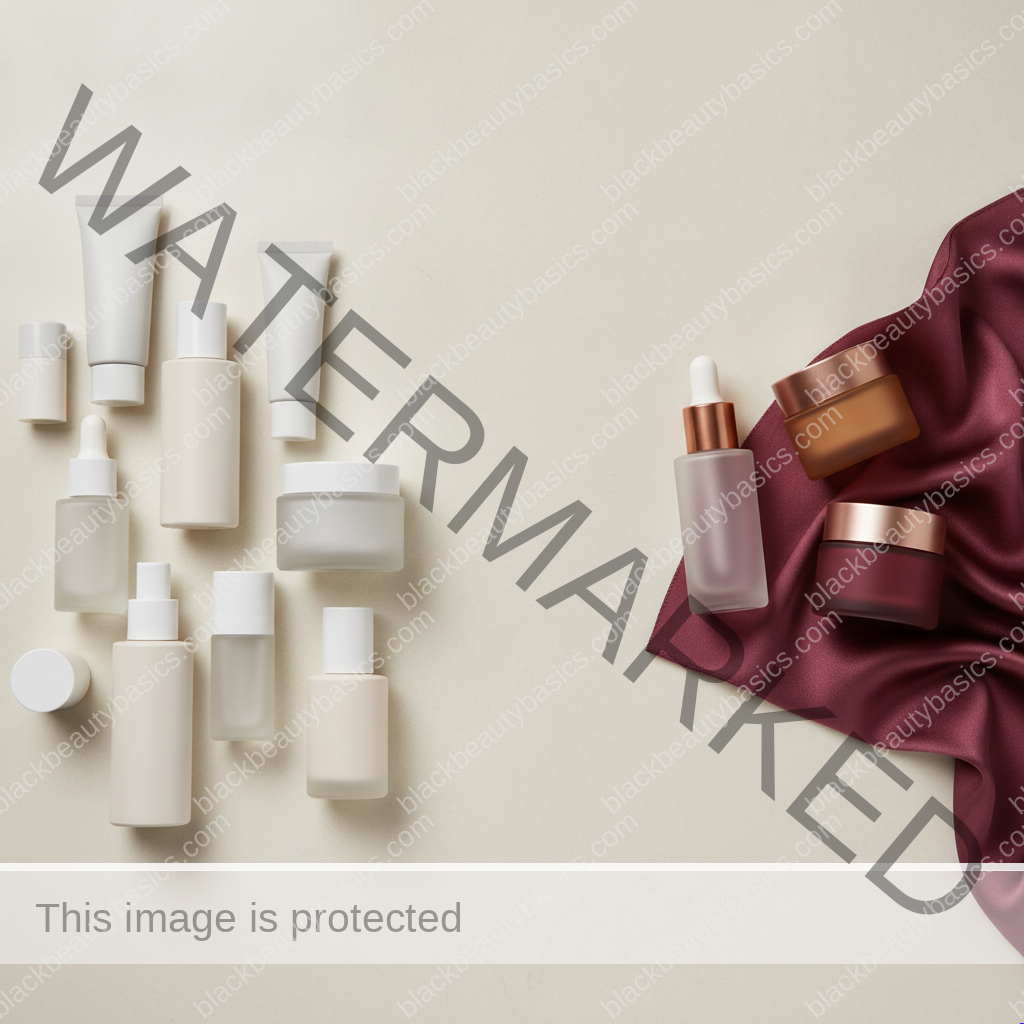
The most affordable routine is one you can repeat without confusion. Start with three categories: a gentle cleanser, a moisturizer, and sunscreen for daytime. If you already own products that fit these categories and do not sting or worsen your symptoms, use those before buying anything new. A routine does not need to look aesthetic on a counter to be useful.
Morning: keep it calm
If your skin is very dry or sensitive, you may not need a full cleanser every morning. A rinse with lukewarm water can be enough for some people. If you wake up oily, sweaty, or use a heavier nighttime product, cleanse gently. Avoid very hot water, which can feel soothing in the moment but may leave dry skin feeling more uncomfortable afterward.
Follow with moisturizer on slightly damp skin. This is not a complicated technique: pat your face so it is no longer dripping, then apply your moisturizer before it feels fully dry. Start with an amount that covers your face and neck comfortably, then adjust based on dry areas. More is not always better if a thick layer feels greasy, pills, or discourages you from using sunscreen.
If you are shopping, prioritize a gentle, fragrance-free facial cleanser in a size and price point you can keep repurchasing. Look for something that removes your daily sunscreen and leaves your skin feeling clean but not squeaky. An optional place to compare this product type is gentle fragrance-free face cleansers. Read the full ingredient list when available, and remember that “natural” does not automatically mean gentler.
Finish with a broad-spectrum sunscreen you are realistically willing to use. For melanin-rich skin, a sunscreen that leaves an uncomfortable white or gray cast may be technically useful but practically difficult to apply in an adequate amount. Look for a finish that works with your complexion, routine, and budget. If a sunscreen pills, try applying less of each layer, allowing a brief settling period, or simplifying the layers beneath it rather than assuming every product is a failure.
Evening: remove the day without over-cleansing
Cleanse once to remove sunscreen, makeup, sweat, and daily buildup. If you wear heavy makeup or very water-resistant sunscreen, you may need a first removal step followed by a gentle cleanser. But double cleansing is not mandatory for everyone. If two cleansing steps leave your skin tight, simplify. A comfortable routine is more sustainable than a complicated one you dread doing.
Apply moisturizer after cleansing. If certain areas are repeatedly dry, such as around the mouth, eyelids, cheeks, or nose, you can apply a slightly more generous layer there. Some people choose to seal very dry patches with a thin layer of plain petrolatum after moisturizer at night. This is optional, not required, and may not suit everyone’s preferences or acne patterns. Keep it away from areas where it feels uncomfortable, and do not use it as a substitute for medical care on broken, oozing, or infected-looking skin.
When comparing moisturizers, keep your criteria plain: fragrance-free if you are sensitive; a texture you can tolerate; a formula that does not immediately sting; and a price you can sustain. You can browse examples of the category through fragrance-free face moisturizers, but you do not need an expensive jar for a routine to be worthwhile.
Give this stripped-back plan enough consistency to become a habit before adding extras. You are not “doing nothing.” You are creating a clearer baseline, which is often the most useful thing when your skin feels unpredictable. If you want to add a treatment later, add only one product at a time and keep your cleanser and moisturizer steady so you can better understand the result.
How to adapt the plan to real life, not an ideal bathroom shelf
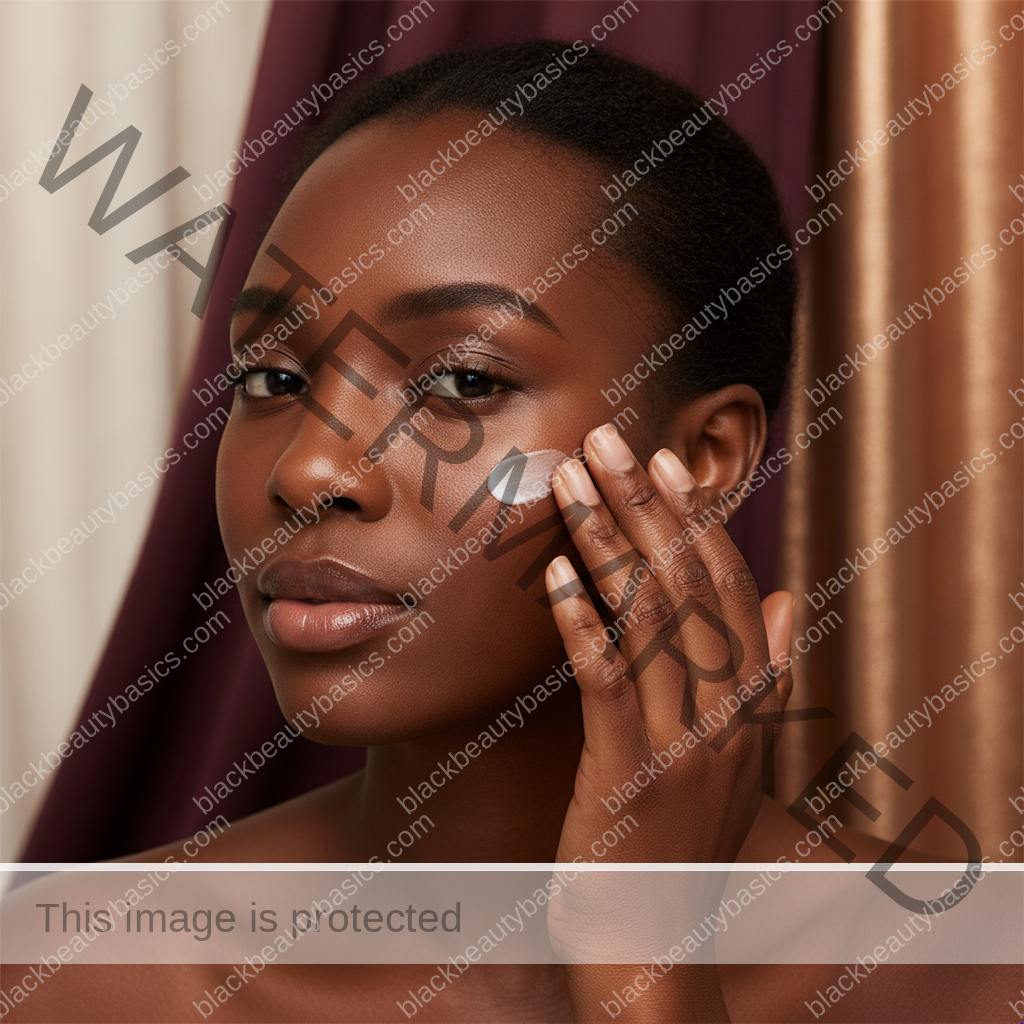
A budget routine has to work on rushed mornings, long shifts, family responsibilities, travel days, humid weather, winter heat, and the weeks when you simply do not have the energy for seven steps. The basic plan can flex without becoming complicated. The goal is not perfection; it is having a reliable minimum routine to return to.
If you are oily but dehydrated: Do not assume you need to strip away all oil. Oily skin can still feel tight, sting after cleansing, or become flaky from overuse of acne products. Choose a light lotion or gel-cream moisturizer if rich creams feel heavy. Use less product where you are comfortable and a little more on dry zones. Oil production and water content are not the same thing.
If you are dry or mature: A creamier moisturizer may be more comfortable than a light gel. You may prefer cleansing once daily at night and using a water rinse in the morning. A small amount of an occlusive over moisturizer on dry patches may be useful at night, but comfort matters more than copying someone else’s routine. You do not have to buy a separate “mature skin” line if your existing gentle products work.
If you have acne-prone skin: The goal is not to avoid moisture. Acne treatments, frequent washing, and spot treatments can all contribute to irritation. Select products labeled non-comedogenic if that is helpful to you, but know that this label is not an absolute guarantee. Introduce one change at a time so you can tell what your skin dislikes. Keep prescribed treatment directions at the center of the routine.
If you wear makeup: Barrier care does not require giving up makeup. Use a gentle removal method at night and avoid rubbing aggressively around the eyes, mouth, or areas with active irritation. On dry days, a simpler base routine often helps makeup sit better than adding multiple gripping primers, exfoliating toners, and luminous serums underneath it. If foundation catches on flakes, more exfoliation is not automatically the answer.
If you live in a cold or dry climate: You may need a richer moisturizer or a more consistent nighttime layer. Indoor heating can make skin feel less comfortable. Focus on regular application rather than buying a separate product for every room, season, and mood. Applying moisturizer after washing your face or showering can be a practical low-cost habit.
If you live in a hot or humid climate: Lighter textures can still provide useful moisture. Apply enough to feel comfortable, not coated. Sweat, commuting, and frequent outdoor time may make sunscreen reapplication especially relevant. Choose practical formats you will use rather than forcing yourself into a texture you hate. A routine can be protective without feeling heavy.
If your water seems harsh: Hard-water research has mainly explored childhood eczema and does not prove that hard water causes every adult dry-skin concern. You do not need to buy a costly shower filter as a first step. Try shorter lukewarm showers, gentler cleansing, and moisturizing promptly after washing. Those lower-cost changes can clarify whether your routine itself needs adjustment.
If you are traveling or working long hours: Pack or keep one cleanser, one moisturizer, and your sunscreen where you will use them. Decanting products into clean travel containers may be more economical than purchasing a new travel set. On especially tiring evenings, cleansing and moisturizing is a solid minimum. Skipping optional steps is not neglect.
For a routine that feels dry and dull but also sensitive, our guide to dull but sensitive skin routines offers additional ways to think about comfort before chasing brightness.
Troubleshooting when your skin still feels tight, dull, or irritated
When a simple routine does not feel better immediately, it can be tempting to panic-buy. Instead, troubleshoot one variable at a time. Skin can react to a formula, the amount used, the frequency of use, the order of layers, friction, weather, or an unrelated condition. A methodical approach protects both your face and your wallet.
If moisturizer stings
Stop applying it if the burning is strong, persistent, or worsening. A brief sensation can happen for some people on very dry skin, but you do not need to “push through” significant discomfort to prove a product is working. Return to the blandest product you know your skin tolerates, if you have one. Avoid adding acids, vitamin C, scrubs, or fragranced masks while you assess the situation.
Check whether you recently used an exfoliant, hair-removal method, acne treatment, or new cleanser. Sometimes the moisturizer is not the original trigger; it is simply the first product that reveals the irritation. If you develop swelling, hives, blistering, crusting, eye-area involvement, or a rapidly spreading rash, seek medical advice promptly.
If your skin looks dull after simplifying
Dullness is not always dead skin that needs more exfoliation. It can reflect dryness, uneven surface texture, fatigue, dehydration, irritation, makeup buildup, or simply your skin’s natural finish under different lighting. Give the basic routine a fair, consistent trial before adding an exfoliant back. If you later reintroduce one, use the lowest practical frequency and avoid combining multiple strong actives in the same routine unless a qualified clinician has advised it.
Most importantly, do not let anti-Black or colorist beauty standards turn normal variation in tone into an emergency. Healthy skin can be deep, warm, cool, matte, radiant, textured, freckled, scarred, acne-prone, or uneven in places. Barrier care is about helping skin feel supported, not erasing your complexion’s character.
If products pill under sunscreen or makeup
Pilling usually means the layers are rolling or clumping on the surface. It does not always mean the products are bad. Use smaller amounts, press rather than rub where possible, and let one layer settle briefly before the next. Consider whether you are layering a serum, moisturizer, sunscreen, primer, and foundation when your skin may only need moisturizer and sunscreen.
If the issue continues, simplify your morning routine for several days. Our guide on how to avoid pilling between serum, moisturizer, and SPF explains practical adjustments without telling you to buy an entirely new collection.
If you cannot tell which product is causing trouble
Do not introduce three new products in the same week. Keep your cleanser and moisturizer steady if they are tolerable, then test one new item at a time. Note the date, where you applied it, and what happened. This can be a note on your phone, not a complicated spreadsheet. A pattern of stinging only on the cheeks, breakouts after a particular sunscreen, or redness after a fragranced product is more useful than vague memories.
Patch testing at home can sometimes identify an obvious reaction, but it cannot guarantee a facial product will work for you. If you have a history of significant allergic reactions, extensive eczema, or repeated unexplained rashes, ask a dermatologist about formal evaluation instead of repeatedly testing products on irritated skin.
If your routine costs more than you can maintain
Cut back to the category that serves the clearest purpose. A cleanser should clean comfortably. A moisturizer should support comfort. Sunscreen should be usable often enough to fit your life. Treatments should have a specific reason for being there. You can finish products you tolerate before replacing them, unless they are causing a clear reaction. A low-budget routine is not lesser care; it is care designed around your real resources.

What to do next: build a barrier routine you can afford to maintain
Your next step is not to buy everything mentioned in this article. Take inventory first. Put the products you already own into four groups: cleanser, moisturizer, sunscreen, and treatment. Then identify which products sting, feel stripping, cause obvious discomfort, or create pressure to over-layer. Those are the first products to pause or question.
Next, choose a simple two-week shopping rule: replace only what is missing or clearly not working. If you have a gentle cleanser and a moisturizer you tolerate, your most urgent purchase may be sunscreen rather than another serum. If your sunscreen is fine but your cleanser leaves you tight, replace the cleanser before buying a toner. This order helps you spend on function rather than fear.
Make your routine easy to see and use. Keep your evening cleanser and moisturizer together. Put sunscreen near your toothbrush, keys, or makeup bag. Use a small note that says “cleanse, moisturize, SPF” if you are rebuilding a habit after burnout or a difficult skin period. Consistency does not require perfection. Missing a night does not mean you failed or ruined your progress.
If you are comparing prices, calculate how long a product is likely to last at the amount you actually use, not only the sticker price. A product that appears cheap but runs out quickly may not be the most budget-friendly option. On the other hand, do not force yourself into a large size of a product you have never used if your skin is highly reactive. Spend carefully, but do not make yourself feel guilty for needing to replace a product that genuinely does not work for you.
Use your money where it makes the greatest difference for your daily life: formulas you can repurchase, enough product to use the right amount, and medical advice when symptoms are beyond what over-the-counter care can reasonably address. A dermatologist, primary-care clinician, or pharmacist may be especially helpful if you have painful acne, recurring rashes, deep cracks, bleeding, persistent itching, sudden pigment changes, or symptoms that do not improve with a simplified routine.
Finally, let “budget” mean intentional, not deprived. You are allowed to enjoy skincare, but you do not need luxury pricing to deserve comfort. A calm routine that supports your skin and respects your finances is a strong foundation.
Frequently Asked Questions
Can I repair my skin barrier with only drugstore products?
Many people can build a supportive routine with accessible, lower-cost products. What matters most is not whether a product is sold at a drugstore, department store, or online boutique. Look for a gentle cleanser, a moisturizer you can tolerate, and daily sunscreen that you will actually use. Fragrance-free options can be a sensible starting point for reactive skin, but they are not mandatory for everyone. Expensive packaging and trendy ingredients do not guarantee a better experience. If symptoms are severe or persistent, however, a product swap may not be enough, and professional guidance can be more valuable than continuing to experiment.
Should I stop all active ingredients while my barrier feels irritated?
It can be reasonable to pause nonessential exfoliants and strong leave-on treatments when your skin is burning, peeling, or unusually reactive. This gives you a clearer baseline. However, do not independently stop or alter prescription treatment. If a prescription acne medication, retinoid, or other treatment seems to be contributing to dryness or irritation, contact the clinician who prescribed it or ask a pharmacist how to use it as directed alongside a gentler routine. The safest plan depends on the medication, your condition, and the original treatment instructions.
Is petrolatum too heavy for Black skin or acne-prone skin?
Petrolatum is not inherently “too heavy” because of your skin tone. Skin tone does not determine whether you will enjoy a particular texture. Some people find a thin layer helpful over moisturizer on very dry areas, especially at night. Others dislike the feel, notice congestion in certain areas, or prefer a lighter cream. Petrolatum is an occlusive, meaning it can help reduce water loss, but it is not required for every routine. If you try it, use a small amount on a limited area first and pay attention to comfort and your individual skin pattern.
Why does my face feel dry even though I use a moisturizer?
Dryness can persist for several reasons. Your cleanser may be too stripping, you may be applying moisturizer after skin has fully dried, the moisturizer texture may not feel sufficient for your environment, or another product may be irritating your skin. Frequent exfoliation, acne treatments, hot water, and friction from towels or makeup removal can also contribute. Instead of immediately buying a more expensive cream, simplify your routine and adjust one factor at a time. Apply moisturizer to slightly damp skin, use lukewarm water, and consider whether you need fewer active products for a while.
Can I use facial oils instead of moisturizer?
Facial oils can make skin feel softer and may be enjoyable in a routine, but they do not automatically replace a moisturizer. Moisturizers are often formulated to provide humectant, emollient, and sometimes occlusive support. An oil may work well layered over a moisturizer for someone who likes it, but it may not provide the same water-binding ingredients. If your budget is limited, prioritize a straightforward moisturizer first. Add an oil only if you genuinely enjoy it, it fits your skin comfortably, and it does not distract from the basics of gentle cleansing and sunscreen.
How long should I wait before adding exfoliation back?
There is no universal timeline because skin concerns, products, climate, and treatments vary. Look for practical signs that your skin is more comfortable: cleansing and moisturizing do not sting, visible flaking has settled, and you are no longer trying to soothe your face all day. When you choose to reintroduce exfoliation, add only one product and use it less often than you did before. Avoid combining it with other potentially irritating steps in the same routine. If irritation returns, pause and reassess rather than increasing frequency to force a result.
When should I see a dermatologist instead of trying another affordable product?
Seek professional advice for pain, swelling, hives, blistering, oozing, crusting, eye-area symptoms, spreading rashes, signs of infection, or skin changes that are rapid or distressing. It is also wise to get help for recurring symptoms that do not improve after simplifying your routine, especially if they disrupt sleep or daily life. A dermatologist can help distinguish between common dryness and conditions that need specific treatment. For Black women, finding care that takes pigment changes and your concerns seriously matters. You deserve thoughtful assessment, not dismissal or blame.
Related next steps
Related posts:
 Barrier Repair Routine for Sensitive Dark Skin: Your Gentle Guide
 Moisturizers for Black Women: Barrier Repair vs Lightweight Hydration
 Ceramide Barrier Repair for Black Women: Why Your Skin Keeps Drying Out
 The Melanin Guide to Barrier Repair: How to Heal and Strengthen Your Skin’s Protective Shield
 Postpartum Skin Reset: Pigmentation, Acne, and Barrier Repair on Melanin-Rich Skin
 How to Simplify Your Skincare Routine When Your Budget Is Tight