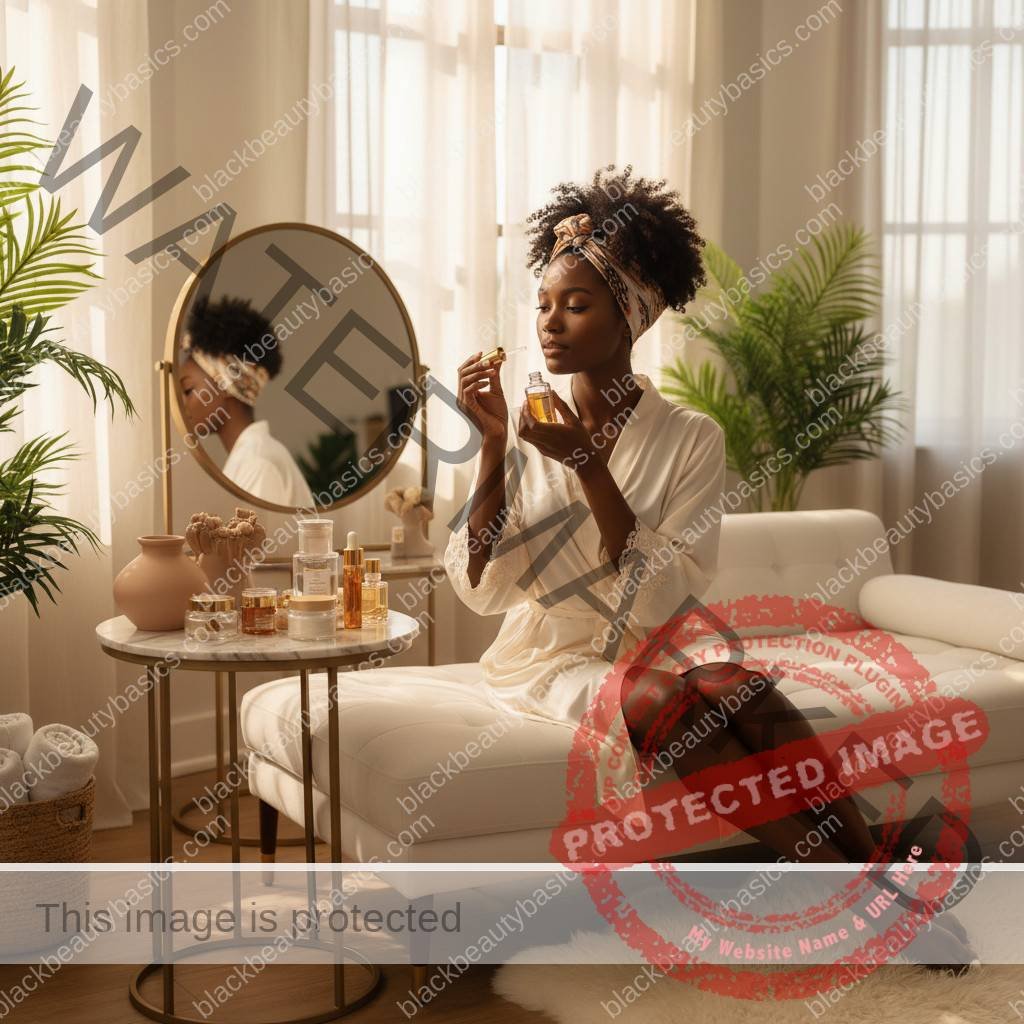
Managing Stress-Induced Skin Concerns for Busy Women
Life for Black women is often a delicate dance of juggling multiple responsibilities, from career demands and family care to community engagement and personal aspirations. This constant pressure, coupled with the unique societal stressors we navigate, can create a silent, insidious force that manifests in unexpected ways—especially on our skin. While we often associate stress with feeling overwhelmed or tired, its impact on our complexion can be far more nuanced and persistent, particularly for melanin-rich skin. It doesn’t always show up as an immediate, fiery breakout, but rather as a gradual shift: a dullness that won’t lift, a sensitivity that wasn’t there before, or those stubborn dark marks that seem to linger indefinitely.
We understand that you’re not always looking for another task to add to your already overflowing plate. Instead, you’re seeking understanding, validation, and practical pathways to support your skin when life feels like it’s demanding everything. This isn’t about adding more steps to an impossible routine; it’s about making thoughtful, strategic choices that acknowledge the realities of your busy life. Whether you’re navigating intense work periods, managing family dynamics, or simply trying to find a moment of peace, your skin is often the first to reflect the internal landscape of your well-being. This guide is part of our larger conversation on creating lifestyle-driven skincare routines, designed to meet you where you are, not where you think you “should” be. We believe that caring for your skin, especially during stressful times, is an act of self-love and resilience, not another source of pressure. It’s about finding harmony between your demanding life and your skin’s intrinsic need for balance and protection, ensuring that your beauty rituals contribute to your peace, not detract from it. For a broader understanding of how to nurture your skin, explore our foundational insights on skincare for Black women.
What This Post Covers
In this comprehensive guide, we’ll delve into the intricate relationship between stress and melanin-rich skin. We’ll explore how the pressures of daily life, inconsistent routines, and emotional strains can manifest as specific skin concerns, such as persistent breakouts, increased sensitivity, unwelcome dullness, dehydration, and the frustrating prolongation of dark marks. We will validate your experiences, acknowledging that these skin changes are not your fault but rather a natural physiological response. More importantly, we will equip you with practical, trauma-aware strategies and gentle routines designed to support your skin through demanding periods. Our focus is on offering realistic, effective solutions that prioritize skin health and resilience without adding to your mental load, helping you navigate these challenges with grace and confidence.
How Stress Can Affect Melanin-Rich Skin
Stress is more than just a feeling; it’s a complex physiological response that can ripple through every system in your body, including your skin. For melanin-rich skin, this response can be particularly impactful, often manifesting in ways that are unique to our skin type and concerns. Understanding the underlying mechanisms can help us approach skincare with greater intention and empathy.
Tension and Inflammation
When you’re under stress, your body releases a cascade of hormones, primarily cortisol. While cortisol is essential for managing stress in the short term, chronic elevation can lead to systemic inflammation. For melanin-rich skin, this inflammation can trigger a host of issues. It can exacerbate existing conditions like eczema or psoriasis, leading to flare-ups that are more intense and widespread. It can also increase the skin’s overall reactivity, making it more prone to irritation from products that were once tolerated. This inflammatory response can also stimulate melanocytes, the cells responsible for producing melanin, leading to an increased risk of post-inflammatory hyperpigmentation (PIH) even from minor irritations or breakouts. The skin’s natural healing process can become sluggish, meaning any blemishes or injuries take longer to resolve and are more likely to leave a lasting mark.
Sleep Loss
Sleep is often the first casualty of a busy, stressful life. Yet, it’s during sleep that your skin undergoes its most vital repair and regeneration processes. Lack of adequate, restorative sleep disrupts these cycles. Your skin’s ability to produce collagen, repair DNA damage, and maintain its barrier function is significantly impaired. For melanin-rich skin, this can mean a noticeable loss of radiance, an increase in fine lines, and a compromised skin barrier that struggles to retain moisture. The skin can appear dull, tired, and less resilient, making it more susceptible to environmental aggressors. Furthermore, inadequate sleep can contribute to increased cortisol levels, perpetuating the cycle of inflammation and skin reactivity.
Missed Routines
When life gets hectic, skincare routines are often the first thing to fall by the wayside. Skipping cleansing, moisturizing, or sun protection, even for a few days, can have cumulative effects. For melanin-rich skin, consistent care is crucial for maintaining an even tone, managing oil production, and preventing hyperpigmentation. Missed cleansing can lead to clogged pores and breakouts, which, as we know, can easily result in dark spots. Skipping moisturizer can compromise the skin barrier, leading to dehydration and increased sensitivity. And neglecting daily sun protection leaves melanin-rich skin vulnerable to UV damage, which not only accelerates aging but also worsens hyperpigmentation and makes existing dark marks more prominent and harder to fade. The inconsistency itself can be a stressor for the skin, as it thrives on predictability and gentle care.
Skin Picking or Touching
Stress can manifest as nervous habits, and for many, this includes unconsciously touching, picking, or scratching the skin. This seemingly innocuous habit can have significant consequences for melanin-rich skin. Even light picking can introduce bacteria, leading to new breakouts or worsening existing ones. The physical trauma, no matter how minor, can trigger an inflammatory response that stimulates melanin production, leading to new or exacerbated post-inflammatory hyperpigmentation. This cycle of stress-induced picking and subsequent dark marks can be incredibly frustrating and difficult to break. It’s a physical manifestation of internal tension, and recognizing this connection is the first step toward gentle intervention.
Dehydration and Comfort Changes
Stress can also impact the skin’s ability to maintain its hydration levels and overall comfort. The body’s stress response can divert resources away from non-essential functions like optimal skin hydration. Additionally, increased inflammation can disrupt the skin barrier, making it less effective at preventing transepidermal water loss (TEWL). This leads to dehydration, where the skin feels tight, looks dull, and may even appear finely lined. For melanin-rich skin, this dehydration can make the skin feel rougher, less supple, and more prone to an ashy appearance. The skin may also become more reactive, experiencing stinging or discomfort even with previously well-tolerated products. This loss of comfort and hydration is a clear signal that the skin is under duress and needs gentle, consistent support to restore its natural balance.
How Stress Skin Often Shows Up on Dark Skin
The signs of stress on melanin-rich skin can be subtle yet persistent, often differing from how they might appear on lighter skin tones. It’s not always about dramatic redness or obvious irritation, but rather a more nuanced shift in texture, tone, and overall vitality. Recognizing these specific manifestations is key to addressing them effectively and compassionately.
Jawline or Random Breakouts
One of the most common ways stress manifests on dark skin is through breakouts, particularly along the jawline, chin, and sometimes even the neck. This pattern is often linked to hormonal fluctuations triggered by elevated cortisol levels. Stress hormones can stimulate the sebaceous glands to produce more oil, creating a fertile ground for clogged pores and bacterial growth. For melanin-rich skin, these breakouts, whether they are small bumps, cystic lesions, or whiteheads, carry a significant risk of post-inflammatory hyperpigmentation (PIH). Even a minor blemish can leave behind a dark mark that can linger for weeks or even months, creating a cycle of concern. These stress-induced breakouts might also appear randomly across the face, seemingly without a clear pattern, indicating a general state of internal imbalance rather than a specific external trigger. The skin’s natural healing process, already prone to hyperpigmentation, becomes even more challenged under stress.
Dullness
When stress takes hold, your skin’s natural radiance can dim, leaving behind a noticeable dullness. This isn’t just about feeling tired; it’s a physiological response. Chronic stress can slow down cellular turnover, meaning dead skin cells accumulate on the surface rather than shedding efficiently. For melanin-rich skin, this buildup can make the complexion appear ashy, uneven, and lacking its usual vibrant glow. The skin’s surface may also become rougher to the touch. This dullness is often compounded by dehydration, as stress can impair the skin’s barrier function, making it harder to retain moisture. The result is skin that looks lackluster, tired, and less vibrant, reflecting the internal state of fatigue and overwhelm. It’s a sign that your skin’s natural renewal processes are not operating at their peak.
Tightness
A feeling of tightness in the skin, even after moisturizing, is a common indicator of stress-induced dehydration and a compromised skin barrier. When the skin barrier is weakened by stress and inflammation, it struggles to prevent transepidermal water loss (TEWL). This means moisture evaporates more quickly from the skin’s surface, leading to a sensation of tautness or pulling. For melanin-rich skin, this tightness can be particularly uncomfortable and can contribute to a less supple, more rigid feel. It’s a clear signal that your skin is thirsty and its protective shield is not functioning optimally. This tightness can also make the skin more prone to irritation and can exacerbate the appearance of fine lines, making the skin look less plump and resilient.
Stingy Skin
“Stingy skin” refers to a heightened sensitivity where products that were once well-tolerated now cause a mild burning, stinging, or itching sensation. This increased reactivity is a direct consequence of a compromised skin barrier and heightened inflammation. Stress hormones can make the skin’s nerve endings more sensitive, and a weakened barrier allows potential irritants to penetrate more easily. For melanin-rich skin, this can be particularly frustrating, as it limits product choices and makes even simple routines feel uncomfortable. It’s a sign that your skin is in a reactive state, needing gentle, soothing care rather than aggressive treatments. This sensation can also be accompanied by a general feeling of discomfort, making the skin feel raw or vulnerable.
Healed Marks That Linger
One of the most frustrating aspects of stress-affected melanin-rich skin is the persistence of post-inflammatory hyperpigmentation (PIH). Even after a breakout has healed, the dark spots it leaves behind can linger for an extended period, often months. Stress exacerbates this by increasing inflammation and stimulating melanocytes. When the body is under stress, its natural healing processes can be slower and less efficient, making it harder for the skin to clear away excess melanin. This means that even minor blemishes or irritations can leave a lasting mark, contributing to an uneven skin tone and a sense of perpetual struggle with hyperpigmentation. The stress of seeing these lingering marks can, in turn, create more stress, perpetuating a difficult cycle.
Looking Tired Without Dramatic Redness
Unlike lighter skin tones where stress might manifest as flushed cheeks or visible redness, melanin-rich skin often shows fatigue and stress through a general lack of vibrancy and a tired appearance, without significant color changes. This can include under-eye circles appearing more pronounced, a general dullness, and a subtle ashy tone. The skin may simply look “off” or fatigued, lacking its usual bounce and glow. This absence of dramatic redness doesn’t mean the skin isn’t inflamed or stressed; it simply means the inflammatory response is manifesting differently. Instead, the signs are more about a diminished vitality, a slight grayness, or a general lack of luminosity that signals the skin is working harder than it should be.
The Core Goals of a Stress-Aware Routine
When your life is demanding and your skin is showing the signs of stress, the goal of your skincare routine shifts. It’s no longer about chasing perfection or incorporating every trending active. Instead, it becomes about providing fundamental support, protection, and comfort. A stress-aware routine is built on principles of gentleness, consistency, and intelligent minimalism, designed to nurture your skin back to balance without adding to your mental load.
The core goals are:
- Barrier Support and Repair: The skin barrier is your first line of defense against environmental aggressors and moisture loss. Stress compromises this barrier, making it essential to use products that fortify and repair it. This means focusing on ingredients that mimic the skin’s natural lipids, such as ceramides, fatty acids, and cholesterol, and avoiding harsh cleansers or exfoliants that can strip the barrier further.
- Inflammation Reduction: Stress-induced inflammation is a primary driver of many skin concerns, from breakouts to hyperpigmentation. A stress-aware routine prioritizes ingredients with soothing and anti-inflammatory properties, such as niacinamide, centella asiatica, oats, and chamomile. The aim is to calm reactive skin and prevent the cascade of events that lead to PIH.
- Gentle Hydration: Dehydrated skin is compromised skin. Providing consistent, gentle hydration is crucial for restoring suppleness, improving barrier function, and enhancing overall skin comfort. Look for humectants like hyaluronic acid and glycerin, paired with emollients and occlusives to lock in moisture without feeling heavy or occlusive.
- Protection from Environmental Stressors: When your skin is stressed, it’s more vulnerable. Daily protection, especially from UV radiation, becomes non-negotiable. A broad-spectrum sunscreen is essential to prevent further damage, protect against hyperpigmentation, and support the skin’s healing process. Antioxidants can also offer an additional layer of defense against free radical damage.
- Simplification and Consistency: Overcomplicating your routine during stressful times can backfire. The goal is to create a routine that is easy to adhere to, even when you’re exhausted. This often means paring down to essential steps and choosing multi-tasking products. Consistency with a simple, effective routine is far more beneficial than an elaborate one that you can’t maintain.
- Preventing and Managing Hyperpigmentation: For melanin-rich skin, every breakout or irritation carries the risk of leaving a dark mark. A stress-aware routine includes strategies to gently prevent new PIH and support the fading of existing marks, often through ingredients like niacinamide, vitamin C, and alpha arbutin, used judiciously and consistently.
- Emotional Comfort and Ritual: Beyond the physiological benefits, the act of engaging in a simple, gentle skincare routine can be a moment of mindfulness and self-care. It’s an opportunity to connect with yourself, even for a few minutes, and provide a sense of control and calm amidst chaos. The ritual itself can be therapeutic, offering a brief respite from external pressures.
What to Do When You Know Stress Is in the Driver’s Seat
When life throws its heaviest demands your way, and you can feel the physical and emotional toll, your skincare strategy needs to pivot. This isn’t the time for aggressive treatments or experimenting with new, potent actives. Instead, it’s a period for strategic retreat, focusing on core principles that will support your skin’s resilience and prevent further distress.
Simplify First
The first and most crucial step when stress is high is to simplify your skincare routine. This means stripping it down to the absolute essentials. Think of it as a “skin diet” or a “reset” where you remove anything that isn’t directly contributing to barrier health, gentle cleansing, and hydration. This isn’t about neglecting your skin; it’s about giving it a break from potential irritants and allowing it to focus its energy on repair.
Start by identifying your core products: a gentle cleanser, a hydrating serum, a nourishing moisturizer, and a broad-spectrum sunscreen. If you’re using multiple serums, retinoids, strong acids, or complex treatments, consider pausing them. These powerful ingredients, while beneficial in stable times, can be too stimulating for stressed, reactive skin. They can potentially exacerbate inflammation, compromise an already weakened barrier, and increase sensitivity. The goal is to reduce the number of variables and potential stressors on your skin. This simplification also reduces the mental load of decision-making and the time commitment, making it easier to adhere to your routine even when you’re exhausted. By simplifying, you create a stable, predictable environment for your skin to recover and maintain its basic functions.
Protect the Barrier
Your skin barrier is your body’s first line of defense, and stress is notorious for compromising it. When the barrier is weakened, your skin becomes more vulnerable to environmental aggressors, irritation, and moisture loss. Therefore, actively protecting and supporting this barrier becomes a paramount goal.
Focus on products rich in ceramides, fatty acids, and cholesterol – the natural lipids that make up your skin barrier. These ingredients help to replenish and fortify the barrier, sealing in moisture and keeping irritants out. Look for moisturizers specifically formulated for barrier repair. Avoid hot water, harsh scrubbing, and cleansers with strong surfactants, as these can strip away essential lipids. Instead, opt for lukewarm water and creamy, non-foaming cleansers. Incorporate hydrating toners or essences that deliver a burst of moisture and soothing ingredients. A well-supported barrier means less sensitivity, better hydration, and a stronger defense against stress-induced flare-ups and hyperpigmentation. Think of it as wrapping your skin in a protective, comforting embrace.
Avoid Revenge Skincare
“Revenge skincare” is a term for the impulse to aggressively treat skin concerns that arise during stressful periods. When you see new breakouts, dullness, or lingering dark marks, it’s natural to want to hit them with everything you’ve got – strong exfoliants, multiple spot treatments, or new, potent serums. However, this approach is almost always counterproductive for stressed skin, especially melanin-rich skin.
Aggressive treatments, while tempting, can further irritate an already compromised barrier, leading to more inflammation, increased sensitivity, and a higher risk of post-inflammatory hyperpigmentation. For example, over-exfoliating to combat dullness can strip the skin, making it more reactive and prone to breakouts. Applying multiple harsh spot treatments to stress-induced acne can lead to dryness, flakiness, and even darker marks once the blemish resolves. Instead of fighting your skin, the goal is to nurture it. Resist the urge to introduce new, powerful actives or to layer too many products. Stick to gentle, soothing, and hydrating formulations. Remember, your skin is already under duress; it needs kindness and support, not a punitive regimen. This mindful approach helps prevent a cycle of irritation and frustration, allowing your skin the space it needs to heal and rebalance.
A Morning Routine for Stress-Heavy Seasons
When you’re navigating a stress-heavy season, your morning routine needs to be efficient, protective, and calming. The goal is to prepare your skin for the day’s demands without adding to your mental or physical burden. This routine focuses on gentle cleansing, essential hydration, and crucial sun protection, all designed to be quick yet effective.
Step 1: Gentle Cleanse (or Rinse)
Start your day by gently cleansing your face. If your skin is feeling particularly sensitive or dry, a simple rinse with lukewarm water might be sufficient, especially if you cleansed thoroughly the night before. Otherwise, opt for a mild, creamy, or gel-based cleanser that won’t strip your skin of its natural oils. Look for formulations that are fragrance-free and designed for sensitive skin. The aim is to remove any overnight impurities or excess oil without disturbing your skin’s delicate barrier. Pat your skin dry with a clean, soft towel.
Explore a variety of gentle cleansers for dark skin on Amazon.
Step 2: Hydrating Serum or Essence
After cleansing, apply a hydrating serum or essence. This step immediately replenishes moisture and delivers soothing ingredients to help calm any morning reactivity. Look for serums containing hyaluronic acid, glycerin, or polyglutamic acid for hydration, and ingredients like niacinamide or centella asiatica for their anti-inflammatory and barrier-supporting properties. Niacinamide, in particular, is excellent for melanin-rich skin as it helps with barrier function, reduces inflammation, and can gently address hyperpigmentation over time. Press the serum gently into your skin, allowing it to absorb fully.
Check current prices for niacinamide serums for dark skin on Amazon.
Step 3: Moisturize
Follow with a nourishing moisturizer to seal in hydration and further support your skin barrier. During stressful periods, your skin might lean towards being more dry or sensitive, so choose a formula that feels comforting and protective. Look for moisturizers rich in ceramides, fatty acids, and cholesterol to help repair and fortify the barrier. A good moisturizer will also provide a smooth canvas for your sunscreen and makeup, if you choose to wear it. Gently massage it into your face and neck.
Browse options for moisturizers for dark skin women on Amazon.
Step 4: Broad-Spectrum Sunscreen (Non-Negotiable)
This is the most critical step in your morning routine, especially for melanin-rich skin prone to hyperpigmentation. Stress can make your skin more vulnerable, and UV exposure can worsen inflammation and darken any existing or new dark marks. Apply a broad-spectrum sunscreen with an SPF of 30 or higher, ensuring it protects against both UVA and UVB rays. Choose a formula that blends seamlessly into dark skin without leaving a white cast. Mineral sunscreens (zinc oxide, titanium dioxide) can be particularly soothing for sensitive skin, but chemical sunscreens are also effective if they don’t cause irritation. Apply generously as the last step in your skincare before makeup. This protective layer is your daily shield against environmental damage and a crucial component in preventing and managing hyperpigmentation.
This streamlined morning routine is designed to be a gentle act of self-care that protects and prepares your skin without adding to the morning rush. It focuses on the essentials, ensuring your skin is hydrated, soothed, and shielded, allowing you to face the day with a little more confidence and comfort.
An Evening Routine When You Have Nothing Left
After a long, demanding day, the thought of a multi-step skincare routine can feel like an insurmountable task. When you have nothing left to give, your evening routine needs to be incredibly simple, effective, and focused on essential cleansing, repair, and deep hydration. This is about giving your skin what it truly needs to recover overnight, without requiring significant effort from you.
Step 1: Gentle Cleanse (The Only Non-Negotiable)
Even if you’re utterly exhausted, cleansing your face is the one step you absolutely cannot skip. Throughout the day, your skin accumulates dirt, oil, makeup, and environmental pollutants. Leaving these on overnight can clog pores, lead to breakouts, and exacerbate inflammation, especially for stressed skin. Opt for a gentle, creamy, or oil-based cleanser that can effectively remove impurities without stripping your skin. If you wear makeup or a heavy sunscreen, a quick double cleanse (an oil cleanser followed by a gentle water-based cleanser) can be beneficial, but if you’re truly spent, a single, effective cleanse is enough. Focus on massaging the cleanser gently into your skin for 30-60 seconds, then rinse thoroughly with lukewarm water and pat dry with a clean towel. This step allows your skin to breathe and prepares it for the repair process.
For effective yet gentle cleansing, consider browsing gentle cleansers for dark skin on Amazon.
Step 2: Hydrate and Moisturize (One-and-Done)
After cleansing, the next crucial step is to replenish moisture and support your skin’s overnight repair. When you have nothing left, combine your hydrating and moisturizing steps into one. Choose a rich, nourishing moisturizer that contains both humectants (like hyaluronic acid or glycerin) for hydration and emollients/occlusives (like ceramides, shea butter, or squalane) for barrier support and moisture retention. A thicker night cream or a balm can be particularly comforting for stressed skin. Apply a generous layer to your face and neck, gently massaging it in. This single product will provide the essential hydration and barrier support your skin needs to recover from the day’s stressors and rebuild itself overnight. It helps to soothe sensitivity, reduce tightness, and prevent transepidermal water loss, leaving your skin feeling more comfortable and resilient by morning.
Discover a range of moisturizers for dark skin women on Amazon that are perfect for this step.
This ultra-minimalist evening routine ensures your skin gets the fundamental care it needs without demanding precious energy you don’t have. It prioritizes cleansing away the day’s grime and providing essential moisture and barrier support, allowing your skin to focus on its natural repair processes while you (hopefully) get some much-needed rest. Remember, consistency with these two simple steps is far more beneficial than an elaborate routine you can’t maintain.
A Three-Step Bare-Minimum Version
When life feels like a relentless sprint and even the thought of a two-step routine is too much, there’s a bare-minimum version that still provides essential care for your stressed skin. This is for those days when you’re running on fumes, but you still want to offer your skin some basic protection and comfort. This routine is designed to be quick, non-negotiable, and focused on preventing further damage while offering a tiny moment of self-care.
Step 1: Gentle Cleansing
This is the absolute cornerstone, whether it’s morning or night. You must remove the day’s grime, sweat, pollutants, and makeup (if applicable). For morning, a splash of lukewarm water or a quick swipe with a micellar water on a cotton pad can suffice if you cleansed thoroughly the night before. For evening, use a gentle, non-stripping cleanser. If you’re too tired to stand at the sink, keep a gentle micellar water and cotton pads by your bedside. The goal is to clean your skin without causing further irritation or stripping its natural oils. This prevents clogged pores, breakouts, and allows your skin to breathe.
Find a selection of gentle cleansers for dark skin on Amazon to simplify this step.
Step 2: Moisturize and Hydrate (Combined)
Immediately after cleansing, apply a single, multi-tasking product that both hydrates and moisturizes. This means choosing a rich cream or lotion that contains humectants (like hyaluronic acid or glycerin) to draw water into the skin, and emollients/occlusives (like ceramides, shea butter, or squalane) to seal that moisture in and support the skin barrier. This one product should provide comfort, reduce tightness, and help repair your skin overnight or protect it during the day. Apply it generously to your face and neck. This step is crucial for maintaining barrier integrity, preventing dehydration, and soothing stressed skin.
Browse through various moisturizers for dark skin women on Amazon that combine hydration and nourishment.
Step 3: Sunscreen (Morning Only)
For your morning bare-minimum routine, sunscreen is the non-negotiable third step. Even on cloudy days or if you’re mostly indoors, UV radiation can penetrate and cause damage. For melanin-rich skin, this damage not only accelerates aging but significantly worsens hyperpigmentation and can trigger inflammation. Choose a broad-spectrum SPF 30+ that you enjoy applying and that blends seamlessly into your skin. This single product acts as your daily shield, protecting your skin from environmental aggressors and preventing new dark marks from forming or existing ones from darkening.
This three-step routine is designed for survival mode. It’s about doing the absolute minimum necessary to keep your skin healthy and protected when you truly have no energy left. It acknowledges that some days, just showing up is a victory, and your skincare doesn’t need to be another source of guilt.
Stress Breakouts, Picking, and Dark Marks
The trifecta of stress-induced breakouts, the urge to pick, and the resulting dark marks is a particularly challenging cycle for melanin-rich skin. Each element feeds into the next, creating a frustrating loop that can feel impossible to break. Understanding this connection is the first step toward gentle, effective intervention.
The Stress-Breakout Connection
As discussed, stress triggers a cascade of hormonal responses, primarily an increase in cortisol. This surge in cortisol can stimulate your sebaceous glands to produce more sebum (oil). Excess sebum, combined with dead skin cells, creates the perfect environment for clogged pores, leading to the proliferation of acne-causing bacteria (P. acnes) and ultimately, breakouts. For melanin-rich skin, these breakouts often appear as papules, pustules, or deeper cystic lesions, frequently concentrated along the jawline, chin, and sometimes the forehead or temples. These areas are often referred to as the “stress zone” due to their connection with hormonal fluctuations. The inflammation associated with these breakouts is a significant concern for our skin type.
The Urge to Pick
When stress levels are high, many of us develop nervous habits. For some, this manifests as an irresistible urge to pick, squeeze, or scratch at any perceived imperfection on the skin. This can be a subconscious coping mechanism, a way to exert control when other aspects of life feel out of control. However, picking at breakouts, even small ones, introduces bacteria, pushes inflammation deeper into the skin, and causes physical trauma. This trauma, no matter how minor, is a direct trigger for melanocytes to produce excess melanin, leading to post-inflammatory hyperpigmentation (PIH). The act of picking can turn a small, temporary blemish into a persistent dark spot that can linger for months. This creates a vicious cycle: stress causes breakouts, picking worsens them and leads to dark marks, and the sight of these marks causes more stress, fueling the urge to pick further.
The Lingering Dark Marks
For melanin-rich skin, the aftermath of any inflammation or trauma, including breakouts and picking, is almost always post-inflammatory hyperpigmentation (PIH). These dark spots can range from light brown to deep black, depending on your skin tone and the depth of the inflammation. When stress is in the picture, PIH can be more pronounced and take significantly longer to fade. This is because chronic inflammation, fueled by stress, continuously stimulates melanin production. Moreover, a compromised skin barrier, also a consequence of stress, can hinder the skin’s natural healing and renewal processes, making it harder for these marks to resolve.
Breaking the Cycle: Gentle Intervention
To address this challenging cycle, a multi-pronged, gentle approach is necessary:
- Calm Inflammation: Focus on soothing ingredients that reduce inflammation and support barrier health. Niacinamide, centella asiatica, and colloidal oatmeal are excellent choices.
- Gentle Breakout Management: Instead of harsh spot treatments, opt for gentle alternatives. Salicylic acid (BHA) at lower concentrations can help unclog pores without excessive irritation. Benzoyl peroxide can be effective, but use it sparingly and carefully to avoid excessive dryness and irritation, which can worsen PIH.
- Preventing Picking: This is perhaps the hardest part. Awareness is key. Try to identify when and why you pick. Keep your hands busy, use fidget toys, or apply hydrocolloid patches to active breakouts. These patches not only protect the blemish from picking but also help absorb fluid and promote healing.
- Targeting Hyperpigmentation (Gently): Once the inflammation is under control and picking is minimized, you can gently introduce ingredients to fade PIH. Niacinamide is a powerhouse for this, as is Vitamin C and alpha arbutin. Consistency is key, but always prioritize barrier health first.
- Sun Protection: Non-negotiable! Daily broad-spectrum sunscreen prevents existing dark marks from getting darker and helps prevent new ones from forming.
- Stress Management: Ultimately, addressing the root cause – stress – is vital. While easier said than done, even small acts of self-care, mindfulness, or seeking support can make a difference.
For a deeper dive into managing acne and sensitive skin, especially when hyperpigmentation is a concern, we encourage you to read our comprehensive guide on Acne and Sensitive Skin in Black Women. Additionally, to further understand and effectively manage those stubborn spots, our article on Hyperpigmentation and Dark Spots offers invaluable insights tailored for melanin-rich skin.
The Best Texture Types for Tired, Reactive Skin
When your skin is tired and reactive due to stress, the texture of your skincare products becomes just as important as their ingredients. Heavy, occlusive formulas can feel suffocating, while overly light, watery textures might not provide enough comfort or barrier support. The goal is to choose textures that are soothing, easily absorbed, and provide a protective embrace without feeling greasy or sticky.
Cleansers: Cream, Milk, or Oil
For stressed, reactive skin, avoid foaming cleansers that can strip natural oils and disrupt the skin barrier. Instead, opt for:
- Cream Cleansers: These are gentle, hydrating, and effectively remove impurities without leaving the skin feeling tight or dry. They often have a rich, comforting feel.
- Milk Cleansers: Similar to cream cleansers, milk cleansers are incredibly mild and soothing, perfect for sensitive or easily irritated skin. They leave the skin feeling soft and supple.
- Oil Cleansers: Excellent for dissolving makeup, sunscreen, and excess sebum without stripping. They can be particularly beneficial for reactive skin as they minimize friction and provide a nourishing cleanse. Follow with a gentle water-based cleanser if needed for a double cleanse, but if skin is very reactive, a single oil cleanse might suffice.
Hydrating Serums/Essences: Lightweight Gel or Milky Emulsion
When your skin needs a boost of hydration and soothing actives, choose textures that absorb quickly and feel weightless:
- Lightweight Gels: These provide a burst of hydration without any heaviness. Look for gels with hyaluronic acid, glycerin, or aloe vera that sink in instantly, leaving no residue.
- Milky Emulsions: These are slightly richer than gels but still very light, offering a blend of hydration and a touch of nourishment. They often contain ceramides or other barrier-supporting lipids in a non-occlusive form.
Moisturizers: Cream, Balm, or Rich Lotion
The texture of your moisturizer is crucial for providing comfort and barrier support to stressed skin.
- Cream Moisturizers: These are the workhorses for stressed skin. They offer a good balance of hydration and emollients, feeling protective without being overly heavy. Look for creams rich in ceramides, fatty acids, and cholesterol.
- Balms: For extremely dry, compromised, or sensitive skin, a rich balm can provide an intense layer of protection and healing. Apply a thin layer to seal in moisture, especially as a last step in your evening routine.
- Rich Lotions: If creams feel too heavy, a rich lotion can offer similar benefits with a slightly lighter, more spreadable texture. Ensure it still contains barrier-supporting ingredients.
Sunscreen: Cream or Milky Fluid
Sunscreen texture is vital for consistent application, especially on melanin-rich skin.
- Cream Sunscreens: Many modern cream sunscreens blend beautifully into dark skin, offering good protection and often a hydrating base. Look for formulas that are specifically designed to be “no white cast.”
- Milky Fluid Sunscreens: These are lighter than creams, often feeling like a serum, and are excellent for layering or for those who prefer a less substantial feel. They tend to absorb quickly and leave a natural finish.
Why Texture Matters for Stressed Skin:
- Comfort: Reactive skin is easily irritated. Products that feel heavy, sticky, or stingy will only add to the discomfort. Soothing textures provide an immediate sense of relief.
- Absorption: When the skin barrier is compromised, products need to absorb effectively to deliver their benefits without sitting on the surface and potentially causing issues.
- Layering: Lighter, yet nourishing, textures allow for effective layering without overwhelming the skin, ensuring each product can do its job.
- Compliance: If a product feels good on your skin, you’re more likely to use it consistently, which is paramount during stressful periods.
By choosing products with these comforting and effective textures, you can create a routine that truly nurtures your tired, reactive skin, helping it to feel more balanced and resilient.
Common Mistakes When Stress Is Affecting Your Skin
When stress takes over, it’s easy to fall into skincare traps that, while well-intentioned, can actually exacerbate your skin concerns. Recognizing these common mistakes is the first step toward a more supportive and effective approach for your melanin-rich skin.
Adding Too Many Actives
The impulse to “fix” stress-induced breakouts or dullness often leads to introducing multiple new active ingredients or increasing the frequency of existing ones. This can include layering retinoids, AHAs, BHAs, and multiple serums simultaneously. However, stressed skin typically has a compromised barrier and is more reactive. Overloading it with too many powerful actives can lead to irritation, increased sensitivity, redness (which can lead to PIH on dark skin), and further barrier damage. It can also create an environment where your skin is constantly trying to recover, rather than heal. Instead, pare back to essentials and reintroduce actives slowly once your skin has stabilized.
Scrubbing
When skin feels dull or rough, the natural inclination might be to physically scrub it away. Harsh physical exfoliants like abrasive scrubs or stiff brushes can be incredibly damaging to stressed, melanin-rich skin. They can create micro-tears in the compromised barrier, trigger inflammation, and significantly increase the risk of post-inflammatory hyperpigmentation. Even if your skin isn’t actively breaking out, scrubbing can irritate it and make it more prone to future issues. Always opt for gentle chemical exfoliants (like a low-concentration AHA or BHA, used sparingly) or simply rely on gentle cleansing and hydration to encourage natural cell turnover.
Skipping Moisturizer
Some mistakenly believe that if their skin is breaking out, they should skip moisturizer to “dry out” the blemishes. This is a detrimental myth, especially for melanin-rich skin. Skipping moisturizer, particularly when stress is already dehydrating your skin and compromising its barrier, will only make matters worse. Dehydrated skin can produce more oil to compensate, leading to more breakouts. A compromised barrier struggles to protect itself, leading to increased sensitivity and slower healing. Always moisturize with a gentle, non-comedogenic formula to support your barrier, hydrate your skin, and promote healing.
Chasing Glow Instead of Comfort
During stressful periods, your skin’s primary need is comfort, protection, and barrier repair, not necessarily an immediate, dramatic “glow.” Chasing that elusive glow with aggressive brightening treatments or strong exfoliants when your skin is already under duress can backfire. These treatments can be too stimulating for reactive skin, leading to irritation, inflammation, and potentially worsening hyperpigmentation. Shift your focus from instant radiance to foundational health: soothe, hydrate, and protect. A healthy, balanced skin barrier will eventually lead to a natural, sustainable glow.
Product Hopping
When your skin is acting up, it’s tempting to try every new product or trend in search of a quick fix. This “product hopping” can be incredibly disruptive to stressed skin. Constantly introducing new ingredients and formulations prevents your skin from adapting and can introduce new irritants. It also makes it difficult to pinpoint what might be helping or hurting. Instead, stick to a simplified, consistent routine with products you know your skin tolerates well. Give products enough time (at least 4-6 weeks) to show results before deciding if they are effective.
Treating Every Flare Like a Moral Failure
Perhaps one of the most insidious mistakes is internalizing skin flare-ups as a personal failure. When stress manifests on your skin, it’s not a reflection of your inadequacy or a sign that you’re not trying hard enough. Your skin is simply communicating its distress, reflecting the internal and external pressures you’re facing. Blaming yourself or feeling shame about your skin’s condition only adds to your stress, perpetuating the cycle. Approach your skin with compassion and understanding. Acknowledge that your skin is reacting to a challenging environment, and respond with gentle care and patience, not judgment.
What a Realistic Stress-Skin Routine Can Look Like
A realistic stress-skin routine is not about perfection; it’s about adaptability and grace. It acknowledges that life happens, and your skincare needs to bend, not break, under pressure. Here are examples of how a simplified, stress-aware routine can look during different demanding seasons, always keeping the core goals of barrier support, gentle hydration, and protection in mind.
Work Crunch Week
During a week dominated by intense work deadlines, late nights, and high pressure, your energy for anything beyond the absolute essentials is minimal.
- Morning (5 minutes):
- Quick Rinse: Splash face with lukewarm water.
- Hydrating Serum: A few drops of a hyaluronic acid or niacinamide serum.
- Moisturizer with SPF: A combined product to hydrate and protect in one step. This is your non-negotiable.
- Evening (5-7 minutes):
- Gentle Cleanser: A creamy or oil cleanser to remove makeup/pollutants. Don’t scrub.
- Rich Moisturizer: A generous layer of a ceramide-rich cream or balm to support barrier repair overnight.
- Optional (if energy allows): A hydrocolloid patch on any active breakouts to prevent picking.
- Key Focus: Consistency with cleansing, hydration, and SPF. No actives, no new products. Just protection and comfort.
Parenting Overload
When you’re navigating the beautiful chaos of parenting, especially with young children or during challenging phases, time and mental bandwidth are precious commodities.
- Morning (3 minutes):
- Micellar Water Cleanse: A quick swipe with micellar water on a cotton pad while you’re getting yourself or the kids ready.
- Moisturizer + SPF: A single product that hydrates and provides broad-spectrum sun protection.
- Evening (3-5 minutes, if possible):
- Gentle Cleanser: Keep it in the shower for a quick cleanse while you’re already in there, or by the sink for a speedy wash.
- Nourishing Face Oil or Rich Cream: Apply quickly to damp skin to lock in moisture. Choose something that feels comforting.
- Key Focus: Extreme efficiency. Multi-tasking products. Prioritizing cleansing and barrier support to prevent sensitivity and breakouts from lack of routine.
Travel-Heavy Month
Frequent travel disrupts routines, exposes skin to different climates, and often leads to dehydration and fatigue. Your routine needs to be portable, protective, and hydrating.
- Morning (5-7 minutes, adapting to location):
- Gentle Cleanser: A travel-sized creamy cleanser.
- Hydrating Toner/Essence: To combat dehydration from flights/new climates.
- Antioxidant Serum: A simple Vitamin C or Niacinamide serum for environmental protection.
- Moisturizer + SPF: A reliable, broad-spectrum SPF 30+ that you know works well under different conditions.
- Evening (5-7 minutes):
- Double Cleanse (if wearing makeup/heavy SPF): A gentle oil cleanser followed by your creamy cleanser.
- Hydrating Serum: Reapply your hydrating serum.
- Barrier Repair Moisturizer: A thicker cream or balm to help skin recover from environmental shifts and dehydration.
- Key Focus: Hydration, barrier protection against environmental changes, and consistent SPF. Using travel-friendly sizes of trusted products.
Emotionally Hard Season
During times of grief, emotional strain, or significant life changes, your energy reserves are depleted, and your skin might reflect this through dullness, sensitivity, or stress breakouts.
- Morning (2-3 minutes):
- Water Rinse: Gentle splash of lukewarm water.
- Soothing Moisturizer: A comforting, calming moisturizer that feels good on your skin.
- SPF: A non-negotiable shield.
- Evening (3-5 minutes):
- Gentle Cleanser: A creamy, non-foaming cleanser. Make this a mindful moment, however brief.
- Barrier Repair Cream: A thick, nourishing cream or balm applied with gentle, upward strokes.
- Key Focus: Compassion and comfort. The routine is less about “fixing” and more about providing gentle, consistent care as an act of self-soothing. No harsh ingredients, just pure comfort and barrier support.
In all these scenarios, the underlying principle is grace. Your skin isn’t failing you; it’s communicating. Respond with understanding, simplicity, and consistent care, even if that care is minimal. The goal is to prevent further irritation and support your skin’s natural resilience until you can return to a more comprehensive routine.
Balanced Stress Routine vs Panic Routine
When stress impacts your skin, it’s easy to fall into one of two extremes: either neglecting your skin entirely or launching into a “panic routine” that often does more harm than good. A balanced stress routine, however, is a thoughtful and strategic approach that prioritizes skin health and resilience without adding to your mental load. Let’s compare these approaches to highlight the difference.
| Feature | Balanced Stress Routine | Panic Routine |
|---|---|---|
| Core Philosophy | Nurturing, protecting, simplifying, maintaining barrier health. | Aggressive “fixing,” quick results, reacting to every new concern. |
| Product Selection | Fewer, multi-tasking, gentle, soothing, barrier-supporting products (ceramides, hyaluronic acid, niacinamide). | Many new, potent actives (strong retinoids, high-concentration acids, multiple spot treatments). |
| Frequency of Actives | Reduced or paused, or very sparingly used (e.g., low-concentration BHA once a week). | Increased frequency and layering of multiple actives, often daily. |
| Cleansing Approach | Gentle, creamy, non-stripping cleansers; lukewarm water; sometimes just a water rinse in the morning. | Harsh foaming cleansers, hot water, physical scrubs, over-cleansing. |
| Moisturization | Consistent, generous application of nourishing, barrier-repairing moisturizers. | Skipping moisturizer (to “dry out” breakouts) or using too-light formulas. |
| Sun Protection | Non-negotiable daily broad-spectrum SPF 30+. | Often forgotten or inconsistent, especially if focused on other “fixes.” |
| Approach to Breakouts/PIH | Gentle spot treatments (hydrocolloid patches), focus on calming inflammation, preventing picking, and gradual fading. | Aggressive squeezing, picking, multiple harsh spot treatments, immediate strong brightening agents. |
| Impact on Skin Barrier | Strengthens and supports barrier function, reduces sensitivity. | Further compromises barrier, increases sensitivity, leads to more irritation. |
| Emotional Impact | Reduces stress, provides a sense of control and self-care, fosters patience. | Increases frustration, guilt, and anxiety; perpetuates a cycle of dissatisfaction. |
| Outcome for Melanin-Rich Skin | Reduced inflammation, minimized PIH, improved resilience, gradual healing. | Increased inflammation, worsened PIH, prolonged healing, heightened reactivity. |
The key takeaway is that a balanced stress routine is about working *with* your skin, not against it. It’s an act of compassion and strategic minimalism, acknowledging that less can often be more when your body is under duress. A panic routine, driven by fear and the desire for instant results, often backfires, leaving your melanin-rich skin more irritated, inflamed, and prone to stubborn dark marks. Choose grace, choose simplicity, and choose to support your skin’s natural ability to heal.
How to Navigate This Topic
Understanding how stress impacts your skin is one thing; effectively navigating it in your daily life is another. This isn’t about adding more pressure to your plate, but rather about integrating mindful choices that support your skin’s resilience. Think of it as a toolkit of strategies you can draw upon when life gets demanding.
First, acknowledge that your skin’s response to stress is valid. It’s not a sign of failure, but a physiological communication. This perspective shift is crucial. Instead of fighting your skin, approach it with empathy and a desire to support it.
Consider your current lifestyle and identify potential stress triggers. Are you experiencing a particularly intense work period? Is your sleep consistently disrupted? Are you navigating significant emotional challenges? Pinpointing the source of stress, even if you can’t eliminate it, helps you understand why your skin might be reacting.
Next, prioritize simplification. When stress is high, your routine should be streamlined. This means focusing on the absolute essentials: gentle cleansing, consistent hydration, and non-negotiable sun protection. Resist the urge to introduce new, potent actives or to over-treat concerns. Your skin needs stability and comfort, not more stimulation.
Think about how you can integrate small, consistent acts of self-care into your day. This might look like taking a few deep breaths while applying your moisturizer, or using the few minutes of your evening routine as a moment of quiet reflection. Even these micro-moments can help to lower overall stress levels.
Remember that you’re not alone in these challenges. Many Black women navigate similar pressures, and our skin often tells a shared story. This is why we advocate for lifestyle-driven skincare routines – because your life dictates what your skin needs, not the other way around.
For those active days, understanding pre- and post-gym skincare for melanin-rich skin can prevent sweat-induced breakouts from adding to your stress. If your schedule involves working through the night, our guide on skincare for night shift workers with dark skin offers tailored advice to combat the unique challenges of disrupted sleep cycles. And for those moments when you simply need a quick pick-me-up without a full routine, explore our quick skincare hacks for the woman on the go. These resources are designed to provide practical, actionable advice that fits into the rhythm of your life, offering support without judgment.
Finally, be patient with yourself and your skin. Healing and rebalancing take time, especially when stress is a persistent factor. Celebrate small victories, like consistently applying your SPF, and extend yourself the same grace you would offer a dear friend. Your skin is resilient, and with consistent, gentle care, it will find its way back to balance.
Quick Principles for Stress-Affected Skin
When stress is impacting your skin, remembering a few core principles can guide your choices and help you maintain clarity amidst the overwhelm. These are not rigid rules, but rather gentle reminders to keep your skin healthy and resilient during challenging times.
- Prioritize Barrier Health Above All: Your skin barrier is your first line of defense. Focus on products that contain ceramides, fatty acids, and cholesterol to keep it strong and intact. A healthy barrier means less sensitivity, better hydration, and greater protection against irritants and inflammation.
- Simplify, Simplify, Simplify: When in doubt, less is more. Strip your routine down to the essentials: a gentle cleanser, a hydrating moisturizer, and broad-spectrum SPF. Pause aggressive actives like retinoids or strong acids until your stress levels subside.
- Gentle Cleansing is Key: Avoid harsh foaming cleansers, hot water, and physical scrubs. Opt for creamy, milky, or oil-based cleansers and lukewarm water to protect your skin’s natural oils and barrier.
- Hydration is Non-Negotiable: Stressed skin is often dehydrated. Use hydrating serums (hyaluronic acid, glycerin) and rich moisturizers to replenish moisture and keep your skin plump and supple.
- Sun Protection is Your Shield: Daily broad-spectrum SPF 30+ is crucial, especially for melanin-rich skin. It prevents new dark marks from forming, keeps existing ones from darkening, and protects against further inflammation and damage.
- Resist the Urge to Pick: Picking at breakouts or imperfections will almost always lead to more inflammation and stubborn post-inflammatory hyperpigmentation. Use hydrocolloid patches as a physical barrier and a healing aid.
- Choose Comforting Textures: Opt for products with textures that feel soothing and nourishing on your skin – think creams, balms, and milky fluids – rather than heavy, sticky, or overly light formulas.
- Be Patient and Consistent: Healing takes time, especially when stress is a factor. Stick to your simplified routine consistently, and don’t expect overnight miracles. Small, consistent efforts yield the best results.
- Listen to Your Skin: Pay attention to how your skin feels. If a product stings, tingles uncomfortably, or causes redness, stop using it. Your skin is communicating its needs.
- Practice Self-Compassion: Your skin’s reaction to stress is not a personal failure. Treat your skin, and yourself, with kindness and understanding. Skincare during stressful times is an act of self-care, not another chore.
These principles serve as a compass, guiding you toward choices that support your skin’s well-being when life feels overwhelming. By embracing them, you can navigate stressful periods with greater confidence, knowing you’re giving your skin the gentle, consistent care it truly needs.
Frequently Asked Questions
What does stress acne look like on dark skin?
Stress acne on dark skin often appears as breakouts along the jawline, chin, and sometimes the neck or temples. These can be small bumps, whiteheads, or deeper, more painful cystic lesions. Unlike lighter skin tones, significant redness might not be present; instead, the primary concern for melanin-rich skin is the high likelihood of post-inflammatory hyperpigmentation (PIH), where each blemish leaves a persistent dark mark that can linger for months.
How can I reduce stress-induced dark marks on my face?
To reduce stress-induced dark marks, focus on calming inflammation, protecting your skin, and gently encouraging cell turnover. Use soothing ingredients like niacinamide and centella asiatica, apply broad-spectrum SPF 30+ daily to prevent darkening, and avoid picking or scrubbing. Once inflammation is controlled, you can gradually introduce gentle brightening agents like Vitamin C or alpha arbutin, always prioritizing barrier health.
Is it okay to skip my skincare routine when I’m really stressed and tired?
While it’s understandable to feel overwhelmed, it’s best to aim for a bare-minimum routine rather than skipping entirely. At a minimum, gently cleanse your face (even with micellar water by your bedside) and apply a nourishing moisturizer. In the morning, always include SPF. Consistency with these few steps is far more beneficial for stressed skin than an elaborate routine you can’t maintain, or no routine at all.
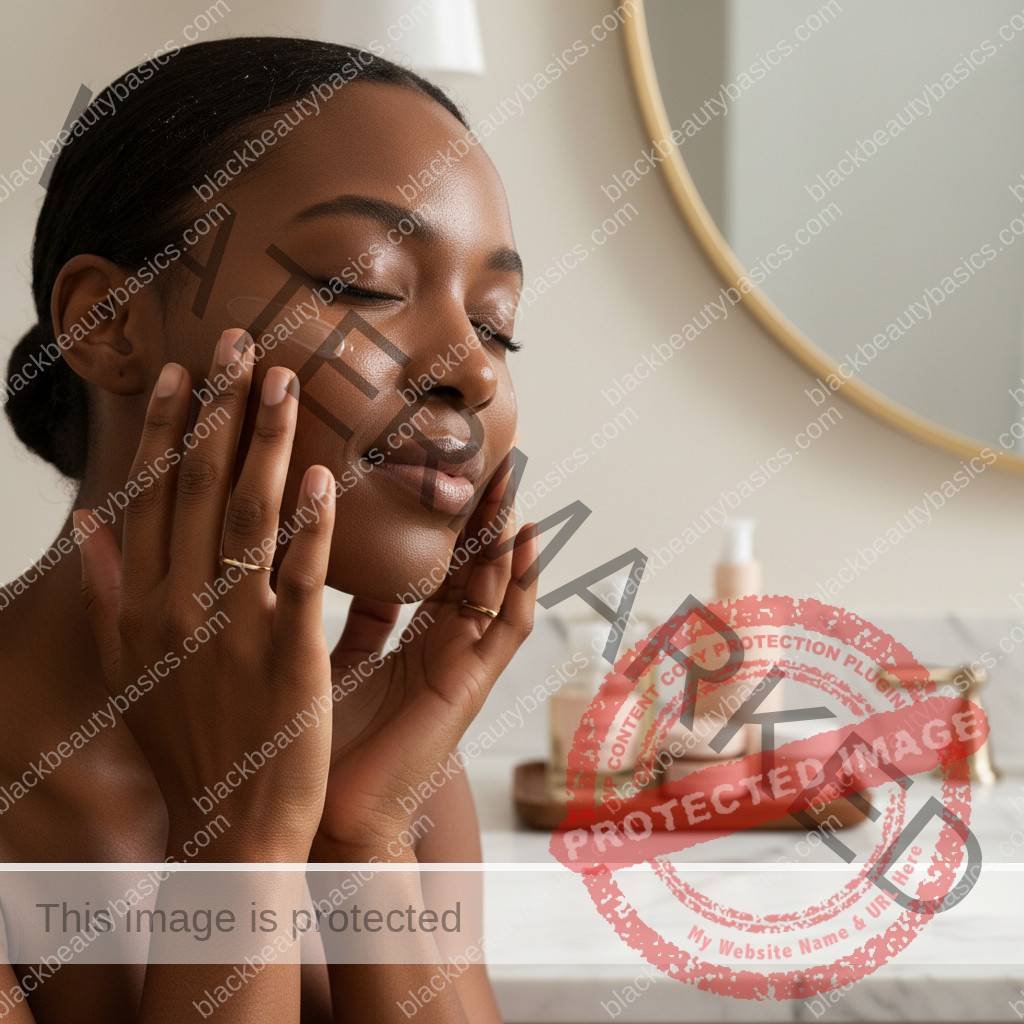
What ingredients should I avoid when my skin is stressed?
When your skin is stressed and reactive, it’s best to avoid harsh physical exfoliants (scrubs), strong chemical exfoliants (high-concentration AHAs/BHAs), high-strength retinoids, and products with strong fragrances or essential oils. These can further compromise a weakened skin barrier, increase sensitivity, and exacerbate inflammation, leading to more irritation and potential hyperpigmentation.
How does lack of sleep affect melanin-rich skin?
Lack of sleep significantly impacts melanin-rich skin by disrupting its natural repair and regeneration cycles. This can lead to increased dullness, a compromised skin barrier, dehydration, and a slower healing process for any blemishes or irritations. It can also contribute to more pronounced under-eye circles and a general tired, lackluster appearance, making existing hyperpigmentation appear more prominent.

Can stress make my skin more sensitive to products?
Yes, absolutely. Stress elevates cortisol levels, which can lead to systemic inflammation and a compromised skin barrier. A weakened barrier allows potential irritants to penetrate more easily, making your skin more reactive and sensitive to products that you previously tolerated well. This can manifest as stinging, burning, itching, or general discomfort when applying skincare.
What’s the most important step for stress-affected skin?
The most important step for stress-affected skin is consistent barrier support and protection. This means using a gentle cleanser, a nourishing moisturizer rich in ceramides and fatty acids, and a broad-spectrum SPF 30+ daily. These steps work together to calm inflammation, prevent moisture loss, and shield your skin from environmental damage, allowing it to recover and build resilience.

Final Thoughts
Navigating a busy life as a Black woman often means carrying multiple burdens, and it’s profoundly unfair that these pressures can manifest on our skin, adding another layer of concern. When your skin is showing signs of stress—be it persistent breakouts, dullness, or those stubborn dark marks—it’s not a reflection of your failure, nor is it a sign that your skin is inherently “bad.” Instead, it’s a profound communication, a gentle whisper from your body asking for less chaos and more support.
This journey is about extending grace to yourself and your skin. It’s about understanding that in demanding seasons, perfection is an unrealistic expectation. What your skin truly needs is consistency, gentleness, and protection. By simplifying your routines, prioritizing barrier health, and choosing products that soothe rather than stimulate, you’re not just caring for your complexion; you’re engaging in a vital act of self-preservation. This approach allows your skin to breathe, to heal, and to regain its natural resilience, even when the world around you feels overwhelming. Remember, your beauty is inherent, and your skin is a testament to your strength and endurance. Treat it with the same love and compassion you deserve.
Related next steps
Related posts:
 Minimalist Skincare Routine for Busy Black Women
 Weekend Reset Routines After a Busy Week
 Tackling Mask-Induced Breakouts and Irritation with the Right Skincare Products
 Tackling Mask-Induced Breakouts and Irritation with the Right Skincare Products
 Weekly Hair Growth Routine for Busy Black Women (30-Minute Version)
 The Ultimate Winter Haircare Guide for African American Women: Tailored to Hair Type, Texture, and Concerns