For many Black women, the changing seasons bring more than just a shift in wardrobe or outdoor activities. They can quietly herald a frustrating resurgence or worsening of dark marks, uneven tone, and post-inflammatory hyperpigmentation (PIH). You might notice that those lingering acne marks from summer seem to deepen in the fall, or that winter dryness leaves your skin looking duller and less even. Perhaps new spots appear after a seemingly minor irritation, taking longer to fade than usual. It’s a common experience, often leaving us wondering why our skin seems to betray us with every weather transition, even when our routine hasn’t drastically changed.
This isn’t just your imagination, nor is it a sign that your skin is inherently “problematic.” Melanin-rich skin, while blessed with natural sun protection, is also more prone to hyperpigmentation when faced with inflammation, irritation, or increased UV exposure. Seasonal shifts introduce a myriad of these triggers: the intense sun of summer, the harsh dryness of winter, the fluctuating humidity, indoor heating and air conditioning, and even the subtle friction from seasonal clothing. These factors can all contribute to barrier stress, dehydration, and increased sensitivity, making melanin-rich skin more pigment-prone. The good news is that understanding these connections empowers us to move from reactive “panic correction” to proactive prevention, safeguarding our skin’s radiant, even tone year-round.
At Black Beauty Basics, we understand that your journey with hyperpigmentation often feels like a constant battle, especially when external factors like weather seem to conspire against your efforts. This article is designed to offer a compassionate, science-backed guide to understanding and preventing seasonal hyperpigmentation. We’ll explore how environmental changes, often subtle, can exacerbate dark spots and uneven tone, and provide practical, barrier-first strategies to protect your skin. Our aim is to help you cultivate a resilient, even-toned complexion that thrives through every season, making your seasonal skincare routines a source of confidence, not concern. This is part of our broader commitment to skincare for Black women, centering your unique needs and experiences.
What This Post Covers
In this comprehensive guide, we’ll delve into the nuances of how seasonal changes impact melanin-rich skin and contribute to hyperpigmentation. Our goal is to equip you with the knowledge and practical strategies to maintain a radiant, even complexion throughout the year.
- Why seasonal changes can worsen hyperpigmentation on dark skin, even with minor triggers.
- How irritation, inflammation, and barrier stress are directly connected to the formation and persistence of dark marks.
- Why consistent, daily sunscreen application is non-negotiable for melanin-rich skin, regardless of the season or visible sun intensity.
- How different environmental factors—from winter dryness and indoor air to humid heat and dry heat—affect uneven tone and hyperpigmentation differently.
- Practical steps to reduce the chances of breakouts, minor irritations, or environmental stressors from turning into lasting post-inflammatory hyperpigmentation (PIH).
- What a realistic, preventive skincare routine looks like, focusing on stability and protection rather than aggressive treatments.
- A shift in mindset: understanding why prevention is a more sustainable and skin-friendly approach than constantly trying to correct existing marks.
Why Seasonal Hyperpigmentation Happens on Dark Skin
Melanin-rich skin is truly remarkable. It offers a natural shield against some of the sun’s most damaging rays, which can delay visible signs of aging and reduce the risk of certain skin cancers. However, this very richness in melanin, the pigment responsible for our beautiful complexions, also makes us more susceptible to hyperpigmentation. When our skin experiences any form of inflammation, irritation, or injury—whether from a breakout, a scratch, a harsh product, or even environmental stress—the melanocytes (the cells that produce melanin) can go into overdrive. This overproduction of melanin is what leads to post-inflammatory hyperpigmentation (PIH), manifesting as those stubborn dark spots and patches that linger long after the initial issue has resolved.
The seasonal aspect of hyperpigmentation isn’t about the weather itself being inherently “bad” for dark skin. Instead, it’s about how seasonal changes introduce or amplify various triggers that lead to inflammation and irritation. For instance, the summer sun, even when it doesn’t cause a visible sunburn on deeper skin tones, can still stimulate melanin production, making existing marks darker and new ones more likely. In contrast, the dry, cold air of winter, often exacerbated by indoor heating, strips the skin of its natural moisture, compromising the skin barrier. A compromised barrier is more vulnerable to irritation, and irritation, as we know, is a direct pathway to PIH.
So, when we talk about seasonal hyperpigmentation, we’re not just discussing direct sun exposure. We’re considering a complex interplay of factors: increased UV radiation, environmental dryness or humidity, temperature extremes, changes in our daily habits, and even the subtle friction from scarves or heavy clothing. Each of these can act as a silent trigger, nudging our melanocytes to produce more pigment. The challenge for melanin-rich skin is that these pigment responses tend to be more pronounced and longer-lasting, meaning that a small irritation can leave a significant mark. Understanding this underlying mechanism is the first step toward effective prevention.
How Seasonal Pigment Triggers Often Show Up on Melanin-Rich Skin
On melanin-rich skin, the signs of seasonal stress and impending hyperpigmentation can be subtle at first, often manifesting differently than on lighter skin tones. We might not see the dramatic redness or peeling that signals irritation on other complexions. Instead, our skin communicates its distress through changes in tone and texture, which can be easily overlooked until dark marks become firmly established.
One of the most common patterns is the deepening of existing marks. Those post-acne spots from a summer breakout might suddenly appear darker and more prominent as autumn begins, even if you thought they were fading. Similarly, marks that seemed to be clearing up can regain their intensity after a period of increased sun exposure or environmental stress. New acne marks, especially during periods of high humidity or increased sweat, tend to linger much longer, transforming from a temporary blemish into a persistent dark spot.
Another tell-tale sign is a general dullness or unevenness in tone, particularly after significant weather shifts. After a dry winter, your skin might look less luminous, with a patchy or mottled appearance that wasn’t there before. The areas around the mouth, cheeks, and forehead, which are often more exposed to environmental elements or prone to friction, might develop darker, healed irritation. This isn’t always a distinct spot but rather a subtle darkening or rougher texture that disrupts the overall evenness of your complexion.
Texture changes also play a significant role. When the skin barrier is compromised by dryness or irritation, the skin’s surface can become rougher or more dehydrated. This altered texture can make the skin appear less smooth and reflective, further emphasizing any underlying pigment inconsistencies. It’s crucial to remember that on deeper skin tones, visible redness is often minimal or absent. Therefore, we must learn to “read” our skin’s signals through changes in color intensity, overall brightness, and surface texture, understanding that these are often the earliest indicators of pigment-triggering inflammation.
Why Prevention Matters More Than Panic Correction
When dark marks appear or worsen, especially with seasonal changes, the natural inclination is to reach for the strongest brightening serums and exfoliants, hoping to “fade everything fast.” This understandable desire for quick results often leads to a cycle of over-treatment, which, paradoxically, can make hyperpigmentation worse on melanin-rich skin. Aggressive exfoliation, harsh ingredients, or layering too many active products can irritate the skin barrier, leading to more inflammation. And as we know, inflammation is the primary trigger for new or deepened dark marks in our skin.
Think of it this way: constantly trying to “correct” existing hyperpigmentation after it appears is like trying to bail water out of a leaky boat without patching the holes. You might temporarily reduce the water level, but if the leaks persist, you’ll always be fighting an uphill battle. For melanin-rich skin, prevention is about sealing those leaks—lowering the number of pigment-triggering moments in the first place. It means creating an environment where your skin is less likely to react with an overproduction of melanin, even when faced with minor stressors.
A preventive approach focuses on nurturing and protecting your skin, rather than constantly trying to “fix” it. This means prioritizing a healthy skin barrier, consistent sun protection, gentle care, and managing inflammation before it escalates. When your skin is calm, hydrated, and protected, it’s less reactive, less prone to breakouts, and less likely to turn minor irritations into lasting dark spots. This calmer, more consistent routine not only protects your tone more effectively but also fosters overall skin health, leading to a complexion that is more resilient, radiant, and consistently even. It’s a long-term strategy that respects the unique physiology of melanin-rich skin, breaking the cycle of reactive treatment and promoting lasting clarity.
The Core Goals of a Seasonal Hyperpigmentation Prevention Routine
A truly effective routine for preventing seasonal hyperpigmentation on melanin-rich skin isn’t about chasing the latest “brightening” ingredient. It’s about establishing a foundation of care that prioritizes resilience and stability. The core goals are simple yet powerful, designed to minimize the triggers that lead to dark marks and support your skin’s natural ability to maintain an even tone.
- Protect the Skin Barrier: A healthy skin barrier is your first line of defense against environmental stressors and irritants. When the barrier is strong, it keeps moisture in and irritants out, significantly reducing the likelihood of inflammation that triggers hyperpigmentation.
- Reduce Inflammation Triggers: This means identifying and minimizing anything that causes redness, sensitivity, or irritation, whether it’s harsh products, excessive friction, or environmental extremes. A calm skin is a clear skin.
- Keep Sunscreen Consistent: Daily, year-round sun protection is paramount. UV radiation is a major catalyst for melanin production, making existing marks darker and creating new ones, even on skin that doesn’t visibly burn.
- Lower Friction and Over-Cleansing: Gentle handling of your skin is crucial. Excessive rubbing, scrubbing, or using harsh cleansers can create micro-irritations that lead to PIH, especially in sensitive areas.
- Manage Breakouts Gently to Reduce PIH Risk: Acne is a significant cause of PIH. Addressing breakouts with gentle, targeted treatments that don’t over-dry or irritate the skin is key to preventing lingering dark marks.
- Keep Routines Stable Through Weather Changes: Instead of completely overhauling your routine with every season, focus on subtle adjustments that adapt to environmental shifts without shocking your skin. Consistency builds resilience.
The Biggest Seasonal Triggers for Dark Marks
Understanding the specific seasonal triggers that exacerbate hyperpigmentation on melanin-rich skin is crucial for effective prevention. It’s rarely one single factor, but rather a combination of environmental shifts and our skin’s response to them.
UV exposure that feels easy to underestimate
For many Black women, the idea of daily sunscreen can feel less urgent because our skin doesn’t typically burn as easily or visibly as lighter skin tones. This perception, however, can be a significant blind spot when it comes to hyperpigmentation. While melanin provides a natural SPF, it doesn’t block all UV radiation. UVA rays, in particular, penetrate deeply and are present year-round, even on cloudy days or indoors near windows. These rays are a major stimulator of melanocytes, leading to increased melanin production. What feels like a “light tan” or simply “getting darker” after sun exposure is often your skin’s pigment-producing cells working overtime, which can deepen existing dark marks and trigger new ones. This effect is amplified in summer months with longer daylight hours and stronger UV indices, but it’s a factor in every season. Even incidental exposure—a quick walk to the mailbox, driving in your car, or sitting by a window—adds up over time, silently contributing to uneven tone and persistent dark spots. The ease with which we underestimate this daily exposure is precisely why it becomes such a potent trigger for seasonal hyperpigmentation.
Dryness, irritation, and barrier disruption
The skin barrier is your body’s protective shield, a delicate lipid matrix that keeps moisture in and irritants out. When this barrier is compromised, whether by harsh weather, aggressive products, or internal factors, your skin becomes more vulnerable. In colder, drier seasons, low humidity in the air (both outdoors and indoors due to heating) actively pulls moisture from your skin, leading to dehydration and a weakened barrier. This dryness can manifest as tightness, flakiness, or a dull appearance. A compromised barrier is more susceptible to micro-irritations from everything: friction from clothing, environmental pollutants, or even the mildest skincare ingredients that wouldn’t normally cause an issue. Each of these irritations, no matter how small or invisible, can trigger an inflammatory response. And for melanin-rich skin, any inflammation is a direct signal for melanocytes to produce more pigment, resulting in new dark spots or the darkening of existing ones. This cycle of dryness, irritation, and barrier disruption is a silent but powerful driver of seasonal hyperpigmentation, especially during the colder, drier months.
Breakouts, friction, and routine instability
Breakouts are a primary cause of post-inflammatory hyperpigmentation (PIH) on melanin-rich skin. When a pore becomes clogged and inflamed, the healing process often leaves behind a dark mark. Seasonal changes can increase the likelihood of breakouts: humid summers can lead to increased sweat and oil production, clogging pores, while winter dryness can compromise the barrier, making skin more susceptible to irritation and subsequent breakouts. Beyond acne, friction is another often-overlooked trigger. Rubbing, scrubbing, or even the constant contact of hats, scarves, or tight clothing can create enough irritation to stimulate melanin production. This is particularly noticeable around the hairline, jawline, or neck. Finally, routine instability plays a significant role. When seasons change, we might be tempted to completely overhaul our skincare, introducing many new products or suddenly stopping others. This lack of consistency or sudden changes can shock the skin, leading to irritation, breakouts, or a compromised barrier, all of which are precursors to hyperpigmentation. A stable, adaptable routine is far more protective than a constantly changing one.
Daily Prevention Starts with a Stable Baseline Routine
The cornerstone of preventing seasonal hyperpigmentation isn’t a complex arsenal of specialty products, but rather a stable, consistent baseline routine that supports your skin’s fundamental health. This daily foundation minimizes irritation, maintains barrier integrity, and ensures consistent protection, laying the groundwork for a calm, even-toned complexion regardless of the weather outside.
Cleanse gently enough to avoid unnecessary irritation
Cleansing is the first step in any routine, but for pigment-prone skin, it’s crucial to approach it with utmost gentleness. Harsh cleansers, especially those with strong surfactants or foaming agents, can strip the skin of its natural oils, disrupting the delicate skin barrier. This stripping effect leads to dryness, tightness, and increased vulnerability to irritation, which, as we know, directly triggers melanin production. Instead, opt for a mild, hydrating cleanser that effectively removes impurities, makeup, and sunscreen without leaving your skin feeling “squeaky clean” or tight. Look for formulas that are pH-balanced and free from harsh sulfates. In drier seasons, you might even consider switching to a cream or oil cleanser for added nourishment. The goal is to cleanse thoroughly but respectfully, ensuring that this foundational step never contributes to inflammation. You can explore gentle cleanser options on Amazon that are formulated to be kind to melanin-rich skin.
Support hydration and moisture so skin stays calmer
Hydration and moisture are non-negotiable for preventing seasonal hyperpigmentation. Hydration refers to water content in the skin, while moisture refers to oils that seal that water in. When skin is dehydrated, it becomes more fragile, reactive, and prone to inflammation. Seasonal changes, especially dry air (from winter cold or indoor heating/AC), actively deplete the skin’s water content. Incorporating hydrating ingredients like hyaluronic acid, glycerin, and ceramides into your routine helps to plump the skin and strengthen its barrier function. Following with a good moisturizer—whether a lightweight lotion in humid conditions or a richer cream in dry weather—locks in that hydration, preventing transepidermal water loss. Well-hydrated and moisturized skin is calmer, more resilient, and less likely to react to environmental stressors with an inflammatory response, thereby reducing the risk of new dark marks forming or existing ones deepening. This step is about nurturing your skin’s natural defenses.
Protect with sunscreen consistently
Consistent sun protection is arguably the single most important step in preventing seasonal hyperpigmentation. While melanin-rich skin has a natural SPF of around 13, it is not immune to UV damage. UVA rays, which contribute significantly to hyperpigmentation, penetrate deeply and are present year-round, even on cloudy days. Daily application of a broad-spectrum sunscreen with an SPF of 30 or higher is essential. This isn’t just about preventing sunburn; it’s about preventing the subtle, cumulative UV exposure that stimulates melanocytes, making existing dark spots darker and triggering new ones. Sunscreen acts as a protective shield, allowing your skin’s natural healing processes to work without constant interference from UV radiation. Even when indoors, if you’re near windows, UV rays can still reach your skin. Making sunscreen a non-negotiable part of your morning routine, every single day, is the most powerful preventive measure you can take against seasonal hyperpigmentation.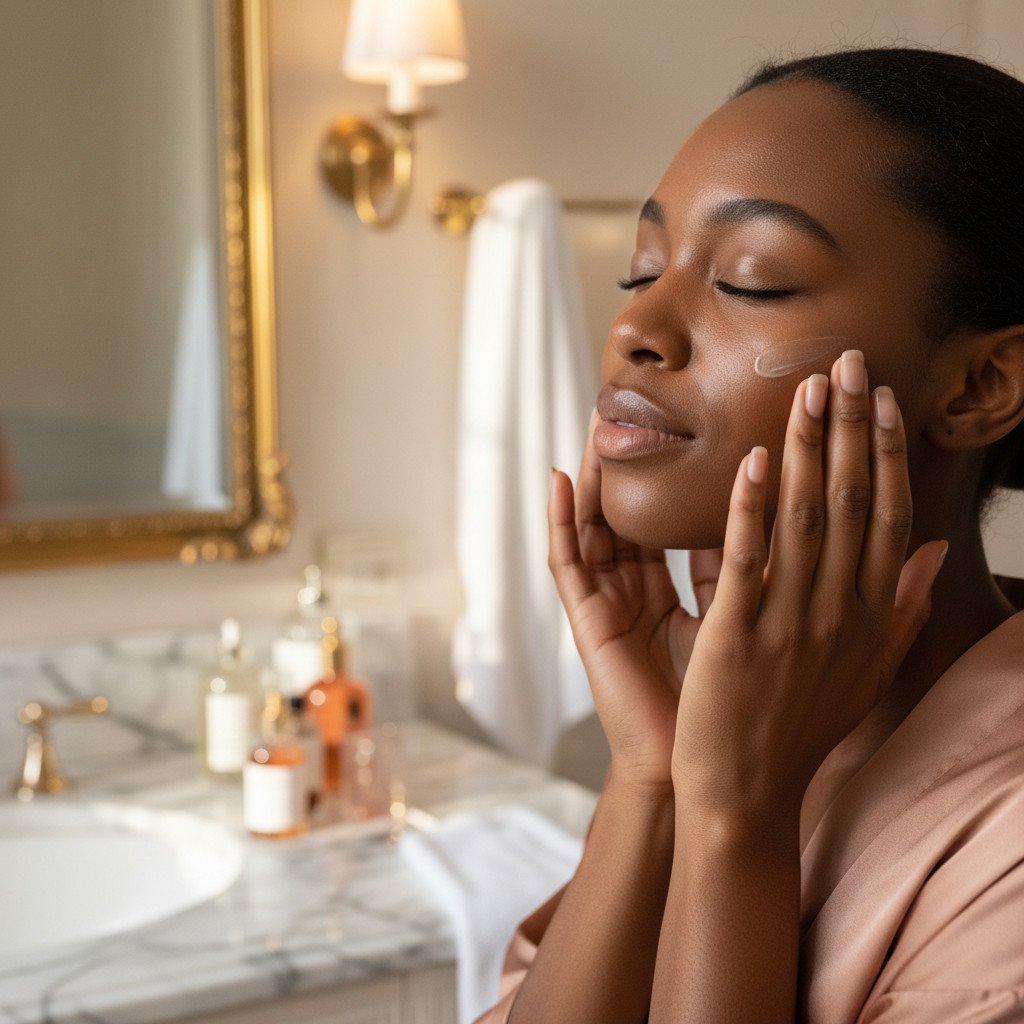
Why Sunscreen Is Central to Preventing Seasonal Hyperpigmentation
For Black women, the conversation around sunscreen often comes with a unique set of considerations. We’ve often been told, or have observed, that our skin doesn’t burn easily. While this is true to an extent—melanin does offer inherent protection against UVB rays that cause sunburn—it’s a dangerous misconception to believe that sunscreen is therefore optional. For melanin-rich skin, sunscreen isn’t primarily about preventing a visible burn; it’s about preventing the invisible damage that leads to hyperpigmentation and premature aging.
UV radiation, both UVA and UVB, is a powerful trigger for melanocytes, the cells responsible for producing melanin. When these cells are stimulated by UV exposure, they go into overdrive, leading to an overproduction of pigment. This is precisely why existing dark marks can deepen and become more stubborn after sun exposure, and why new spots can appear even from seemingly minor irritations if the skin isn’t protected. This process happens regardless of whether you visibly “burn.” Consistent daily SPF use acts as a critical barrier, shielding your skin from this pigment-stimulating effect.
Many of us become less consistent with sunscreen in cooler months, assuming the sun isn’t as strong, or when we spend more time indoors. However, UVA rays, which are largely responsible for hyperpigmentation and photoaging, penetrate clouds and glass. This means that even on a cloudy winter day, or while sitting by a window in your home or office, your skin is still exposed to pigment-triggering radiation. By making sunscreen a non-negotiable, year-round habit, you are actively preventing the deepening of existing marks and reducing the likelihood of new ones forming. It allows any brightening efforts you undertake to be truly effective, as you’re not constantly undermining them with unprotected exposure. For a deeper dive into choosing the right protection, explore our guide on sunscreen for dark skin. You can also browse options for sunscreens that leave no white cast on Amazon.
Winter, Dryness, and Dark Marks
Winter, with its crisp, cold air and cozy indoor heating, often brings a unique set of challenges for melanin-rich skin, significantly contributing to hyperpigmentation. The primary culprit is dryness. Cold air holds less moisture, and indoor heating systems further strip the air of humidity, creating an environment that actively dehydrates the skin. This lack of moisture compromises the skin’s natural barrier, making it more fragile and susceptible to irritation.
When the skin barrier is weakened, it becomes less effective at protecting against environmental aggressors and retaining essential hydration. This leads to a cascade of issues: skin can feel tight, flaky, itchy, and become more reactive. Even minor friction from scarves, hats, or heavier clothing can cause enough irritation on a compromised barrier to trigger an inflammatory response. And as we consistently emphasize, any inflammation on melanin-rich skin is a direct signal for melanocytes to produce more pigment, resulting in new dark spots or the darkening of existing ones.
Furthermore, the dullness that often accompanies dry winter skin can make existing hyperpigmentation appear more pronounced. The lack of hydration can also slow down the natural cell turnover process, meaning that dark marks take even longer to fade. Over-cleansing in an attempt to combat perceived dullness, or using harsh products to “brighten,” can further exacerbate this dryness and irritation, trapping the skin in a cycle of barrier damage and increased hyperpigmentation. To navigate these challenges effectively, it’s essential to adapt your routine to support your skin’s needs during this season. For detailed guidance, refer to our comprehensive article on winter skincare routines for dry, cold weather.
Humid Heat, Sweat, and Pigment Triggers
While winter brings dryness, summer’s humid heat presents its own distinct set of challenges for melanin-rich skin, often leading to increased hyperpigmentation. The combination of high temperatures and elevated humidity can significantly impact skin behavior, creating an environment ripe for pigment triggers.
Increased sweat and oil production are hallmarks of humid weather. While sweat helps cool the body, it can mix with sebum and environmental pollutants, leading to clogged pores. This congestion, especially when combined with friction from clothing or towels, can easily result in breakouts—from small bumps to full-blown acne. Each of these inflammatory lesions, regardless of its size, carries a high risk of leaving behind a lingering dark mark on melanin-rich skin, known as post-inflammatory hyperpigmentation (PIH).
Moreover, the intense UV exposure that often accompanies summer months is a major factor. Even if you don’t experience a visible sunburn, the increased sun intensity directly stimulates melanocytes, causing existing dark spots to deepen and new ones to form more readily. The temptation to cleanse more frequently or use harsher products to combat oiliness can also backfire, leading to barrier disruption and further irritation, which then perpetuates the cycle of hyperpigmentation. Managing these factors requires a strategic approach to keep skin calm, clear, and protected. For more tailored advice on navigating the warmer months, consult our guide on summer skincare for melanin-rich skin in humid climates.
Hot, Dry Climates and Irritation-Driven Pigmentation
Living in or traveling through hot, dry climates presents a unique set of environmental stressors that can significantly exacerbate hyperpigmentation on melanin-rich skin. Unlike humid conditions that might lead to congestion, dry heat primarily challenges the skin through dehydration and increased vulnerability to irritation.
In these environments, the air’s extremely low humidity actively draws moisture from the skin, leading to rapid dehydration. This continuous moisture loss compromises the skin’s natural barrier function, making it feel tight, rough, and less resilient. A weakened barrier is more susceptible to damage from external factors like strong winds, dust, and even minor friction. Each of these micro-aggressions can trigger an inflammatory response within the skin. For melanin-rich complexions, any inflammation, no matter how subtle, is a direct signal to melanocytes to produce more pigment, resulting in new dark spots or the darkening of existing ones.
Furthermore, hot, dry climates often come with intense, unfiltered sun exposure. Even though the air might feel dry, the UV index can be very high, stimulating melanin production and making existing hyperpigmentation more stubborn. The combination of dehydration, barrier compromise, and strong UV radiation creates a perfect storm for irritation-driven hyperpigmentation. It’s a scenario where the skin is constantly fighting to maintain its integrity, and any slight disturbance can leave a lasting mark. Adapting your skincare to counteract these specific stressors is key to maintaining an even, protected complexion. Our article on skincare for hot, dry climates on dark skin offers further insights into managing these conditions.
Indoor Heating, AC, and Quiet Hyperpigmentation Triggers
While we often focus on outdoor environmental factors, the air within our homes and workplaces can be just as significant a trigger for hyperpigmentation, especially for melanin-rich skin. Indoor heating in winter and air conditioning in summer both operate by altering air temperature and, crucially, humidity levels. Both systems tend to create environments with very low humidity, which can quietly contribute to skin barrier compromise and, subsequently, hyperpigmentation.
In winter, indoor heating systems blast dry, warm air, effectively stripping the moisture from your skin. This constant exposure to low humidity leads to dehydration, making the skin feel tight, dry, and often itchy. When the skin is dehydrated, its barrier function is impaired, leaving it more vulnerable to irritation. This irritation, even if it’s not overtly visible as redness, can still trigger an inflammatory response in melanin-rich skin, prompting melanocytes to produce more pigment. Over time, this quiet, persistent irritation can manifest as a general dullness, uneven tone, or the slow deepening of existing dark marks.
Similarly, air conditioning in summer, while providing welcome relief from heat, also dehumidifies the air. Prolonged exposure to AC can lead to similar issues of dehydration and barrier compromise. The skin becomes more fragile and reactive, making it more susceptible to pigment-triggering inflammation from even minor stressors. These indoor environmental factors are insidious because they are often overlooked. We might diligently apply sunscreen outdoors but forget that our skin is still under stress from the air inside. Recognizing these quiet triggers is essential for a truly holistic approach to preventing seasonal hyperpigmentation. For more strategies on mitigating these effects, consider reading our advice on how indoor heating and AC affect dark skin.
Seasonal Transitions and Why Marks Can Seem to Appear All at Once
The periods between seasons—spring and autumn—are often characterized by fluctuating weather patterns. One day might be warm and sunny, the next cool and damp, or even windy and dry. These rapid shifts create an environment of instability that can be particularly challenging for melanin-rich skin, often leading to a noticeable increase in hyperpigmentation that seems to appear “all at once.”
This instability impacts the skin in several ways. Firstly, the unpredictable weather can make it difficult to maintain consistent skincare habits. You might switch from a richer winter moisturizer to a lighter summer one too quickly, or vice versa, shocking the skin. Secondly, fluctuating temperatures and humidity levels can stress the skin barrier. As the skin tries to adapt, its protective function can be compromised, making it more prone to irritation and inflammation. For instance, a sudden drop in humidity can cause dryness, while an unexpected spike can lead to increased oiliness and potential breakouts.
Breakouts are a common issue during seasonal transitions. As the skin adjusts to new environmental conditions, it can react with increased sensitivity or congestion, leading to pimples or small bumps. Each of these breakouts carries a high risk of leaving behind a dark mark. Furthermore, inconsistent SPF habits often play a role. We might be diligent with sunscreen in peak summer but become lax in spring or fall, underestimating the UV exposure on those “mild” or cloudy days. This cumulative, unprotected exposure allows existing marks to deepen and new ones to form more readily.
The perceived “sudden” appearance of marks is often the culmination of these subtle, cumulative stressors. The skin has been silently reacting to the instability, and the pigment response, which takes time to develop, becomes visible after a period of unchecked triggers. Understanding these transition periods as critical times for proactive care is essential. To help your skin navigate these changes smoothly, refer to our guidance on transition routines between seasons for melanin-rich skin.
Morning Routine for Preventing Seasonal Hyperpigmentation
Your morning skincare routine is your skin’s first line of defense against the day’s environmental stressors. For preventing seasonal hyperpigmentation, this routine should focus on gentle cleansing, robust hydration, and, most critically, consistent protection. It’s about setting your skin up for success, minimizing opportunities for irritation and pigment triggers before they even begin.
Cleanse according to the season, not on autopilot
While gentle cleansing is always paramount, the specific approach can subtly shift with the seasons. In the morning, you might find that a full cleanse isn’t always necessary, especially if you’ve cleansed thoroughly the night before. In drier, colder months, a simple rinse with lukewarm water might be sufficient to refresh your skin without stripping it further. If you do cleanse, opt for a very mild, hydrating cleanser. During warmer, more humid periods, or if you’re prone to oiliness overnight, a gentle gel or foam cleanser can help remove excess sebum without over-drying. The key is to listen to your skin and avoid aggressive cleansing that can compromise your barrier and trigger inflammation. This mindful approach ensures that your skin starts the day calm and receptive, rather than already stressed.
Use hydration and moisture to lower irritation risk
After cleansing, replenishing hydration and moisture is crucial for building resilience against seasonal triggers. Start with a hydrating serum containing ingredients like hyaluronic acid, glycerin, or polyglutamic acid. These humectants draw moisture into the skin, plumping it up and improving its barrier function. Follow this with a moisturizer appropriate for the season and your skin type. In humid climates, a lightweight lotion or gel-cream might be enough to seal in hydration without feeling heavy. In dry or cold conditions, a richer cream with ceramides, fatty acids, and cholesterol will provide a more robust barrier, protecting against moisture loss and environmental irritants. Well-hydrated and moisturized skin is less reactive to temperature changes, wind, and dry air, significantly lowering the risk of irritation that can lead to hyperpigmentation. This step is about fortifying your skin’s natural defenses.
Finish with sunscreen every day
This step is non-negotiable and the most critical component of your morning routine for preventing seasonal hyperpigmentation. Every single day, regardless of the weather, whether you’re indoors or out, apply a broad-spectrum sunscreen with an SPF of 30 or higher. For melanin-rich skin, choose a formula that blends seamlessly without leaving a white cast. Mineral sunscreens (zinc oxide, titanium dioxide) are often gentle and effective, while chemical sunscreens can offer elegant textures. Sunscreen acts as your primary shield against UV radiation, which is the leading external trigger for melanin production and the darkening of existing dark marks. Even on cloudy days or in winter, UVA rays are present and contribute to hyperpigmentation. By consistently applying sunscreen, you are actively preventing the deepening of existing marks and reducing the likelihood of new ones forming, allowing your skin to maintain its even tone and clarity throughout the year. This consistent protection is key to long-term pigment prevention.
Evening Routine for Protecting Tone and Barrier Health
Your evening routine is a vital opportunity to address the day’s environmental stressors, repair the skin barrier, and introduce targeted treatments that support an even tone, all while minimizing the risk of irritation. It’s about helping your skin recover and prepare for the next day, ensuring that any active ingredients are used thoughtfully to prevent, rather than create, hyperpigmentation.
Remove buildup gently
The first step in your evening routine is to thoroughly, yet gently, remove all traces of sunscreen, makeup, pollutants, and daily grime. This is crucial because leaving these on can clog pores, lead to breakouts, and contribute to irritation—all precursors to hyperpigmentation. Consider a double cleanse: start with an oil-based cleanser or micellar water to dissolve oil-soluble impurities, followed by a gentle, hydrating water-based cleanser to remove any remaining residue. This method ensures a deep clean without stripping the skin. Avoid harsh scrubbing or abrasive exfoliants at this stage, as physical irritation can easily trigger an inflammatory response in melanin-rich skin. The goal is to create a clean canvas that is calm and ready to receive treatment, not one that is already compromised.
Use brightening and treatment steps thoughtfully
The evening is often the best time to incorporate targeted treatments for hyperpigmentation, but thoughtfulness is key. Instead of layering multiple strong actives, focus on one or two well-tolerated ingredients. Niacinamide is an excellent choice for melanin-rich skin as it helps reduce inflammation, strengthens the skin barrier, and interferes with the transfer of melanin to skin cells, thereby reducing the appearance of dark spots. You can check current prices for niacinamide serums on Amazon. Other options include gentle retinoids (start with a low concentration and use sparingly), vitamin C, or alpha arbutin. Introduce new actives slowly, one at a time, to gauge your skin’s reaction. Avoid using strong exfoliants or multiple actives on the same night, especially if your skin is prone to sensitivity or seasonal dryness. The goal is consistent, gentle progress, not aggressive correction that risks further irritation and subsequent PIH.
Help skin recover overnight
After your treatment steps, it’s essential to provide your skin with ample moisture and nourishment to support its overnight recovery processes. Apply a rich, occlusive moisturizer, especially in drier seasons, to lock in hydration and reinforce the skin barrier. Look for ingredients like ceramides, cholesterol, fatty acids, and shea butter. These components mimic your skin’s natural lipid structure, helping to repair and strengthen its protective shield. In more humid conditions, a slightly lighter but still nourishing cream might be preferred. Overnight, your skin is in repair mode, and providing it with a supportive, hydrating environment allows it to regenerate, reduce inflammation, and heal from the day’s stressors. This consistent nightly care helps prevent the subtle irritations that can accumulate and eventually manifest as seasonal hyperpigmentation, ensuring your skin wakes up calmer and more resilient.
Breakouts, Sensitive Skin, and PIH Risk
For melanin-rich skin, breakouts are rarely just a temporary nuisance; they are often a direct precursor to post-inflammatory hyperpigmentation (PIH). Whether it’s a deep cystic lesion, a cluster of small bumps, or even a minor irritation, any form of inflammation in the skin can trigger an overproduction of melanin, leaving behind a dark mark that can linger for months or even years. This heightened risk is a critical consideration for anyone managing acne or sensitive skin.
Sensitive skin, by its very nature, is more prone to inflammation from various triggers—environmental aggressors, harsh products, or even internal factors. When sensitive skin reacts, it often does so with redness, itching, or small bumps, all of which can lead to PIH. The challenge is that these reactions might not be as overtly red on deeper skin tones, making it harder to recognize the inflammation before the dark mark appears.
Furthermore, the temptation to pick, squeeze, or aggressively treat breakouts can significantly worsen the PIH. Physical manipulation introduces more trauma and inflammation to the area, intensifying the melanin response and prolonging the healing time. Using harsh acne treatments that over-dry or irritate the skin can also compromise the skin barrier, making it more susceptible to further breakouts and, consequently, more PIH. The key to managing breakouts and sensitive skin on melanin-rich complexions is a gentle, consistent approach that focuses on reducing inflammation, supporting barrier health, and treating active lesions without causing further irritation. For a more in-depth understanding of these challenges and tailored solutions, explore our article on acne and sensitive skin in Black women.
The Best Texture Types for Pigment-Prone Skin Through the Seasons
When preventing seasonal hyperpigmentation, the texture of your skincare products can be just as important as the ingredients themselves. The right texture ensures comfort, encourages consistency, and supports your skin barrier without causing congestion or irritation. Adapting product textures to the season is a subtle yet powerful way to maintain skin health and prevent dark marks.
Gentle Cleansers: Regardless of the season, opt for creamy, milky, or gel-to-oil cleansers that don’t strip the skin. In winter, a creamier cleanser might feel more comforting, while in summer, a light gel cleanser can cut through oil and sweat without over-drying. The key is to avoid anything that leaves your skin feeling tight or “squeaky clean.”
Hydrating Serums: These are year-round staples. Look for lightweight, watery, or gel-like textures that absorb quickly. Ingredients like hyaluronic acid, glycerin, and polyglutamic acid are excellent. These textures layer beautifully under other products and provide essential hydration without feeling heavy, crucial for keeping skin calm and resilient.
Moisturizers: This is where seasonal adaptation is most evident. In humid summers, a lightweight, non-comedogenic lotion or a gel-cream will provide adequate moisture without contributing to congestion. As the air becomes drier in fall and winter, transition to richer creams or balms that contain occlusive ingredients to prevent moisture loss and reinforce the barrier. Look for textures that feel protective but not suffocating.
Wearable Sunscreens: The best sunscreen is the one you’ll use consistently. For melanin-rich skin, this means formulas that blend seamlessly without a white cast. Many brands now offer elegant, lightweight fluid or serum-like sunscreens that feel comfortable year-round. In summer, you might prefer a matte finish, while in winter, a slightly dewy finish can be welcome. The texture should encourage daily application, making it feel like a natural extension of your routine, not a chore.
Ultimately, preventive care often depends more on finding textures that feel comfortable and allow for consistent use than on having the “strongest” product. When products feel good on your skin, you’re more likely to use them regularly, and that consistency is what truly protects against seasonal hyperpigmentation.
Common Mistakes That Make Seasonal Hyperpigmentation Worse
Even with the best intentions, certain skincare habits can inadvertently exacerbate seasonal hyperpigmentation on melanin-rich skin. Recognizing these common pitfalls is the first step toward breaking the cycle and fostering a consistently even complexion.
- Skipping sunscreen because deeper skin “doesn’t burn”: This is perhaps the most pervasive and damaging misconception. While melanin offers some natural protection, it doesn’t block all UV rays, especially UVA, which are major triggers for hyperpigmentation year-round.
- Over-exfoliating to fade marks faster: The desire for quick results can lead to excessive use of chemical or physical exfoliants. This often irritates the skin, compromises the barrier, and triggers more inflammation, leading to new or darker PIH.
- Treating dryness and irritation like minor issues: Tight, flaky, or itchy skin signals a compromised barrier. Ignoring these signs and not adjusting your routine to provide more hydration and moisture will perpetuate inflammation, a direct pathway to hyperpigmentation.
- Changing too many products when the weather shifts: Drastically overhauling your routine with every seasonal change can shock the skin, leading to sensitivity, breakouts, and barrier disruption, all of which can trigger dark marks.
- Picking at breakouts or rough texture: Any physical manipulation of the skin, especially breakouts, introduces trauma and inflammation, significantly increasing the likelihood and severity of post-inflammatory hyperpigmentation.
- Using harsh acne routines that create more PIH: Aggressive acne treatments that strip the skin or cause excessive dryness can lead to more irritation and barrier damage, ultimately resulting in more persistent dark marks than the initial breakout.
- Becoming inconsistent once marks start to fade: Hyperpigmentation management is a marathon, not a sprint. Stopping preventive measures (like sunscreen) or treatment steps once marks begin to lighten can lead to a quick recurrence or deepening of spots.
Prevention Routine vs Correction-Only Routine
The approach to hyperpigmentation can fundamentally change the long-term health and appearance of melanin-rich skin. There’s a significant difference between a proactive, pigment-conscious prevention routine and a reactive, correction-only routine. Understanding this distinction can empower you to make choices that lead to lasting clarity and resilience.
| Aspect | Prevention-Focused Routine | Correction-Only Routine |
|---|---|---|
| Cleansing | Gentle, hydrating, pH-balanced. Adapts to seasonal needs (e.g., creamier in winter). Focuses on removing impurities without stripping. | Often harsh, stripping cleansers used to “deep clean” or “brighten,” potentially causing irritation. |
| Barrier Support | Prioritized daily with ceramides, fatty acids, humectants. Moisturizers chosen to match seasonal needs for robust barrier function. | Overlooked or compromised by aggressive treatments. Barrier repair only considered after visible damage occurs. |
| Sunscreen Consistency | Daily, year-round, broad-spectrum SPF 30+. Seen as non-negotiable for all seasons and indoor exposure. | Used inconsistently, primarily in summer or only when outdoors. Often skipped in cooler months or indoors. |
| Breakout Management | Gentle, anti-inflammatory treatments. Focus on preventing new breakouts and healing existing ones without irritation to minimize PIH. | Aggressive spot treatments, picking, or harsh acne systems that can worsen inflammation and lead to more severe PIH. |
| Treatment Intensity | Thoughtful, gradual introduction of actives (e.g., niacinamide, gentle retinoids). Focus on consistent, long-term improvement with minimal irritation. | High concentration, multiple active ingredients used simultaneously to “fade fast,” often leading to sensitivity and rebound hyperpigmentation. |
| Routine Stability | Consistent core routine with minor seasonal adjustments. Avoids drastic changes to prevent shocking the skin. | Frequent product switching or overhauls in response to new marks or seasonal changes, creating instability. |
| Skin’s Long-Term Look | Consistently calmer, more even-toned, resilient, and less prone to persistent dark marks. Marks that do appear fade more quickly. | Prone to cycles of breakouts, irritation, and stubborn dark marks. Skin may appear reactive, dull, or perpetually trying to “catch up.” |
A prevention-focused routine understands that every instance of inflammation is a potential dark mark for melanin-rich skin. It prioritizes nurturing the skin’s natural defenses, leading to a more stable, radiant, and even complexion over time. A correction-only approach, while sometimes necessary for existing marks, often inadvertently creates new ones by stressing the skin, leading to a frustrating cycle of chasing and fading.
How to Navigate This Topic
This article serves as a foundational guide within our Seasonal Routines: Summer, Winter & Climate-Specific cluster, offering a broad understanding of how seasonal changes can trigger hyperpigmentation on melanin-rich skin. We’ve explored the common threads that link environmental shifts to dark marks, emphasizing prevention over correction.
To deepen your understanding and tailor your approach, consider exploring the sibling articles within this cluster based on your specific climate or concerns. If your primary challenge is battling dryness and dullness during colder months, our guide on winter skincare routines for dry, cold weather will provide detailed strategies. For those navigating the challenges of increased humidity, sweat, and congestion, our article on summer skincare for melanin-rich skin in humid climates offers targeted advice. If you reside in or frequently experience hot, arid conditions, you’ll find invaluable insights in our piece on skincare for hot, dry climates on dark skin. Additionally, understanding the subtle impact of indoor environments is key, so our article on how indoor heating and AC affect dark skin is a must-read. Finally, for navigating the unpredictable shifts between seasons, our guide on transition routines between seasons for melanin-rich skin will help you maintain stability. These resources, along with our broader skincare for Black women pillar, are here to support your journey towards a consistently radiant and even complexion.
Quick Principles for Preventing Seasonal Hyperpigmentation
To distill the essence of preventing seasonal hyperpigmentation on melanin-rich skin, here are some concise, actionable principles to guide your approach:
- Prevention matters more than panic correction: Focus on minimizing triggers rather than aggressively fading marks after they appear.
- Daily sunscreen is part of dark mark prevention: Consistent, year-round SPF is non-negotiable, even on cloudy days or indoors.
- Irritation is one of the fastest ways to worsen uneven tone on dark skin: Prioritize gentle care and a strong skin barrier above all else.
- Seasonal dryness and indoor air can still trigger pigment issues: Don’t underestimate the impact of low humidity on your skin’s reactivity.
- Over-exfoliation often creates the problem it is trying to solve: Aggressive treatments can lead to more inflammation and subsequent hyperpigmentation.
- Stable routines protect melanin-rich skin better than routine chaos: Consistency and thoughtful adjustments are more effective than drastic overhauls.
- Melanin-rich skin often shows seasonal stress through tone and texture shifts first: Learn to “read” your skin’s subtle signals before dark marks become prominent.
Frequently Asked Questions
What causes seasonal hyperpigmentation in dark skin?
Seasonal hyperpigmentation in dark skin is primarily caused by increased inflammation and melanin production triggered by environmental factors. This includes heightened UV exposure in warmer months, dryness and barrier compromise from cold air and indoor heating in winter, and general irritation from fluctuating weather, friction, or breakouts that are more common during seasonal transitions.
Why do my dark marks get worse in winter or summer?
In summer, increased UV exposure stimulates melanocytes, making existing marks darker and new ones more likely, especially with increased sweat and potential breakouts. In winter, dry air and indoor heating compromise the skin barrier, leading to irritation and inflammation, which then triggers melanin overproduction and makes marks more prominent due to dullness and slower cell turnover.
Do Black women need sunscreen every day to prevent dark spots?
Yes, absolutely. While melanin offers some natural sun protection, it does not block all UV radiation, particularly UVA rays which are present year-round and penetrate clouds and glass. Daily, consistent use of a broad-spectrum SPF 30+ sunscreen is crucial for preventing existing dark marks from deepening and new ones from forming, regardless of the season or whether you visibly burn.
Can dry skin and irritation cause hyperpigmentation?
Yes, dry skin and irritation are significant causes of hyperpigmentation in melanin-rich skin. When the skin is dry, its protective barrier is compromised, making it more susceptible to irritation from environmental factors or even mild products. Any irritation or inflammation, no matter how subtle, can trigger melanocytes to produce excess pigment, leading to post-inflammatory hyperpigmentation.
How can I prevent acne marks from lingering during seasonal changes?
To prevent acne marks from lingering, focus on gentle, anti-inflammatory acne treatments that don’t over-dry or irritate your skin. Avoid picking or squeezing breakouts, and ensure consistent daily sunscreen use. Support your skin barrier with hydrating and moisturizing products, and adapt your routine to seasonal changes to minimize breakouts caused by humidity or dryness.
Should I exfoliate more when my dark marks look worse?
No, over-exfoliating when dark marks look worse can be counterproductive. Aggressive exfoliation often irritates melanin-rich skin, leading to more inflammation and potentially worsening hyperpigmentation. Instead, focus on gentle, consistent exfoliation (if tolerated), prioritize barrier support, and use targeted brightening ingredients thoughtfully to avoid further irritation.
What ingredients help support a preventive routine without overdoing it?
Key ingredients for a preventive routine include broad-spectrum sunscreen (zinc oxide, titanium dioxide, chemical filters), niacinamide for barrier support and pigment inhibition, hydrating humectants (hyaluronic acid, glycerin), and barrier-repairing lipids (ceramides, fatty acids). Gentle antioxidants like Vitamin C can also offer protection. The focus is on consistency and gentleness, not intensity.
Final Thoughts
Navigating the nuances of seasonal hyperpigmentation on melanin-rich skin can feel like a constant puzzle, but it doesn’t have to be a source of endless frustration. Our journey at Black Beauty Basics is rooted in the understanding that your skin is resilient, intelligent, and deeply deserving of care that honors its unique needs. Preventing seasonal hyperpigmentation isn’t about achieving an impossible standard of perfection or trying to control every single environmental factor. It’s about cultivating a relationship with your skin that is built on understanding, protection, and gentle nourishment.
The real goal is to foster skin that feels supported, protected, and less likely to spiral into cycles of irritation, breakouts, uneven tone, or lingering dark marks. By focusing on barrier health, consistent sun protection, and thoughtful, adaptable routines, you empower your skin to thrive through every season. This approach moves beyond the quick fix, offering you the confidence that comes from a truly healthy, radiant complexion. We encourage you to explore the other articles within our Seasonal Routines: Summer, Winter & Climate-Specific cluster and our broader skincare for Black women pillar, as you continue to build a routine that celebrates and protects your beautiful, melanin-rich skin.
INTERNAL LINKING OPPORTUNITIES
- https://blackbeautybasics.com/skincare-for-black-women/seasonal-routines-summer-winter-climate-specific/
- https://blackbeautybasics.com/skincare-for-black-women/
- https://blackbeautybasics.com/skincare-for-black-women/seasonal-routines-summer-winter-climate-specific/winter-skincare-routines-for-dry-cold-weather/
- https://blackbeautybasics.com/skincare-for-black-women/seasonal-routines-summer-winter-climate-specific/summer-skincare-for-melanin-rich-skin-in-humid-climates/
- https://blackbeautybasics.com/skincare-for-black-women/seasonal-routines-summer-winter-climate-specific/skincare-for-hot-dry-climates-on-dark-skin/
- https://blackbeautybasics.com/skincare-for-black-women/seasonal-routines-summer-winter-climate-specific/transition-routines-between-seasons-for-melanin-rich-skin/
- https://blackbeautybasics.com/skincare-for-black-women/seasonal-routines-summer-winter-climate-specific/how-indoor-heating-and-ac-affect-dark-skin/
- https://blackbeautybasics.com/sunscreen-for-dark-skin/
- https://blackbeautybasics.com/acne-and-sensitive-skin-in-black-women/
Related next steps
Related posts:
 Smooth Confidence: The Definitive Guide to Treating and Preventing Razor Bumps and Dark Spots on Melanin-Rich Skin
 The Role of Antioxidant-Rich Skincare Products in Preventing Premature Aging in Darker Skin Tones
 The Role of Antioxidant-Rich Skincare Products in Preventing Premature Aging in Darker Skin Tones
 Catamenial Hyperpigmentation & Dark-Spot Flares on Dark Skin
 Pregnancy Skin Changes on Dark Skin: Hyperpigmentation, Melasma, and Linea Nigra
 Hair Removal, Friction, and Body Hyperpigmentation on Dark Skin