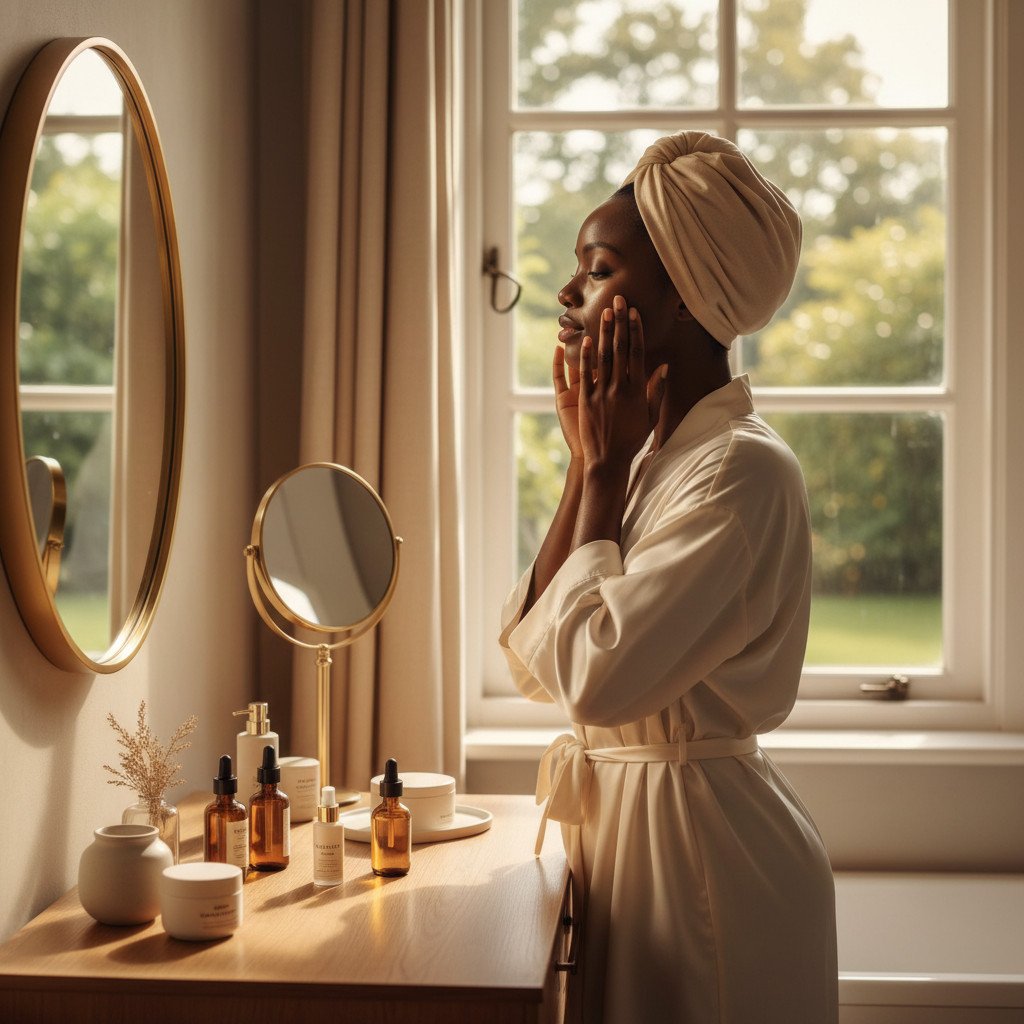
Combatting Post-Inflammatory Hyperpigmentation Through Routine Design
It’s a familiar, deeply frustrating cycle for so many of us: a breakout appears, or perhaps a patch of irritation, and just when you think the worst is over, it leaves behind a dark mark. These aren’t just temporary blemishes; they are post-inflammatory hyperpigmentation (PIH), stubborn reminders that can linger for months, sometimes even years, on melanin-rich skin. This experience can feel disheartening, like your skin is betraying you, healing in a way that leaves new challenges in its wake. But what if the very structure of your daily skincare could be a powerful ally, not just in treating these marks, but in preventing them from forming in the first place?
The truth is, for Black women and others with melanin-rich skin, PIH isn’t merely a cosmetic concern; it’s a profound reflection of how our skin responds to inflammation and trauma. Our melanocytes, the cells responsible for producing pigment, are highly reactive. When they sense danger—whether it’s from a pimple, a scratch, or even harsh skincare products—they go into overdrive, depositing extra melanin as a protective response. This means that every step in your skincare routine, from cleansing to moisturizing, and especially how you manage breakouts and irritation, holds the potential to either protect your skin from repeated pigment triggers or, inadvertently, keep recreating them.
This article isn’t about quick fixes or aggressive treatments that often do more harm than good for our skin. Instead, we’ll delve into the art and science of routine design, exploring how a thoughtful, consistent, and barrier-supportive approach can be your most effective strategy against PIH. We’ll emphasize prevention, gentle consistency, and robust barrier support, moving away from the notion that more aggressive correction is always better. By understanding how your routine influences your skin’s inflammatory response, you can cultivate a regimen that fosters healing, protects your radiant tone, and ultimately empowers your skin to thrive. For a deeper dive into crafting routines tailored to specific goals, explore our comprehensive guide on Routine Design for Different Goals. This understanding is foundational to all effective skincare for melanin-rich skin, forming a crucial part of our broader mission to provide culturally authentic, education-first beauty content for Black women, as detailed in our main Skincare for Black Women pillar.
What This Post Covers
In this comprehensive guide, we will unpack the intricate relationship between your daily skincare habits and the development and persistence of post-inflammatory hyperpigmentation on melanin-rich skin. We’ll begin by exploring the fundamental reasons why PIH is so deeply intertwined with routine structure, highlighting key triggers such as inflammation, breakouts, and irritation. From there, we will outline the core goals of a PIH-aware skincare regimen, emphasizing prevention, barrier integrity, and gentle, consistent care.
We will then meticulously break down both morning and evening routines, detailing product types, application techniques, and strategic choices designed to prevent new dark marks and gently fade existing ones. Special attention will be given to managing breakouts and irritation, understanding how these common skin concerns can perpetuate the dark-mark cycle. We’ll discuss the critical role of patience and restraint in treatment, the non-negotiable necessity of daily sunscreen, and how addressing underlying acne and sensitivity can significantly impact PIH prevention.
Furthermore, we will expose common routine mistakes that inadvertently prolong or worsen PIH, providing clear guidance on what to avoid. We’ll offer practical, realistic PIH-aware routine examples tailored to different skin patterns, such as sensitive, acne-prone, or oily skin, and present a clear comparison between PIH-aware routines and those that might unwittingly contribute to irritation. Finally, we’ll provide actionable principles for designing your own effective routine, answer frequently asked questions, and offer encouraging final thoughts to empower you on your journey to radiant, even-toned skin.
Why PIH Is So Tied to Routine Structure on Dark Skin
For melanin-rich skin, the journey to even tone is often punctuated by the challenge of post-inflammatory hyperpigmentation (PIH). This isn’t just a random occurrence; it’s a direct, often exaggerated, response to inflammation or injury. Our skin’s melanocytes are exquisitely sensitive, and any perceived threat can trigger them to produce excess melanin, leading to those persistent dark spots. Understanding *why* PIH is so intrinsically linked to our daily skincare routine is the first step toward effective prevention and management.
Inflammation: The Root Cause of Dark Marks
At its core, PIH is a direct consequence of inflammation. Whether it’s from a pimple, a scratch, a bug bite, or even an aggressive skincare treatment, any inflammatory process signals to our melanocytes that damage has occurred. In response, they produce and deposit more melanin than usual in the affected area, leading to a dark spot once the initial inflammation subsides. For Black skin, this response is often more pronounced and the resulting hyperpigmentation more stubborn. Therefore, a routine that minimizes inflammation is paramount. This means avoiding harsh ingredients, aggressive scrubbing, and anything that compromises the skin’s natural barrier, which is its primary defense against irritants.
Breakouts: A Common Precursor to PIH
Breakouts are perhaps the most common trigger for PIH on melanin-rich skin. Every pimple, cyst, or pustule represents a localized inflammatory event. As the body works to heal the blemish, the surrounding skin often experiences an overproduction of melanin. This is why even a small breakout can leave a significant dark mark that lasts far longer than the pimple itself. A PIH-aware routine must, therefore, include strategies for managing breakouts gently and effectively, without creating *more* inflammation in the process. This involves using non-comedogenic products, incorporating gentle exfoliation, and addressing bacterial overgrowth without stripping the skin.
Irritation: The Silent PIH Trigger
Beyond obvious breakouts, subtle irritation can also be a significant contributor to PIH. This might come from using products that are too strong, applying too many active ingredients at once, or even physical friction from towels or facial brushes. When the skin’s barrier is compromised, it becomes more vulnerable to environmental aggressors and more prone to an inflammatory response. Signs of irritation might include redness (though often less visible on darker skin), stinging, itching, or excessive dryness. A skincare routine that consistently causes these symptoms is inadvertently fueling the PIH cycle. Prioritizing soothing, barrier-repairing ingredients is crucial to calm the skin and prevent this type of pigmentary response.
Picking and Squeezing: The Self-Inflicted Cycle
This is perhaps one of the most direct ways we contribute to our own PIH. The urge to pick, pop, or squeeze a blemish is powerful, but it’s also one of the most damaging actions for melanin-rich skin. Manual manipulation of breakouts introduces bacteria, pushes inflammation deeper into the skin, and physically traumatizes the tissue. This trauma inevitably leads to a more intense inflammatory response and, consequently, a darker, more persistent PIH mark. A PIH-aware routine extends beyond products to include mindful habits, emphasizing a “hands-off” approach to blemishes and allowing them to heal naturally or with gentle, targeted treatments.
Over-Cleansing: Stripping the Skin’s Defenses
While proper cleansing is essential, over-cleansing or using harsh cleansers can severely compromise the skin barrier. Stripping the skin of its natural oils and disrupting its delicate pH balance leaves it vulnerable, irritated, and more susceptible to inflammation. This, in turn, can trigger melanocytes to produce excess pigment. Many believe that a “squeaky clean” feeling is a sign of effective cleansing, but for melanin-rich skin prone to PIH, it’s often a red flag. A gentle, hydrating cleanser that respects the skin’s barrier is a cornerstone of any PIH-preventative routine. You can explore gentle cleanser options on Amazon that are formulated to be kind to melanin-rich skin.
Inconsistent Sunscreen: Allowing Marks to Darken and Linger
Perhaps the most critical, yet often overlooked, aspect of PIH management is consistent sunscreen use. UV radiation is a powerful melanocyte stimulant. Even if you’re diligently using pigment-reducing ingredients, skipping sunscreen means that existing PIH marks will darken, new ones will form more easily, and the fading process will be significantly prolonged. Sunscreen doesn’t just prevent new damage; it actively helps existing dark marks to fade by protecting them from further darkening. Its role in a PIH-aware routine is non-negotiable, acting as a protective shield against the very factor that can make PIH so stubborn.
By understanding these interconnected factors, we begin to see that designing a routine for PIH isn’t just about adding “brightening” ingredients. It’s about a holistic approach that prioritizes gentle care, inflammation reduction, barrier support, and consistent protection at every turn.
The Core Goals of a PIH-Aware Routine
Designing a skincare routine specifically to address and prevent post-inflammatory hyperpigmentation on melanin-rich skin requires a clear understanding of its overarching objectives. This isn’t just about slapping on a “dark spot corrector”; it’s about a strategic, gentle, and consistent approach that respects the unique biology of our skin.
The core goals of a PIH-aware routine are:
- Minimize Inflammation: Since PIH is a direct response to inflammation, the primary goal is to reduce and prevent any inflammatory triggers. This means avoiding harsh ingredients, over-exfoliation, and physical trauma to the skin, and instead focusing on soothing and calming ingredients.
- Support and Repair the Skin Barrier: A healthy, intact skin barrier is your first line of defense against irritants and environmental stressors. When the barrier is compromised, the skin is more susceptible to inflammation and, consequently, PIH. Routines should prioritize ingredients that strengthen and replenish the barrier, such as ceramides, fatty acids, and cholesterol.
- Gently Manage Breakouts and Underlying Conditions: For many, PIH stems from acne. Therefore, effectively managing breakouts without causing further irritation is crucial. This involves using gentle, non-comedogenic ingredients that address acne triggers while being kind to the skin. Similarly, managing conditions like eczema or rosacea, which can also cause inflammation, is key.
- Inhibit Melanin Production (Gently): Once inflammation is under control, incorporating ingredients that gently inhibit excess melanin production can help fade existing dark marks and prevent new ones. The key here is “gently” – aggressive approaches can cause more irritation and worsen PIH.
- Provide Consistent Sun Protection: UV radiation is a major driver of melanin production and can darken existing PIH, making it more stubborn. Daily, consistent, and broad-spectrum sun protection is non-negotiable for preventing new marks and allowing existing ones to fade.
- Promote Gentle Cell Turnover: Encouraging the skin’s natural exfoliation process can help shed pigmented cells, but this must be done with extreme care. Over-exfoliation can cause irritation and worsen PIH. The goal is to support healthy, gradual cell renewal.
- Cultivate Patience and Consistency: PIH takes time to fade, often months. A PIH-aware routine emphasizes consistent, long-term commitment over sporadic, aggressive treatments. Patience is not just a virtue; it’s a necessary component of success.
By focusing on these core goals, you can design a routine that not only addresses existing dark marks but also empowers your skin to maintain an even, radiant tone over time, respecting its inherent sensitivity and unique needs.
Morning Routine for Preventing Dark Marks from Getting Worse
The morning routine sets the stage for your skin’s protection throughout the day, especially when you’re working to prevent existing dark marks from worsening and new ones from forming. It’s about creating a shield against environmental aggressors and UV radiation, while also providing gentle hydration and support. The philosophy here is protection and prevention, not aggressive treatment.
Step 1: Gentle Cleansing (or Rinse with Water)
Upon waking, your skin typically doesn’t need a harsh cleanse. Unless you’ve applied heavy overnight treatments that need to be washed off, a simple rinse with cool or lukewarm water is often sufficient. This helps to refresh the skin without stripping its natural oils, which are vital for barrier integrity. If you prefer a cleanser, opt for a very mild, hydrating, and sulfate-free formula. The goal is to remove any overnight accumulation without causing any dryness or irritation that could trigger inflammation. Remember, “squeaky clean” is not the goal; a soft, supple feel is.
Step 2: Antioxidant Serum
After cleansing, while your skin is still slightly damp, apply an antioxidant serum. Vitamin C is a powerhouse ingredient for melanin-rich skin. It not only brightens the complexion and helps to even out skin tone by inhibiting melanin production, but it also provides crucial antioxidant protection against free radicals generated by UV exposure and pollution. Look for stable forms of Vitamin C (like L-ascorbic acid, sodium ascorbyl phosphate, or tetrahexyldecyl ascorbate) in concentrations typically between 10-20%. Other antioxidants like ferulic acid, Vitamin E, or green tea extract can also be beneficial, offering additional protection and soothing properties. This step helps to neutralize daily stressors that can contribute to inflammation and, subsequently, PIH.
Step 3: Hydrating Serum (Optional, but Recommended)
If your skin tends to be dry or you’re in a drier climate, or if you simply crave extra hydration, a hydrating serum can be a wonderful addition. Ingredients like hyaluronic acid, polyglutamic acid, or glycerin draw moisture into the skin, plumping it up and supporting a healthy barrier function. A well-hydrated skin barrier is more resilient and less prone to irritation, which directly translates to less potential for PIH. This step also helps to create a smooth canvas for subsequent products.
Step 4: Moisturizer
A good moisturizer is non-negotiable. It seals in the hydration from previous steps, reinforces the skin barrier, and provides a comforting layer of protection. For a PIH-aware routine, choose a moisturizer that is non-comedogenic, fragrance-free, and rich in barrier-supporting ingredients like ceramides, cholesterol, fatty acids, or niacinamide. Niacinamide (Vitamin B3) is particularly beneficial for melanin-rich skin as it can help reduce inflammation, improve barrier function, and also gently inhibit melanin transfer, making it an excellent choice for those prone to dark marks. You can browse options for niacinamide serums on Amazon to find a formula that suits your skin. The right moisturizer will leave your skin feeling soft, protected, and balanced, not heavy or greasy.
Step 5: Broad-Spectrum Sunscreen (SPF 30 or Higher)
This is the most critical step in your morning routine for PIH prevention and management. Without consistent, adequate sun protection, all your efforts to fade dark marks will be undermined. UV radiation stimulates melanocytes, causing existing PIH to darken and new marks to form more easily. Choose a broad-spectrum sunscreen with an SPF of 30 or higher, and ideally, one that is tinted or formulated specifically for darker skin tones to avoid a white cast. Mineral sunscreens (zinc oxide, titanium dioxide) are often preferred for sensitive or acne-prone skin due to their gentle nature. Apply a generous amount—about a quarter teaspoon for the face alone—and ensure even coverage. Reapply every two hours if you’re outdoors or sweating. This step is not optional; it is the cornerstone of protecting your progress. You can explore sunscreens for dark skin with no white cast on Amazon.
By adhering to this gentle, protective morning routine, you’re actively working to prevent the daily triggers that can worsen PIH, setting your skin up for success throughout the day.
Evening Routine for Protecting Tone and Barrier
The evening routine is your skin’s time to heal, repair, and regenerate. For those managing PIH, this is where you strategically introduce ingredients that work to gently fade existing marks and strengthen the skin’s resilience overnight, all while prioritizing barrier health. The focus is on gentle treatment, deep hydration, and repair.
Step 1: Double Cleansing
If you wear makeup, sunscreen, or live in an urban environment, double cleansing in the evening is highly recommended.
- Oil-Based Cleanser: Start with an oil cleanser, balm, or micellar water. This first step effectively dissolves oil-based impurities like makeup, sunscreen, and excess sebum without stripping the skin. Massage it gently onto dry skin, then emulsify with a little water before rinsing thoroughly.
- Water-Based Cleanser: Follow with a gentle, hydrating, sulfate-free water-based cleanser. This ensures all remaining impurities are removed, leaving your skin clean but not tight or dry. Again, avoid harsh scrubbing or hot water, which can irritate the skin.
Double cleansing ensures a truly clean canvas, allowing your treatment products to penetrate more effectively without causing irritation from residual debris.
Step 2: Treatment Serum (Targeted Actives)
This is where you introduce your active ingredients for PIH. The key is to choose wisely and introduce them slowly, observing your skin’s response.
- Niacinamide: An excellent choice for its anti-inflammatory properties, ability to improve barrier function, and gentle melanin-inhibiting effects. It’s well-tolerated by most skin types and can be used daily.
- Alpha Hydroxy Acids (AHAs): Glycolic acid, lactic acid, and mandelic acid can help with gentle exfoliation, promoting cell turnover to shed pigmented cells. Mandelic acid is often preferred for melanin-rich skin due to its larger molecular size, which allows for slower, more even penetration, reducing the risk of irritation. Start with low concentrations (5-8%) and use 2-3 times a week.
- Azelaic Acid: Known for its anti-inflammatory and anti-bacterial properties, azelaic acid also helps to inhibit tyrosinase (an enzyme involved in melanin production). It’s very gentle and effective for both acne and PIH, making it a great choice for acne-prone skin. Can be used daily.
- Tranexamic Acid: A newer, promising ingredient that helps to interrupt the melanin production pathway, particularly effective for stubborn PIH and melasma. It’s generally well-tolerated and can be used daily.
- Retinoids (Retinol, Retinaldehyde, Tretinoin): These are powerful cell communicators that accelerate cell turnover, boost collagen production, and can help fade PIH over time. However, they can also be irritating, especially when first introduced. For melanin-rich skin, start with a low concentration (e.g., 0.25% retinol) 1-2 times a week and gradually increase frequency as tolerated. Always apply to dry skin to minimize irritation. If using a prescription retinoid, follow your dermatologist’s instructions carefully.
Important Considerations:
- Layering: If using multiple actives, consider alternating them on different nights (e.g., AHA on Monday, retinoid on Tuesday, niacinamide every night). Avoid layering too many strong actives at once, as this increases the risk of irritation. For detailed guidance, refer to our article on How to Layer Actives Safely on Melanin-Rich Skin.
- Patch Test: Always patch test new active ingredients to check for sensitivity.
- Listen to Your Skin: If you experience stinging, redness, excessive dryness, or increased breakouts, scale back on frequency or concentration.
Step 3: Hydrating Serum (Optional)
Similar to the morning, if your skin needs extra hydration, apply a hydrating serum before your moisturizer. This can be particularly beneficial if you’re using active ingredients, as it helps to buffer any potential dryness or irritation.
Step 4: Moisturizer / Overnight Mask
Finish with a rich, occlusive moisturizer or an overnight mask. This step is crucial for sealing in all the goodness from your previous steps and providing intense hydration and barrier support while you sleep. Look for formulas rich in ceramides, cholesterol, fatty acids, squalane, or shea butter. These ingredients help to repair the skin barrier, reduce transepidermal water loss, and create an optimal environment for skin regeneration. A well-nourished barrier is less likely to become inflamed and trigger new PIH.
Step 5: Spot Treatment (Optional, as needed)
If you have an active breakout, apply a targeted spot treatment *after* your moisturizer. Applying it before can sometimes lead to excessive dryness and irritation, which, as we know, can worsen PIH. Look for gentle spot treatments containing salicylic acid (BHA) or benzoyl peroxide (in lower concentrations, 2.5-5%) that are formulated to minimize irritation. Remember, the goal is to calm the blemish, not aggressively dry it out.
By carefully constructing your evening routine, you empower your skin to heal, fade existing marks, and build resilience against future inflammation, all while respecting its delicate balance.
Breakouts, Irritation, and the Dark-Mark Cycle
The relationship between breakouts, irritation, and post-inflammatory hyperpigmentation (PIH) on melanin-rich skin is a tightly wound cycle. For many, PIH isn’t just a random occurrence; it’s the inevitable aftermath of any inflammatory event on the skin. Understanding this cycle is paramount to breaking free from it and achieving a more even, radiant complexion.
The Inflammatory Cascade: How a Pimple Becomes a Dark Mark
Imagine a small pimple forming. It starts as a clogged pore, but then bacteria (P. acnes) proliferate, triggering an immune response. This response is inflammation—redness, swelling, heat, and sometimes pain. For melanin-rich skin, this inflammatory signal is a direct command to the melanocytes, the pigment-producing cells, to go into overdrive. As the body works to heal the blemish, these overactive melanocytes deposit extra melanin in the area. Once the pimple resolves, what’s left behind is not clear skin, but a persistent dark spot—the PIH. This is the core of the dark-mark cycle: inflammation leads to hyperpigmentation.
Irritation: The Silent Perpetuator
Beyond obvious breakouts, subtle or chronic irritation can also fuel this cycle. This irritation can stem from various sources:
- Harsh Products: Overly strong cleansers that strip the skin, high concentrations of active ingredients introduced too quickly, or products with irritating fragrances or alcohols can all compromise the skin barrier and induce inflammation.
- Over-Exfoliation: While gentle exfoliation can be beneficial, aggressive scrubbing, using physical exfoliants with jagged particles, or overusing chemical exfoliants can damage the skin’s surface, leading to micro-inflammation and triggering PIH.
- Environmental Stressors: Pollution, extreme weather, and even chronic stress can contribute to a low-grade inflammatory state in the skin, making it more susceptible to pigmentary changes.
- Picking and Squeezing: As discussed, manually manipulating blemishes causes trauma, introduces bacteria, and intensifies inflammation, almost guaranteeing a darker, more stubborn PIH mark.
Each instance of irritation, no matter how minor it seems, sends a signal to your melanocytes. Over time, consistent irritation can lead to a state of chronic inflammation, making your skin perpetually prone to developing dark marks.
Breaking the Cycle: The Role of Routine Design
To break this vicious cycle, your skincare routine must be designed with a dual focus:
- Preventing Inflammation: This is achieved by prioritizing gentle, barrier-supporting products, avoiding known irritants, and adopting a “less is more” approach, especially when introducing new actives.
- Managing Existing Inflammation Gently: When breakouts or irritation do occur, the goal is to calm them down as quickly and gently as possible, minimizing the inflammatory response. This means using targeted, soothing treatments rather than aggressive drying agents.
A routine that consistently causes redness, stinging, or excessive dryness is actively perpetuating the dark-mark cycle. Instead, aim for a routine that leaves your skin feeling calm, hydrated, and resilient. This shift in mindset from aggressive “fixing” to gentle “nurturing” is fundamental for achieving and maintaining an even, radiant tone on melanin-rich skin. It’s about creating an environment where your skin can heal without leaving behind a lasting pigmentary reminder.
Why Calm Skin Fades Marks Better Than Angry Skin
When it comes to addressing post-inflammatory hyperpigmentation (PIH) on melanin-rich skin, there’s a common misconception that aggressive treatments are the fastest route to clear skin. However, the exact opposite is often true. Angry, irritated skin is a breeding ground for new dark marks and a significant barrier to fading existing ones. Calm skin, on the other hand, provides the optimal environment for healing and pigment reduction.
The Science of Calm: Reducing Melanocyte Activation
Recall that PIH is a direct response to inflammation. When your skin is “angry”—whether from harsh products, over-exfoliation, or active breakouts—it’s in a state of chronic inflammation. In this state, your melanocytes are constantly on high alert, ready to produce more pigment at the slightest provocation. They are essentially primed to create more dark marks.
Conversely, when your skin is calm, its inflammatory response is significantly reduced. Melanocytes are not constantly stimulated, and the skin’s natural healing processes can function optimally without the added burden of fighting irritation. This means:
- Reduced New PIH: By minimizing inflammation, you directly reduce the triggers for new melanin overproduction, preventing future dark spots from forming.
- Faster Fading of Existing PIH: When the skin is calm, its energy can be directed towards repairing damage and shedding pigmented cells, rather than constantly battling irritation. This allows the active ingredients you’re using to fade PIH to work more effectively, as they aren’t competing with ongoing inflammatory signals.
- Improved Barrier Function: Calm skin typically indicates a healthy, intact skin barrier. A strong barrier is crucial for retaining moisture, protecting against environmental aggressors, and preventing further irritation. A compromised barrier, often a result of “angry” skin, makes you more vulnerable to inflammation and, thus, more PIH.
- Better Product Tolerance: When your skin is calm and balanced, it’s far more likely to tolerate and benefit from active ingredients designed to fade PIH, such as retinoids, AHAs, or Vitamin C. Introducing these ingredients to already irritated skin can exacerbate the problem, leading to more inflammation and worsening PIH.
The Cycle of Aggression and Pigment
Many skincare journeys for PIH fall into a trap:
- You see dark marks and feel frustrated.
- You reach for strong, aggressive products, hoping for a quick fix.
- These products irritate your sensitive melanin-rich skin.
- The irritation triggers *new* inflammation and *new* PIH, or makes existing marks darker.
- You feel even more frustrated and might try even stronger products, perpetuating the cycle.
This cycle is particularly detrimental for Black women, whose skin is inherently more prone to PIH. What might be an acceptable level of redness for lighter skin tones can translate into a dark, persistent mark on melanin-rich skin.
Cultivating Calm: Practical Steps
To shift your skin from “angry” to “calm,” consider these routine adjustments:
- Simplify: Reduce the number of active ingredients you’re using, especially if your skin feels sensitive.
- Focus on Barrier Repair: Incorporate ceramides, fatty acids, cholesterol, and humectants into your routine.
- Choose Gentle Cleansers: Avoid foaming, sulfate-heavy cleansers that strip the skin.
- Hydrate Generously: Keep your skin well-moisturized to support its natural functions.
- Be Patient: Understand that fading PIH is a marathon, not a sprint. Consistency with gentle products will yield better long-term results than aggressive, sporadic treatments.
- Hands Off: Resist the urge to pick or squeeze blemishes.
By prioritizing a calm, balanced skin environment, you’re not just being gentle; you’re being strategic. You’re creating the optimal conditions for your skin to heal, regenerate, and ultimately reveal its natural, even-toned radiance, free from the constant burden of inflammation-induced hyperpigmentation.
Treatment Steps That Need Patience and Restraint
When addressing post-inflammatory hyperpigmentation (PIH) on melanin-rich skin, the desire for quick results can be intense. However, many of the most effective treatment steps require not just consistency, but also a significant amount of patience and restraint. Rushing these steps or being overly aggressive can easily backfire, leading to increased irritation and worsening PIH. Understanding this is crucial for a successful journey to even-toned skin.
1. Introducing Active Ingredients
Active ingredients designed to fade PIH, such as retinoids, AHAs, Vitamin C, azelaic acid, and tranexamic acid, are powerful. While they are essential tools, their introduction must be slow and deliberate.
- Start Low, Go Slow: Always begin with the lowest available concentration of an active ingredient. For example, if starting a retinol, opt for 0.25% or 0.5%, not 1%.
- Gradual Frequency: Don’t jump into daily use. Start by applying the active 1-2 times a week, then gradually increase frequency as your skin tolerates it. This might mean adding one extra night per week every 2-4 weeks.
- Patch Testing: Before applying a new active to your entire face, test a small, inconspicuous area for a few days to check for adverse reactions.
- Observe and Adjust: Pay close attention to your skin. Any signs of excessive redness, stinging, peeling, or increased sensitivity mean you need to scale back. Your skin should adapt, not react aggressively.
The temptation to use more, or use it more often, to speed up results is strong, but for melanin-rich skin, this is a direct path to irritation and more PIH. Patience allows your skin to build tolerance without triggering an inflammatory response. For a deeper dive into how to strategically incorporate these powerful ingredients, our guide on How to Layer Actives Safely on Melanin-Rich Skin is an invaluable resource.
2. Exfoliation
Exfoliation is key for shedding pigmented cells and revealing fresher skin, but it’s a double-edged sword for PIH-prone skin.
- Chemical Over Physical: For melanin-rich skin, chemical exfoliants (AHAs like mandelic or lactic acid, or BHAs like salicylic acid) are generally preferred over harsh physical scrubs. Physical scrubs can cause micro-tears and irritation, leading to PIH.
- Gentle and Infrequent: Even with chemical exfoliants, less is often more. Start with a low concentration and use 2-3 times a week at most. Over-exfoliating strips the skin barrier, leading to dryness, sensitivity, and inflammation—all precursors to PIH.
- Listen to Your Skin: If your skin feels tight, red, or sensitive after exfoliation, you’re doing too much. Reduce the frequency or switch to a milder product.
Restraint in exfoliation prevents barrier damage and ensures that the process aids, rather than hinders, PIH fading.
3. Managing Breakouts (Hands-Off Approach)
The most challenging act of restraint for many is resisting the urge to pick, squeeze, or pop blemishes. This seemingly innocuous action is one of the most significant contributors to severe and long-lasting PIH.
- Avoid Manual Manipulation: Picking a pimple introduces bacteria, pushes inflammation deeper, and physically traumatizes the skin. This guarantees a more intense inflammatory response and a darker, more stubborn PIH mark.
- Targeted, Gentle Spot Treatments: Instead of picking, use a gentle spot treatment containing salicylic acid or benzoyl peroxide (in low concentrations). These work to calm the blemish without causing further trauma.
- Patience for Healing: Allow blemishes to heal naturally, or with the aid of gentle treatments. The initial inflammation will subside much faster and with less pigmentary aftermath if left undisturbed.
This “hands-off” approach requires immense self-control, but it is perhaps the single most impactful act of restraint in preventing new PIH.
4. Expecting Instant Results
PIH takes time to form, and it takes even more time to fade. The melanin that causes the dark spot is deep within the skin’s layers, and it needs to be gradually broken down and shed through the natural cell turnover process.
- Months, Not Weeks: Expect to see noticeable improvement in PIH over several months, not days or weeks. Mild PIH might fade in 3-6 months, while deeper, more stubborn marks can take a year or longer.
- Consistency is Key: Sporadic use of products will yield sporadic results. Consistent, daily adherence to your gentle, PIH-aware routine is far more effective than aggressive, short-lived interventions.
- Celebrate Small Wins: Focus on the gradual lightening and overall improvement in skin tone rather than fixating on complete eradication overnight.
Patience in the face of slow progress is a virtue that will ultimately reward you with more even, radiant skin. Rushing the process or becoming discouraged and abandoning your routine will only prolong the journey. Embrace the marathon, not the sprint, when it comes to PIH.
The Role of Sunscreen in Routine Design
If there is one non-negotiable, foundational element in any skincare routine, but especially one designed to combat post-inflammatory hyperpigmentation (PIH) on melanin-rich skin, it is sunscreen. Its role is not merely supplementary; it is absolutely critical for both preventing new dark marks and allowing existing ones to fade effectively. Without consistent, adequate sun protection, all other efforts to achieve an even skin tone will be significantly undermined, if not entirely futile.
Why Sunscreen is the Ultimate PIH Protector
The connection between UV radiation and PIH is direct and profound:
- Melanocyte Stimulation: Ultraviolet (UV) radiation, whether from the sun or artificial sources, is a powerful stimulant for melanocytes, the cells responsible for producing melanin. When melanin-rich skin is exposed to UV rays, these cells go into overdrive, producing more pigment as a protective response.
- Darkening Existing PIH: Any existing PIH marks, which are essentially concentrated areas of melanin, will absorb UV radiation more readily and become significantly darker and more stubborn with sun exposure. This means that even if you’re diligently using pigment-reducing ingredients, unprotected sun exposure will counteract their effects, making your dark marks linger longer or even deepen in color.
- Triggering New PIH: Sun exposure can also trigger new inflammatory responses in the skin, especially if the skin barrier is compromised or if you have underlying conditions like acne. This inflammation, in turn, can lead to the formation of new PIH marks.
- Prolonging Fading: For PIH to fade, the excess melanin needs to be broken down and shed through the skin’s natural cell turnover process. Unprotected sun exposure constantly re-stimulates melanin production, effectively putting a brake on this fading process. Sunscreen creates a protective shield, allowing the skin to focus on healing and shedding pigmented cells without constant interference from UV.
Integrating Sunscreen into Your PIH-Aware Routine
Making sunscreen a seamless and non-negotiable part of your daily routine is essential.
- Daily Application: Sunscreen must be applied every single day, regardless of weather, season, or whether you’ll be indoors or outdoors. UV rays can penetrate clouds and windows.
- Broad-Spectrum SPF 30+: Always choose a broad-spectrum sunscreen with an SPF of 30 or higher. “Broad-spectrum” means it protects against both UVA (aging rays) and UVB (burning rays).
- Generous Amount: Apply a sufficient amount—approximately a quarter teaspoon for the face alone, and more for the neck and décolletage. Most people apply far less than needed, significantly reducing the stated SPF protection.
- Reapplication: Reapply sunscreen every two hours if you are outdoors, swimming, sweating, or if your skin is exposed to direct sunlight for extended periods. Even indoors, if you’re near a window, reapplication can be beneficial.
- Finding the Right Formula: For melanin-rich skin, finding a sunscreen that doesn’t leave a white cast is crucial for consistent use. Many brands now offer chemical sunscreens that blend seamlessly, or mineral sunscreens that are tinted or micronized to be invisible on darker skin tones. Explore options for sunscreen for dark skin with no white cast on Amazon.
- Last Step in AM Routine: Sunscreen should always be the very last step in your morning skincare routine, applied after all other serums and moisturizers, and before any makeup.
For a more in-depth understanding of how to choose and use sunscreen effectively for melanin-rich skin, we highly recommend consulting our comprehensive guide on Sunscreen for Dark Skin. This resource provides detailed information on product types, ingredients, and application tips tailored specifically for our skin tones.
Think of sunscreen as your skin’s daily bodyguard against PIH. It’s the most powerful preventative measure you can take, and it actively supports the fading process of any existing dark marks. Without it, you’re constantly fighting an uphill battle against the very forces that perpetuate hyperpigmentation.
The Role of Acne and Sensitivity in Dark-Mark Prevention
For Black women and individuals with melanin-rich skin, the journey to clear, even-toned skin is often complicated by the intertwined challenges of acne and skin sensitivity. These two factors are not merely skin concerns in their own right; they are primary drivers of post-inflammatory hyperpigmentation (PIH). Understanding and effectively managing acne and sensitivity is, therefore, a critical cornerstone of any successful dark-mark prevention strategy.
Acne: The Foremost Trigger for PIH
Acne is arguably the single most common precursor to PIH on melanin-rich skin. Every breakout, from a small whitehead to a deep cystic lesion, represents an inflammatory event. As discussed, our melanocytes are highly reactive to inflammation, leading to the deposition of excess melanin as the blemish heals. This means that if you are prone to acne, you are inherently prone to PIH.
- Inflammation is Key: The more inflamed a breakout is, the darker and more persistent the resulting PIH tends to be. This is why cystic acne often leaves behind the most stubborn dark marks.
- Gentle Acne Management: The goal of acne treatment in PIH-prone skin is not just to clear blemishes, but to do so with the absolute minimum amount of irritation and inflammation. Aggressive drying treatments, harsh scrubs, or picking at pimples will only exacerbate inflammation and guarantee darker PIH.
- Targeted Ingredients: Incorporate gentle acne-fighting ingredients like salicylic acid (BHA) to exfoliate pores, azelaic acid for its anti-inflammatory and anti-bacterial properties, or low-concentration benzoyl peroxide. These should be introduced slowly and used consistently.
- Non-Comedogenic Products: Ensure all products in your routine, from cleansers to moisturizers and sunscreens, are labeled “non-comedogenic” to avoid clogging pores and triggering new breakouts.
Effectively managing acne, with a strong emphasis on gentle, anti-inflammatory approaches, is the first and most crucial step in preventing the cascade of events that leads to PIH.
Sensitivity: The Unseen Instigator of PIH
Skin sensitivity is another silent but powerful instigator of PIH. Melanin-rich skin can be inherently more prone to sensitivity due to differences in barrier function and inflammatory pathways. Even if you don’t experience obvious breakouts, chronic low-grade irritation can trigger melanocyte activity.
- Compromised Barrier: Sensitive skin often has a compromised skin barrier, making it more vulnerable to environmental aggressors, allergens, and irritants. A weakened barrier leads to increased transepidermal water loss and a heightened inflammatory response.
- Product Reactions: Fragrances, essential oils, harsh preservatives, high concentrations of active ingredients, or even certain plant extracts can cause irritation on sensitive skin, leading to subtle inflammation that manifests as PIH.
- Environmental Triggers: Extreme weather, pollution, and even stress can exacerbate skin sensitivity, pushing it into an inflammatory state.
- Redness vs. Dark Marks: While lighter skin tones might show irritation as visible redness, on melanin-rich skin, this inflammation is more likely to resolve into a dark mark. This means that even mild, seemingly insignificant irritation can have significant pigmentary consequences.
Designing a Routine for Acne-Prone, Sensitive, PIH-Prone Skin
When acne and sensitivity converge, the routine design becomes even more critical. The focus must be on calming, soothing, and strengthening the skin, while gently addressing acne.
- Ultra-Gentle Cleansing: Use hydrating, non-foaming cleansers.
- Barrier-First Approach: Prioritize moisturizers and serums rich in ceramides, niacinamide, hyaluronic acid, and squalane to repair and strengthen the skin barrier.
- Strategic Actives: Introduce acne-fighting and pigment-fading actives (like azelaic acid, mandelic acid, or low-dose retinoids) one at a time, at very low concentrations, and with infrequent use, gradually increasing as tolerated. Always patch test.
- Avoid Irritants: Scrupulously avoid products with fragrances, harsh alcohols, and aggressive exfoliants.
- Consistent Sun Protection: Absolutely non-negotiable to prevent both acne-induced PIH and irritation-induced PIH from darkening.
- Patience and Observation: This skin type requires the most patience. Listen intently to your skin’s signals and be prepared to scale back if irritation occurs.
For a deeper dive into managing these complex skin patterns, our article on Acne and Sensitive Skin in Black Women offers invaluable insights and strategies tailored to the unique needs of melanin-rich skin. By proactively addressing acne and nurturing sensitive skin, you are not just treating symptoms; you are fundamentally disrupting the cycle that leads to persistent dark marks, paving the way for lasting clarity and even tone.
When “Fixing” Dark Marks Creates More Dark Marks
The paradox of post-inflammatory hyperpigmentation (PIH) on melanin-rich skin is that the very desire to “fix” dark marks can often lead to their proliferation or worsening. This frustrating cycle occurs when aggressive, impatient, or ill-suited treatment approaches trigger new inflammation, which, as we know, is the primary driver of PIH for our skin tones. Understanding this critical dynamic is essential to avoid self-sabotage in your skincare journey. For a comprehensive overview of hyperpigmentation and dark spots, you can refer to our main resource on Hyperpigmentation and Dark Spots.
The Aggressive Approach Trap
Many of us, out of frustration with stubborn dark spots, are tempted to reach for the strongest, fastest-acting solutions. This often translates to:
- Over-Exfoliation: Using high concentrations of AHAs/BHAs too frequently, combining multiple exfoliants, or resorting to harsh physical scrubs. The immediate result might be a temporary feeling of smoothness, but the underlying irritation can trigger new melanin production.
- High-Concentration Actives Too Soon: Introducing potent ingredients like prescription retinoids, hydroquinone, or high-percentage Vitamin C without proper acclimation, or layering them incorrectly. While these can be effective, their improper use can cause redness, peeling, and sensitivity, leading to rebound hyperpigmentation.
- Harsh Spot Treatments: Applying strong, drying spot treatments to blemishes that cause excessive dryness, flaking, and irritation to the surrounding skin. This inflammation guarantees a darker PIH mark than the original blemish would have caused.
- Ignoring Skin Barrier Health: Focusing solely on “brightening” ingredients while neglecting to support and repair the skin barrier. A compromised barrier is inherently more reactive and prone to inflammation, making it a fertile ground for new dark marks.
- Inconsistent Sun Protection: Believing that aggressive actives alone will fade marks, while neglecting daily, consistent sunscreen. This is perhaps the most common way to undo all progress, as UV exposure will darken any existing PIH and trigger new ones, regardless of other treatments.
The Inflammation-PIH Feedback Loop
When skin is subjected to these aggressive tactics, it responds with inflammation. For melanin-rich skin, this inflammation is a direct signal to the melanocytes to produce more pigment. So, in an attempt to fade one dark mark, you inadvertently create the conditions for several new ones, or you deepen the existing ones. This creates a vicious feedback loop:
- You see a dark mark.
- You use an aggressive treatment.
- The treatment causes irritation/inflammation.
- The inflammation triggers new melanin production.
- New/darker PIH appears.
- You feel more frustrated and might try an even *more* aggressive treatment, restarting the cycle.
This cycle is not only physically damaging to the skin but also emotionally draining, fostering a sense of hopelessness and frustration.
Breaking the Cycle: The Gentle Path
To avoid this trap, the philosophy must shift from aggressive “fixing” to gentle, consistent “nurturing” and “prevention.”
- Prioritize Calm: Understand that calm, healthy skin fades marks better than angry, irritated skin.
- Barrier First: Always ensure your skin barrier is healthy and robust. If it’s compromised, focus on repair before introducing strong actives.
- Slow and Steady: Introduce new active ingredients gradually, one at a time, at low concentrations, and increase frequency only as tolerated.
- Listen to Your Skin: Pay attention to signs of irritation (stinging, redness, excessive dryness, tightness). If these occur, scale back immediately.
- Consistent Sun Protection: This is your most powerful preventative tool. It protects existing marks from darkening and prevents new ones from forming due to UV exposure.
- Patience: Fading PIH is a marathon, not a sprint. Real, lasting results come from consistent, gentle care over months, not aggressive interventions over days.
By embracing patience, gentleness, and a barrier-first approach, you can break free from the cycle of “fixing” dark marks only to create more. This mindful approach respects the unique needs of melanin-rich skin and ultimately leads to a healthier, more even-toned complexion.
Common Routine Mistakes That Keep PIH Going
Even with the best intentions, certain routine habits can inadvertently perpetuate post-inflammatory hyperpigmentation (PIH) on melanin-rich skin. These mistakes often stem from a desire for quick results, a misunderstanding of skin biology, or simply adopting practices not suited for our unique skin needs. Identifying and correcting these common pitfalls is crucial for breaking the cycle of dark marks.
1. Over-Exfoliating or Using Harsh Physical Scrubs
Mistake: Using gritty physical scrubs, facial brushes too aggressively, or applying chemical exfoliants (AHAs/BHAs) at high concentrations or too frequently.
Why it’s a problem: Physical exfoliation can cause micro-tears and irritation, while chemical over-exfoliation strips the skin’s protective barrier. Both trigger inflammation, which directly leads to new or worsened PIH on melanin-rich skin.
Correction: Opt for gentle chemical exfoliants (like mandelic or lactic acid) 2-3 times a week, or integrate a low-concentration retinoid. Avoid harsh physical scrubs entirely.
2. Neglecting Daily, Consistent Sunscreen
Mistake: Skipping sunscreen on cloudy days, indoors, or believing that darker skin doesn’t need SPF.
Why it’s a problem: UV radiation is the primary factor that darkens existing PIH and triggers new melanin production. Without consistent broad-spectrum SPF 30+, all other PIH-fading efforts are severely compromised.
Correction: Apply a broad-spectrum SPF 30+ every single morning, regardless of weather or indoor/outdoor plans. Reapply every 2 hours when outdoors.
3. Picking, Squeezing, or Popping Breakouts
Mistake: Manually extracting blemishes, no matter how small.
Why it’s a problem: This introduces bacteria, pushes inflammation deeper into the skin, and causes physical trauma, guaranteeing a darker, more stubborn PIH mark than the original blemish would have caused.
Correction: Adopt a strict “hands-off” policy. Use gentle, targeted spot treatments to calm breakouts, and allow them to heal naturally.
4. Using Too Many Active Ingredients at Once (or Too Much Too Soon)
Mistake: Layering multiple potent actives (e.g., retinoid, AHA, Vitamin C, hydroquinone) every night, or introducing a high-concentration active without gradual acclimation.
Why it’s a problem: This overwhelms and irritates the skin, compromising the barrier and triggering inflammation, which leads to PIH. It also makes it difficult to identify which product might be causing an issue.
Correction: Introduce new actives one at a time, starting with low concentrations and infrequent use. Alternate strong actives on different nights. Prioritize barrier repair.
5. Over-Cleansing with Harsh, Stripping Cleansers
Mistake: Using foaming cleansers that leave the skin feeling “squeaky clean” or tight.
Why it’s a problem: These cleansers strip the skin of its natural oils, disrupting the skin barrier and leading to dryness and irritation. A compromised barrier is more susceptible to inflammation and PIH.
Correction: Switch to a gentle, hydrating, sulfate-free cleanser. Your skin should feel soft and supple after cleansing, not tight or dry.
6. Ignoring Underlying Skin Conditions (Acne, Sensitivity, Eczema)
Mistake: Focusing only on PIH fading while neglecting to address the root cause of inflammation, such as active acne, chronic sensitivity, or eczema flare-ups.
Why it’s a problem: If the source of inflammation isn’t controlled, new PIH will continue to form, making it an endless battle.
Correction: Prioritize managing the underlying condition with gentle, targeted treatments. Once the skin is calm, then focus on fading existing PIH. Consult a dermatologist for persistent conditions.
7. Lack of Patience and Consistency
Mistake: Expecting instant results, frequently changing products, or giving up after a few weeks because marks haven’t disappeared.
Why it’s a problem: PIH takes months, sometimes over a year, to fade. Inconsistent use of products or constantly switching them prevents any single product from having enough time to work.
Correction: Commit to a gentle, consistent routine for at least 3-6 months before evaluating its effectiveness. Understand that fading is gradual.
By consciously avoiding these common routine mistakes, you empower your skin to heal, reduce inflammation, and effectively fade PIH, paving the way for a clearer, more radiant complexion.
Realistic PIH-Aware Routines by Skin Pattern
Designing a PIH-aware routine isn’t a one-size-fits-all endeavor. Melanin-rich skin comes in various patterns, each with its own unique needs and sensitivities. A truly effective routine acknowledges these differences, tailoring product choices and active ingredient introduction to minimize irritation and maximize results. Here, we’ll outline realistic routine frameworks for common skin patterns prone to PIH.
1. Sensitive and Pigment-Prone Skin
This skin type reacts easily to products, often feeling tight, red (though less visible on darker skin), or itchy. The priority is soothing, barrier repair, and extremely gentle pigment inhibition.
Morning:
- Cleanse: Rinse with water or use an ultra-gentle, hydrating milk cleanser.
- Serum: Niacinamide serum (5% max) or a soothing antioxidant serum (e.g., Vitamin E, green tea).
- Moisturizer: Rich, fragrance-free moisturizer with ceramides and hyaluronic acid.
- Sunscreen: Mineral-based, tinted broad-spectrum SPF 30+ (zinc oxide/titanium dioxide) to minimize irritation.
Evening:
- Cleanse: Gentle oil cleanser followed by ultra-gentle hydrating cleanser.
- Treatment (Alternate Nights):
- Night 1: Azelaic acid (10-15%) or Tranexamic acid serum.
- Night 2: Niacinamide serum or a barrier-repair serum.
- Night 3: Rest night (just cleanse and moisturize).
- Moisturizer: Rich, occlusive moisturizer or an overnight mask to lock in hydration and support barrier repair.
Key Considerations: Avoid all fragrances, essential oils, harsh alcohols. Introduce any new active *one at a time*, waiting at least 2-4 weeks before adding another. Prioritize calming the skin above all else. For more on this, see our article on a Calming Routine for Sensitive, Easily Irritated Dark Skin.
2. Acne-Prone Skin with PIH
This skin type frequently experiences breakouts that leave dark marks. The focus is on gentle acne management to prevent new PIH, combined with mild pigment-fading ingredients.
Morning:
- Cleanse: Gentle, non-foaming gel cleanser with salicylic acid (0.5-1%) if tolerated, or a hydrating cleanser.
- Serum: Niacinamide serum (5-10%) or a Vitamin C serum (stable form, 10-15%).
- Moisturizer: Lightweight, non-comedogenic, oil-free moisturizer.
- Sunscreen: Non-comedogenic, broad-spectrum SPF 30+ (gel or fluid texture preferred).
Evening:
- Cleanse: Double cleanse with an oil cleanser/balm followed by a gentle acne-specific (e.g., salicylic acid or benzoyl peroxide wash, if tolerated) or hydrating cleanser.
- Treatment (Alternate Nights):
- Night 1: Azelaic acid (15-20%) or a low-strength retinoid (0.25% retinol) applied to dry skin.
- Night 2: Niacinamide serum or a gentle AHA (mandelic acid 5-8%).
- Night 3: Rest night (cleanse, moisturize, spot treat if needed).
- Moisturizer: Non-comedogenic moisturizer, potentially with ceramides.
- Spot Treatment: Apply a gentle salicylic acid or low-concentration benzoyl peroxide spot treatment *after* moisturizer, as needed.
Key Considerations: Do not pick breakouts. Introduce retinoids very slowly. Ensure all products are non-comedogenic. Focus on consistent, gentle acne control to prevent the root cause of PIH.
3. Oily but Uneven Skin
This skin type often struggles with excess oil and shine, leading to clogged pores and PIH. The routine aims to balance oil production, gently exfoliate, and fade marks without stripping the skin.
Morning:
- Cleanse: Gentle gel cleanser.
- Serum: Vitamin C serum (15-20%) for brightening and antioxidant protection.
- Moisturizer: Lightweight, oil-free, mattifying moisturizer.
- Sunscreen: Lightweight, mattifying broad-spectrum SPF 30+ (gel or fluid texture).
Evening:
- Cleanse: Double cleanse with an oil cleanser followed by a gentle gel cleanser.
- Treatment (Alternate Nights):
- Night 1: Retinoid (0.5% retinol or prescription strength, as tolerated) applied to dry skin.
- Night 2: AHA (glycolic or lactic acid 8-10%) or BHA (salicylic acid 2%).
- Night 3: Niacinamide serum or a hydrating serum.
- Moisturizer: Lightweight, non-comedogenic moisturizer.
Key Considerations: While oily, avoid over-drying the skin, as this can paradoxically increase oil production. Focus on balancing ingredients and consistent, gentle exfoliation.
4. Minimalist Dark-Mark Routine
For those who prefer simplicity or are new to active ingredients, a minimalist approach can still be highly effective, focusing on the absolute essentials.
Morning:
- Cleanse: Rinse with water.
- Moisturizer: Hydrating, barrier-supporting moisturizer.
- Sunscreen: Broad-spectrum SPF 30+ (non-negotiable).
Evening:
- Cleanse: Gentle hydrating cleanser.
- Treatment: Niacinamide serum (5-10%) OR Azelaic acid (10-15%). Choose one and use nightly.
- Moisturizer: Hydrating, barrier-supporting moisturizer.
Key Considerations: This routine focuses on consistent protection and one key pigment-inhibiting/anti-inflammatory ingredient. It’s a great starting point, and you can gradually add more targeted actives as your skin adapts and you become more comfortable.
Remember, these are templates. Always listen to your skin, introduce new products slowly, and adjust as needed. Consistency and gentleness are the true keys to success in managing PIH.
PIH-Aware Routine vs Irritation Cycle
Understanding the fundamental difference between a PIH-aware routine and one that inadvertently perpetuates an irritation cycle is crucial for melanin-rich skin. The choices we make in our skincare can either foster healing and even tone or continuously trigger the very pigmentary issues we’re trying to resolve. This comparison highlights the contrasting philosophies and outcomes.
| Feature | PIH-Aware Routine (Healing & Prevention) | Irritation Cycle Routine (Perpetuating PIH) |
|---|---|---|
| Core Philosophy | Prioritizes barrier health, inflammation reduction, and gentle, consistent care. Focuses on prevention and long-term results. | Prioritizes aggressive “fixing,” often seeking quick results. Neglects barrier health in favor of strong actives. |
| Cleansing | Gentle, hydrating, sulfate-free cleansers. May double cleanse. Skin feels soft, not “squeaky clean.” | Harsh, stripping, foaming cleansers. Skin feels tight, dry, sometimes irritated after cleansing. |
| Exfoliation | Gentle chemical exfoliants (mandelic, lactic acid) 2-3x/week, or low-strength retinoids. Avoids physical scrubs. | Aggressive physical scrubs, harsh facial brushes, or high-concentration chemical exfoliants used daily. |
| Active Ingredients | Introduced slowly, one at a time, low concentrations, gradually increasing frequency. Focus on anti-inflammatory and melanin-inhibiting. | Multiple strong actives layered daily without acclimation. High concentrations used from the start. Focus solely on “brightening” without considering irritation. |
| Moisturizer & Barrier | Rich in ceramides, fatty acids, humectants. Used consistently to repair and maintain barrier function. | Lightweight, insufficient moisturizer, or skipped entirely. Barrier is often compromised, leading to dryness and sensitivity. |
| Sun Protection | Daily, consistent, broad-spectrum SPF 30+ (non-negotiable). Reapplied as needed. | Inconsistent or skipped entirely. Believes darker skin doesn’t need it, or relies solely on actives. |
| Breakout Management | Hands-off approach. Gentle spot treatments applied *after* moisturizer. Focus on calming inflammation. | Picking, squeezing, or aggressive drying spot treatments that cause further trauma and inflammation. |
| Skin’s Feel | Calm, hydrated, supple, resilient. Occasional mild purging possible with new actives, but no persistent irritation. | Red, stinging, tight, flaky, sensitive, or experiencing new breakouts/dark marks. |
| Results Timeline | Gradual, consistent improvement over months. Long-term maintenance of even tone. | Temporary “quick fixes” followed by rebound PIH. Frustration and a constant battle with new marks. |
| Overall Impact | Breaks the PIH cycle, fosters healthy skin, and achieves lasting evenness. | Perpetuates the PIH cycle, damages skin barrier, and leads to ongoing frustration. |
This table clearly illustrates that the path to reducing PIH is not about aggressive warfare against dark spots, but rather about cultivating a nurturing, protective environment for your skin. A PIH-aware routine understands that calm, healthy skin is the most effective canvas for revealing and maintaining your natural, radiant complexion.
How to Navigate This Topic
The journey to managing post-inflammatory hyperpigmentation (PIH) on melanin-rich skin can feel overwhelming, given the sheer volume of information and product options available. Navigating this topic effectively requires a strategic, patient, and informed approach. Here’s how to break it down and make it manageable:
1. Start with the Fundamentals: Understand Your Skin
Before diving into products, take time to understand your skin’s unique patterns.
- Identify Your Triggers: What causes your PIH? Is it primarily acne, sensitivity to certain ingredients, friction, or something else? Keeping a skin journal can help identify patterns.
- Assess Your Skin Type: Is your skin oily, dry, combination, or sensitive? This will guide your choice of cleansers, moisturizers, and product textures.
- Prioritize Barrier Health: If your skin feels tight, dry, or easily irritated, your barrier is likely compromised. Focus on repairing it before introducing strong actives.
2. Embrace a “Less is More” Philosophy
When in doubt, simplify. Overloading your skin with too many products or actives, especially at the beginning, is a common pitfall that leads to irritation and worsens PIH.
- Build a Foundational Routine: Start with a gentle cleanser, a hydrating moisturizer, and daily broad-spectrum sunscreen. Stick with this for a few weeks to establish a baseline.
- Introduce Actives Slowly: When you’re ready to add a PIH-fading active (like niacinamide, azelaic acid, or a retinoid), introduce one new product at a time. Start with the lowest concentration and use it infrequently (e.g., 2-3 times a week). Wait at least 2-4 weeks before adding another new active.
3. Focus on Prevention First, Then Treatment
The most effective way to combat PIH is to prevent it from forming in the first place.
- Inflammation Control: Identify and minimize sources of inflammation (e.g., gentle acne management, avoiding harsh products, no picking).
- Consistent Sun Protection: This is your most powerful preventative tool against new PIH and the darkening of existing marks.
4. Leverage Targeted Resources
Black Beauty Basics offers a wealth of information specifically tailored to your needs.
- Layering Actives: If you’re considering using multiple active ingredients, it’s crucial to do so safely to avoid irritation. Our article on How to Layer Actives Safely on Melanin-Rich Skin provides step-by-step guidance.
- Calming Sensitive Skin: If sensitivity is a major concern, our guide to a Calming Routine for Sensitive, Easily Irritated Dark Skin offers specific product recommendations and strategies to soothe and strengthen your skin.
- Achieving a Radiant Glow: Once your PIH is under control, you might want to shift focus to overall radiance. Our Glow-Focused Routine for Melanin-Rich Skin can help you enhance your natural luminosity.
5. Be Patient and Consistent
This cannot be stressed enough. PIH takes time to fade, often months.
- Set Realistic Expectations: Understand that you won’t see results overnight. True progress is gradual.
- Stick with It: Consistency is far more important than intensity. A gentle routine followed daily will yield better results than an aggressive one used sporadically.
- Document Your Progress: Take photos every few weeks to track subtle changes that you might not notice day-to-day. This can be incredibly motivating.
6. Consult a Professional When Needed
If your PIH is severe, persistent, or accompanied by painful acne, consider seeking advice from a dermatologist who has experience with melanin-rich skin. They can offer prescription-strength treatments or in-office procedures that might be more effective for stubborn cases.
By following these steps, you can approach the challenge of PIH with confidence and clarity, designing a routine that truly works with your skin to achieve a radiant, even-toned complexion.
Quick Principles for PIH-Aware Routine Design
When the goal is to combat post-inflammatory hyperpigmentation on melanin-rich skin, the overwhelming details of ingredients and steps can sometimes obscure the core principles. To simplify, here are quick, actionable principles to guide your PIH-aware routine design:
- Calm is King: Always prioritize soothing and reducing inflammation. Any irritation is a direct trigger for PIH.
- Barrier First: A healthy skin barrier is your ultimate defense. Nurture it with ceramides, fatty acids, and cholesterol.
- Sunscreen is Non-Negotiable: Daily, broad-spectrum SPF 30+ is the single most important step to prevent new PIH and darken existing marks.
- Hands Off: Resist picking or squeezing blemishes. It guarantees worse PIH.
- Gentle Cleansing: Use hydrating, sulfate-free cleansers. Avoid the “squeaky clean” feeling.
- Slow and Steady Actives: Introduce new active ingredients one at a time, at low concentrations, and gradually increase frequency.
- Hydration, Hydration, Hydration: Keep your skin well-moisturized to support healing and barrier function.
- Patience is a Virtue: PIH takes months to fade. Consistency over aggression is key.
- Manage Underlying Conditions: Address acne, sensitivity, or other inflammatory conditions gently to prevent new PIH.
- Listen to Your Skin: Your skin will tell you what it needs. If it’s stinging, red, or tight, scale back.
These principles serve as your compass, ensuring that every decision in your skincare routine moves you closer to a clear, even, and radiant complexion, free from the cycle of dark marks.
Frequently Asked Questions
What is post-inflammatory hyperpigmentation (PIH) and why is it common in melanin-rich skin?
Post-inflammatory hyperpigmentation (PIH) refers to the dark spots left behind after an inflammatory event, such as acne, a cut, or irritation, has healed. It is particularly common in melanin-rich skin because our melanocytes, the cells that produce pigment, are more reactive and prone to overproducing melanin in response to any trauma or inflammation, resulting in more prominent and persistent dark marks.
How long does it typically take for PIH to fade with a consistent routine?
The fading timeline for PIH varies greatly depending on the depth and severity of the mark, as well as the consistency of your routine. Mild PIH might begin to fade in 3-6 months, while deeper, more stubborn marks can take a year or even longer to significantly lighten. Patience and consistent adherence to a gentle, protective routine are crucial for seeing results.
Can I use multiple active ingredients for PIH at once?
While some active ingredients can be layered or alternated, it’s generally recommended to introduce them slowly, one at a time, especially for melanin-rich skin prone to sensitivity. Layering too many strong actives at once can lead to irritation, which will worsen PIH. Always start with low concentrations and gradually increase frequency as your skin tolerates it, or alternate them on different nights.
What is the most important step in a PIH-aware routine?
Without a doubt, daily and consistent use of a broad-spectrum sunscreen with an SPF of 30 or higher is the most important step. UV radiation significantly darkens existing PIH and triggers new melanin production, effectively undoing all other efforts to fade dark marks. Sunscreen acts as a protective shield, allowing your skin to heal and lighten without constant interference.
Are natural remedies effective for PIH on dark skin?
Some natural ingredients like turmeric, licorice root extract, or aloe vera have anecdotal evidence and some scientific backing for their anti-inflammatory or brightening properties. However, their efficacy and stability can vary greatly, and they may not be as potent or consistent as well-formulated skincare actives. If you choose to use them, introduce them cautiously and ensure they don’t cause irritation.
How can I prevent new breakouts from causing PIH?
Preventing new breakouts is key to preventing new PIH. This involves using non-comedogenic products, gently managing oil production, and incorporating mild acne-fighting ingredients like salicylic acid or azelaic acid. Most importantly, avoid picking, squeezing, or aggressively treating breakouts, as this intensifies inflammation and guarantees a darker PIH mark.
When should I consult a dermatologist for my PIH?
You should consider consulting a dermatologist if your PIH is severe, widespread, deeply pigmented, or if it’s not responding to consistent over-the-counter treatments after several months. A dermatologist, especially one experienced with melanin-rich skin, can offer prescription-strength treatments, in-office procedures like chemical peels or laser treatments, and personalized advice to effectively manage stubborn PIH.
Final Thoughts
The journey to managing post-inflammatory hyperpigmentation on melanin-rich skin is deeply personal, often challenging, but ultimately empowering. It’s a path that asks for patience, consistency, and a profound understanding of your skin’s unique needs. We’ve explored how every choice in your routine, from the gentleness of your cleanser to the unwavering commitment to sunscreen, plays a pivotal role in either perpetuating or breaking the cycle of dark marks.
Remember, your skin is a resilient, beautiful canvas, and it responds best to nurture, not aggression. By embracing a PIH-aware routine, you’re not just applying products; you’re cultivating a philosophy of care that prioritizes calm, supports your skin’s natural healing processes, and respects its inherent sensitivity. This approach moves beyond simply “fixing” perceived flaws to truly protecting and celebrating your radiant, even-toned complexion. Trust in the power of consistency, listen to your skin’s whispers, and know that with every gentle, intentional step, you are building a foundation for lasting skin health and confidence. Your skin deserves nothing less than this thoughtful, loving devotion.
Related next steps
Related posts:
 Understanding and Treating Post-Inflammatory Hyperpigmentation on the Body
 Acne Marks and Post-Inflammatory Hyperpigmentation on Dark Facial Skin
 Combatting Dry Skin with Nourishing Skincare Products
 Combatting Dry Skin with Nourishing Skincare Products
 Choosing Skincare Products with Anti-Inflammatory Properties for Black Women
 Choosing Skincare Products with Anti-Inflammatory Properties for Black Women