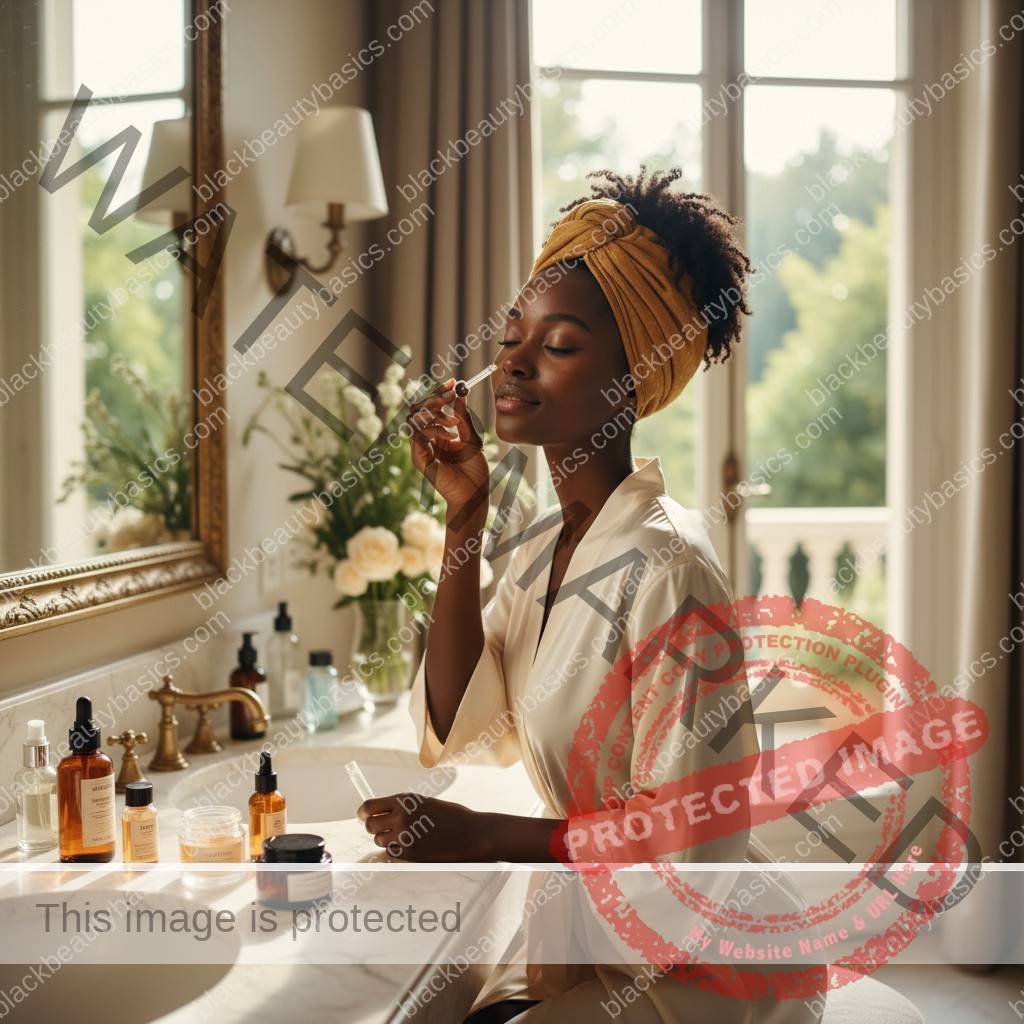
Skin Type vs. Skin Condition on Melanin-Rich Skin: Unlocking Your Skin’s True Needs
For many of us, the journey to understanding our skin can feel like navigating a complex labyrinth. We’re often bombarded with an overwhelming array of products, advice, and trends, each promising to be the ultimate solution to our skin woes. Yet, despite our best efforts, we sometimes find ourselves frustrated, feeling like our skin isn’t responding the way we expect, or even worse, reacting negatively to what we thought were beneficial treatments. This confusion often stems from a fundamental misunderstanding, a subtle but significant distinction that can profoundly impact our skincare choices: the difference between our skin type and our skin condition.
Especially for Black women and others with melanin-rich skin, this distinction is not just academic; it’s crucial. Our skin, while resilient and beautifully diverse, often presents unique characteristics and concerns that can be misread or mislabeled. We might assume a temporary breakout means we have “oily skin” when it’s actually a hormonal fluctuation, or mistake seasonal dryness for a permanent “dry skin type” when it’s simply dehydration. These misinterpretations can lead us down paths of product over-application, ingredient irritation, and ultimately, dissatisfaction with our routines. It’s time to demystify these concepts and empower you with the knowledge to truly understand your skin’s language.
At Black Beauty Basics, we believe in equipping you with the foundational knowledge that transcends fleeting trends. Understanding whether you’re addressing a stable, inherent characteristic of your skin (its type) or a temporary, changeable state (its condition) is the bedrock of effective skincare. This clarity allows you to make informed decisions, select products that genuinely support your skin, and cultivate a routine that adapts to its evolving needs, rather than fighting against them. Let’s delve into this essential distinction, ensuring your skincare journey is one of empowerment, efficacy, and enduring radiance.
What Skin Type Means: Your Skin’s Enduring Blueprint
When we talk about skin type, we’re referring to the inherent characteristics of your skin, determined primarily by genetics. Think of it as your skin’s baseline, its fundamental blueprint that largely remains consistent throughout your life, though it can evolve subtly with age. Your skin type dictates how much oil your sebaceous glands naturally produce, how well your skin retains moisture, and its general predisposition to certain behaviors. It’s not something you can change with products; rather, it’s something you learn to work with, optimizing your routine to support its natural tendencies.
For melanin-rich skin, understanding these foundational types is particularly important. While the categories are universal, their manifestations and implications can differ. The primary skin types are generally categorized as dry, oily, combination, and balanced (sometimes called “normal”). Each type has distinct characteristics that influence product absorption, texture, and overall appearance. Recognizing your true skin type is the first step in building a skincare routine that truly serves you, rather than trying to force your skin into a mold it wasn’t designed for.
The Four Core Skin Types and Melanin-Rich Skin
Let’s explore these core types and how they present on melanin-rich skin, dispelling common misconceptions along the way. Your skin type is a constant companion, guiding your long-term product choices and routine structure. It’s about understanding your skin’s natural rhythm and flow, rather than battling against it. This foundational knowledge empowers you to select ingredients and formulations that complement your skin’s inherent characteristics, fostering balance and vitality.
Dry Skin
Dry skin is characterized by a lack of natural oils (sebum) production. This isn’t about hydration (which is a condition, as we’ll discuss later) but about the lipid barrier. If you have dry skin, your skin might feel tight, look dull, and be prone to flakiness or fine lines, even after moisturizing. On melanin-rich skin, this dryness can sometimes manifest as an ashy appearance, particularly on the legs, elbows, and knees, or a subtle, almost powdery texture on the face. The skin’s natural protective barrier may be compromised, making it more susceptible to environmental stressors and irritation. Those with dry skin often find themselves reaching for rich, emollient creams and oils to provide comfort and support their skin’s natural lipid barrier. The goal for dry skin is to supplement its natural oil production and reinforce its protective layer.
Oily Skin
Oily skin is defined by an overproduction of sebum, leading to a shiny or greasy appearance, especially in the T-zone (forehead, nose, and chin). This excess oil can contribute to enlarged pores, blackheads, and breakouts. For melanin-rich skin, oily tendencies can sometimes be more pronounced due to larger sebaceous glands, and the subsequent breakouts can lead to post-inflammatory hyperpigmentation (PIH), which is a significant concern for our community. The shine might be more noticeable, and makeup may struggle to stay put throughout the day. While oily skin can be challenging, it also tends to age gracefully due to the protective nature of its natural oils. The focus for oily skin is on balancing sebum production, keeping pores clear, and managing shine without stripping the skin, which can paradoxically lead to more oil production.
Combination Skin
Combination skin is perhaps the most common and often the most confusing skin type. It’s characterized by having distinct areas of both oiliness and dryness or normalcy on the face. Typically, the T-zone (forehead, nose, and chin) is oily, while the cheeks and jawline might be dry or balanced. This duality requires a more nuanced approach to skincare, often involving different products or application techniques for different areas of the face. On melanin-rich skin, the oily T-zone can still lead to concerns like enlarged pores and hyperpigmentation, while the drier areas may experience tightness or flakiness. Managing combination skin means finding a balance – addressing the oiliness without exacerbating dryness, and nourishing the drier areas without congesting the oily ones. It’s about strategic product placement and tailored care.
Balanced Skin (Normal Skin)
Balanced skin, often referred to as “normal” skin, is the ideal that many aspire to. It’s characterized by a harmonious balance of oil and moisture, with small pores, a smooth texture, and an even tone. This skin type rarely experiences extreme dryness or oiliness, and breakouts are infrequent. On melanin-rich skin, balanced skin appears radiant, supple, and resilient. While it might seem like balanced skin requires less attention, it still benefits from a consistent routine focused on maintenance, protection, and prevention. The goal is to preserve its natural equilibrium and protect it from environmental damage, ensuring its continued health and vibrancy. Even balanced skin can experience temporary conditions, so understanding the difference is still vital.
Your skin type is the foundation upon which all other skincare decisions are built. It’s a stable, intrinsic characteristic that informs your long-term strategy. While you can’t change your type, you can certainly optimize your routine to ensure it functions at its best, regardless of whether it’s dry, oily, combination, or balanced. This foundational understanding sets the stage for effectively addressing the more transient aspects of your skin – its conditions.
What Skin Condition Means: Your Skin’s Current State
In stark contrast to skin type, a skin condition refers to a temporary, changeable state or concern that your skin is experiencing at a particular moment. These conditions are not inherent to your genetic makeup but are influenced by a myriad of internal and external factors. Think of your skin condition as the weather forecast for your skin – it can change daily, weekly, or seasonally, influenced by everything from your diet and stress levels to the climate and the products you use. While your skin type is your unchanging landscape, your skin condition is the dynamic climate impacting it.
The beauty of understanding skin conditions is that, unlike skin types, they are often treatable and manageable. By identifying the root cause of a condition, you can adjust your routine, lifestyle, or environment to bring your skin back to a state of balance and health. This is where many individuals, especially those with melanin-rich skin, often get tripped up. They might misinterpret a temporary condition as their permanent skin type, leading to ineffective product choices and prolonged frustration. For instance, mistaking dehydration for dry skin can lead to using heavy occlusives when humectants are truly needed, potentially exacerbating the issue or even causing breakouts.
The Dynamic Nature of Skin Conditions
Skin conditions are dynamic and responsive. They are signals from your skin, communicating its current needs and challenges. Recognizing these signals accurately is paramount to providing the right care. Factors such as hormonal fluctuations, dietary choices, stress, environmental pollution, medication, climate changes, and even improper product usage can trigger or exacerbate various skin conditions. This means that a person with an oily skin type can still experience dehydration, or someone with balanced skin can develop sensitivity due to over-exfoliation. The key is to listen to your skin and understand that its current state is not necessarily its permanent identity.
For melanin-rich skin, certain conditions can present with unique characteristics or carry greater implications. For example, inflammation from sensitivity or acne can lead to more pronounced and persistent post-inflammatory hyperpigmentation. Therefore, addressing conditions promptly and appropriately is not just about comfort, but also about preventing long-term concerns. This nuanced understanding empowers you to be agile in your skincare approach, adapting your routine to meet your skin where it is, rather than where you think it should be based on a fixed label. It’s about responsive, intelligent care that honors your skin’s immediate needs.
Common Skin Conditions That Can Affect Melanin-Rich Skin
Melanin-rich skin, while possessing incredible resilience and a natural shield against certain types of sun damage, is still susceptible to a range of skin conditions. In fact, some conditions can manifest differently or have more significant implications for darker skin tones. Understanding these common conditions is crucial for accurate self-assessment and effective treatment. Let’s delve into the most prevalent skin conditions, emphasizing their presentation and impact on melanin-rich skin.
Dehydration: The Thirsty Skin Condition
Dehydration is one of the most frequently confused conditions with dry skin. While dry skin lacks oil, dehydrated skin lacks water. Any skin type – oily, dry, combination, or balanced – can experience dehydration. Your skin’s outer layer, the stratum corneum, needs adequate water content to function optimally. When it doesn’t have enough, it can feel tight, look dull, and show more pronounced fine lines. It might even feel rough to the touch. On melanin-rich skin, dehydration can lead to a dull, ashy appearance that lacks luminosity, and existing fine lines might appear more prominent. The skin might also feel rough or “papery” to the touch, and makeup may not sit smoothly. Unlike dry skin, which needs oils and emollients, dehydrated skin craves humectants like hyaluronic acid, glycerin, and urea, which draw water into the skin. Addressing dehydration involves both topical application of humectant-rich products and ensuring adequate internal hydration by drinking enough water. It’s a temporary state that can be remedied with the right approach.
Sensitivity: The Reactive Skin Condition
Sensitive skin is a condition where the skin’s barrier function is compromised, making it more reactive to environmental triggers, ingredients, or even stress. This can manifest as redness, stinging, burning, itching, or tightness. For melanin-rich skin, redness might not be as visibly apparent as on lighter skin tones, instead presenting as a darker patch, a purplish hue, or a feeling of warmth and irritation without obvious erythema. The stinging or burning sensation, however, is universal. Sensitivity and stinging on dark skin can be triggered by harsh ingredients, over-exfoliation, extreme weather, or even certain fragrances. It’s a temporary state, distinct from a truly reactive skin type, which is less common. Managing sensitivity involves identifying and avoiding triggers, using gentle, fragrance-free products, and focusing on repairing the skin’s barrier. It’s about soothing and protecting, allowing the skin to regain its resilience.
Acne and Breakouts: The Inflammatory Skin Condition
Acne is a complex inflammatory skin condition caused by a combination of excess sebum production, clogged pores, bacteria (P. acnes), and inflammation. While often associated with adolescence, adult acne is increasingly common. For melanin-rich skin, acne and breakouts are particularly concerning due to the heightened risk of post-inflammatory hyperpigmentation (PIH) and post-inflammatory erythema (PIE). Even a small pimple can leave behind a dark spot that can linger for months or even years. This risk means that aggressive treatments that cause irritation can be counterproductive, leading to more PIH. Acne can range from blackheads and whiteheads to painful cysts and nodules. It’s a condition that requires a careful, consistent approach, often involving ingredients like salicylic acid, benzoyl peroxide, retinoids, and sometimes prescription medications. The goal is to reduce inflammation, prevent new lesions, and minimize the appearance of dark spots. It is not an inherent skin type, but a condition that can affect any skin type.
Dullness: The Lackluster Skin Condition
Dullness refers to a lack of radiance or luminosity in the skin, often accompanied by an uneven texture. It’s a condition that can make the skin look tired, lackluster, and less vibrant. On melanin-rich skin, dullness can manifest as a muted complexion, a lack of glow, or an overall ashy appearance, even if the skin is well-hydrated. This condition is often caused by a buildup of dead skin cells on the surface, environmental pollution, dehydration, lack of sleep, or poor circulation. While melanin-rich skin naturally has a beautiful glow, factors like inadequate exfoliation or environmental stressors can obscure this radiance. Addressing dullness typically involves gentle exfoliation to remove dead skin cells, incorporating antioxidants to protect against environmental damage, ensuring adequate hydration, and promoting healthy circulation. It’s about revealing the skin’s natural luminosity, which is always there, just sometimes hidden.
Barrier Damage: The Compromised Skin Condition
The skin barrier, also known as the stratum corneum, is our skin’s outermost layer, composed of skin cells and lipids (like ceramides, cholesterol, and fatty acids). It acts as a protective shield, keeping irritants out and moisture in. When this barrier is compromised, it leads to a condition known as barrier damage or a compromised skin barrier. This can result from over-exfoliation, using harsh cleansers, environmental stressors, or certain medical conditions. Symptoms include increased sensitivity, dryness, flakiness, redness (or darkening on melanin-rich skin), itching, and a general feeling of discomfort. Understanding your skin barrier for dark skin is paramount because a damaged barrier can exacerbate other conditions, such as acne or hyperpigmentation, by making the skin more vulnerable to inflammation. Repairing the barrier involves simplifying your routine, using gentle, nourishing products rich in ceramides and fatty acids, and avoiding irritants. It’s a temporary condition that, with careful attention, can be fully restored.
Hyperpigmentation: The Discoloration Skin Condition
Hyperpigmentation, particularly post-inflammatory hyperpigmentation (PIH), is a prevalent and often persistent concern for melanin-rich skin. It’s a condition where excess melanin is produced in response to inflammation or injury, leading to dark spots or patches on the skin. This can be triggered by acne, cuts, burns, insect bites, or even aggressive skincare treatments. Unlike freckles or birthmarks, which are inherent, hyperpigmentation is a reactive condition. For Black women, these dark spots can be more numerous, darker, and take longer to fade compared to lighter skin tones. Melasma, another form of hyperpigmentation, is often triggered by hormonal changes and sun exposure, presenting as larger, blotchy patches. Addressing hyperpigmentation requires a multi-faceted approach, including sun protection (sunscreen for dark skin is non-negotiable), gentle exfoliation, and ingredients like vitamin C, niacinamide, alpha arbutin, and retinoids. It’s a condition that demands patience and consistency, and often, a holistic approach to managing inflammation. You can learn more about managing this condition in our Hyperpigmentation & Dark Spots section.
By distinguishing between these conditions and your inherent skin type, you gain a powerful tool for effective skincare. Each condition requires a targeted, often temporary, adjustment to your routine, while your skin type guides your foundational product choices. This nuanced understanding prevents mislabeling and ensures your skin receives precisely what it needs, when it needs it.
Why This Difference Matters for Routine Building
The distinction between skin type and skin condition is not merely semantic; it is the cornerstone of building an effective, responsive, and truly personalized skincare routine. Misunderstanding this difference is one of the most common pitfalls in skincare, leading to frustration, wasted money, and sometimes even worsening skin concerns. For Black women, whose skin often reacts with more pronounced hyperpigmentation to irritation, this clarity is even more critical. Let’s explore why this distinction holds such profound importance for your routine.
Tailoring Product Choices: Precision Over Guesswork
Imagine trying to fix a leaky faucet with a hammer. It’s the wrong tool for the job, and you’ll likely cause more damage than good. The same principle applies to skincare. If you misidentify a temporary condition as a permanent skin type, you’ll choose products that are fundamentally misaligned with your skin’s true needs. For example, if your oily skin is temporarily dehydrated, and you mistakenly believe you have dry skin, you might opt for heavy, occlusive creams designed for true dryness. These products, while beneficial for dry skin, could clog pores and trigger breakouts on your oily, dehydrated skin, exacerbating both issues. Conversely, if your truly dry skin is experiencing sensitivity, and you treat it as an oily breakout with harsh drying agents, you’ll strip its already compromised barrier, leading to further dryness and irritation. Understanding the difference allows you to select products with precision, targeting the specific condition while still supporting your underlying skin type.
Your skin type dictates the general texture and richness of your foundational products (cleansers, moisturizers, sunscreens). For instance, an oily skin type might prefer gel cleansers and lightweight lotions, while a dry skin type might gravitate towards creamy cleansers and richer balms. However, your skin condition dictates the active ingredients and temporary adjustments. If your oily skin is dehydrated, you’d add a hydrating serum (humectants) to your lightweight routine. If your dry skin is sensitive, you’d temporarily remove any potential irritants and focus on barrier-repairing ingredients. This precision prevents product overload and ensures every step in your routine serves a clear purpose, working synergistically to achieve optimal skin health.
Preventing Over-Treatment and Under-Treatment
One of the biggest dangers of confusing skin type and condition is the tendency to either over-treat or under-treat your skin. Over-treatment often occurs when a temporary condition is aggressively targeted with products meant for a severe, chronic issue. For instance, if you have a few hormonal breakouts (a condition) but mislabel your skin as “acne-prone” (a type-related predisposition), you might continuously use harsh acne treatments that strip your skin, damage its barrier, and lead to sensitivity and further inflammation, which for melanin-rich skin, means more hyperpigmentation. This creates a vicious cycle where the skin is constantly battling the effects of over-treatment rather than healing.

Conversely, under-treatment can happen when a significant condition is dismissed as a minor, inherent characteristic. If you have genuinely sensitive skin (a condition) but dismiss it as “just how my skin is,” you might continue using irritating products, never allowing your skin to heal and strengthen its barrier. This can lead to chronic inflammation, discomfort, and a heightened risk of other skin concerns. By accurately identifying conditions, you can apply targeted, appropriate interventions – whether it’s a temporary soothing balm for sensitivity or a focused hydrating serum for dehydration – without disrupting the overall balance of your skin type. This balanced approach ensures your skin receives exactly what it needs, no more, no less, fostering resilience and long-term health.
Adapting to Internal and External Influences
Our skin is a living, breathing organ, constantly responding to a multitude of internal and external factors. Hormonal shifts (how hormones and climate shift your skin behavior), stress, diet, sleep patterns, medications, environmental pollution, and seasonal climate changes all play a significant role in influencing our skin’s condition. Your skin type, however, remains largely steadfast through these fluctuations. Understanding this distinction allows you to build a routine that is flexible and adaptive, rather than rigid and unresponsive.
For example, if you have an oily skin type, you might typically use a mattifying moisturizer. However, during a harsh winter month (external influence) or a period of high stress (internal influence), your oily skin might become temporarily dehydrated. If you only focus on your “oily skin type,” you might continue with your mattifying moisturizer, neglecting the dehydration. But by recognizing dehydration as a condition, you can temporarily swap in a more hydrating, yet still lightweight, moisturizer or add a hydrating serum, without abandoning your core oily skin approach. This adaptability is key to maintaining skin health and preventing issues before they escalate. It’s about having a foundational routine that respects your type, with an agile layer that responds to your conditions, allowing your skin to thrive through all of life’s changes.
Examples of Mislabeling That Lead to Routine Mistakes
The journey to radiant skin is often paved with good intentions but sometimes derailed by common misinterpretations. Mislabeling a temporary skin condition as a permanent skin type is a widespread error that can lead to ineffective routines, product graveyard shelves, and persistent skin concerns. For Black women, these mistakes can be particularly frustrating, often resulting in prolonged hyperpigmentation or unnecessary irritation. Let’s explore some classic examples of this mislabeling and how they can lead to significant routine mistakes.
“My Skin is Dry” vs. “My Skin is Dehydrated”
This is perhaps the most common mislabeling, and one that has profound implications for product selection. Many people, when their skin feels tight, flaky, or dull, immediately assume they have “dry skin.” While true dry skin (a type) lacks natural oil production, the feeling of tightness and dullness is often a symptom of dehydration (a condition), which means a lack of water in the skin. Any skin type, even oily skin, can be dehydrated.
The Mistake: If you mislabel dehydrated skin as dry skin, you’ll likely reach for heavy, oil-rich moisturizers, balms, and occlusives. While these are excellent for true dry skin, for dehydrated skin (especially if it’s an oily or combination type), these heavy products can feel suffocating, potentially clog pores, and lead to breakouts. They might temporarily mask the tightness but won’t address the underlying water deficiency. The skin remains thirsty beneath the occlusive layer.
The Correct Approach: If your skin is truly dry (lacks oil), you need emollients and occlusives to supplement its lipid barrier. If your skin is dehydrated (lacks water), you need humectants like hyaluronic acid, glycerin, and polyglutamic acid to draw moisture into the skin, along with a lighter moisturizer to seal it in. A person with an oily skin type experiencing dehydration would benefit from a hydrating serum for dark skin followed by a lightweight, oil-free moisturizer, rather than a thick cream meant for a dry skin type. Recognizing the difference allows for targeted hydration without causing congestion.
“I Have Sensitive Skin” vs. “My Skin is Sensitized”
Another frequent confusion arises between having an inherently sensitive skin type (which is rare) and having sensitized skin (a condition). Truly sensitive skin is a genetic predisposition where the skin’s nerve endings are closer to the surface, making it reactive to many stimuli. Sensitized skin, however, is a temporary state caused by external factors that have compromised the skin’s barrier, leading to increased reactivity.
The Mistake: If your skin is sensitized due to over-exfoliation, using harsh products, or environmental damage, but you believe you have “sensitive skin,” you might become overly cautious, avoiding all active ingredients that could actually help repair your barrier or address other concerns. Or, conversely, you might continue using the irritating products, thinking your skin is just “always sensitive,” never addressing the root cause of the sensitization. For melanin-rich skin, continuous sensitization can lead to chronic inflammation and persistent hyperpigmentation.
The Correct Approach: If your skin is truly sensitive (a type), you need to be consistently vigilant about ingredient lists, opting for minimalist, fragrance-free, and hypoallergenic formulations. If your skin is sensitized (a condition), the first step is to identify and eliminate the irritant. Then, focus on repairing the skin barrier with gentle, nourishing ingredients like ceramides, fatty acids, and cholesterol. Once the barrier is restored, your skin’s reactivity will likely decrease significantly, allowing you to reintroduce beneficial actives carefully. This distinction means you don’t have to live with perpetual reactivity; you can actively heal and strengthen your skin.
“My Skin is Oily and Acne-Prone” vs. “My Skin is Oily with Occasional Breakouts”
While oily skin types are often more prone to breakouts, not every breakout signifies an “acne-prone skin type.” Acne is a condition, and breakouts can be triggered by a multitude of factors unrelated to an inherent, chronic predisposition to severe acne. Hormonal fluctuations, stress, diet, certain medications, and even incorrect product usage can cause occasional breakouts on any skin type.
The Mistake: If you have an oily skin type that experiences occasional hormonal breakouts, but you mislabel it as “severely acne-prone,” you might continuously use aggressive acne treatments like high-strength benzoyl peroxide or retinoids, even when your skin is clear. This can lead to excessive dryness, irritation, barrier damage, and for melanin-rich skin, an increased risk of post-inflammatory hyperpigmentation from the irritation itself, even without a major breakout. You’re treating a temporary flare-up with a continuous, heavy-duty regimen, leading to a cycle of irritation and dark spots.
The Correct Approach: If you have an oily skin type with occasional breakouts, your core routine should focus on balancing oil production and keeping pores clear with gentle exfoliants (like salicylic acid) and non-comedogenic products. When a breakout occurs (the condition), you can spot-treat with targeted ingredients like benzoyl peroxide or salicylic acid, rather than applying them all over your face daily. This allows you to manage the condition without over-treating your underlying oily skin type. For those who truly struggle with persistent, cystic acne, a dermatologist’s guidance is essential, as this indicates a more severe, chronic condition that might require prescription intervention.
“My Skin is Dull and Needs Harsh Exfoliation” vs. “My Skin is Dull and Needs Hydration/Gentle Exfoliation”
Dullness is a common complaint, especially for melanin-rich skin where a lack of luminosity can make the complexion appear ashy or muted. The immediate reaction is often to aggressively exfoliate, believing that scrubbing away dead skin cells is the only solution.
The Mistake: If dullness is caused by dehydration or a compromised barrier, but you misinterpret it as simply needing more exfoliation, you might reach for harsh physical scrubs or strong chemical exfoliants. This can further damage an already fragile barrier, leading to increased sensitivity, redness (or darkening), and even more dullness as the skin struggles to recover. For melanin-rich skin, this irritation is a direct pathway to hyperpigmentation.
The Correct Approach: First, assess the cause of dullness. Is your skin also feeling tight or rough? It might be dehydration. Is it sensitive or irritated? Your barrier might be compromised. If dehydration is the cause, focus on humectant-rich products. If barrier damage is the issue, pause all actives and focus on repair. If it’s simply a buildup of dead skin cells on otherwise healthy skin, then gentle exfoliation (chemical exfoliants like AHAs or BHAs, or a mild physical scrub) can be beneficial. The key is to choose the right type and frequency of exfoliation based on the underlying condition, not just the symptom of dullness. A gentle cleanser for dark skin is always a good starting point to avoid stripping the skin and contributing to dullness.
By learning to differentiate between your stable skin type and its fluctuating conditions, you empower yourself to build a skincare routine that is truly intelligent, responsive, and effective. This clarity leads to healthier skin, fewer product mistakes, and a deeper connection to your skin’s unique needs.
Frequently Asked Questions
What is the primary difference between skin type and skin condition?
Skin type refers to your skin’s inherent, genetically determined characteristics, such as how much oil it naturally produces (e.g., dry, oily, combination, balanced). Skin condition, on the other hand, describes a temporary state or concern your skin is experiencing due to internal or external factors (e.g., dehydration, sensitivity, acne, dullness).
Can my skin type change over time?
While your core skin type (dry, oily, combination, balanced) is largely genetic and stable, it can subtly evolve with age. For instance, oily skin might become less oily as collagen and sebum production naturally decrease over decades, but its fundamental predisposition remains.
If I have oily skin, can it also be dry?
No, if you have an oily skin type, it cannot also be a dry skin type simultaneously, as these are opposing characteristics of oil production. However, an oily skin type can absolutely experience the *condition* of dehydration (lack of water), which might make it feel tight or flaky, mimicking some aspects of dryness.
How do I know if my skin is dehydrated versus truly dry?
Dehydrated skin (lacks water) often feels tight, looks dull, and may show fine lines, even if it’s oily. It might also absorb products quickly. Truly dry skin (lacks oil) consistently feels tight, rough, and often flaky, and may not produce much natural oil, regardless of external factors. A simple test is to gently pinch your cheek; if fine lines appear easily, it might be dehydrated.
Can stress or hormones affect my skin type?
Stress and hormones do not change your fundamental skin type. However, they can significantly impact your skin’s *condition*. Hormonal fluctuations can trigger breakouts or increase oil production, while stress can exacerbate sensitivity or dullness. These are temporary conditions that require adaptive care.
Why is it so important for Black women to understand this distinction?
For Black women, understanding this distinction is crucial because melanin-rich skin is more prone to post-inflammatory hyperpigmentation (PIH) when irritated or inflamed. Mislabeling a condition as a type can lead to inappropriate product choices that cause irritation, leading to more dark spots and prolonged healing times. Accurate identification helps prevent unnecessary inflammation and protects skin tone.
What’s the first step to accurately identify my skin type and conditions?
The first step is observation and simplification. Observe your skin’s consistent behavior without makeup for a few hours after cleansing to determine oiliness/dryness (type). Then, note any temporary changes like tightness, redness, breakouts, or dullness (conditions). Consider external factors like weather and internal factors like stress or diet. Consulting a dermatologist or esthetician experienced with melanin-rich skin can also provide valuable insights.
Where to Go Next: Empowering Your Skincare Journey
Understanding the fundamental difference between your skin type and its current conditions is not just a theoretical exercise; it’s a powerful act of self-love and empowerment. It allows you to move beyond generic advice and truly listen to what your skin is communicating. No longer will you feel trapped by a mislabeled identity or frustrated by products that just don’t seem to work. Instead, you’ll possess the clarity and confidence to curate a routine that is as dynamic and unique as you are.
This foundational knowledge is the bedrock upon which all effective skincare is built. It frees you from the cycle of trial and error, enabling you to make informed decisions that honor your melanin-rich skin’s specific needs. Remember, your skin is resilient, intelligent, and constantly adapting. By recognizing its stable blueprint (type) and its ever-changing climate (conditions), you equip yourself to provide the precise care it deserves, fostering its natural radiance and health.
We encourage you to continue this journey of discovery and self-care. Dive deeper into understanding your skin’s unique characteristics and how to best support them. Explore our detailed guides on skin type basics for melanin-rich skin to solidify your understanding of your inherent blueprint. If you’re still questioning is my dark skin oily, dry, or combination, we have resources to help you pinpoint your true type. And for those moments when your skin feels compromised, remember the importance of a strong skin barrier and how to support it with a moisturizer for barrier repair for dark skin. Your skin’s story is continuously unfolding, and with each piece of knowledge, you become a more skilled and compassionate caretaker of its beauty. This is your journey, and Black Beauty Basics is here to guide you every step of the way.
Related next steps
Related posts:
 Bronzer and Dimension on Melanin-Rich Skin: Unlocking Your Natural Radiance
 Skin Type Basics for Melanin-Rich Skin: Understanding Your Unique Glow
 Condition-Linked PIH: Eczema, Psoriasis, HS, & Injury Dark Marks on Melanin-Rich Skin
 How to Choose a Cleanser for Melanin-Rich Skin (By Type and Concern)
 IPL vs. True Laser on Dark Skin: What You Absolutely Need to Know
 Self-Love Workbook for Women | Release Self-Doubt & Embrace Your True Self