Sunscreen for Black Women: No White Cast, No Breakouts
For far too long, the journey to finding the perfect sunscreen has felt like a Sisyphean task for Black women. You know the drill: a new bottle promises invisible protection, only to deliver a ghostly white film that clings stubbornly to your beautiful melanin-rich skin. Or perhaps it’s the greasy residue that feels heavy and clogs pores, leading to unwelcome breakouts and exacerbating the very hyperpigmentation you’re trying to prevent. Your bathroom cabinet, much like ours, might be a graveyard of rejected sunscreens – formulas that left you looking ashy, purple, or simply not yourself. It’s a frustrating cycle, especially when well-meaning but ill-informed advice suggests that ‘any SPF will do,’ or worse, that ‘Black people don’t even need sunscreen.’ These narratives not only dismiss the unique needs of our skin but also contribute to a sense of exasperation when seeking essential skincare.
The emotional toll of this experience is often underestimated. The desire to protect your skin, to maintain an even tone, and to age gracefully is universal. Yet, the constant battle against a visible white cast in photos, during important meetings, or simply in your daily reflection can erode confidence. It’s a subtle but persistent reminder that many beauty products are not formulated with our complexions in mind. This often leads to a reluctance to use sunscreen consistently, undermining its crucial benefits for skin health.
Black Beauty Basics understands this deeply. We recognize that your quest for an effective sunscreen is not about vanity; it’s about informed self-care, cultural affirmation, and the pursuit of optimal skin health without compromise. This comprehensive guide is designed to empower you. We will demystify the world of SPF, offering clarity on which textures and filter types are most likely to harmonize with deep tones and address concerns like acne and post-inflammatory hyperpigmentation. By the end of our discussion, you will possess the knowledge to confidently build sunscreen into a morning routine that you not only keep but genuinely appreciate, ensuring your skin receives the protection and care it deserves, beautifully and invisibly.
Why Sunscreen Matters on Melanin-Rich Skin
The persistent myth that melanin-rich skin is impervious to sun damage has unfortunately led many Black women to forgo daily sun protection, often to their detriment. While it is true that melanin provides a natural, albeit limited, degree of protection against ultraviolet (UV) radiation, it is by no means a complete shield. This inherent photoprotection, equivalent to an SPF of approximately 7 to 13, is insufficient to prevent the full spectrum of UV-induced damage, particularly for those concerned with maintaining an even skin tone and preventing premature aging. Our skin, despite its inherent resilience, is still susceptible to the harmful effects of the sun.
One of the most common and frustrating consequences of unprotected UV exposure for Black women is the exacerbation of hyperpigmentation. Dark spots, whether from acne, insect bites, or other inflammatory conditions, tend to linger significantly longer and deepen in color when exposed to the sun. UV radiation stimulates melanocytes, the cells responsible for producing melanin, leading to an overproduction that results in darker, more stubborn marks. This cycle can be incredibly disheartening, making the journey to clear, even-toned skin feel like an uphill battle. Daily, consistent application of a broad-spectrum SPF is not merely a preventative measure; it is an indispensable component of any effective strategy to manage and prevent hyperpigmentation, ensuring that your efforts to fade existing marks are not undone by new sun exposure.
Beyond hyperpigmentation, UV exposure accelerates photoaging, leading to fine lines, wrinkles, and a loss of skin elasticity over time. While these signs of aging may manifest differently and often later in melanin-rich skin compared to lighter complexions, they are not entirely absent. Furthermore, and most critically, prolonged and unprotected sun exposure increases the risk of skin cancers, including melanoma, which, while less common in Black individuals, tends to be diagnosed at later stages and carries a poorer prognosis due to delayed detection. Therefore, integrating daily SPF into your regimen is a profound act of self-care, safeguarding not only the aesthetic quality of your skin but also its long-term health and vitality. It is an investment in your future self, ensuring your skin remains radiant, resilient, and protected. For a deeper dive into managing dark spots, explore our Hyperpigmentation & Dark Spots – Main Guide, and for comprehensive skin health, consult our Skincare for Black Women – The Complete Melanin-Rich Skin Guide.
Mineral vs Chemical vs Hybrid – How They Behave on Dark Skin
Understanding the different types of sunscreen filters is paramount for Black women seeking effective, invisible protection. Sunscreens are broadly categorized into mineral (physical) and chemical, with hybrid formulas offering a blend of both. Each type interacts with UV light and melanin-rich skin in distinct ways, influencing everything from white cast potential to texture and feel.
Mineral sunscreens, also known as physical sunscreens, utilize naturally occurring minerals—typically zinc oxide and titanium dioxide—to create a physical barrier on the skin’s surface. These minerals work by reflecting and scattering UV rays away from the skin. Historically, mineral sunscreens have been notorious for leaving a stark white or ashy cast, particularly on deeper skin tones, because the white pigments of zinc and titanium are difficult to blend into melanin-rich complexions. However, advancements in formulation have led to micronized versions of these minerals, which are ground into much finer particles, making them less visible. Additionally, tinted mineral sunscreens, infused with iron oxides or other pigments, have emerged as a viable option, helping to offset the white cast and blend more seamlessly into various skin tones. While mineral sunscreens are often preferred for sensitive skin due to their gentle nature, the potential for a white cast remains a primary consideration for Black women, necessitating careful product selection.
Chemical sunscreens, on the other hand, absorb UV radiation and convert it into heat, which is then released from the skin. Common chemical filters include oxybenzone, avobenzone, octinoxate, and octisalate. These filters are typically colorless and blend effortlessly into the skin, making them a popular choice for those with deeper complexions who wish to avoid any visible residue. Their cosmetically elegant textures often feel lighter and more fluid, making them suitable for everyday wear and layering under makeup. While some individuals with highly sensitive skin may experience irritation from certain chemical filters, many Black women find chemical sunscreens to be a reliable and invisible option. The key is to look for formulations that are well-tolerated and provide broad-spectrum protection.
Hybrid sunscreens combine both mineral and chemical filters, aiming to leverage the benefits of each while mitigating their respective drawbacks. These formulations often offer the broad-spectrum protection of mineral filters with the aesthetic elegance and blendability of chemical filters. For Black women, hybrid sunscreens can be an excellent compromise, providing robust protection without the heavy, opaque feel or the dreaded white cast. The synergy of both filter types can result in a more stable and effective product, offering a balanced approach to sun protection. When choosing a hybrid, pay attention to the specific filters used and the overall texture to ensure it meets your skin’s needs and aesthetic preferences. Ultimately, the best sunscreen is the one you will use consistently, and for many Black women, cosmetically elegant chemical or hybrid SPFs often prove to be the most practical and pleasing choice for daily use and under makeup. For more detailed information on sun protection tailored for melanin-rich skin, visit our Sunscreen pillar hub.
The following table provides a concise comparison of mineral, chemical, and hybrid sunscreens, highlighting their key characteristics and suitability for melanin-rich skin:
| Filter Type | White Cast Risk on Dark Skin | Breakout/Greasiness Considerations | Best Use Cases |
|---|---|---|---|
| Mineral (Zinc Oxide, Titanium Dioxide) | High with traditional formulas; lower with micronized or tinted versions. | Generally non-comedogenic; can feel heavier or chalky if not micronized. | Sensitive skin, post-procedure, those preferring “natural” ingredients. Good for everyday if tinted/micronized. |
| Chemical (Avobenzone, Octinoxate, etc.) | Very Low to None. Blends invisibly. | Can feel lighter; some filters may irritate highly sensitive skin. Generally non-comedogenic if formulated well. | Everyday wear, under makeup, active lifestyles, those prioritizing invisible finish. |
| Hybrid (Mineral + Chemical) | Low to Moderate, depending on mineral content and tint. Often more blendable than pure mineral. | Balanced feel; aims to combine benefits. Generally well-tolerated. | Everyday wear, broad-spectrum protection, those wanting benefits of both without extreme white cast. |
Choosing SPF Texture by Skin Type
Beyond the type of UV filter, the texture of your sunscreen plays an equally critical role in its wearability and efficacy, particularly for Black women. The feel of a product on your skin—whether it’s a lightweight gel, a nourishing cream, a fluid milk, or a quick-absorbing lotion—can significantly impact your consistency of use. A sunscreen that feels heavy, sticky, or contributes to breakouts is one you’re less likely to reach for daily, regardless of its protective capabilities. Therefore, selecting a texture that complements your specific skin type and concerns is not merely a preference; it’s a strategic decision for consistent, comfortable sun protection.
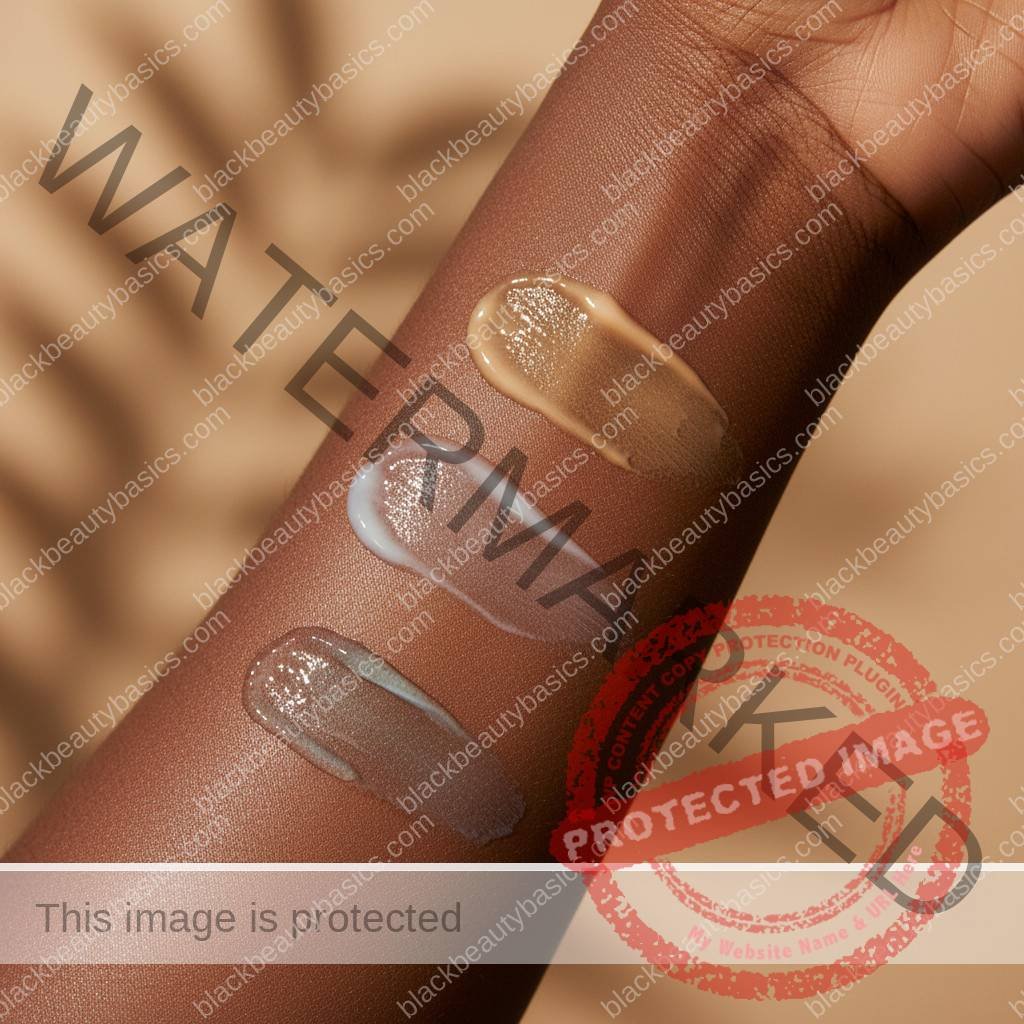
Different textures are formulated to address varying skin needs, from managing excess oil and preventing congestion to providing much-needed hydration for dry complexions. A well-chosen texture not only enhances the user experience but also ensures that the sunscreen integrates seamlessly into your existing skincare and makeup routine, preventing issues like pilling or a greasy finish. This thoughtful approach to texture selection transforms sunscreen application from a chore into an enjoyable, integral step in your daily self-care ritual, ensuring your melanin-rich skin receives the continuous, invisible protection it deserves.
Oily and Acne-Prone Melanin-Rich Skin
For Black women with oily and acne-prone skin, the quest for sunscreen often feels like navigating a minefield. The fear of exacerbating oiliness, clogging pores, and triggering breakouts is a legitimate concern, leading many to avoid SPF altogether. However, consistent sun protection is even more critical for acne-prone skin, as UV exposure can darken post-inflammatory hyperpigmentation (PIH) and prolong the healing process of blemishes. The key lies in selecting formulations specifically designed to mitigate these concerns, offering robust protection without compromising skin clarity or comfort.
We highly recommend opting for lightweight, non-comedogenic gels, fluids, or milk textures. These formulations are typically designed to absorb quickly, leaving a minimal residue and a breathable feel. Look for terms like “oil-free,” “non-comedogenic,” “mattifying,” or “fluid” on the packaging. Gel sunscreens, in particular, often provide a refreshing, almost weightless sensation, making them ideal for warmer climates or for those who dislike the feeling of heavy products on their skin. Fluid or milk textures offer a slightly more emollient feel than gels but are still considerably lighter than traditional creams, spreading easily and sinking in without a greasy finish. Some formulations even offer a semi-matte or natural finish, which can be particularly appealing for managing shine throughout the day.
To further enhance comfort and prevent an overly rich feel, consider pairing your lightweight SPF with a minimalist approach to your underlying skincare. On days when you use a fluid or gel sunscreen, a lighter, hydrating serum or a gel-based moisturizer underneath can provide adequate hydration without adding unnecessary oiliness. This layering strategy ensures your skin receives essential moisture while allowing the sunscreen to perform optimally without feeling occlusive. The goal is to create a balanced routine where each product contributes to skin health without overwhelming the complexion. Remember, consistency is paramount, and finding a texture you genuinely enjoy using will make daily application a seamless and beneficial habit. For guidance on structuring your morning routine, refer to our Morning Skincare Routine for Black Women, and for selecting appropriate moisturizers, consult our guide on Moisturizers for Black Women. You can explore suitable options by searching for oil control sunscreen no white cast for dark skin on Amazon.
Dry, Dehydrated, and Ashy Melanin-Rich Skin
For Black women contending with dry, dehydrated, or prone-to-ashiness skin, the right sunscreen can be a dual-purpose hero, offering not just UV protection but also a much-needed boost of moisture. Traditional sunscreens often exacerbated dryness, leaving skin feeling tight, uncomfortable, and visibly ashy. However, modern formulations have evolved to cater to these specific needs, transforming sunscreen into an integral part of a hydrating skincare regimen. The objective is to find an SPF that feels nourishing and comfortable, preventing the dreaded dry, dull appearance while providing robust sun defense.
We recommend exploring more moisturizing lotion or cream SPFs. These textures are typically richer and more emollient, designed to provide a layer of hydration that complements their protective function. In many cases, a well-formulated moisturizing SPF can effectively serve as your final hydrating step in the morning routine, particularly during colder months or in drier climates when your skin craves additional comfort. Look for ingredients like hyaluronic acid, glycerin, ceramides, and nourishing plant oils within the sunscreen formula, as these components contribute to barrier support and sustained hydration. These types of sunscreens help to lock in moisture, leaving your skin feeling supple and looking radiant, rather than parched or tight.
While seeking hydration, it’s crucial to avoid overly heavy or occlusive formulas that might feel greasy or pill under makeup. The goal is a rich, yet elegant, texture that melts into the skin without a trace. Test products on a small area first to observe how they settle and interact with your other skincare products. A good moisturizing SPF for dry skin should leave a healthy, dewy finish, not a slick or sticky one. It should also create a smooth canvas for any subsequent makeup application, rather than causing foundation to separate or ball up. By choosing wisely, you can ensure your skin remains protected, hydrated, and beautifully luminous throughout the day, without compromise. Revisit our guide on Moisturizers for Black Women for complementary product insights and consider our Nighttime Routine for Hyperpigmentation for a holistic approach to skin health. Discover suitable options by searching for moisturizing face sunscreen for dry dark skin no white cast on Amazon.
Combination and Sensitive Melanin-Rich Skin
Navigating sunscreen choices for combination and sensitive melanin-rich skin requires a nuanced approach. This skin type presents a unique challenge: balancing the need to control oiliness in some areas (typically the T-zone) with providing comfort and avoiding irritation in others, all while ensuring robust, invisible sun protection. The ideal sunscreen for combination and sensitive skin must be versatile, gentle, and non-reactive, allowing for consistent daily use without triggering adverse responses or exacerbating existing concerns.
For this complex skin profile, we recommend balanced lotion or fluid SPFs. These textures strike a harmonious balance, offering sufficient hydration without being overly rich, and absorbing efficiently without leaving a heavy residue. Look for formulations that are explicitly labeled “fragrance-free” or “hypoallergenic,” as added fragrances and common irritants can often trigger sensitivity, leading to redness, itching, or even breakouts. Patch testing a new product on a small, inconspicuous area of your skin for a few days before full facial application is an indispensable step, allowing you to gauge your skin’s reaction and prevent widespread irritation. This cautious approach ensures that the chosen SPF will be a gentle ally rather than a potential aggressor.
Layering technique also becomes particularly important for combination skin. You might apply a slightly thinner layer of sunscreen in your oilier T-zone, where excess product could contribute to shine or congestion, while ensuring a full, adequate layer across drier areas like the cheeks and jawline. This strategic application ensures targeted care where it’s most needed. Furthermore, if you incorporate active ingredients like retinoids or alpha hydroxy acids into your routine, daily SPF is non-negotiable, as these actives can increase skin sensitivity to the sun. The right sunscreen will provide essential barrier support, helping to protect delicate skin from environmental aggressors while it undergoes renewal. By prioritizing gentle, balanced, and carefully tested formulations, Black women with combination and sensitive skin can achieve effective sun protection that supports their skin’s unique needs without compromise. For more on actives, see our guide on How to Layer Actives on Dark Skin, and for avoiding common pitfalls, consult Skincare Mistakes Causing Dark Marks & Sensitivity. Find suitable options by searching for fragrance free mineral or hybrid sunscreen for sensitive dark skin on Amazon.
How to Avoid White Cast on Dark Skin
The persistent challenge of white cast has long been a deterrent for Black women seeking consistent sun protection. The visible, often ashy or purple, film left by many sunscreens not only detracts from one’s natural complexion but also undermines the confidence that comes with feeling and looking your best. Fortunately, the beauty industry has made significant strides in developing formulations that respect and enhance melanin-rich skin. Avoiding white cast is no longer an insurmountable hurdle; it’s a matter of informed selection and strategic application. The key is to understand which product characteristics and application techniques will ensure your sunscreen blends seamlessly, leaving behind only invisible protection.
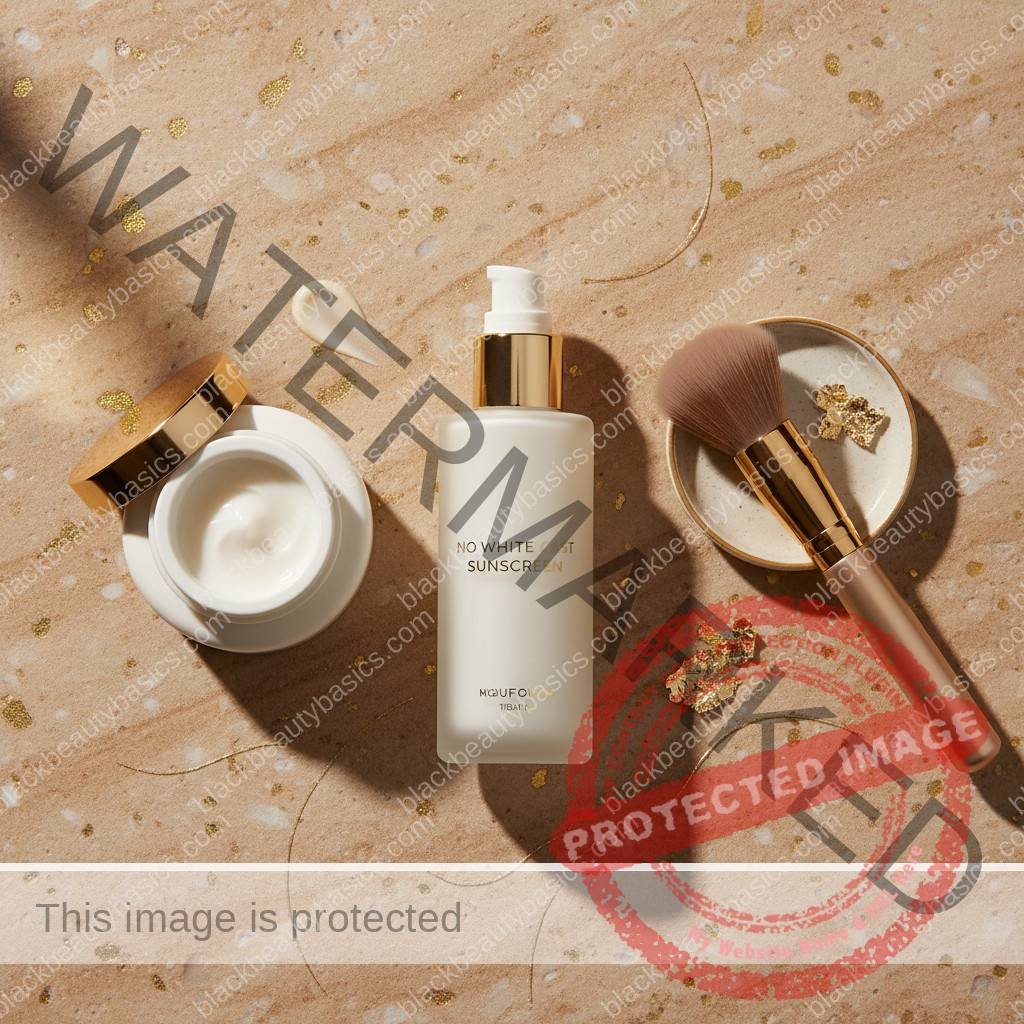
One of the most effective strategies is to prioritize tinted SPFs. These formulations incorporate iron oxides or other pigments that are designed to neutralize the white appearance of mineral filters and blend harmoniously with a range of deeper skin tones. Many brands are now specifically marketing sunscreens as “sheer,” “invisible,” or “no white cast” formulas, often featuring a broader spectrum of shades or advanced micronized mineral filters that are less likely to sit on the skin’s surface. Hybrid options, which combine mineral and chemical filters, also frequently offer a more cosmetically elegant finish than pure mineral sunscreens, providing robust protection with less risk of visible residue. It’s important to remember that some sunscreens may appear slightly light upon initial application but will dry down to a transparent finish within a few minutes. However, if a product still looks visibly white or ashy after five to ten minutes, it’s likely not the right fit for your skin tone and is not worth the effort of trying to make it work. Your time and skin deserve better than fighting a product that inherently clashes with your complexion.
- Applying in thin layers and building up: Rather than applying a large dollop of sunscreen all at once, dispense a smaller amount and spread it evenly. Allow this first layer to absorb for a minute or two before applying a second, thin layer if needed to achieve adequate protection. This method helps prevent product overload and facilitates better absorption, reducing the likelihood of a visible cast.
- Choosing SPFs tested on a range of deep tones: Brands that actively feature Black and brown models in their marketing, or that explicitly state their products have been tested on diverse skin tones, are often a good starting point. This indicates a conscious effort to formulate for inclusivity and minimize white cast.
- Being wary of thick, opaque mineral-only formulas that aren’t tinted: While mineral sunscreens are excellent for sensitive skin, traditional, untinted versions with a high concentration of zinc oxide and titanium dioxide are the most common culprits for white cast on dark skin. If you prefer mineral, always opt for micronized or tinted versions to ensure a seamless finish.
By employing these strategies, you can confidently select sunscreens that provide superior protection without compromising the natural beauty of your melanin-rich complexion. The journey to invisible SPF is one of informed choices and a refusal to settle for anything less than what your skin deserves. For more insights into selecting sunscreens that truly disappear on your skin, explore our Sunscreen pillar hub, which delves into various aspects of sun protection for melanin-rich skin, including texture and finish.
Preventing Breakouts and Pilling from Sunscreen
The frustration of finding a sunscreen that protects without causing new problems is a common lament among Black women, particularly those prone to breakouts or who experience the annoying phenomenon of product pilling. An overly occlusive texture, the presence of comedogenic ingredients, or an incompatible layering technique can transform your protective SPF into a source of skin distress or a cosmetic nuisance. Breakouts, in particular, can lead to new post-inflammatory hyperpigmentation, ironically undoing the very benefits of sun protection. Pilling, where products ball up and flake off, can ruin makeup application and make your entire routine feel counterproductive. Addressing these issues requires a thoughtful approach to product selection and application.
One of the primary culprits behind sunscreen-induced breakouts is the use of overly occlusive textures or formulations containing comedogenic add-ons. Heavy creams, certain oils, or waxes in sunscreen can sit on the skin, trapping sweat and sebum, leading to clogged pores and subsequent blemishes. Similarly, an excessive number of layers in your morning routine, especially if each product is rich, can create a suffocating effect on the skin. To mitigate this, consider simplifying your routine on days when you apply sunscreen. Opt for a lighter moisturizer underneath your SPF, or choose a sunscreen that is hydrating enough to stand alone as your moisturizer. This reduces the total amount of product on your skin, allowing it to breathe more effectively and minimizing the risk of congestion. Furthermore, ensure that all your skincare products, including your sunscreen, are labeled “non-comedogenic,” meaning they are formulated not to clog pores.
Pilling, on the other hand, often arises from a combination of product incompatibility and application technique. When different formulations (e.g., water-based and silicone-based) are layered too quickly or rubbed excessively, they can fail to integrate smoothly, leading to the dreaded flaking. To prevent this, allow each layer of your morning routine—from serum to moisturizer to SPF and finally makeup—a few moments to fully absorb and set before applying the next. This patience allows the products to properly bind to your skin rather than sitting on top, reducing friction and the likelihood of pilling. Additionally, avoid vigorously rubbing your sunscreen into your skin; instead, use gentle patting or sweeping motions. Mixing different formulas in the palm of your hand before application can also sometimes lead to pilling, as the ingredients may react negatively before even reaching your face. By being mindful of product choices and application methods, you can ensure your sunscreen provides seamless protection without the unwanted side effects of breakouts or pilling. For further guidance on managing acne and sensitive skin, explore our Acne & Sensitive Skin pillar hub. And remember, thorough cleansing at night is crucial for removing all traces of SPF and preventing buildup; consult our Cleanser post for best practices. You can find suitable options by searching for non comedogenic sunscreen for acne prone dark skin on Amazon.
- Choosing “non-comedogenic” or acne-friendly SPFs if you’re breakout-prone: These formulations are specifically designed to avoid clogging pores, a critical factor for maintaining clear skin. Look for these terms on product labels.
- Letting each layer (moisturizer, SPF, makeup) set briefly: Patience is a virtue in skincare. Giving each product a minute or two to absorb before applying the next prevents pilling and ensures optimal performance.
- Avoiding over-rubbing or mixing formulas in the palm: Gentle application is key. Patting or lightly sweeping sunscreen onto the skin is preferable to aggressive rubbing, which can cause pilling. Mixing products in your hand can also lead to instability and pilling.
Making SPF a Habit, Not a Battle
For many Black women, the journey to consistent sunscreen use has been fraught with challenges, transforming what should be a simple act of self-care into a daily battle against white cast, greasiness, or breakouts. This struggle often leads to inconsistency, undermining the long-term benefits of sun protection. However, making SPF a non-negotiable part of your routine doesn’t have to be an arduous task. It’s about shifting your mindset, optimizing your environment, and selecting products that you genuinely enjoy using. The goal is to integrate sunscreen so seamlessly into your daily life that it becomes as automatic and effortless as brushing your teeth, a true habit rather than a dreaded chore.
One of the most effective ways to cultivate an SPF habit is to integrate it into existing routines and make it highly accessible. Keep your sunscreen in a prominent place where you get ready each morning—perhaps right next to your moisturizer or toothbrush. This visual cue acts as a powerful reminder, ensuring that you don’t forget this crucial step. Consider pairing it with a non-negotiable morning ritual; for example, applying sunscreen immediately after your morning coffee or while listening to your favorite podcast. The psychological association between an established habit and a new one can significantly increase adherence. Furthermore, the tactile experience of applying sunscreen plays a pivotal role. If you dread the feeling of a heavy, greasy, or white-casting product, you are far less likely to use it consistently. Invest time in finding textures that feel luxurious, blend invisibly, and leave your skin feeling comfortable and protected. When you genuinely enjoy the product, applying it becomes a moment of self-care rather than a burden.
It’s also important to normalize the concept of “good enough” days. While perfect application and reapplication are ideal, striving for perfection every single day can lead to burnout and abandonment of the habit altogether. One solid layer of broad-spectrum SPF applied thoughtfully most days of the week is infinitely better than perfect application once a week. Life happens, and some mornings are more rushed than others. On those days, a quick, effective application is sufficient. The aim is consistency over absolute perfection. This forgiving approach fosters a sustainable habit, ensuring that your skin receives regular protection without the pressure of an unattainable ideal. By removing barriers, making it enjoyable, and embracing flexibility, you transform SPF application from a battle into a natural, empowering part of your daily ritual, safeguarding your melanin-rich skin for years to come. For more on building effective routines, explore our Morning Routine post or our Skincare pillar hub.
- Travel-size SPF in purse, car, or desk: Having a small, convenient tube of sunscreen readily available makes reapplication throughout the day, or spontaneous protection when you’re out and about, much more feasible. This eliminates the excuse of not having it on hand.
- Using tinted SPF on no-makeup days: On days when you prefer a minimal look, a tinted sunscreen can offer light coverage and sun protection in one step, simplifying your routine and encouraging consistent use. It provides a natural, even finish without the need for additional foundation.
- Adjusting formula by season or climate rather than forcing one product year-round: Your skin’s needs change with the seasons. A rich, moisturizing SPF might be perfect for winter, while a lightweight gel or fluid is ideal for humid summers. Being flexible with your product choice ensures comfort and efficacy throughout the year, making it easier to stick to the habit.
Final Thoughts
The journey to finding a sunscreen that truly respects your melanin-rich skin—one that doesn’t leave an ashy white cast, doesn’t exacerbate oiliness, and doesn’t trigger breakouts—is not a luxury; it is a fundamental expectation. For too long, the beauty industry has overlooked the unique needs of Black women, forcing us to compromise on essential skin protection. Black Beauty Basics firmly believes that you deserve products that are formulated with your complexion in mind, products that enhance rather than detract from your natural radiance. This guide has been crafted to empower you with the knowledge and confidence to make informed choices, transforming your relationship with sun protection from one of frustration to one of empowered self-care.
Embracing daily SPF is more than just a skincare step; it is a profound act of protection and softness toward your future self. Especially when you are diligently working to fade stubborn dark marks, prevent new hyperpigmentation, and safeguard your skin’s long-term health, consistent sun protection is the silent hero of your regimen. It ensures that every effort you make in your skincare routine is maximized, preventing the sun from undoing your progress. Consider it an investment in your skin’s resilience, its even tone, and its youthful vitality. It is a daily commitment to preserving the beauty and health of the skin you are in, a testament to your dedication to holistic well-being.
We invite you to combine this comprehensive SPF guidance with other resources from Black Beauty Basics. Integrate these insights into your Morning Routine, refine your Hyperpigmentation plan, and explore our broader Skincare pillar as an ongoing reference. Your skin deserves nothing less than intelligent, culturally aligned care that celebrates its strength and beauty. By choosing sunscreens that truly work for you, you are not only protecting your skin but also affirming your right to premium, effective, and invisible beauty solutions. Let this be the beginning of a beautiful, protected journey for your melanin-rich skin.

Frequently Asked Questions
Do Black women really need sunscreen every day?
Yes, absolutely. While melanin provides some natural protection, it is insufficient to prevent UV-induced hyperpigmentation, premature aging, and the risk of skin cancer. Daily, consistent broad-spectrum SPF is crucial for maintaining skin health and an even tone.
What SPF number should I use on dark skin?
For daily use, an SPF of 30 or higher is generally recommended. For extended outdoor activity or direct sun exposure, an SPF of 50 or higher provides enhanced protection. Always choose a ‘broad-spectrum’ formula to guard against both UVA and UVB rays.
Is mineral sunscreen safer than chemical for melanin-rich skin?
Neither is inherently ‘safer’; both are effective when formulated well. Mineral sunscreens (zinc oxide, titanium dioxide) are often preferred for sensitive skin but can leave a white cast. Chemical sunscreens are typically more cosmetically elegant and blend invisibly. The best choice depends on individual skin tolerance and aesthetic preference.
How much sunscreen should I apply to my face?
For adequate protection, apply approximately a nickel-sized amount (about half a teaspoon) for your face and neck. This ensures sufficient coverage to achieve the stated SPF level. It’s better to apply slightly more than too little.
Can I rely on SPF in my makeup alone?
Generally, no. The SPF in makeup often provides insufficient protection because most people do not apply enough foundation or tinted moisturizer to reach the stated SPF level. It is always best to apply a dedicated sunscreen underneath your makeup for robust protection.
How do I reapply sunscreen over makeup without ruining it?
For reapplication over makeup, consider using a sunscreen mist, a powder SPF, or a cushion compact SPF. These formats allow for touch-ups without disturbing your existing makeup. Gently patting a thin layer of a fluid or cream sunscreen can also work if done carefully.
Shop oil control sunscreen on Amazon
Shop moisturizing face sunscreen on Amazon
Shop fragrance free hybrid sunscreen on Amazon
Shop non comedogenic sunscreen on Amazon
Related next steps
Related posts:
 SPF for Acne-Prone Melanin-Rich Skin: Breakouts, Bumps, and Non-Comedogenic Choices
 Signs of a Damaged Skin Barrier on Melanin-Rich Skin: A Guide for Black Women
 Skincare Products to Combat Acne and Breakouts in Black Women
 Mineral vs. Chemical SPF on Dark Skin: Cast, Comfort, and Choice
 Product-Linked Breakouts From Hair and Skin Products on Dark Skin
 Cleansing Frequency for Melanin-Rich Skin: Your Guide to Balanced Care