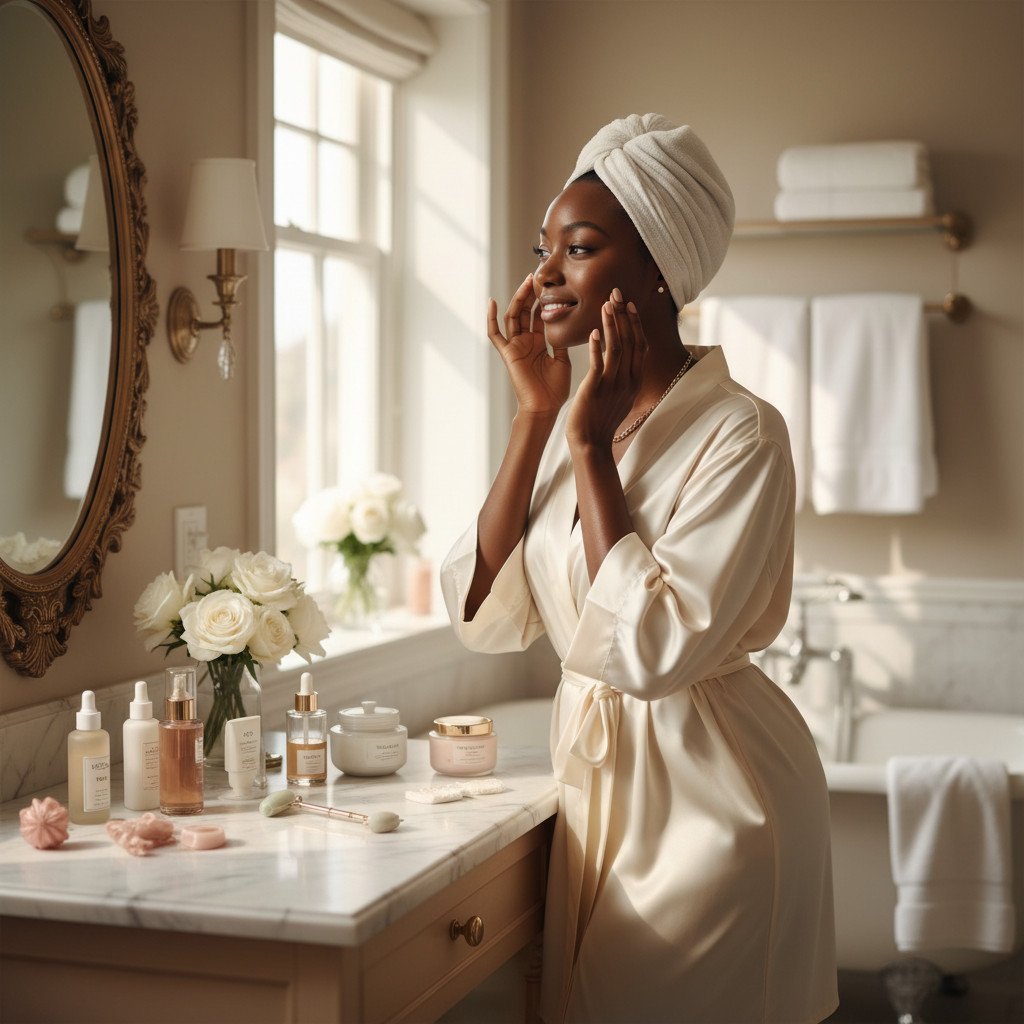
The allure of travel—new sights, new sounds, new experiences—is undeniable. Yet, for many Black women, the excitement of an upcoming trip can be tempered by a familiar skincare anxiety: What will this do to my skin? We know that our melanin-rich skin, while resilient, can be particularly sensitive to environmental shifts and routine disruptions. A solid at-home regimen can feel incredibly stable, but introduce flights, recycled cabin air, long drives, unfamiliar water, heat, cold, hotel AC, sweat, sun exposure, stress, and sleep disruption, and that stability can quickly unravel.
Generic travel skincare advice often reduces the conversation to “just bring minis,” but for us, the stakes are higher. Travel stress doesn’t just mean a little dryness; it can manifest as persistent dullness, uncomfortable tightness, an ashy appearance, sudden reactivity, stubborn breakouts, or lingering dark marks that take weeks to fade. This isn’t about vanity; it’s about maintaining skin health and comfort, especially when we’re supposed to be enjoying ourselves. Understanding how these factors uniquely impact melanin-rich skin is the first step toward a more graceful and effective travel skincare strategy. This article is part of our broader exploration into Seasonal Routines: Summer, Winter & Climate-Specific, recognizing that travel often introduces seasonal extremes and rapid climate changes that demand specific attention.
Our goal isn’t perfection, but rather a realistic approach to supporting your skin barrier, preventing post-inflammatory hyperpigmentation (PIH), and ensuring adequate hydration, no matter where your journey takes you. We’ll move beyond the superficial to offer practical, trauma-aware guidance that centers your experience, helping you navigate the unique challenges of travel with confidence and ease. This is about equipping you with the knowledge to maintain your skin’s equilibrium, allowing you to focus on the joy of your travels, knowing your skin is cared for. For a deeper dive into foundational skincare for our unique needs, explore our comprehensive guide on Skincare for Black Women.
What This Post Covers
In this comprehensive guide, we delve into the nuances of travel skincare for melanin-rich skin, offering practical strategies and insights to keep your complexion balanced and radiant, no matter your destination. You will learn:
- How travel uniquely changes melanin-rich skin and its specific needs.
- What flights and dry cabin air can do to your skin barrier and how to counteract it.
- How to pack a flexible, effective travel routine without overpacking or sacrificing essentials.
- Strategies for handling rapid climate shifts, from humid to dry or warm to cold environments.
- The critical role of sunscreen and PIH prevention in your travel skincare arsenal.
- How to recover gracefully when your skin becomes reactive or stressed mid-trip.
- Practical examples of what a realistic travel morning and evening routine can look like.
- Tips for navigating common travel challenges like hotel air, unfamiliar water, and disrupted sleep.
Why Travel Can Throw Dark Skin Off Fast
Travel, by its very nature, is a disruption. And while it offers incredible experiences, it also presents a gauntlet of challenges for our skin. Melanin-rich skin, with its unique structural and functional characteristics, often reacts to these challenges in ways that can be frustratingly visible and persistent. Understanding the specific stressors is key to mitigating their impact.
One of the most immediate culprits is the environment of transit itself. Recycled air, particularly on airplanes, is notoriously dry. Cabin humidity can drop to as low as 10-20%, significantly lower than typical indoor environments. This extreme dryness acts like a vacuum, pulling moisture directly from your skin, leading to dehydration. For melanin-rich skin, which already has a tendency towards transepidermal water loss (TEWL) in certain conditions, this can quickly result in a feeling of tightness, dullness, and an ashy appearance. The skin’s natural barrier function, crucial for retaining moisture and protecting against irritants, becomes compromised, making it more vulnerable.
Beyond air quality, long hours spent in transit, whether flying, driving, or on a train, mean prolonged exposure to various stressors. We might touch our faces more, lean against unfamiliar surfaces, or experience increased friction from masks or seatbelts. This physical contact, combined with potential sweat and grime buildup, can lead to congestion and irritation. Stress, a constant companion of travel, also plays a significant role. Cortisol, the stress hormone, can trigger inflammation, exacerbate existing skin conditions, and even contribute to breakouts. Sleep disruption, another common travel side effect, further compromises the skin’s ability to repair and regenerate overnight.
Upon arrival, new environmental factors come into play. Unfamiliar water, whether hard or soft, can alter the skin’s pH and affect how cleansers perform, potentially leading to dryness or residue. Climate changes are perhaps the most dramatic. Moving from a humid climate to a dry desert, or from a warm environment to a cold, windy one, forces the skin to rapidly adapt. Indoor cooling (AC) or heating in hotels can further strip moisture, creating a constant battle for hydration. And of course, increased sun exposure, often a hallmark of vacations, poses a significant risk for post-inflammatory hyperpigmentation, even if a sunburn isn’t immediately apparent. All these factors combine to create a perfect storm, where melanin-rich skin can quickly show signs of distress through dullness, ashiness, uneven tone, congestion, tightness, or irritation.
How Travel Stress Often Shows Up on Melanin-Rich Skin
When travel takes its toll, melanin-rich skin often communicates its distress through a distinct set of signals. These signs might not always be dramatic, but they are clear indicators that your skin barrier is compromised, or that inflammation is brewing beneath the surface. Recognizing these patterns early can help you pivot your routine effectively.
One of the most common complaints after flying or long drives is a feeling of tightness, often accompanied by a dull, almost “stretched” sensation. This is a direct result of dehydration and a compromised skin barrier struggling to retain moisture. You might also notice a flaky or rough texture, particularly on the cheeks, forehead, or around the mouth, even if your skin isn’t typically dry. This uneven texture can make makeup application challenging and contribute to an overall lack of radiance.
Another frequent manifestation is a paradoxical combination of forehead or T-zone shine with underlying dehydration. Your skin might be producing more oil to compensate for the lack of moisture, leading to a greasy appearance on the surface, while still feeling tight and uncomfortable underneath. This “shiny-but-dehydrated” state is a clear cry for balanced hydration, not aggressive oil control.
Small breakouts, often concentrated around the chin, jawline, or forehead, are also common. These can be triggered by increased sweat, friction from masks or scarves, touching the face more, stress hormones, or even a build-up of sunscreen and environmental pollutants. For melanin-rich skin, even minor irritation or a small breakout carries the risk of leaving behind a dark mark, known as post-inflammatory hyperpigmentation (PIH). This makes prevention and gentle treatment even more critical.
Finally, skin might simply feel “stingy” or reactive. Products that typically feel soothing at home might suddenly tingle or cause redness. This indicates a weakened skin barrier, where nerve endings are more exposed and sensitive to external stimuli. While these reactions might not always look dramatic, the texture and pigment changes—from subtle dullness to new dark spots—can tell the story quickly on melanin-rich skin, often lingering long after the trip is over. It’s a reminder that our skin needs consistent, gentle support to navigate the unpredictable nature of travel.
Why Travel Skincare Needs Flexibility, Not a Perfect Routine
The temptation to bring your entire bathroom cabinet on a trip, hoping to replicate your perfect at-home routine, is strong. However, for travel skincare, especially for melanin-rich skin, this approach often backfires. Trying to maintain a full, multi-step regimen on the road is not only impractical but can also overwhelm your skin, which is already dealing with new stressors. Travel skincare isn’t about achieving perfection; it’s about intelligent flexibility and strategic support.
Think of your at-home routine as a finely tuned orchestra, where every instrument plays a specific role. When you travel, you’re essentially taking that orchestra on the road, often into challenging conditions. You can’t bring every single instrument, nor can you expect the acoustics to be the same. Instead, you need a core ensemble—your non-negotiable essentials—that can adapt to different venues and still deliver a harmonious performance. This core routine should be stable, reliable, and focused on fundamental skin health: gentle cleansing, barrier support, and protection.
The value lies in having a stable “core routine” that you can rely on, supplemented by a few flexible support steps. These support steps might include a hydrating mist for flights, a richer moisturizer for cold climates, or a targeted spot treatment for unexpected breakouts. The key is that these additions are responsive to your skin’s immediate needs and the specific environment, rather than being rigidly applied every day. This approach prevents product overload, reduces decision fatigue, and ensures you’re not introducing too many variables to an already stressed skin barrier.
Reassure yourself that travel skincare is about helping your skin stay supported, comfortable, and resilient, not about performing perfection on vacation or work trips. The goal is to minimize irritation, prevent dehydration, and reduce the likelihood of post-inflammatory hyperpigmentation, so you can return home with skin that feels balanced, not battered. Embrace the idea that less can indeed be more, and that a well-chosen, adaptable routine is far more effective than a cumbersome, rigid one.
The Core Goals of a Travel Skincare Routine
When crafting your travel skincare strategy, shifting your mindset from “what products should I bring?” to “what does my skin need to achieve?” is incredibly empowering. For melanin-rich skin navigating the unique challenges of travel, these core goals should guide every decision:
- Cleanse Without Stripping: Your cleanser should effectively remove impurities, sweat, sunscreen, and makeup without leaving your skin feeling tight, dry, or irritated. Maintaining the skin’s natural moisture balance is paramount, especially when facing dehydrating environments.
- Protect the Barrier During Transit: The skin barrier is your first line of defense. Intense hydration and occlusive layers are crucial, particularly during flights or in harsh climates, to prevent excessive moisture loss and shield against environmental aggressors.
- Support Hydration in Changing Environments: From arid airplane cabins to humid tropical destinations, your skin’s hydration needs will fluctuate. Your routine should be equipped with products that can deliver and retain moisture across varying humidity levels.
- Reduce the Chance of Irritation Turning into PIH: Melanin-rich skin is prone to post-inflammatory hyperpigmentation. Any irritation—from breakouts to friction—can leave a dark mark. Therefore, minimizing irritation and soothing skin quickly are critical preventative measures.
- Keep Sunscreen Consistent in Unfamiliar Settings: Sun protection is non-negotiable, regardless of your skin tone or destination. Travel often means increased outdoor exposure, making consistent, broad-spectrum SPF application vital to prevent sun damage and PIH.
- Make the Routine Portable, Realistic, and Repeatable: The best travel routine is one you can actually stick to. This means packing smart, choosing multi-tasking products, and having steps that are easy to perform even when you’re tired, jet-lagged, or in a tiny hotel bathroom.
What to Pack Without Bringing Your Whole Bathroom
The art of packing travel skincare lies in strategic selection, not sheer volume. For melanin-rich skin, every product should serve a clear purpose, contributing to barrier health, hydration, and PIH prevention. Overpacking often leads to confusion, wasted space, and a greater likelihood of abandoning your routine altogether. Focus on categories and their roles, rather than specific brands, allowing you to adapt to what’s available in travel sizes or decantable options. Remember, the goal is support, not a full-scale replication of your home vanity.
Your non-negotiable core routine
These are the absolute essentials, the bedrock of your travel skincare. They should be gentle, effective, and suitable for daily use, regardless of your destination. Start with a gentle cleanser for dark skin. Opt for a creamy, milky, or gel-to-oil formula that cleanses thoroughly without stripping. Avoid harsh foaming cleansers that can exacerbate dryness, especially in dehydrating environments. A travel-sized version or decanted amount is perfect. Next, a hydrating serum. Look for ingredients like hyaluronic acid, glycerin, or polyglutamic acid. This step is crucial for drawing moisture into the skin, particularly before applying moisturizer, and provides an extra layer of hydration against dry air. A small bottle goes a long way. Your moisturizer is next. Choose a formula that provides ample hydration and barrier support. For general travel, a balanced cream is often ideal. If you’re going to a very cold or dry climate, consider a slightly richer option. Finally, sunscreen is non-negotiable. A broad-spectrum SPF 30-50+ is essential every single day, regardless of weather or skin tone. Choose a formula that blends seamlessly into melanin-rich skin without leaving a white cast. A lip balm with SPF is also highly recommended to protect delicate lip skin from sun and dryness.
The support products worth adding only if they help
These are the strategic additions that can elevate your core routine based on your specific skin needs or destination. A hydrating mist can be a lifesaver during flights or in dry climates, offering instant refreshment and a boost of moisture. Look for mists with humectants like glycerin, rather than just plain water. A targeted spot treatment for breakouts is a smart inclusion if you’re prone to them, especially since travel stress can trigger unexpected blemishes. Opt for gentle formulas with salicylic acid or sulfur, and use sparingly to avoid irritation. For those prone to dullness or uneven texture, a very mild exfoliating toner with AHAs or PHAs can be beneficial, but use it cautiously and less frequently than at home, perhaps 2-3 times a week at most, always followed by sunscreen. If you’re traveling to an extremely humid climate and find your skin feels congested, a lightweight gel moisturizer might be a good alternative to your regular cream. Conversely, for very dry or cold destinations, a facial oil or balm can be layered over your moisturizer for extra occlusion and protection. Consider a small, travel-friendly eye cream if your under-eye area tends to get particularly dry or puffy during travel. Remember, each of these should be a conscious choice, not a default addition.
What usually does not need to come with you
This is where ruthless editing comes in. Leave behind anything that is highly active, potentially irritating, or simply redundant. Strong retinoids, potent acids (like high-percentage AHAs or BHAs), and intensive peels are generally best left at home, especially if your skin is already stressed by travel. Introducing new or aggressive treatments while your skin is adapting to a new environment can lead to unexpected reactions and increased risk of PIH. Large, bulky masks (sheet masks are an exception if you find them soothing) and multiple serums for different concerns can also be pared down. Focus on multi-tasking products instead. Avoid bringing full-sized bottles of anything unless absolutely necessary; decant into TSA-friendly travel containers. Also, unless you have extremely sensitive skin, you likely don’t need to bring a separate eye makeup remover if your gentle cleanser can handle light makeup. The less you bring, the less you have to worry about, allowing you to truly relax and enjoy your trip.
Airport, Flight, and Transit Skincare
The journey itself can be one of the most challenging phases for your skin. The unique environment of airports, airplanes, and long drives demands a proactive and protective approach. This isn’t about a full routine, but rather strategic interventions to minimize damage and maintain comfort.
Before you leave
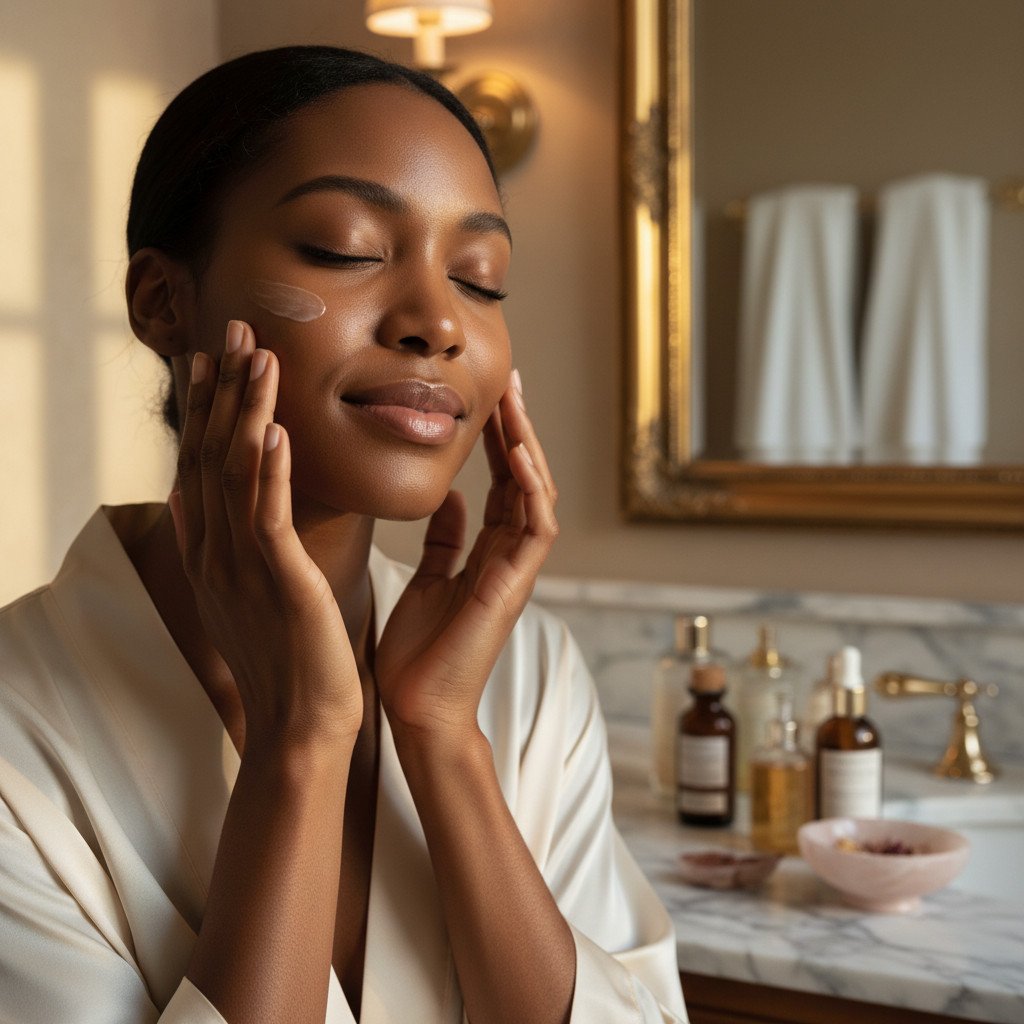
The preparation for transit begins before you even step out the door. The night before or the morning of your travel, focus on deeply hydrating and nourishing your skin. Use a rich moisturizer and consider layering a facial oil or balm to create a protective barrier. This pre-emptive hydration acts as a shield against the dehydrating effects of cabin air. Apply your regular sunscreen, even if you’re just going to the airport, as UV rays can penetrate airplane windows. Opt for minimal makeup, or none at all, to allow your skin to breathe and reduce the need for heavy cleansing during transit. If you wear makeup, ensure it’s lightweight and non-comedogenic. Pack a small pouch with your in-flight essentials: a hydrating mist, a rich balm or moisturizer, and a lip balm. This ensures easy access without rummaging through your main carry-on.
During the flight or long ride
This is where your proactive measures truly pay off. The dry cabin air is your skin’s biggest enemy here. Start by cleansing your face gently with a pre-moistened wipe (alcohol-free and fragrance-free) or a small amount of your gentle cleanser applied with a cotton pad, followed by a rinse with bottled water if possible. Avoid using harsh airplane bathroom water. Immediately after cleansing, apply a hydrating serum, followed by a generous layer of your rich moisturizer or balm. Reapply this moisturizer every few hours, or whenever your skin starts to feel tight. A hydrating mist can be used frequently throughout the flight to refresh and rehydrate your skin. Don’t forget your lips; reapply a rich lip balm regularly. Avoid touching your face unnecessarily, as airplane surfaces can harbor germs. Drink plenty of water throughout your journey and limit dehydrating beverages like coffee and alcohol. If you’re on a very long flight, consider a sheet mask for an intensive hydration boost, but be mindful of your fellow passengers. For long drives, similar principles apply: hydrate internally and externally, and reapply sunscreen if you’re exposed to direct sunlight through car windows.
What to do when you arrive
The moment you arrive at your destination, your skin needs immediate recovery. As soon as you can, perform a gentle cleanse to remove any accumulated grime, pollutants, and residual product from your journey. Follow this with your hydrating serum and a generous application of moisturizer. If your skin feels particularly tight or irritated, consider a soothing, barrier-repairing mask. Resist the urge to immediately jump into a full, active routine. Your skin has been through a lot; prioritize calming and rehydration. If you’ve arrived in a new climate, begin to adapt your routine accordingly. For example, if you’ve landed in a humid environment, you might opt for a lighter moisturizer for your evening routine. If you’ve arrived in a cold, dry place, you might layer a facial oil. The first evening and morning after arrival are crucial for helping your skin re-establish its equilibrium before you dive into the activities of your trip. Don’t forget to apply sunscreen before venturing out, even if it’s cloudy; your skin’s barrier may be compromised, making it more susceptible to UV damage.
Climate Changes That Hit Skin Hardest While Traveling
One of the most significant challenges for melanin-rich skin during travel is adapting to rapid shifts in climate. Your skin, accustomed to the environment you live in, can struggle to adjust when suddenly exposed to drastically different humidity levels, temperatures, and wind conditions. This often means that the same routine that works perfectly at home might feel completely wrong elsewhere, leading to discomfort and potential skin issues.
Consider the stark contrast between moving from a humid climate to a dry desert. In high humidity, your skin might thrive with lighter textures, as the air provides ample moisture. However, in an arid environment, that same lightweight moisturizer will quickly evaporate, leaving your skin parched, tight, and potentially ashy. Conversely, traveling from a dry climate to a very humid one can cause your skin to feel congested or excessively oily, as it adjusts to the increased moisture in the air. This often leads to a feeling of heaviness or even breakouts if your products are too rich for the new environment. For more specific guidance on navigating these shifts, you might find our article on Summer Skincare for Melanin-Rich Skin in Humid Climates particularly helpful, or if you’re heading to a dry destination, our insights on Skincare for Hot, Dry Climates on Dark Skin.
Temperature fluctuations also play a major role. Moving from warm weather to a cold, windy climate can strip the skin of its natural oils, leading to increased dryness, redness, and irritation. The skin’s barrier function becomes compromised, making it more susceptible to environmental damage. In such cases, richer emollients and occlusive layers become essential to protect and nourish. Our guide on Winter Skincare Routines for Dry, Cold Weather offers detailed strategies for these conditions. Furthermore, the constant battle between outdoor temperatures and indoor air conditioning or heating in hotels can be incredibly dehydrating. These artificial environments often have very low humidity, mirroring the effects of airplane cabins, and can leave your skin feeling perpetually thirsty and tight.
The key takeaway is that your skincare routine needs to be adaptable. What works in one destination may feel entirely wrong in another. Listen to your skin and be prepared to adjust your product choices, layering techniques, and even the frequency of certain steps. This flexibility is not a sign of a bad routine, but rather an intelligent response to the dynamic nature of travel and its impact on melanin-rich skin.
Morning Routine While Traveling
Your morning routine while traveling needs to be efficient, adaptable, and focused on protection and hydration. The goal is to prepare your skin for the day ahead, whether you’re exploring a bustling city, lounging on a beach, or attending a conference. Flexibility is paramount, allowing you to adjust based on your destination’s climate and your skin’s immediate needs.
Cleanse according to what your skin actually needs
The first step sets the tone for the day. While at home you might double cleanse or use a specific treatment cleanser, travel calls for simplicity and gentleness. In the morning, assess your skin. If you cleansed thoroughly the night before and your skin feels balanced, a simple rinse with cool water might be sufficient. This helps to wake up the skin without stripping it. If your skin feels a bit oily, congested from sweat, or you applied a richer night cream, then a quick, gentle cleanse with your travel-friendly cleanser is appropriate. Avoid harsh scrubbing or over-cleansing, especially if your skin is already feeling sensitive or dehydrated from travel. The aim is to refresh, not to strip away precious moisture or disrupt your barrier further.
Add hydration and moisture based on the destination
This is where your routine truly adapts to your environment. After cleansing (or rinsing), apply your hydrating serum. This step is a constant, as all skin types benefit from a boost of humectants. Next, choose your moisturizer based on the climate. If you’re in a hot, humid environment, a lightweight gel or fluid moisturizer might be all you need. It will provide hydration without feeling heavy or contributing to excess shine. If you’re in a cold, dry climate, or if your skin feels particularly parched after a flight, opt for a richer cream. You might even layer a few drops of facial oil over your moisturizer for added occlusion and protection against harsh elements. For beach days or active outdoor excursions, ensure your moisturizer is non-comedogenic and plays well with your sunscreen. For city or work travel, a balanced cream that provides a smooth canvas for makeup (if you’re wearing it) is ideal. Listen to your skin: if it feels tight, add more; if it feels suffocated, lighten up.
Finish with sunscreen you will really wear
This step is non-negotiable, regardless of your destination, weather, or skin tone. Melanin-rich skin needs consistent sun protection to prevent sun damage, premature aging, and, most importantly, to prevent and minimize post-inflammatory hyperpigmentation. Choose a broad-spectrum sunscreen for dark skin that leaves no white cast, with an SPF of 30 or higher. The best sunscreen is one you enjoy applying and will reapply throughout the day. For beach days or heavy sweating, opt for a water-resistant formula. For city travel, a lighter, everyday sunscreen is fine. Don’t forget often-neglected areas like the ears, neck, and hands. Reapply every two hours, or more frequently if swimming or sweating heavily. This is the single most important protective step in your travel routine, safeguarding your skin’s health and even tone against the increased sun exposure that often accompanies travel.
Evening Routine for Recovery After Travel Days
The evening routine during travel is your skin’s opportunity to recover, repair, and rebalance after a day of environmental stressors, sun exposure, and disrupted routines. This is where you can gently address any concerns that have emerged and prepare your skin for the next day’s adventures.
Remove sunscreen, sweat, and buildup gently
After a day of exploring, sightseeing, or simply enduring a long travel day, your skin will have accumulated sunscreen, makeup, sweat, and environmental pollutants. A thorough yet gentle cleanse is paramount. Consider a double cleanse: start with an oil-based cleanser, balm, or micellar water to effectively dissolve sunscreen, makeup, and oil-based impurities without stripping the skin. Follow this with your gentle, water-based cleanser to remove any remaining residue and cleanse the skin thoroughly. This two-step approach ensures your skin is clean and prepped for subsequent products, without compromising its delicate barrier. Avoid harsh scrubbing, especially if your skin feels sensitive or reactive. The goal is to purify, not to irritate.
Be careful with treatment steps when skin is stressed
While at home you might regularly incorporate active treatments like retinoids, strong acids, or vitamin C, travel is often a time to scale back. If your skin is feeling stressed, tight, or reactive, introducing powerful actives can exacerbate irritation and increase the risk of PIH. Instead, prioritize soothing and barrier-repairing ingredients. If you must use a treatment, opt for a milder version or reduce its frequency. For example, if you typically use a retinoid every night, consider using it every other night, or even less frequently, depending on your skin’s response. If you’re prone to breakouts, a gentle salicylic acid spot treatment might be acceptable, but avoid applying it all over your face. Focus on ingredients like niacinamide, ceramides, and peptides, which support barrier function and calm inflammation. The evening is about recovery, not aggressive intervention.
Rebuild comfort overnight
Once your skin is clean and any gentle treatments are applied, focus on replenishing moisture and supporting barrier repair. Start with your hydrating serum to draw in and bind moisture. Follow with a generous layer of your chosen moisturizer. If your skin feels particularly dry, tight, or has been exposed to harsh elements (like cold wind or intense sun), consider layering a richer cream or a facial oil over your moisturizer. This creates an occlusive layer that helps to seal in moisture and protect the skin barrier as you sleep. Ingredients like shea butter, squalane, and ceramides are excellent for overnight repair. Don’t forget your lips; a thick layer of a nourishing lip balm or mask can work wonders overnight. The goal is to wake up with skin that feels soft, supple, and comfortable, ready to face another day of travel adventures.
Skincare After Flying on Dark Skin
The post-flight feeling is a familiar one for many, and for melanin-rich skin, it often translates into a unique combination of tightness, dullness, and dehydration that can be particularly persistent. While your skin might appear shiny in the T-zone, this is often a compensatory oil production mechanism, masking underlying dehydration. The recycled, low-humidity air in airplane cabins essentially siphons moisture from your skin, leaving your barrier compromised and your skin vulnerable. This isn’t just about feeling uncomfortable; it’s about setting the stage for potential irritation and hyperpigmentation if not addressed properly.
The immediate aftermath of a flight demands a focused recovery framework. The first night after landing is crucial. Begin with a very gentle, thorough cleanse to remove any lingering grime, sweat, and product buildup from your journey. Opt for a creamy or oil-based cleanser that won’t further strip your skin. Follow this with a generous application of a hydrating serum, focusing on ingredients like hyaluronic acid, glycerin, or polyglutamic acid, which are excellent humectants. Layer a rich, emollient moisturizer over the serum. Look for formulas packed with ceramides, fatty acids, and cholesterol to actively repair and strengthen your skin barrier. If your skin feels particularly parched, a facial oil or balm can be pressed over your moisturizer for an extra occlusive layer, sealing in moisture and protecting against further loss.
The next morning, continue with a gentle approach. A simple rinse with water might suffice, followed by your hydrating serum, a slightly lighter moisturizer (depending on your destination’s climate), and, crucially, your broad-spectrum sunscreen. Avoid the temptation to “correct” any perceived post-flight issues with harsh exfoliants or strong actives immediately. Your skin needs time to rebalance and repair. Focus on consistent hydration and barrier support for the first 24-48 hours. This gentle recovery period helps to prevent the cycle of irritation that can lead to breakouts or dark marks. Remember that indoor environments, like hotel rooms with constant AC or heating, can also exacerbate dehydration, mirroring the effects of cabin air. For more on how these indoor climate controls affect your skin, you might find our article on How Indoor Heating and AC Affect Dark Skin insightful.
Hotel Air, Hard Water, and Unfamiliar Environments
Arriving at your hotel often feels like a relief, but the new environment can introduce its own set of skincare challenges. It’s not just the journey that impacts your skin; the destination’s accommodations can also play a significant role. Many Black women find that their skin feels worse in the hotel room than it does outside, and there are valid reasons for this.
One of the primary culprits is the ubiquitous hotel air conditioning or heating. While these systems provide comfort, they often operate at very low humidity levels, effectively creating a miniature desert in your room. This constant exposure to dry, recycled air can relentlessly pull moisture from your skin, leading to persistent dehydration, tightness, and a dull appearance. Your skin’s barrier is under constant assault, making it more prone to irritation. It’s a subtle but powerful stressor that can undo all the good work of your in-flight hydration efforts.
Then there’s the water. Travel often means encountering “hard water,” which contains a high concentration of minerals like calcium and magnesium. These minerals can react with your cleanser, making it less effective at lathering and rinsing clean. The residue left behind can contribute to dryness, irritation, and a feeling of film on the skin. Conversely, extremely soft water can make it feel like you can never rinse your cleanser off completely, leading to a similar sense of residue. The unfamiliarity itself can be a stressor; your skin is used to the pH and mineral content of your home water, and any deviation can trigger a reaction. Furthermore, hotel amenities often include fragranced soaps, lotions, and shampoos. While they might smell pleasant, these can be highly irritating for sensitive or melanin-rich skin, leading to contact dermatitis, dryness, or even breakouts. The rough texture of hotel towels can also contribute to friction and irritation, especially if your skin is already compromised.
It’s important to validate these experiences. If your skin feels off in a hotel, it’s not “just you.” These environmental factors are real and can significantly impact your skin’s health and comfort. The solution isn’t to panic, but to be prepared. Bring your own gentle cleanser and moisturizer. Use a hydrating mist frequently in your room. And if possible, avoid using the complimentary fragranced products. By understanding these subtle stressors, you can proactively protect your skin and ensure your comfort, even in unfamiliar surroundings.

Travel Breakouts, Texture Changes, and Quiet Irritation
Travel has a peculiar way of manifesting stress on our skin, often through subtle yet persistent issues that can escalate quickly for melanin-rich complexions. These aren’t always dramatic eruptions, but rather quiet forms of irritation that, if ignored, can lead to lasting concerns like post-inflammatory hyperpigmentation. Understanding these patterns is key to managing them without over-treating.
When skin gets bumpy or congested mid-trip
It’s a common scenario: you’re enjoying your trip, and suddenly, your skin feels bumpy, congested, or small breakouts appear, often around the forehead, chin, or temples. This can be triggered by a confluence of factors unique to travel. Increased sweat from humidity or physical activity, combined with sunscreen, makeup, and environmental pollutants, can clog pores. Friction from masks, hats, or even constantly touching your face (a common unconscious habit when stressed or tired) can also irritate hair follicles and lead to bumps. Stress hormones, changes in diet, and sleep disruption all contribute to an inflammatory environment within the skin. For melanin-rich skin, these small bumps or areas of congestion, even if they don’t turn into full-blown pimples, carry the risk of leaving behind a dark mark. The best approach here is gentle cleansing, ensuring all sunscreen and impurities are removed, and allowing the skin to breathe. Resist the urge to pick or aggressively exfoliate, as this will only worsen inflammation and increase the likelihood of PIH. For more on managing these types of concerns, our insights on Acne and Sensitive Skin in Black Women can provide additional context.
When everything starts stinging
Imagine applying your usual hydrating serum, and instead of soothing comfort, you feel a distinct sting or tingle. Or perhaps your skin feels generally raw and sensitive to touch. This “stingy” sensation is a clear indicator of a compromised skin barrier. When the skin’s protective outer layer is weakened by dehydration (from flights or dry hotel air), environmental aggressors, or over-exfoliation (even accidental, from harsh hotel products), nerve endings become more exposed. Products that are normally benign can suddenly feel irritating. In this state, the skin is highly vulnerable. The immediate response should be to simplify your routine drastically. Halt all active ingredients (retinoids, acids, strong vitamin C). Focus solely on gentle cleansing, a bland, hydrating serum, and a rich, barrier-repairing moisturizer. Look for ingredients like ceramides, cholesterol, fatty acids, and soothing botanicals like centella asiatica or oats. The goal is to calm, comfort, and rebuild the skin’s natural defenses, allowing it to heal without further provocation.
When breakouts leave marks faster than usual
One of the most frustrating aspects of travel-induced skin issues for melanin-rich skin is the speed and persistence with which post-inflammatory hyperpigmentation can develop. Even a small, seemingly insignificant breakout or patch of irritation can leave a dark mark that outstays its welcome for weeks or even months. This is due to the increased melanocyte activity in darker skin tones, meaning any inflammation or trauma to the skin triggers an overproduction of melanin. Travel environments, with their inherent stressors, often create a perfect storm for this. Increased sun exposure without diligent SPF application, even if you don’t burn, can deepen existing marks and make new ones more likely. The key to mitigating this is prevention: minimize irritation, treat breakouts gently and quickly, and be absolutely diligent with broad-spectrum sunscreen. If a mark does appear, continue with gentle, barrier-supporting care, and consider incorporating mild brightening ingredients like niacinamide or alpha arbutin once the inflammation has subsided and your skin barrier is strong again. Patience and consistency are your allies here.
Travel, Sun Exposure, and Dark Marks
For melanin-rich skin, the relationship between sun exposure and dark marks is a critical one, particularly during travel. There’s a common misconception that because darker skin tones don’t burn as easily, daily sunscreen isn’t as crucial. This couldn’t be further from the truth, especially when you factor in the increased sun exposure that often accompanies vacations, long drives, and outdoor sightseeing. While our skin does have more natural photoprotection, it is still highly susceptible to UV damage, which manifests differently than on lighter skin tones.
The primary concern for melanin-rich skin regarding sun exposure is not necessarily a painful sunburn, but rather the exacerbation and creation of post-inflammatory hyperpigmentation (PIH). Any form of inflammation or trauma to the skin—be it a breakout, a scratch, or even mild irritation from a new product—can trigger an overproduction of melanin, leading to dark spots. When this process is combined with increased UV radiation, these dark marks can become deeper, more widespread, and significantly more stubborn to fade. Vacation sun, long walks, beach days, driving with sun streaming through the window, and general sightseeing all contribute to cumulative UV exposure, even if you’re not actively “tanning.” This exposure can worsen existing pigment issues and make new ones more likely to develop from even minor skin stressors.
Therefore, daily broad-spectrum SPF is not just a recommendation; it’s a non-negotiable pillar of travel skincare for melanin-rich skin. It acts as a shield, protecting your skin from the UV radiation that can trigger and deepen PIH. This protection is vital not only on sunny beach days but also on cloudy days, during city excursions, and even when driving. UV rays penetrate clouds and glass, making consistent application throughout your trip paramount. Choose a sunscreen with an SPF of 30 or higher that you enjoy wearing and that leaves no white cast on your skin. Reapply it every two hours, or more frequently if swimming or sweating. For a more in-depth understanding of why this is so important, refer to our comprehensive guide on Sunscreen for Dark Skin.
Beyond sunscreen, incorporating ingredients that help manage and prevent hyperpigmentation can be beneficial. Niacinamide, alpha arbutin, and vitamin C can be excellent additions to your routine, especially in the evening, to support an even skin tone. However, introduce these cautiously when traveling, ensuring your skin barrier is strong. The proactive prevention of PIH during travel is far easier than treating it once it has set in, making diligent sun protection your most powerful tool. For further strategies on managing and preventing hyperpigmentation, our articles on Hyperpigmentation and Dark Spots and Preventing Seasonal Hyperpigmentation in Dark Skin offer more detailed guidance.
The Best Texture Types for Travel Skincare
When packing for travel, the texture of your skincare products becomes just as important as their ingredients. Different textures perform differently in varying climates and can significantly impact how your skin feels and functions. Choosing the right textures allows you to adapt your routine without overhauling your entire product lineup, ensuring your skin remains comfortable and protected.
For cleansing, fluid cleansers, milky emulsions, or gel-to-oil formulas are often ideal. They effectively remove impurities, sunscreen, and makeup without stripping the skin, which is crucial when dealing with dehydrating environments like airplane cabins or dry hotel air. Avoid harsh foaming cleansers or physical scrubs, which can exacerbate dryness and irritation when your skin barrier is already compromised. A gentle, hydrating cleanse sets a positive tone for the rest of your routine.
Hydrating serums are a travel essential, and their fluid, lightweight texture makes them perfect for layering. Look for serums with humectants like hyaluronic acid, glycerin, or polyglutamic acid. These absorb quickly and provide a concentrated boost of moisture, preparing your skin for subsequent layers. Their non-greasy feel means they work well under moisturizers in both humid and dry climates, offering a versatile hydration solution.
When it comes to moisturizers, having options is key. Lightweight creams or lotions are excellent for humid climates or if your skin tends to be oily. They provide necessary hydration without feeling heavy or occlusive. For general travel or balanced skin, a medium-weight cream offers a good balance of hydration and barrier support. However, for cold weather, dry climates, or after a long flight, a richer night cream or a balm-like texture can be a lifesaver. These thicker formulas provide more occlusion, sealing in moisture and offering a protective barrier against harsh elements. They are particularly beneficial for overnight recovery.
Sunscreen textures have come a long way. For travel, stick or fluid sunscreens are often preferred. Stick sunscreens are incredibly convenient for reapplication throughout the day, especially on the go, and are less likely to spill. Fluid or serum-like sunscreens tend to blend seamlessly into melanin-rich skin without a white cast, offering comfortable daily wear. Avoid overly thick or greasy sunscreens that might feel heavy or contribute to congestion in humid conditions. The best texture choice ultimately follows your environment, your skin’s patterns, and the specific type of trip you’re taking. By selecting textures thoughtfully, you can create a flexible and effective travel skincare wardrobe.
Travel Skincare by Trip Type
Just as you pack different clothes for different trips, your skincare routine should also adapt to the specific demands of your travel. The stressors on your skin will vary greatly depending on whether you’re enduring long flights, basking on a beach, braving cold weather, or attending business meetings. Tailoring your routine to the trip type ensures your skin receives the most relevant support.
Flights and airport-heavy travel
The primary enemy here is extreme dehydration from recycled cabin air. Your skincare priority is barrier protection and intense hydration. Focus on a simple, protective routine: gentle cleanser, hydrating serum, and a rich, occlusive moisturizer or balm. A hydrating mist is a non-negotiable for in-flight use. Lip balm with SPF is also crucial. Avoid makeup if possible, or opt for minimal, breathable coverage. The goal is to create a moisture sandwich and keep your skin shielded from the dry environment. Pack a small, accessible pouch with your in-flight essentials for easy reapplication.
Beach, resort, or hot-weather travel
Here, the challenges are sun exposure, sweat, humidity, and potential congestion. Sunscreen becomes the absolute hero product, requiring diligent reapplication. Opt for water-resistant, broad-spectrum SPF 30-50+ that blends seamlessly. Cleansing needs to be thorough to remove sweat, sunscreen, and sand without stripping. Lightweight, gel-based cleansers and moisturizers are often preferred to avoid feeling heavy or greasy. Hydrating serums are still beneficial, but you might skip heavier creams. Antioxidant serums can offer additional protection against environmental aggressors. Focus on preventing PIH from sun exposure and managing potential breakouts from sweat and clogged pores.
Cold-weather or winter trips
Cold, dry air, wind, and indoor heating are the main stressors. The focus shifts to barrier repair, intense hydration, and protection against moisture loss. Richer, emollient cleansers and moisturizers are essential. Layering a facial oil or balm over your moisturizer provides an extra occlusive barrier. Humectant-rich serums are still important, but you might also benefit from ingredients like ceramides, cholesterol, and fatty acids to fortify the skin barrier. Don’t forget SPF, as snow can reflect UV rays, increasing exposure. Lip balms are crucial to prevent chapping. The goal is to keep your skin supple, protected, and prevent dryness-induced irritation.
Work trips and conference travel
This type of travel often involves stress, disrupted sleep, varying indoor climates (hotel AC/heating), and the need to look polished. The routine should be efficient, reliable, and non-irritating. Stick to your core routine: gentle cleanser, hydrating serum, balanced moisturizer, and SPF. You might include a mild spot treatment for unexpected stress-induced breakouts. Consider a calming sheet mask for an evening pick-me-up to soothe tired skin. The emphasis is on maintaining skin health and preventing reactivity, ensuring you feel confident and comfortable in professional settings. Simplicity and consistency are key.
Road trips and low-maintenance weekends
These trips are often about ease and minimal fuss. Your routine should reflect that. Focus on the absolute essentials: a multi-tasking gentle cleanser, a hydrating moisturizer, and SPF. You might opt for a tinted moisturizer with SPF for light coverage and protection. Pre-moistened wipes can be handy for quick refreshes on the go. The goal is to keep things simple, prevent dehydration, and ensure sun protection during prolonged time in the car. Don’t overthink it; embrace the low-key nature of the trip with a low-key, effective routine.
What a Realistic Travel Routine Can Look Like
Moving from theoretical advice to practical application can sometimes feel daunting. Here, we offer examples of realistic travel routines, demonstrating how to adapt your core products to various travel scenarios without striving for unattainable perfection. These are frameworks, not rigid rules, designed to empower you to listen to your skin and adjust as needed.
A carry-on only routine
This routine is built for efficiency and TSA compliance, proving you don’t need a lot to provide excellent care.
Morning:
- Cleanse: Splash face with water or use a tiny amount of gentle cream cleanser.
- Hydrate: Apply a hydrating serum (e.g., hyaluronic acid).
- Moisturize & Protect: Apply a lightweight moisturizer, followed by a fluid, no-white-cast SPF 30-50+.
- Lips: Hydrating lip balm with SPF.
Evening:
- Double Cleanse: Micellar water on a cotton pad to remove sunscreen/makeup, followed by gentle cream cleanser.
- Hydrate: Hydrating serum.
- Moisturize: A slightly richer cream moisturizer to aid overnight recovery.
- Lips: Thick layer of nourishing lip balm.
This covers all bases with minimal products, all within travel-sized containers.
A recovery routine after a long flight
Designed to counteract the dehydrating effects of cabin air and soothe stressed skin.
First Evening (upon arrival):
- Cleanse: Gentle oil cleanser or balm, followed by a creamy, non-foaming cleanser.
- Soothe & Hydrate: Generous application of a hydrating serum (look for ceramides, panthenol, hyaluronic acid).
- Deep Moisture: Layer a rich, barrier-repairing cream or balm. If very dry, press a few drops of facial oil over it.
- Lips: Overnight lip mask or thick balm.
- Optional: A calming sheet mask for 15-20 minutes before serum/moisturizer.
Next Morning:
- Cleanse: Gentle rinse with water or very mild cleanser.
- Hydrate: Hydrating serum.
- Moisturize & Protect: Balanced moisturizer, followed by broad-spectrum SPF.
The focus is on replenishing moisture and supporting the skin barrier, not active treatments.

A hot-weather vacation routine
Prioritizes sun protection, sweat management, and lightweight hydration.
Morning:
- Cleanse: Refreshing gel cleanser.
- Hydrate: Lightweight hydrating serum (optional, if skin feels balanced).
- Moisturize & Protect: Lightweight gel moisturizer, followed by a water-resistant, fluid SPF 50+.
- Reapply SPF: Every 2 hours, especially after swimming or sweating.
- Lips: SPF lip balm.
Evening:
- Double Cleanse: Oil cleanser/balm to remove SPF/sweat, followed by gel cleanser.
- Hydrate: Hydrating serum.
- Moisturize: Lightweight gel or lotion moisturizer.
- Optional: Niacinamide serum if concerned about PIH from sun exposure.
This routine is designed to prevent congestion and protect against intense UV, minimizing the risk of dark marks.
A “my skin is irritated and I need to simplify” reset version
For when your skin is stinging, reactive, or breaking out unexpectedly.
Morning & Evening (until skin calms):
- Cleanse: Extremely gentle, non-foaming cream cleanser.
- Soothe & Hydrate: Hydrating serum with soothing ingredients (e.g., centella asiatica, panthenol).
- Moisturize: Rich, bland, barrier-repairing cream (look for ceramides, squalane, fatty acids).
- Morning Only: Broad-spectrum mineral SPF (often gentler on irritated skin).
- Avoid: All actives (retinoids, acids, vitamin C), fragranced products, makeup.
This minimalist approach allows your skin barrier to heal and reduces inflammation, preventing further irritation and PIH. The key is consistency and patience.
Common Mistakes in Travel Skincare for Melanin-Rich Skin
Even with the best intentions, it’s easy to fall into common traps when it comes to travel skincare. For melanin-rich skin, these mistakes can have more pronounced and lasting consequences, often leading to dullness, irritation, breakouts, or stubborn dark marks. Awareness is the first step toward prevention.
- Bringing too many products and changing everything at once: The “more is better” mentality can overwhelm your skin, which is already stressed by travel. Introducing too many new variables or active ingredients at once makes it impossible to pinpoint what’s causing a reaction, and increases the risk of irritation. Stick to your core essentials and introduce support products only as needed.
- Skipping moisturizer because the destination is hot: Even in humid climates, your skin still needs hydration. Skipping moisturizer entirely can lead to dehydration, which paradoxically can trigger increased oil production, making your skin feel greasier and potentially leading to breakouts. Opt for lightweight, gel-based moisturizers instead of skipping this crucial step.
- Forgetting sunscreen because deeper skin “doesn’t burn”: This is a dangerous misconception. While melanin-rich skin has more natural protection, it is absolutely susceptible to UV damage. The damage often manifests as hyperpigmentation, uneven tone, and accelerated aging, rather than a visible sunburn. Consistent, daily broad-spectrum SPF is non-negotiable for preventing dark marks and maintaining skin health.
- Over-cleansing after flying or sweating: The urge to aggressively cleanse after feeling grimy from a flight or sweaty from a hot day is strong. However, over-cleansing strips the skin of its natural oils, compromises the barrier, and can lead to increased dryness, irritation, and even more oil production. Opt for gentle, hydrating cleansers and double cleansing when necessary, but always be kind to your skin.
- Trying strong exfoliants when skin already feels stressed: When your skin is dealing with new environments, disrupted routines, and potential dehydration, it’s already in a vulnerable state. Introducing strong retinoids, high-percentage acids, or physical scrubs can push it over the edge, leading to redness, stinging, and exacerbated irritation, which for melanin-rich skin, almost always means PIH. Simplify and soothe instead.
- Relying on hotel products that are too fragranced or harsh: While convenient, complimentary hotel soaps and lotions are often formulated with strong fragrances and harsh surfactants that can be highly irritating, especially for sensitive or melanin-rich skin. They can strip the skin, cause dryness, and trigger allergic reactions or breakouts. Always bring your own trusted cleanser and moisturizer.
- Ignoring how fast irritation can turn into dark marks on melanin-rich skin: This is perhaps the most critical mistake. Any form of inflammation—a small breakout, a scratch, a patch of dryness—can quickly trigger an overproduction of melanin, resulting in a dark spot. Being proactive about preventing irritation, soothing skin quickly, and diligently using SPF is paramount to minimize the formation and persistence of PIH during and after travel.
Travel Routine Comparison
To illustrate the difference between a supportive travel routine and one that might inadvertently cause more harm, let’s compare two approaches. This table highlights how choices in cleansing, hydration, treatment, and sun protection can impact your skin’s well-being during travel.
| Category | Balanced & Supportive Travel Routine | Stripping or Overloaded Travel Routine |
|---|---|---|
| Cleansing | Gentle cream/oil cleanser; double cleanse in evenings to remove SPF/makeup without stripping. | Harsh foaming cleanser; over-cleansing multiple times a day. |
| Hydration | Hydrating serum + adaptable moisturizer (lighter for humid, richer for dry/cold); frequent hydrating mist. | Skipping moisturizer in heat; relying on hotel lotions; no dedicated hydrating serum. |
| Moisturizer | Chosen based on climate (gel for humid, rich cream/balm for dry/cold); focused on barrier support. | One-size-fits-all approach; too heavy for humid, too light for dry; fragranced hotel lotions. |
| Treatment Load | Minimal actives, focus on soothing/barrier repair; gentle spot treatments if needed. | Bringing multiple strong retinoids/acids; trying new active products mid-trip. |
| Sunscreen Consistency | Daily broad-spectrum SPF 30-50+ (no white cast); diligent reapplication every 2 hours. | Skipping SPF on cloudy days or because “dark skin doesn’t burn”; inconsistent reapplication. |
| Baggage Practicality | Travel-sized core products, decanted essentials; multi-tasking items. | Full-sized bottles of entire home routine; excessive number of single-purpose products. |
| Skin Feeling After Travel | Balanced, hydrated, calm, minimal new irritation/PIH. | Tight, dull, irritated, breakout-prone, new or worsened dark marks. |
How to Transition Back Home After a Trip
The journey might be over, but your skin’s recovery often continues for a few days after you return home. It’s common for skin to still feel a bit off—whether it’s lingering dryness, new breakouts, or a general sense of imbalance. Resist the urge to immediately “correct” everything with an arsenal of active ingredients. Just as you gently eased into your travel routine, your return to your home environment should also be a calm, measured transition.
The first few days back are about re-establishing equilibrium. Your skin has been exposed to different climates, water, air quality, and potentially disrupted sleep and stress. It needs time to recalibrate. Start by returning to your stable, familiar home routine, but perhaps with a slightly gentler touch initially. Prioritize gentle cleansing, ample hydration, and consistent barrier support. If your skin feels particularly dry or tight, continue with a richer moisturizer for a few days, even if your home climate is typically more humid. If you’ve experienced breakouts or irritation, focus on soothing ingredients like niacinamide or centella asiatica, and hold off on reintroducing strong actives like retinoids or potent acids until your skin feels completely calm and balanced.
Think of it as a “detox” period, allowing your skin to recover from the travel stressors before you reintroduce your full range of treatments. This approach minimizes the risk of post-travel flare-ups and reduces the likelihood of new dark marks. It’s a testament to the understanding that skin health is a marathon, not a sprint, and that patience and consistent gentle care are always the most effective strategies. For more detailed guidance on how to manage your skin as it adapts to changing conditions, our article on Transition Routines Between Seasons for Melanin-Rich Skin offers similar principles for adapting to environmental shifts.
How to Navigate This Topic
This article, “Travel Skincare for Melanin-Rich Skin,” is designed to be a comprehensive guide within our larger framework of seasonal and climate-specific skincare. It sits within the Seasonal Routines: Summer, Winter & Climate-Specific cluster, acknowledging that travel often exposes us to rapid and intense changes in environment that demand unique strategies.
If you’ve just finished reading this and are preparing for a trip, or perhaps recovering from one, consider what specific environmental challenges your skin is currently facing or will soon encounter. If you’re heading to a cold, dry destination, or returning home to winter weather, you might want to explore our insights on Winter Skincare Routines for Dry, Cold Weather. For those planning a tropical escape or returning to summer humidity, our guide on Summer Skincare for Melanin-Rich Skin in Humid Climates will be invaluable. If your travels involve extreme heat and dryness, our recommendations for Skincare for Hot, Dry Climates on Dark Skin can provide targeted solutions.
Furthermore, if you’re concerned about the persistent dark marks that can arise from travel-related irritation or sun exposure, our article on Preventing Seasonal Hyperpigmentation in Dark Skin offers crucial preventative strategies. For a broader understanding of how your skin adapts to different periods, our piece on Transition Routines Between Seasons for Melanin-Rich Skin provides a holistic view of managing change. Each of these articles builds upon the principles discussed here, offering deeper dives into specific environmental challenges. Remember, the overarching goal, as always, is to support your skin’s health and resilience, ensuring that your melanin-rich complexion remains radiant and balanced, no matter the season or destination. For all foundational knowledge on caring for your unique skin, refer to our main Skincare for Black Women pillar.
Quick Principles for Travel Skincare
- Travel skin does not need perfection; it needs support and protection.
- A simple core routine travels better than routine chaos or an overloaded bag.
- Flights and hotel air can dehydrate dark skin fast, leading to tightness and dullness.
- Sunscreen matters on trips, every day, even when burning is not obvious.
- Shine does not always mean the skin is comfortable; it can mask dehydration.
- Over-treating mid-trip, especially with harsh actives, often backfires and causes irritation.
- Melanin-rich skin may show travel stress through dullness, texture changes, and pigment shifts first.
- Prioritize barrier support and gentle hydration above all else when traveling.
Frequently Asked Questions
What is the best travel skincare routine for melanin-rich skin?
The best travel skincare routine for melanin-rich skin is a simplified, adaptable one focused on gentle cleansing, intense hydration, barrier support, and consistent broad-spectrum sun protection. It should prioritize soothing and preventing irritation to minimize the risk of post-inflammatory hyperpigmentation.
Why does my skin look dull after flying?
Your skin often looks dull after flying due to extreme dehydration caused by the low humidity in airplane cabins. This lack of moisture compromises your skin barrier, leading to a loss of radiance, tightness, and sometimes an ashy appearance, as your skin struggles to retain water.
Can air travel dry out dark skin?
Absolutely, air travel can severely dry out dark skin. The cabin air’s extremely low humidity rapidly pulls moisture from your skin, leading to increased transepidermal water loss. This can result in significant dehydration, tightness, dullness, and a compromised skin barrier.
Do Black women need sunscreen more consistently when traveling?
Yes, Black women need sunscreen more consistently when traveling. Increased sun exposure during travel, combined with the skin’s tendency toward post-inflammatory hyperpigmentation, makes daily, diligent broad-spectrum SPF crucial to prevent dark marks and maintain an even skin tone, even if burning isn’t an obvious concern.
Should I bring my full routine on vacation?
No, it’s generally not advisable to bring your full routine on vacation. Travel skincare benefits from simplification and flexibility. Focus on a core set of gentle, hydrating, and protective products to avoid overwhelming your skin with too many actives or unnecessary steps, which can lead to irritation.
Why does my skin break out every time I travel?
Skin breakouts during travel can be triggered by a combination of factors, including increased stress, disrupted sleep, changes in diet, increased sweat, friction from masks, or a buildup of sunscreen and pollutants. These stressors can lead to inflammation and clogged pores, manifesting as breakouts.
How can I prevent dark marks from getting worse on trips?
To prevent dark marks from worsening on trips, prioritize consistent broad-spectrum sunscreen application (SPF 30-50+), minimize any skin irritation or breakouts, and avoid picking at blemishes. Gentle, barrier-supporting skincare helps keep inflammation at bay, which is key to preventing new or exacerbated hyperpigmentation.
Final Thoughts
Navigating the world with melanin-rich skin means understanding its unique needs, especially when life takes you on a journey. Travel skincare for us is not about overpacking, panic-layering, or forcing your skin to act like it’s still at home. It’s about a deeper wisdom: knowing when to simplify, when to protect, and when to truly listen to what your skin is telling you. It’s about recognizing that a tight, dull feeling or a new dark mark isn’t a failure on your part, but a signal that your skin needs gentle, intentional support.
The real goal is skin that feels supported, protected, and less likely to spiral into irritation, dullness, breakouts, or lingering dark marks. It’s about maintaining your glow and confidence, allowing you to fully immerse yourself in the beauty of your travels without constant skin anxiety. Embrace the flexibility, trust your intuition, and remember that a well-cared-for skin barrier is your best travel companion. For more insights into how different environments impact your skin and how to adapt your routine, we encourage you to explore our full Seasonal Routines: Summer, Winter & Climate-Specific cluster, and delve into the foundational knowledge within our Skincare for Black Women pillar. Your skin deserves nothing less than this thoughtful, empowering approach.
INTERNAL LINKING OPPORTUNITIES
https://blackbeautybasics.com/skincare-for-black-women/seasonal-routines-summer-winter-climate-specific/
https://blackbeautybasics.com/skincare-for-black-women/
https://blackbeautybasics.com/skincare-for-black-women/seasonal-routines-summer-winter-climate-specific/summer-skincare-for-melanin-rich-skin-in-humid-climates/
https://blackbeautybasics.com/skincare-for-black-women/seasonal-routines-summer-winter-climate-specific/skincare-for-hot-dry-climates-on-dark-skin/
https://blackbeautybasics.com/skincare-for-black-women/seasonal-routines-summer-winter-climate-specific/winter-skincare-routines-for-dry-cold-weather/
https://blackbeautybasics.com/skincare-for-black-women/seasonal-routines-summer-winter-climate-specific/how-indoor-heating-and-ac-affect-dark-skin/
https://blackbeautybasics.com/acne-and-sensitive-skin-in-Black-women/
https://blackbeautybasics.com/sunscreen-for-dark-skin/
https://blackbeautybasics.com/hyperpigmentation-and-dark-spots/
https://blackbeautybasics.com/skincare-for-black-women/seasonal-routines-summer-winter-climate-specific/preventing-seasonal-hyperpigmentation-in-dark-skin/
https://blackbeautybasics.com/skincare-for-black-women/seasonal-routines-summer-winter-climate-specific/transition-routines-between-seasons-for-melanin-rich-skin/
Related next steps
Related posts:
 Travel Skincare Routines for Flights and Hotel Stays
 Transition Routines Between Seasons for Melanin-Rich Skin
 How Hormones and Climate Shift Your Skin’s Behavior
 How Climate and Seasons Change Your Hair Needs: Adapting Your Routine with Grace
 Basic AM and PM Routines for Acne-Prone Melanin-Rich Skin
 Working With Professional Treatments Alongside Gentle Routines for Melanin-Rich Skin