How UV and Visible Light Affect Melanin-Rich Skin
For generations, the narrative around sun protection for Black women and other people with melanin-rich skin has often been incomplete, if not entirely misleading. We’ve been told, implicitly or explicitly, that our beautiful, resilient skin offers inherent protection, making daily sunscreen less of a priority. While it’s true that melanin provides a natural SPF, this understanding frequently stops short, focusing almost exclusively on ultraviolet (UV) radiation and overlooking another critical component of the light spectrum: visible light. This narrow focus has left many of us vulnerable to issues like persistent hyperpigmentation, uneven skin tone, and even, in rare but serious cases, skin cancers that are often diagnosed late.
The conversation around sun protection for darker skin tones needs to evolve beyond just UV rays. While UV is undeniably a significant factor in skin damage, premature aging, and certain skin conditions, it’s only one piece of a much larger puzzle. For those of us with melanin-rich skin, the impact of visible light is a crucial, yet often overlooked, element in understanding and managing our skin health and appearance. This is particularly true when we consider the pervasive concern of hyperpigmentation, which disproportionately affects our community and can be exacerbated by light exposure that goes beyond just UV.
This article aims to bridge that knowledge gap, offering a comprehensive yet accessible explanation of how both UV and visible light interact with melanin-rich skin. We’ll delve into the science without getting lost in jargon, connecting these concepts directly to your daily skincare concerns and habits. Our goal is to empower you with the understanding needed to make informed choices about your skin protection, ensuring your regimen addresses the full spectrum of light challenges, not just the ones that have traditionally dominated the conversation. It’s time to embrace a holistic approach to sun care that truly honors and protects the unique beauty of melanin-rich skin.
What People Usually Mean by UV and Visible Light
When we talk about “light” in the context of skin health, we’re actually referring to a small but powerful segment of the electromagnetic spectrum. This spectrum includes everything from radio waves to gamma rays, and visible light is just one part of it. For skin health, however, two main components are usually discussed: ultraviolet (UV) radiation and visible light. Understanding the differences and their respective impacts is the first step toward comprehensive protection.
The Familiar Foe: Ultraviolet (UV) Radiation
UV radiation is probably the most well-known culprit when it comes to sun damage. It’s the type of light that causes sunburn, accelerates skin aging, and contributes to the development of skin cancers. UV light is invisible to the human eye and is categorized into three main types based on its wavelength: UVA, UVB, and UVC.
UVA Rays: The Aging Rays
UVA rays have the longest wavelengths and penetrate deepest into the skin, reaching the dermis. They are present year-round, regardless of weather, and can even pass through clouds and window glass. UVA rays are primarily responsible for premature skin aging, including wrinkles, fine lines, and loss of elasticity. They contribute to DNA damage in skin cells, which can lead to skin cancer over time. For melanin-rich skin, while the visible signs of aging might appear later than in lighter skin tones, UVA still breaks down collagen and elastin, leading to a gradual loss of firmness and contributing to an overall dullness or uneven texture. The cumulative damage from UVA can also exacerbate existing hyperpigmentation, making dark spots more stubborn and harder to fade.
UVB Rays: The Burning Rays
UVB rays have shorter wavelengths than UVA and primarily affect the epidermis, the outermost layer of the skin. These are the rays most commonly associated with sunburn. While melanin offers some protection against the immediate redness and pain of a sunburn, it doesn’t make us immune. Sunburns on melanin-rich skin might appear as darkening or a deep tan rather than a bright red, making them harder to identify. However, the cellular damage is still occurring, increasing the risk of skin cancer. UVB also plays a significant role in the development of hyperpigmentation, triggering melanocytes to produce excess melanin in response to injury, leading to post-inflammatory hyperpigmentation (PIH) or worsening existing melasma.
UVC Rays: The Absorbed Rays
UVC rays have the shortest wavelengths and are the most energetic, but thankfully, they are almost entirely absorbed by the Earth’s ozone layer. Therefore, they typically don’t pose a threat to human skin. When discussing sun protection, the focus is almost exclusively on UVA and UVB.
The Overlooked Player: Visible Light
Visible light is the portion of the electromagnetic spectrum that our eyes can perceive. It’s what allows us to see the world in all its vibrant colors. While it doesn’t cause sunburn in the same way as UVB, visible light, particularly high-energy visible light (HEV light) often referred to as blue light, has emerged as a significant factor in skin health, especially for melanin-rich skin.
What is Visible Light?
Visible light encompasses wavelengths from approximately 400 to 700 nanometers. It’s what we experience as daylight, and it’s also emitted by artificial sources like computer screens, smartphones, and LED lighting. Unlike UV, which is invisible, visible light is all around us, all the time. For a long time, its impact on skin was largely dismissed, but recent research has shed light on its role in skin aging and pigmentation.
High-Energy Visible (HEV) Light or Blue Light
Within the visible light spectrum, the blue-violet range (approximately 400-500 nm) is of particular interest. This high-energy visible light, or blue light, can penetrate the skin almost as deeply as UVA rays. Studies have shown that blue light can induce oxidative stress in skin cells, leading to DNA damage, collagen degradation, and the production of free radicals. For melanin-rich skin, the most significant concern related to visible light, especially blue light, is its potent ability to trigger and worsen hyperpigmentation. This is a critical distinction, as many traditional sunscreens primarily focus on UV protection, leaving skin vulnerable to visible light-induced pigmentation.
The key takeaway here is that while UV radiation is a well-established cause of skin damage, visible light, particularly its blue light component, is a powerful and often underestimated contributor to skin concerns, especially for those with melanin-rich complexions. This understanding forms the foundation for a more comprehensive approach to skin protection.
How Melanin-Rich Skin Can Respond Differently to Light Exposure
Melanin, the pigment responsible for our skin, hair, and eye color, is a remarkable natural protectant. It acts as a broad-spectrum absorber, scattering and reflecting UV radiation, and neutralizing free radicals generated by light exposure. This inherent protection is why melanin-rich skin typically shows fewer visible signs of photoaging, like fine lines and wrinkles, at earlier ages compared to lighter skin tones. However, this natural advantage comes with its own unique set of vulnerabilities, particularly concerning pigmentation and the insidious nature of certain skin cancers.
Melanin’s Dual Role: Protection and Predisposition
The presence of eumelanin, the dark brown/black type of melanin predominant in darker skin, provides a natural SPF of approximately 13.4. This is a significant level of protection, offering a degree of resilience against sunburn and UV-induced DNA damage. This is a fact that has often been misconstrued, leading to the dangerous myth that Black people don’t need sunscreen. While our skin is more resilient, it is not impervious. We are still susceptible to the damaging effects of UV radiation, albeit with different manifestations.
The Pigmentary Response: A Double-Edged Sword
The very mechanism that protects melanin-rich skin from UV damage – the efficient production and distribution of melanin – is also what makes it highly susceptible to hyperpigmentation. When melanocytes (the cells that produce melanin) are stimulated by inflammation, injury, or light exposure (including UV and visible light), they can go into overdrive, producing excess melanin. This leads to the formation of dark spots, patches, and uneven skin tone, conditions that are far more prevalent and often more challenging to treat in melanin-rich skin.
This heightened pigmentary response means that even minor irritations, such as a small scratch, a pimple, or a bug bite, can leave behind a stubborn dark mark. This phenomenon, known as post-inflammatory hyperpigmentation (PIH), is a common concern for many Black women. Light exposure, especially visible light, plays a significant role in exacerbating and prolonging these dark spots, making them harder to fade.
The Impact of UV on Melanin-Rich Skin
While the immediate, painful sunburn might be less common or less severe in darker skin, UV radiation still inflicts damage.
Subtle Signs of Photoaging
Instead of pronounced fine lines and wrinkles appearing early, photoaging in melanin-rich skin often manifests as:
- Uneven Skin Tone: Patches of darker or lighter skin, often a result of chronic sun exposure triggering irregular melanin production.
- Dullness: A loss of the skin’s natural radiance and luminosity, which can be attributed to cumulative UV damage affecting skin cell turnover and overall health.
- Textural Changes: While deep wrinkles may be delayed, rougher texture, enlarged pores, and a leathery appearance can still occur over time.
- Elastosis: A thickening of the skin and a yellowish discoloration due to the degradation of elastic fibers, often seen in chronically sun-exposed areas.
These changes, while perhaps less dramatic than severe wrinkling, still impact skin health and appearance, contributing to a less youthful and vibrant complexion.
Increased Risk of Hyperpigmentation
UV radiation, particularly UVA, directly stimulates melanocytes and can deepen existing hyperpigmentation. Conditions like melasma, which presents as symmetrical patches of hyperpigmentation, are notoriously difficult to treat and are significantly worsened by UV exposure. Even seemingly minor sun exposure can reactivate melasma or make PIH more resistant to fading. This is why consistent, broad-spectrum UV protection is non-negotiable for anyone prone to hyperpigmentation.
Skin Cancer Risks and Delayed Diagnosis
Perhaps the most critical, yet often overlooked, consequence of UV exposure in melanin-rich skin is the risk of skin cancer. While the incidence of skin cancer is lower in people of color, when it does occur, it is often diagnosed at a later, more advanced stage, leading to poorer prognoses. This delay is partly due to the misconception that darker skin is immune, leading to less vigilance from both individuals and healthcare providers. Malignant melanoma, squamous cell carcinoma, and basal cell carcinoma can all affect melanin-rich skin, often appearing in less sun-exposed areas like the palms, soles, and under the nails (acral lentiginous melanoma). UV exposure still plays a role in the development of these cancers, and consistent sun protection is a vital preventative measure. It’s crucial to understand that skin cancer risks and delayed diagnosis in people of color are a serious concern that demands attention.
The Impact of Visible Light on Melanin-Rich Skin
This is where the conversation truly shifts for melanin-rich skin. While UV has been the traditional focus, visible light, especially blue light, has a profound and distinct impact on pigmentation.
Visible Light and Hyperpigmentation: A Strong Link
Research has definitively shown that visible light, particularly blue light, can induce and worsen hyperpigmentation in melanin-rich skin. Studies have demonstrated that exposure to visible light can cause a more intense and prolonged pigmentary response compared to equivalent doses of UVA in individuals with Fitzpatrick skin types III-VI. This means that even if you’re meticulously applying a broad-spectrum sunscreen that blocks UVA and UVB, you could still be experiencing pigmentation issues if that sunscreen doesn’t also protect against visible light.
The mechanism involves visible light stimulating melanocytes to produce more melanin, leading to the darkening of existing dark spots and the formation of new ones. This is particularly relevant for conditions like melasma and post-inflammatory hyperpigmentation, where visible light exposure can be a significant barrier to effective treatment and fading. For those battling stubborn dark spots, addressing visible light protection is not just an added benefit; it’s a necessity.
Oxidative Stress and Barrier Damage
Beyond pigmentation, visible light can also contribute to oxidative stress in the skin, generating free radicals that damage skin cells, collagen, and elastin. While melanin offers some antioxidant protection, prolonged exposure can overwhelm these defenses. This oxidative stress can lead to a compromised skin barrier, making the skin more susceptible to environmental aggressors and further exacerbating inflammatory conditions that can trigger hyperpigmentation.
In summary, while melanin offers a degree of natural protection, it also predisposes melanin-rich skin to specific concerns, particularly hyperpigmentation, in response to both UV and visible light. Understanding these nuanced responses is key to developing an effective and truly protective skincare regimen. This is why the common sunscreen myths about dark skin often fall short, as they fail to address the full spectrum of challenges. For more on this, you can read about common sunscreen myths about dark skin.
Why Visible Light Matters in Hyperpigmentation Conversations
For far too long, the discussion around hyperpigmentation, especially in melanin-rich skin, has been dominated by UV radiation. While UV is undoubtedly a major contributor, the emerging scientific consensus highlights that visible light, particularly its blue light component, is a powerful and often underestimated driver of dark spots and uneven tone. For those of us who battle persistent melasma or post-inflammatory hyperpigmentation, understanding this connection is not just academic; it’s transformative for our skincare strategies.
The Disproportionate Impact on Melanin-Rich Skin
Melanin-rich skin is inherently more prone to hyperpigmentation due to the increased activity and size of melanocytes. When these melanocytes are stimulated, they produce more melanin, leading to the visible darkening of the skin. This heightened sensitivity means that any trigger – be it inflammation, injury, or light exposure – can result in a more pronounced and longer-lasting pigmentary response compared to lighter skin tones.
Research has shown that visible light can induce a more intense and sustained pigmentary response in individuals with Fitzpatrick skin types III-VI (medium to dark skin tones) than in those with lighter skin types. This is a critical distinction because it means that even if you’re diligent about wearing a broad-spectrum SPF to block UVA and UVB, you could still be experiencing pigmentation issues if your protection doesn’t extend to visible light. This is why the conversation around hyperpigmentation and dark spots is so vital for our community.
The Mechanism: How Visible Light Triggers Pigmentation
The exact mechanisms by which visible light induces hyperpigmentation are still being actively researched, but several pathways have been identified:
Direct Stimulation of Melanocytes
Visible light, particularly blue light, can directly stimulate melanocytes to produce more melanin. This is similar to how UV light works, but the specific cellular pathways involved may differ. Studies have shown an increase in melanin content and melanocyte activity after visible light exposure in darker skin types. This direct stimulation leads to the formation of new dark spots and the darkening of existing ones.
Oxidative Stress
Visible light can generate reactive oxygen species (ROS), also known as free radicals, in the skin. These free radicals cause oxidative stress, which can damage skin cells and trigger an inflammatory response. Inflammation, as we know, is a major precursor to post-inflammatory hyperpigmentation (PIH). By generating oxidative stress, visible light indirectly contributes to the cycle of inflammation and subsequent pigmentation.
Impact on Barrier Function and Inflammation
Chronic exposure to visible light, especially blue light, can potentially disrupt the skin’s barrier function and contribute to a low-grade inflammatory state. A compromised skin barrier makes the skin more vulnerable to external aggressors and can exacerbate existing inflammatory conditions, which in turn can trigger or worsen hyperpigmentation.
Real-World Implications for Hyperpigmentation Sufferers
For individuals struggling with conditions like melasma, post-inflammatory hyperpigmentation (PIH) from acne, or general uneven skin tone, the role of visible light cannot be overstated.
Melasma Management
Melasma is a chronic hyperpigmentary disorder that is notoriously difficult to treat. It is characterized by symmetrical patches of dark, discolored skin, often on the face. While UV exposure is a well-established trigger and aggravator of melasma, research now strongly suggests that visible light plays an equally, if not more, significant role in its persistence and recurrence, especially in darker skin types. This means that even with diligent UV protection, if you’re not addressing visible light, your melasma may not improve or could even worsen. This is why how SPF supports hyperpigmentation and dark spot work is a crucial topic.
Post-Inflammatory Hyperpigmentation (PIH)
PIH occurs after any form of skin inflammation or injury, such as acne, eczema, or even a minor scratch. The inflammation triggers melanocytes to produce excess melanin, leaving behind a dark spot. Visible light can prolong the life of these dark spots and make them more resistant to fading. This is particularly frustrating for those who successfully manage their acne but are left with a constellation of dark marks that seem to linger indefinitely. Protecting against visible light can significantly shorten the duration and intensity of PIH.
Everyday Exposure: Beyond the Beach
The pervasive nature of visible light is another reason it’s so important. Unlike UV exposure, which we often associate with outdoor activities or direct sunlight, visible light is everywhere. It comes from the sun, but also from indoor lighting, computer screens, smartphones, and tablets. This means that even if you spend most of your day indoors, you are still constantly exposed to visible light that can impact your skin’s pigmentation. This constant, low-level exposure can contribute to chronic hyperpigmentation over time.
In essence, for melanin-rich skin, visible light is not just an aesthetic concern; it’s a fundamental factor in the development and persistence of hyperpigmentation. Ignoring its impact leaves a significant gap in our protective strategies, hindering our ability to achieve and maintain an even, radiant complexion. This understanding underscores the need for sun protection that goes beyond traditional SPF, embracing ingredients and formulations that offer comprehensive defense against the full spectrum of light.
What This Does and Does Not Mean for Daily Sunscreen Choices
Understanding the distinct impacts of UV and visible light on melanin-rich skin fundamentally changes how we should approach daily sun protection. It moves the conversation beyond simply “wearing sunscreen” to “wearing the *right* kind of sunscreen” for our specific needs. This knowledge empowers us to make more informed choices, but it’s also important to clarify what this new understanding does and does not imply for our daily routines.
What This *Does* Mean: Broadening Our Protective Scope
The recognition of visible light’s role, particularly in hyperpigmentation, demands a more comprehensive approach to sun protection.
1. Prioritize Broad-Spectrum Sunscreens
This remains the foundational advice. “Broad-spectrum” means the sunscreen protects against both UVA and UVB rays. This is non-negotiable for preventing sunburn, reducing the risk of skin cancer, and mitigating UV-induced aging and pigmentation. Look for sunscreens labeled “broad-spectrum” with an SPF of 30 or higher for daily use, and SPF 50 or higher for extended outdoor exposure.
2. Seek Protection Against Visible Light
This is the crucial addition for melanin-rich skin. Since visible light, especially blue light, significantly contributes to hyperpigmentation, your sunscreen should ideally offer protection against it.
How to identify visible light protection:
- Mineral Sunscreens with Iron Oxides: This is currently the gold standard for visible light protection. Iron oxides are pigments (often found in tinted sunscreens) that physically block and reflect visible light. If you’re serious about tackling hyperpigmentation, a tinted mineral sunscreen containing iron oxides is highly recommended. You can Shop tinted sunscreen for dark skin on Amazon.
- Antioxidants: While not direct blockers, antioxidants (like Vitamin C, E, ferulic acid, niacinamide) help neutralize the free radicals generated by visible light (and UV), thereby mitigating some of the damage and inflammatory response that can lead to pigmentation. Look for sunscreens or serums that incorporate these ingredients.
- Specific Claims: Some newer formulations are explicitly stating “visible light protection” or “blue light protection” on their packaging.
3. Consistent Daily Application, Indoors and Out
Given that visible light is ubiquitous – present indoors from screens and artificial lighting, and outdoors even on cloudy days – daily, consistent application of sunscreen is paramount. This isn’t just for beach days or intense outdoor activities; it’s for every single day, as the cumulative effect of daily exposure adds up. Reapplication throughout the day, especially if you’re spending significant time in front of screens or near windows, is also beneficial.
4. Consider Adjunctive Protection
Sunscreen is your primary defense, but it’s not the only one. Incorporate other protective measures:
- Hats and Sunglasses: Physical barriers are highly effective. Wide-brimmed hats offer excellent protection for the face, neck, and ears.
- Protective Clothing: For extended outdoor exposure, consider UPF (Ultraviolet Protection Factor) clothing.
- Window Films: For home or car windows, UV-blocking films can reduce exposure, though they may not block all visible light.
What This *Does Not* Mean: Avoiding Misinterpretations
It’s equally important not to overstate or misinterpret the implications of visible light protection.
1. It Does Not Mean UV Protection is Less Important
Visible light protection is an *addition* to, not a *replacement* for, robust UV protection. UVA and UVB still cause DNA damage, contribute to skin cancer, and accelerate aging. A sunscreen that only blocks visible light but neglects UV is insufficient. Always ensure your primary sunscreen is broad-spectrum.
2. It Does Not Mean All Visible Light is Bad
Visible light is essential for many biological processes, including regulating our circadian rhythm and mood. The concern is primarily with the high-energy blue-violet spectrum and its chronic, cumulative impact on skin pigmentation, especially in susceptible individuals. We are not advocating for living in darkness, but rather for smart, targeted protection.
3. It Does Not Mean Sunscreen Alone Will Solve All Hyperpigmentation
While crucial, sunscreen is one piece of the hyperpigmentation puzzle. Effective management of dark spots often requires a multi-faceted approach, including:
- Targeted Actives: Ingredients like retinoids, vitamin C, niacinamide, alpha arbutin, kojic acid, and azelaic acid can help fade existing dark spots.
- Avoiding Triggers: Managing acne, inflammation, and physical trauma to the skin is key to preventing new PIH.
- Professional Treatments: Chemical peels, laser treatments, and microneedling can be effective, but must be performed by experienced professionals familiar with melanin-rich skin to avoid worsening pigmentation.
Sunscreen supports these efforts by preventing new pigmentation and protecting existing spots from darkening, allowing other treatments to work more effectively. It’s about creating an environment where your skin can heal and maintain an even tone.
4. It Does Not Mean You Need to Fear All Screens
While screens emit blue light, the intensity and proximity are generally lower than direct sunlight. The concern is more about the cumulative effect of prolonged, close-up exposure. Prioritizing visible light protection in your daily facial sunscreen is a practical step, rather than needing to don special glasses or filters for every screen interaction, though these can be helpful for eye health.
In essence, the message is one of enhanced, not replaced, protection. For melanin-rich skin, the ideal daily sunscreen is broad-spectrum (UVA/UVB) with an SPF of 30+, and crucially, formulated with ingredients like iron oxides to provide defense against visible light. This comprehensive approach is your best ally in maintaining skin health and achieving an even, radiant complexion. For those looking for practical product recommendations, exploring options like face sunscreen for dark skin with no white cast on Amazon or sunscreen for hyperpigmentation dark skin on Amazon can be a great starting point.
How to Think About Light Exposure Without Becoming Overwhelmed
The scientific details of UV and visible light, their wavelengths, and their specific impacts can feel daunting. It’s easy to become overwhelmed by the sheer volume of information and the perceived need for complex solutions. However, the goal is not to live in fear of light, but to approach sun protection with an informed, practical, and balanced perspective. For Black women, this means integrating new knowledge about visible light into our existing understanding of melanin’s strengths and vulnerabilities, without succumbing to anxiety or over-complication.
Embrace a Holistic Perspective, Not a Hyper-Focused One
Think of light protection as one essential component of overall skin health, alongside hydration, nutrition, gentle cleansing, and targeted treatments. It’s not about isolating light exposure as the sole enemy, but recognizing its significant role and integrating protection seamlessly into your routine.
1. Understand Your Personal Risk Factors
Not everyone will experience the same degree of visible light-induced hyperpigmentation. If you are prone to melasma, post-inflammatory hyperpigmentation (PIH) from acne, or have a history of uneven skin tone, then visible light protection should be a higher priority for you. If these are not major concerns, while still beneficial, it might not require the same level of obsessive focus. Self-awareness about your skin’s unique responses is key.
2. Focus on “Cumulative Exposure” Over “Acute Events”
While a severe sunburn is an acute event with immediate consequences, the more insidious damage from both UV and visible light comes from cumulative daily exposure. This is why daily, consistent protection, even on cloudy days or indoors, is more impactful than sporadic, high-SPF use only on beach vacations. It’s the small, consistent efforts that add up over time to significant benefits.
3. Simplify Your Sunscreen Choice
Don’t feel pressured to buy multiple sunscreens for different types of light. Instead, aim for one high-quality, everyday sunscreen that offers comprehensive protection.
- Broad-spectrum (UVA/UVB) SPF 30+ or 50+: This is the baseline.
- Tinted Mineral Formula with Iron Oxides: If hyperpigmentation is a concern, this is your best bet for visible light protection. The tint helps to ensure even application and often provides a beautiful, natural finish for darker skin tones, addressing the common concern of a white cast. This also ties into the broader discussion of texture and finish preferences, tinted, clear, matte, dewy.
- Antioxidant-Rich: Look for formulas that include antioxidants to help neutralize free radical damage from all light sources.
Once you find a formula you love that meets these criteria, stick with it. Consistency is far more important than endlessly searching for the “perfect” product.
Practical, Actionable Steps for Daily Life
Instead of feeling overwhelmed, break down protection into manageable, daily habits.
Morning Routine: Your Foundation
- Cleanse and Treat: Start with your usual gentle cleanser and any targeted serums (e.g., Vitamin C for antioxidant benefits).
- Moisturize: Apply your daily moisturizer.
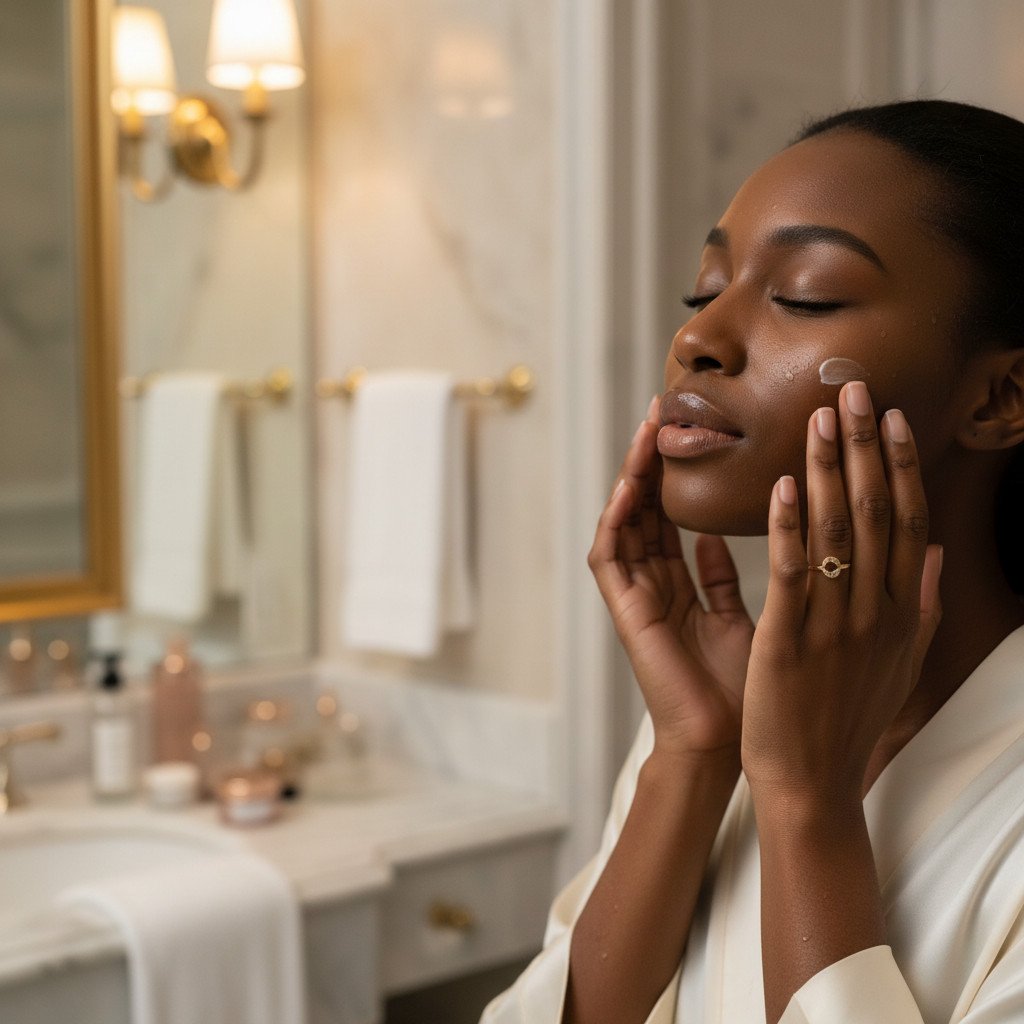
- Sunscreen Application: This is the non-negotiable step. Apply a generous amount (about two finger-lengths for the face and neck) of your chosen broad-spectrum, visible light-protective sunscreen. Don’t forget your ears, chest, and hands.
Throughout the Day: Mindful Habits
- Reapply as Needed: If you’re spending extended time outdoors, sweating, or swimming, reapply every two hours. Even indoors, if you’re by a sunny window or spending hours on screens, a midday reapplication or touch-up (perhaps with a tinted powder SPF) can be beneficial.
- Seek Shade: Whenever possible, especially during peak sun hours (10 AM to 4 PM), seek shade. This significantly reduces your overall light exposure.
- Wear Protective Accessories: Incorporate wide-brimmed hats and UV-protective sunglasses into your outdoor wardrobe. They are stylish and effective.
- Adjust Screen Settings: While not a substitute for topical protection, reducing screen brightness or using “night mode” or blue light filters on devices can reduce eye strain and potentially some skin exposure.
Evening Routine: Repair and Restore
- Cleanse Thoroughly: Remove all sunscreen, makeup, and environmental impurities.
- Targeted Treatments: Use products with ingredients like retinoids or alpha hydroxy acids (AHAs) to help with cell turnover and fade existing hyperpigmentation.
- Hydrate: Finish with a nourishing moisturizer to support skin barrier repair overnight.
The Power of Consistency and Self-Love
Ultimately, protecting your melanin-rich skin from the full spectrum of light is an act of self-love and long-term care. It’s about understanding that your skin, while beautiful and resilient, still requires thoughtful protection to maintain its health, vibrancy, and even tone. Don’t let the science paralyze you; let it empower you to make simple, consistent choices that will benefit your skin for years to come.
Remember, melanin offers incredible natural protection, but it has its limits. By understanding how both UV and visible light interact with your unique skin, you can move beyond common sunscreen myths and embrace a truly comprehensive approach to care. This journey is about nurturing your skin, celebrating its strength, and ensuring its radiant health for a lifetime. For more foundational knowledge, consider revisiting the parent pillar on sunscreen for dark skin.
Frequently Asked Questions
What is the main difference between UV and visible light for my skin?
UV light (UVA and UVB) is primarily responsible for sunburn, DNA damage, and skin cancer risk, as well as contributing to aging and hyperpigmentation. Visible light, especially high-energy blue light, is a significant trigger for hyperpigmentation in melanin-rich skin and contributes to oxidative stress, even if it doesn’t cause sunburn.
Do I really need to worry about visible light if I’m indoors all day?
Yes, visible light is emitted by computer screens, smartphones, and indoor lighting, and it also penetrates windows. For melanin-rich skin prone to hyperpigmentation, this cumulative indoor exposure to visible light can contribute to dark spots and uneven skin tone, making daily protection important regardless of your location.
What type of sunscreen protects against visible light?
Mineral sunscreens containing iron oxides are currently considered the most effective for blocking visible light. Look for tinted mineral sunscreens with ingredients like zinc oxide and titanium dioxide, along with iron oxides, to provide comprehensive protection against both UV and visible light.
Can visible light cause skin cancer?
While UV radiation is the primary cause of skin cancer, visible light can contribute to oxidative stress and inflammation, which are factors in overall skin damage. However, its direct link to skin cancer development is not as established as that of UV radiation. The main concern with visible light for melanin-rich skin is its strong link to hyperpigmentation.

How much sunscreen should I apply to get adequate protection?
For your face and neck, aim for about two finger-lengths of sunscreen. This translates to roughly a quarter teaspoon. Applying less than the recommended amount significantly reduces the stated SPF and overall protection, including against visible light.
Will protecting against visible light help fade existing dark spots?
Protecting against visible light primarily helps prevent new hyperpigmentation and keeps existing dark spots from getting darker or becoming more stubborn. While it won’t directly fade existing spots, it creates an optimal environment for other targeted treatments (like retinoids or vitamin C) to work more effectively and prevent recurrence.

Is my natural melanin enough protection against all light?
While melanin provides a natural SPF of around 13.4 and offers significant protection against UV damage, it is not a complete shield. Melanin-rich skin is still susceptible to UV-induced skin cancer and accelerated aging, and is particularly prone to visible light-induced hyperpigmentation. Therefore, daily comprehensive sun protection is essential for optimal skin health.
Where to Go Next
Understanding how UV and visible light interact with your melanin-rich skin is a powerful step towards truly comprehensive skincare. This knowledge empowers you to move beyond outdated myths and embrace a routine that genuinely protects and enhances your unique beauty.
Your journey doesn’t end here. To deepen your understanding and refine your sun protection strategy, we encourage you to explore other essential resources on Black Beauty Basics. Dive into our cluster on Education and Myth-Busting About SPF and Dark Skin for more insights tailored to your needs. Learn more about melanin protection and its real limits to truly grasp the nuances of your skin’s natural defenses.
Equipped with this knowledge, you are better prepared to make informed choices that celebrate and protect the radiant health of your melanin-rich skin, ensuring it thrives for years to come.
INTERNAL LINKING OPPORTUNITIES
- https://blackbeautybasics.com/sunscreen-for-dark-skin/education-and-myth-busting-about-spf-and-dark-skin/
Education and Myth-Busting About SPF and Dark Skin
This link points to the cluster hub, offering readers a broader collection of articles related to the topic of SPF and dark skin, which is directly relevant to the educational nature of this article. - https://blackbeautybasics.com/sunscreen-for-dark-skin/
parent pillar on sunscreen for dark skin
This link directs to the main pillar page for sunscreen, providing a foundational resource for readers who want to explore the topic of sunscreen for dark skin more broadly. - https://blackbeautybasics.com/sunscreen-for-dark-skin/education-and-myth-busting-about-spf-and-dark-skin/common-sunscreen-myths-about-dark-skin/
common sunscreen myths about dark skin
This article debunks misconceptions, directly relating to the discussion of how melanin-rich skin responds to light and why common myths fall short. - https://blackbeautybasics.com/sunscreen-for-dark-skin/education-and-myth-busting-about-spf-and-dark-skin/melanin-protection-and-its-real-limits/
melanin protection and its real limits
This link directly supports the discussion about melanin’s protective qualities and where that protection ends, reinforcing the need for external sun protection. - https://blackbeautybasics.com/sunscreen-for-dark-skin/education-and-myth-busting-about-spf-and-dark-skin/skin-cancer-risks-and-delayed-diagnosis-in-people-of-color/
skin cancer risks and delayed diagnosis in people of color
This link highlights a serious consequence of inadequate sun protection in melanin-rich skin, directly relevant to the discussion of UV damage. - https://blackbeautybasics.com/sunscreen-for-dark-skin/education-and-myth-busting-about-spf-and-dark-skin/how-spf-supports-hyperpigmentation-and-dark-spot-work/
how SPF supports hyperpigmentation and dark spot work
This link connects the role of SPF (and by extension, broader light protection) to a primary concern for melanin-rich skin: hyperpigmentation. - https://blackbeautybasics.com/hyperpigmentation-and-dark-spots/
hyperpigmentation and dark spots
This cross-pillar link provides a comprehensive resource on hyperpigmentation, a central theme when discussing the impact of visible light on melanin-rich skin. - https://blackbeautybasics.com/sunscreen-for-dark-skin/texture-and-finish-preferences-tinted-clear-matte-dewy/
texture and finish preferences, tinted, clear, matte, dewy
This cross-cluster link is relevant when discussing tinted sunscreens with iron oxides, as it addresses practical considerations for choosing sunscreens that also provide visible light protection without a white cast.
Related next steps
Related posts:
 How Sleep, Exercise, and Sweat Affect Your Scalp Routine
 Clothing, Intimacy, and Being Seen With Visible Scars and Rashes
 Building Sustainable SPF Habits on Melanin-Rich Skin: A Guide to Consistent, Comfortable Protection
 Everyday Sunscreen for Adult Melanin-Rich Skin
 How Face Sunscreen Supports Hyperpigmentation and Dark Spots Work on Melanin-Rich Skin
 Morning Routine Order: Where Face Sunscreen Fits on Melanin-Rich Skin