Tinted vs Clear SPF on Dark Skin: What Actually Shows Up
For Black women and others with melanin-rich skin, the quest for the perfect sunscreen often feels like navigating a labyrinth of conflicting advice and unfulfilled promises. The internet, a vast ocean of information, frequently presents a simplified narrative: clear sunscreens are the enemy, leaving an unsightly white cast, while tinted sunscreens are the savior, magically blending into every skin tone. This binary, while well-intentioned, often falls short of the complex reality experienced by those with medium-deep to deep complexions. It suggests that merely choosing a “tinted” product automatically solves all concerns, or that a “clear” formula will always disappear without a trace. The truth, as we’ve learned through countless trials and errors, is far more nuanced.
The lived experience tells a different story. Many clear sunscreens, despite their claims, can still leave a subtle, sometimes not-so-subtle, ashy or ghostly finish, especially under certain lighting or as the day progresses. This isn’t always a stark white cast, but rather a dulling or desaturating effect that mutes the natural vibrancy of dark skin. Conversely, while tinted sunscreens offer a promising alternative, they are not a universal panacea. The range of “tints” available often fails to encompass the rich diversity of undertones and depths found within the Black community. A tint that works beautifully on one medium-deep skin tone might appear orange, gray, or simply too light on another, creating an artificial, obvious layer rather than a seamless blend. This article delves into the practical realities of both tinted and clear SPF on dark skin, moving beyond the simplistic narratives to uncover what truly shows up, and how to make informed choices for your unique complexion.
Our goal at Black Beauty Basics is to provide guidance that is grounded in real-world application, combining scientific understanding with the wisdom of lived experience. We understand that your sunscreen isn’t just another product; it’s a vital tool for skin health, and it should integrate seamlessly into your beauty routine without compromise. We’ll explore the intricacies of cast, tone blending, finish, and overall appearance, offering a comprehensive look at how these two categories of SPF perform on melanin-rich skin. By understanding the true capabilities and limitations of both tinted and clear formulations, you can navigate the market with confidence, choosing products that genuinely enhance and protect your beautiful complexion, rather than masking or altering it in undesirable ways.
What People Usually Mean by Tinted and Clear Sunscreen
To truly understand the performance of tinted and clear sunscreens on dark skin, it’s essential to first clarify what these terms generally imply within the beauty industry and among consumers. While seemingly straightforward, the definitions carry specific expectations, particularly concerning their interaction with various skin tones.
The Conventional Understanding of Clear Sunscreen
When most people refer to “clear sunscreen,” they are typically imagining a formula that applies without any visible color or residue. The ideal clear sunscreen is expected to be completely transparent, absorbing quickly into the skin and leaving no trace behind. This expectation is largely rooted in the desire for an invisible layer of protection, something that doesn’t alter the skin’s natural appearance, texture, or finish. Historically, chemical sunscreens have been the primary category associated with this “clear” characteristic. Ingredients like oxybenzone, avobenzone, octinoxate, and octisalate are designed to absorb UV radiation rather than reflect it, and they typically formulate into lotions, gels, or sprays that are colorless and sheer.
However, the term “clear” can also extend to certain mineral sunscreens, particularly those formulated with micronized or nano-sized zinc oxide and titanium dioxide. Traditional mineral filters, in their non-micronized form, are notorious for leaving a stark white cast, especially on darker skin. But advancements in cosmetic science have allowed manufacturers to mill these mineral particles down to a size that, in theory, becomes optically transparent on the skin. The promise here is a mineral sunscreen that offers broad-spectrum protection without the dreaded white film. For consumers, a clear sunscreen represents the ultimate convenience: apply and forget, with no need to worry about blending, tone matching, or visible residue. It’s often seen as the go-to for everyday wear, especially under makeup or for those who prefer a minimalist approach to their skincare routine.
The Conventional Understanding of Tinted Sunscreen
On the other hand, “tinted sunscreen” immediately conjures images of a product that offers both sun protection and a subtle hint of color, much like a tinted moisturizer or a light foundation. The primary purpose of the tint is to counteract the potential white cast of mineral filters, which are almost exclusively the base for tinted sunscreens. By incorporating iron oxides and other pigments, manufacturers aim to create a shade that blends seamlessly with the skin, effectively neutralizing any chalky residue. The expectation is that a tinted sunscreen will not only protect the skin but also provide a degree of cosmetic enhancement – evening out minor imperfections, reducing redness, or simply giving the skin a more uniform appearance without the heaviness of traditional makeup.
For many, particularly those with darker skin tones, tinted sunscreen is often presented as the definitive solution to the white cast problem. The idea is that the added pigments will mimic the natural melanin in the skin, allowing the sunscreen to disappear or even improve the complexion. This makes tinted sunscreens appealing for those seeking a “no-makeup makeup” look, or as a base layer before applying other cosmetics. The conventional wisdom suggests that if you have dark skin, a tinted mineral sunscreen is your safest bet to avoid an ashy finish, offering a dual benefit of protection and a touch of coverage. This often leads to the assumption that any tinted product will automatically be a better choice than a clear one, regardless of the specific shade or formulation.
What Actually Shows Up on Dark Skin in Each Category
Moving beyond the marketing claims and conventional understandings, let’s delve into the practical realities of how both clear and tinted sunscreens truly perform on melanin-rich skin. The experience can often diverge significantly from expectations, leading to frustration and continued searching for the “holy grail” SPF.
The Reality of “Clear” Sunscreens on Dark Skin
While chemical sunscreens are generally lauded for their “clear” application, their performance on dark skin isn’t always perfectly invisible. For many, a chemical sunscreen might indeed disappear without a trace, offering truly transparent protection. However, other formulations can present a different set of challenges. Some chemical sunscreens, particularly those with a higher alcohol content or certain emollients, can leave a finish that, while not white, might appear overly shiny, greasy, or even subtly reflective. This can be particularly noticeable in flash photography or under bright artificial lights, creating an undesirable sheen that looks less like a healthy glow and more like an oil slick.
Moreover, some chemical formulas can create a slight “blurring” or desaturating effect on deeper skin tones. It’s not a white cast, but rather a subtle dullness that can mute the skin’s natural radiance. This can be attributed to certain film-forming agents or light-scattering ingredients that, while designed to be transparent, interact with the unique optical properties of melanin in a way that slightly alters the skin’s appearance. The skin might look less vibrant, less “alive,” than its natural state. Furthermore, some chemical sunscreens can feel heavy or occlusive, contributing to a feeling of congestion or an uncomfortable layer on the skin, especially in humid climates or for those with oily skin types. The “clear” promise, therefore, often refers to the absence of white pigment, but not necessarily the absence of a visible finish or textural impact.
When it comes to “clear” mineral sunscreens (those with micronized zinc oxide and titanium dioxide), the reality is even more complex. While micronization significantly reduces the white cast compared to traditional mineral filters, it rarely eliminates it entirely on medium-deep to deep skin tones. Instead of a stark white film, you might encounter a subtle grayish, bluish, or purplish cast. This ghost-like hue is often more pronounced on certain undertones, such as cooler or olive complexions, where the white particles interact with the skin’s natural pigments to create an unnatural pallor. The degree of this cast can vary wildly depending on the concentration of the mineral filters, the specific micronization process, and the formulation’s base ingredients. What appears “clear” on a lighter skin tone might still be noticeably ashy or dulling on a deeper one. This phenomenon can be particularly frustrating because it’s often less obvious in indoor lighting but becomes glaringly apparent in natural daylight or photographs.
The Reality of “Tinted” Sunscreens on Dark Skin
The expectation for tinted sunscreens is that they will seamlessly blend, offering a natural finish that complements the skin. However, the reality for dark skin tones is often a mixed bag, fraught with challenges in shade matching and undertone compatibility. The most prevalent issue is the limited range of “tints” available. Many brands offer a handful of shades, often labeled “light,” “medium,” and “deep,” which are rarely sufficient to cover the vast spectrum of melanin-rich complexions. The “deep” shade, if it exists, is frequently too light, too orange, too red, or too gray for truly deep skin tones. This results in a visible layer of color that sits on top of the skin rather than blending into it, creating an artificial, mismatched appearance.
A common outcome is an orange cast. This occurs when the pigments used in the tint are not balanced to match the natural undertones of darker skin, which can range from red to golden to olive. If the tint leans too warm or has an excess of yellow/red pigments without enough neutralizing tones, it can make the skin look unnaturally orange or ruddy. Conversely, some tints can appear grayish or ashy, especially if they are too cool or contain pigments that don’t harmonize with the skin’s natural warmth. This can happen when a tint designed for a lighter “deep” skin tone is applied to a truly rich, deep complexion, resulting in a dull, desaturated look.
Beyond the color mismatch, the finish of tinted sunscreens can also be problematic. Some formulations, in an attempt to provide coverage, can feel heavy or look mask-like, especially if the tint isn’t a perfect match. Others might settle into fine lines or pores, or emphasize dry patches. While the tint is intended to hide the white cast of mineral filters, if the shade is off, it merely replaces one visible layer (white) with another (mismatched color). The ideal tinted sunscreen for dark skin would offer a sheer, buildable tint that adapts to the skin’s natural variations, providing a healthy glow without looking like makeup. Unfortunately, achieving this ideal is often a rare find, requiring extensive trial and error.
For a deeper dive into how different formulations interact with melanin-rich skin, you might find our article on mineral vs. chemical SPF on dark skin particularly insightful, as it lays the groundwork for understanding the base properties of these sunscreen types.
When Tinted SPF Works Well — and When It Does Not
Tinted sunscreens hold significant promise for dark skin, offering the potential to neutralize mineral white cast while providing a subtle cosmetic benefit. However, their efficacy is highly dependent on formulation, shade range, and individual skin characteristics. Understanding these nuances is key to determining if a tinted SPF is the right choice for you.
The Ideal Scenarios for Tinted SPF on Dark Skin
Tinted SPF truly shines when a brand has invested in developing a diverse and well-calibrated shade range that genuinely caters to the spectrum of melanin-rich skin tones. When the tint is just right – meaning it matches your undertone (warm, cool, neutral, olive) and your depth of color – it can be a game-changer. In these ideal scenarios, the iron oxides and other pigments in the formula effectively counteract any potential white cast from the mineral filters, resulting in a seamless, natural-looking finish. The sunscreen disappears into the skin, leaving behind only a healthy, even-toned complexion. It can provide a light veil of coverage, blurring minor imperfections, evening out skin tone, and imparting a subtle radiance without looking heavy or mask-like.
For those who prefer a minimalist beauty routine, a well-matched tinted SPF can serve as a multi-tasking product, combining sun protection with a hint of foundation. It can simplify your morning routine, allowing you to skip a separate complexion product. This is particularly beneficial for days when you want a polished look without the full commitment of makeup. Furthermore, tinted sunscreens can be excellent for those with hyperpigmentation, as the tint can offer a slight color correction, helping to visually diminish the appearance of dark spots while the SPF protects against further darkening. The key here is the “well-matched” aspect; when the tint is harmonious with your skin, it enhances rather than detracts, providing a protective layer that feels and looks like a second skin.
Many individuals find success with specific brands that are known for their inclusive shade ranges or those that formulate their tints with a deeper understanding of melanin-rich skin. These products often feature a thoughtful balance of red, yellow, and black iron oxides to create shades that truly adapt and blend. When you find such a product, it can be a truly transformative experience, offering the best of both worlds: robust mineral sun protection and a flattering, natural finish. To explore options, you can Shop tinted sunscreen for deep skin tones on Amazon.
When Tinted SPF Falls Short on Dark Skin
Despite the potential benefits, tinted SPF can be a source of significant frustration when the formulation or shade range is inadequate. The most common pitfall is a poor shade match. As discussed, many brands offer “deep” shades that are simply not deep enough, or they possess an undertone that clashes with the natural complexion. This results in a sunscreen that looks noticeably off, creating a visible line of demarcation at the jawline or a ghostly, ashy, or orange cast over the entire face. Instead of blending seamlessly, the tint sits on top of the skin, making it obvious that you’re wearing a colored product that doesn’t belong.
Another issue arises when the tint is too opaque or heavy. While some may desire more coverage, an overly pigmented tinted SPF can look unnatural, especially if the shade isn’t perfect. It can settle into fine lines, emphasize texture, or feel suffocating on the skin, particularly in warmer climates. The goal of a tinted sunscreen is often a “my skin but better” effect, but a heavy tint can achieve the opposite, making the skin look dull, flat, or even cakey. This defeats the purpose of a natural-looking sun protection product.
Furthermore, some tinted formulations, even if the color is somewhat passable, might have an undesirable finish. They could be too dewy for oily skin types, leading to excessive shine, or too matte for dry skin, emphasizing flakiness. The texture of the tint itself can also be problematic; if it’s streaky, difficult to blend, or pills when layered with other skincare products, it becomes impractical for daily use. The promise of a “tint” can sometimes overshadow the fundamental requirement of a good sunscreen: smooth application, comfortable wear, and effective protection. When these aspects are compromised due to a poorly executed tint, the product fails to meet the needs of the consumer, regardless of its SPF rating.
For more insights into how different finishes play out on melanin-rich skin, consider reading our article on matte, natural, and dewy finishes on melanin-rich skin, which can help you understand what to look for beyond just the tint.
When Clear SPF Works Well — and When It Still Looks Off
The allure of a “clear” sunscreen is undeniable: invisible protection, no white cast, no fuss. For many, this is the ideal. However, the reality of clear SPF on dark skin is complex, revealing that even seemingly transparent formulas can present unexpected visual and textural challenges.
The Ideal Scenarios for Clear SPF on Dark Skin
When a clear sunscreen truly lives up to its name, it can be an absolute triumph for dark skin. This typically occurs with well-formulated chemical sunscreens that absorb quickly, leave no visible residue, and provide a genuinely transparent layer of protection. These are the formulas that you can apply generously without fear of an ashy cast, a dulling effect, or an unnatural sheen. They blend seamlessly into the skin, feeling lightweight and comfortable, almost as if you’ve applied nothing at all. For those with oily skin, finding a clear chemical sunscreen with a matte or natural finish can be particularly beneficial, as it helps to control shine without adding extra layers of pigment.
Clear sunscreens are also excellent for layering. If your skincare routine involves multiple steps – serums, moisturizers, and then SPF – a truly clear formula won’t interfere with the absorption or finish of your other products. It’s also the preferred choice for those who wear makeup daily, as it provides a smooth, invisible base without altering the color or texture of your foundation or concealer. You can apply your clear SPF, let it set, and then proceed with your makeup application without worrying about how the sunscreen will interact with your complexion products. This makes it a versatile option for everyday use, sports, or any activity where you want robust protection without any cosmetic alteration.
Furthermore, some advanced “clear” mineral sunscreens, particularly those utilizing innovative dispersion technologies or very finely milled zinc oxide, can come remarkably close to invisibility on certain dark skin tones. While they may not be 100% invisible on everyone, some individuals with specific undertones or depths find these formulations to be perfectly acceptable, offering the benefits of mineral protection without significant visual compromise. The key is finding a formula that truly respects the optical properties of melanin, allowing the skin’s natural vibrancy to shine through. You can explore options like Shop clear sunscreen for dark skin face on Amazon.
When Clear SPF Still Looks Off on Dark Skin
Despite the promise of invisibility, clear sunscreens can still fall short on dark skin in several ways, often leading to a finish that is far from ideal. The most common issue, especially with certain chemical formulations, is an overly greasy or reflective appearance. While not a white cast, this sheen can make the skin look perpetually oily, even if it’s naturally dry. This “wet” look can be particularly bothersome for those with naturally oily skin or in humid climates, contributing to a feeling of discomfort and an undesirable aesthetic. The skin might appear slick, rather than dewy or glowing, diminishing its natural beauty.
Another subtle but significant problem is the dulling or desaturating effect mentioned earlier. Some clear chemical sunscreens, while not leaving a white film, can subtly mute the natural warmth and vibrancy of dark skin. The complexion might look less radiant, less “alive,” as if a thin, transparent veil has been placed over it. This can be attributed to certain film-forming polymers or light-scattering ingredients that, while designed to be colorless, can interact with melanin in a way that slightly alters the skin’s optical properties. It’s not an overt cast, but a subtle shift that can make the skin appear less healthy or vibrant than its natural state.
For “clear” mineral sunscreens, even the most advanced micronized formulas can still present a subtle grayish or purplish cast on deeper skin tones. This is often more noticeable in direct sunlight or against certain backdrops. The fine mineral particles, despite their small size, can still scatter light in a way that creates a slight haze or a desaturated effect, especially on very rich, deep complexions. This isn’t the stark white cast of older formulations, but it’s enough to make the skin look unnatural or ashy. This residual cast can be particularly frustrating for those who specifically choose mineral sunscreens for their perceived “cleaner” ingredients, only to find that cosmetic elegance is still elusive. Ultimately, the term “clear” on dark skin often means “less white cast” rather than “truly invisible,” and the subtle imperfections can still be a deal-breaker for many.
Understanding how different textures feel and look on your skin is also crucial. Our article on finding non-ashy sunscreen textures for melanin-rich skin offers further guidance on identifying formulas that truly disappear.
How to Choose Based on Skin Tone, Routine, and Personal Preference
Navigating the choice between tinted and clear SPF on dark skin requires a holistic approach, considering not just the product itself, but also your individual skin tone, daily routine, and personal aesthetic preferences. There’s no one-size-fits-all answer, but by understanding these factors, you can make a more informed decision.
Considering Your Specific Skin Tone and Undertone
Your unique skin tone and undertone are paramount in determining which type of SPF will work best. For those with very deep, rich skin tones, finding a truly seamless tinted SPF can be exceptionally challenging. Many “deep” tints simply aren’t deep enough, or they possess an undertone that clashes with the natural warmth or coolness of your skin. In such cases, a clear chemical sunscreen that truly disappears might be a more reliable option, provided it doesn’t leave an undesirable greasy or dulling finish. The goal is to preserve the natural vibrancy and depth of your complexion, not to mask or alter it with an ill-fitting tint.
Individuals with medium-deep skin tones might have more success with tinted options, as there’s a slightly wider range of “deep” shades that could potentially work. However, even here, attention to undertone is critical. If your skin has strong golden or olive undertones, a tint that leans too red or orange will look unnatural. Conversely, if your skin has cooler, reddish undertones, a tint that is too yellow might appear sallow. It’s essential to swatch sunscreens on your jawline or a less exposed area of your face and observe them in natural light to see how they truly blend and if they maintain your skin’s natural harmony.
For those who are particularly sensitive to any form of white cast or dullness, regardless of skin depth, the pursuit of a truly invisible clear chemical sunscreen might be the priority. The key is to recognize that “clear” is not always universally clear on all dark skin, and “tinted” is not always universally matching. Your specific melanin content and undertone dictate how light is absorbed and reflected, and therefore how any sunscreen will ultimately appear.
Aligning with Your Daily Routine and Lifestyle
Your daily routine and lifestyle choices also play a significant role in selecting the right SPF. If you typically wear a full face of makeup, a truly clear sunscreen might be your best bet. It provides an invisible protective layer that won’t interfere with the color, texture, or longevity of your foundation, concealer, or other complexion products. Applying a tinted SPF under a separate foundation can sometimes lead to a heavy, cakey look, or an undesirable color shift if the tint and foundation don’t perfectly harmonize. A clear SPF allows your makeup to be the primary source of color and coverage, while the sunscreen focuses solely on protection.
Conversely, if you prefer a minimalist approach to beauty, or if you’re looking for a product that combines sun protection with a very light cosmetic touch, a well-matched tinted SPF can be ideal. It can serve as your all-in-one product for days when you want to even out your skin tone without the commitment of full makeup. This is particularly convenient for quick errands, gym sessions, or casual outings. For those who exercise frequently or spend a lot of time outdoors, a clear, sweat-resistant formula might be preferred, as tinted products can sometimes streak or transfer more easily.
Consider also the environment you’re in. In very humid climates, a lightweight, clear chemical sunscreen might feel more comfortable and less prone to shifting than a heavier tinted mineral formula. If you’re frequently in front of screens, some argue that iron oxides in tinted sunscreens offer additional protection against visible light, which might influence your choice. Ultimately, the best SPF is the one you’ll consistently wear, so choose a formula that integrates seamlessly into your existing habits and doesn’t add unnecessary friction to your day.

Prioritizing Personal Preference: Finish, Feel, and Ingredients
Beyond practical considerations, personal preference regarding finish, feel, and ingredients is crucial. Do you prefer a matte, natural, or dewy finish? Some clear sunscreens can be quite dewy, which might be lovely for dry skin but overwhelming for oily skin. Similarly, some tinted sunscreens offer a matte finish, while others are designed to be more radiant. Knowing your preferred aesthetic will narrow down your options significantly. For an in-depth look at how different finishes appear on dark skin, our article on matte, natural, and dewy finishes on melanin-rich skin provides valuable insights.
The feel of the product on your skin is also paramount. Some individuals dislike the sensation of chemical sunscreens, finding them irritating or simply preferring mineral filters. Others find mineral sunscreens, even tinted ones, to be too thick or occlusive. If you have sensitive skin, you might prioritize formulas free of fragrance or certain chemical filters. The best way to assess feel is to sample products whenever possible. Apply a small amount to your skin and observe how it feels throughout the day – does it feel heavy, sticky, or comfortable?
Finally, your ingredient preferences play a role. If you are committed to using only mineral sunscreens, your choice will primarily be between a potentially ashy clear mineral formula or a tinted mineral formula that you hope will match. If you are open to chemical sunscreens, you have a wider array of truly clear options. Remember, the “best” sunscreen is highly individual. It’s the one that provides effective protection, feels good on your skin, looks good on your complexion, and that you are motivated to apply diligently every single day. Don’t be afraid to experiment and trust your own judgment regarding what works for your beautiful skin.
For additional guidance on how sunscreen finish interacts with your makeup, you might find our article on how sunscreen finish works with makeup on dark skin to be a helpful resource.
Frequently Asked Questions
What is the main difference between tinted and clear SPF?
The main difference lies in the presence of pigments. Tinted SPF contains iron oxides and other colorants to provide a subtle cosmetic tint, primarily to counteract the white cast of mineral filters. Clear SPF, whether chemical or micronized mineral, aims to be transparent upon application, leaving no visible color or residue.
Do clear sunscreens always leave a white cast on dark skin?
Not always, but it’s a common concern. While chemical sunscreens are generally clear, some formulations can still leave a greasy sheen or a subtle dulling effect. Micronized mineral sunscreens, while less white than traditional ones, can still impart a grayish or purplish cast on many dark skin tones, especially in certain lighting conditions.
Can tinted sunscreens perfectly match all dark skin tones?
Unfortunately, no. The range of “tints” available often falls short of the vast diversity of undertones and depths in melanin-rich skin. Many “deep” shades can appear too light, too orange, too red, or too gray, leading to a visible mismatch rather than a seamless blend.
Which type of SPF is better for wearing under makeup on dark skin?
Generally, a truly clear chemical sunscreen is often preferred under makeup, as it provides an invisible base that won’t alter the color or texture of your foundation. A well-matched tinted SPF can also work if it’s sheer and blends perfectly, but a mismatch can create an undesirable color shift or a heavy look.
Are tinted sunscreens only mineral-based?
While the vast majority of tinted sunscreens are mineral-based (using zinc oxide and titanium dioxide) with added pigments to offset their natural white cast, there are a few rare exceptions of chemical sunscreens with a tint. However, the primary reason for tinting is almost always to address the cosmetic challenge of mineral filters.
How can I test if a tinted or clear SPF will work on my dark skin before buying?
The best way is to swatch the product on your jawline or a small area of your face and observe it in natural daylight for at least 15-30 minutes, allowing it to fully set. Pay attention to any white, gray, orange, or ashy casts, as well as the overall finish (greasy, matte, dulling). If possible, ask for samples or purchase travel sizes.
Do tinted sunscreens offer any additional benefits beyond aesthetic?
Yes, the iron oxides used in tinted sunscreens not only provide color but also offer additional protection against visible light (including blue light), which can contribute to hyperpigmentation in melanin-rich skin. This makes them particularly beneficial for individuals concerned about dark spots or melasma.
Where to Go Next
The journey to finding your ideal sunscreen is a personal one, filled with discovery and refinement. At Black Beauty Basics, we are committed to providing you with the comprehensive, culturally relevant information you need to make empowered choices for your skin health. Understanding the nuances between tinted and clear SPF is just one piece of this essential puzzle.
To deepen your knowledge and further refine your sunscreen selection, we encourage you to explore other articles within our Sunscreen for Dark Skin series. For a broader understanding of how different formulas interact with your skin, delve into our main pillar page, Sunscreen for Dark Skin. Here, you’ll find foundational insights and a roadmap to comprehensive sun protection tailored for melanin-rich complexions. If you’re curious about the tactile experience and how to avoid that dreaded ashy look, our article on Finding Non-Ashy Sunscreen Textures for Melanin-Rich Skin offers practical advice.
For those who are particular about the final look of their skin, whether you prefer a subtle glow or a more refined matte appearance, our guide to Matte, Natural, and Dewy Finishes on Melanin-Rich Skin will help you identify products that align with your aesthetic preferences. And if you’re layering SPF with your daily makeup, understanding the synergy between your sun protection and cosmetics is vital; our piece on How Sunscreen Finish Works with Makeup on Dark Skin provides expert tips. Remember, your skin is unique, and your sunscreen should be too. Continue to explore, experiment, and embrace the power of informed choices for your radiant, protected skin.
You can also explore the full range of articles in this cluster, Texture and Finish Preferences: Tinted, Clear, Matte, Dewy, to gain a complete understanding of how these factors influence your sunscreen experience. And for broader beauty insights tailored for your complexion, don’t forget to visit our general section on Makeup for Deep Skin Tones, where you’ll find more resources to celebrate and enhance your natural beauty.
INTERNAL LINKING OPPORTUNITIES
- https://blackbeautybasics.com/sunscreen-for-dark-skin/texture-and-finish-preferences-tinted-clear-matte-dewy/
Texture and Finish Preferences: Tinted, Clear, Matte, Dewy
This is the cluster hub, and linking to it provides readers with a broader context of related articles on sunscreen textures and finishes.
- https://blackbeautybasics.com/sunscreen-for-dark-skin/

Sunscreen for Dark Skin
This is the parent pillar page, offering a comprehensive overview of sunscreen for dark skin, which is the main topic of this article cluster.
- https://blackbeautybasics.com/sunscreen-for-dark-skin/texture-and-finish-preferences-tinted-clear-matte-dewy/finding-non-ashy-sunscreen-textures-for-melanin-rich-skin/
finding non-ashy sunscreen textures for melanin-rich skin
This article discusses how even “clear” sunscreens can look off, and this sibling article provides specific guidance on avoiding ashy textures, directly supporting that point.
- https://blackbeautybasics.com/sunscreen-for-dark-skin/texture-and-finish-preferences-tinted-clear-matte-dewy/matte-natural-and-dewy-finishes-on-melanin-rich-skin/
matte, natural, and dewy finishes on melanin-rich skin
When discussing the finish of both tinted and clear sunscreens, this sibling article offers a deeper dive into different aesthetic outcomes, helping readers choose based on preference.
- https://blackbeautybasics.com/sunscreen-for-dark-skin/texture-and-finish-preferences-tinted-clear-matte-dewy/how-sunscreen-finish-works-with-makeup-on-dark-skin/
how sunscreen finish works with makeup on dark skin
The article discusses SPF under makeup, and this sibling article provides specific strategies for integrating sunscreen with cosmetics, which is highly relevant to the comparison of tinted vs. clear.
- https://blackbeautybasics.com/sunscreen-for-dark-skin/face-sunscreen-fundamentals-for-dark-skin/mineral-vs-chemical-spf-on-dark-skin/
mineral vs. chemical SPF on dark skin
This cross-pillar article explains the fundamental differences between mineral and chemical sunscreens, which are the underlying technologies for most tinted and clear formulas, providing essential background knowledge.
- https://blackbeautybasics.com/makeup-for-deep-skin-tones/
Makeup for Deep Skin Tones
This cross-pillar link connects the topic of sunscreen finish and tint to the broader context of makeup for the target audience, offering additional relevant resources.
Related next steps
Related posts:
 Dermatology AI on Dark Skin: What the Research Shows
 Beauty & “Skin Age” Apps: How Bias Shows Up for Black Women
 IMAGE Skincare PREVENTION+ Daily Tinted Moisturizer SPF 30 Sunscreen Review
 At‑Home Hair Removal Devices for Dark Skin: Which Are Actually Safe?
 How Eczema and Dermatitis Actually Look on Dark Skin
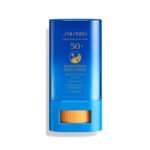 Shiseido Clear Sunscreen Stick SPF 50+ Review