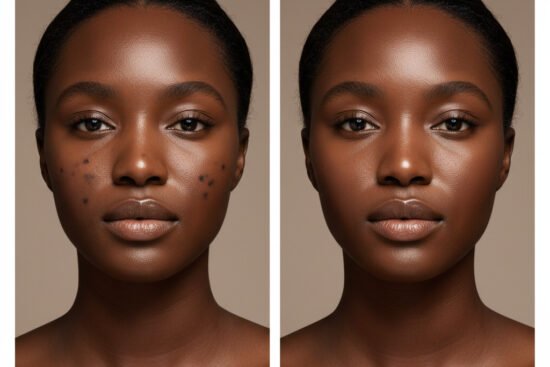
Most often I find that when your skin stings after applying moisturizer it signals a compromised skin barrier or an irritant/allergic reaction to ingredients like fragrance or acids; I recommend immediate gentle cleansing and patch testing and switching to fragrance-free, minimal-ingredient formulas. If you experience severe burning, swelling, or blisters, consider that it may be dangerous and seek medical evaluation promptly.
Key Takeaways:
- Damaged skin barrier lets ingredients penetrate and causes stinging-often a sign of irritation or sensitivity.
- Irritating ingredients (fragrance, alcohols, crucial oils, menthol, active acids or retinoids) commonly trigger a burning sensation.
- Underlying skin conditions (eczema, rosacea, sunburn) make skin more reactive and prone to stinging.
- Allergic contact dermatitis from a specific ingredient can cause immediate or delayed stinging with redness and itching.
- pH differences between products or using acidic actives can intensify stinging on sensitive skin.
- Expired or contaminated products may irritate; changes in smell or appearance suggest spoilage.
- Stop using the product, patch-test alternatives, choose fragrance-free, gentle moisturizers with ceramides/glycerin, and see a dermatologist if pain or symptoms persist.
Understanding Skin Sensitivity
The real driver behind stinging is a compromised epidermal barrier: when the stratum corneum is disrupted, transepidermal water loss rises and chemicals penetrate more easily, triggering nerve endings and inflammation. I see survey data showing about 50-60% of people report some degree of sensitive skin, and clinical patterns often combine barrier damage, immune reactivity, and heightened sensory nerve response-each demanding a different approach to treatment and product choice.
Common Causes of Skin Sensitivity
Fragrances, necessary oils, and preservatives like methylisothiazolinone frequently provoke reactions, while high-concentration actives-AHAs/BHAs, retinoids, and strong vitamin C formulations-can strip lipids and increase stinging. I often find that over-exfoliation, physical abrasives, and simultaneous use of multiple actives amplify sensitivity, and that fragrance and preservatives remain among the most common causes of contact dermatitis in consumer products.
Signs of Sensitive Skin
You’ll notice immediate stinging, burning, tightness, or redness after applying a moisturizer, often within minutes if nerves are hyperreactive; delayed itching, swelling, or eczematous patches appearing 24-72 hours later suggest allergic reactions. I flag persistent flaking or continuous discomfort as warning signs, and I treat severe swelling or blistering as an urgent indicator to stop the product and seek care.
To differentiate causes I recommend a simple home test: apply the product to a small area on your inner forearm for 48-72 hours and monitor reactions; if stinging is immediate but localized it’s likely irritant or barrier-related, whereas a delayed rash points to allergy. I also advise patch testing with a dermatologist for recurrent or unexplained reactions, and emphasize that repairing the barrier with gentle emollients often reduces sensitivity over weeks.
Ingredients in Moisturizers
I scan labels for occlusives, humectants, emollients, actives and preservatives because each class changes how your skin feels; for example, petrolatum and ceramides lock in moisture while fragrances and solvents often trigger stinging. I note concentrations when listed-actives at higher percentages behave differently-so knowing that a product contains hyaluronic acid, glycerin, niacinamide, or alcohol tells you a lot about likely comfort and risk.
Beneficial Ingredients
I favor humectants like glycerin (effective often at 3-5%) and hyaluronic acid (can hold up to 1,000× its weight in water) for immediate hydration, alongside ceramides and petrolatum to repair the barrier; niacinamide at 2-5% reduces redness and strengthens lipid synthesis, and peptides at low percentages can support longer-term skin resilience without stinging for most people.
Potential Irritants
I warn you about fragrance and many imperative oils, which are common causes of allergic and irritant reactions, plus alcohol denat that strips oils and increases permeability. Strong actives-like AHAs at ~10% or BHAs at ~2%-and preservatives such as methylisothiazolinone can also provoke stinging, especially on compromised or sensitized skin.
Mechanistically, I see stinging when the barrier is disrupted or the product pH differs from skin (~5.5); solvents like alcohol increase penetration of irritants, while oxidized perfume components (e.g., limonene breakdown products) and MI have documented allergy spikes-MI led to a marked rise in contact dermatitis in the 2010s. If your skin stings immediately, the insult is often topical solvent or allergen-driven rather than just hydration mismatch.
The Role of pH Balance
I pay attention to pH because your skin’s surface normally sits around pH 4.7-5.5; applying a product far from that range can destabilize the acid mantle, increase protease activity and trigger immediate stinging or longer-term barrier loss. For example, alkaline soaps (pH 9-10) and some unbuffered actives can shift skin toward neutral, making you more prone to irritation, dryness and sensitivity within hours to days.
Skin’s Natural pH
I know the acid mantle varies by site and age: facial skin averages pH 4.7-5.5, sebaceous zones are a touch more acidic, while dry or eczema-prone skin often measures closer to pH 6-7. Newborn and elderly skin can have higher pH too, which helps explain why you may notice more stinging or poor barrier repair in those groups when you use the wrong products.
Impact of pH on Skin Reaction
When a moisturizer’s pH clashes with your skin, you can feel immediate stinging because enzyme systems and lipid-processing stop working efficiently; adding an AHA at pH 3.5 to already compromised skin often produces sharp tingly pain. I flag products that are unbuffered or extremely alkaline/acidic since they more commonly provoke acute stinging and chronic barrier impairment.
Mechanistically, I observe that enzymes like beta-glucocerebrosidase and other lipid-processing enzymes operate best in the acidic range, so raising surface pH impairs ceramide formation and corneocyte cohesion. Clinically this shows as increased transepidermal water loss and sensitivity; conversely, using a pH-balanced moisturizer (about 4.5-6) often reduces stinging and speeds recovery of barrier function in days to weeks.
Application Techniques
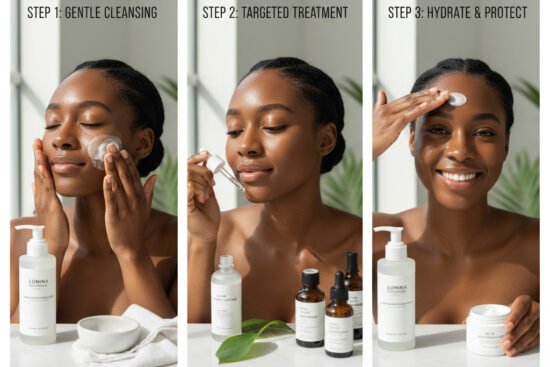
When I apply moisturizer I follow a methodical routine: cleanse gently, pat skin slightly damp, then use a pea-to-nickel sized amount (about 0.5-1 mL) warmed between my fingers. I spread in gentle pressing motions rather than vigorous rubbing to avoid disrupting the stratum corneum; usually 20-30 seconds of light patting helps absorption. If you feel sharp or persistent stinging, stop immediately and rinse-ongoing burning or swelling can signal significant irritation.
Proper Moisturizer Application
I dot moisturizer on forehead, cheeks, nose and chin, then press it into skin moving outward and upward; this minimizes friction and helps even distribution. For the eye area I use a separate eye product and a ring finger with a pea-sized dab. When dealing with compromised skin I choose barrier-repair textures (creams with ceramides) and apply in thin layers, allowing each to absorb for 30-60 seconds to reduce penetration of irritating actives. Patting on damp skin locks in humectants like glycerin.
Frequency of Application
I advise most people to apply moisturizer twice daily-morning and night-with an extra application after washing or sweating. For a normal routine use 1-2 pumps (0.5-1 mL) each time; if your barrier is damaged, scale back to once daily or every other day and favor emollient creams for 1-2 weeks. If stinging persists beyond 48 hours despite reducing use, discontinue and consult a dermatologist.
In practice I’ve had patients with reactive skin stop morning application and use a ceramide-rich cream nightly; within 7-14 days many report reduced stinging and less transepidermal water loss. Reintroduce morning use slowly, layer sunscreen over a lightweight moisturizer, and avoid introducing new actives more often than one every 2-3 weeks to spot changes; this gradual approach minimizes flare-ups and helps you identify the product responsible if stinging returns.
When to Seek Professional Help
If stinging worsens despite stopping the product or continues past 48-72 hours, I advise getting evaluated. Immediate assessment is needed for severe swelling, blistering, spreading redness, pus, fever over 101°F, or breathing difficulty. Mild, transient tingling that fades with barrier repair is common, but any signs suggesting infection or systemic involvement warrant prompt medical attention.
Identifying Serious Reactions
I differentiate timing and symptoms: an intense burn, hives, or throat tightness within minutes points to an IgE-mediated allergy, while redness, itching or scaling appearing 48-72 hours later suggests allergic contact dermatitis. If you experience hives, facial/ocular swelling, dizziness, or rapidly expanding redness, treat it as urgent and seek emergency care; localized, improving stinging can often be managed conservatively.
Consulting a Dermatologist
I refer when symptoms persist beyond 1-2 weeks, recur with multiple products, or show infection/allergic features. Dermatologists perform patch testing (readings at 48 and 72-96 hours), biopsies or cultures, and can prescribe topical corticosteroids, calcineurin inhibitors, oral antibiotics, or systemic therapy as needed; usually 1-3 visits establish diagnosis and a treatment plan.
In practice I use standard patch panels of about 30-40 allergens to identify culprits like fragrance, preservatives, or propylene glycol; readings at 48 and 72-96 hours catch delayed reactions. When biopsy or culture is needed it rules out infection or inflammatory disease. Many patients see marked improvement within 2-4 weeks after avoiding the identified ingredient and starting targeted prescription therapy.
Home Remedies and Alternatives
When my skin stings I use simple at-home measures that reduce inflammation and protect the barrier: a cool compress for 10-15 minutes, a thin layer of petrolatum at night to seal moisture, or rinsing off the product with lukewarm water. I often apply diluted aloe vera gel or colloidal oatmeal (oat bath or 1-3% in products) for anti-inflammatory benefit. I avoid important oils and fragranced DIY mixes because they commonly increase irritation; always patch-test for 48 hours on your forearm first.
Soothing Ingredients
I prioritize tried-and-true actives: niacinamide (2-5%) lowers redness and strengthens the barrier, panthenol (1-5%) attracts water and calms, and allantoin (0.5-2%) promotes healing. Colloidal oatmeal soothes itching via avenanthramides, and low-dose madecassoside/centella extracts reduce inflammation. I skip products with denatured alcohol, synthetic fragrance, or high-concentration important oils because they often provoke stinging.
Natural Moisturizers
I choose lightweight, non-greasy naturals: squalane (plant-derived) and jojoba mimic sebum and rarely clog pores, while sunflower seed oil-rich in linoleic acid-helps repair the lipid layer. Shea butter and beeswax provide occlusion for dry areas. I avoid coconut oil if I’m acne-prone since it commonly blocks pores.
For practical use I apply natural oils on slightly damp skin to trap moisture and use occlusives sparingly at night. Squalane feels safe for oily skin; jojoba works well when your skin is reactive because it’s sebum-like. Sunflower oil suits inflamed, dry skin because linoleic-rich oils support ceramide synthesis. I never mix undiluted important oils into moisturizers and I patch-test new naturals for 48-72 hours before regular use.
FAQ
Q: Why does my skin sting when I apply moisturizer?
A: A stinging sensation usually means the skin’s barrier is compromised or an active ingredient is interacting with the skin’s surface. When the stratum corneum is thin, dry, or damaged, irritants and acids penetrate more quickly and trigger nerve endings. Common causes include recent exfoliation, overuse of actives (AHAs/BHAs, retinoids, vitamin C), alcohol or solvent-heavy formulations, and products with a low or very high pH.
Q: Which ingredients in moisturizers most commonly cause stinging?
A: Ingredients that often sting include alpha hydroxy acids (glycolic, lactic), beta hydroxy acid (salicylic), high-concentration vitamin C (L-ascorbic acid), retinoids, alcohol (denatured alcohol, SD alcohol), strong preservatives or fragrance, imperative oils, menthol, and some peptide or enzyme actives. Even mild humectants can sting on raw or recently exfoliated skin.
Q: Is stinging the same as an allergic reaction?
A: No. Stinging or burning is usually irritant damage or heightened sensitivity and occurs immediately or within minutes. An allergic contact reaction is immune-mediated, typically develops over 24-72 hours, and presents with intense itching, spreading redness, swelling, or blistering. If symptoms include systemic signs, rapid swelling of the face or throat, or breathing difficulty, treat as an emergency.
Q: How can I tell if the stinging is from barrier damage versus product irritation or allergy?
A: Barrier damage signs: tightness, flaking, stinging from plain water, and sensitivity to multiple unrelated products. Product irritation tends to occur shortly after application and improves when the product is stopped. Allergy often worsens over days, can spread beyond the application site, and is intensely itchy or blistering. A patch test or stopping suspect products will help distinguish causes; persistent or spreading reactions warrant professional evaluation.
Q: What should I do immediately if a moisturizer stings my skin?
A: Rinse off gently with lukewarm water, stop using the product, and avoid harsh cleansers or active treatments. Apply a bland, fragrance-free emollient (petrolatum, ceramide-rich cream) to soothe and restore the barrier. Use cool compresses for pain, oral antihistamines for itching if needed, and seek medical care if there is severe swelling, blistering, or signs of infection.
Q: How can I prevent moisturizers from stinging in the future?
A: Patch-test new products on a small area for 24-48 hours, introduce one product at a time, and avoid applying potent actives immediately after exfoliation or retinoid use. Prefer fragrance-free, low-alcohol, pH-balanced formulas and products labeled for sensitive skin. Support the barrier with ceramides, cholesterol, fatty acids, glycerin, and hyaluronic acid. If you need an active ingredient, start at a low concentration, use it less frequently, or mix it into a bland moisturizer to reduce strength.
Q: When should I see a dermatologist about stinging from moisturizers?
A: See a dermatologist if stinging persists beyond a few days despite stopping the product and using basic barrier care, if redness or rash spreads, if there is blistering, oozing, or severe pain, or if you suspect an allergic contact dermatitis. Also consult a professional when sensitivity prevents normal skincare or when over-the-counter measures fail to restore the barrier.
Related posts:
 Why Does African American Hair Get So Dry?
 Why Does African American Hair Get So Dry?
 From Cakey to Flawless: How to Apply Foundation on Textured Skin (For African American Women)
 What’s The Best Moisturizer For African American Skin?
 What’s The Best Moisturizer For African American Skin?
 Beyond the Shade: Why Sunscreen is a Non-Negotiable for Black Women