Ingredients That Support PIH Without Overwhelming Sensitive Dark Skin
The journey to clear, even-toned skin after a breakout can feel like a marathon, especially when those stubborn post-inflammatory hyperpigmentation (PIH) marks linger long after the blemish has faded. For Black women and others with melanin-rich skin, these marks are not just a cosmetic concern; they’re a testament to our skin’s unique response to inflammation, often appearing darker and lasting longer than on lighter skin tones. The temptation to reach for every “brightening” or “fading” ingredient on the market can be incredibly strong, driven by a natural desire to reclaim our skin’s radiance. We see promising claims, hear about powerful actives, and sometimes, in our eagerness, we might even be tempted to layer them all, hoping for a faster path to clarity.
However, this well-intentioned pursuit can sometimes lead us down a path of frustration, irritation, and even further darkening. Our sensitive, melanin-rich skin, while resilient, is also exquisitely attuned to harsh treatments. Over-exfoliation, strong acids, or aggressive retinoids, when used without careful consideration, can compromise our skin barrier, leading to stinging, peeling, increased sensitivity, and paradoxically, even more PIH. It’s a cruel cycle: trying to fade marks faster, only to end up with skin that feels raw, looks redder, and sometimes, appears even darker than before. This experience can be incredibly disheartening, making us wary of trying new ingredients altogether.
At Black Beauty Basics, we understand this delicate balance. We know the unique concerns that come with caring for melanin-rich skin, and we champion an approach that prioritizes gentle efficacy, barrier health, and self-love. Our goal isn’t to rush the process, but to support your skin’s natural healing journey with wisdom and care. This guide is designed to help you navigate the world of ingredients that support PIH without overwhelming your sensitive dark skin. We’ll explore categories of ingredients commonly discussed for post-acne marks, offering insights into how they work and, crucially, how to integrate them gently and effectively into your routine. Because fading marks should never come at the cost of a wrecked barrier; it should be a journey of nurturing, not punishing, your beautiful skin.
Why Sensitive Dark Skin Needs a Calmer PIH Strategy
Our skin, particularly melanin-rich skin, is a marvel of biological engineering, but it also comes with unique sensitivities and responses, especially when it comes to inflammation and healing. When a breakout occurs, the inflammatory response in melanin-rich skin often triggers an overproduction of melanin, leading to those persistent dark spots we know as post-inflammatory hyperpigmentation (PIH). This isn’t a flaw; it’s a characteristic, a testament to our skin’s robust protective mechanisms. However, it means that our approach to fading these marks must be nuanced and deeply respectful of our skin’s inherent tendencies.
The conventional wisdom for fading hyperpigmentation, often developed with lighter skin tones in mind, sometimes advocates for aggressive exfoliation or high concentrations of active ingredients. While these methods might yield quicker results for some, for sensitive dark skin, they can be a recipe for disaster. Our melanocytes, the cells responsible for producing melanin, are highly reactive. When they encounter irritation, inflammation, or damage to the skin barrier, they can go into overdrive, producing even more melanin. This phenomenon is known as post-inflammatory hyperpigmentation itself, meaning that aggressive treatments intended to fade marks can, in fact, create new ones or worsen existing ones. It’s a vicious cycle where the very solution becomes the problem.
Moreover, sensitive dark skin often has a more delicate skin barrier, making it more susceptible to irritation from strong actives. A compromised barrier can manifest as dryness, redness, stinging, itching, and increased vulnerability to environmental aggressors. When the barrier is weakened, the skin struggles to retain moisture and protect itself, leading to chronic inflammation that further exacerbates PIH. This is why a “calmer” strategy isn’t just a preference; it’s a necessity. It’s about working with your skin, not against it, understanding its unique physiology, and choosing ingredients and routines that support its natural healing processes without triggering further irritation or inflammation. This gentle approach ensures that you’re not just fading marks, but also nurturing the overall health and resilience of your skin, leading to more sustainable and beautiful results.
Understanding the Melanin Response in Dark Skin
To truly appreciate why a calmer strategy is paramount, we must delve deeper into the melanin response. Melanin is the pigment that gives our skin, hair, and eyes their color. In darker skin tones, there’s not only more melanin but also larger and more active melanocytes. When inflammation occurs—whether from acne, a cut, or even harsh skincare products—these melanocytes are stimulated to produce and transfer more melanin to surrounding skin cells. This protective mechanism, while beneficial in shielding against UV radiation, is also the root cause of PIH.
The key takeaway here is that any form of irritation is perceived by our skin as inflammation. If a product stings, burns, or causes excessive redness and peeling, it’s not “working”; it’s causing irritation. This irritation then sends a signal to our melanocytes to produce more pigment, effectively sabotaging our efforts to fade existing marks. This is why the pursuit of a “quick fix” with potent, irritating ingredients often backfires, leading to a frustrating cycle of temporary improvement followed by worsening hyperpigmentation. A calmer strategy acknowledges this delicate balance, prioritizing ingredients that soothe, protect, and gently encourage cellular turnover and melanin regulation without provoking an inflammatory response.
The Importance of a Healthy Skin Barrier
The skin barrier, also known as the stratum corneum, is our body’s first line of defense. It’s a complex structure of skin cells (corneocytes) embedded in a lipid matrix, much like bricks and mortar. This barrier prevents transepidermal water loss (TEWL), keeping our skin hydrated, and protects against environmental aggressors, pathogens, and irritants. For sensitive dark skin, maintaining an intact and healthy skin barrier is non-negotiable, especially when addressing PIH. When the barrier is compromised, it becomes more permeable, allowing irritants to penetrate more easily and moisture to escape, leading to dryness, sensitivity, and inflammation.
Many aggressive PIH treatments, such as high-concentration alpha hydroxy acids (AHAs) or retinoids used too frequently, can strip the skin’s natural lipids and disrupt the barrier. This disruption not only makes the skin feel uncomfortable but also triggers the inflammatory cascade that can worsen PIH. Therefore, any effective PIH strategy for sensitive dark skin must include robust barrier support. This means incorporating ingredients that strengthen the barrier, replenish lipids, and soothe inflammation, alongside any pigment-fading actives. It’s a holistic approach that recognizes the interconnectedness of skin health, sensitivity, and hyperpigmentation, ensuring that your skin is not just fading marks, but also thriving in its natural state of strength and resilience. You can learn more about supporting your barrier while acne heals by visiting barrier support and sunscreen while acne heals on dark skin.
Ingredient Categories Often Discussed for Post-Acne Marks
When you embark on the journey to fade post-acne marks, the sheer volume of ingredients touted for hyperpigmentation can be overwhelming. It’s easy to get lost in the jargon and the conflicting advice. However, most effective ingredients for PIH fall into a few key categories, each working through different mechanisms to address the excess melanin. Understanding these categories is the first step toward building a gentle yet effective routine for sensitive dark skin. We’re looking for ingredients that either inhibit melanin production, encourage gentle skin cell turnover, or offer antioxidant and anti-inflammatory benefits to prevent new PIH from forming.
It’s crucial to remember that “often discussed” doesn’t always mean “best for sensitive dark skin” without careful consideration. Many of these ingredients, while powerful, need to be introduced slowly, at lower concentrations, and always in conjunction with barrier-supporting elements. The goal is to find ingredients that offer a supportive hand to your skin’s natural healing process, rather than forcing a rapid change that could lead to irritation. We’ll focus on those that have a proven track record of being well-tolerated by melanin-rich skin when used thoughtfully.
Melanin Inhibitors and Tyrosinase Inhibitors
This category of ingredients directly targets the process of melanin production. Tyrosinase is an enzyme crucial for melanin synthesis. By inhibiting this enzyme, these ingredients can reduce the amount of melanin produced, thereby lightening existing dark spots and preventing new ones from forming. This is often considered the most direct route to addressing hyperpigmentation.
- Hydroquinone: While highly effective, hydroquinone is often considered controversial due to potential side effects like ochronosis (bluish-black discoloration) with long-term, high-concentration use, especially in darker skin tones. It’s a prescription-only ingredient in many regions and typically used under strict dermatological supervision for short periods. For sensitive dark skin, it’s generally approached with extreme caution, if at all, due to its potency and potential for irritation.
- Azelaic Acid: A standout in this category for sensitive skin, azelaic acid is a dicarboxylic acid that not only inhibits tyrosinase but also has anti-inflammatory and antibacterial properties. It’s often well-tolerated by sensitive skin and can be used long-term. Its ability to reduce inflammation also helps prevent new PIH from forming.
- Kojic Acid: Derived from fungi, kojic acid is another popular tyrosinase inhibitor. It’s often found in various over-the-counter products. While effective, it can sometimes be irritating, so patch testing and starting with lower concentrations are advised for sensitive skin.
- Alpha Arbutin: A derivative of hydroquinone, alpha arbutin offers similar melanin-inhibiting benefits but is generally considered gentler and less irritating. It slowly releases hydroquinone into the skin, making it a safer option for many.
- Licorice Root Extract (Glabridin): This natural extract contains glabridin, which has been shown to inhibit tyrosinase activity and also provides anti-inflammatory benefits, making it excellent for sensitive, PIH-prone skin.
- Tranexamic Acid: While not a direct tyrosinase inhibitor, tranexamic acid works by interfering with the interaction between melanocytes and keratinocytes, reducing melanin production and inflammation. It’s gaining popularity for its effectiveness and gentle nature, especially for stubborn PIH and melasma.
Exfoliants and Cell Turnover Enhancers
These ingredients work by encouraging the shedding of dead skin cells and promoting the growth of new, unpigmented cells. By accelerating the skin’s natural exfoliation process, they help to bring fresh, even-toned skin to the surface. However, this category requires the most caution for sensitive dark skin, as over-exfoliation can easily lead to irritation and worsened PIH.
- Alpha Hydroxy Acids (AHAs): Glycolic acid, lactic acid, and mandelic acid are common AHAs. They work by dissolving the bonds between dead skin cells, allowing them to shed more easily. Mandelic acid is often preferred for sensitive dark skin due to its larger molecular size, which means it penetrates more slowly and causes less irritation. Lactic acid is also a good option as it’s a humectant, offering hydration. Glycolic acid, while effective, can be too potent for some sensitive skin types, especially at higher concentrations.
- Beta Hydroxy Acids (BHAs): Salicylic acid is the most common BHA. It’s oil-soluble, allowing it to penetrate pores and exfoliate from within, making it excellent for acne-prone skin. It also has anti-inflammatory properties. While it can help with PIH by addressing the underlying acne, its primary role is not pigment inhibition. It’s generally well-tolerated but can be drying if overused.
- Retinoids (Retinol, Retinal, Tretinoin): These vitamin A derivatives are powerful cell communicators that accelerate cell turnover, promote collagen production, and can help distribute melanin more evenly. However, they are notorious for causing irritation, dryness, and purging, especially when first introduced. For sensitive dark skin, starting with very low concentrations (e.g., 0.025% retinol or retinaldehyde) and using them infrequently (1-2 times a week) is crucial. Prescription retinoids like tretinoin should only be used under dermatological guidance.
Antioxidants and Anti-Inflammatories
While not directly fading existing marks, these ingredients play a crucial supportive role by protecting the skin from damage that can lead to new PIH and by calming existing inflammation. Since inflammation is a primary trigger for PIH in dark skin, reducing it is a proactive step in managing hyperpigmentation.
- Vitamin C (Ascorbic Acid): A potent antioxidant, Vitamin C not only protects against free radical damage but also inhibits tyrosinase activity, making it a dual-action ingredient for PIH. It also boosts collagen production. However, some forms of Vitamin C can be unstable or irritating. Magnesium Ascorbyl Phosphate or Sodium Ascorbyl Phosphate are often gentler alternatives for sensitive skin compared to L-Ascorbic Acid.
- Niacinamide (Vitamin B3): A true powerhouse for sensitive skin, niacinamide has multiple benefits. It reduces inflammation, strengthens the skin barrier, reduces redness, and importantly, inhibits the transfer of melanin from melanocytes to keratinocytes, thereby reducing the appearance of PIH. It’s generally very well-tolerated and can be used daily.
- Green Tea Extract: Rich in polyphenols, green tea is a powerful antioxidant and anti-inflammatory ingredient. It can help soothe the skin and protect it from environmental damage that could trigger PIH.
- Centella Asiatica (Cica): Known for its wound-healing and anti-inflammatory properties, Cica can help calm irritated skin and support its recovery, which is beneficial in preventing and reducing PIH.
By understanding these categories, you can begin to make informed choices, selecting ingredients that align with your skin’s needs and sensitivity levels, always prioritizing a gentle, supportive approach over aggressive, potentially irritating treatments. This foundational knowledge is key to building a routine that truly nurtures your melanin-rich skin.

How to Think About Niacinamide, Azelaic Acid, Tranexamic Acid, Retinoids, and Supportive Antioxidants
Navigating the world of active ingredients for PIH can feel like deciphering a complex code, especially when balancing efficacy with the unique sensitivities of melanin-rich skin. While many ingredients promise to fade dark spots, not all are created equal in terms of their compatibility with sensitive, darker skin tones. Here, we’ll delve into some of the most commonly recommended ingredients, offering a nuanced perspective on how to incorporate them thoughtfully and effectively, always with an eye towards preventing irritation and supporting your skin’s natural resilience.
The key is to approach these ingredients not as a race to the finish line, but as a carefully orchestrated dance. Each ingredient has its rhythm and its role, and understanding how they interact with your skin and with each other is paramount. We’re looking for synergy, not conflict, aiming to build a routine that gently encourages your skin to heal and even out its tone, without triggering the very inflammation we’re trying to avoid. Remember, consistency and patience are your most powerful allies in this journey, far more so than aggressive, short-term solutions.
Niacinamide: The Gentle Multitasker
Niacinamide, a form of Vitamin B3, is often hailed as a hero ingredient for sensitive skin, and for good reason. Its versatility and gentle nature make it an excellent choice for addressing PIH without the risk of irritation common with other actives. Niacinamide works on PIH primarily by inhibiting the transfer of melanosomes (packets of melanin) from the melanocytes (melanin-producing cells) to the keratinocytes (surface skin cells). This means it doesn’t stop melanin production entirely, but rather prevents it from reaching the skin’s surface and appearing as a dark spot.
Beyond its pigment-reducing capabilities, niacinamide boasts a remarkable array of benefits crucial for sensitive, PIH-prone skin. It significantly strengthens the skin barrier by boosting ceramide production, which helps to reduce transepidermal water loss and protect against environmental aggressors. This barrier-supporting function is vital, as a healthy barrier is less prone to inflammation, which, as we know, is a primary trigger for PIH. Furthermore, niacinamide is a potent anti-inflammatory, helping to calm redness and irritation, making it ideal for skin that is easily reactive or still experiencing active breakouts. It also helps regulate oil production and minimize the appearance of pores, contributing to overall skin health and clarity.
How to Think About It: Niacinamide is an excellent foundational ingredient for almost any PIH routine, especially for sensitive dark skin. It’s generally well-tolerated, even at concentrations of 5-10%. You can find it in serums, toners, and moisturizers. It pairs well with almost all other actives and can be used both morning and night. For sensitive skin, start with a 5% concentration and observe how your skin responds. It’s a long-term player, offering consistent support without overwhelming your skin. Shop niacinamide serum on Amazon.
Azelaic Acid: The Anti-Inflammatory Brightener
Azelaic acid is a dicarboxylic acid that stands out for its unique combination of properties, making it particularly suitable for sensitive, acne-prone, and PIH-prone dark skin. It works on PIH through several mechanisms: it directly inhibits tyrosinase, the enzyme responsible for melanin production, thereby reducing the formation of new pigment. Crucially, it also has selective action, meaning it primarily targets overactive melanocytes, leaving normally pigmented skin largely unaffected. This selectivity makes it a safer option for darker skin tones, reducing the risk of hypopigmentation (light spots).
Beyond its pigment-fading abilities, azelaic acid is a powerful anti-inflammatory and antibacterial agent. This dual action is incredibly beneficial for skin that experiences both acne and PIH. By reducing inflammation, it helps to calm existing breakouts and prevent the inflammatory cascade that leads to PIH in the first place. Its antibacterial properties help to keep acne-causing bacteria in check, further contributing to clearer skin. It also has mild exfoliating properties, promoting gentle cell turnover without the harshness often associated with AHAs or retinoids.
How to Think About It: Azelaic acid is a fantastic choice for sensitive dark skin struggling with both active acne and PIH. It’s available in various strengths, from 10% over-the-counter to 15-20% by prescription. Start with a 10% concentration and apply it once a day, gradually increasing to twice daily if tolerated. It can be used in conjunction with niacinamide and is generally well-tolerated, with mild tingling or itching being common initial side effects that usually subside. It’s a long-term treatment that yields gradual but significant results. Shop azelaic acid serum on Amazon.
Tranexamic Acid: The Emerging Gentle Giant
Tranexamic acid (TXA) is a synthetic derivative of the amino acid lysine, and it has rapidly gained recognition in dermatology for its efficacy in treating various forms of hyperpigmentation, including PIH and melasma, with a remarkably gentle profile. Unlike many other pigment-reducing ingredients that primarily target tyrosinase, TXA works through a different, multifaceted mechanism. It interferes with the plasminogen/plasmin pathway, which plays a role in inflammation and melanogenesis. Specifically, it reduces the interaction between melanocytes and keratinocytes, thereby decreasing melanin production and transfer. It also helps to calm inflammation, which is a key trigger for PIH in melanin-rich skin.
What makes tranexamic acid particularly appealing for sensitive dark skin is its excellent tolerability. It’s far less irritating than many traditional brightening agents, making it a safe and effective option for those who struggle with sensitivity or who have found other ingredients too harsh. Its ability to address stubborn, difficult-to-treat hyperpigmentation without causing significant side effects is a major advantage.
How to Think About It: Tranexamic acid is an excellent addition to a PIH routine, especially for persistent marks that haven’t responded well to other gentle actives. It’s typically found in serums at concentrations ranging from 2-5%. It can be used once or twice daily and layers well with niacinamide, azelaic acid, and even retinoids (when introduced carefully). It’s a relatively new player in topical skincare but has a strong scientific backing and a growing reputation for being effective and gentle. It’s a great option to consider if you’re looking for a powerful but non-irritating ingredient to add to your arsenal.
Retinoids: The Potent Regenerators (Handle with Care)
Retinoids, a class of vitamin A derivatives, are undeniably powerful ingredients for skin health. They work by accelerating cell turnover, promoting the shedding of pigmented cells, and encouraging the growth of new, healthy skin. They also help to regulate melanin production and improve overall skin texture and collagen production. For PIH, retinoids can be highly effective in speeding up the fading process and preventing future marks by keeping pores clear and reducing acne.
However, retinoids are also notorious for their potential to cause irritation, redness, dryness, and peeling, especially during the initial “retinization” phase. For sensitive dark skin, this irritation can easily trigger post-inflammatory hyperpigmentation, creating a frustrating cycle. Therefore, a cautious and gradual approach is absolutely essential.
How to Think About It: If you choose to incorporate a retinoid, start with the gentlest forms and lowest concentrations. Retinyl palmitate is the mildest, followed by retinol (start with 0.025% or 0.05%), and then retinaldehyde (retinal). Prescription tretinoin (retinoic acid) is the most potent and should only be used under the guidance of a dermatologist, especially for darker skin tones. Introduce it slowly: once a week for a few weeks, then twice a week, and so on, always listening to your skin. Apply it to dry skin after cleansing, and consider the “sandwich method” (moisturizer, retinoid, then another layer of moisturizer) to buffer its effects. Always use it at night, and always, always use sunscreen diligently during the day. Retinoids are a long-term commitment, and patience is key to avoiding irritation and achieving results. For more on integrating actives, see planning and adjusting an active ingredient plan on dark skin and how to add actives without overwhelming PIH-prone skin.
Supportive Antioxidants: The Protective Allies
While not direct pigment-faders in the same way as the ingredients above, supportive antioxidants play a critical role in a comprehensive PIH strategy, especially for sensitive dark skin. They work by neutralizing free radicals, which are unstable molecules generated by UV radiation, pollution, and inflammation. Free radical damage can trigger an inflammatory response, leading to new PIH and exacerbating existing marks. By protecting the skin from this damage, antioxidants help to prevent the formation of new hyperpigmentation and support the overall health and resilience of the skin.

How to Think About It: Incorporate a broad-spectrum antioxidant serum into your morning routine, applied after cleansing and before sunscreen. Look for ingredients like Vitamin C (in stable, gentle forms like Magnesium Ascorbyl Phosphate or Sodium Ascorbyl Phosphate), Vitamin E, Ferulic Acid, Green Tea Extract, Resveratrol, or Coenzyme Q10. These ingredients work synergistically to provide robust protection against environmental stressors. Vitamin C, in particular, also has mild tyrosinase-inhibiting properties, offering a gentle brightening effect alongside its antioxidant benefits. They are generally well-tolerated and can be used daily without concern for irritation, making them excellent partners in a gentle PIH routine.
By thoughtfully integrating these ingredients, starting slow, and always prioritizing your skin’s comfort and barrier health, you can build a powerful yet gentle routine that effectively addresses PIH on sensitive dark skin. Remember, consistency and patience are your most valuable tools, allowing your skin to gradually heal and reveal its natural, radiant tone.
| Ingredient Category | Common Reason People Use It for PIH | Caution Note for Sensitive Dark Skin |
|---|---|---|
| Niacinamide | Reduces melanin transfer, strengthens barrier, anti-inflammatory, reduces redness. | Generally very well-tolerated. Start with 5% concentration if very sensitive. |
| Azelaic Acid | Inhibits tyrosinase, anti-inflammatory, antibacterial, gentle exfoliation. | Excellent choice. Mild tingling/itching possible initially. Start with 10%. |
| Tranexamic Acid | Reduces melanin production and inflammation, very gentle. | Highly recommended for stubborn PIH. Very low irritation risk. |
| Retinoids (Retinol, Retinal) | Accelerates cell turnover, regulates melanin, boosts collagen. | High irritation risk. Start with lowest concentration (0.025% retinol), use infrequently, always with sunscreen. Buffering essential. |
| Vitamin C (stable forms) | Antioxidant, inhibits tyrosinase, brightens, boosts collagen. | Choose stable, gentler forms (e.g., MAP, SAP). L-AA can be irritating for some. |
| AHAs (Mandelic, Lactic) | Exfoliates dead skin cells, promotes turnover. | Mandelic and Lactic are gentler. Glycolic can be too strong. Start low, use infrequently. |
| Licorice Root Extract | Inhibits tyrosinase, anti-inflammatory. | Generally very gentle and well-tolerated. Good for daily use. |
| Alpha Arbutin | Inhibits tyrosinase, gentler than hydroquinone. | Generally well-tolerated. Good for daily use. |
Signs an Ingredient is Helping Versus Overwhelming Your Skin
One of the most challenging aspects of treating PIH on sensitive dark skin is discerning whether an ingredient is genuinely working to fade marks or if it’s causing irritation that could lead to further hyperpigmentation. The line between “active” and “aggressive” can feel blurry, especially when marketing often equates a tingling sensation or mild redness with effectiveness. However, for melanin-rich skin, these signs are often red flags, indicating that your skin barrier is being compromised and that your melanocytes might be gearing up for an inflammatory response.
Learning to listen to your skin is paramount. It communicates with you constantly, and understanding its language—subtle shifts in texture, comfort, and appearance—will empower you to make informed decisions about your routine. The goal is always to support, not to shock, your skin into healing. This section will help you identify the crucial differences between positive progress and signs of distress, ensuring your PIH treatment remains a journey of gentle care rather than avoidable damage.
Signs an Ingredient is Helping: Gentle Progress
When an ingredient is working harmoniously with your sensitive dark skin to address PIH, the changes will typically be gradual, subtle, and accompanied by an overall improvement in skin health and comfort. Patience is key, as fading PIH takes time, often weeks to months, even with consistent and appropriate care. Look for these positive indicators:
- Gradual Fading of Marks: This is the primary goal. You should notice that your dark spots are slowly becoming lighter, less prominent, and blending more seamlessly with your surrounding skin tone. This won’t happen overnight; think in terms of weeks and months.
- Improved Overall Skin Tone and Radiance: Beyond just the PIH spots, your entire complexion might appear more even, luminous, and healthy. This indicates that the ingredients are supporting overall skin health, not just spot-treating.
- Smoother Skin Texture: Ingredients that promote gentle cell turnover (like mild retinoids or gentle AHAs) can also lead to a softer, smoother skin texture as dead skin cells are shed more efficiently.
- Reduced Inflammation and Redness (if applicable): If you’re using anti-inflammatory ingredients like niacinamide or azelaic acid, you should see a reduction in any background redness or sensitivity, and active breakouts might become less inflamed and heal more quickly.
- No Discomfort or Irritation: The most important sign for sensitive dark skin. Your skin should feel comfortable, hydrated, and calm. There should be no stinging, burning, excessive itching, or tightness.
- Consistent Results Over Time: The improvements should be steady and sustained, without periods of regression or sudden flare-ups of irritation.
Signs an Ingredient is Overwhelming Your Skin: Red Flags
These are the signals that your skin is under stress and that the ingredient or routine might be too aggressive. Ignoring these signs can lead to a compromised barrier, increased inflammation, and potentially worsened PIH. If you experience any of these, it’s time to pause, reassess, and simplify your routine.
- Stinging, Burning, or Itching: While a very mild, fleeting tingle might be acceptable for some actives, persistent stinging, burning, or intense itching is a clear sign of irritation. This means the product is disrupting your skin barrier.
- Excessive Redness: Beyond a very temporary flush, persistent or widespread redness, especially in areas where you applied the product, indicates inflammation. For darker skin tones, this redness might appear as a deeper purplish or brownish hue.
- Dryness, Flakiness, or Peeling: While some mild flakiness can occur with retinoids during the initial retinization phase, excessive dryness, widespread flaking, or visible peeling means your skin barrier is compromised and losing too much moisture.
- Tightness or Sensitivity to Other Products: If your skin feels tight, stretched, or becomes sensitive to products it previously tolerated (like your gentle cleanser or moisturizer), your barrier is likely damaged.
- Increased Breakouts or New PIH: Paradoxically, if an ingredient meant to clear acne or fade PIH is causing new breakouts or making existing PIH darker, it’s a sign of irritation. The inflammation from the product is triggering your melanocytes.
- Texture Changes (Roughness, Bumps): Instead of becoming smoother, your skin might develop a rough, sandpaper-like texture or small, irritated bumps (not necessarily acne).
- Overall Discomfort: A general feeling of discomfort, fragility, or vulnerability in your skin.
If you observe any of these red flags, immediately stop using the offending active ingredient. Focus on repairing your skin barrier with gentle, hydrating, and soothing products for a week or two. Once your skin has calmed down, you can consider reintroducing ingredients one at a time, at a lower concentration, or with less frequency, or explore alternative, gentler options. Remember, your skin’s comfort and health are always the priority, and a gentle approach will yield more sustainable and beautiful results in the long run.
How to Keep PIH Support Barrier-Aware and Realistic
Supporting your skin through the process of fading PIH, especially on sensitive dark skin, requires a delicate balance. It’s not just about choosing the right ingredients; it’s about integrating them into a routine that respects your skin’s natural physiology, prioritizes its barrier health, and sets realistic expectations. The temptation to rush the process can be strong, but for melanin-rich skin, haste often makes waste, leading to irritation and potentially worsening hyperpigmentation. A barrier-aware and realistic approach is the cornerstone of successful, sustainable PIH management.
This means understanding that your skin needs time to heal and adjust, that less is often more, and that consistency trumps intensity. It also means recognizing that skincare is a marathon, not a sprint, and that true progress comes from nurturing your skin with patience and wisdom. Let’s explore the practical strategies to ensure your PIH support routine is both effective and gentle, fostering a healthy, radiant complexion without overwhelming your sensitive dark skin.
Prioritize Barrier Health Above All Else
Before even thinking about “active” PIH-fading ingredients, ensure your skin barrier is strong and healthy. A compromised barrier is a recipe for irritation, and irritation is a direct trigger for PIH in melanin-rich skin. Think of your skin barrier as the foundation of a house; you wouldn’t start decorating the interior if the foundation was crumbling. Similarly, you shouldn’t introduce potent actives to a weakened skin barrier.
- Gentle Cleansing: Use a mild, hydrating, sulfate-free cleanser. Avoid harsh foaming cleansers that strip natural oils. Cleanse only twice a day, or once in the morning if your skin is particularly dry or sensitive.
- Hydration is Key: Incorporate hydrating toners, essences, or serums rich in humectants like hyaluronic acid, glycerin, and polyglutamic acid. These draw moisture into the skin, plumping it up and supporting barrier function.
- Moisturize Generously: Choose a rich, emollient moisturizer that contains ceramides, fatty acids, and cholesterol – the essential lipids that make up your skin barrier. Apply it generously morning and night. Shop ceramide moisturizer on Amazon.
- Avoid Over-Exfoliation: Even if you’re using gentle chemical exfoliants, ensure you’re not overdoing it. Listen to your skin. If it feels tight, dry, or sensitive, reduce frequency or stop altogether until it recovers.
Introduce Actives Slowly and Strategically
Once your barrier feels robust and your skin is calm, you can begin to introduce PIH-supporting actives. The golden rule here is “start low, go slow.”
- One at a Time: Never introduce multiple new active ingredients at once. This makes it impossible to identify which ingredient might be causing irritation if a reaction occurs. Introduce one new active, use it consistently for 2-4 weeks, and observe your skin’s response before adding another.
- Low Concentrations: Always start with the lowest available concentration of an active. For example, if using retinol, begin with 0.025% or 0.05%. For AHAs, opt for mandelic or lactic acid at 5-8%.
- Infrequent Application: Begin by using the active only 2-3 times a week, gradually increasing frequency as your skin tolerates it. Some actives, like retinoids, might only be tolerated 3-4 times a week by sensitive skin, and that’s perfectly fine.
- Patch Testing: Before applying a new product to your entire face, perform a patch test on a small, inconspicuous area (e.g., behind the ear or on the jawline) for a few days to check for any adverse reactions.
- Layering with Care: If you’re using multiple actives (e.g., niacinamide and azelaic acid), consider using one in the morning and one at night, or alternating them on different nights. Avoid layering too many potent actives directly on top of each other, especially if your skin is sensitive.
The Non-Negotiable Role of Sunscreen
This cannot be stressed enough: consistent, daily use of broad-spectrum sunscreen with an SPF of 30 or higher is absolutely critical for managing PIH on dark skin. Without it, all your efforts with PIH-fading ingredients will be undermined. UV radiation is a major trigger for melanin production and can darken existing PIH, making it even more stubborn. It can also cause new PIH to form.
- Daily Application: Apply sunscreen every single morning, regardless of whether it’s sunny or cloudy, and even if you’re staying indoors (UV rays can penetrate windows).
- Broad-Spectrum Protection: Ensure your sunscreen protects against both UVA (aging) and UVB (burning) rays.
- Reapplication: Reapply every two hours if you’re outdoors, sweating, or swimming.
- Melanin-Friendly Formulas: Look for mineral sunscreens (zinc oxide, titanium dioxide) that are micronized or tinted to avoid a white cast on darker skin tones. Chemical sunscreens can also be excellent options if they don’t cause irritation.
Set Realistic Expectations and Embrace Patience
Fading PIH is a journey that requires time and consistency. There are no overnight miracles, especially with a gentle, barrier-aware approach. Expect to see noticeable improvements over several weeks to months, not days.
- Timeframe: Mild PIH might fade in 3-6 months, while deeper, more stubborn marks can take 6-12 months, or even longer.
- Consistency: Regular, consistent use of your chosen ingredients, coupled with diligent sun protection and barrier care, is far more effective than sporadic use of strong, irritating products.
- Celebrate Small Wins: Acknowledge and celebrate the small improvements you see along the way. This journey is about progress, not perfection.
- Professional Guidance: If you’ve been consistent with a gentle routine for several months and aren’t seeing the desired results, consider consulting a dermatologist who is experienced with melanin-rich skin. They can offer prescription-strength options or in-office treatments that might be more effective. You can learn more about when to seek professional help at when PIH and scarring may need professional support.
By adopting a barrier-aware, slow, and steady approach, you are not only effectively addressing your PIH but also fostering a healthier, more resilient skin barrier. This holistic strategy ensures that your skin remains comfortable, protected, and ultimately, radiant, without the setbacks of irritation and inflammation. Remember, your skin is a living, breathing organ; treat it with the respect and nurturing care it deserves.
Frequently Asked Questions
What is PIH and why is it common in dark skin?
PIH, or Post-Inflammatory Hyperpigmentation, refers to dark spots or patches that appear on the skin after an injury or inflammation, such as acne, eczema, or even a scratch. It’s common in dark skin because melanin-rich skin has more active melanocytes, which are more prone to overproducing melanin in response to inflammation, leading to darker and more persistent marks.
Can I use multiple PIH-fading ingredients at once?
For sensitive dark skin, it’s generally best to introduce PIH-fading ingredients one at a time and slowly. Layering too many potent actives can overwhelm your skin barrier, leading to irritation, which can paradoxically worsen PIH. Start with one gentle active, assess your skin’s response, and then consider adding another if tolerated, perhaps alternating them or using them at different times of day.

How long does it take for PIH to fade with a gentle routine?
Fading PIH with a gentle, barrier-aware routine requires patience. Mild PIH might show improvement in 3-6 months, while deeper or more stubborn marks can take 6-12 months or even longer. Consistency, sun protection, and avoiding irritation are crucial for seeing gradual but sustainable results.
Is sunscreen really necessary for PIH on dark skin?
Absolutely. Sunscreen is non-negotiable for PIH on dark skin. UV radiation is a major trigger for melanin production and can significantly darken existing PIH, making it more difficult to fade. Daily, broad-spectrum SPF 30+ sunscreen use is essential to protect your skin and support the fading process.
What ingredients should I avoid if my dark skin is sensitive and prone to PIH?
For sensitive, PIH-prone dark skin, it’s wise to approach very strong or high-concentration ingredients with caution. This includes high percentages of glycolic acid, strong prescription retinoids without dermatological guidance, and potentially hydroquinone if not medically supervised. Always patch test and prioritize gentle, anti-inflammatory options.
Can natural ingredients help with PIH?
Yes, several natural ingredients offer supportive benefits for PIH. Licorice root extract, green tea extract, and turmeric are known for their anti-inflammatory and antioxidant properties, and some have mild melanin-inhibiting effects. While generally gentler, they still require consistent use and may not be as potent as some scientifically formulated actives.
When should I seek professional help for PIH?
If you’ve been diligently following a consistent, gentle at-home routine for several months and are not seeing satisfactory improvement, or if your PIH is very deep, widespread, or accompanied by severe acne, it’s time to consult a dermatologist. They can offer stronger prescription treatments, in-office procedures like chemical peels or lasers tailored for dark skin, and personalized guidance to effectively manage your PIH.
Where to Go Next
Your journey to understanding and gently managing PIH on your sensitive dark skin is a testament to your commitment to self-care and radiant health. We’ve explored the why and the how, delving into the nuances of ingredients that support your skin without overwhelming it. Remember, the wisdom of Black Beauty Basics is rooted in the understanding that true beauty flourishes when nurtured with respect, knowledge, and an unwavering commitment to your unique needs.
This article is just one step in a broader conversation about caring for your melanin-rich skin. To deepen your understanding and continue building a truly effective and gentle routine, we encourage you to explore other valuable resources within our Black Beauty Basics community. Each piece is crafted to empower you with the knowledge you need to make informed choices for your skin’s health and radiance. Continue to honor your skin’s unique story and embrace the power of a gentle, informed approach. Your skin will thank you for it, reflecting the deep confidence and elegance that is uniquely yours.
For a comprehensive overview of how PIH and acne scars manifest on melanin-rich skin, providing a crucial foundation for understanding your skin’s unique responses, we recommend reading How PIH and Acne Scars Show Up on Melanin-Rich Skin. To integrate preventative habits into your daily life, discover practical strategies in Everyday Habits That Reduce Scarring and PIH After Breakouts. And for a broader perspective on managing acne and sensitive skin, our core resource, Acne and Sensitive Skin in Black Women, offers invaluable insights.
INTERNAL LINKING OPPORTUNITIES
Prevention of Scarring and PIH After Acne
Acne and Sensitive Skin in Black Women
How PIH and Acne Scars Show Up on Melanin-Rich Skin
Everyday Habits That Reduce Scarring and PIH After Breakouts
Barrier Support and Sunscreen While Acne Heals on Dark Skin
When PIH and Scarring May Need Professional Support
Planning and Adjusting an Active Ingredient Plan on Dark Skin
How to Add Actives Without Overwhelming PIH-Prone Skin
Related next steps
Related posts:
 How to Add Actives Without Overwhelming PIH-Prone Skin
 When PIH and Scarring May Need Professional Support on Melanin-Rich Skin
 How to Combine Brightening Ingredients Without Over-Doing It
 Barrier Support and Sunscreen While Acne Heals on Dark Skin
 Signs Your Acne May Need Professional Support on Dark Skin
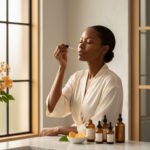 Best Ingredients to Fade Dark Spots on Dark Skin (Vitamin C, Azelaic, Kojic, etc.)