Signs Your Acne May Need Professional Support on Dark Skin
For many Black women, the journey with acne is often fraught with unique challenges, misunderstandings, and a quiet resilience that can sometimes delay seeking the professional support truly needed. You might have been told, explicitly or implicitly, to “wait it out,” that it’s “just a phase,” or that your skin is “strong enough” to handle it. Perhaps you’ve spent countless hours meticulously researching ingredients, trying every over-the-counter solution, and adjusting your diet, only to find your skin still struggling. This relentless cycle of hope and disappointment can be deeply frustrating, leaving you feeling isolated and unsure if your experience is “bad enough” to warrant a doctor’s visit.
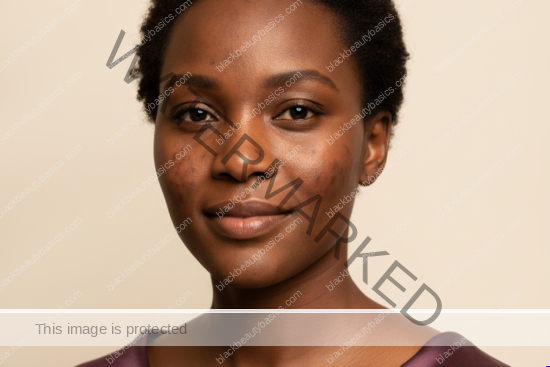
The truth is, acne on melanin-rich skin presents distinct considerations. The visible signs of inflammation can be less obvious than on lighter skin tones, meaning what might appear as a minor bump could be a deeply inflamed lesion. More significantly, the aftermath of acne – hyperpigmentation (PIH) and scarring – can be far more pronounced and long-lasting, often becoming the primary concern even after the active breakout subsides. This unique interplay means that the usual benchmarks for seeking professional help might not always align with the lived reality of Black skin, making it crucial to understand the specific indicators that signal it’s time for more informed, expert care.
This article is designed to be a compassionate guide, helping you identify the physical, practical, and emotional cues that suggest your acne journey might benefit from professional intervention. It’s not about admitting defeat or acknowledging a failure in your at-home regimen; it’s about recognizing when your skin, and your spirit, are asking for a different kind of support. We’ll explore the subtle and overt signs, validate your experiences, and empower you with the knowledge to advocate for the best possible care for your beautiful, resilient skin. You deserve clear, healthy skin, and sometimes, the path to achieving it involves a partnership with a skilled professional.
What This Post Covers
In this comprehensive guide, we will delve into the multifaceted indicators that suggest your acne may benefit from professional medical attention. We’ll begin by acknowledging the unique nuances of acne presentation and aftermath on melanin-rich skin, setting the stage for why these signs are particularly important for Black women and other individuals with medium-to-deep skin tones. We will then meticulously outline the physical signs, from the nature of your breakouts to their persistence and location, emphasizing how these manifest differently and carry distinct implications for our skin. Beyond the visible, we will explore the often-overlooked practical and emotional tolls that acne can take, recognizing that your quality of life and mental well-being are equally valid reasons to seek expert help. Finally, we will offer guidance on how to approach this topic, providing actionable principles and answering common questions to empower you on your journey toward clearer, healthier skin with confidence and grace.
Why Acne on Dark Skin Can Be Easy to Underestimate
Acne on melanin-rich skin often presents a complex picture that can be easily underestimated, both by individuals experiencing it and, unfortunately, by some healthcare providers who lack specific training in dermatology for skin of color. This underestimation stems from several key factors, deeply rooted in both biological differences and systemic biases. Understanding these nuances is the first step toward recognizing when professional support is truly warranted and advocating effectively for your skin’s needs.
The Subtlety of Inflammation and Redness
One of the most significant reasons acne on dark skin can be underestimated is how inflammation manifests. On lighter skin tones, inflammatory acne lesions (papules, pustules, nodules, cysts) are typically characterized by prominent redness, making them visually obvious and signaling a clear problem. However, on melanin-rich skin, this redness can be much less apparent. Instead of a vivid crimson, inflammation might appear as a deeper purple, a dusky brown, or even a grayish hue, which can be easily overlooked or mistaken for a simple blemish rather than a deeply inflamed lesion. This lack of overt redness can lead to a delay in recognizing the severity of the breakout, both by the individual and by practitioners who are not accustomed to diagnosing inflammation on darker skin. The absence of a “classic” red signal doesn’t mean the inflammation isn’t severe or damaging; it simply means the visual cues are different and require a more discerning eye.
The Lingering Shadow: Post-Inflammatory Hyperpigmentation (PIH)
Perhaps the most defining characteristic of acne on dark skin, and a major reason it’s often underestimated in its long-term impact, is the propensity for post-inflammatory hyperpigmentation (PIH). While lighter skin tones might experience temporary redness or light brown spots after a breakout, melanin-rich skin is highly prone to developing persistent dark spots, ranging from light brown to deep black, that can linger for months or even years. These spots are not scars in the traditional sense (though scarring can also occur), but rather a result of the skin’s melanocytes overproducing pigment in response to inflammation or trauma. The sheer prevalence and persistence of PIH mean that even a seemingly “mild” breakout can leave behind a significant and widespread visual aftermath, often becoming a greater source of distress than the active pimples themselves. This focus on PIH can sometimes overshadow the underlying active acne, leading to a delay in treating the root cause because the visible “problem” is perceived as the dark spots, not the inflammation that created them. For more on this, you might find our article on how scarring and PIH influence when to seek help particularly insightful.
Increased Risk of Scarring
Beyond PIH, melanin-rich skin is also more susceptible to certain types of scarring, including keloidal and hypertrophic scars, particularly from deeper, more inflammatory acne lesions. These raised, firm scars can be disfiguring and difficult to treat, adding another layer of complexity and concern. Even atrophic scars (icepick, boxcar, rolling scars) can be more challenging to camouflage or treat effectively on darker skin tones. The potential for permanent textural changes means that even seemingly minor inflammatory acne carries a higher risk of long-term skin damage, making early and effective intervention even more critical.
Misconceptions and Cultural Narratives
Culturally, there can be narratives that downplay the severity of skin concerns in Black communities. Sometimes, there’s a belief that Black skin is inherently “tougher” or less susceptible to damage, which can lead to a reluctance to seek medical attention for conditions like acne. There might also be a historical distrust of the medical system, or a perception that dermatological care is a luxury rather than a necessity, especially for conditions that are not life-threatening. These factors can contribute to individuals enduring significant discomfort and distress for extended periods before considering professional help, often after trying numerous at-home remedies that prove ineffective for their specific situation.
Lack of Representation and Training in Dermatology
A systemic issue contributing to the underestimation of acne on dark skin is the historical lack of representation and adequate training in dermatology. Many medical textbooks and training programs have historically focused on skin conditions as they appear on Caucasian skin, leading to a knowledge gap among some practitioners when it comes to diagnosing and treating skin of color. This can result in misdiagnosis, delayed treatment, or the prescription of treatments that are not optimized for melanin-rich skin, potentially exacerbating PIH or causing irritation. This systemic gap underscores the importance of finding a dermatologist who is experienced and knowledgeable in treating diverse skin tones, a topic we explore further in our guide on navigating medical bias and advocating for your skin.
In summary, the underestimation of acne on dark skin isn’t just about individual perception; it’s a confluence of biological realities, visible manifestations, and systemic factors. Recognizing these complexities is vital for understanding why it’s so important for Black women to be acutely aware of the signs that their acne may need professional support, and to feel empowered to seek it without hesitation or self-doubt.
Physical Signs Your Acne May Need Professional Support
Understanding the physical signs that indicate a need for professional acne support on dark skin goes beyond simply counting pimples. It involves a nuanced assessment of the type, persistence, location, and aftermath of your breakouts. Because acne on melanin-rich skin can present differently and carry a higher risk of lasting marks, paying close attention to these specific indicators is crucial. This section will break down these physical cues, offering a clear framework for when to consider seeking expert guidance.
Persistent Breakouts Despite Consistent At-Home Care
One of the most straightforward signs that your acne might require professional intervention is its sheer persistence. If you have been diligently following a consistent, well-researched at-home skincare regimen for several weeks to a few months – incorporating appropriate cleansers, treatments, and moisturizers – and you see no significant improvement, or even a worsening of your condition, it’s a strong signal. This isn’t about giving up on your routine; it’s about acknowledging that over-the-counter products and general advice may not be potent enough or precisely targeted for the underlying causes of your specific acne. Professional treatments can offer prescription-strength ingredients, advanced therapies, and a tailored approach that addresses the root of the problem more effectively than what is available without a doctor’s supervision. This persistence can be particularly frustrating when you’ve invested time and money into products, and it’s a clear indicator that a different strategy is needed.
Deep, Painful, or Cystic Lesions
Not all acne is created equal. While superficial whiteheads and blackheads can often be managed with good at-home care, the presence of deep, painful, or cystic lesions points to a more severe form of acne that almost always warrants professional attention. These types of breakouts are characterized by:
- Nodules: Hard, painful lumps beneath the skin’s surface that don’t come to a head.
- Cysts: Large, soft, fluid-filled lumps that are often very painful and can persist for weeks.
These deeper lesions are not only more uncomfortable but also carry a significantly higher risk of causing permanent scarring and severe post-inflammatory hyperpigmentation (PIH) on melanin-rich skin. Because they originate deeper within the dermis, topical treatments often struggle to penetrate effectively. A dermatologist can offer oral medications, intralesional injections, or other advanced treatments to reduce inflammation, prevent scarring, and accelerate healing. The pain associated with these lesions is also a critical indicator; it signifies significant inflammation and tissue damage that needs to be addressed promptly to minimize long-term consequences.
Widespread Acne or Acne on the Body
If your acne is not confined to a small area but is widespread across your face, or if it extends to your chest, back, shoulders, or even buttocks, it’s another sign that professional help is likely needed. Body acne, especially on the back and chest, tends to be more stubborn and can be more prone to developing into deeper, more painful lesions and subsequent PIH or scarring. The sheer surface area involved makes consistent and effective at-home treatment challenging. A dermatologist can help identify contributing factors, such as hormonal imbalances or specific types of bacteria, and prescribe systemic treatments (like oral antibiotics or hormonal therapies) that can address widespread acne more effectively than topical solutions alone. The presence of body acne also suggests a more systemic issue that requires a comprehensive approach.
Rapid Onset or Sudden Worsening of Acne
A sudden flare-up of severe acne, or a rapid worsening of existing acne, especially if it’s accompanied by other symptoms, should prompt a visit to a healthcare professional. This could indicate an underlying hormonal imbalance, a reaction to a new medication, or another internal factor that requires medical investigation. For example, polycystic ovary syndrome (PCOS) is a common cause of sudden, severe acne in women, often accompanied by irregular periods, excess hair growth, and weight gain. A dermatologist or endocrinologist can help diagnose and manage such conditions, which are crucial for long-term acne control. Ignoring a sudden, aggressive onset of acne can lead to more extensive damage and a longer recovery period.
Acne That Leaves Significant Post-Inflammatory Hyperpigmentation (PIH) or Scarring
For melanin-rich skin, the aftermath of acne can be as distressing, if not more so, than the active breakouts themselves. If you notice that even minor pimples are consistently leaving behind dark spots (PIH) that linger for weeks or months, or if you are developing textural changes like pitted scars (atrophic) or raised scars (hypertrophic or keloidal), it’s a definitive sign to seek professional help. PIH, while not true scarring, can be incredibly stubborn and requires targeted treatments that often go beyond what’s available over-the-counter. Dermatologists can offer prescription retinoids, chemical peels, laser therapies, or other procedures to accelerate the fading of PIH and improve skin texture. Preventing further PIH and scarring is paramount for dark skin, as these marks can be disfiguring and difficult to fully resolve. Our article on prevention of scarring and PIH after acne provides more detailed insights into managing these concerns.
Acne That Doesn’t Respond to Over-the-Counter Treatments
Many individuals start their acne journey with readily available over-the-counter (OTC) products containing ingredients like salicylic acid, benzoyl peroxide, or gentle retinoids. While these can be effective for mild to moderate acne, if you’ve been consistently using such products for 6-12 weeks without seeing substantial improvement, it’s a clear indication that your acne may be more severe or complex than OTC solutions can handle. This is not a failure on your part, but rather a signal that your skin requires a different level of intervention. A dermatologist can prescribe stronger topical medications (e.g., prescription retinoids, stronger antibiotics, dapsone) or consider oral treatments that address acne from within. They can also help you understand if your current routine is actually exacerbating the problem or if you’re using products incorrectly. For a deeper dive into active ingredients, consider reading our guide on active ingredient strategy.
Recognizing these physical signs is crucial for Black women, as the unique characteristics of melanin-rich skin mean that what might seem like a minor issue can have significant and lasting consequences. Early intervention from a knowledgeable professional can make a profound difference in both the immediate treatment of acne and the long-term health and appearance of your skin. It empowers you to move beyond trial-and-error and embrace a targeted, effective path to clear skin.
When Pain, Depth, Spread, or Recurrence Matter
Beyond the general physical signs, there are specific characteristics of acne that, when present, elevate the urgency for professional evaluation, particularly for melanin-rich skin. These characteristics – pain, depth, spread, and recurrence – are not just symptoms; they are critical indicators of the severity of the inflammatory process and the potential for long-term damage. Understanding why these particular aspects matter so much can empower you to make informed decisions about seeking expert care.
The Significance of Painful Acne
Pain is your body’s alarm system, signaling that something is wrong. When acne lesions are consistently painful, it’s a strong indicator of significant inflammation and deeper involvement within the skin. Superficial whiteheads or blackheads are typically not painful. However, papules, pustules, nodules, and especially cysts, are often accompanied by tenderness, throbbing, or sharp pain. For melanin-rich skin, this pain is particularly critical because:
- Deeper Inflammation: Pain often correlates with lesions that extend deeper into the dermis. These deeper lesions are the primary culprits behind severe post-inflammatory hyperpigmentation (PIH) and various forms of scarring, including atrophic (pitted) and hypertrophic/keloidal scars. The more intense the inflammation and the deeper it goes, the greater the risk of permanent marks.
- Risk of Infection: Painful, deep lesions can sometimes be more prone to secondary bacterial infections, which can further complicate healing and increase the risk of scarring.
- Impact on Quality of Life: Beyond the physical damage, constant pain can significantly impact your daily life, making simple actions like washing your face, sleeping on your side, or even smiling uncomfortable. This chronic discomfort is a valid reason to seek medical help.
Ignoring painful acne is akin to ignoring a persistent toothache; it’s a sign that the underlying issue is substantial and requires professional attention to prevent further damage and alleviate suffering.
The Importance of Lesion Depth
The depth of your acne lesions is directly correlated with the potential for long-term consequences. As mentioned, superficial blemishes (comedones) are typically easier to manage and less likely to leave lasting marks. However, when acne progresses to deeper inflammatory lesions, the stakes change dramatically:
- Nodules and Cysts: These are the deepest forms of acne, forming beneath the skin’s surface. They are essentially pockets of infection and inflammation that can destroy healthy tissue as they heal. On melanin-rich skin, this tissue destruction is a direct precursor to significant PIH and permanent textural scarring.
- Delayed Healing: Deep lesions take much longer to heal than superficial ones, prolonging the inflammatory process and increasing the duration of risk for PIH.
- Limited Topical Efficacy: Over-the-counter and even many prescription topical treatments struggle to penetrate deep enough to effectively treat nodules and cysts. These often require oral medications (antibiotics, isotretinoin, hormonal therapies) or in-office procedures (corticosteroid injections) to reduce inflammation and prevent scarring.
If you consistently experience deep, “under-the-skin” bumps that feel like they’re brewing for days or weeks, it’s a strong indicator that your acne is beyond the scope of typical at-home care and needs a dermatologist’s expertise.
The Concern of Widespread or Spreading Acne
When acne begins to spread rapidly or affects large areas of your face and body, it signals a more pervasive issue that often requires a systemic approach. This is particularly relevant for melanin-rich skin due to the increased risk of widespread PIH and scarring. Consider these points:

- Facial Coverage: If acne covers a significant portion of your face rather than being isolated to a few spots, it suggests a higher overall inflammatory burden and a greater likelihood of developing widespread PIH.
- Body Acne: Acne on the chest, back, shoulders, or buttocks (often referred to as “bacne” or “body acne”) is frequently more severe, more inflammatory, and more prone to scarring and PIH than facial acne. The skin on the body can be thicker, and lesions can be larger and more persistent. Managing body acne effectively often requires oral medications in conjunction with specialized topical treatments.
- Systemic Causes: Widespread acne, especially if it develops suddenly, can sometimes be a manifestation of an underlying systemic condition, such as hormonal imbalances (e.g., PCOS), certain medications, or even stress. A dermatologist can help investigate these potential root causes and recommend appropriate medical management.
Topical treatments alone are often insufficient for widespread or body acne, making professional intervention essential for effective control and prevention of lasting marks.
The Cycle of Recurrence and Chronic Breakouts
Acne that consistently flares up, clears slightly, and then returns with renewed vigor, or acne that has been a chronic issue for months or years despite your best efforts, is a clear sign that your current approach is not addressing the underlying problem effectively. This pattern of recurrence is particularly frustrating and damaging for melanin-rich skin because each new breakout contributes to the cumulative burden of PIH and potential scarring. Key aspects of recurrence to consider:
- Stalled Progress: If you feel like you’re stuck in a cycle of trial-and-error, constantly trying new products but never achieving sustained improvement, it’s time for a professional assessment.
- Cumulative Damage: Each recurring breakout, especially if inflammatory, adds to the existing PIH and can deepen or create new scars. Over time, this cumulative damage can significantly alter skin texture and tone.
- Underlying Triggers: Chronic or recurring acne often points to persistent internal triggers (hormonal fluctuations, stress, diet, genetics) that require a medical approach to identify and manage. A dermatologist can help pinpoint these triggers and develop a long-term strategy.
Breaking the cycle of recurrence is vital for preserving the health and appearance of melanin-rich skin. A professional can offer a more comprehensive and sustainable treatment plan that addresses both active breakouts and the prevention of future ones, along with managing their aftermath. This proactive approach is key to achieving lasting clarity and confidence.
Here’s a table summarizing these critical signs and why they are especially important for melanin-rich skin:
| Sign | Why It Matters Generally | Why It’s Especially Important on Melanin-Rich Skin |
|---|---|---|
| Persistent Breakouts | Indicates at-home care isn’t sufficient; underlying issues may be present. | Prolongs inflammation, significantly increasing the risk and severity of Post-Inflammatory Hyperpigmentation (PIH) and scarring. |
| Deep, Painful, Cystic Lesions | High risk of scarring and severe inflammation. | Almost guaranteed to leave significant, long-lasting PIH and deeper, more noticeable scars (atrophic, hypertrophic, keloidal) due to intense inflammatory response. |
| Widespread/Body Acne | Suggests a more systemic issue; difficult to treat topically. | Leads to extensive PIH across larger areas, which can be very challenging to fade. Body acne often results in more prominent scarring. |
| Rapid Onset/Worsening | Points to potential underlying medical conditions or strong triggers. | Aggressive inflammation can quickly overwhelm the skin’s healing mechanisms, leading to rapid development of severe PIH and widespread scarring. |
| Significant PIH/Scarring | Visible, lasting marks that impact skin texture and tone. | PIH is a primary concern, often more distressing than active acne. It’s more common, darker, and lasts longer. Scarring can be more severe (keloids) and harder to treat. |
| No Response to OTCs | Acne is likely moderate to severe, requiring prescription strength. | Continued inflammation from ineffective treatment compounds PIH risk with each breakout. Delaying professional care means more accumulated damage. |
| Pain (as a primary symptom) | Indicates significant inflammation and discomfort. | Pain signals deep inflammation, a major driver of PIH and scarring. Managing pain often means reducing the inflammatory cascade that leads to these marks. |
| Recurrence/Chronic Nature | Suggests unresolved underlying causes. | Each cycle of recurrence adds to the cumulative PIH and scarring burden, making the overall skin tone and texture more uneven over time. |
Emotional and Quality-of-Life Signs That Also Count
While the physical manifestations of acne are often the most obvious indicators, the emotional and psychological toll it takes on an individual, particularly a Black woman, is equally valid and often profoundly impactful. The constant scrutiny, the societal pressures, and the unique challenges of managing acne on melanin-rich skin can significantly diminish one’s quality of life. Recognizing these emotional and quality-of-life signs is just as important as identifying physical symptoms when deciding to seek professional support. Your well-being matters, and if acne is consistently undermining it, that’s a powerful reason to seek help.
Avoidance and Social Withdrawal
Acne, especially when persistent or severe, can lead to a pervasive sense of self-consciousness that manifests as avoidance behaviors. You might find yourself:
- Declining social invitations: Opting out of gatherings, parties, or even casual outings with friends and family because you feel uncomfortable with your skin.
- Avoiding eye contact: Feeling hesitant to look people directly in the eye, fearing they are staring at your breakouts or dark spots.
- Hiding behind makeup or hair: Consistently relying on heavy makeup to conceal blemishes, or styling your hair to cover parts of your face, even when you’d prefer not to.
- Limiting activities: Avoiding activities like swimming, working out, or going to the beach because you don’t want to be seen without makeup or are worried about sweating off your concealer.
This avoidance is not a sign of vanity; it’s a natural human response to feeling vulnerable and exposed. If acne is dictating your social life and preventing you from engaging in activities you once enjoyed, it’s a clear signal that the emotional burden is too heavy to carry alone. Professional support can not only address the physical acne but also help restore your confidence and freedom.
Increased Stress, Anxiety, or Depression
The link between skin conditions and mental health is well-established. Chronic acne can be a significant source of stress, anxiety, and even contribute to depressive symptoms. You might experience:
- Constant worry: Obsessively thinking about your skin, what new breakouts might appear, or how long existing marks will last.
- Anxiety before social events: Feeling a knot in your stomach or increased heart rate when anticipating social interactions due to skin concerns.
- Mood fluctuations: Experiencing feelings of sadness, hopelessness, or irritability directly related to the state of your skin.
- Body dysmorphia: Perceiving your skin as much worse than it objectively is, or fixating on perceived flaws.
For Black women, the pressure to present a polished, confident image can be intense, and acne can feel like a direct assault on that self-perception. The emotional weight of acne can be particularly heavy when coupled with the unique challenges of addressing PIH and scarring on darker skin tones. If your acne is consistently impacting your mental well-being, leading to persistent feelings of distress, it’s a crucial sign that professional intervention is needed, not just for your skin, but for your holistic health.
Obsessive Skin Checking or Picking
Many people with acne develop habits of constantly checking their skin in mirrors, feeling for new bumps, or picking/squeezing existing lesions. While a common response, when these behaviors become obsessive or compulsive, they can be detrimental:
- Compulsive checking: Spending excessive time scrutinizing your skin, often multiple times a day, which can exacerbate anxiety and self-consciousness.
- Skin picking (excoriation): This can range from mild squeezing to compulsive picking, scratching, or digging at blemishes, often without realizing the extent of the damage. For melanin-rich skin, picking is particularly dangerous as it significantly increases the risk of severe PIH and permanent scarring. Even minor trauma can trigger a strong pigmentary response.
- Interference with healing: Picking disrupts the skin’s natural healing process, introduces bacteria, and can turn a minor blemish into a larger, more inflamed lesion that takes longer to heal and leaves a worse mark.
If you find yourself unable to stop picking or constantly checking your skin, and these actions are causing further damage or distress, professional help can offer strategies to break the cycle. A dermatologist can provide effective treatments that reduce the urge to pick by clearing active lesions, and a therapist can offer behavioral strategies to manage compulsive habits.
Feeling Stuck in a Cycle of Trial-and-Error
The beauty market is saturated with acne products, and for many Black women, the journey to clear skin becomes an endless cycle of trying new cleansers, serums, masks, and treatments. If you feel perpetually stuck in this loop, constantly researching, buying, and discarding products without seeing consistent, lasting results, it’s a significant emotional and practical burden. This can lead to:
- Financial strain: The cumulative cost of ineffective products can be substantial.
- Frustration and hopelessness: The constant disappointment can erode your hope for clear skin and make you feel like nothing will ever work.
- Time drain: The hours spent researching, applying, and waiting for results that never come could be better spent elsewhere.
A professional dermatologist can cut through the noise, provide a clear diagnosis, and recommend a targeted, evidence-based treatment plan. This can save you time, money, and emotional energy, offering a sense of direction and hope that the trial-and-error approach often lacks. It’s about moving from guessing to knowing, and from frustration to effective action. For guidance on preparing for such a visit, our article on preparing for a dermatology visit can be very helpful.
Impact on Self-Esteem and Confidence
Ultimately, all these emotional and quality-of-life factors boil down to a significant impact on self-esteem and confidence. If your acne is making you feel less beautiful, less worthy, or less confident in your own skin, regardless of its physical severity, that is a powerful and legitimate reason to seek professional help. Your confidence is a precious asset, and if acne is consistently eroding it, then it’s time to invest in solutions that restore it. A dermatologist can help you achieve healthier skin, which in turn can profoundly boost your self-perception and overall well-being. This journey is about reclaiming your confidence and feeling comfortable and radiant in your own skin, a core tenet of Black Beauty Basics.
How to Navigate This Topic
Deciding to seek professional help for acne, especially after a long journey of self-management, can feel like a significant step. For Black women, this decision is often layered with additional considerations, including past experiences with healthcare, potential biases, and the unique aspects of skin of color. Navigating this topic requires a thoughtful approach, focusing on empowerment, preparation, and self-advocacy. This section provides guidance on how to approach this crucial decision with confidence and clarity.
Acknowledge Your Feelings and Validate Your Experience
Before even thinking about booking an appointment, take a moment to acknowledge how your acne makes you feel. It’s okay to feel frustrated, sad, angry, or self-conscious. Your feelings are valid, and they are important indicators. Many Black women are taught to be strong and resilient, sometimes to the detriment of acknowledging their own discomfort or pain. Understand that seeking help is not a sign of weakness; it’s a proactive step towards self-care and self-love. Validate your experience: if your acne is causing you distress, physical pain, or impacting your quality of life, it is serious enough to warrant professional attention, regardless of what others might say or what you might perceive as “minor.”
Educate Yourself (But Don’t Self-Diagnose or Over-Treat)
You’re already doing this by reading this article! Arming yourself with knowledge about how acne presents on melanin-rich skin, the risks of PIH and scarring, and the various treatment options available can be incredibly empowering. This knowledge will help you understand your condition better, ask informed questions, and engage more effectively with a healthcare provider. However, be mindful not to fall into the trap of self-diagnosing or over-treating based solely on internet research. The goal of education is to prepare you for a professional consultation, not to replace it. Use your knowledge to guide your conversation with a dermatologist, not to dictate your treatment plan.
Identify Your Specific Concerns and Goals
Before your appointment, take time to clearly articulate your primary concerns and what you hope to achieve. Is it reducing active breakouts? Fading dark spots? Preventing new scars? Managing pain? Improving your overall skin texture? Having clear goals will help your dermatologist understand your priorities and tailor a treatment plan that aligns with your expectations. For example, if PIH is your main concern, ensure you express that, as treatment strategies might differ slightly from someone whose primary concern is active, cystic acne. Consider creating a timeline of your acne journey, noting when it started, what treatments you’ve tried (and for how long), and any patterns you’ve observed.
Seek Out a Culturally Competent Provider
This is perhaps one of the most critical steps for Black women. Not all dermatologists have extensive experience or training in treating skin of color. Look for a dermatologist who explicitly states expertise in “skin of color,” “ethnic skin,” or “pigmentary disorders.” You can often find this information on their website, through patient reviews, or by asking for recommendations within your community. A culturally competent provider will:
- Understand the unique presentation of acne and inflammation on dark skin.
- Be knowledgeable about the increased risk and specific treatments for PIH and scarring in melanin-rich skin.
- Be sensitive to your concerns and experiences as a Black woman.
- Be able to communicate effectively and build trust.
Don’t hesitate to ask questions during your initial consultation about their experience with skin of color. If you don’t feel heard or understood, it’s okay to seek a second opinion. Our article on navigating medical bias offers more guidance here.
Prepare for Your Appointment
Preparation is key to a productive dermatology visit. This includes:
- Gathering information: Make a list of all medications you’re currently taking (prescription and over-the-counter), supplements, and any skincare products you use regularly. Note any allergies.
- Taking photos: Documenting your acne over time with photos can be incredibly helpful, especially if your skin fluctuates. This provides a visual history for the dermatologist.
- Writing down questions: Prepare a list of questions you want to ask about diagnosis, treatment options, potential side effects, cost, and expected timelines for results.
- Bringing a trusted advocate: If you feel more comfortable, bring a friend or family member to help you listen, take notes, and advocate on your behalf.
For a detailed guide on how to prepare, refer to our article on preparing for a dermatology or primary care visit.
Be Patient and Consistent with Treatment
Acne treatment, especially for moderate to severe cases and PIH, takes time. It’s not an overnight fix. Once you start a professional treatment plan, consistency is paramount. Follow your dermatologist’s instructions carefully, even if you don’t see immediate results. Many treatments require several weeks to months to show significant improvement. If you have concerns or experience side effects, communicate them promptly to your dermatologist rather than discontinuing treatment on your own. Remember that managing acne is often a journey, not a destination, and it may involve adjustments to your treatment plan over time. Our article on working with professional treatments offers more insights.
Embrace a Holistic Approach
While professional medical treatment is crucial, remember that skincare is holistic. Continue to support your skin with gentle, non-irritating products. Consider lifestyle factors like stress management, diet, and adequate sleep, which can all influence acne. A dermatologist can be a vital partner in your journey, but your daily habits and self-care practices remain foundational. For example, using a gentle cleanser for acne-prone sensitive skin and a sunscreen for dark skin with no white cast are essential complementary steps to any professional regimen.
Navigating the decision to seek professional help for acne is a deeply personal one. By understanding the signs, validating your experiences, and preparing effectively, you can confidently take this step towards healthier, clearer skin and renewed self-assurance.

Quick Principles
When considering whether your acne needs professional support, especially for melanin-rich skin, keeping a few core principles in mind can help guide your decision-making process. These principles distill the key takeaways from the detailed discussions above, offering a concise framework for self-assessment and action.
1. Your Distress Matters as Much as the Lesions
This is perhaps the most crucial principle. The emotional and psychological impact of acne is not secondary to its physical manifestation. If your acne is causing you significant stress, anxiety, self-consciousness, or is affecting your quality of life – regardless of what you perceive as its “severity” compared to others – then it warrants professional attention. For Black women, the added burden of PIH and societal beauty standards can amplify this distress. Your feelings are valid indicators that something needs to change, and a professional can offer solutions that address both the physical and emotional aspects of your skin journey.
2. Melanin-Rich Skin Has Unique Vulnerabilities
Always remember that your skin responds differently. Inflammation on dark skin is more likely to lead to prominent, long-lasting post-inflammatory hyperpigmentation (PIH) and a higher risk of keloidal or hypertrophic scarring. This means that even seemingly “minor” inflammatory breakouts carry a greater potential for long-term visible consequences. Therefore, early and effective intervention is even more critical for preventing these lasting marks. Don’t wait until PIH is widespread or scars have formed; proactive treatment can make a significant difference.
3. Persistence and Depth Are Red Flags
If your acne is persistent (doesn’t clear up with consistent at-home care), deep (nodules, cysts), widespread (face and body), or rapidly worsening, these are strong indicators that over-the-counter products are insufficient. These types of acne often require prescription-strength topical medications, oral medications, or in-office procedures that only a dermatologist can provide. The deeper and more stubborn the acne, the higher the likelihood of needing professional help to prevent lasting damage.
4. Prevention of PIH and Scarring is Paramount
For melanin-rich skin, the primary goal of acne treatment often extends beyond simply clearing active breakouts to aggressively preventing and treating post-inflammatory hyperpigmentation and scarring. If you are consistently developing dark spots or textural changes after breakouts, this is a clear sign to seek professional guidance. A dermatologist can offer treatments specifically designed to minimize PIH and address scarring, which are often not available in over-the-counter products. Consider using hydrocolloid patches for acne-prone skin to help protect blemishes and reduce picking, which can exacerbate PIH.
5. You Deserve Expert, Culturally Competent Care
You have the right to be seen, heard, and treated by a healthcare professional who understands the nuances of melanin-rich skin. Don’t settle for a provider who dismisses your concerns or lacks experience with skin of color. Advocate for yourself, ask questions about their experience, and seek a second opinion if you don’t feel confident in your care. A good dermatologist will partner with you, offering tailored advice and treatments that respect your skin’s unique needs and your cultural context. This foundational principle underpins the entire journey of seeking professional support.
By internalizing these quick principles, you can approach your acne journey with greater clarity, confidence, and a strong sense of self-advocacy, ensuring that you receive the best possible care for your beautiful skin.
Ultimately, the decision to seek professional help for your acne is a deeply personal one, but it is also an act of profound self-care. For Black women, navigating the complexities of acne on melanin-rich skin can be a journey filled with unique challenges, from the subtle presentation of inflammation to the persistent shadow of post-inflammatory hyperpigmentation. This article has aimed to illuminate the signs – both physical and emotional – that signal it might be time to move beyond at-home care and partner with a knowledgeable professional.
Remember, seeking professional support is not a sign of failure; it is a testament to your commitment to your well-being and your desire for healthy, radiant skin. You deserve to feel confident and comfortable in your skin, free from the distress and frustration that persistent acne can bring. By understanding the specific indicators, advocating for culturally competent care, and embracing a holistic approach, you empower yourself to take control of your skin health journey.
Don’t let societal narratives or past experiences deter you. Your skin’s health, your peace of mind, and your inherent beauty are worth the investment of seeking expert guidance. Take these signs seriously, trust your instincts, and embark on this next step with the confidence that you are making an informed decision for yourself and your skin. The path to clearer, more resilient skin is within reach, and a professional can be your most valuable ally in achieving it.
Frequently Asked Questions
What are the absolute “must-see-a-dermatologist” signs for acne on dark skin?
The most critical signs for dark skin include deep, painful, cystic lesions; acne that leaves persistent dark spots (PIH) or actual scars; acne that is widespread or on the body; and acne that doesn’t improve after 2-3 months of consistent at-home care. These indicators point to a higher risk of permanent damage and require professional intervention to prevent long-term consequences.
How does acne on dark skin differ from lighter skin tones in terms of when to seek help?
For dark skin, the urgency to seek help is often heightened by the increased propensity for post-inflammatory hyperpigmentation (PIH) and certain types of scarring (like keloids), which can be more distressing and long-lasting than on lighter skin. Additionally, inflammation can appear as purple or brown rather than red, making it harder to gauge severity without a professional eye.
Can emotional distress alone be a reason to see a dermatologist for acne?
Absolutely. If your acne is significantly impacting your self-esteem, causing anxiety, leading to social withdrawal, or resulting in compulsive skin picking, these emotional and quality-of-life factors are entirely valid reasons to seek professional help. Your mental well-being is just as important as your physical health, and a dermatologist can offer solutions that improve both.
What should I do if I suspect my acne is hormonal?
If you suspect your acne is hormonal (e.g., flares around your menstrual cycle, sudden onset, deep painful cysts along the jawline or chin), it’s crucial to see a dermatologist. They can help identify potential hormonal imbalances and may recommend specific treatments like oral contraceptives, spironolactone, or other medications that target hormonal factors, often in conjunction with an endocrinologist.
How long should I try over-the-counter products before seeing a professional?
Generally, if you’ve been consistently using appropriate over-the-counter acne products (containing ingredients like salicylic acid or benzoyl peroxide) for 6 to 12 weeks without significant improvement, it’s a good time to consider professional help. For melanin-rich skin, if you’re experiencing deep lesions or new dark spots are forming quickly, it’s advisable to seek help sooner rather than later to prevent lasting marks.
What kind of questions should I ask a dermatologist about my dark skin?
Ask about their experience treating skin of color, their approach to managing PIH and scarring, and whether they understand how inflammation presents differently on dark skin. Inquire about specific treatments that are safe and effective for melanin-rich skin, and ask about potential side effects like further hyperpigmentation or irritation.
Is it ever too late to seek professional help for acne and its aftermath?
It’s rarely too late to seek professional help. While early intervention is ideal for preventing severe PIH and scarring, dermatologists have numerous treatments available for existing dark spots, various types of scars, and ongoing breakouts. Even if you’ve lived with acne for years, a professional can still significantly improve your skin’s health and appearance.
INTERNAL LINKING OPPORTUNITIES
When Acne Requires Professional Intervention
Acne and Sensitive Skin in Black Women
How Scarring and PIH Influence When to Seek Help
Preparing for a Dermatology or Primary Care Visit for Acne on Melanin-Rich Skin
Navigating Medical Bias and Advocating for Your Skin
Working with Professional Treatments Alongside Gentle Routines
Prevention of Scarring and PIH After Acne
Active Ingredient Strategy: Retinoids, Acids, Benzoyl Peroxide, Sulfur
Related next steps
Related posts:
 When PIH and Scarring May Need Professional Support on Melanin-Rich Skin
 Barrier Support and Sunscreen While Acne Heals on Dark Skin
 Working With Professional Treatments Alongside Gentle Routines for Melanin-Rich Skin
 Sensitivity and Stinging on Dark Skin: Understanding Your Skin’s Early Warning Signs
 Ingredients That Support PIH Without Overwhelming Sensitive Dark Skin
 Talking About Your Symptoms So Clinicians Understand Dark-Skin Signs