Scalp Routines for Locs, From Starter to Mature
The journey into locs is a profound and beautiful expression of self, culture, and connection to heritage for many Black women. It’s a commitment that often promises a liberation from the daily styling demands of loose natural hair, fostering a sense of ease and confidence. However, this simplification in styling doesn’t mean a simplification of scalp care. In fact, the unique structure of locs—especially as they mature—introduces a distinct set of considerations for maintaining a healthy, comfortable, and vibrant scalp. Just as our skin and hair evolve with age and environmental factors, so too do the needs of our scalp throughout the different stages of the loc journey.
From the delicate beginnings of starter locs, where the scalp is often more exposed and sensitive, to the robust maturity of established locs, where density and length can make direct scalp access more challenging, the approach to care must adapt. This evolution is not merely about product choices; it’s about understanding the biomechanics of loc formation, the potential for buildup, the importance of consistent cleansing, and the art of gentle handling. It’s about recognizing that a healthy scalp is the bedrock of healthy locs, and that neglecting it can lead to discomfort, flaking, itching, and even issues that might compromise the integrity and longevity of your locs.
This guide from Black Beauty Basics is crafted to empower you with the knowledge and confidence to nurture your scalp through every phase of your loc journey. We’ll delve into how scalp care shifts from the initial tender moments of starter locs to the resilient beauty of mature locs, emphasizing cleansing, comfort, and proactive buildup management. We understand that loc wearers are often balancing tradition, identity, practicality, scalp sensitivity, and style longevity all at once. Our aim is to provide a comprehensive, non-shaming, and culturally resonant framework that honors this balance, ensuring your scalp remains a source of comfort and health, supporting the magnificent crown that is your locs.
What This Post Covers
This comprehensive guide is designed to illuminate the path to optimal scalp health for individuals embracing the loc journey, from the very first twist or coil to the deeply rooted, mature strands. We recognize that the needs of your scalp are dynamic, evolving significantly as your locs progress through their distinct stages. This post will meticulously outline the specific considerations for each phase, ensuring you have the knowledge to adapt your routine effectively.
We will begin by establishing a foundational understanding of what a “scalp-first” approach truly entails within the context of locs, emphasizing that healthy hair begins at the root. We’ll then delve into the nuanced ways in which scalp needs shift across the starter, budding, teenage, and mature loc stages, detailing how factors like exposure, density, and locking patterns influence care. A significant portion of our discussion will focus on the critical balance of cleansing, maintaining comfort, and proactively managing buildup—all without introducing unnecessary complexity into your routine. We’ll also address common challenges such as tension from retightening or retwisting, the impact of style choices, and the potential for product residue, offering practical strategies to mitigate these stressors.
Furthermore, we will provide a clear roadmap on how to navigate this topic, offering actionable advice and a dedicated section for “Where to Go Next” to guide you to related resources for specific concerns, such as transitioning styles or managing scalp conditions. Our “Quick Principles” will offer concise, actionable takeaways, and a “Frequently Asked Questions” section will address common queries, ensuring that you feel fully equipped to maintain a healthy, thriving scalp throughout your entire loc journey. This article is not about prescribing a one-size-fits-all solution, but rather about empowering you with the understanding to tailor your routine to your unique scalp and locs, fostering a relationship of care that is both effective and deeply personal.
What a scalp-first loc routine means from starter to mature
Embracing a scalp-first approach when caring for locs transcends mere hair maintenance; it’s a philosophy that prioritizes the health and well-being of the skin beneath your locs as the fundamental cornerstone for their vitality and longevity. For those with locs, especially within the Black community, this approach is particularly crucial due to the unique characteristics of textured hair and the methods used to create and maintain locs. A scalp-first routine acknowledges that the scalp is living tissue, an extension of your skin, and requires dedicated attention, cleansing, hydration, and protection, just like any other part of your body. It means understanding that issues like dryness, itching, flaking, or even more serious conditions often originate at the scalp level, and addressing them there is paramount.
From the initial stages of starter locs, where the scalp is often more exposed and susceptible to irritation from parting, twisting, or coiling, to the mature phase where locs are dense and long, potentially making direct scalp access challenging, the principle remains constant: the scalp is the foundation. A scalp-first routine involves selecting products that are gentle, non-comedogenic, and specifically formulated to cleanse without stripping, to moisturize without clogging pores, and to soothe without leaving heavy residue. It means adopting cleansing techniques that effectively reach the scalp, even through dense locs, and incorporating treatments that address specific concerns like dryness, inflammation, or product buildup. This isn’t about adding complexity, but rather about intentionality and efficacy.
Moreover, a scalp-first loc routine integrates mindful practices into your regular maintenance schedule. This includes paying close attention to how your locs are retwisted or retightened, ensuring that tension is minimized to prevent traction alopecia or scalp irritation. It involves being discerning about the oils, butters, and sprays you apply, opting for lightweight, natural ingredients that nourish rather than suffocate the scalp. It also means recognizing that the health of your scalp can be influenced by internal factors such as diet, hydration, and stress, and taking a holistic view of your well-being. Ultimately, a scalp-first loc routine is about fostering an environment where your hair can thrive from the root, ensuring that your locs are not only beautiful but also supported by a healthy, comfortable, and resilient scalp throughout their entire journey.
The Foundational Principles of Scalp-First Care for Locs
The core tenets of a scalp-first approach for locs are rooted in three essential pillars: cleanliness, balance, and gentle handling. These principles are universal across all loc stages but manifest differently in practice. Cleanliness is paramount; a clean scalp is a healthy scalp. This means regular, thorough cleansing to remove dirt, oil, sweat, and product buildup that can accumulate and lead to itching, irritation, and even fungal or bacterial growth. For loc wearers, the challenge often lies in effectively reaching the scalp through the locs and ensuring that cleansing products rinse out completely without leaving residue that can get trapped within the locs themselves. Choosing sulfate-free, clarifying shampoos designed for locs or natural hair is often a good starting point, followed by thorough rinsing.
Balance refers to maintaining the scalp’s natural moisture barrier and pH levels. Over-cleansing can strip the scalp of its natural oils, leading to dryness and irritation, while under-cleansing can lead to product accumulation and discomfort. A balanced routine involves using moisturizing conditioners or scalp treatments that hydrate without being overly heavy or greasy. It also means being mindful of the products used for retwisting or styling, opting for light, water-based formulas over heavy waxes or butters that can clog pores and lead to buildup. Furthermore, protecting the scalp from environmental stressors like harsh sun or extreme cold contributes to maintaining this delicate balance. The goal is a scalp that feels neither excessively oily nor uncomfortably dry, but rather calm and nourished.
Gentle handling is perhaps the most critical principle, especially given the potential for tension and manipulation inherent in loc maintenance. This encompasses everything from the way locs are parted and twisted during maintenance to how they are styled and slept on. Excessive pulling, tight retwists, or heavy styles can put undue stress on the hair follicles, leading to inflammation, pain, and potentially traction alopecia. A scalp-first approach advocates for loose retwists, avoiding styles that pull too tightly at the roots, and using soft materials like silk or satin bonnets at night to minimize friction. It also involves being gentle during washing, avoiding aggressive scrubbing, and using fingertips rather than nails to massage the scalp. By adhering to these foundational principles, loc wearers can cultivate a scalp environment that actively promotes health, comfort, and the thriving growth of their beautiful locs.
Why Scalp Health Directly Impacts Loc Integrity and Growth
The health of your scalp is inextricably linked to the integrity, appearance, and growth of your locs. Think of your scalp as the soil from which a plant grows; if the soil is unhealthy, dry, or lacking nutrients, the plant will struggle to thrive. Similarly, a compromised scalp cannot adequately support healthy hair growth, leading to a cascade of potential issues that can affect your loc journey. The hair follicles, which are responsible for producing each strand of hair that eventually forms a loc, reside within the scalp. When the scalp is inflamed, clogged with product buildup, or suffering from conditions like dandruff or seborrheic dermatitis, the follicles’ ability to function optimally is impaired.
One of the most immediate impacts of poor scalp health is on hair growth. An unhealthy scalp environment can slow down growth, lead to weaker strands, or even contribute to excessive shedding. Follicles need to be clear and nourished to produce strong, resilient hair. When pores are blocked by oils, dead skin cells, or product residue, it can impede the natural growth cycle and even lead to folliculitis, an inflammation of the hair follicles. Furthermore, chronic inflammation or irritation of the scalp can damage the follicles over time, potentially leading to permanent hair loss in severe cases, such as in certain forms of scarring alopecia, which can be exacerbated by tension and inflammation.
Beyond growth, scalp health directly influences the comfort and appearance of your locs. An itchy, flaky, or irritated scalp is not only uncomfortable but can also lead to constant scratching, which can damage the scalp, introduce bacteria, and even loosen new growth, potentially hindering the locking process or causing thinning at the roots. Product buildup on the scalp can also migrate into the locs themselves, leading to a dull appearance, a musty odor, and making the locs feel heavy and dirty. This buildup can be incredibly difficult to remove once it’s deeply embedded, necessitating time-consuming and sometimes damaging deep cleansing treatments. Therefore, by prioritizing scalp health, loc wearers are not just ensuring comfort; they are actively investing in the strength, vibrancy, and long-term beauty of their locs, ensuring they remain a source of pride and confidence.
How scalp needs can shift across the loc journey
The journey of locs is a dynamic process, marked by distinct stages, each presenting unique challenges and opportunities for scalp care. Understanding these shifts is crucial for adapting your routine and ensuring continuous scalp health. What works for starter locs may not be sufficient or appropriate for mature locs, and vice versa. This adaptability is key to preventing common issues like dryness, itching, or buildup, which can manifest differently at various stages. By recognizing these evolving needs, you can proactively adjust your product choices, cleansing frequency, and maintenance techniques, ensuring your scalp remains a healthy foundation throughout your entire loc journey.
The transformation from loose hair to fully locked strands involves significant changes in hair structure, density, and accessibility to the scalp. In the initial stages, the scalp is often more exposed and sensitive, requiring gentle care to prevent irritation. As locs mature, they become denser and longer, which can make direct scalp access more challenging, necessitating different application techniques and product formulations. Furthermore, the accumulation of product over time, the frequency of retwists or retightenings, and even lifestyle factors can all play a role in how your scalp behaves at each stage. This section will delve into the specific characteristics of each loc stage and how they influence scalp care, providing a roadmap for a truly adaptive and effective routine.
Starter Locs: The Foundation Stage (0-6 months)
The starter loc phase is a delicate and crucial period, typically lasting from a few weeks to about six months, during which your loose hair begins the process of locking. During this stage, the scalp is often more exposed and can be quite sensitive. The methods used to create starter locs—whether coils, twists, braids, or interlocks—involve parting the hair and manipulating the roots, which can sometimes lead to initial tenderness or irritation. The scalp is also more visible, making any flaking, dryness, or redness immediately apparent. Therefore, the primary focus during this stage is gentle care, soothing potential irritation, and preventing excessive tension.
Cleansing during the starter loc phase requires a delicate touch. Many people are advised to wash infrequently to avoid unraveling their nascent locs, but this can lead to product buildup and an itchy scalp. The key is to find a balance. Using a gentle, sulfate-free shampoo, possibly diluted, and applying it directly to the scalp with a scalp applicator bottle can help cleanse effectively without disturbing the locs too much. Rinsing thoroughly is paramount to prevent residue. Moisturizing the scalp is also essential, but heavy oils or butters should be avoided as they can weigh down the hair, clog pores, and hinder the locking process. Lightweight, water-based leave-in conditioners or natural oils like jojoba or tea tree oil (diluted) can provide relief from dryness and itching.
A significant watch-out during this stage is tension. Tight starter locs, especially those created with braids or twists, can pull at the scalp, leading to discomfort, inflammation, and even traction alopecia. It’s vital to communicate with your loctician about any pain or tightness. Sleeping with a silk or satin bonnet is also crucial to protect the delicate starter locs and minimize friction on the scalp. The goal is to create a calm, clean, and comfortable environment for your locs to begin their journey, setting a healthy precedent for the stages to come.
Budding Locs: The Transformation Stage (6-18 months)
The budding stage, typically occurring between 6 to 18 months, is characterized by the hair beginning to interlace and form knots, creating a fuzzy, often unkempt appearance. This is a sign that the locking process is actively underway. During this phase, the locs are becoming more robust but are still relatively fragile compared to mature locs. Scalp needs during budding can shift as the hair becomes denser at the roots, making direct access slightly more challenging than with starter locs. The focus here is on consistent cleansing, managing potential itchiness as the hair locks, and preventing buildup within the budding locs themselves.
Cleansing can become more frequent during the budding stage as the locs are less prone to unraveling. Regular washing is essential to prevent product accumulation and keep the scalp fresh. However, thorough rinsing remains critical. Some loc wearers find that a clarifying shampoo used periodically helps to remove any lingering residue. The budding process itself can sometimes lead to increased itchiness as the hair fibers intertwine. Gentle scalp massages during washing can stimulate blood flow and help alleviate discomfort. Moisturizing should continue with lightweight, non-comedogenic products. Spritzes containing rosewater and aloe vera can be beneficial for hydrating the scalp without adding heavy oils.
Buildup becomes a more significant concern during the budding stage because the internal structure of the locs is beginning to form, creating pockets where products can get trapped. Avoiding heavy creams, waxes, and synthetic oils is paramount. Opt for products that are specifically formulated for locs or that are known to be lightweight and water-soluble. When retwisting, ensure that only a small amount of product is used, and that it is applied primarily to the new growth, not directly into the budding locs. While the locs are stronger, excessive tension during retwisting or styling can still cause damage to the scalp and new growth, so gentle handling remains a priority. The budding stage is about supporting the active locking process while maintaining a clean, comfortable scalp environment.
Teenage Locs: The Maturing Stage (18 months – 3 years)
The teenage stage, typically spanning from 18 months to around 3 years, is where locs truly start to take on their distinct shape and length. They are no longer “budding” but are actively maturing, becoming more solid and uniform. This phase often brings a sense of stability and length, but also introduces new scalp care considerations. The locs are becoming denser and longer, which can make it more challenging to reach the scalp directly for cleansing and treatment. Buildup can become a more pronounced issue if not managed proactively, and the weight of the locs themselves can sometimes contribute to tension if not properly maintained.
Effective cleansing remains foundational. As locs become thicker, ensuring that shampoo and water penetrate all the way to the scalp and rinse out completely requires more effort. Using a scalp massager shampoo brush can be incredibly helpful for stimulating the scalp, dislodging dirt and flakes, and ensuring thorough cleansing. Regular deep cleansing or detox treatments, perhaps every 2-3 months, can become beneficial to remove any embedded product buildup or environmental impurities that accumulate within the denser locs. These treatments often involve apple cider vinegar rinses or specialized loc detox products. After deep cleansing, it’s crucial to re-moisturize the scalp and locs to restore balance.
Moisturizing the scalp during the teenage stage should continue with lightweight oils or sprays. The increased density of the locs means that heavier products are even more likely to sit on the scalp or get trapped in the locs, leading to buildup. Scalp visibility can also decrease, making it harder to spot early signs of dryness or irritation. Therefore, consistent, proactive care is key. Tension from retwisting or styling remains a concern, especially as the locs gain weight. Opting for less frequent retwists, perhaps every 6-8 weeks, and choosing styles that distribute weight evenly can help alleviate stress on the scalp. The teenage stage is about refining your routine to accommodate the growing density and length of your locs, ensuring a clean, healthy, and comfortable scalp as they continue to mature.
Mature Locs: The Established Stage (3+ years)
Mature locs, typically achieved after three years or more, are fully formed, dense, and strong. They have settled into their permanent structure, and their length can range from shoulder to waist and beyond. This stage often brings a sense of pride and ease, as daily styling is often minimal. However, maintaining scalp health with mature locs requires a refined approach, as the sheer volume and weight of the locs can present unique challenges. The scalp is often less visible and harder to access directly, making consistent, targeted care even more important to prevent issues like chronic dryness, persistent itching, or stubborn buildup.
Cleansing mature locs effectively means ensuring that water and shampoo can penetrate through the dense locs to reach the scalp. This often involves longer rinsing times and potentially sectioning the hair to ensure thoroughness. Regular clarifying and detox treatments become even more crucial for mature locs, as years of product use and environmental exposure can lead to significant accumulation within the locs themselves. These treatments help to lighten the locs, remove odors, and ensure the scalp can breathe. After cleansing, ensuring the locs dry completely is vital to prevent mildew or musty smells, which can also impact scalp health. Using a microfiber hair towel and allowing ample air circulation or using a hooded dryer can aid in this process.
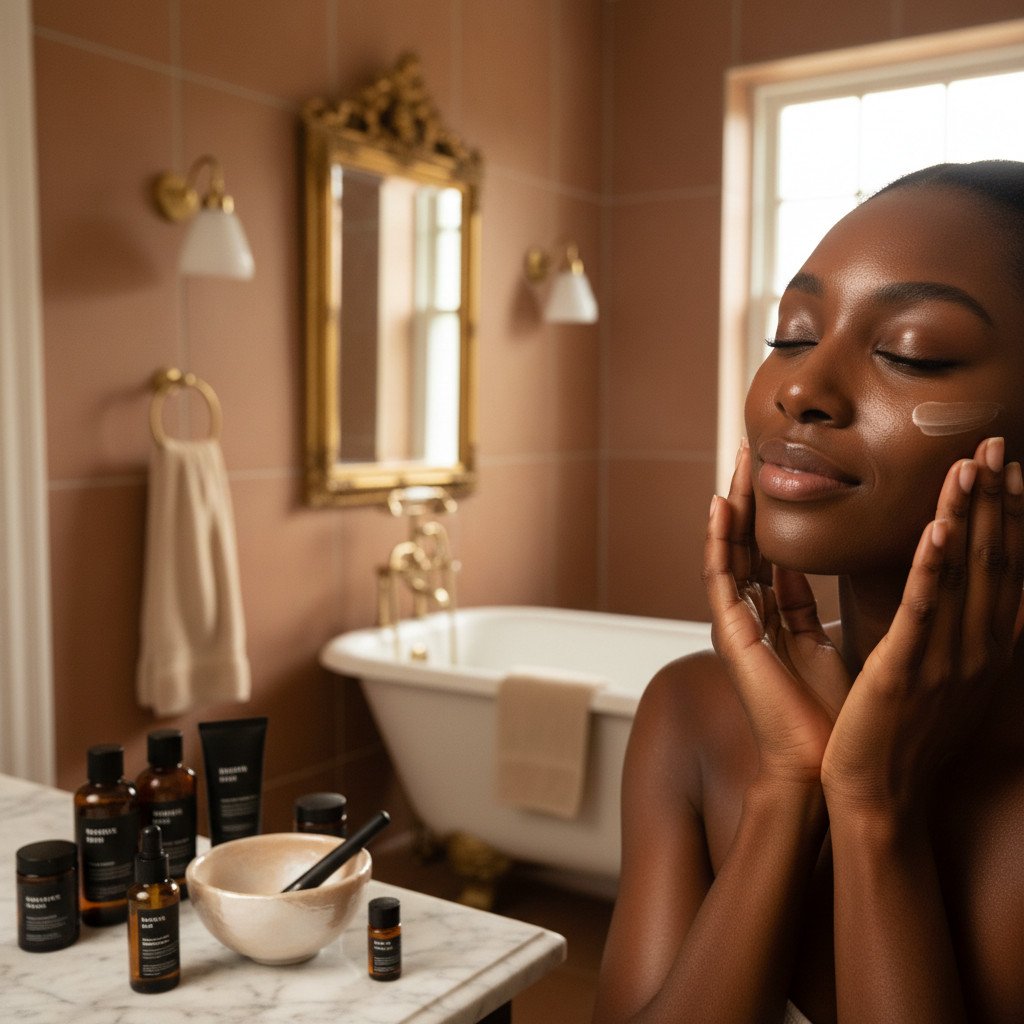
Moisturizing the scalp of mature locs should focus on lightweight, penetrating oils or water-based sprays. Direct application to the scalp with an applicator bottle can ensure the product reaches where it’s needed without saturating the locs unnecessarily. Regular scalp massages, even outside of wash days, can help stimulate blood flow and distribute natural oils. Tension management remains a lifelong consideration; while mature locs are strong, consistent pulling from tight styles or frequent, aggressive retwisting can still lead to thinning edges or traction alopecia. Opting for professional maintenance that prioritizes scalp health, or learning gentle self-maintenance techniques, is key. Mature locs are a testament to patience and dedication, and with continued mindful scalp care, they can remain vibrant, healthy, and a source of deep confidence for decades.
Table: Loc Stage Scalp Focus and Routine Watch-Outs
| Loc Stage | Typical Duration | Primary Scalp Focus | Routine Watch-Outs |
|---|---|---|---|
| Starter Locs | 0-6 months | Gentle cleansing, soothing irritation, preventing tension. Scalp is exposed and sensitive. | Over-manipulation, tight retwists, heavy products that hinder locking, infrequent washing leading to itch. |
| Budding Locs | 6-18 months | Consistent cleansing, managing itchiness, preventing early buildup within forming locs. Locs are fuzzy and actively locking. | Heavy waxes/butters, incomplete rinsing, aggressive scrubbing, ignoring persistent itch. |
| Teenage Locs | 18 months – 3 years | Thorough cleansing, proactive buildup management, ensuring product penetration. Locs are denser and longer. | Insufficient rinsing, infrequent deep cleansing, heavy product residue, tension from weight/styling. |
| Mature Locs | 3+ years | Deep cleansing, long-term buildup prevention, consistent hydration, managing weight/density. Locs are fully formed and robust. | Chronic buildup, mildew risk from incomplete drying, neglecting scalp access, sustained tension on edges. |
Cleansing, comfort, and buildup awareness without overcomplicating the routine
Maintaining healthy locs and a comfortable scalp doesn’t require an arsenal of complex products or an overly elaborate routine. In fact, simplicity and consistency often yield the best results. The core pillars of scalp care for locs—cleansing, comfort, and buildup awareness—can be integrated seamlessly into your lifestyle without becoming a burdensome chore. The key is to understand the purpose behind each step and to choose products and techniques that are effective yet gentle, allowing your locs to thrive naturally. Overcomplicating your routine can lead to product overload, confusion, and ultimately, a less effective approach to scalp health.
The beauty of locs lies in their ability to simplify daily hair care, but this doesn’t mean neglecting the scalp. Instead, it means being intentional about the foundational aspects of care. By focusing on gentle, thorough cleansing, proactively addressing any discomfort, and being vigilant about preventing product accumulation, you can cultivate a scalp environment that supports strong, healthy locs from root to tip. This section will break down how to achieve these three critical aspects of scalp care in a streamlined, effective manner, ensuring your routine remains manageable and beneficial throughout your loc journey.
The Art of Gentle, Thorough Cleansing for Locs
Cleansing is arguably the most critical component of any scalp care routine, and for locs, it requires a nuanced approach that balances efficacy with gentleness. The primary goal is to remove dirt, excess sebum, sweat, and product residue from the scalp and the locs themselves, without stripping the scalp of its natural moisture or causing the locs to unravel (especially in earlier stages). The frequency of washing can vary based on your lifestyle, scalp type, and loc stage, but generally, washing every 1-2 weeks is a good starting point for most loc wearers. Those with oilier scalps or active lifestyles might benefit from more frequent washes, while those with very dry scalps might extend the time between washes.
When selecting a shampoo, opt for sulfate-free, residue-free formulas specifically designed for locs or natural hair. Sulfates can be harsh and stripping, leading to scalp dryness and irritation. Residue-heavy shampoos can leave behind film that gets trapped within the locs, contributing to buildup. A clarifying shampoo can be used periodically (e.g., once a month or every other month) to deep clean and remove stubborn accumulation, but it should be followed by a moisturizing step to rebalance the scalp. For application, consider using a scalp applicator bottle to deliver the shampoo directly to the scalp, ensuring even distribution and minimizing product waste. This also helps to avoid saturating the entire length of the locs unnecessarily, which can make rinsing more challenging.
The washing technique itself is paramount. Focus on massaging the shampoo into your scalp using the pads of your fingertips, not your nails, to gently lift dirt and stimulate circulation. For denser locs, you might need to section your hair to ensure you reach all areas of the scalp. After shampooing, rinsing is perhaps the most crucial step. Rinse thoroughly, and then rinse again. Any shampoo left behind can dry on the scalp, causing flaking and itching, or get trapped within the locs, contributing to buildup and a dull appearance. A strong stream of water and patience are your allies here. After rinsing, gently squeeze excess water from your locs and use a microfiber hair towel to absorb as much moisture as possible, significantly reducing drying time and preventing mildew.
Maintaining Scalp Comfort: Soothing Itch and Dryness
A comfortable scalp is a healthy scalp. Itching, dryness, and irritation are common complaints among loc wearers, often stemming from inadequate cleansing, product residue, or lack of moisture. Addressing these issues proactively is key to preventing them from escalating into more significant problems. The first step in maintaining comfort is consistent, gentle cleansing, as discussed above. Often, an itchy scalp is simply a dirty scalp or one irritated by trapped product.
For dryness, lightweight, non-comedogenic oils or water-based sprays are your best friends. Heavy butters and petroleum-based products can clog pores and sit on the scalp, leading to more issues. Instead, opt for natural oils like jojoba, tea tree (diluted with a carrier oil), peppermint, or lavender, which have soothing and antimicrobial properties. These can be applied directly to the scalp using an applicator bottle or massaged in with fingertips. Water-based sprays containing ingredients like rosewater, aloe vera, or glycerin can also provide hydration without adding weight or residue. These can be used daily or as needed to refresh the scalp.
Regular scalp massages, whether during washing or as part of your daily routine, can significantly contribute to scalp comfort. Massaging stimulates blood circulation to the hair follicles, which can promote growth and alleviate tension. It also helps to distribute natural oils and can be incredibly soothing. If persistent itching or flaking occurs despite consistent care, it might indicate a more specific scalp condition like seborrheic dermatitis or dandruff. In such cases, incorporating medicated shampoos or seeking advice from a dermatologist or trichologist may be necessary. However, for most, a consistent routine of gentle cleansing, appropriate moisturizing, and regular massage will keep the scalp calm and comfortable.
Buildup Awareness: Preventing and Managing Residue
Buildup is a primary concern for loc wearers, and it can manifest as white flakes, a dull appearance, a musty odor, or even a heavy, greasy feeling in the locs. It primarily results from product residue, dead skin cells, environmental pollutants, and lint getting trapped within the intricate structure of the locs. Preventing buildup is always easier than removing it, and it starts with mindful product selection and thorough cleansing.
To prevent buildup, be highly selective about the products you use. Avoid heavy waxes, petroleum jelly, mineral oil, and thick creams, especially those with synthetic ingredients that are difficult to rinse out. Opt for water-based, lightweight products that are specifically formulated for locs or are known to be residue-free. When applying products, focus primarily on the scalp and new growth, minimizing application to the length of the locs unless absolutely necessary for specific treatments. Less is often more when it comes to products for locs. Additionally, protect your locs from lint by sleeping with a silk or satin bonnet and avoiding direct contact with fuzzy materials.
Despite best efforts, some buildup can still occur over time, especially in mature locs. This is where regular deep cleansing or detox treatments become invaluable. Apple cider vinegar (ACV) rinses are a popular and effective method for removing buildup. A diluted ACV solution can be soaked into the locs and scalp, allowed to sit for a short period, and then rinsed thoroughly. Specialized loc detox products, often containing bentonite clay or other natural ingredients, can also draw out impurities. These treatments should be followed by a thorough rinse and re-moisturizing to restore balance. The frequency of deep cleansing depends on your individual needs, but typically every 2-4 months is sufficient for most. By being proactive and intentional about product choices and cleansing techniques, you can keep buildup at bay and ensure your locs remain clean, light, and vibrant.
When retightening, retwisting, style choices, or residue may be stressing the scalp
While locs offer a sense of freedom and low manipulation for the hair shaft itself, the scalp remains susceptible to stressors, particularly those related to maintenance and styling. The very methods used to keep locs neat and defined—retightening and retwisting—can, if not executed properly, introduce significant tension and irritation to the scalp. Furthermore, certain style choices and the accumulation of product residue can also contribute to an unhealthy scalp environment. Recognizing these potential stressors and understanding how to mitigate them is crucial for maintaining a comfortable and healthy scalp throughout your loc journey.
The balance between maintaining a neat appearance and preserving scalp health is delicate. It requires a conscious effort from both the individual and their loctician to prioritize the well-being of the scalp over extreme neatness or long-lasting styles that come at the cost of discomfort. This section will delve into the specific ways in which maintenance practices, styling decisions, and product residue can stress the scalp, offering insights and strategies to minimize these impacts and ensure your locs remain a source of joy, not discomfort.
Understanding Tension from Retightening and Retwisting
Retightening (for interlocked locs) and retwisting (for palm-rolled or coiled locs) are essential maintenance techniques that help to consolidate new growth and keep locs neat. However, if performed too frequently, too tightly, or with improper technique, they can become significant sources of scalp stress. The primary concern is tension. When new growth is pulled too tightly at the root, it puts undue stress on the hair follicles and the surrounding scalp tissue. This can manifest as immediate pain, tenderness, redness, and inflammation. Over time, chronic tension can lead to more severe issues.
One of the most common long-term consequences of excessive tension is traction alopecia, a form of hair loss caused by repetitive pulling on the hair follicles. This often appears as thinning edges, a receding hairline, or bald patches in areas where locs are consistently pulled tightly. It’s a condition that can be irreversible if the follicles are severely damaged. Beyond hair loss, constant tension can also lead to scalp irritation, flaking, and even small bumps or sores, which can be painful and prone to infection. The scalp, being living skin, reacts to this stress by becoming inflamed and compromised.
To mitigate tension, several practices are recommended. Firstly, communicate openly with your loctician about any discomfort during or after maintenance. A good loctician will prioritize your scalp health and adjust their technique. Secondly, avoid overly frequent retwisting or retightening. For most, every 4-8 weeks is sufficient, allowing the new growth to mature slightly before manipulation. Thirdly, ensure that the technique used is gentle. For retwisting, this means using light pressure and not twisting the hair until it’s painfully taut. For interlocks, it means using the correct interlocking pattern and not pulling the loc through too many times or too tightly at the root. Lastly, avoid styles that put additional strain on freshly retwisted or retightened locs, especially updos or ponytails that pull the hair back tightly. Prioritizing gentle maintenance is crucial for preserving both your scalp health and the longevity of your locs.
The Impact of Style Choices and Weight on Scalp Health
Beyond the initial maintenance, the way you style your locs can also significantly impact your scalp health. While locs offer incredible versatility in styling, certain choices can inadvertently stress the scalp, especially as locs gain length and weight. Heavy styles, constant pulling, and styles that restrict scalp access can all contribute to discomfort and potential damage. Understanding these impacts allows for more conscious and scalp-friendly styling decisions.
As locs mature and grow longer, they naturally gain weight. If this weight is consistently pulled in one direction, such as a high ponytail or bun, it can exert constant tension on the hair follicles around the perimeter of the scalp and at the nape of the neck. This sustained pulling can lead to the same issues as tight retwists: inflammation, pain, and eventually traction alopecia. It’s important to vary your styles, allowing your locs to hang freely for periods, and to choose styles that distribute the weight evenly across the scalp rather than concentrating it in one area. Loose updos, half-up styles, or simply wearing your locs down can give your scalp a much-needed break.
Furthermore, styles that are too tight or that involve excessive braiding or weaving of the locs can also restrict blood flow to the scalp and make it difficult to access the scalp for cleansing and moisturizing. While intricate styles can be beautiful, they should be worn for limited durations. When styling, ensure that the base of the locs is not pulled taut against the scalp. If you feel any pain or tightness, the style is likely too restrictive. Opt for styles that are comfortable and allow your scalp to breathe. Regularly checking your scalp for any signs of redness, bumps, or tenderness after styling can help you identify and adjust problematic practices. By being mindful of the weight and tension created by your style choices, you can protect your scalp and ensure your locs remain a comfortable and beautiful extension of yourself.
Addressing Product Residue and Its Effects
Product residue is a silent but insidious stressor on the scalp, often accumulating gradually and leading to a host of problems if not addressed. Unlike visible flakes from dryness, residue can be sticky, waxy, or oily, sitting on the scalp and within the locs, creating an unhealthy environment. This residue is typically a result of using heavy, non-water-soluble products, incomplete rinsing, or over-application of styling aids. Its effects on scalp health can be significant and varied.
Firstly, product residue can clog the hair follicles. When pores are blocked, they cannot breathe, leading to irritation, itching, and potentially folliculitis (inflammation of the hair follicles). This can also impede healthy hair growth and, in severe cases, contribute to conditions like seborrheic dermatitis, where excess oil and yeast thrive in a clogged environment. The scalp might feel perpetually greasy or dirty, even after washing, and an unpleasant odor can develop as bacteria and fungi feed on the accumulated residue.
Secondly, residue trapped within the locs themselves can make them feel heavy, stiff, and dull. It can also attract lint and dust, making the locs appear unclean. Over time, this buildup can be incredibly difficult to remove, sometimes requiring multiple deep cleansing treatments or even professional intervention. The presence of residue also makes it harder for water and moisturizing products to penetrate the scalp and locs, exacerbating dryness and further contributing to discomfort.
To combat product residue, the most effective strategy is prevention. As previously discussed, prioritize lightweight, water-based, and residue-free products. Read ingredient labels carefully and avoid heavy oils, waxes, and silicones that are not easily washed out. Use products sparingly, focusing on the scalp and new growth rather than saturating the entire loc. Most importantly, rinse your locs and scalp thoroughly after every wash, ensuring no shampoo or conditioner is left behind. If you notice signs of buildup, incorporate regular deep cleansing treatments like apple cider vinegar rinses or specialized loc detoxes into your routine. By being vigilant about product choices and cleansing techniques, you can keep your scalp clear, breathable, and free from the stress of residue, allowing your locs to remain vibrant and healthy.
How to Navigate This Topic
Navigating the vast landscape of scalp care for locs can feel overwhelming, especially with the sheer volume of information available. This guide is designed to provide a structured and comprehensive approach, but its true value lies in how you apply its principles to your unique loc journey. Remember, there’s no one-size-fits-all solution; what works for one person’s scalp and locs may not be ideal for another. Your locs are a personal reflection of your journey, and your scalp care routine should be equally personalized.
To make the most of this information, we encourage you to approach it with an open mind and a willingness to observe and adapt. Start by identifying your current loc stage and reviewing the specific recommendations for that phase. Pay close attention to your scalp’s responses to different products and techniques. Are you experiencing dryness, itching, or buildup? These are your scalp’s signals, guiding you toward necessary adjustments. This section will offer practical advice on how to effectively use this article as a resource, encouraging a proactive and informed approach to your scalp health.
Assessing Your Current Scalp Health and Loc Stage
Before making any changes to your routine, take a moment to honestly assess your current scalp health and accurately identify your loc stage. This self-assessment is the foundation for tailoring the advice in this guide to your specific needs. Look for visual cues and pay attention to how your scalp feels. Are you experiencing persistent itching, flaking, redness, or tenderness? Do you see any bumps, sores, or signs of thinning, especially around your hairline or temples? These are all indicators of your scalp’s current condition.

To assess your scalp, use a mirror or ask a trusted friend to help you examine different areas. Look for:
- Cleanliness: Is there visible dirt, oil, or product residue on your scalp or at the base of your locs?
- Moisture: Does your scalp feel dry and tight, or oily and congested?
- Irritation: Are there any red patches, bumps, or signs of inflammation?
- Flaking: Are the flakes white and dry (indicating dryness) or yellowish and oily (potentially seborrheic dermatitis)?
- Tension: Do your locs feel uncomfortably tight at the roots, especially after maintenance or styling?
Simultaneously, identify your loc stage:
- Starter Locs (0-6 months): Are your locs newly formed, often still unraveling slightly, with significant scalp visibility?
- Budding Locs (6-18 months): Are your locs beginning to knot and swell, appearing fuzzy, with some consolidation?
- Teenage Locs (18 months-3 years): Are your locs longer, more defined, and denser, but still maturing?
- Mature Locs (3+ years): Are your locs fully formed, strong, and dense, with consistent length?
Once you have a clear picture of your scalp’s condition and your loc stage, you can then cross-reference this information with the specific recommendations provided in the earlier sections of this article. This personalized approach ensures that you’re addressing your most pressing concerns with the most appropriate strategies.
Adapting Recommendations to Your Unique Scalp and Locs
The beauty of the loc journey is its individuality, and your scalp care routine should reflect that. This article provides general guidelines and best practices, but they are meant to be a starting point, not a rigid set of rules. Your unique scalp type (oily, dry, sensitive), hair density, lifestyle, climate, and even the method used to start and maintain your locs will all influence how you adapt these recommendations. The goal is to create a routine that is sustainable, effective, and feels good for you.
Consider the following factors when adapting the advice:
- Scalp Type: If you have an oily scalp, you might need to wash more frequently or use a clarifying shampoo more often. If your scalp is naturally dry, focus more on moisturizing and less on aggressive cleansing.
- Hair Density: Denser locs will require more effort to ensure shampoo penetrates to the scalp and rinses out completely. Less dense locs might be more prone to unraveling in earlier stages.
- Lifestyle: If you exercise frequently or live in a humid climate, you’ll likely need to wash more often to prevent sweat and product buildup.
- Loc Method: Interlocked locs might require different maintenance frequencies and tension considerations compared to palm-rolled locs.
- Product Sensitivity: Pay attention to how your scalp reacts to different ingredients. If a product causes itching, redness, or flaking, discontinue use.
Don’t be afraid to experiment with different products and techniques, but do so one at a time so you can accurately assess their impact. Keep a simple journal to track changes in your routine and how your scalp responds. For instance, note down when you wash, what products you use, and any sensations you feel (itchy, dry, comfortable). This iterative process of observation, adjustment, and re-evaluation will help you fine-tune your routine until it perfectly suits your needs. Remember, consistency and patience are key. Your locs are a journey, and your scalp care routine should evolve with them, always prioritizing comfort, health, and vitality.
Where to Go Next
The journey of locs is often one of continuous learning and adaptation. While this article has provided a comprehensive overview of scalp care for locs from starter to mature, your specific needs might sometimes extend beyond the scope of this particular discussion. Black Beauty Basics is committed to providing a holistic resource for all aspects of scalp and hair health, recognizing that our journeys are interconnected and often involve transitions or specific challenges. This section is designed to guide you to other valuable resources within our platform, ensuring you have access to tailored information for every facet of your hair and scalp care.
Whether you’re considering transitioning out of locs, rotating styles, dealing with persistent scalp conditions, or simply seeking more general information on scalp health tools and lifestyle practices, we have carefully curated content to support you. Think of this as your personalized navigation panel, directing you to the most relevant next steps based on your evolving needs and interests. Empowering you with comprehensive knowledge is our ultimate goal, allowing you to make informed decisions for your unique beauty and wellness journey.
For Those Transitioning Styles or Considering Loose Hair
If you are contemplating transitioning out of locs, or if you regularly switch between locs and loose natural or relaxed styles, understanding how to care for your scalp during these transitions is vital. The scalp’s needs can change dramatically when moving from the structured environment of locs to the freedom of loose hair, or vice versa. The methods of cleansing, moisturizing, and even protective styling for loose hair differ significantly from those for locs.
We recommend exploring our article on Basic Scalp Care Routines for Loose Natural and Relaxed Hair. This resource provides foundational knowledge on maintaining scalp health for non-loc’d hair, covering topics such as appropriate cleansing frequencies, moisturizing techniques, and product selection tailored to loose textures. It will be particularly useful if you are in the process of combing out your locs, or if you wear your hair loose for extended periods between loc phases. Understanding these principles will help you minimize stress on your scalp and hair during any transition, ensuring a smooth and healthy shift between styles.
When Wearing Other Protective Styles
Many individuals with locs occasionally opt for other protective styles, such as braids, twists, or cornrows, either to give their locs a break, experiment with a different look, or for specific occasions. While locs are a protective style in themselves, the techniques and considerations for caring for your scalp under these temporary styles are distinct. The tension, product application, and cleansing methods required for braids or twists can significantly impact scalp health if not managed correctly.
If you find yourself frequently incorporating other protective styles, we strongly encourage you to read our article on Scalp Care Under Braids, Twists, and Cornrows. This guide delves into essential practices for maintaining a healthy scalp when wearing these styles, focusing on minimizing tension, reducing itchiness, preventing buildup, and ensuring proper cleansing and moisturizing. It will help you avoid common pitfalls associated with tight braiding or extensions, protecting your scalp from irritation and potential hair loss, and ensuring a comfortable experience while enjoying your temporary styles.
If You Rotate with Wigs or Weaves
For some, the loc journey is part of a broader hair care regimen that might include the occasional use of wigs or weaves. Whether for versatility, protective styling, or simply a change of pace, wearing wigs or weaves introduces a unique set of scalp care considerations. The scalp environment underneath these styles can become warm, moist, and less exposed to air, potentially leading to specific challenges like excessive sweating, product buildup, or even fungal growth if not managed properly.
If you periodically wear wigs or weaves, we recommend consulting our article on Keeping Scalp Healthy Under Wigs and Weaves. This resource offers practical advice on preparing your scalp before installation, maintaining cleanliness and breathability while wearing the style, and post-removal care. It emphasizes the importance of proper ventilation, gentle cleansing, and moisturizing to prevent irritation, dryness, and other scalp issues that can arise from prolonged coverage, ensuring that your scalp remains healthy and ready for your locs when you return to them.
Addressing Persistent Scalp Conditions or Hair Loss
While this article focuses on general scalp care for locs, some individuals may experience persistent scalp conditions or patterns of hair loss that require more specialized attention. Issues like chronic dandruff, seborrheic dermatitis, psoriasis, or various forms of alopecia can complicate even the most diligent scalp care routine. These conditions often necessitate specific treatments, product formulations, and sometimes professional medical intervention.
If you are struggling with ongoing scalp issues or noticing unusual hair shedding or thinning, it is crucial to seek more targeted information and potentially professional advice. Our article on Adjusting Scalp Routines When You Have a Condition or Hair Loss Pattern provides guidance on recognizing these signs and understanding when to consult a dermatologist or trichologist. It also offers general strategies for adapting your routine to accommodate specific conditions, ensuring you receive the appropriate care and support for your scalp health challenges. Remember, early intervention is often key to managing these conditions effectively.
Comprehensive Scalp Health Resources
For a broader understanding of scalp health, beyond just loc-specific care, Black Beauty Basics offers a wealth of information that complements this article. These resources delve into the foundational aspects of scalp care, product knowledge, lifestyle influences, and professional pathways, providing a holistic view of maintaining a healthy scalp.
- Tools and Products for Scalp Care: To deepen your understanding of the various products and tools available, from shampoos and conditioners to applicators and massage brushes, explore our guide on Tools and Products for Scalp Care. This resource will help you make informed choices that align with your scalp’s specific needs and your loc stage.
- Lifestyle and Protective Style Behaviors: Scalp health isn’t just about what you put on your hair; it’s also influenced by your daily habits and overall lifestyle. Our article on Lifestyle and Protective Style Behaviors offers insights into how diet, hydration, stress management, and even sleep habits can impact your scalp, providing a more holistic approach to wellness.
- Professional Care Pathways: Sometimes, home care isn’t enough, and professional guidance is necessary. If you’re experiencing persistent or severe scalp issues, understanding when and how to seek help from specialists is crucial. Our article on Professional Care Pathways: Dermatologist, Trichologist, Stylist outlines the roles of different professionals and helps you determine the best course of action for your specific concerns.
By leveraging these additional resources, you can build a truly comprehensive and adaptive scalp care strategy that supports your locs and overall well-being at every stage of your journey. Remember, your scalp is the living foundation of your locs, and nurturing it with knowledge and care is an investment in their long-term health and beauty.
Quick Principles
Navigating the nuances of scalp care for locs can feel like a lot of information to absorb. To simplify, here are the quick, actionable principles that encapsulate the essence of maintaining a healthy, comfortable scalp throughout your loc journey. These principles serve as a concise checklist to guide your routine, ensuring you remain focused on the most critical aspects of care without getting bogged down in excessive detail. They are designed to be easily remembered and applied, providing a consistent framework for scalp health from starter to mature locs.
- Know Your Stage: Understand that scalp needs evolve. Tailor your routine to whether your locs are starter, budding, teenage, or mature.
- Cleanse Gently, Rinse Thoroughly: Use sulfate-free, residue-free shampoos. Focus on massaging the scalp with fingertips. Rinse until you’re sure no product remains.
- Prioritize Scalp Comfort: Address itchiness and dryness with lightweight, water-based hydrators or natural oils. Avoid heavy greases that clog pores.
- Be Buildup Aware: Select products carefully (water-based, residue-free). Use sparingly. Incorporate regular deep cleansing/detox treatments as needed, especially for mature locs.
- Manage Tension Mindfully: Avoid overly tight retwists/retightenings. Communicate with your loctician. Vary styles to distribute weight and prevent constant pulling on edges.
- Protect Your Scalp: Use a silk/satin bonnet at night. Protect from harsh sun.
- Listen to Your Scalp: Pay attention to any persistent discomfort, flaking, or changes. These are signals that your routine may need adjustment.
- Seek Professional Guidance When Needed: For persistent issues, don’t hesitate to consult a dermatologist or trichologist.
- Patience and Consistency: Scalp health is a journey, not a destination. Consistent, gentle care yields the best long-term results.
Frequently Asked Questions
What is the most common scalp issue for people with locs?
The most common scalp issues for people with locs are often dryness and itching, frequently exacerbated by product buildup or infrequent, inadequate cleansing. This can lead to flaking, discomfort, and sometimes even a dull appearance of the locs themselves.
How often should I wash my locs to maintain scalp health?
The ideal washing frequency varies, but most people with locs find that washing every 1-2 weeks is sufficient for maintaining scalp health. Those with oilier scalps or active lifestyles might wash more frequently, while those with very dry scalps may extend the time between washes.
Can I use regular shampoo on my locs?
While you can technically use “regular” shampoo, it’s highly recommended to use sulfate-free, residue-free shampoos specifically designed for locs or natural hair. Many conventional shampoos contain heavy conditioners, silicones, or harsh sulfates that can cause buildup within locs or strip the scalp of natural oils.
How can I prevent buildup in my locs and on my scalp?
To prevent buildup, use lightweight, water-based, and residue-free products sparingly, focusing on the scalp and new growth. Ensure thorough rinsing after every wash, and incorporate regular deep cleansing treatments like apple cider vinegar rinses every 2-4 months, especially for mature locs.
Is it normal for my scalp to itch with new locs?
Some itching can be normal with new locs due to the initial manipulation, scalp exposure, or the hair beginning to lock. However, persistent or severe itching is not normal and often indicates dryness, product residue, or an underlying scalp condition that needs to be addressed with gentle cleansing and appropriate moisturizing.
What should I do if my locs feel too tight after a retwist or retightening?
If your locs feel too tight after maintenance, immediately communicate this to your loctician. Gently massage your scalp to alleviate tension, and avoid styling your locs in ways that add further strain. Persistent tightness can lead to scalp irritation and traction alopecia.
When should I consider seeing a professional for my scalp issues?
You should consider seeing a dermatologist or trichologist if you experience persistent itching, severe flaking, redness, pain, bumps, sores, unusual hair shedding, or thinning that doesn’t improve with consistent home care. Early professional intervention can prevent more serious or long-term issues.
The journey with locs is a testament to patience, self-expression, and a deep connection to natural beauty. By prioritizing your scalp health at every stage, from the delicate beginnings of starter locs to the magnificent strength of mature locs, you are not just maintaining your hair; you are nurturing the very foundation of its vitality. Remember that a healthy scalp is a comfortable scalp, and a comfortable scalp is one that allows your locs to truly flourish, reflecting your inner radiance and confidence.
Embrace the wisdom of consistent, gentle care, listen to the subtle cues your scalp provides, and adapt your routine as your locs evolve. This mindful approach ensures that your locs remain a source of pride, beauty, and unwavering health for years to come. Your scalp is the canvas, and your locs are the masterpiece—nurture both with the love and attention they deserve.
INTERNAL LINKING OPPORTUNITIES
Scalp-Focused Routines With and Without Protective Styles
Scalp Health, CCCA, and Hair Loss
Basic Scalp Care Routines for Loose Natural and Relaxed Hair
Scalp Care Under Braids, Twists, and Cornrows
Keeping Scalp Healthy Under Wigs and Weaves
Adjusting Scalp Routines When You Have a Condition or Hair Loss Pattern
Tools and Products for Scalp Care
Lifestyle and Protective Style Behaviors
Professional Care Pathways: Dermatologist, Trichologist, Stylist
Related next steps
Related posts:
 Firming and Lifting – What Actually Works for Mature Skin?
 Locs as a Long-Term Protective Style: What to Consider
 Prep for Locs and Retwists: Cultivating a Foundation for Sustainable Loc Journeys
 Afro Kinky Curly Bulk Human Hair 18 Inch Guide: 4C Natural Black Braiding Hair for Twists, Locs & Extensions
 Basic Scalp-Care Routines for Loose Natural and Relaxed Hair
 Adjusting Scalp Routines When You Have a Condition or Hair-Loss Pattern