
Mapping Your Real Life to a Scalp-Friendly Routine
For many Black women, the journey to healthy hair is deeply intertwined with the health of our scalp. Yet, the pursuit of a “perfect” scalp care routine often feels like chasing a mirage. We see beautifully curated routines online, promising luscious locks and thriving scalps, only to find them crumbling under the weight of our actual lives. The truth is, a routine designed for a fantasy life – one with unlimited time, resources, and predictable schedules – is almost guaranteed to fail in the face of real-world demands. You are not failing your routine; your routine is failing you if it doesn’t fit your unique rhythm.
At Black Beauty Basics, we understand that your life is rich, multifaceted, and often wonderfully unpredictable. You’re balancing careers, families, community commitments, personal passions, and self-care – all while navigating the specific nuances of textured hair and melanin-rich skin. A truly effective scalp care regimen isn’t about rigid adherence to an idealized schedule; it’s about intelligent adaptation. It’s about understanding your scalp’s needs and weaving solutions into the fabric of your existing life, rather than trying to force your life into an inflexible routine. This isn’t about perfection; it’s about sustainable progress and deep self-compassion.
This guide is designed to help you bridge the gap between aspirational scalp care and the beautiful, complex reality of your everyday. We’ll explore how to identify your personal “non-negotiables” – those elements of your life that shape your schedule and energy – and then strategically build a scalp-friendly approach around them. From demanding work weeks and gym sessions to the rhythms of protective styling and the ebb and flow of personal energy, we’ll show you how to create a routine that truly serves you, ensuring your scalp remains a foundation of health and vitality, no matter what life throws your way.
What This Post Covers
In this comprehensive guide, we will delve into the practicalities of creating a scalp care routine that genuinely works for your life. We’ll move beyond generic advice to address the specific challenges and opportunities unique to Black women and those with textured hair. Here’s what you can expect to learn:
- The fundamental disconnect: Why idealized routines often fail and how to recognize if your current approach is setting you up for frustration rather than success.
- Identifying your real-life variables: A deep dive into how factors like work schedules, family commitments, travel, exercise habits, and even your styling cadence directly impact your ability to maintain a scalp care regimen.
- Building around your non-negotiables: Strategies for prioritizing and integrating scalp care into your existing life structure, rather than trying to overhaul your entire life for your scalp.
- Scalp care in diverse scenarios: Practical examples of what a scalp-friendly routine can look like for different lifestyles, from the busy professional to the active parent, and those who frequently wear protective styles.
- Simplifying when resources are tight: How to maintain scalp health even when time, energy, or budget are limited, focusing on minimum viable care that still delivers results.
- The power of observation and adaptation: Learning to read your scalp’s signals and adjust your routine dynamically, embracing flexibility over rigidity.
- Strategic internal linking: Guiding you to other valuable resources on Black Beauty Basics to deepen your understanding of specific scalp health topics.
Our goal is to empower you with the knowledge and tools to craft a scalp care routine that is not just effective, but also sustainable, enjoyable, and deeply integrated into your self-care practice. This is about honoring your real life while nurturing your scalp.
Why Scalp Routines Need to Fit Your Real Schedule and Style Life
The concept of a “perfect” routine often stems from a desire for control and predictability, especially when it comes to something as vital as our hair and scalp health. However, real life is rarely perfectly predictable. We live in a world of shifting priorities, unexpected demands, and varying energy levels. When a scalp care routine is built on an idealized vision rather than the reality of your day-to-day, it quickly becomes a source of stress and eventual abandonment, rather than a pillar of self-care.
The Disconnect Between Ideal and Reality
Think about the last time you started a new routine – perhaps a fitness regimen, a meal prep plan, or a detailed hair care schedule. How long did it last? Often, these meticulously planned routines falter not because of a lack of discipline, but because they didn’t account for the inevitable curveballs of life. A sudden work deadline, a child’s illness, an unexpected social event, or even just a week of low energy can derail a routine that has no built-in flexibility. For scalp care, this disconnect is particularly problematic because consistency, even in small doses, is key to managing conditions and promoting health. If your routine demands a two-hour wash day every Sunday, but your Sundays are often consumed by family obligations, that routine is destined to fail.
The Unique Pressures on Black Women’s Scalp Care
For Black women, the challenges of maintaining a consistent scalp care routine are often amplified. Our hair textures and common styling practices, such as protective styles, require specific attention. The time and effort involved in wash days, detangling, and styling can be significant. Furthermore, societal pressures and historical narratives around Black hair can add an emotional layer to hair care, making “failure” to maintain a routine feel like a personal shortcoming. This is far from the truth. The issue is rarely your commitment; it’s the suitability of the routine itself. We often face unique considerations:
- Time-intensive wash days: Cleansing, conditioning, and styling textured hair can be a multi-hour commitment, making spontaneous wash days difficult.
- Protective style maintenance: While protective styles reduce daily manipulation, they require their own specific scalp care, including cleansing, moisturizing, and tension management. Neglecting the scalp under these styles can lead to buildup, dryness, or even traction.
- Workout and sweat management: For active women, managing sweat and its impact on the scalp without disrupting intricate styles or causing dryness is a constant negotiation.
- Product access and cost: Quality products formulated for textured hair and scalp health can be an investment, and access might vary depending on location.
- Cultural and social expectations: The pressure to always have “done” hair can influence styling choices that may not always prioritize scalp health.
Understanding these realities is the first step toward crafting a routine that truly serves you. It’s about moving away from guilt and towards empowerment, recognizing that your scalp deserves care that respects your life as it is, not as you wish it were.
The Link to Long-Term Scalp Health and Hair Retention
Consistent, gentle scalp care is not just about comfort; it’s foundational for long-term hair health and retention, especially for those prone to conditions like Central Centrifugal Cicatricial Alopecia (CCCA) or traction alopecia. An inconsistent routine can lead to:
- Product buildup: Leading to clogged follicles, irritation, and potential fungal or bacterial growth.
- Dryness and flaking: Causing discomfort, itching, and a compromised scalp barrier.
- Inflammation: A precursor to many scalp conditions, including those that can lead to permanent hair loss.
- Tension-related damage: If protective styles are left in too long without proper scalp care, or if tension isn’t managed.
By creating a routine that genuinely fits your life, you increase the likelihood of sticking with it, thereby providing your scalp with the consistent attention it needs to thrive. This proactive approach is a powerful tool in preventing issues and maintaining the vitality of your hair from the root up. It’s an act of self-love and a strategic investment in your overall well-being.
How to Build Around Your Non-Negotiables, Not Around Fantasy Consistency
The most sustainable scalp care routine is one that bends to your life, rather than demanding your life bend to it. This means identifying your “non-negotiables” – the fixed points, commitments, and energy fluctuations that define your reality – and then strategically weaving scalp care into those existing structures. It’s about working with what you have, not waiting for an ideal that may never materialize.
Step 1: Map Your Current Reality – The “Audit” Phase
Before you can build a new routine, you need a clear picture of your current life. This isn’t about judgment, but about honest observation. Grab a planner, a notebook, or open a digital calendar and map out a typical week. Consider:
- Work Schedule: Are your hours fixed or flexible? Do you have long days, early mornings, or late nights? Do you work from home or commute?
- Family Commitments: Childcare, elder care, partner responsibilities, school runs, extracurricular activities.
- Personal Commitments: Gym sessions, social events, volunteer work, appointments.
- Energy Levels: When are you most energetic? When do you typically feel drained? Are there specific days or times when you have more mental or physical bandwidth for self-care?
- Styling Cadence: How often do you typically wash your hair? How long does it take? How often do you wear protective styles, and for how long? When do you typically get your hair done (e.g., salon visits, DIY)?
- Budget: What are your realistic financial constraints for products, tools, or professional services?
- Access: Do you have easy access to a salon, a trusted stylist, or specific product retailers?
- Current Scalp State: Are you dealing with dryness, itchiness, flaking, excessive oiliness, or a specific condition? This will influence the frequency and type of care needed.
Be brutally honest. If you know you’re exhausted by 8 PM on weekdays, don’t plan an elaborate evening scalp treatment. If your weekends are often unpredictable, don’t rely solely on them for your main wash day.
Step 2: Identify Your Scalp Care Priorities – The “Needs” Phase
Once you understand your life’s structure, identify your scalp’s primary needs. This might involve a conversation with a dermatologist or trichologist, especially if you’re experiencing persistent issues. For general maintenance, consider:
- Cleansing Frequency: How often does your scalp genuinely need to be cleansed to prevent buildup and maintain freshness? This varies greatly based on activity level, product use, and scalp type.
- Moisturization: Does your scalp tend to be dry, requiring regular hydration?
- Treatment: Are there specific concerns like dandruff, itchiness, or inflammation that require targeted treatments (e.g., medicated shampoos, serums)?
- Massage/Stimulation: Is scalp massage something you want to incorporate for circulation and relaxation?
- Tension Management: If you wear protective styles, how will you ensure tension is minimized and your scalp gets regular breaks?
Prioritize 1-3 key actions. Don’t try to do everything at once. Sometimes, simply ensuring consistent gentle cleansing is a massive win.
Step 3: Integrate Scalp Care into Existing Routines – The “Weave” Phase
This is where the magic happens. Instead of creating new slots in your schedule, look for opportunities to piggyback scalp care onto activities you already do:
- Wash Day Integration: If you already dedicate a block of time to washing your hair, that’s the perfect time for a deeper scalp treatment or massage. Can you pre-poo your scalp while doing household chores? Can you apply a scalp mask while you’re deep conditioning your hair?
- Evening Wind-Down: If you have an evening skincare routine, can you add a quick scalp serum application or a 5-minute scalp massage while your face mask sets?
- Workout Recovery: If you work out frequently, can you plan a co-wash or light cleanse for your scalp on a specific gym day, rather than waiting for a full wash day? Consider using a dry shampoo or scalp refresher post-workout if a full wash isn’t feasible.
- Protective Style Prep/Maintenance: Before a protective style, ensure your scalp is thoroughly cleansed and treated. During the style, schedule specific days for light cleansing, moisturizing, or oiling that don’t require taking down the entire style.
- Commute Time: If you have a long commute, can you use that time for mental planning of your scalp care, or even a quick, discreet scalp massage if you’re not driving?
The goal is to make scalp care feel like an extension of your existing habits, not an additional burden. This approach acknowledges your real constraints and leverages your existing rhythms.
Step 4: Embrace Flexibility and Minimum Viable Care – The “Adapt” Phase
Life happens. There will be weeks when your meticulously planned routine goes out the window. This is where flexibility and the concept of “minimum viable care” become your best friends. Instead of abandoning your routine entirely, identify the absolute minimum you can do to keep your scalp healthy.
- Minimum Viable Cleansing: If a full wash day isn’t possible, can you do a quick co-wash, a targeted scalp cleanse, or use a dry shampoo/scalp refresher?
- Minimum Viable Moisturizing: A quick spritz of a hydrating scalp tonic or a light oil application can make a difference.
- When in doubt, simplify: If you’re overwhelmed, focus on just one thing: gentle cleansing. It’s often the most impactful single step.
Remember, consistency in small, manageable steps is far more effective than sporadic, elaborate efforts. The best routine is the one you can actually stick to, even when life gets messy. This approach fosters resilience and reduces the guilt often associated with “failing” a routine.
What a Scalp-Friendly Routine Can Look Like in Different Real-Life Scenarios
There’s no one-size-fits-all “perfect” scalp routine. What works for a student with flexible hours might not work for a working mother of three. The beauty of a real-life approach is its adaptability. Let’s explore how a scalp-friendly routine can manifest across various common scenarios, demonstrating how to integrate care without overhauling your entire life.
Scenario 1: The Busy Professional with a Demanding Schedule
Real-Life Variables: Long work hours, frequent meetings, limited free time during the week, often exhausted by evening, prefers low-maintenance styles for work, may travel often.
Routine Pressure Points: Finding time for wash days, consistent weekly treatments, managing scalp health under corporate-appropriate styles.
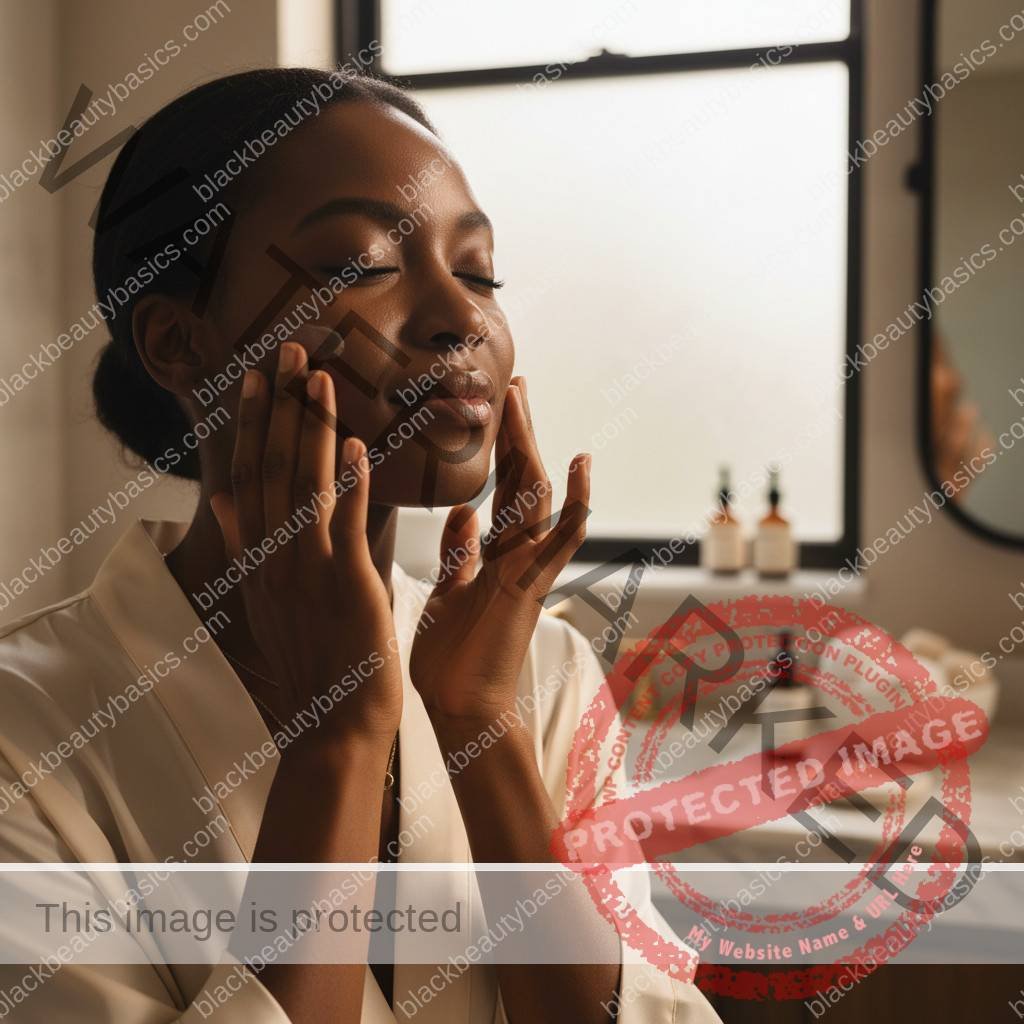
Practical Adjustments for a Scalp-Friendly Routine:
- Strategic Wash Days: Designate one weekend day (e.g., Sunday morning) for a thorough wash and deep condition. This is your primary scalp reset. If weekends are packed, consider a mid-week evening wash that’s streamlined (e.g., co-wash, quick condition, air dry or light blow dry).
- Evening Mini-Ritual: Integrate a quick 5-minute scalp treatment into your existing evening skincare routine. This could be a lightweight serum for hydration or a targeted treatment for specific concerns. Keep products easily accessible on your nightstand.
- Travel Hacks: Pack travel-sized scalp refreshers or dry shampoos for quick touch-ups. If you’re staying in a hotel with a good shower, use it as an opportunity for a quick co-wash.
- Protective Style Reliance: Opt for protective styles that can last 2-4 weeks, reducing daily manipulation. Ensure your stylist preps your scalp thoroughly and doesn’t install styles too tightly. During the style, use a spray-on scalp cleanser or witch hazel on a cotton swab to clean parts, followed by a light oil or serum.
- Salon Support: If budget allows, delegate wash days or protective style installations to a trusted stylist. This frees up your time and ensures expert care.
Scenario 2: The Active Individual (Frequent Workouts)
Real-Life Variables: Sweats frequently, needs to manage moisture and odor, prefers styles that accommodate workouts, may not want to re-style hair daily.
Routine Pressure Points: Sweat buildup, potential for clogged pores, maintaining freshness without over-washing or drying out the scalp.
Practical Adjustments for a Scalp-Friendly Routine:
- Post-Workout Refresh: Immediately after a workout, use a scalp refresher spray or a targeted dry shampoo designed for textured hair. These absorb excess oil and sweat without stripping moisture.
- Targeted Cleansing: If a full wash isn’t possible after every workout, consider a focused scalp cleanse using a diluted apple cider vinegar rinse or a micellar scalp water on a cotton pad around the hairline and parts.
- Co-Wash Days: Incorporate 1-2 co-wash days per week, specifically after intense workouts, to gently cleanse and rehydrate without a full shampoo.
- Protective Styles for Workouts: Opt for styles like braids, twists, or ponytails that keep hair off the neck and allow for easier scalp access for cleansing. Ensure these styles are not too tight.
- Moisture Balance: After cleansing or refreshing, reapply a lightweight, non-comedogenic scalp moisturizer or oil to prevent dryness, which can be exacerbated by frequent cleansing.
Scenario 3: The Parent with Limited “Me Time”
Real-Life Variables: Time often dictated by children’s schedules, unpredictable interruptions, energy often depleted by end of day, requires efficient and quick routines.
Routine Pressure Points: Finding uninterrupted time for any self-care, juggling multiple responsibilities, feeling guilty about prioritizing personal needs.
Practical Adjustments for a Scalp-Friendly Routine:
- Batching Self-Care: Combine scalp care with other activities. Apply a scalp mask while supervising bath time, or do a quick scalp massage while reading to your children.
- Overnight Treatments: Utilize overnight scalp serums or oils that can work while you sleep, requiring minimal active time.
- Streamlined Wash Days: Focus on efficient wash days. Use a clarifying shampoo, followed by a deep conditioner that can be left on for a shorter period (e.g., 15-20 minutes with heat cap) or a rinse-out conditioner. Prioritize air drying or minimal heat.
- “Grab & Go” Products: Keep a scalp oil or leave-in conditioner spray handy for quick daily hydration or itch relief.
- Partner/Family Support: If possible, communicate your need for dedicated “me time” for hair care. Even 30 minutes of uninterrupted time can make a difference.
- Minimum Viable Care: On truly chaotic days, focus on just one thing: a quick scalp massage, a targeted application of a soothing serum, or a light cleanse if absolutely necessary.
Scenario 4: The Individual Who Frequently Wears Protective Styles
Real-Life Variables: Styles like braids, twists, weaves, or wigs worn for extended periods (weeks to months), less direct access to the scalp, focus shifts from daily styling to maintenance.
Routine Pressure Points: Buildup under styles, dryness, itchiness, tension, neglecting the scalp because it’s “hidden.”
Practical Adjustments for a Scalp-Friendly Routine:
- Pre-Style Prep: Before installation, ensure your scalp is thoroughly cleansed, exfoliated, and moisturized. This sets a healthy foundation.
- Regular Cleansing (Under Style): Use a diluted shampoo or a specialized scalp cleanser with a nozzle applicator to clean between parts every 1-2 weeks. Follow with a light, non-greasy moisturizer or oil.
- Targeted Relief: Keep an anti-itch spray or soothing scalp serum on hand for immediate relief.
- Moisturize the Scalp, Not Just the Hair: Focus on applying lightweight oils or hydrating sprays directly to the scalp, not just the hair extensions.
- Scheduled Breaks: Ensure you give your scalp regular breaks between protective styles. This is crucial for preventing tension alopecia and allowing your scalp to breathe and recover. Consider a week or two of loose styles or your natural hair. You can learn more about this in our article on planning tension levels, style rotation, and scalp rest.
- Gentle Removal: When taking down styles, be extremely gentle to avoid excessive pulling or breakage, which can stress the scalp.
Scenario 5: The Budget-Conscious Individual
Real-Life Variables: Limited funds for expensive products, salon visits, or extensive product lines.
Routine Pressure Points: Feeling overwhelmed by product recommendations, believing effective care is out of reach.
Practical Adjustments for a Scalp-Friendly Routine:
- Focus on Essentials: Prioritize 2-3 high-quality, effective products: a gentle clarifying shampoo, a hydrating conditioner, and a simple, multi-purpose oil (e.g., jojoba, grapeseed).
- DIY Solutions (with caution): Explore natural ingredients like diluted apple cider vinegar rinses for clarifying or aloe vera for soothing, but always patch test and research thoroughly.
- Longevity Over Quantity: Invest in products that last longer or are concentrated. Sometimes a slightly more expensive product that you use less of can be more cost-effective in the long run.
- Strategic Sales: Stock up on staples during sales or promotions.
- Home Care Over Salon: Learn to do your own protective styles or basic hair care at home to save on salon costs.
- Scalp Massage: A scalp massager is an inexpensive tool that can boost circulation and product absorption. Shop scalp massagers on Amazon.
The key takeaway is that your routine should be a reflection of your life. By being honest about your constraints and creative with your solutions, you can build a consistent, effective, and deeply personal scalp care regimen that supports your health and confidence.
Here’s a simple table summarizing these concepts:
| Real-Life Variable | Routine Pressure Point | Practical Adjustment for Scalp Health |
|---|---|---|
| Demanding Work Schedule | Time for wash days/treatments | Weekend deep cleanse, quick evening serum, salon visits |
| Frequent Workouts | Sweat buildup, dryness | Post-workout scalp refresh, co-wash days, lightweight moisturizers |
| Parenting/Limited “Me Time” | Uninterrupted time for self-care | Overnight treatments, batching tasks, streamlined wash days, minimum viable care |
| Frequent Protective Styles | Buildup, itch, tension, hidden scalp | Pre-style prep, targeted cleansing/moisturizing under style, scheduled scalp breaks |
| Budget Constraints | Cost of products/services | Focus on essentials, DIY solutions, strategic sales, home care |
| Low Energy/Fatigue | Motivation for elaborate steps | Simplify to 1-2 key steps, overnight treatments, focus on comfort |
| Travel/Unpredictable Schedule | Maintaining consistency away from home | Travel-sized products, quick refreshers, flexible cleansing options |
How to Simplify Your Routine When Energy, Money, or Time Are Tight
Life is dynamic, and there will inevitably be periods when your resources – whether time, energy, or money – feel particularly constrained. During these moments, the temptation might be to abandon your scalp care routine entirely. However, this is precisely when a simplified, strategic approach becomes most crucial. The goal isn’t perfection, but rather “minimum viable scalp care” – doing just enough to maintain health and prevent regression, without adding undue stress.
When Time is Tight: Streamline and Prioritize
If you find yourself constantly pressed for time, the key is to make every minute count and to be ruthlessly efficient:
- Focus on Cleansing: If you can only do one thing, make it cleansing. Removing buildup, sweat, and environmental pollutants is paramount for scalp health. This doesn’t always mean a full shampoo. Consider:
- Co-washing: A quick, gentle cleanse that also moisturizes.
- Scalp Cleansing Sprays/Waters: Use a micellar water or a specialized scalp cleanser with a nozzle for targeted application between full washes.
- Diluted ACV Rinse: A quick, natural way to clarify and balance scalp pH.
- Overnight Treatments: These are a busy person’s best friend. Apply a scalp serum, oil, or treatment before bed, let it work while you sleep, and rinse in the morning (if needed). This requires no active time during your busy day.
- Multi-Tasking Products: Look for products that combine benefits, like a 2-in-1 shampoo and conditioner (though use with caution for textured hair, ensuring it’s still gentle) or a leave-in conditioner that also has scalp-soothing properties.
- Quick Refreshers: Keep dry shampoo or scalp refresher sprays on hand for post-workout or mid-week touch-ups to extend the time between full washes.
- Strategic Styling: Opt for simpler styles that require less daily manipulation and allow easier access to the scalp for quick care.
When Energy is Low: Embrace Ease and Comfort
Low energy can be a significant barrier to self-care. When you’re feeling drained, the thought of an elaborate wash day or a multi-step routine can feel overwhelming. This is when you need to prioritize comfort, ease, and minimal effort:
- One-Step Wonders: Identify the single most impactful thing you can do for your scalp with the least effort. This might be a quick scalp massage while watching TV, applying a soothing serum, or simply spritzing a hydrating mist.
- Pre-Planned Simplicity: On days when you have slightly more energy, prep for low-energy days. For example, pre-mix a diluted ACV rinse, or portion out your favorite scalp oil into an applicator bottle.
- Focus on Soothing: If your scalp is itchy or irritated, prioritize products that offer immediate relief. A cooling scalp spray or a gentle, anti-itch serum can make a world of difference with minimal effort.
- Delegate if Possible: If you have support, don’t be afraid to ask for help. Can a partner or friend help with a quick scalp massage? Can you splurge on a salon wash and blow-dry if you’re truly depleted?
- Embrace “Good Enough”: Let go of the pressure for perfection. A quick, gentle cleanse is better than no cleanse. A little hydration is better than none. Your scalp will thank you for any consistent effort.
When Money is Tight: Smart Choices and DIY
Budget constraints don’t mean sacrificing scalp health. It means being more intentional and resourceful with your choices:
- Prioritize Essential Products: Focus your budget on the absolute necessities: a gentle, sulfate-free shampoo and a good conditioner. If you have specific scalp issues, a targeted treatment (e.g., medicated shampoo for dandruff) might be a necessary investment.
- Multi-Purpose Oils: Instead of buying multiple specialized oils, invest in a versatile, affordable carrier oil like jojoba, grapeseed, or almond oil. These can be used for pre-poo treatments, scalp massages, and sealing in moisture.
- DIY Solutions (with caution):
- Apple Cider Vinegar (ACV) Rinse: Diluted ACV is an excellent, inexpensive clarifier and pH balancer.
- Aloe Vera: Pure aloe vera gel can be soothing and hydrating for the scalp.
- Sugar Scrubs: Mix sugar with your regular shampoo or a carrier oil for a gentle physical exfoliant.
Always patch test any DIY solution to ensure no adverse reactions.
- Longevity of Styles: Maximize the life of your protective styles by maintaining them properly, reducing the frequency of salon visits or re-installations.
- Strategic Shopping: Buy products during sales, use coupons, or look for larger, more economical sizes of your staples.
- Scalp Massagers: An inexpensive manual scalp massager can significantly boost circulation and product penetration without needing expensive serums. Find manual scalp massagers on Amazon.
The overarching principle when resources are tight is sustainability. A routine you can consistently maintain, even in challenging times, is far more effective than an elaborate one that falls apart at the first hurdle. Be kind to yourself, adapt, and remember that even small, consistent acts of care contribute significantly to long-term scalp health.
How to Navigate This Topic
Understanding how to map your real life to a scalp-friendly routine is an ongoing process of self-awareness, experimentation, and adaptation. It’s not a one-time fix but a journey of learning what truly works for you. To navigate this topic effectively, consider these guiding principles:
1. Embrace Self-Observation and Journaling
Become a detective of your own scalp. Pay attention to how your scalp feels throughout the week, how it reacts to different products, styles, and activities. Consider keeping a simple scalp journal:

- Date:
- Activity Level: (e.g., intense workout, low activity)
- Style Worn: (e.g., braids, wash-and-go, wig)
- Scalp Sensation: (e.g., itchy, dry, oily, comfortable, irritated)
- Products Used: (e.g., shampoo, oil, serum)
- Energy Level: (e.g., high, medium, low)
Over time, you’ll start to see patterns. You might notice that your scalp gets itchier after a certain number of days in a protective style, or that a particular product exacerbates dryness when your energy is low and you rush your routine. This data is invaluable for making informed adjustments.
2. Start Small and Build Gradually
Resist the urge to overhaul everything at once. This often leads to overwhelm and abandonment. Instead, identify one or two small, manageable changes you can implement consistently. For example:
- “I will apply a lightweight scalp oil every other night.”
- “I will use a scalp refresher after every workout.”
- “I will dedicate 15 minutes to a scalp massage during my weekly wash day.”
Once those habits feel integrated and easy, then consider adding another small step. This incremental approach builds confidence and makes the routine feel sustainable.
3. Prioritize Your Scalp’s Core Needs
While a comprehensive routine might include many steps, your scalp has fundamental needs: cleansing, moisturizing, and protection. When life gets hectic, revert to these core principles:
- Cleansing: Regular removal of buildup, sweat, and environmental debris.
- Moisturizing: Keeping the scalp hydrated to prevent dryness and maintain a healthy barrier.
- Protection: Minimizing tension from styles, protecting from sun exposure, and addressing specific concerns (e.g., anti-fungal for dandruff).
If you can only manage one or two steps, ensure they address these core needs effectively.
4. Be Patient and Compassionate with Yourself
There will be days or weeks when your routine falls apart. This is a normal part of life. Instead of self-criticism, practice self-compassion. Acknowledge the challenge, learn from it, and gently redirect yourself. Remember, one missed step doesn’t undo all your progress. The goal is long-term consistency, not short-term perfection.
5. Seek Professional Guidance When Needed
If you’re experiencing persistent scalp issues, severe itching, flaking, inflammation, or hair loss, don’t hesitate to consult a professional. A dermatologist or trichologist can provide an accurate diagnosis and tailored treatment plan. They can also help you understand how your specific scalp condition might influence your routine and what adjustments are necessary. Learn more about professional care pathways to find the right expert for your needs.
6. Utilize Your Community and Resources
Black Beauty Basics is here to support you. Read our articles, engage with our content, and understand that you are part of a community facing similar challenges and triumphs. Don’t be afraid to seek advice or share your experiences (if comfortable) with trusted friends or online communities. Collective wisdom can be incredibly empowering.
By approaching your scalp care with these principles, you transform it from a rigid set of rules into a flexible, responsive, and deeply personal practice that truly supports your well-being.
Where to Go Next
This article has laid the groundwork for understanding how to tailor your scalp care routine to your real life. However, scalp health is a multifaceted topic, and several specific areas deserve deeper exploration. To further empower your journey, we encourage you to delve into these related articles on Black Beauty Basics:
- Understanding Protective Styles: Your choice of protective style has a profound impact on your scalp. Learn more about how to make choices that support your scalp’s long-term health and hair density: How Protective Style Choices Impact Scalp Health and Hair Density Over Time.
- Managing Tension and Rest: The balance of tension, style rotation, and scalp rest is critical. Discover how to plan these elements effectively to prevent damage and promote healing: Planning Tension Levels, Style Rotation, and Scalp Rest.
- Sweat, Sleep, and Scalp: Your daily habits, from exercise to sleep, significantly affect your scalp. Understand how to manage sweat and optimize your routine around these lifestyle factors: How Sleep, Exercise, and Sweat Affect Your Scalp Routine.
- Adjusting for Specific Conditions: If you are navigating conditions like CCCA or traction alopecia, your routine needs specialized adjustments. Find guidance on adapting your lifestyle and style habits: Adjusting Lifestyle and Style Habits When You Have CCCA or Traction Alopecia.
- Scalp-Focused Routines: Dive deeper into building specific routines, both with and without protective styles, to ensure comprehensive care: Scalp-Focused Routines with and Without Protective Styles.
- Tools and Products for Scalp Care: Explore the array of products and tools available, from oils and serums to massagers and medicated options, to enhance your routine: Tools and Products for Scalp Care: Oils, Serums, Massagers, Medicated Products.
By exploring these resources, you’ll gain a holistic understanding of scalp health and be better equipped to make informed decisions that support your unique needs and lifestyle. Remember, your journey to a healthy scalp is a continuous one, and Black Beauty Basics is here to guide you every step of the way. You can always return to our main hub for Scalp Health, CCCA, and Hair Loss for a broader overview, or explore our cluster on Lifestyle and Protective-Style Behaviors That Influence Scalp Health to understand the interconnectedness of your choices.
Quick Principles
Cultivating a scalp-friendly routine that genuinely fits your life doesn’t require perfection; it requires practicality, self-awareness, and compassion. Here are the quick principles to guide you:
- Your Life, Your Rules: The best routine is the one that fits your actual schedule, energy levels, and lifestyle, not an idealized version.
- Audit Your Reality: Honestly assess your work, family, social, and personal commitments. Identify your true “non-negotiables.”
- Prioritize Core Needs: Focus on the fundamental pillars of scalp health: gentle cleansing, adequate moisturization, and protection from tension or irritation.
- Integrate, Don’t Isolate: Weave scalp care into existing habits (e.g., evening skincare, wash day, post-workout refresh) rather than creating entirely new, separate tasks.
- Embrace Minimum Viable Care: On busy or low-energy days, identify the absolute minimum you can do (e.g., a quick cleanse, a targeted serum) rather than abandoning your routine entirely.
- Simplify When Necessary: When time, energy, or money are tight, streamline your products and steps. Focus on essentials and effective, affordable solutions.
- Observe and Adapt: Pay attention to your scalp’s signals. Itching, dryness, or irritation are messages. Be ready to adjust your routine based on what your scalp tells you.
- Be Patient and Kind: Progress is rarely linear. There will be setbacks. Approach your scalp care journey with self-compassion, not self-criticism.
- Seek Professional Help: If persistent issues arise, consult a dermatologist or trichologist. Professional guidance is invaluable for specific conditions.
- Consistency Over Intensity: Small, consistent acts of care are far more impactful in the long run than sporadic, elaborate efforts.
These principles empower you to build a resilient, adaptable, and truly effective scalp care routine that supports your overall well-being, ensuring your crown remains healthy and vibrant through all of life’s seasons.
Frequently Asked Questions
How often should I wash my scalp if I have a busy schedule?
The ideal frequency varies, but aim for at least once every 7-14 days for a thorough cleanse. If you have an active lifestyle or use many products, consider incorporating a co-wash or scalp refresher spray 1-2 times a week between full washes to manage sweat and buildup without stripping your scalp.
What if I often wear protective styles like braids or wigs? How do I care for my scalp then?
Before installing a protective style, ensure your scalp is thoroughly cleansed and moisturized. While wearing the style, use a diluted scalp cleanser with a nozzle applicator or a witch hazel solution on a cotton swab to clean parts every 1-2 weeks. Follow with a lightweight, non-comedogenic oil or serum applied directly to the scalp to prevent dryness and itchiness.
I’m on a tight budget. What are the most essential scalp care products I should invest in?
Prioritize a gentle, sulfate-free clarifying shampoo to remove buildup effectively and a hydrating conditioner. A versatile, affordable carrier oil like jojoba or grapeseed oil can serve multiple purposes for moisturizing and pre-poo treatments. These core products form a strong foundation without breaking the bank.
My energy levels are often low. How can I maintain a scalp routine without feeling overwhelmed?
Focus on minimum viable care. Identify 1-2 non-negotiable steps, such as a quick overnight scalp serum application or a 5-minute scalp massage. Embrace multi-tasking by applying treatments while doing other activities, and don’t be afraid to simplify your routine drastically on low-energy days. Consistency in small ways is key.
How do I know if my scalp routine is actually working for my real life?
Your routine is working if you can consistently stick to it without feeling overwhelmed or stressed. Your scalp should feel comfortable, free from excessive itching or flaking, and your hair should be growing from a healthy foundation. If you find yourself skipping steps frequently or your scalp issues persist, it’s a sign your routine needs adjustment to better fit your reality.
Can I use natural DIY remedies for scalp care if I don’t have time for complex routines?
Yes, simple DIY remedies can be effective. Diluted apple cider vinegar (ACV) rinses can clarify and balance pH, while pure aloe vera gel can soothe and hydrate. Always perform a patch test first to ensure you don’t have any adverse reactions. These can be quick and budget-friendly additions to a streamlined routine.
What’s the most important thing to remember when building a scalp-friendly routine for a busy life?
The most important thing is self-compassion and flexibility. Your routine should serve you, not the other way around. Be honest about your constraints, prioritize what truly matters for your scalp’s health, and be willing to adapt. A consistent, imperfect routine is always better than a perfect one that’s never followed.
Related next steps
Related posts:
 Mapping Your Week to a Realistic Hair and Scalp Routine
 Testing Shades in Store and Under Real-Life Lighting for Deep Skin Tones
 How Sleep, Exercise, and Sweat Affect Your Scalp Routine
 Planning Tension Levels, Style Rotation, and Scalp Rest for Lasting Scalp Health
 Building Gym and Movement-Friendly Hair Routines
 Planning Travel-Friendly Hair Strategies for Short and Long Trips