Testing Shades in Store and Under Real-Life Lighting for Deep Skin Tones
You’ve seen it before: a foundation, concealer, or powder that looks absolutely perfect under the flattering glow of the beauty counter lights. You swatch it, blend it, and gaze into the mirror, convinced you’ve finally found “the one.” You purchase it with a hopeful heart, only to step outside into natural daylight, or worse, catch a glimpse of yourself in a car mirror, and realize with a sinking feeling that your perfect match is, in fact, a glaring misstep. The shade is too ashy, too red, too orange, or simply creates an undeniable demarcation line that screams “I’m wearing makeup!” This common and frustrating experience is not a reflection of your ability to choose, but rather a testament to the deceptive power of artificial lighting and the unique challenges deep skin tones face when seeking a true, seamless match.
For Black women and others with melanin-rich skin, the stakes are even higher. Our complexions often possess a stunning array of undertones – from rich golden and warm olive to deep red and cool blue-black – that can be easily masked or distorted by inadequate lighting. What looks like a subtle warmth in a brightly lit store might turn into an alarming orange cast in daylight, or a seemingly neutral shade could suddenly appear ghostly and ashy under a camera flash. The journey to a flawless base is not just about finding the right formula or understanding your undertones; it’s profoundly about how and where you test those shades. A shade match should be resilient, surviving more than just one flattering store mirror. It should look harmonious and natural across various environments, reflecting the true vibrancy of your skin, not just a fleeting moment under a spotlight.
This guide is designed to empower you with the knowledge and practical strategies to navigate the often-tricky terrain of in-store shade testing and real-life verification. We’ll delve into the nuances of how different lighting conditions manipulate the appearance of makeup on deep skin, and provide you with a robust framework for testing foundation, concealer, and powder that holds up beyond the beauty counter. Our aim is to help you protect your time, your money, and most importantly, your confidence, by ensuring that the shades you choose are truly your perfect allies, blending seamlessly into the beautiful canvas of your skin, no matter where life takes you. Consider this your essential toolkit for achieving a truly undetectable, radiant base that celebrates your unique complexion in every light.
What This Post Covers
This comprehensive guide will equip you with the essential strategies and insights needed to confidently test makeup shades in various environments, ensuring your foundation, concealer, and powder truly match your deep skin tone. We will meticulously explore the deceptive nature of store lighting and provide actionable steps for accurate in-store swatching and evaluation. We’ll delve into the critical importance of understanding how products interact with your skin’s chemistry through the dry-down process, and how to assess their true color once settled. A significant portion of our discussion will be dedicated to the often-overlooked necessity of testing your potential matches under the full spectrum of real-life lighting conditions—from the unforgiving clarity of natural daylight to the harsh reality of camera flashes and the subtle nuances of office and evening environments. We’ll also provide practical advice on how to effectively test concealer and powder in conjunction with your foundation, ensuring a cohesive and flawless overall base. By the end of this article, you will possess a refined approach to shade testing that moves beyond superficial appearances, empowering you to make informed decisions that result in a truly harmonious and long-lasting match for your beautiful complexion.
The Deceptive Allure of Store Lighting
We begin by dissecting the common pitfalls of beauty store lighting. Often designed to make products look their best, these lights can create an artificial glow that masks undertone discrepancies and makes almost any shade appear passable. We’ll discuss how to see past this illusion and identify red flags.
Strategic Swatching and Initial Assessment
Beyond the simple swipe, there’s an art to swatching. We’ll guide you on where to apply product for the most accurate assessment, how much to apply, and what initial observations to make before the product even dries down. This includes focusing on areas like the lower cheek and jawline, which are crucial for a seamless blend with the neck and chest.
The Critical Dry-Down Period
Many foundations and concealers oxidize or shift in color as they dry and interact with your skin’s natural oils. We’ll explain why waiting is not just a suggestion but a necessity, and what to look for during this crucial period to identify potential mismatches before they become costly mistakes.
Real-Life Lighting: The Ultimate Test
This section is the core of our strategy. We’ll break down how to evaluate your potential shade matches under various real-world scenarios: natural daylight, indoor office lighting, evening ambiance, and the dreaded camera flash. We’ll provide specific tips for each environment, helping you understand how different light sources reveal or conceal undertone issues and color discrepancies on deep skin.
Integrating Concealer and Powder Testing
A perfect foundation match can be undermined by an ill-chosen concealer or powder. We’ll offer advice on how to test these essential components of your base makeup, ensuring they complement your foundation and enhance your complexion without creating patchiness, ashiness, or an unnatural finish.
Protecting Your Investment and Confidence
Ultimately, this guide aims to save you from the frustration and expense of purchasing unsuitable products. By adopting a meticulous and patient approach to shade testing, you’ll gain the confidence that your chosen makeup truly enhances your natural beauty, providing a flawless canvas that stands up to every light and every moment.
Why Lighting Changes How Deep Skin Reads
The way light interacts with skin is a complex dance, and for deep skin tones, this interaction is particularly nuanced and often misunderstood. Our melanin-rich complexions possess a unique ability to absorb and reflect light in ways that lighter skin tones do not, making us especially susceptible to the deceptive effects of varying lighting conditions. Understanding this fundamental principle is the first step toward mastering the art of shade matching. It’s not just about the color of the foundation, but how that color appears under different light sources, and how those sources reveal or obscure the intricate tapestry of our natural undertones.
The Science of Light and Melanin
Melanin, the pigment responsible for our beautiful range of skin tones, is a powerful absorber of light. This absorption property means that deep skin can appear dramatically different depending on the spectrum and intensity of light hitting it. In warm, yellow-toned lighting, our skin might appear richer and more golden, while under cool, blue-toned light, it could lean more ashy or grey. Fluorescent lights, common in many retail environments, are particularly notorious for flattening complexions and distorting colors, often making deep skin look dull or sickly. Conversely, natural daylight, with its full spectrum of colors, tends to reveal the true nuances and undertones of our skin, which is why it’s the gold standard for shade matching.
Undertones Under Duress
Deep skin tones are renowned for their incredible diversity of undertones. We can have warm (golden, olive, red), cool (blue, purple, red-violet), or neutral undertones, often with a combination of these across different areas of the face and body. Lighting can play tricks on these undertones. A foundation with a subtle red undertone that looks vibrant and healthy under a warm, incandescent bulb might suddenly appear overtly orange or brick-like under cool LED lights. Similarly, a shade that seems perfectly neutral in one setting could reveal an unwelcome ashy cast in another, especially if it lacks the necessary depth or warmth to complement the skin’s natural richness. The challenge lies in finding a shade that harmonizes with your unique undertones across this spectrum of light, rather than being flattered by just one specific type.
The “Flashback” Phenomenon
Another critical aspect of lighting’s impact on deep skin is the “flashback” effect, particularly relevant for photography. Many foundations and powders contain ingredients like zinc oxide, titanium dioxide, or silica, which are excellent for sun protection and oil absorption, respectively. However, these ingredients are also highly reflective. Under the harsh, direct light of a camera flash, these reflective particles can bounce light back, creating a white or ghostly cast on deep skin that appears much lighter than the actual foundation shade. This is why a foundation that looks perfect in person might make you look like a floating head in photos. Understanding this phenomenon is crucial for anyone who wants their makeup to look flawless both in real life and on camera.
The Disconnect Between Face and Body
It’s common for deep skin tones to have variations in color and undertone between the face, neck, and chest. The face might be slightly darker or lighter, or have different undertones due to sun exposure or natural pigmentation. Store lighting often focuses on the face, making it easy to match a foundation to that specific area. However, if the shade doesn’t seamlessly blend into the neck and chest, a noticeable line of demarcation will appear in natural or varied lighting. This is why testing shades on the lower cheek and jawline, and then stepping into different lights, is paramount. The goal is not just a match to your face, but a harmonious transition that makes your foundation truly undetectable, creating a unified appearance across your exposed skin.
The Dry-Down and Oxidation Factor
Finally, lighting can also exaggerate or minimize the effects of foundation dry-down and oxidation. As foundation dries on the skin, it often deepens or shifts in color. This is due to the evaporation of volatile ingredients and the interaction of pigments with the skin’s natural oils and pH. What looks like a perfect match wet might oxidize to an orange or ashy tone once dry. Different lighting conditions can make these shifts more or less apparent. A slight oxidation that is barely noticeable under warm store lights might become glaringly obvious under the cool, unfiltered light of day. This underscores the need for patience and thorough testing in multiple environments, allowing the product to fully settle before making a final judgment.
In essence, for deep skin, lighting is not just a backdrop; it’s an active participant in how your makeup is perceived. By acknowledging and actively accounting for its influence, you transform from a passive observer to an empowered decision-maker, capable of discerning a true match from a fleeting illusion.
Where and How to Swatch Shades In Store
The beauty counter can be an overwhelming place, filled with dazzling displays and an array of products. For deep skin tones, the challenge of finding the right shade is often compounded by the artificial lighting and the sheer volume of options. However, with a strategic approach to swatching, you can cut through the noise and significantly improve your chances of finding a truly harmonious match. This isn’t just about applying a product; it’s about a methodical process designed to reveal the true nature of the shade on your unique complexion.
The Unreliable Hand Swatch: Why It Fails Deep Skin
Let’s start with what not to do: swatching on the back of your hand or wrist. While this might be a common practice, it’s largely ineffective for deep skin tones, and here’s why. The skin on your hand is almost always a different color and undertone than the skin on your face and neck. It’s often lighter, has a different texture, and is exposed to different environmental factors. For deep skin, this discrepancy can be even more pronounced. A foundation that looks “okay” on your hand might be a complete mismatch on your face, leading to that dreaded floating head effect. Your hands are also less likely to exhibit the same level of natural oils or texture variations that impact how foundation settles on your face. Therefore, while a hand swatch can give you a very rough idea of texture or opacity, it’s a poor indicator of color match.
The Gold Standard: Swatching on the Lower Cheek and Jawline
The most accurate place to swatch foundation, concealer, and powder is directly on your face, specifically along your lower cheek and jawline. This area is ideal because it allows you to compare the product directly to your face, your neck, and even your upper chest. The goal is for your foundation to seamlessly blend these areas, creating a unified appearance. When testing, apply three to four potential shades in small, distinct stripes, spaced about an inch apart, from your cheek down to your jawline. This allows you to compare them side-by-side and observe how each shade interacts with the skin in this critical transition zone. Don’t be shy about asking for samples or using clean applicators to avoid contamination.
Beyond the Face: The Neck and Chest Connection
For many with deep skin, the neck and chest can be lighter or have different undertones than the face. A truly perfect match will bridge this gap, creating a harmonious flow. As you swatch on your jawline, ensure the stripe extends slightly onto your neck. This direct comparison is invaluable. If a shade disappears on your jawline but creates a stark line on your neck, it’s not the one. The ideal shade will look like it’s fading into your skin on both your face and your neck, creating an undetectable transition. This is particularly important for those with hyperpigmentation or uneven skin tone, as the foundation should unify rather than highlight discrepancies.
The Importance of Multiple Swatches and Blending
Don’t just pick one shade and run. Choose at least three to five shades that appear to be in your range. These should include options that lean slightly warmer, slightly cooler, and truly neutral, based on your initial assessment of your undertones (if you’ve already explored how to read your undertone on deep melanin-rich skin). Apply each stripe with a light hand, ensuring enough product to see the true color, but not so much that it’s thick and cakey. Once applied, let them sit for a few minutes before making any initial judgments. Then, gently blend the edges of each swatch with a clean finger or a disposable sponge applicator. The goal is to see which shade truly melts into your skin, becoming virtually invisible. The one that disappears without leaving a visible edge or cast is your strongest contender.
Utilizing Store Resources Wisely
While store lighting is often problematic, the resources available can still be helpful. Don’t hesitate to ask for assistance from a beauty advisor, but remember that their expertise may vary. Politely request to test shades on your jawline and ask for small sample pots of your top contenders. Most reputable beauty counters are happy to provide samples, allowing you to take them home and test them thoroughly in various real-life lighting conditions before committing to a full-size purchase. This is a crucial step that many skip, but it can save you significant money and frustration in the long run. Remember, you are not being “picky”; you are being discerning and ensuring your investment is worthwhile.
The “No Makeup” Rule
For the most accurate shade match, it’s best to arrive at the store with a clean, moisturized face, free of any makeup. This allows the foundation to interact directly with your bare skin, giving you the truest representation of its color and how it will oxidize. If you must wear makeup, try to only apply it to areas that won’t be used for swatching, or be prepared to remove a small section for testing. The cleaner your canvas, the more reliable your assessment will be.
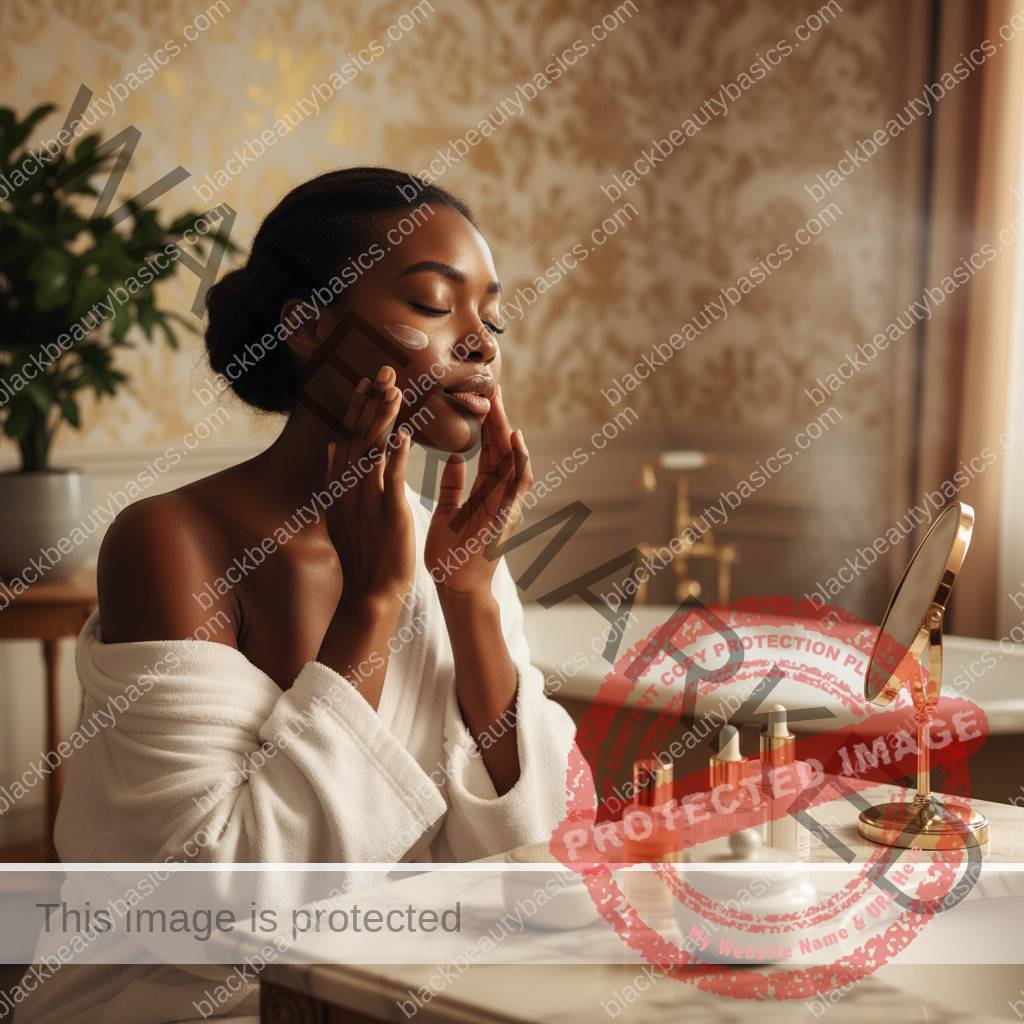
By adopting this meticulous approach to in-store swatching, you transform a potentially frustrating experience into an efficient and effective one. You’re not just trying on makeup; you’re conducting a careful scientific experiment to find the perfect alchemy between product and skin.
What to Check Before and After Dry-Down
The moment you apply a liquid or cream foundation, concealer, or even a cream-to-powder product, it’s in its initial, “wet” state. This state is rarely how it will look on your skin throughout the day. The journey from wet application to fully dry and settled is a critical phase, often overlooked, especially for deep skin tones. This process, known as dry-down, can dramatically alter a product’s color, finish, and overall appearance. Understanding what to look for both immediately upon application and after the product has had time to dry is paramount to securing a truly accurate and long-lasting match. Neglecting this step is a common reason why a shade that looks promising in the store can turn into a disappointing mismatch hours later.
Initial Assessment: The Wet State
Immediately after applying your chosen swatches to your lower cheek and jawline, make some initial observations. These are quick checks that can help you rule out obvious mismatches even before the dry-down process begins:
- Immediate Color Match: Does the wet product look somewhat close to your skin tone? If it’s already clearly too light, too dark, or a drastically wrong undertone (e.g., overtly orange or ashy), you can likely eliminate it right away.
- Undertone Read: Even in its wet state, you can get a sense of the undertone. Does it appear golden, red, olive, or neutral? Compare it to your natural skin and see if it harmonizes or clashes. For deep skin, a shade that looks too cool (greyish or purplish) or too warm (bright orange) in its wet state is a red flag.
- Texture and Finish: Observe the initial texture. Is it too thick, too thin, too dewy, or too matte for your preference? While the finish can change slightly upon drying, the initial feel gives you an important first impression.
- Opacity: How much coverage does it provide in its wet state? Does it look like it will be too sheer or too heavy for your needs?
At this stage, you’re primarily looking for immediate deal-breakers. If a shade is already visibly off, there’s no need to wait for it to dry down. Focus your attention on the shades that seem promising.
The Critical Dry-Down Period: Patience is a Virtue
Once you’ve made your initial observations, the most important step is to wait. Foundations and concealers are formulated with volatile ingredients (like alcohol or water) that evaporate, and pigments that settle and interact with your skin’s natural oils and pH. This process can take anywhere from 5 to 20 minutes, sometimes even longer for certain formulas. During this time, several key transformations can occur:
- Oxidation: This is perhaps the most common and frustrating dry-down phenomenon for deep skin. Oxidation occurs when the pigments in the foundation react with the air and your skin’s oils, causing the shade to deepen or shift in color, often turning more orange, red, or even slightly grey. A shade that looked perfect wet might oxidize into a noticeable mismatch. This is why testing in-store samples at home is so valuable, as you can wear it for an extended period.
- Color Deepening/Lightening: Beyond oxidation, some foundations simply deepen as they dry, while others might appear slightly lighter as volatile components evaporate. It’s crucial to see the final, settled color.
- Finish Transformation: A dewy foundation might become semi-matte, or a liquid might set to a powdery finish. Observing this change helps you determine if the final finish aligns with your desired look.
- Interaction with Skin Texture: As the product dries, you’ll see how it settles into fine lines, pores, or areas of texture. Does it emphasize them or smooth them out? Does it look patchy or cling to dry areas?
Post Dry-Down Assessment: The True Test
After waiting a sufficient amount of time (at least 10-15 minutes), it’s time to re-evaluate your swatches. This is where the true match (or mismatch) reveals itself. Here’s what to check:
- Seamless Disappearance: The ultimate goal. Does the foundation swatch truly disappear into your skin, becoming virtually undetectable where it meets your natural complexion? There should be no harsh lines, no obvious patches of color. This is especially important along the jawline where it meets the neck.
- Undertone Harmony: Re-assess the undertone. Does it still complement your natural undertone, or has it shifted to something undesirable? Look for any ashy, orange, or overly red casts. For deep skin, ashiness is a common issue if the undertone is too cool or the shade is too light.
- Overall Harmony with Neck and Chest: Step back and look at your entire face, neck, and upper chest. Does the shade create a cohesive look, or is there a noticeable difference between your face and body? The foundation should unify these areas.
- Flash Test (if possible): If you have a compact mirror and your phone, take a quick flash photo of your swatches. This can immediately reveal any flashback issues due to reflective ingredients.
- Feel and Comfort: How does the dried product feel on your skin? Is it comfortable, lightweight, or does it feel heavy, sticky, or dry?
Pro Tip: If you’re testing multiple shades, it can be helpful to take a quick photo of your face with the swatches before and after dry-down. This visual comparison can highlight subtle shifts that might be hard to remember or notice in the moment, especially under challenging store lighting. Also, remember to test concealer and powder similarly, allowing them to dry down and observing how they interact with your skin and your chosen foundation shade. A concealer that looks bright under the eyes wet might oxidize to an unflattering orange or grey once dry.
By meticulously observing these changes before and after dry-down, you gain a powerful advantage in your quest for the perfect base. It transforms shade matching from a hopeful guess into an informed, strategic decision, ensuring your chosen products truly enhance your deep skin tone throughout the day.
How to Test Your Match in Daylight, Flash, and Everyday Settings
The true test of a foundation, concealer, or powder match isn’t how it looks under the flattering, often misleading, lights of a beauty store. It’s how it performs and appears in the real world – under natural daylight, in the artificial glow of an office, during an evening out, and especially under the unforgiving glare of a camera flash. For deep skin tones, this real-life validation is not just a recommendation; it’s an absolute necessity. Our complexions are incredibly dynamic, and what looks passable in one environment can become an obvious mismatch in another. This section provides a practical, step-by-step guide to rigorously testing your potential shade matches in the diverse lighting conditions you encounter every day.
The Unfiltered Truth: Natural Daylight
Natural daylight is the most honest and revealing light source for testing makeup. It provides a full spectrum of light, allowing you to see the true color and undertone of a product without distortion. This is why taking your potential shades outside is the single most important step after in-store swatching and dry-down.
- Step Outside Immediately: After applying your top 2-3 swatches (or a full face of a sample) and allowing them to dry down, step outside the store. Find a spot with indirect natural light – direct sunlight can be too harsh and create shadows, while full shade might be too dim. A covered entryway, a park bench, or even your car in a well-lit parking lot are ideal.
- Observe from Multiple Angles: Look at your face in a travel mirror from different angles. Turn your head, tilt your chin up and down. Does the foundation still disappear into your skin? Is there any ashiness, patchiness, or an unnatural cast?
- Compare Face to Neck and Chest: This is critical. In natural light, any discrepancy between your face and neck/chest will be glaringly obvious. The foundation should create a seamless transition, making it look as if you’re not wearing anything at all. If you see a line of demarcation, the shade is not right.
- Check for Oxidation: Natural light is excellent for revealing oxidation. If a shade has oxidized to an orange or overly warm tone, it will be very apparent here.
The Office Environment: Fluorescent and Overhead Lighting
Many of us spend a significant portion of our day under fluorescent or harsh overhead lighting, which can be particularly challenging for deep skin. These lights often lack warmth and can make complexions appear flat, dull, or even grey. A foundation that looks vibrant in daylight might look lifeless here.
- Assess Flatness and Ashiness: In your office or another indoor setting with similar lighting, observe if your foundation still looks natural. Does it make your skin look flat or one-dimensional? Does it bring out any grey or ashy undertones that weren’t visible in natural light?
- Check for Patchiness: Harsh overhead lights can highlight areas where foundation might be clinging to dry patches or settling into pores, making the texture more apparent.
- Longevity Check: If you’re wearing a sample for a full day, observe how it holds up. Does it break down, get oily, or fade unevenly under these conditions?
The Evening Ambiance: Warm and Dim Lighting
Evening lighting, often warmer and dimmer, presents its own set of challenges. While it can be more forgiving than fluorescent light, it can also mask undertone issues or make a foundation appear too warm or too dark.
- Warmth vs. Overly Orange: In warm, incandescent lighting (like in a restaurant or at home), a foundation might look richer. Ensure it doesn’t cross the line into looking overtly orange or muddy.
- Depth and Vibrancy: Does the foundation still allow your natural skin’s vibrancy to shine through, or does it look heavy or mask-like? Good evening lighting should enhance your glow, not diminish it.
- Seamless Blend: Check your jawline and neck transition again. Dim lighting can sometimes hide minor discrepancies, but a truly off shade will still be noticeable.
The Dreaded Flash Test: Surviving the Camera
For many, the ultimate test is how makeup looks in photos, especially with flash. Flashback is a common issue for deep skin tones, where certain ingredients cause a white or ghostly cast. This is crucial for events, parties, or any situation where photos might be taken.
- Take a Flash Photo: With your sample foundation on (or your top contenders swatched), take a photo using your phone’s flash. Take several photos from different distances and angles.
- Examine for Ashiness or White Cast: Look closely at the photos. Does your face appear significantly lighter or whiter than your neck and body? Is there a ghostly glow? This indicates flashback.
- Check for Undesirable Undertones: Sometimes, flash can exaggerate certain undertones, making a foundation look too yellow, too red, or too grey.
- Ingredients to Watch For: Foundations high in titanium dioxide, zinc oxide (common in SPF), or silica (often in mattifying powders) are common culprits for flashback. If you know you’ll be photographed with flash, consider a foundation without these ingredients or one formulated specifically to be flash-friendly.
Table: Lighting Situations and What to Check
| Lighting Situation | What it Can Hide/Distort | What to Check For |
|---|---|---|
| Store Lighting (Mixed/Fluorescent) | Undertone discrepancies, ashiness, true depth, texture issues. Makes almost any shade look “okay.” | Initial color match, texture, how it feels. Focus on eliminating obvious mismatches. |
| Natural Daylight (Indirect) | Nothing; it’s the most honest light. | Seamless blend with face/neck/chest, true undertone, oxidation, natural finish, overall harmony. |
| Office/Overhead Lighting | Natural radiance, vibrancy, subtle undertones. Can make skin look flat or grey. | Ashiness, dullness, patchiness, emphasis of texture. |
| Evening/Warm Lighting | Subtle mismatches, slight ashiness. Can make shades appear richer or too warm. | Overly orange or muddy appearance, mask-like effect, lack of dimension. |
| Camera Flash | True depth, subtle undertones. | White/ghostly cast (flashback), exaggerated ashiness, undesirable undertone shifts. |
Testing Concealer and Powder in Real-Life Lighting
It’s not enough to just test foundation. Concealer and powder also need the real-life lighting test. Apply your chosen concealer (usually a shade or two lighter than your foundation for brightening, or the same shade for spot concealing) and your setting powder over your foundation. Then, repeat the steps above:
- Daylight Check: Does the concealer brighten without looking stark or ashy? Does the powder set without making your skin look flat or dull?
- Flash Test: Concealers and powders are often the biggest culprits for flashback. Ensure your under-eye area doesn’t turn white or grey in flash photos.
- Overall Harmony: The entire base should work together seamlessly across all lighting conditions. If one component fails, the whole look is compromised.
This rigorous approach to real-life testing might seem extensive, but it is an investment in your confidence and your wallet. By taking the time to see how your makeup performs in the environments you actually inhabit, you ensure that your chosen shades truly celebrate your deep skin tone, providing a flawless and undetectable finish that stands the test of any light.
How to Navigate This Topic
Finding the perfect foundation, concealer, and powder for deep skin tones is often described as a quest, and for good reason. It requires patience, discernment, and a strategic approach that goes beyond simply picking the prettiest bottle. This journey can feel overwhelming, especially when faced with conflicting advice, limited shade ranges, and the deceptive nature of retail environments. However, by breaking down the process into manageable steps and understanding the underlying principles, you can navigate this topic with confidence and precision. This section provides a framework for approaching shade matching, emphasizing a methodical, informed, and self-aware strategy tailored for melanin-rich complexions.
Embrace the Process, Not Just the Product
The first and most crucial mindset shift is to view shade matching as a process, not a one-time event. It’s not about instantly finding “the one” but about systematically eliminating mismatches and narrowing down your options. This approach reduces frustration because you’re prepared for trial and error. Understand that a truly perfect match is a harmonious blend of color, undertone, finish, and wear time, all of which need to be evaluated over time and in various conditions. This patient methodology is your greatest asset.
Prioritize Samples Over Immediate Purchases
Given the challenges of store lighting and the importance of real-life testing, samples are your best friend. Make it a non-negotiable step. Never feel pressured to buy a full-size product based solely on an in-store swatch. Politely ask for small sample pots of your top 2-3 contenders. This allows you to take them home, test them thoroughly over several days, and observe their performance in your actual daily environments. This single habit can save you significant money and disappointment.
Trust Your Own Eyes (in the Right Light)
While beauty advisors can offer guidance, remember that ultimately, you are the expert on your own skin. Their perception of a “match” might be influenced by the store’s lighting or their own biases. Learn to trust your intuition, especially when observing the product in natural daylight. If a shade looks off to you outside, it is off, regardless of what an advisor says. Your comfort and confidence in the shade are paramount.
Understand Your Undertones First
Before you even step into a store, having a good understanding of your own undertones is incredibly empowering. Are you warm (golden, olive, red), cool (blue, purple, red-violet), or neutral? Knowing this helps you filter out many shades immediately. If you haven’t already, refer to our guide on how to read your undertone on deep melanin-rich skin. This foundational knowledge will make your in-store swatching much more efficient and targeted.
Learn to Decode Brand Shade Systems
Different brands use different naming conventions and numbering systems for their shades. Some use letters (W, C, N for warm, cool, neutral), others use numbers to indicate depth, and some use descriptive names. Familiarizing yourself with how various brands categorize their shades can help you navigate their offerings more effectively. Our article on decoding brand shade systems for deep skin provides valuable insights into this. This knowledge empowers you to quickly identify shades that are likely to be in your range.
Consider Online Resources, But Verify In-Person
Online shade matching tools, virtual try-ons, and community swatches can be a helpful starting point, especially for identifying potential shades. However, they are rarely 100% accurate, particularly for deep skin tones where screen calibration and individual skin nuances play a significant role. Use online tools to narrow down your options, then always verify those options in person with samples. Our guide on finding and verifying foundation matches online offers strategies for leveraging digital resources effectively.

Don’t Be Afraid to Mix and Customize
Sometimes, even with the most diligent searching, a perfect, out-of-the-bottle match remains elusive. This is where the power of customization comes in. Many deep skin tones find their ideal shade by mixing two foundations, or by using color correctors or mixers to adjust the undertone or depth of an “almost right” shade. This isn’t a sign of failure; it’s a smart strategy for achieving bespoke perfection. Explore our article on fixing almost right shades with correctors and mixers for advanced techniques.
Your Skin Changes – So Should Your Approach
Remember that your skin tone can change throughout the year due to sun exposure, and your skin’s needs (oiliness, dryness) can also fluctuate. This means your “perfect match” might not be perfect year-round. Be prepared to have a couple of shades on hand – perhaps a slightly warmer or darker one for summer, and a slightly lighter one for winter – or to adjust your mixing strategy. This flexibility ensures you always have a flawless base, regardless of the season.
Protect Your Time, Money, and Confidence
The core principle behind this detailed approach is protection. Protecting your time from wasted trips and applications, protecting your money from products that will sit unused, and most importantly, protecting your confidence from the disappointment of a bad match. A truly harmonious foundation enhances your natural beauty, making you feel poised and radiant. Anything less is a disservice. By adopting these strategies, you’re not being “picky”; you’re being a savvy, informed consumer who values her appearance and her investment.
Navigating the world of shade matching for deep skin tones is a journey of self-discovery and empowerment. With each test, each observation, and each informed decision, you move closer to a base that perfectly celebrates your unique and beautiful complexion.
Where to Go Next
Your journey to a flawless base for deep skin tones is a continuous one, built on layers of understanding and practical application. Now that you’ve mastered the art of testing shades in various lighting conditions, you’ve unlocked a critical skill. However, this is just one piece of the comprehensive puzzle. To truly perfect your base makeup and ensure every product you choose enhances your unique beauty, there are several other essential areas to explore. These resources will deepen your knowledge, refine your techniques, and empower you to make even more informed decisions, transforming your makeup routine into a truly bespoke experience.
Deepen Your Undertone Understanding
The foundation of any successful shade match lies in a profound understanding of your skin’s undertones. While you’ve likely made initial assessments during your testing, a dedicated exploration can reveal nuances you might have missed. Knowing whether you lean warm, cool, olive, or neutral, and how these undertones manifest in your deep complexion, will guide every future makeup purchase. Dive into our detailed guide on How to Read Your Undertone on Deep Melanin-Rich Skin to solidify this crucial knowledge. This will empower you to filter out countless unsuitable shades before you even swatch.
Master Brand Shade Systems
Once you understand your undertones, the next step is to translate that knowledge into navigating the often-confusing world of brand shade systems. Each brand has its own unique way of categorizing and naming shades, which can be a barrier to finding your match. Learning to decode these systems – whether they use numbers, letters, or descriptive names – will make your in-store and online shopping experiences far more efficient and less frustrating. Our article, Decoding Brand Shade Systems for Deep Skin, provides the essential tools to confidently interpret these codes and identify your potential matches.
Harness the Power of Online Matching
In today’s digital age, online shopping offers unparalleled convenience, but it also presents unique challenges for shade matching. While in-person testing is ideal, knowing how to effectively leverage online tools, virtual try-ons, and community swatches can significantly narrow down your options before you even step into a store. Learn the strategies for identifying promising shades and verifying them effectively through our guide on Finding and Verifying Foundation Matches Online. This will save you time and help you discover new brands that cater to deep skin.
Perfect “Almost Right” Shades with Correctors and Mixers
Even with the most diligent testing, sometimes a shade is “almost” perfect but not quite. This is where the advanced techniques of color correcting and shade mixing become invaluable. Instead of discarding an otherwise good formula, learn how to adjust its undertone, depth, or vibrancy to create your truly bespoke match. Our comprehensive article, Fixing Almost Right Shades with Correctors and Mixers, will teach you how to transform an imperfect shade into your ideal one, giving you ultimate control over your base makeup.
Build Your Base Makeup Architecture
Beyond individual shade matching, understanding how foundation, concealer, powder, and correctors work together as a cohesive system is crucial for a truly flawless finish. Each component plays a specific role in creating the overall “architecture” of your base. Explore our foundational guide on Base Makeup Architecture: Foundation, Concealer, Powder, Correctors to learn how to layer and apply these products for maximum impact and seamless integration, ensuring your perfectly matched shades perform their best.
Tailor Your Routine for Every Occasion
The demands of your base makeup can vary significantly depending on the occasion. What works for a casual day at the office might not be sufficient for a glamorous evening event or a photoshoot. Understanding how to adapt your application techniques and product choices for different environments is key to always looking your best. Delve into Everyday vs. Occasion Routines: Office, Night Out, Camera to learn how to adjust your base for optimal performance in any setting.
Address Specific Skin Concerns
For many with deep skin, concerns like hyperpigmentation (PIH) and textured skin are common. Your base makeup can be a powerful tool for addressing these issues, but it requires specific product choices and application strategies. Learn how to select foundations, concealers, and powders that effectively camouflage and smooth without looking heavy or unnatural by reading Makeup for Textured and PIH-Prone Skin. This guide will help you achieve a radiant, even-toned complexion while celebrating your natural skin.
By exploring these interconnected topics, you’ll build a holistic understanding of base makeup for deep skin tones. Each article is a stepping stone, guiding you towards a mastery that empowers you to confidently choose, apply, and perfect your foundation, concealer, and powder, ensuring your beauty shines through in every light and every moment.
Quick Principles
Navigating the world of shade matching for deep skin tones can be intricate, but by adhering to a few core principles, you can significantly streamline your process and achieve consistently better results. These quick principles serve as a concise checklist and a foundational mindset for every time you embark on the quest for a new foundation, concealer, or powder. They distill the extensive advice into actionable takeaways, ensuring you stay focused on what truly matters for a flawless, undetectable match.
- Never Trust Store Lighting Alone: Store lights are designed to sell, not to accurately reflect your skin. Always assume they are misleading and plan to verify your match elsewhere.
- Swatch on the Jawline, Not the Hand: The lower cheek and jawline are the only reliable areas for testing, as they allow comparison to both your face and neck. Hand swatches are almost always inaccurate for deep skin.
- Allow for Full Dry-Down: Patience is paramount. Always wait 10-20 minutes for foundation and concealer to fully dry and oxidize before making any judgments. What looks good wet often changes drastically once dry.
- Test in Multiple Real-Life Lighting Conditions:
- Daylight (Indirect): This is the ultimate truth-teller. Step outside and observe the seamlessness of the blend.
- Flash Photography: Crucial for avoiding flashback. Take a flash photo to check for ashiness or a ghostly cast.
- Everyday Environments: Observe how the shade performs in office lighting, evening ambiance, and even your car mirror.
- Prioritize Samples: If possible, always get samples of your top contenders. This allows for thorough, real-world testing without commitment.
- Seek Disappearance, Not Just “Close Enough”: The ideal shade should disappear into your skin along the jawline, creating a seamless transition from face to neck. If you can see a line of demarcation, it’s not the right match.
- Consider Your Undertone First: Knowing your undertone (warm, cool, neutral, olive, red) is your most powerful filter. It helps you narrow down options before you even swatch.
- Don’t Be Afraid to Mix or Correct: If a perfect single shade is elusive, embrace the art of mixing two shades or using color correctors to achieve your bespoke match.
- Concealer and Powder Need the Same Rigor: Don’t neglect testing your concealer and powder in the same meticulous way as your foundation. They must complement your foundation and your skin in all lighting.
- Protect Your Investment: A thorough testing process saves you money, time, and the frustration of unused products. Your confidence in your base is worth the effort.
By keeping these principles at the forefront of your shade-matching endeavors, you’ll transform a challenging task into an empowering and successful experience, ensuring your deep skin tone is always celebrated with a truly flawless and undetectable base.
Frequently Asked Questions
What is the most common mistake Black women make when testing foundation shades in store?
The most common mistake is relying solely on store lighting and swatching on the hand or wrist. Store lights are often deceptive, making almost any shade appear passable, while the skin on the hand is usually a different color and undertone than the face and neck, leading to an inaccurate match.
Why is it so important to test foundation in natural daylight?
Natural daylight provides a full, unbiased spectrum of light, revealing the true color and undertone of a foundation without distortion. It’s the most accurate way to see if a shade seamlessly blends with your face, neck, and chest, and to detect any ashiness, oxidation, or harsh lines that store lights might hide.
What is “oxidation” and how does it affect deep skin foundation matches?
Oxidation is when foundation pigments react with air and your skin’s natural oils, causing the shade to deepen or shift in color, often turning more orange or reddish. For deep skin, this can lead to a foundation looking perfectly matched upon application but becoming noticeably off, sometimes even muddy or overly warm, after a few minutes or hours of wear.
How can I avoid flashback in photos when wearing foundation or powder?
To avoid flashback, which appears as a white or ghostly cast in flash photography, test your foundation and powder with your phone’s flash before purchasing. Look for products that are formulated without high concentrations of reflective ingredients like titanium dioxide, zinc oxide (especially in SPF products), and silica, or choose formulas specifically marketed as “flash-friendly.”
Should my foundation match my face, neck, or chest?
Ideally, your foundation should create a seamless, undetectable blend between your face, neck, and upper chest. For many with deep skin, these areas can vary in color and undertone. The goal is to choose a shade that unifies these areas, making it look like you’re not wearing foundation at all, rather than matching just one specific spot.
What should I do if I can’t find an exact match for my deep skin tone?
If an exact out-of-the-bottle match is elusive, consider mixing two foundation shades to create your custom color. Alternatively, use color correctors (like orange or red for hyperpigmentation) underneath your foundation, or shade mixers (like blue or yellow drops) to adjust the undertone of an “almost right” foundation. This allows for a bespoke match tailored to your unique complexion.
How long should I wait for a foundation sample to dry down before assessing it?
You should wait at least 10-20 minutes for a foundation sample to fully dry down on your skin. This allows volatile ingredients to evaporate and pigments to settle and oxidize, revealing the true, final color and finish of the product. Rushing this step is a common cause of purchasing an incorrect shade.
Shade Matching Systems and Undertones for Deep Skin
Makeup for Deep Skin Tones
How to Read Your Undertone on Deep Melanin-Rich Skin
Decoding Brand Shade Systems for Deep Skin
Finding and Verifying Foundation Matches Online
Fixing Almost Right Shades with Correctors and Mixers
Base Makeup Architecture: Foundation, Concealer, Powder, Correctors
Everyday vs. Occasion Routines: Office, Night Out, Camera
Makeup for Textured and PIH-Prone Skin
Related next steps
Related posts:
 Makeup for Photos and Video on Deep Skin: Lighting and Products
 Blush Shades and Placements That Pop on Deep Skin
 Connecting Skin Signs to PCOS Testing & Treatment with Derm + OB/GYN
 How AI “Sees” Skin & Why Dark Tones Are Under-Represented
 Fixing “Almost Right” Shades with Correctors and Mixers: Your Guide to a Perfect Match
 Mapping Your Real Life to a Scalp-Friendly Routine