
Facial Steamers and Heat on Dark Skin: When to Use and When to Skip
The allure of a facial steamer is undeniable. Images of spa-like tranquility, pores magically opening, and skin instantly purified often accompany the marketing of these at-home devices. For many, the gentle warmth and misty embrace of steam feel like a luxurious ritual, a moment of self-care that promises a refreshed complexion. It’s easy to believe that something so soothing must be universally beneficial, a simple step to elevate any skincare routine.
However, the reality of heat and steam’s impact on our skin, particularly melanin-rich skin, is far more nuanced than the serene advertisements suggest. While a warm, steamy environment can indeed feel comforting and offer certain temporary benefits, it’s crucial to understand that heat is not a neutral force. For some skin types, especially those prone to sensitivity, dryness, or inflammatory conditions, what feels like a pampering treat can, unfortunately, become an irritant, leading to unintended consequences.
At Black Beauty Basics, we believe in empowering you with knowledge that combines cultural wisdom, modern science, and a deep understanding of your unique skin. This guide is designed to help you discern when a facial steamer might be a pleasant addition to your routine and, more importantly, when it’s best to skip it altogether. We’ll explore the true effects of steam, debunk common myths, and provide practical advice tailored to the specific needs and concerns of Black women and others with deep, melanin-rich skin tones, ensuring your self-care rituals genuinely serve your skin’s health and radiance.
What This Post Covers
In this comprehensive guide, we’ll embark on a journey to demystify the role of facial steamers and heat in your skincare regimen. We’ll move beyond the marketing hype to provide you with a clear, evidence-informed perspective, specifically considering the unique characteristics of melanin-rich skin. Our aim is to equip you with the knowledge to make informed decisions that honor your skin’s health and sensitivity.
We’ll begin by dissecting the actual mechanisms of steam, clarifying what it truly does for your skin and, perhaps more importantly, what it does not. This foundational understanding is critical to setting realistic expectations and avoiding potential pitfalls. From there, we’ll explore scenarios where facial steam might indeed offer a beneficial, albeit temporary, experience, focusing on its role in enhancing comfort and preparing the skin for subsequent treatments.
Crucially, we will dedicate significant attention to the circumstances under which heat and steam are more likely to backfire, particularly for dark skin. We’ll delve into how excessive heat can exacerbate issues like dryness, irritation, and the risk of post-inflammatory hyperpigmentation (PIH), a common concern for our community. Specific conditions such as eczema, rosacea-prone redness, and a compromised skin barrier will be examined in detail, highlighting why these situations warrant a cautious, if not entirely avoidant, approach to steam.
You’ll learn to recognize the subtle and overt signs your skin might be sending, indicating that it prefers a cooler, gentler touch. We’ll also provide practical, lower-heat alternatives for those who still crave the ritualistic aspect of a warm facial treatment without the potential risks. Finally, we’ll offer a framework for navigating this topic, ensuring you can confidently integrate or exclude steam from your routine based on your skin’s individual needs, always prioritizing its long-term health and vitality. This guide is part of our broader exploration of at-home devices for dark skin, where we empower you to make smart choices for your beauty journey.
What Steam Actually Does and What It Does Not Do
The mystique surrounding facial steam often leads to misconceptions about its true capabilities. Let’s clarify what steam genuinely contributes to your skincare routine and what it simply cannot achieve, moving past the common myths to embrace a more scientific understanding.
The Reality of “Opening Pores”
One of the most persistent myths about facial steaming is that it “opens” your pores. This phrase conjures images of pores expanding like tiny doors, ready to release impurities. In reality, pores are not muscles and do not open and close in this manner. What steam does do is increase the skin’s surface temperature, which can cause a temporary dilation of blood vessels and a relaxation of the skin’s outer layers. This warmth, combined with the humidity, helps to soften the hardened sebum (oil) and dead skin cells that can clog pores. Think of it less as opening a door and more as gently loosening a sticky lid. This softening effect can make it easier for subsequent cleansing or extraction (if done by a professional) to remove surface debris, but it doesn’t fundamentally change the size or structure of your pores.
Hydration vs. Humectant Effects
Steam introduces moisture to the skin, which can feel hydrating. However, this hydration is largely superficial and temporary. While the skin absorbs some of the water vapor, without immediate follow-up with occlusive or humectant ingredients, this moisture can quickly evaporate, potentially taking some of your skin’s natural moisture with it, leading to a net drying effect. The benefit isn’t deep, lasting hydration, but rather a temporary increase in the skin’s receptiveness to products applied afterward. It can make your skin feel softer and more pliable in the short term, which is often mistaken for deep hydration. For true, lasting hydration, you need to rely on well-formulated barrier repair and moisture balance products that contain humectants (like hyaluronic acid or glycerin) and emollients/occlusives (like ceramides or shea butter).
Enhanced Product Penetration (With Caveats)
The softened skin and increased circulation from steam can, in theory, enhance the penetration of certain skincare products applied immediately afterward. When the stratum corneum (the outermost layer of skin) is softened and slightly swollen with water, it can become more permeable. This means that serums, masks, or moisturizers might be absorbed a little more effectively. However, this effect is often overstated. The primary drivers of product penetration are molecular size, formulation, and the integrity of your skin barrier, not just temporary surface softening. Moreover, if the steam has irritated your skin or compromised its barrier, even slightly, applying active ingredients afterward could lead to increased sensitivity or redness. It’s a delicate balance, and for many, gentle application on well-prepped skin is just as effective without the added heat.
Detoxification: A Misleading Claim
You’ll often hear claims that facial steaming “detoxifies” the skin. This is largely a myth. The skin is not a primary organ of detoxification in the way the liver and kidneys are. While sweating does release some toxins, the amount released through facial steaming is negligible and not a significant detoxification pathway. The idea that steam purges deep-seated toxins from your pores is simply not supported by scientific evidence. The healthy functioning of your internal organs and a balanced lifestyle are far more effective at detoxification than any topical treatment. Focusing on gentle cleansing and supporting your skin’s natural barrier function is a more realistic and beneficial approach to maintaining skin health.
The Soothing Sensation and Ritual Aspect
Perhaps the most tangible and immediate benefit of facial steaming is the sensory experience itself. The warmth, the gentle mist, and the dedicated time for self-care can be incredibly relaxing and stress-reducing. This ritualistic aspect is valuable for mental well-being, which indirectly benefits skin health by reducing stress-induced inflammation. For many, this feeling of luxury and pampering is the primary reason they incorporate steaming into their routine, and there’s nothing wrong with that, provided it doesn’t negatively impact the skin’s physical health. It’s important to distinguish between a pleasant experience and a clinically proven skincare treatment. When considering beauty devices and treatments for dark skin, understanding these distinctions is paramount.
When Facial Steam May Feel Helpful
Despite the caveats and debunked myths, there are specific scenarios where facial steam can indeed offer a pleasant and potentially beneficial experience. It’s about understanding its limitations and using it strategically, primarily for its sensory and preparatory effects, rather than as a miraculous skin transformer. For those with robust, non-reactive skin, and without underlying inflammatory conditions, steam can be a luxurious addition to a self-care routine.
For a Relaxing, Spa-Like Ritual
The most immediate and undeniable benefit of facial steaming is its ability to create a soothing, spa-like atmosphere right in your home. The gentle warmth and enveloping mist can be incredibly relaxing, helping to ease tension and promote a sense of well-being. In our busy lives, dedicating a few minutes to this mindful ritual can be a powerful act of self-care. This psychological benefit, the reduction of stress, can indirectly contribute to healthier skin, as stress is a known trigger for various skin concerns, including breakouts and inflammation. If your primary goal is relaxation and a moment of pampering, and your skin tolerates heat well, then a short, gentle steam session can be a delightful experience. It’s about the feeling, the ambiance, and the mental break, more than a profound physiological change in the skin.
To Soften Surface Buildup for Easier Cleansing
As discussed, steam doesn’t “open” pores, but the warmth and humidity can soften the outermost layer of the skin (stratum corneum) and the hardened sebum and dead skin cells that can accumulate on the surface and within pores. This softening effect can make your skin feel more pliable and receptive to cleansing. When followed immediately by a gentle cleanser, this can aid in the removal of superficial impurities, makeup residue, and environmental pollutants, leaving your skin feeling cleaner and smoother. It’s particularly useful before a clay mask or a gentle exfoliant, as the softened skin may allow for slightly more effective removal of debris. However, it’s crucial to emphasize “gentle” – aggressive scrubbing after steaming can still irritate the skin, especially if it’s already sensitive. The goal is to facilitate, not force, removal.
Before Applying a Hydrating Mask or Serum (Carefully)
When the skin’s surface is softened and slightly hydrated from steam, it can theoretically enhance the absorption of certain products, particularly hydrating masks or serums rich in humectants like hyaluronic acid. The temporary increase in skin permeability means that these beneficial ingredients might penetrate a tiny bit more effectively. However, this benefit comes with a significant caveat: this applies only to products that are non-irritating and designed to boost hydration or soothe. Applying active ingredients like retinoids, strong acids, or vitamin C immediately after steaming, especially if your skin is even slightly compromised by the heat, could lead to increased irritation, redness, or stinging. Always choose gentle, nourishing products to follow a steam session, and pay close attention to how your skin reacts. If you’re looking for more ways to enhance product absorption without heat, explore other at-home devices for dark skin that might be more suitable for your skin type.
For Congested Skin Without Inflammation or Active Breakouts
For individuals with generally resilient skin that experiences occasional congestion (blackheads, non-inflammatory bumps) but without active, inflamed acne, rosacea, or significant sensitivity, a very brief and gentle steam session might be considered. The softening effect on sebum and dead skin cells can make blackheads appear less stubborn and easier to dislodge during subsequent cleansing or very gentle exfoliation. However, this is a delicate balance. If the congestion is accompanied by inflammation (red, painful pimples), heat can exacerbate the problem, potentially worsening the breakout and increasing the risk of post-inflammatory hyperpigmentation (PIH). Never steam over active, inflamed acne. Always err on the side of caution and consult with a dermatologist if you have persistent or severe congestion.
Table: When to Consider Steam vs. When to Skip
To help you navigate this decision, here’s a simple table summarizing skin situations and whether steam might be worth considering or is best avoided:
Skin post-procedure (peel, laser, microdermabrasion)No, skip entirelySkin is highly vulnerable and needs a cool, calm environment for healing.
| Skin Situation | Worth Considering Steam? | Why (or Why Not) |
|---|---|---|
| Robust, non-sensitive skin seeking relaxation | Yes, briefly and gently | Primarily for the luxurious, spa-like ritual and stress reduction. |
| Dull skin with surface buildup (no inflammation) | Yes, briefly before gentle cleansing | Can soften dead skin cells and sebum for easier removal, enhancing product absorption. |
| Dry skin (without sensitivity or eczema) | Maybe, very briefly, followed by intense moisturization | Can temporarily soften, but risks drying if not immediately sealed with emollients. |
| Skin with blackheads/non-inflammatory congestion | Yes, briefly and gently | Helps soften hardened sebum for easier extraction (professional) or gentle cleansing. |
| Eczema, rosacea, or highly sensitive skin | No, skip entirely | Heat and steam are major triggers for flare-ups, redness, and irritation. |
| Active, inflamed acne or pustules | No, skip entirely | Heat can worsen inflammation, spread bacteria, and increase PIH risk. |
| Compromised skin barrier (peeling, tight, irritated) | No, skip entirely | Steam can further disrupt the barrier, leading to increased dryness and sensitivity. |
| Hyperpigmentation-prone skin (with sensitivity) | No, skip entirely | Any irritation or inflammation from heat can trigger or worsen PIH. |
| Melasma-prone skin | No, skip entirely | Heat is a known trigger for melasma, causing it to darken or spread. |
This table serves as a general guide. Always listen to your skin and consult a dermatologist if you have specific concerns or persistent skin conditions. The overarching principle is to prioritize skin health and barrier integrity over perceived benefits of steam.
When Heat Is More Likely to Backfire on Dark Skin
While the idea of a warm, steamy facial can be appealing, it’s crucial for individuals with melanin-rich skin to approach heat with particular caution. Darker skin tones are inherently more prone to certain reactions when exposed to excessive or inappropriate heat, making it a potential minefield rather than a universal panacea. Understanding these risks is paramount to protecting your skin’s health and preventing unwanted complications.
Increased Risk of Post-Inflammatory Hyperpigmentation (PIH)
One of the most significant concerns for melanin-rich skin is its predisposition to post-inflammatory hyperpigmentation (PIH). Any form of irritation, inflammation, or trauma to the skin can trigger an overproduction of melanin, leading to dark spots that can linger for months or even years. Heat, especially if it’s too intense or prolonged, is a potent inflammatory trigger. When steam causes the skin to become red, flushed, or even slightly irritated, it sets off a cascade of events that can result in new or worsened dark marks. This means that a seemingly innocuous steam session, if not carefully managed, could inadvertently lead to the very skin concerns many Black women are trying to avoid. The temporary glow might be overshadowed by persistent dark spots, making the trade-off unfavorable.
Exacerbation of Melasma
Melasma is a chronic skin condition characterized by brown or grayish-brown patches, often on the face. It is significantly more prevalent in individuals with darker skin tones and is notoriously difficult to treat. One of the primary triggers and exacerbating factors for melasma is heat. Exposure to heat, whether from the sun, hot showers, saunas, or facial steamers, can stimulate melanocytes (the cells that produce pigment) to produce more melanin, leading to the darkening or expansion of melasma patches. For anyone with a history of melasma or who is prone to it, facial steaming is generally strongly discouraged. The temporary relaxation it offers is simply not worth the potential long-term worsening of this challenging condition.
Worsening Dryness and Dehydration
While steam introduces moisture to the skin, this effect is often fleeting. If not immediately followed by occlusive moisturizers, the water introduced by steam can quickly evaporate, taking with it some of the skin’s natural moisture. This can lead to a net drying effect, leaving the skin feeling tighter, rougher, and more dehydrated than before. For melanin-rich skin, which can sometimes be naturally drier or more prone to transepidermal water loss (TEWL), this drying effect is particularly problematic. A compromised moisture barrier due to excessive heat can lead to increased sensitivity, flakiness, and a dull complexion. Instead of boosting hydration, steam can inadvertently strip it away, undermining efforts to maintain a healthy, supple skin barrier.
Compromised Skin Barrier and Sensitivity
The skin’s barrier is its first line of defense against environmental aggressors and moisture loss. It’s a delicate structure of lipids and skin cells that, when intact, keeps irritants out and moisture in. Excessive heat and humidity from steam can disrupt this barrier. It can weaken the lipid matrix, making the skin more permeable and vulnerable. A compromised barrier manifests as increased sensitivity, redness, itching, and a heightened reaction to otherwise benign products. For those with already sensitive skin or a history of barrier issues, steam can be a direct pathway to discomfort and irritation. This is particularly relevant for individuals who might be using active ingredients (like retinoids or acids) that can already challenge the barrier; adding steam into the mix can push the skin over the edge.
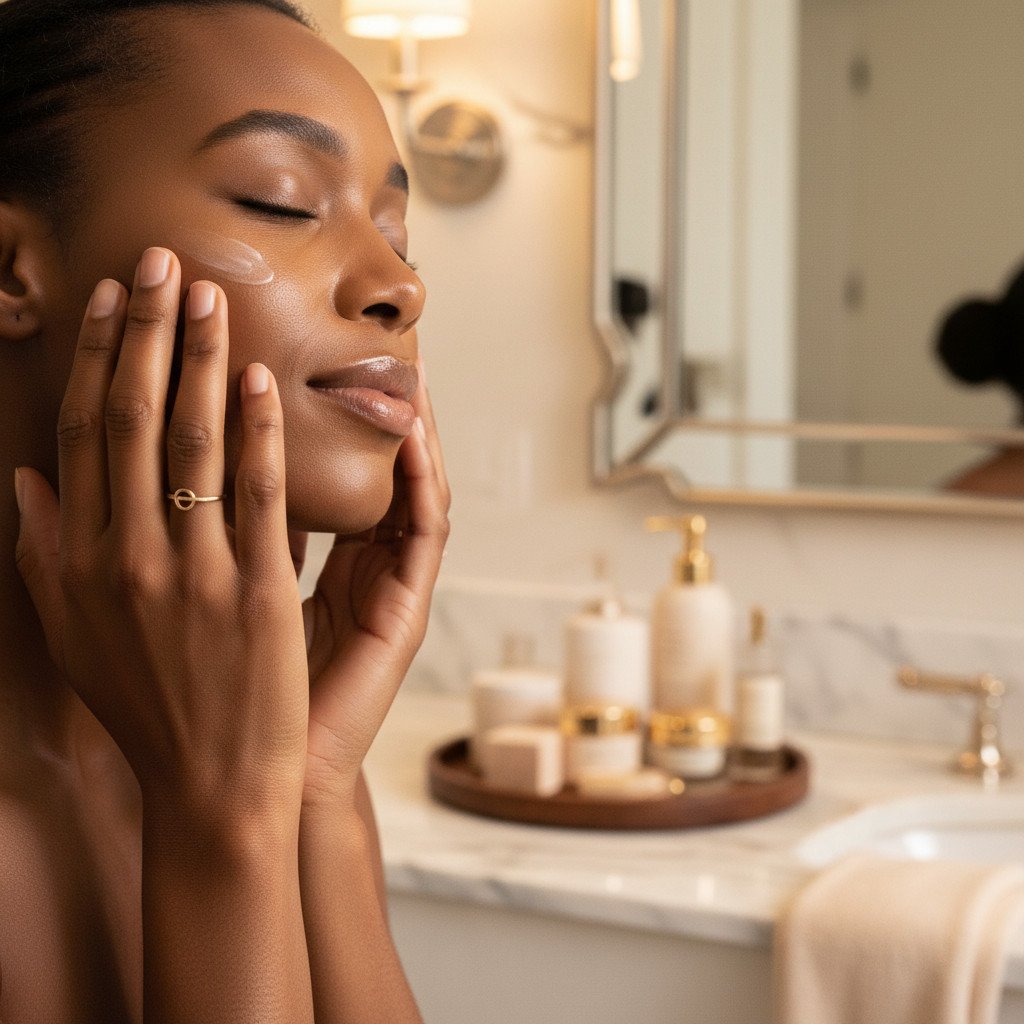
Aggravation of Inflammatory Conditions
Conditions like rosacea, eczema, and even active acne are fundamentally inflammatory. Introducing heat to an already inflamed or inflammation-prone skin type is akin to adding fuel to a fire. Heat causes vasodilation (widening of blood vessels), which can intensify redness and flushing associated with rosacea. For eczema-prone skin, heat can trigger itching and exacerbate dryness, leading to a flare-up. In the case of active, pustular acne, heat can worsen inflammation, potentially spreading bacteria and increasing the risk of scarring and PIH. It’s a common misconception that steam “purifies” acne; in reality, it can make inflammatory acne much worse. For anyone dealing with these conditions, a cool, calm, and gentle approach is always preferred over heat. This consideration extends to all aspects of your routine, including bath and shower habits for eczema, psoriasis, and sensitive dark skin.
In summary, while the sensory appeal of steam is undeniable, the potential for it to backfire on melanin-rich skin, especially given the heightened risk of PIH, melasma exacerbation, and barrier disruption, warrants extreme caution. Prioritizing skin health means making choices that support its natural resilience, not challenge it with unnecessary heat.
Eczema, Rosacea-Prone Redness, Sensitivity, and a Compromised Barrier
For many individuals, particularly those with melanin-rich skin, the dream of a radiant, even-toned complexion is often challenged by underlying skin conditions. Eczema, rosacea-prone redness, general skin sensitivity, and a compromised skin barrier are not uncommon, and they significantly influence how the skin reacts to external stimuli, including heat and steam. When these conditions are present, what might be a benign ritual for some can become a direct pathway to discomfort, flare-ups, and long-term skin concerns.
Eczema and Atopic Dermatitis
Eczema, or atopic dermatitis, is a chronic inflammatory skin condition characterized by dry, itchy, red, and sometimes scaly patches. It is often more prevalent and can present differently in darker skin tones, sometimes appearing as hyperpigmented patches rather than classic redness. The skin barrier in individuals with eczema is inherently compromised, making it less effective at retaining moisture and protecting against irritants. Heat and steam are notorious triggers for eczema flare-ups. The warmth can intensify itching, leading to scratching that further damages the barrier. The temporary hydration from steam, if not immediately sealed in, can quickly evaporate, leaving the skin even drier and more susceptible to irritation. For eczema sufferers, the goal is to maintain a cool, calm, and well-moisturized environment for the skin. Introducing heat and steam actively works against this goal, often leading to increased inflammation, discomfort, and a prolonged healing process. It’s essential to manage environmental factors, including detergents, fragrances, and household products that skin notices, to minimize irritation.
Rosacea-Prone Redness and Flushing
While rosacea is often thought of as a condition primarily affecting lighter skin tones, it can and does occur in melanin-rich skin, though it may be underdiagnosed or present differently. In darker skin, rosacea-related redness might appear as a dusky brown, purple, or violaceous hue, and flushing can be less obvious but still present as a sensation of heat or burning. Regardless of skin tone, heat is a major trigger for rosacea. It causes blood vessels to dilate, leading to increased redness, flushing, and sometimes a burning or stinging sensation. Facial steaming, by its very nature, introduces heat and promotes vasodilation, making it highly contraindicated for rosacea-prone skin. Regular exposure to heat can worsen the condition over time, potentially leading to persistent redness, visible blood vessels, and inflammatory bumps. For rosacea, a cool, gentle, and anti-inflammatory approach is always recommended.
General Skin Sensitivity and Reactivity
Some individuals simply have skin that is more sensitive and reactive by nature, regardless of a specific diagnosis like eczema or rosacea. This sensitivity can manifest as stinging, burning, itching, or redness in response to various stimuli, including certain skincare products, environmental factors, and heat. Melanin-rich skin, due to its propensity for PIH, means that any irritation, even mild sensitivity, carries the added risk of developing dark spots. Heat from facial steamers can easily overwhelm sensitive skin, triggering an inflammatory response that leads to discomfort and potential hyperpigmentation. If your skin frequently feels tight, stings with new products, or flushes easily, it’s a clear signal that it prefers a gentle, low-heat environment. Introducing steam would be counterproductive, potentially eroding the skin’s resilience rather than enhancing it.
A Compromised Skin Barrier
The skin barrier is a complex structure of lipids, proteins, and cells that acts as a protective shield. When this barrier is compromised – whether due to genetics, environmental factors, harsh skincare products, over-exfoliation, or underlying conditions – it becomes leaky and vulnerable. Signs of a compromised barrier include persistent dryness, flakiness, tightness, increased sensitivity, and a dull appearance. Heat and steam can further disrupt an already weakened barrier. The temporary swelling of skin cells and the potential for moisture evaporation can exacerbate barrier damage, leading to increased transepidermal water loss (TEWL) and making the skin even more susceptible to irritants. Instead of strengthening the barrier, steam can actively dismantle it, setting the stage for a cycle of dryness, irritation, and inflammation. For anyone working to repair a compromised barrier, the focus should be on gentle cleansing, soothing ingredients, and rich emollients, all applied in a cool and calm manner. Steam has no beneficial role in barrier repair; in fact, it poses a significant risk.
In conclusion, for those navigating eczema, rosacea-prone redness, general sensitivity, or a compromised skin barrier, the message is clear: facial steaming and excessive heat are best avoided. These conditions demand a skincare approach that prioritizes calming, protecting, and strengthening the skin, and heat, unfortunately, works against these fundamental goals. Always listen to your skin’s signals and choose practices that support its inherent health and resilience.
Signs Your Skin Prefers Less Heat, Not More
Your skin is a remarkably intelligent organ, constantly communicating its needs and discomforts. The challenge lies in learning to interpret its signals, especially when it comes to something as seemingly innocuous as heat. For melanin-rich skin, these signals are particularly important to heed, as ignoring them can lead to prolonged irritation and hyperpigmentation. Understanding the signs your skin sends when it prefers less heat, not more, is crucial for maintaining its health and radiance.
Immediate Redness or Flushing (Even Subtle)
While a slight pinkness might be considered a “healthy glow” for some, for melanin-rich skin, any noticeable redness or flushing, even if subtle, is a red flag. In darker skin tones, this can manifest as a deepening of existing skin tone, a purplish hue, or an uneven, blotchy appearance rather than bright red. This immediate change in color after exposure to heat (like from a steamer, hot shower, or even a hot towel) indicates vasodilation and an inflammatory response. For skin prone to PIH, this inflammation is the precursor to dark spots. If your skin looks or feels “hot” after heat exposure, it’s a clear sign it’s not tolerating it well.
Increased Tightness or Dryness Post-Treatment
If your skin feels tighter, drier, or even slightly rougher immediately after or within a few hours of steaming, it’s a strong indication that the heat has stripped its natural moisture and potentially disrupted its barrier. Instead of feeling supple and hydrated, it feels parched and uncomfortable. This is a common experience when the temporary hydration from steam evaporates, taking with it some of your skin’s natural water content. For melanin-rich skin, which can sometimes be prone to dryness, this exacerbation of dehydration is detrimental to barrier function and overall skin health.
Stinging, Burning, or Itching Sensation
Any sensation of stinging, burning, or itching during or after heat exposure is an unequivocal sign of irritation. Your skin is literally telling you it’s unhappy. This is particularly concerning for sensitive skin types, eczema sufferers, and those with a compromised barrier. These sensations indicate that the heat is overwhelming the skin’s protective mechanisms, potentially damaging nerve endings or triggering an inflammatory cascade. Never push through these feelings, assuming they are a sign of “working.” They are a sign to stop immediately and opt for a cooler, gentler approach.
New or Worsened Breakouts (Especially Inflamed Ones)
If you notice new pimples, especially red, inflamed ones, or if existing breakouts appear worse after steaming, it’s a clear indication that the heat is aggravating your acne. As mentioned, heat can worsen inflammation, potentially spread bacteria, and increase oil production in some individuals, leading to more breakouts. The myth that steam “purges” acne often leads people to continue a practice that is actively harming their skin. For acne-prone skin, a calm, anti-inflammatory approach is always best.
Persistent Redness or Darkening of Existing Hyperpigmentation
If redness lingers for an extended period after heat exposure, or if existing dark spots (PIH or melasma) appear darker or more pronounced, your skin is signaling its extreme displeasure. This is a critical sign for melanin-rich skin. Persistent inflammation, even if subtle, is a direct trigger for melanocyte activity, leading to more stubborn hyperpigmentation. For melasma, any darkening after heat exposure confirms that heat is a significant exacerbating factor. This is your skin’s way of saying, “This is making my hyperpigmentation worse, not better.”
Increased Sensitivity to Other Products
If products that normally feel fine suddenly sting, burn, or cause redness after you’ve used steam, it means the heat has compromised your skin’s barrier. When the barrier is weakened, the skin becomes more permeable and reactive to ingredients it would normally tolerate. This increased sensitivity is a clear indicator that your skin is in a vulnerable state and needs a break from anything that might further irritate it, including heat.
Flakiness or Peeling Without Exfoliant Use
Unexpected flakiness or peeling, especially if you haven’t recently used an exfoliating product, can be a sign of dehydration and barrier damage induced by heat. This indicates that the skin’s surface layers are becoming too dry and are shedding prematurely, rather than in a healthy, controlled manner. This is often accompanied by a feeling of tightness and discomfort.
By attentively observing these signals, you can develop a deeper understanding of your skin’s unique needs. When your skin exhibits any of these signs, it’s a clear message to reduce or eliminate heat from your routine and focus on soothing, barrier-supporting practices. Your skin will thank you with greater comfort, resilience, and a more even, radiant complexion.
Lower-Heat Alternatives When You Still Want the Ritual
For those who cherish the ritualistic aspect of a warm facial treatment but recognize that direct steam might not be suitable for their skin, there are numerous lower-heat alternatives that offer similar sensory pleasure without the potential for irritation or exacerbation of skin concerns. These options allow you to indulge in self-care while prioritizing your skin’s health and barrier integrity, especially important for melanin-rich skin prone to PIH and sensitivity.
Warm, Damp Cloth Compress
This is perhaps the simplest and most controlled alternative to a facial steamer. Instead of direct steam, soak a clean, soft washcloth in warm (not hot) water. Wring out the excess water so it’s damp but not dripping, and gently press it onto your face for 1-2 minutes. The warmth will help relax facial muscles, soften surface debris, and create a soothing sensation, much like steam, but with significantly less heat intensity and duration. This method allows you to control the temperature precisely and remove the cloth immediately if any discomfort arises. It’s excellent for softening skin before cleansing or applying a mask. You can even infuse the water with a few drops of a skin-safe essential oil (if your skin tolerates them) for an added aromatic experience. This is a fantastic way to create a spa-like moment without risking irritation.
Gentle Warm Cleansing
Instead of steaming, focus on a warm, gentle cleansing routine. Use lukewarm water and a hydrating, non-foaming cleanser. Massage the cleanser onto your skin for a minute or two, allowing the warmth of the water and your hands to gently loosen surface impurities and relax your skin. The key is to avoid hot water, which can be just as stripping as steam for some skin types. Follow with a cool rinse to refresh the skin. This approach provides a mild warming effect and thorough cleansing without the intensity of a steamer. Consider investing in a high-quality Shop hydrating facial cleanser on Amazon for a truly gentle experience.
Humidifier in Your Skincare Space
While not a direct facial treatment, placing a humidifier in your bedroom or bathroom can significantly increase the ambient humidity, which is incredibly beneficial for all skin types, especially dry or sensitive skin. Unlike direct steam, a humidifier provides a gentle, consistent level of moisture to the air, helping to prevent transepidermal water loss (TEWL) and keeping your skin hydrated without any direct heat exposure. This passive hydration supports your skin barrier over time, making it more resilient. It’s a long-term strategy for maintaining skin health and can be particularly comforting during dry seasons or in arid climates.
Hydrating Mists and Essences
For an immediate boost of hydration and a refreshing sensation, incorporate hydrating facial mists or essences into your routine. These products deliver a fine spray of water-based ingredients, often infused with humectants, antioxidants, and soothing botanicals. They can be used throughout the day to refresh the skin, after cleansing to add a layer of hydration, or before serums to help them absorb. While they don’t provide heat, the cool, fine mist can be incredibly invigorating and contribute to a feeling of pampering and self-care. Look for mists specifically designed to soothe and hydrate, avoiding those with alcohol or strong fragrances if your skin is sensitive. A good Shop hydrating facial mist on Amazon can be a game-changer.
Warm Towel Before a Mask
Similar to the warm compress, a warm towel can be used as a pre-mask step to gently soften the skin and enhance the mask’s efficacy. After cleansing, apply a warm, damp towel to your face for a minute or two. This prepares the skin without the intensity of steam. Immediately follow with a hydrating or nourishing mask. The gentle warmth helps the mask adhere better and allows its beneficial ingredients to work more effectively on a softened skin surface. This is a controlled way to get some of the benefits of warmth without the risks.
Cooling or Soothing Masks
If your skin is prone to redness, inflammation, or sensitivity, consider swapping warm treatments for cooling ones. Gel masks, sheet masks, or even a chilled jade roller can provide a soothing, anti-inflammatory effect that benefits reactive skin far more than heat. Keeping certain products, like eye creams or facial rollers, in the refrigerator can enhance their cooling properties and provide a refreshing sensation that calms the skin and reduces puffiness. This shift from heat to cool can be a powerful way to manage sensitivity and support a healthy skin barrier.
By embracing these lower-heat alternatives, you can still enjoy the luxurious and ritualistic aspects of a facial treatment while actively protecting and nurturing your melanin-rich skin. It’s about making conscious choices that align with your skin’s unique needs and promoting its long-term health and vitality.
How to Navigate This Topic
Navigating the world of skincare, particularly when it involves at-home devices and treatments like facial steamers, requires a thoughtful and informed approach. For Black women and others with melanin-rich skin, this navigation is even more critical due to unique skin characteristics and predispositions. The key is to move beyond generic advice and adopt a personalized strategy that prioritizes your skin’s health, resilience, and long-term well-being.
Listen Intently to Your Skin
This is the golden rule of skincare. Your skin is constantly sending signals, and learning to interpret them is the most powerful tool you have. Pay close attention to how your skin feels and looks immediately after, and in the hours and days following, any heat exposure or steaming session. Does it feel tight, dry, or irritated? Does it look redder, blotchier, or more inflamed? Are existing dark spots appearing darker, or are new ones emerging? Any negative reaction, no matter how subtle, is a clear sign that heat, in that form or intensity, is not serving your skin. Trust your intuition and your skin’s feedback over any marketing claims or perceived benefits.

Prioritize Barrier Health Above All Else
A healthy skin barrier is the foundation of radiant, resilient skin. It protects against environmental aggressors, prevents moisture loss, and keeps irritants out. Many of the risks associated with heat and steam, such as dryness, sensitivity, and inflammation, stem from or contribute to a compromised barrier. Before considering any device or treatment, ensure your barrier is strong and intact. If your skin feels tight, dry, sensitive, or is prone to flakiness, focus on gentle cleansing, soothing ingredients, and rich emollients to repair and strengthen your barrier first. Only a healthy barrier can potentially tolerate mild heat, and even then, caution is advised. Remember, gentle care is often the most effective care for barrier repair and moisture balance.
Understand Your Skin’s Unique Predispositions
Melanin-rich skin has specific characteristics that make it more prone to certain concerns, such as post-inflammatory hyperpigmentation (PIH) and melasma. If you know you are prone to dark spots from even minor irritation, or if you have a history of melasma, then heat and steam should be approached with extreme caution, if not avoided entirely. These predispositions mean that the margin for error is smaller, and the consequences of irritation can be more persistent and challenging to address. Be honest with yourself about your skin’s history and current condition.
Start Low and Go Slow (or Don’t Go at All)
If you are determined to try a lower-heat alternative or a very brief steam session, always start with the lowest possible temperature and the shortest duration. Limit exposure to 1-2 minutes, and always maintain a safe distance from the steam source. Observe your skin’s reaction closely. If there’s any sign of discomfort or irritation, stop immediately. For many, the safest approach is to simply skip direct heat and steam altogether, opting for the gentle, low-heat alternatives discussed previously. Remember, skincare is not a race, and gentle consistency often yields the best results.
Consult with a Dermatologist
If you have persistent skin conditions like eczema, rosacea, severe acne, or stubborn hyperpigmentation, or if you’re unsure about how your skin will react to certain treatments, consulting with a board-certified dermatologist is invaluable. A dermatologist specializing in skin of color can provide personalized advice tailored to your specific concerns, helping you distinguish between beneficial practices and those that could cause harm. They can offer professional guidance on managing your conditions and integrating or avoiding certain at-home devices. This expert opinion is crucial for making truly informed decisions.
Embrace Simplicity and Gentleness
In a world saturated with complex skincare routines and an endless array of devices, there’s immense power in simplicity and gentleness. Often, the most effective skincare for melanin-rich skin involves a consistent routine of gentle cleansing, strategic hydration, barrier support, and sun protection. These foundational practices, free from unnecessary heat or irritation, are far more likely to lead to a healthy, radiant complexion than any fleeting trend. Embrace the idea that less can often be more, especially when it comes to sensitive and hyperpigmentation-prone skin.
By adopting these principles, you can confidently navigate the topic of facial steamers and heat, making choices that truly serve your skin’s unique beauty and health. Your journey with Black Beauty Basics is about informed empowerment, allowing you to cultivate a skincare routine that is as effective as it is nurturing.
Where to Go Next
As we conclude our deep dive into facial steamers and heat on dark skin, we hope you feel more empowered to make informed decisions for your unique complexion. Understanding when to embrace a ritual and when to prioritize skin health is a cornerstone of conscious beauty. Your journey with Black Beauty Basics is about continuous learning and tailored care. To further enhance your knowledge and explore other intelligent choices for your melanin-rich skin, we invite you to explore related articles within our comprehensive library.
Continue your exploration of at-home beauty devices by visiting our main cluster hub: At-Home Devices for Dark Skin: LED, Microcurrent, Rollers, Steamers. This hub provides a holistic overview of various tools and technologies, helping you understand their potential benefits and considerations for dark skin tones.
For a broader perspective on all things related to devices and treatments, delve into our parent pillar: Beauty Devices and Treatments for Dark Skin. Here, you’ll find foundational knowledge that informs all our discussions on advanced skincare.
To dive deeper into specific device categories and learn how they interact with melanin-rich skin, consider these sibling articles within our cluster:
- LED Light Therapy At Home on Dark Skin: Safety and Expectations: Explore the world of light therapy and its specific considerations for melanin-rich skin.
- Microcurrent and Tone-Agnostic Tech for Melanin-Rich Skin: Learn about devices that offer benefits regardless of skin tone.
- Rollers, Gua Sha, and Manual Tools: What They Really Do: Discover the true effects of these popular manual tools.
- Home RF, Lasers, and Hair Removal Devices for Dark Skin: Where to Draw the Line: Understand the critical safety considerations for more advanced at-home treatments.
And for further reading on related topics that support overall skin health and barrier function:
- Barrier Repair and Moisture Balance: A foundational guide to maintaining a strong, healthy skin barrier.
- Bath and Shower Habits for Eczema, Psoriasis, and Sensitive Dark Skin: Learn how your daily cleansing routine impacts sensitive skin.
- Detergents, Fragrances, and Household Products That Skin Notices: Discover how everyday products can affect your skin’s sensitivity.
Each of these resources is crafted to provide you with the detailed, culturally relevant, and scientifically sound information you need to curate a skincare routine that truly celebrates and protects your melanin-rich beauty. We encourage you to explore, learn, and empower yourself with knowledge.
Quick Principles
To distill the essence of our discussion on facial steamers and heat for melanin-rich skin, here are some quick, actionable principles to guide your decisions. These are designed to be easily remembered and applied, ensuring your skincare choices consistently support your skin’s health and radiance.
- Heat is Not Neutral: Understand that heat, especially intense or prolonged heat, is a potent stimulus that can trigger inflammatory responses in the skin. For melanin-rich skin, this carries a heightened risk of post-inflammatory hyperpigmentation (PIH) and melasma exacerbation.
- Pores Don’t “Open”: Debunk the myth. Steam softens surface debris and sebum, making cleansing easier, but pores are not muscles and do not open or close.
- Hydration is Fleeting: While steam introduces temporary moisture, it can also lead to a net drying effect if not immediately followed by occlusive moisturizers. True, lasting hydration comes from well-formulated skincare.
- Prioritize Barrier Health: A strong, intact skin barrier is paramount. If your barrier is compromised (dryness, sensitivity, flakiness), avoid steam and focus on repair. Heat can further disrupt the barrier.
- Avoid for Inflammatory Conditions: If you have eczema, rosacea, active acne, or general sensitivity, skip steam entirely. Heat is a known trigger for flare-ups, redness, and increased inflammation.
- Melasma-Prone Skin: A Firm No: Heat is a significant trigger for melasma. If you have or are prone to melasma, avoid facial steaming to prevent darkening or spread of patches.
- Listen to Your Skin’s Signals: Any redness, tightness, stinging, burning, itching, or worsening of breakouts/hyperpigmentation after heat exposure is a clear sign to stop. Your skin is communicating its discomfort.
- Opt for Lower-Heat Alternatives: If you desire the ritual, choose warm (not hot) compresses, gentle warm cleansing, or humidifiers. These provide sensory benefits without the risks of direct steam.
- Consult a Professional: For persistent skin conditions or if you’re unsure, seek advice from a board-certified dermatologist, especially one experienced with skin of color.
- Embrace Gentleness and Simplicity: Often, the most effective skincare for melanin-rich skin is consistent, gentle, and focused on barrier support and protection, rather than aggressive or heat-intensive treatments.
By integrating these quick principles into your skincare philosophy, you can confidently navigate the choices available, ensuring your routines are not just luxurious, but genuinely beneficial for your unique, beautiful skin.
Frequently Asked Questions
What does a facial steamer actually do for dark skin?
A facial steamer primarily provides temporary warmth and humidity to the skin. This can soften the outermost layer of the skin and hardened sebum, making it easier for gentle cleansing to remove superficial impurities. It also offers a relaxing, spa-like ritual, but its hydrating effects are often superficial and can lead to dryness if not followed by proper moisturization.
Can facial steaming cause hyperpigmentation on Black skin?
Yes, facial steaming can potentially cause or worsen hyperpigmentation on Black skin. Melanin-rich skin is prone to post-inflammatory hyperpigmentation (PIH), meaning any irritation or inflammation, including that caused by excessive heat, can trigger an overproduction of melanin, leading to dark spots. For this reason, caution is highly advised.
Is steam good for acne on dark skin?
Steam is generally not recommended for active, inflamed acne on dark skin. While it can soften surface congestion, the heat can exacerbate inflammation, potentially worsen breakouts, and increase the risk of post-inflammatory hyperpigmentation (PIH). For acne-prone skin, a cool, gentle, and anti-inflammatory approach is usually more beneficial.
How long should I steam my face if I have dark skin?
If you have robust, non-sensitive dark skin and choose to steam for relaxation, keep sessions very brief, ideally no more than 1-2 minutes, and maintain a safe distance from the steam source. However, for many with dark skin, especially those prone to sensitivity or hyperpigmentation, it’s safer to skip direct steam entirely and opt for lower-heat alternatives.
What are the alternatives to facial steaming for dark skin?
Excellent lower-heat alternatives for dark skin include warm (not hot) damp cloth compresses, gentle warm cleansing with lukewarm water, using a humidifier in your living space, or incorporating hydrating facial mists and essences. These options provide soothing benefits and hydration without the potential risks of direct heat and steam.
Can facial steam help with dry dark skin?
While steam temporarily introduces moisture, it can actually worsen dryness for dark skin if not immediately sealed in with occlusive moisturizers. The rapid evaporation of water from the skin’s surface can lead to a net drying effect and compromise the skin barrier. For dry dark skin, focus on consistent use of hydrating cleansers, serums, and rich emollients in a cool, calm environment.
Should I avoid facial steaming if I have melasma?
Yes, if you have melasma or are prone to it, you should strongly avoid facial steaming. Heat is a known trigger for melasma, and exposure can stimulate melanocytes to produce more pigment, leading to the darkening or spread of melasma patches. Prioritize a cool, gentle skincare routine and diligent sun protection to manage melasma.
At Black Beauty Basics, we are committed to providing you with premium, culturally relevant, and scientifically sound information. We hope this comprehensive guide empowers you to make informed decisions about facial steamers and heat, ensuring your skincare rituals truly nurture and protect your beautiful, melanin-rich skin.
Warmly,
The Black Beauty Basics Team
INTERNAL LINKING OPPORTUNITIES:
At-Home Devices for Dark Skin: LED, Microcurrent, Rollers, Steamers
Beauty Devices and Treatments for Dark Skin
LED Light Therapy At Home on Dark Skin: Safety and Expectations
Microcurrent and Tone-Agnostic Tech for Melanin-Rich Skin
Rollers, Gua Sha, and Manual Tools: What They Really Do
Home RF, Lasers, and Hair Removal Devices for Dark Skin: Where to Draw the Line
Barrier Repair and Moisture Balance
Bath and Shower Habits for Eczema, Psoriasis, and Sensitive Dark Skin
Detergents, Fragrances, and Household Products That Skin Notices
Related next steps
Related posts:
 Acne Marks and Post-Inflammatory Hyperpigmentation on Dark Facial Skin
 How to Choose Ingredients for Facial Hyperpigmentation on Dark Skin
 Managing Friction, Sweat, and Heat for HS and Keloid-Prone Skin
 BrighterDays Dark Spot Facial Scrub + Treatment Mask Review
 Daily Routines That Support Fading Facial Dark Spots
 Heat Styling, Color, and Porosity Changes Over Time: Adapting Your Routine for Evolving Needs