
Facial hair removal can feel personal before skincare even enters the chat. Upper lip hair, chin hair, sideburns, and peach fuzz all carry their own history: beauty standards, family advice, salon habits, hormones, and the pressure to look smooth without looking irritated. So when waxing or threading leaves dark spots on deep skin, it can feel like the solution created a new problem.

This guide is for facial dark spots after waxing or threading on deep skin. We will talk about why marks happen, what to avoid before and after appointments, how to build a calmer aftercare routine, and when it may be time to change methods or get professional help. For the bigger picture, BBB’s facial hyperpigmentation guide explains how irritation and pigment connect on melanin-rich skin.
Why Waxing and Threading Can Leave Dark Spots
Most dark spots after waxing or threading are a form of post-inflammatory hyperpigmentation, often called PIH. The skin experienced inflammation or small injury, then made extra pigment as part of its response. On deep skin, that pigment response can be more visible and longer-lasting. The mark is not dirt. It is not poor hygiene. It is your skin remembering irritation.
Waxing can irritate because it removes hair by pulling it from the root and also interacts with the skin surface. If the wax is too hot, the skin is over-treated, the same area is waxed repeatedly, or the skin is already sensitized from retinoids or exfoliating acids, the risk of irritation rises. Threading can irritate through friction and repeated contact, especially around the upper lip, chin, and jawline where skin may be sensitive.
Timing matters. If you wax or thread while using strong actives, your skin may be more vulnerable. Retinoids, exfoliating acids, acne treatments, and certain professional treatments can make the skin easier to irritate. If the barrier is already compromised, hair removal can become the final push that leads to tenderness, bumps, scabs, or dark marks.
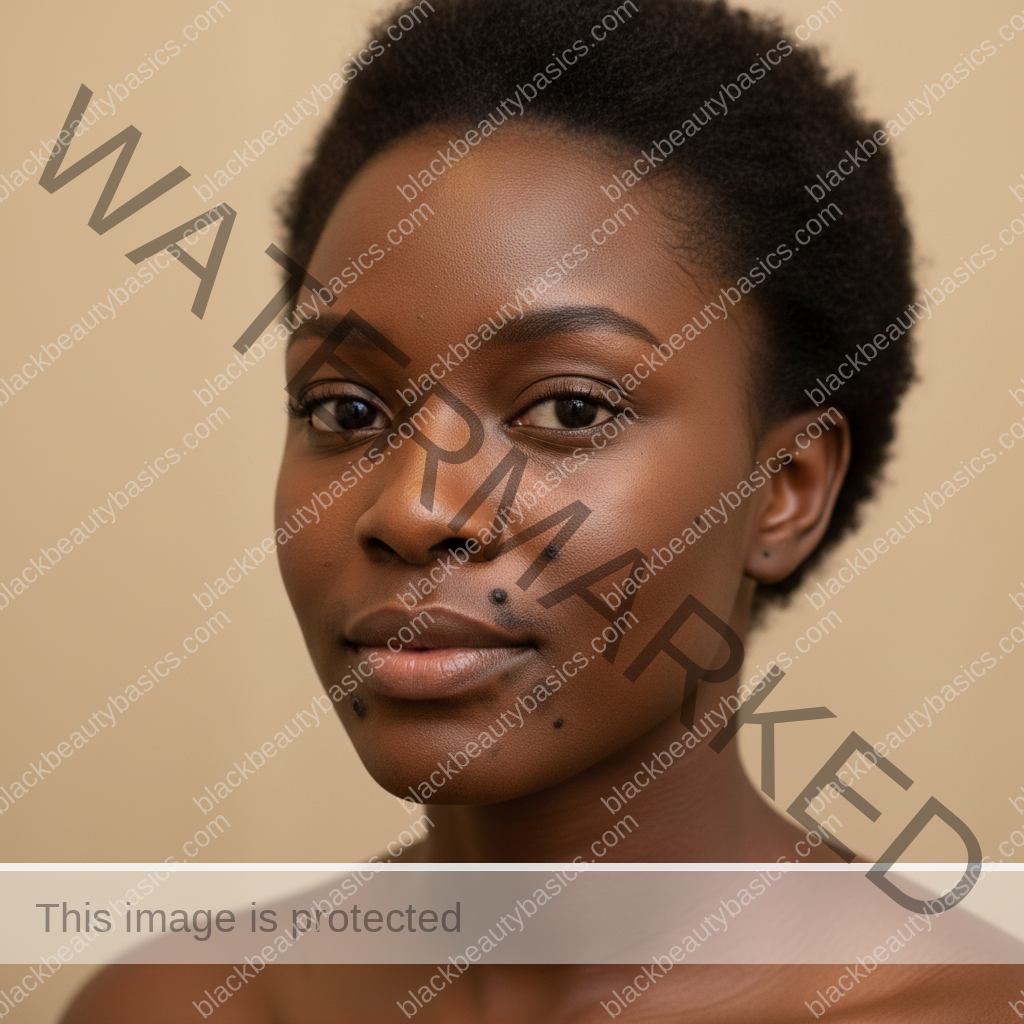
Technique also matters. Tight skin support, clean tools, gentle pressure, and not going over the same area again and again all help reduce irritation. A skilled provider should respect your skin, not rush through the appointment. If your skin repeatedly leaves a service raw, swollen, burned, or scabbed, that is information worth taking seriously.
What to Avoid Before and After Hair Removal
Avoid strong actives right around hair removal unless your provider or dermatologist has given clear instructions. This can include retinoids, exfoliating acids, strong acne treatments, and peels. The exact pause window depends on the product and your skin, but the principle is simple: do not send already-sensitized skin into a friction-heavy service.
Avoid waxing over irritated, sunburned, peeling, or recently treated skin. If your skin is already angry, postpone. It can feel inconvenient, especially when you booked the appointment around an event, but forcing the service can create a mark that lasts longer than the event itself.
Avoid touching, picking, or scrubbing afterward. The skin may feel smooth but slightly vulnerable. Picking at bumps or rubbing the area with a towel can worsen inflammation. If little bumps appear, treat them gently rather than trying to extract or scrape them away.
Avoid heavy fragrance, harsh toners, and strong exfoliation immediately after. Your skin does not need a dramatic “disinfecting” routine. It needs calm. If a product burns after hair removal, do not assume that burn is normal. Rinse if needed and simplify.
Avoid direct sun exposure without protection. Freshly irritated skin is more likely to darken with UV exposure. Sunscreen matters on the upper lip, chin, jawline, and cheeks, especially when you are trying to avoid new marks.
A Calmer Aftercare Routine
Before hair removal, keep your routine simple. Cleanse gently, moisturize if needed, and avoid adding new actives right before an appointment. If you use prescriptions or strong treatments, ask your clinician how to time hair removal safely. Your provider should also know if you use retinoids or exfoliating products.
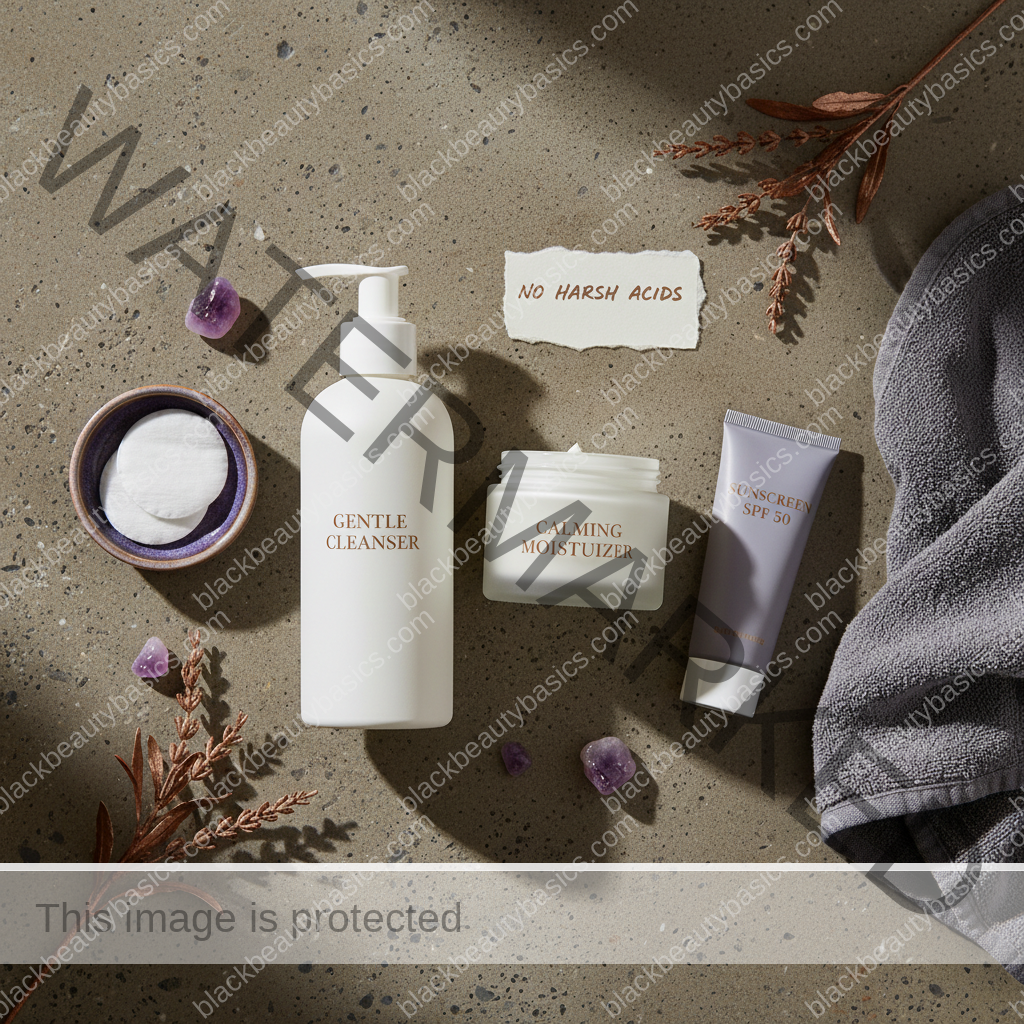
After waxing or threading, focus on calming the area. Use a gentle cleanser when needed, avoid scrubbing, and apply a bland moisturizer if the skin feels dry or tight. If you need product examples to compare, choose by criteria first: fragrance-free, non-stinging, and barrier-supportive. A search like fragrance-free face moisturizer for sensitive skin can help you compare textures, but your skin’s comfort is the deciding factor.
In the morning, sunscreen is important. Use broad-spectrum SPF 30 or higher when possible, and apply it over areas that were waxed or threaded. If the upper lip is where you darken, make sure you do not skip that area. If a sunscreen leaves a cast, keep looking for a better fit. Examples can be compared through a search like sunscreen for dark skin with no white cast, but avoid formulas that sting freshly treated skin.
Wait before restarting strong actives. Give your skin time to feel normal again: no tenderness, no stinging, no rough patches, no scabs. Then reintroduce treatments slowly. If you are treating dark marks, do not rush brightening products onto skin that is still recovering. BBB’s guide to fading dark spots without damaging your barrier is a good anchor for this approach.

When to Change the Method
If waxing consistently leaves burns, scabs, or dark marks, it may not be your best method. Threading may be gentler for some people, but not if the friction repeatedly causes bumps or discoloration. Tweezing, trimming, dermaplaning, prescription support for hormonal hair growth, or professional laser hair removal may be worth discussing depending on your skin, hair type, budget, and goals.
Laser hair removal on deep skin requires a provider experienced with skin of color and appropriate devices. The wrong settings can cause burns or hyperpigmentation. The right provider should be able to explain the laser type, safety considerations, and how they protect deeper skin tones. Do not let anyone treat your face casually if they cannot speak clearly about melanin-rich skin.
If facial hair growth is sudden, heavy, or connected to acne, irregular periods, or other symptoms, consider a medical conversation. Sometimes hair removal is only one part of the picture. You deserve support that looks at the full pattern, not just the visible hair.
If dark spots are already present, treat them gently. Do not scrub the upper lip or chin trying to erase the marks. Control the trigger, protect from sun exposure, and use a tolerated pigment routine. BBB’s guide to how long hyperpigmentation takes to fade can help set expectations.
Frequently Asked Questions
1. Why do I get dark spots after threading?
Threading can create friction and irritation, especially if the skin is sensitive or the same area is worked repeatedly. On deep skin, irritation can trigger extra pigment and leave a darker mark. Technique, skin prep, aftercare, and your current routine all matter.
2. Can waxing burn deep skin?
Yes. Wax that is too hot, repeated passes, or waxing sensitized skin can injure the skin. Burns can leave hyperpigmentation on melanin-rich skin. If waxing leaves rawness, scabbing, or persistent pain, pause that method and consider another approach.
3. Should I exfoliate before waxing?
Be careful. Gentle exfoliation well before hair removal may help some people, but strong exfoliation close to waxing can increase irritation. Avoid retinoids, peels, and strong acids around waxing unless a professional has guided you. When in doubt, keep the skin calm.
4. What should I put on my skin after threading?
Keep it simple: gentle cleansing if needed, a bland moisturizer if the skin feels dry, and sunscreen during the day. Avoid fragrance, scrubs, strong acids, and picking. If there is severe pain, swelling, blistering, or spreading irritation, seek medical help.
5. How long do waxing marks take to fade?
They may take several months, depending on how much irritation occurred, whether the area is re-irritated, and how consistently you protect the skin. Deeper marks can take longer. If marks keep returning after every appointment, the method or provider may need to change.
6. Can I keep waxing if I use retinoids?
You need professional guidance. Retinoids can make skin more vulnerable to waxing injury. Depending on the retinoid and your skin, you may need to avoid waxing or pause treatment before hair removal. Ask your dermatologist or prescriber before combining them.
7. When should I see a dermatologist?
See a dermatologist if marks are worsening, if you have burns or scarring, if facial hair growth changes suddenly, or if irritation keeps happening despite gentle care. A skin-of-color-informed dermatologist can help protect your skin while addressing both hair and pigment concerns.

What to Do Next
If waxing or threading keeps leaving dark spots, do not treat that as a personal flaw. Treat it as feedback. Your skin may need different prep, gentler aftercare, more time away from actives, a better provider, or a different method altogether.
Your next small step is to simplify around your next appointment. Pause harsh actives, protect your barrier, avoid picking afterward, and wear sunscreen. If marks are already present, build a patient fading plan with routine order principles and realistic dark-spot timelines. Smooth skin should not come at the cost of stressed skin.
Related next steps
Related posts:
 Daily Routines That Support Fading Facial Dark Spots
 Why Dark Spots Last Longer on Deep Skin
 Underarm and Leg Waxing and Sugaring on Dark Skin
 Face Waxing and Sugaring on Dark Skin: Navigating Hair Removal with Care
 Dark Spots After Bug Bites on Black Skin
 Dark Spots from Acne on Dark Skin: Step-by-Step Treatment Plan