
Dark spots can feel unfair because the original problem may be gone while the evidence stays. A pimple heals, but the brown mark remains. A bug bite stops itching, but the shadow sits there for months. A small rash calms down, and your skin still remembers it every time you look in the mirror. If you have deep, melanin-rich skin, that experience is common enough to deserve more than a quick “just exfoliate” answer.
This guide explains why dark spots often last longer on deep skin, what actually influences the timeline, and how to support fading without wrecking your barrier in the process. We will stay grounded: no miracle timelines, no lightening language, no shame about your natural tone. If you want the broader home base for this topic, start with BBB’s facial hyperpigmentation cluster guide, then use this article as the foundation for understanding the rest of your dark-spot care path.
Why Dark Spots Are So Common on Deep Skin
Most everyday dark spots on deep skin are connected to inflammation. Dermatologists often call this post-inflammatory hyperpigmentation, or PIH. In plain language, it means the skin made extra pigment after something irritated or injured it. That “something” might be acne, a scratch, a burn, an eczema flare, an ingrown hair, waxing, threading, a bug bite, picking, or an over-exfoliation moment. The mark is not dirt. It is not proof that you failed at skincare. It is your pigment system responding to stress.
Melanin is one of the reasons deep skin is so beautiful and resilient, but it also means the skin can respond to inflammation with more visible pigment. When the skin is irritated, pigment-producing cells can become more active. On lighter skin, that same event may leave a pink or red mark that fades in a different way. On deeper skin, the mark may look brown, gray-brown, blue-brown, or almost purple depending on depth, tone, and lighting. That difference is not a defect. It is biology meeting lived experience.
The deeper the inflammation goes, the longer the visible mark may stay. A small surface pimple may leave a mark that fades gradually with protection and patience. A cystic breakout, repeated picking, a burn, or a stubborn rash can create a deeper, more persistent mark. This is why two people can have the “same” pimple and end up with very different timelines. It is also why your own marks may behave differently on different parts of your face or body.
Sun exposure is another part of the story. UV light can make existing hyperpigmentation look darker and can slow the appearance of fading. This is one reason sunscreen shows up so often in dark-spot advice. It is not because Black women have been lied to about having melanin. It is because melanin is not an invisible shield, especially when you are trying to help a mark become less noticeable. Protection gives your skin a quieter environment to repair.
There is also the matter of repeated triggers. If acne keeps returning in the same area, if an eczema patch flares every few weeks, or if friction keeps irritating the same body zone, the skin never gets a clean chance to settle. Each new flare can deepen the old mark or create a new one nearby. That is why fading dark spots is rarely only about brightening. It is also about prevention: fewer new injuries, less picking, gentler routines, and better support for the barrier.
What Makes Dark Spots Last Longer
The first thing that makes dark spots last longer is ongoing inflammation. If the original trigger is still active, the mark is not just fading; it is being re-stimulated. Acne that keeps breaking out, shaving that keeps causing bumps, a cleanser that leaves the skin raw, or a strong exfoliant that burns every week can all keep the pigment conversation going. This is why BBB’s advice usually starts with calming the skin before chasing every brightening ingredient.
Picking is another major reason marks linger. Picking often feels like problem-solving in the moment because it gives you something to do with the bump or clogged pore. But on deep skin, that extra trauma can turn a small issue into a larger, darker, longer-lasting mark. This is not said to shame you. Picking is often tied to anxiety, habit, frustration, or feeling watched by your own mirror. But if dark spots are your concern, reducing picking is one of the most meaningful changes you can make.
Harsh exfoliation can also extend the timeline. Social media makes exfoliation sound like the universal answer to uneven tone, but deep skin does not need to be bullied into brightness. Scrubs, daily acids, strong peels used too often, or stacking multiple exfoliating products can irritate the barrier. When the barrier is irritated, pigment-prone skin may respond with more discoloration. If a routine makes your skin sting and your anxiety spike, it is not a glow-up. It is a red flag.
Skipping sunscreen can make fading feel slower. This is especially true for marks on the face, chest, shoulders, arms, and other areas that see regular light exposure. Sunscreen does not erase dark spots by itself, but it helps keep them from being re-darkened by UV exposure while the rest of your routine does its work. If sunscreen has failed you because of white cast, pilling, or greasy texture, the solution is not to abandon it. It is to find a formula and layering method that you can actually wear.
Some marks last longer because they are not simple PIH. Melasma, for example, can be influenced by hormones, heat, visible light, and genetics, and it often behaves differently from a post-pimple mark. A gray-brown shadow around the mouth or eyes may have more than one trigger. A patch connected to eczema, psoriasis, or another skin condition may need medical management before the pigment can improve. That is why BBB’s guide to PIH vs melasma on dark skin matters: the label affects the plan.
Finally, dark spots last longer when expectations are unrealistic. If you expect a mark to vanish in two weeks, you may keep switching products too quickly. Every new product adds another variable, and every irritated reaction can create a new setback. Fading is usually measured in months, not days. That can be frustrating, but it can also be freeing. You do not have to panic every Monday because last Tuesday’s serum did not erase a mark that has been forming for weeks.
What to Try Instead: A Dark-Spot Routine That Protects the Skin
The gentlest dark-spot plan starts by reducing new triggers. Before you reach for stronger treatments, ask: what keeps creating the marks? If it is acne, the acne pattern needs attention. If it is waxing, threading, or shaving, hair-removal technique matters. If it is eczema or irritation, the skin condition needs support. If it is picking, the routine needs friction-reducing habits that help your hands leave the area alone. Brightening products work best when the skin is no longer being repeatedly provoked.
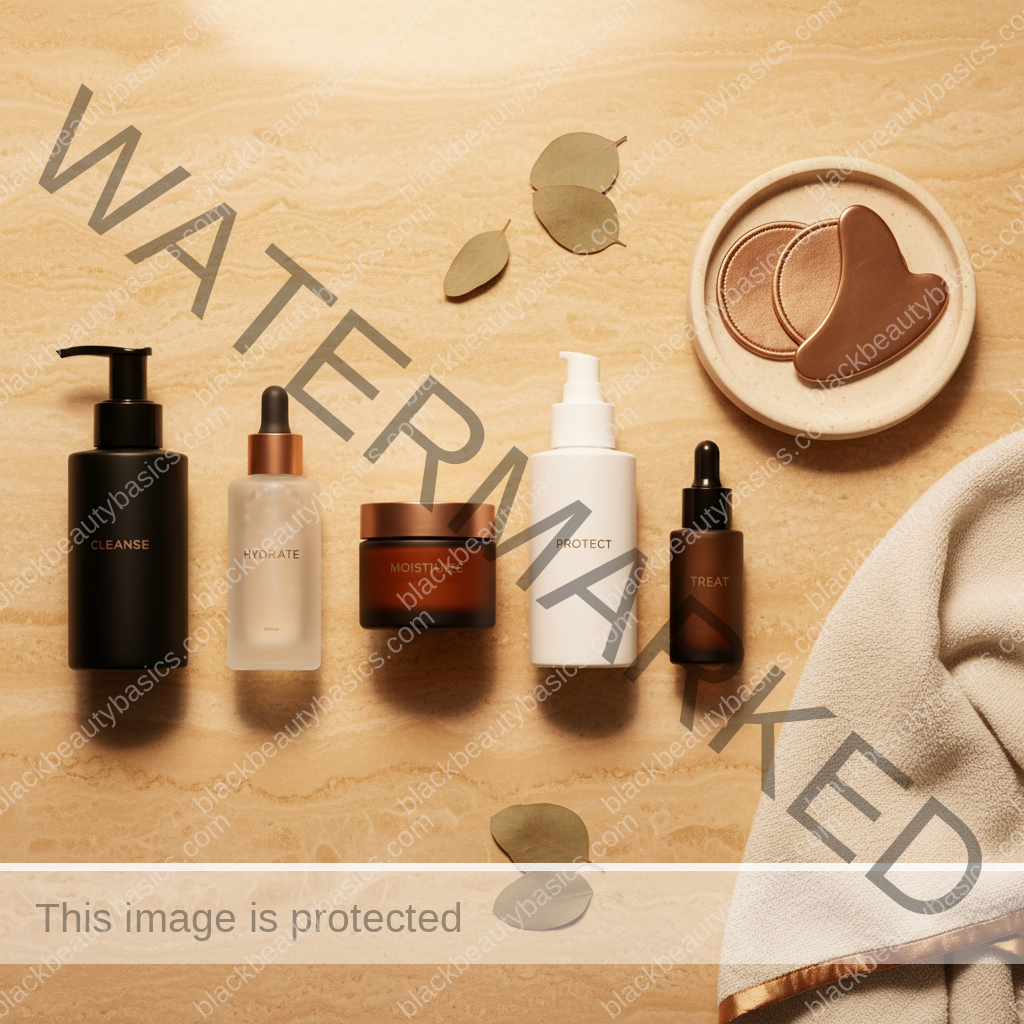
Start with a gentle cleanser. Cleansing should remove sweat, sunscreen, makeup, oil, and daily residue without leaving your face tight or squeaky. If your cleanser makes your skin feel raw, every treatment after it has to work harder in a more irritated environment. A gentle cleanse is not glamorous, but it is one of the quiet ways you protect dark-spot-prone skin. If your skin stings after washing, pause the brightening push and correct the first step.
Next, support the barrier. A comfortable moisturizer helps reduce tightness and gives the skin a better environment to tolerate treatments. This matters because many dark-spot routines fail not because the ingredients are useless, but because the skin cannot tolerate them consistently. A routine you can only do for four irritated days is not a routine. Look for moisturizer textures that fit your skin: lighter gel-creams if you are oily or acne-prone, richer creams if you are dry, and a flexible approach if different zones need different support.
Then choose one treatment direction at a time. Ingredients often discussed for hyperpigmentation include vitamin C, niacinamide, azelaic acid, tranexamic acid, retinoids, and certain exfoliating acids. You do not need all of them at once. In fact, using all of them at once is one of the quickest ways to lose track of what your skin can tolerate. If you are new to dark-spot care, choose one main product or one main ingredient category and use it consistently enough to learn from it.
The order matters. A basic morning might be gentle cleanse, hydrating or treatment serum if tolerated, moisturizer if needed, then sunscreen. A basic evening might be cleanse, treatment if it is meant for nighttime, and moisturizer. If you are dealing with acne marks specifically, BBB’s guide to the best routine order for fading acne marks walks through this in more detail. For now, remember that the skin should feel supported at the end of the routine, not like it survived a test.
Sunscreen is the protective step, not an optional add-on. Choose broad-spectrum SPF 30 or higher when possible, and focus on a texture you can use consistently. A sunscreen that looks elegant on deep skin is not vanity; it is adherence. If it leaves a cast, pills, burns your eyes, or feels greasy enough that you avoid it, keep searching and adjust the layers underneath. Protection is especially important when using treatments that make the skin more sun-sensitive or when trying to keep existing marks from looking darker.

Keep exfoliation modest. If you use an exfoliating acid, it does not need to be daily for most people. Start low, watch for stinging or dryness, and do not combine multiple exfoliating products just because each promises radiance. If your skin is already irritated, flaky, or burning, exfoliation is not the next step. Barrier repair is. BBB’s guide to how to fade dark spots without wrecking your barrier goes deeper on this balance.
Finally, give your routine an honest window. Dark spots do not respect our desire for speed. Take a photo in consistent lighting every few weeks if that helps, but do not inspect your face every morning like it is on trial. Look for broader signs: fewer new marks, less irritation, skin that tolerates the routine, and spots that slowly soften around the edges. That kind of progress is less dramatic than a filtered before-and-after, but it is much more trustworthy.
Troubleshooting: When the Marks Are Not Moving
If your dark spots are not fading, first check whether new inflammation is still happening. Are you still breaking out in the same places? Are you still shaving over irritated skin? Is your eczema still flaring? Are you still picking because the routine has not helped the original trigger? If the answer is yes, fading products may be working against a moving target. Control the trigger as much as possible before judging the pigment plan.
If the spots look darker after starting a new routine, consider irritation. Burning, peeling, rawness, increased roughness, or sudden sensitivity are not signs that a product is working harder in a good way. They may mean the routine is too strong, too frequent, or poorly layered. Pull back to a simple baseline: gentle cleanser, moisturizer, sunscreen. Once the skin feels calm, reintroduce one treatment slowly.
If a mark has been present for many months, is spreading, has an unusual color, or is connected to a rash, pain, texture change, or ongoing acne, it is reasonable to see a dermatologist. A professional who understands skin of color can help distinguish PIH from melasma, acne scarring, dermatitis-related discoloration, medication-related pigmentation, or other concerns. Professional care is not a failure of your routine. It is sometimes the most respectful next step.
If cost is the issue, do not spend your whole budget on five brightening products. Spend first on the baseline you can repeat: cleanser that does not strip, moisturizer that supports comfort, and sunscreen that you will wear. A single well-tolerated treatment can come later. Product discipline is part of skin protection, especially when the alternative is an expensive, irritating shelf full of hope and confusion.
If you are not sure whether your timeline is normal, BBB’s guide to how long hyperpigmentation takes to fade on melanin-rich skin is the next read. For now, know this: fading is usually slow, but it should not require pain. A slow routine that your skin tolerates is better than a fast promise that keeps setting you back.
Frequently Asked Questions
1. Is it normal for dark spots to last for months on deep skin?
Yes, it can be normal. Post-inflammatory hyperpigmentation on deep skin often fades slowly because melanin-rich skin can produce more visible pigment after inflammation. The timeline depends on the depth of the irritation, whether new inflammation keeps happening, sun exposure, picking, and how well your skin tolerates your routine. Normal does not mean you have to ignore it, but it does mean you do not need to panic because a mark is still visible after a few weeks.
2. How long do dark spots usually take to fade?
Many dark spots take several months to soften, and deeper or repeatedly irritated marks may take longer. There is no single timeline that applies to every person or every spot. A shallow post-pimple mark may fade faster than discoloration after a cystic breakout, burn, eczema flare, or ingrown hair. If a mark is not improving at all after several months of gentle, consistent care, or if it is changing in concerning ways, it is worth asking a dermatologist.
3. Does exfoliating make dark spots fade faster?
Gentle exfoliation can help some routines, but more exfoliation is not automatically better. If exfoliation irritates the skin, it can make dark spots worse or create new ones. Melanin-rich skin often does best with a balanced plan: prevent new inflammation, protect with sunscreen, support the barrier, and use treatments slowly. If your skin stings, peels, or feels raw, pause exfoliation and rebuild comfort first.
4. Can sunscreen really affect dark spots on Black skin?
Yes. Sunscreen does not erase dark spots on its own, but it helps protect the skin from UV exposure that can make hyperpigmentation look darker and more persistent. This matters even if you do not burn easily. The key is finding a broad-spectrum sunscreen that looks and feels good enough for daily use on deep skin. A formula you avoid because it is gray, greasy, or uncomfortable will not help your routine.
5. Why do acne marks last longer than the pimple?
The pimple is the inflammation event; the mark is the pigment response afterward. On deep skin, that pigment response can remain visible long after swelling, pain, or redness has faded. Picking, squeezing, or using harsh spot treatments can make the mark more persistent. Treating acne marks well usually means managing acne triggers, reducing picking, using sunscreen, and choosing treatments that do not irritate the skin further.
6. Are dark spots the same as melasma?
Not always. Dark spots after pimples, bites, or irritation are often post-inflammatory hyperpigmentation. Melasma is a different pattern of hyperpigmentation that may be influenced by hormones, heat, light exposure, genetics, and other factors. It often appears in broader patches rather than isolated marks. Because the care strategy can differ, persistent or patchy discoloration is a good reason to get professional guidance, especially if it keeps returning.
7. When should I stop trying products and see a dermatologist?
Consider seeing a dermatologist if dark spots are spreading, painful, linked to ongoing acne or rashes, emotionally overwhelming, or not improving after a steady period of gentle care. Also seek help if a spot changes shape, color, texture, or bleeds. A dermatologist familiar with skin of color can help identify the type of hyperpigmentation and recommend safer options. Getting help is not giving up; it is reducing guesswork.

What to Do Next
The most important takeaway is this: dark spots lasting longer on deep skin is common, but it is not a reason to attack your skin. The mark is a response to inflammation. The routine should reduce inflammation, support the barrier, and protect the skin while fading happens slowly. That may not sound dramatic, but it is the kind of care that keeps you from creating new marks while trying to treat old ones.
Choose one small next step. If your cleanser leaves you tight, soften that first. If you skip sunscreen because the finish is wrong, make SPF texture your priority. If you pick at bumps, create a lower-friction plan for breakouts. If you are using three brightening products and your skin burns, simplify before you continue.
If you are now wondering whether your mark is PIH or melasma, read PIH vs melasma on dark skin next. If acne marks are your main concern, go to the best routine order for fading acne marks. If your skin gets irritated easily, save how to fade dark spots without damaging your barrier. Your skin deserves a plan that is patient enough to work and gentle enough to keep your complexion safe while it does.
Related next steps
Related posts:
 Dark Spots from Acne on Dark Skin: Step-by-Step Treatment Plan
 Best Ingredients to Fade Dark Spots on Dark Skin (Vitamin C, Azelaic, Kojic, etc.)
 HS (Hidradenitis Suppurativa) Tunnels, Scars, and Dark Spots on Dark Skin
 Niacinamide for Dark Spots and Redness on Dark Skin: Understanding Its Role and Realistic Expectations
 How to Fade Dark Spots Without Wrecking Your Barrier
 How to Treat Acne on Dark Skin Without Causing Dark Spots