
A bug bite can be tiny, but the mark it leaves on Black skin can feel stubborn for months. The itch goes away. The swelling settles. Then a brown spot stays behind on your leg, arm, shoulder, or back like a receipt from a two-day irritation. If this happens to you often, you are not imagining it, and your skin is not dirty or damaged beyond repair.

This guide explains why dark spots after bug bites happen on Black skin, what makes them worse, how to care for healing skin, and when a bite or mark needs professional attention. For the bigger pigment picture, BBB’s hyperpigmentation guide explains how inflammation can lead to longer-lasting discoloration on melanin-rich skin.
Why Bug Bites Leave Dark Spots on Black Skin
Bug bites trigger inflammation. The skin reacts to the bite with itching, swelling, redness or warmth, and immune activity. On deep skin, that inflammation can lead to post-inflammatory hyperpigmentation, or PIH. In plain language, the skin makes extra pigment after irritation. The darker mark is the after-effect.
Scratching makes this more likely. It is not because you are careless. Itching can be intense, and scratching gives quick relief. But scratching also creates more trauma. The more the skin is irritated, broken, or inflamed, the more likely a lingering dark mark becomes. This is why stopping the itch early matters as much as treating the mark later.
The depth of irritation affects the timeline. A small bite that you do not scratch much may leave a lighter mark that fades gradually. A bite that becomes swollen, scabbed, infected, or repeatedly scratched may leave a darker spot that lingers longer. If you tend to get strong reactions to bites, you may notice more persistent discoloration.
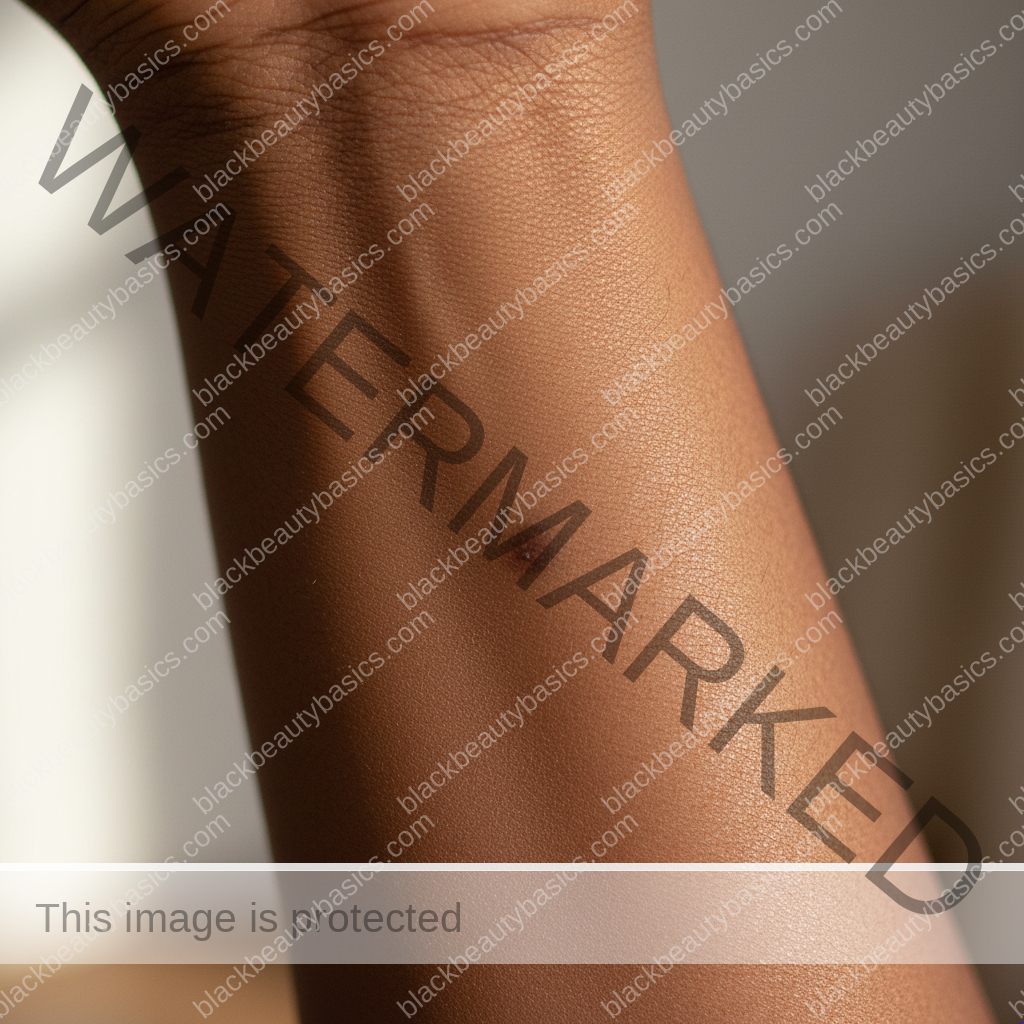
Sun exposure can darken the look of marks on exposed areas like legs, arms, shoulders, and chest. A bug bite mark on the calf may stay more visible through summer if it keeps getting sun without protection. This does not mean you have to cover your body in shame. It means protection helps the skin fade with less interference.
What to Avoid When a Bite Is Healing
Avoid scratching when you can. That is easier said than done, so make the goal practical: reduce scratching, keep nails shorter if that helps, cover the bite with breathable clothing when possible, and use appropriate anti-itch care when needed. If the itch is severe, ask a pharmacist or clinician what is safe for you.
Avoid picking scabs. A scab is not a flaw to remove; it is part of healing. Picking reopens the skin and can create a darker, longer-lasting mark. If you pick because the texture bothers you, try covering the area or moisturizing around it once the skin is closed. Reduce access to the scab instead of relying on willpower alone.
Avoid harsh DIY treatments. Lemon juice, baking soda, toothpaste, alcohol, and strong acids do not belong on fresh bites or irritated skin. They can burn, dry, or inflame the area and make hyperpigmentation worse. The skin needs less drama, not more.
Avoid strong exfoliation over fresh marks. A dark spot from a bite is not a stain you can scrub away. Scrubbing can irritate the skin and restart the pigment cycle. Exfoliation, if used at all, belongs later, gently, and only when the skin is fully healed.
A Gentle Care Plan for Bite Marks
When the bite is fresh, focus on calming itch and protecting the skin from scratching. Use safe anti-itch care as appropriate, keep the area clean, and avoid irritating products. If the bite is open, oozing, very painful, hot, or spreading, do not treat it like a normal mark. Seek medical advice.
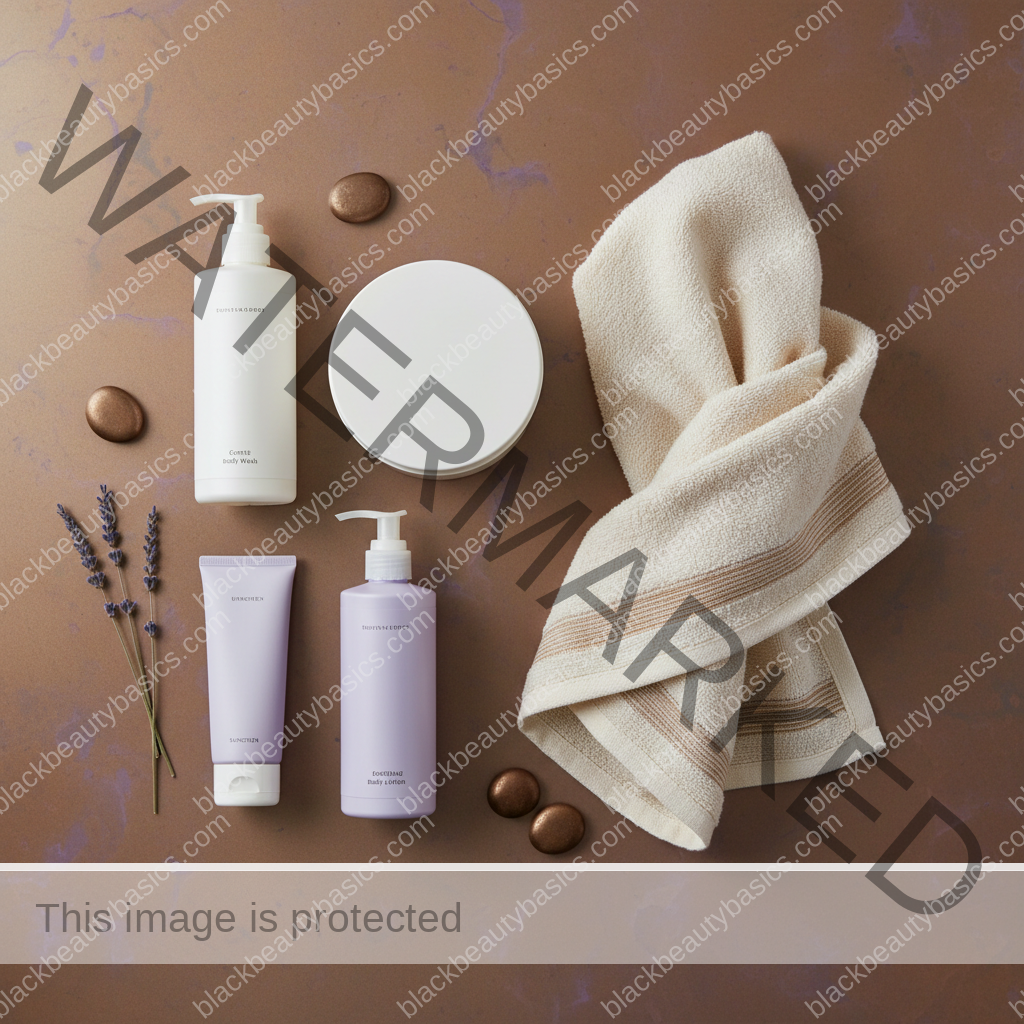
Once the skin is closed and no longer tender, moisturize consistently. A fragrance-free body lotion or cream can help keep the area comfortable and reduce dryness that might tempt scratching. If you need options to compare, start with criteria like fragrance-free, non-stinging, and comfortable on sensitive skin. A search like fragrance-free body lotion for sensitive skin can help you compare product types.
Use sunscreen on exposed marks. If your arms, legs, shoulders, or chest are out, broad-spectrum sunscreen can help protect healing marks from UV-related darkening. Choose a formula that you will actually use on body skin. A search like body sunscreen for dark skin with no white cast can help you see texture options, but comfort and consistency are the real goals.
Be cautious with brightening body products. Some body serums and lotions contain exfoliating acids or pigment-supportive ingredients. They may have a place once the skin is fully healed, but they should not sting or burn. Start slowly, avoid stacking multiple exfoliating products, and stop if the area gets irritated.

Prevention: Fewer Bites, Fewer Marks
If bug bites always leave marks on you, prevention is part of hyperpigmentation care. Protective clothing, screens, safe repellents, and being mindful at dusk or in bite-heavy areas can reduce the number of bites your skin has to heal from. This is not vanity. It is pattern prevention.
After outdoor time, check for bites early. The sooner you calm itching, the less likely you are to scratch unconsciously. Keep a simple body-care plan available in the seasons or places where bites are common. You are not being extra; you are caring for skin that has already told you how it responds.
If your bite reactions are large, blistering, painful, or unusually intense, ask a clinician for advice. Some people have stronger reactions that need more than basic body care. If a bite looks infected, spreads, feels hot, drains pus, or comes with fever, seek medical help.
If marks are already present, give them time. Body marks can take months to fade, especially on legs. BBB’s guide to how long hyperpigmentation takes to fade can help reset expectations without making you feel stuck.
Frequently Asked Questions
1. Why do bug bites turn into dark spots on Black skin?
Bug bites cause inflammation, and melanin-rich skin can respond to inflammation by making extra pigment. Scratching, scabbing, infection, and sun exposure can make the mark darker or longer-lasting. The mark is a pigment response, not dirt or poor hygiene.
2. How long do bug bite marks take to fade?
Many take several months, especially on the legs or areas exposed to sun. Deeper irritation, scratching, or repeated bites in the same area can extend the timeline. If a mark is changing, painful, or not improving at all, get professional advice.
3. Should I exfoliate bug bite marks?
Do not exfoliate fresh, open, scabbed, or irritated bites. Once the skin is fully healed, gentle exfoliation may help some people, but it is not required and should not sting. Moisture, sunscreen, and avoiding new irritation matter first.
4. Can sunscreen help marks on my legs?
Yes. Sunscreen can help protect exposed marks from UV-related darkening. It does not erase marks overnight, but it supports fading. This is especially helpful if you wear shorts, skirts, dresses, or sleeveless tops during sunny seasons.
5. What if I cannot stop scratching?
Try practical barriers: cover the bite, keep nails shorter, moisturize around healed skin, and ask a pharmacist or clinician about safe anti-itch options. If itching is intense or widespread, get medical guidance. Less scratching often means fewer dark marks.
6. Are bug bite marks permanent?
They are not always permanent. Many soften over time, but body hyperpigmentation can be slow. Marks that came from severe irritation or infection may take longer. If a mark is raised, painful, or scar-like, professional evaluation may help.
7. When should I see a doctor for a bite?
Seek care if the bite becomes very painful, hot, swollen, spreading, draining pus, blistering severely, or comes with fever. Also get help if you have intense allergic reactions or if the mark changes in a concerning way. Safety comes before fading.

What to Do Next
If bug bites leave dark spots on your skin, focus on the full chain: prevent bites when possible, calm itching early, avoid scratching and picking, moisturize once healed, and protect exposed marks with sunscreen. That is less exciting than a miracle fade promise, but it is much safer for deep skin.
If your marks are part of a broader body hyperpigmentation pattern, read BBB’s guide to body hyperpigmentation on deep skin. If you are worried about timing, go to how long hyperpigmentation takes to fade. Your body deserves care that protects healing instead of rushing it.
Related next steps
Related posts:
 Injury-Linked PIH (Scratches, Bites, Burns, Surgery) on Dark Skin
 Why Dark Spots Last Longer on Deep Skin
 Facial Dark Spots After Waxing or Threading on Deep Skin
 Dark Spots from Acne on Dark Skin: Step-by-Step Treatment Plan
 Best Ingredients to Fade Dark Spots on Dark Skin (Vitamin C, Azelaic, Kojic, etc.)
 Niacinamide for Dark Spots and Redness on Dark Skin: Understanding Its Role and Realistic Expectations