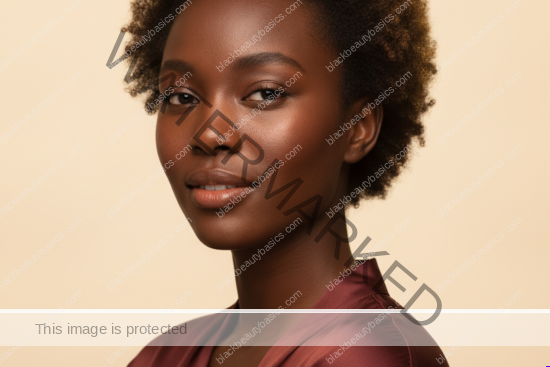
Eczema can be exhausting before dark marks even enter the picture. First there is the itch, the flare, the dry patches, the burning, the careful product choices, and the urge to scratch even when you know scratching may make things worse. Then the flare calms down, but a brown or gray-brown mark stays behind on your neck, arms, chest, legs, or face. On melanin-rich skin, that after-mark is common, but it can still feel deeply unfair.

This guide explains why dark marks after eczema flare-ups happen on deep skin, what can make them linger, and how to care for them without irritating the skin all over again. We will stay in BBB’s lane: practical, gentle, and non-shaming. For the bigger picture on inflammation-related pigment, start with BBB’s condition-linked PIH guide.
Why Eczema Can Leave Dark Marks
Eczema is inflammatory. During a flare, the skin barrier is not behaving calmly. It may be dry, cracked, itchy, rough, swollen, or sensitive. On melanin-rich skin, inflammation can trigger extra pigment as the skin heals. That pigment response is called post-inflammatory hyperpigmentation, or PIH. The mark is not dirt, and it is not a sign that your skin is permanently ruined. It is the skin’s visible memory of inflammation.
The marks may look brown, gray-brown, purple-brown, or deeper than the surrounding skin. Sometimes eczema also leaves lighter-looking patches while pigment is settling. The appearance depends on the flare, the depth of irritation, scratching, your baseline tone, and how often the same area flares. A patch that flares repeatedly in the same spot often takes longer to look even again because the skin keeps restarting the healing process.
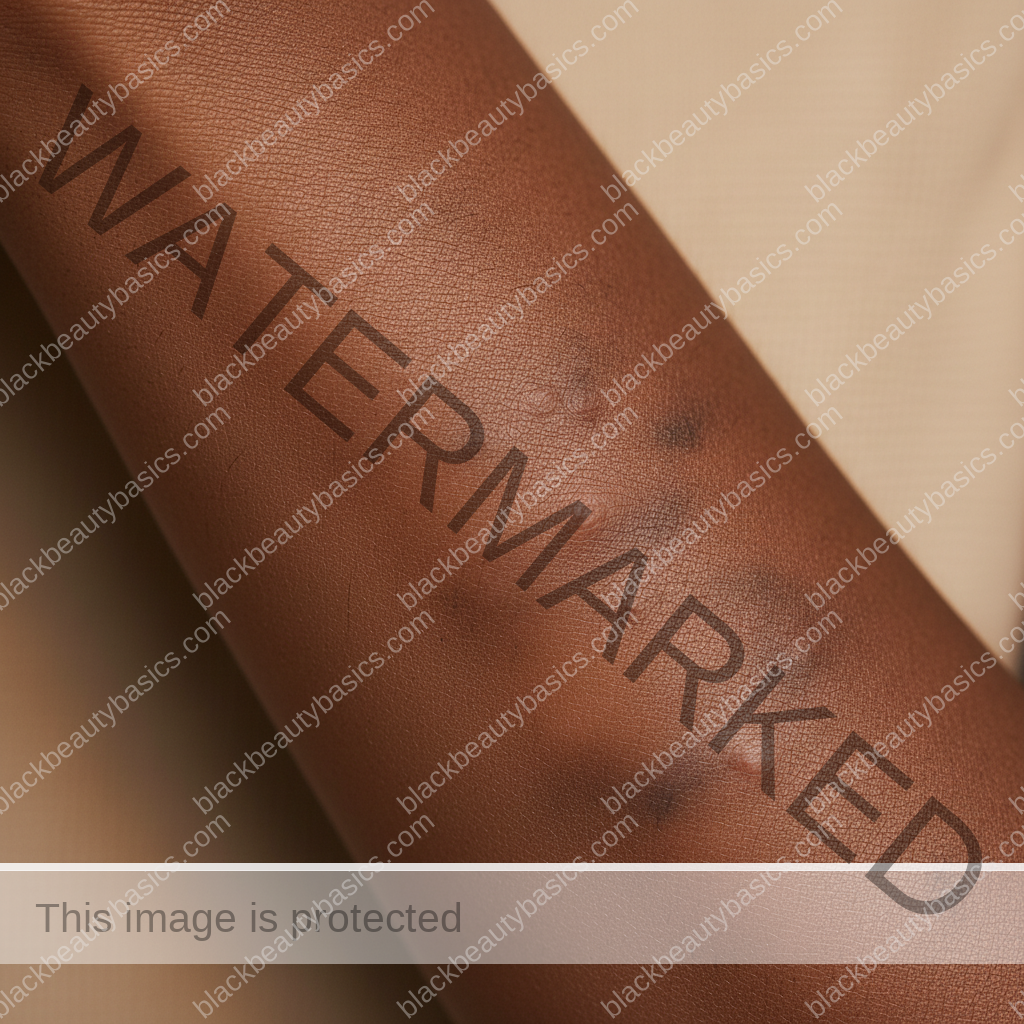
Scratching is one of the biggest reasons eczema marks become darker or more persistent. Scratching creates more inflammation, and if the skin breaks open, the risk of deeper marks rises. This is not a lecture. Eczema itching can be intense, especially at night. The goal is not to shame scratching. The goal is to reduce the itch-scratch cycle so your skin has fewer injuries to remember.
What to Avoid After a Flare
Avoid trying to scrub the mark away. Eczema-prone skin is already more reactive, and scrubbing can create a new flare or irritate healed skin. A dark mark from eczema is not a surface stain. It will not disappear because you rubbed harder. If anything, rough treatment can make pigment more stubborn.
Avoid strong brightening products on recently flared skin. Many products marketed for dark spots include exfoliating acids, fragrance, alcohol-heavy bases, or strong actives. These may be too much for eczema-prone areas, especially right after a flare. If the skin still feels itchy, tender, scaly, or easily irritated, it needs calming care first.
Avoid fragrance-heavy body products if fragrance is a trigger for you. Not everyone with eczema reacts to the same things, but fragrance is a common irritant. If your skin gets itchy after scented lotions, body washes, or oils, listen to that pattern. Your body care does not need to smell expensive to be effective.
Avoid stopping prescribed eczema care just because the mark is now the visible concern. If eczema keeps flaring, the pigment will keep returning. Managing the condition is part of managing the marks. If you have prescription instructions, follow your clinician’s plan.
The Barrier-First Care Plan
The first step is keeping eczema calm. That may mean using prescribed treatments during flares, avoiding known triggers, moisturizing consistently, and keeping cleansing gentle. A simple fragrance-free body wash can be a better choice than a strongly scented cleanser when your skin is reactive. If you need examples to compare, start with a search like fragrance-free body wash for eczema-prone skin, then choose by comfort and tolerance.
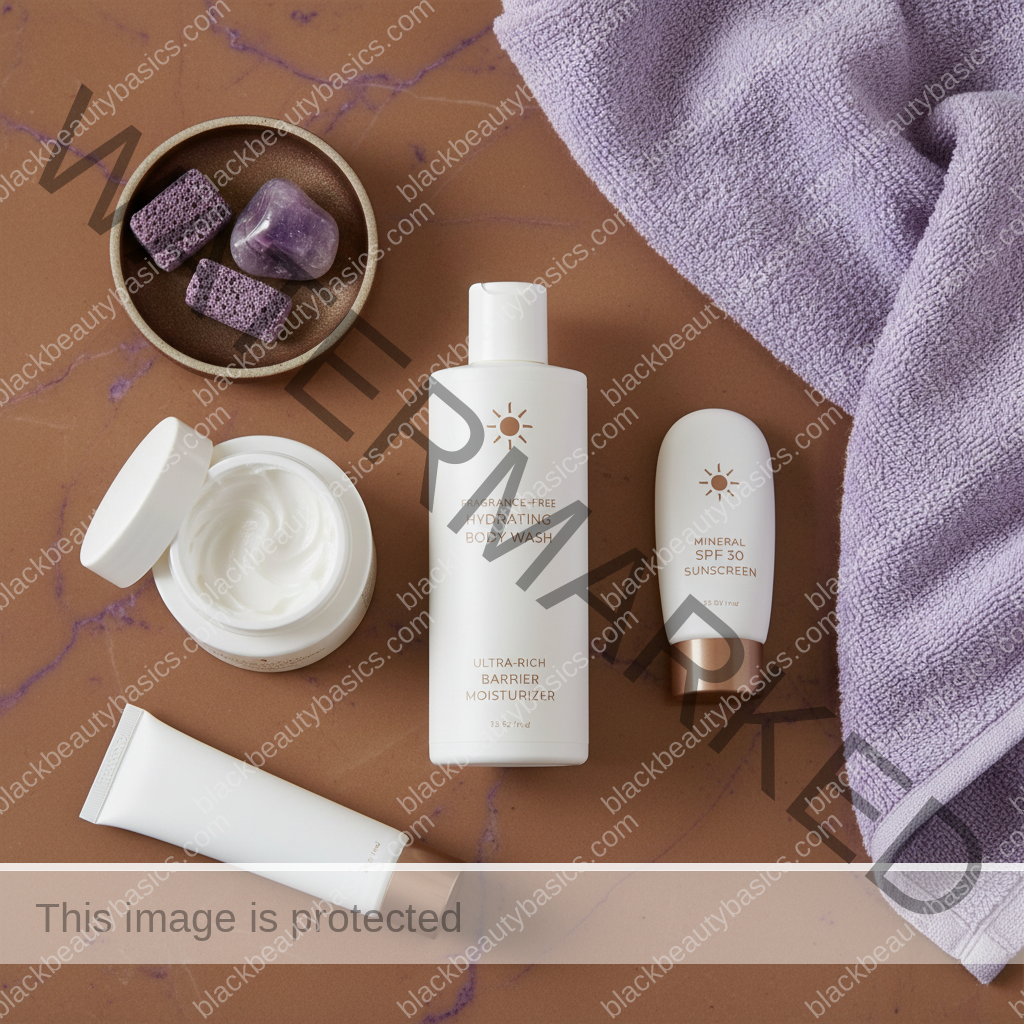
Moisturize like it is treatment support, not decoration. Eczema-prone skin often needs richer, more consistent moisture than the internet’s lightweight glow routines suggest. Look for fragrance-free creams or ointment-like textures if lotions are not enough. If you need a starting point, compare fragrance-free eczema moisturizer creams, but remember that the best option is the one your skin can use repeatedly without stinging.
Once the skin is calm and fully healed, you can think about pigment support carefully. Gentle options may include sunscreen on exposed areas, avoiding scratching, reducing repeated flares, and using mild treatment products only if your skin tolerates them. Do not place acids or brightening serums on active eczema. If you want to treat a mark on the face or body, introduce one product slowly and stop if itching or burning returns.

Sunscreen matters for exposed marks. If eczema marks are on the face, neck, chest, hands, arms, or legs, broad-spectrum sunscreen can help keep UV exposure from making them look darker. It will not erase the mark overnight, but it helps protect the progress your skin is making.
When the Marks Are Not Moving
If the same area keeps darkening, check whether eczema is truly controlled. A mark will not fade cleanly if the skin is still itching, flaring, or being scratched every week. This may be the moment to revisit your treatment plan, triggers, laundry products, climate changes, stress, or products that quietly irritate you.
If the area is thick, very itchy, cracked, oozing, painful, or spreading, do not treat it like ordinary hyperpigmentation. Active eczema or infection needs care before pigment care. A dermatologist can help, especially one familiar with skin of color and how eczema appears on deep tones.
If the mark has been present for many months but the skin is calm, patience may still be part of the answer. Eczema-related hyperpigmentation can take time. BBB’s guide to how long hyperpigmentation takes to fade can help reset expectations without minimizing your frustration.
Frequently Asked Questions
1. Is it normal for eczema to leave dark marks on Black skin?
Yes. Eczema is inflammatory, and melanin-rich skin can respond to inflammation with visible pigment. The mark may last after the itching or rash improves. Common does not mean you have to ignore it, but it does mean you should not blame yourself.
2. Can I use dark spot serums on eczema marks?
Only when the skin is fully calm, and even then, carefully. Do not use brightening serums on active, itchy, cracked, or flaring eczema. Many actives can irritate eczema-prone skin. If you are unsure, ask a dermatologist.
3. Will exfoliating help eczema marks fade faster?
Usually, aggressive exfoliation is risky for eczema-prone skin. Scrubs and strong acids can trigger more irritation and more pigment. Barrier care, flare control, moisture, and sun protection are safer priorities.
4. How long do eczema marks take to fade?
They may take several months or longer, especially if the same area flares repeatedly. The timeline depends on the depth of inflammation, scratching, sun exposure, and whether eczema is controlled. Slow fading is common.
5. What if my eczema marks are lighter instead of darker?
Some eczema flares can leave lighter-looking patches while the skin recovers. Pigment changes can be complex on deep skin. If the color change is spreading, persistent, or confusing, a dermatologist can help identify what is happening.
6. Should I use sunscreen on eczema marks?
Yes, if the area is exposed and sunscreen does not irritate you. UV exposure can make hyperpigmentation look darker or more stubborn. Choose a comfortable formula and avoid applying irritating products to active flares.
7. When should I see a dermatologist?
See a dermatologist if eczema is frequent, severe, painful, infected-looking, or leaving marks that worry you. Also seek help if over-the-counter care is not controlling itch or flares. Managing eczema is the foundation for managing the marks.

What to Do Next
If eczema left dark marks behind, start with the flare pattern, not the pigment alone. Reduce itching, protect the barrier, moisturize consistently, and avoid harsh brightening shortcuts. Once the skin is calm, you can consider pigment support slowly.
For related support, read how to fade dark spots without damaging your barrier and how long hyperpigmentation takes to fade. Your skin does not need punishment after a flare. It needs steadiness.
Related next steps
Related posts:
 Condition-Linked PIH: Eczema, Psoriasis, HS, & Injury Dark Marks on Melanin-Rich Skin
 Post-Eczema Dark Marks on Melanin-Rich Skin
 Stretch Marks, Eczema, and Other Skin Conditions in Pregnant Black Women
 Your Essential Sunscreen Strategy to Prevent Dark Marks on Melanin-Rich Skin (Face & Body)
 Treating Active Ingrown Hairs, Bumps, and Dark Marks on Melanin-Rich Skin
 Facial Hyperpigmentation on Melanin-Rich Skin: Acne Marks, Melasma & Uneven Tone