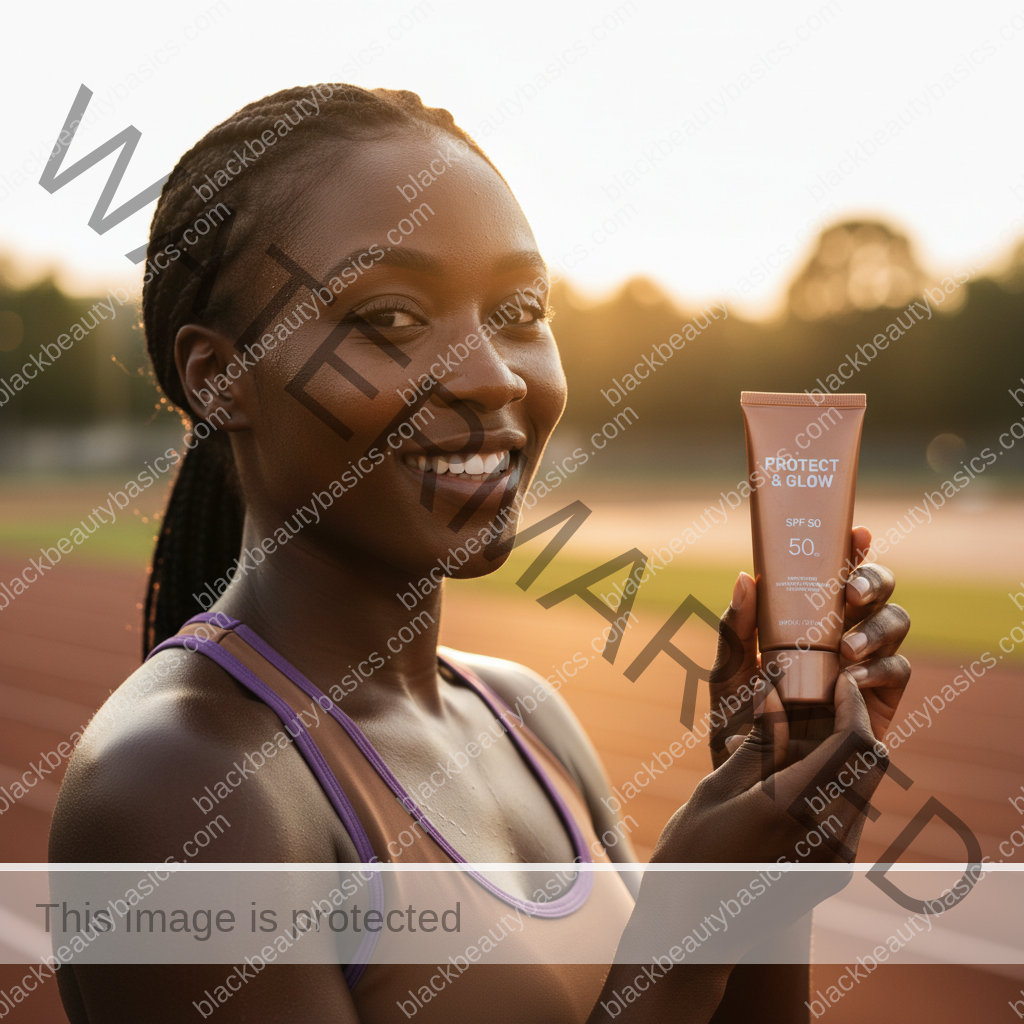
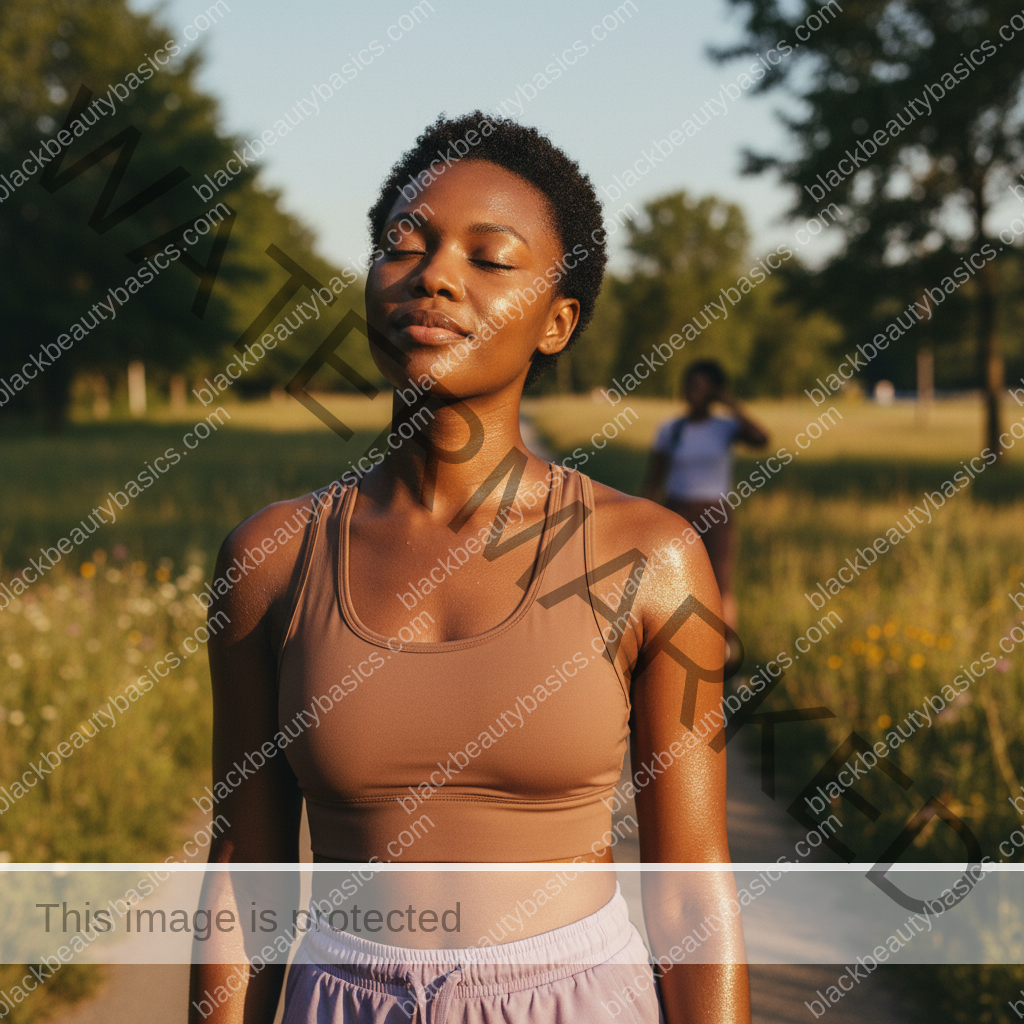
For the radiant woman who embraces the exhilaration of the open air, the rhythm of her stride, and the strength of her body, protecting her luminous skin is paramount. While the myth persists that melanin offers impenetrable armor against the sun, the truth is that our beautiful dark skin, too, requires diligent care to maintain its health, even as we conquer our outdoor pursuits. Let’s delve into crafting a sunscreen routine that champions your active lifestyle and preserves your unparalleled glow.
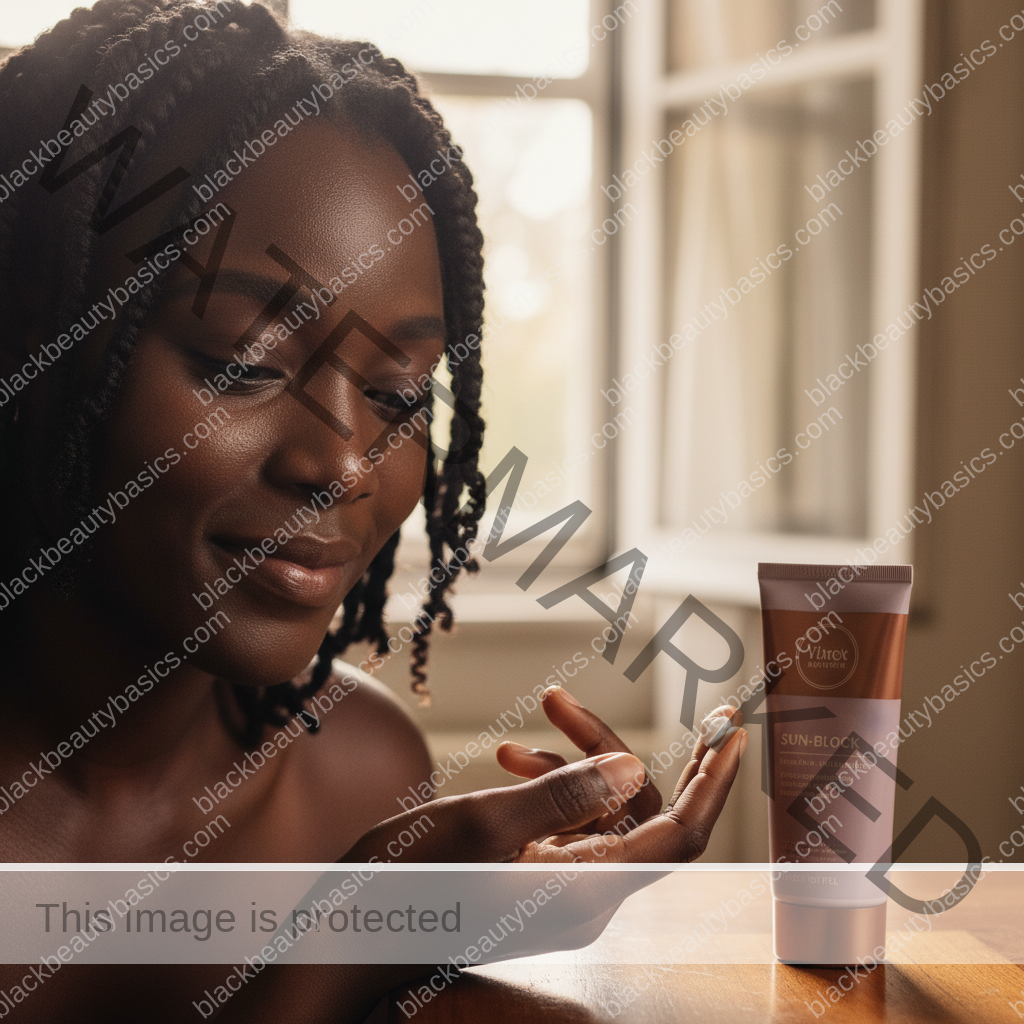
The Unseen Power of the Sun: Why Melanin Needs Protection
There’s a common misconception that our rich melanin provides complete immunity from sun damage. While it offers a natural SPF of approximately 13-15, significantly higher than fairer skin tones, it is not a full shield. Our skin is still susceptible to the sun’s powerful ultraviolet (UV) rays, which can lead to a myriad of concerns beyond the visible burn.
Beyond the Burn: Understanding UV Damage on Dark Skin
For Black women, sun damage often manifests differently than in other skin tones. Instead of a fiery red burn, we might experience a deepening of existing hyperpigmentation, the emergence of new dark spots, or an uneven skin tone. The sun’s UVA rays, which penetrate deeper into the skin, are particularly insidious, contributing to premature aging, loss of elasticity, and the breakdown of collagen over time. UVB rays, while more associated with burning, also contribute to hyperpigmentation and increase the risk of skin cancer, albeit at a lower rate for darker skin types.
- Hyperpigmentation: Sun exposure is a major trigger for post-inflammatory hyperpigmentation (PIH), making existing dark spots darker and creating new ones. This is often the most visible and frustrating sign of sun damage for us.
- Uneven Skin Tone: Prolonged sun exposure can lead to a patchy, inconsistent skin tone that detracts from our natural radiance.
- Premature Aging: UVA rays accelerate the breakdown of collagen and elastin, leading to fine lines, wrinkles, and a loss of firmness over time.
- Skin Cancer Risk: While less common, skin cancer in darker skin tones is often diagnosed at later, more advanced stages, making protection even more critical.
For the active woman, especially those who spend significant time outdoors running, cycling, or engaging in other workouts, this exposure is compounded. Sweat, friction, and environmental factors can further exacerbate these issues if proper protection isn’t in place. Your commitment to fitness should go hand-in-hand with a commitment to skin health.
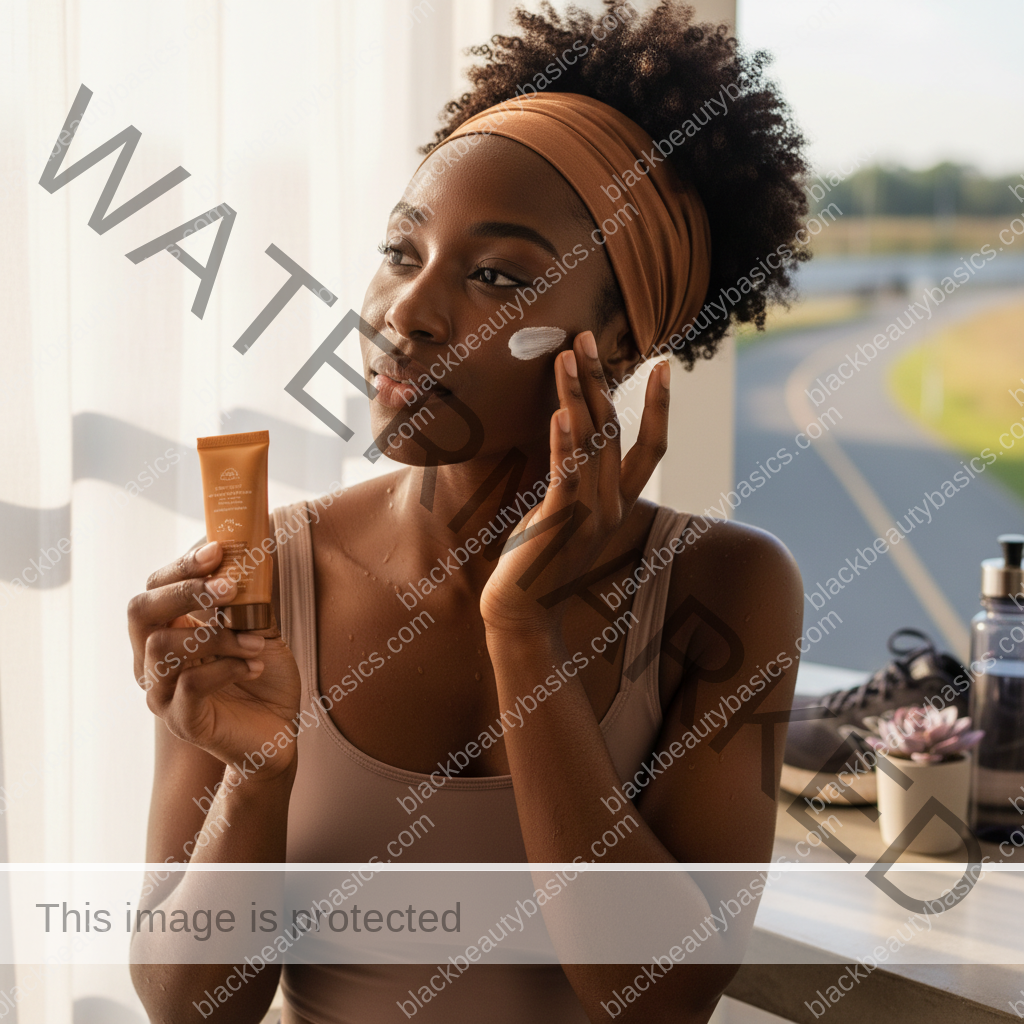
The Runner’s Arsenal: Essential Sunscreen Characteristics for Dark Skin
Selecting the right sunscreen for an active lifestyle isn’t just about SPF. It’s about finding a formula that performs under pressure, protects without compromise, and complements your beautiful complexion. For the discerning Black Beauty Basics woman, efficacy and elegance are non-negotiable.
Broad-Spectrum Protection: Your Non-Negotiable Shield
Always opt for a sunscreen labeled “broad-spectrum.” This signifies that it protects against both UVA (aging rays) and UVB (burning rays). UVA rays are present year-round, even on cloudy days, and can penetrate glass, making them a constant threat to your skin’s integrity.
SPF 30+ (and Beyond): The Power Number
For daily wear, an SPF of 30 is generally recommended. However, for prolonged outdoor activity, especially when sweating profusely or exposed to intense sun, an SPF of 50 or higher provides an extra layer of reassurance. Remember, SPF measures protection against UVB rays, but a higher SPF in a broad-spectrum formula generally indicates stronger UVA protection as well.
Water-Resistant: Your Sweat-Proof Ally
This is crucial for runners and outdoor enthusiasts. Look for sunscreens labeled “water-resistant” for 40 or 80 minutes. This indicates how long the product maintains its SPF level while swimming or sweating. Even if you’re not swimming, a water-resistant formula will stand up better to perspiration during your workout, ensuring continuous protection.
No White Cast: The Melanin-Friendly Mandate
One of the biggest frustrations for women with dark skin is the dreaded white cast left by many mineral sunscreens. This chalky, ashy residue can detract from your natural glow. Thankfully, formulations have evolved. Look for sunscreens specifically designed for darker skin tones, or those that blend seamlessly without leaving a ghostly film. Tinted mineral sunscreens can also be an excellent option, offering both protection and a subtle evening of skin tone.
Non-Comedogenic & Lightweight: Breathe Easy
When you’re pushing your limits, the last thing you want is a heavy, greasy feeling on your skin that can clog pores and lead to breakouts. Opt for non-comedogenic (won’t clog pores) and lightweight formulas. Gel, serum, or fluid textures are often excellent choices for active individuals, allowing your skin to breathe while you sweat.
Shop Broad-Spectrum SPF 50+ Sunscreens on Amazon
Mineral vs. Chemical: Decoding Your Sunscreen Choice
The world of sunscreens can be broadly categorized into two types: mineral (physical) and chemical. Each has its unique mechanism of action and benefits, and understanding them is key to making an informed choice for your skin and lifestyle.
Mineral Sunscreens: The Physical Barrier
Mineral sunscreens, also known as physical blockers, contain active ingredients like zinc oxide and titanium dioxide. These natural minerals sit on top of the skin, creating a physical barrier that reflects and scatters UV rays away from the skin like tiny mirrors. They are generally considered gentler, less irritating, and are often recommended for sensitive skin.
Pros of Mineral Sunscreens for Dark Skin:
- Gentle: Less likely to cause irritation or allergic reactions, ideal for sensitive skin or those prone to acne.
- Immediate Protection: They work immediately upon application, no waiting period required.
- Broad-Spectrum: Zinc oxide, in particular, offers excellent broad-spectrum protection against both UVA and UVB rays.
- Less Likely to Clog Pores: Many mineral formulas are non-comedogenic.
Cons of Mineral Sunscreens for Dark Skin:
- White Cast Potential: Traditional formulas can leave a noticeable white or ashy cast, especially on darker skin. However, micronized or tinted mineral sunscreens have significantly improved this.
- Thicker Texture: Can sometimes feel heavier or thicker than chemical counterparts, though lightweight formulations are becoming more common.
Chemical Sunscreens: The Absorbing Agents
Chemical sunscreens contain organic compounds such as oxybenzone, avobenzone, octinoxate, and octisalate. These ingredients work by absorbing UV rays as they penetrate the skin, converting them into heat, and then releasing that heat from the skin.
Pros of Chemical Sunscreens for Dark Skin:
- No White Cast: Typically blend seamlessly into all skin tones without leaving a white residue.
- Lighter Texture: Often formulated to be thinner and more cosmetically elegant, making them pleasant to wear under makeup or during workouts.
- Easier to Spread: Their lighter consistency often makes them easier to apply evenly over large areas.
Cons of Chemical Sunscreens for Dark Skin:
- Potential Irritation: Some individuals, especially those with sensitive skin, may experience irritation or allergic reactions to certain chemical filters.
- Waiting Period: They typically require about 15-20 minutes to become fully effective after application.
- Environmental Concerns: Some chemical filters (like oxybenzone and octinoxate) have raised concerns regarding coral reef health, leading to the development of “reef-safe” alternatives.
Making Your Choice: A Personal Decision
The best sunscreen is the one you will use consistently. Many modern formulations combine both mineral and chemical filters for optimized protection and cosmetic elegance. Experiment with different types and brands to find what feels best on your skin and meets your performance needs. For runners, a lightweight, water-resistant formula that doesn’t sting the eyes when you sweat is paramount.
Shop No-White-Cast Mineral Sunscreens on Amazon
The Pre-Workout Ritual: Your Sunscreen Application Guide
A flawless sunscreen routine begins before you even step out the door. This meticulous application ensures maximum protection and comfort throughout your outdoor workout.
Step 1: Cleanse and Hydrate
Start with a clean canvas. Gently cleanse your face to remove any overnight impurities or residual products. Follow with a lightweight, hydrating serum or moisturizer. This primes your skin, creating a smooth surface for sunscreen application and ensuring your skin remains supple, even as you sweat.
Step 2: The Two-Finger Rule (or More!)
When it comes to sunscreen, more is often more. For your face and neck, apply a generous amount – typically a line of sunscreen on your index and middle finger is a good visual guide. Don’t skimp! For your body, imagine a shot glass full of sunscreen for each limb and your torso. It sounds like a lot, but it’s the amount needed to achieve the stated SPF.
Step 3: Strategic Application for Runners
- Face: Apply evenly, paying close attention to often-missed areas like the hairline, ears (front and back), and the delicate skin around the eyes. Consider a separate stick sunscreen for these smaller, high-exposure areas.
- Neck and Decolletage: Extend the application down to your neck and chest, as these areas are frequently exposed and prone to sun damage.
- Arms and Legs: For short sleeves or shorts, ensure all exposed skin is covered. Don’t forget the tops of your hands and feet – these are common sites for sun damage.
- Lips: Your lips need protection too! Use a lip balm with SPF 30 or higher to prevent chapping and sun damage.
Step 4: Allow Absorption (Especially for Chemical Formulas)
If using a chemical sunscreen, allow 15-20 minutes for it to fully absorb and become effective before heading out. Mineral sunscreens offer immediate protection, but giving them a few minutes to settle can help prevent transfer onto clothing.
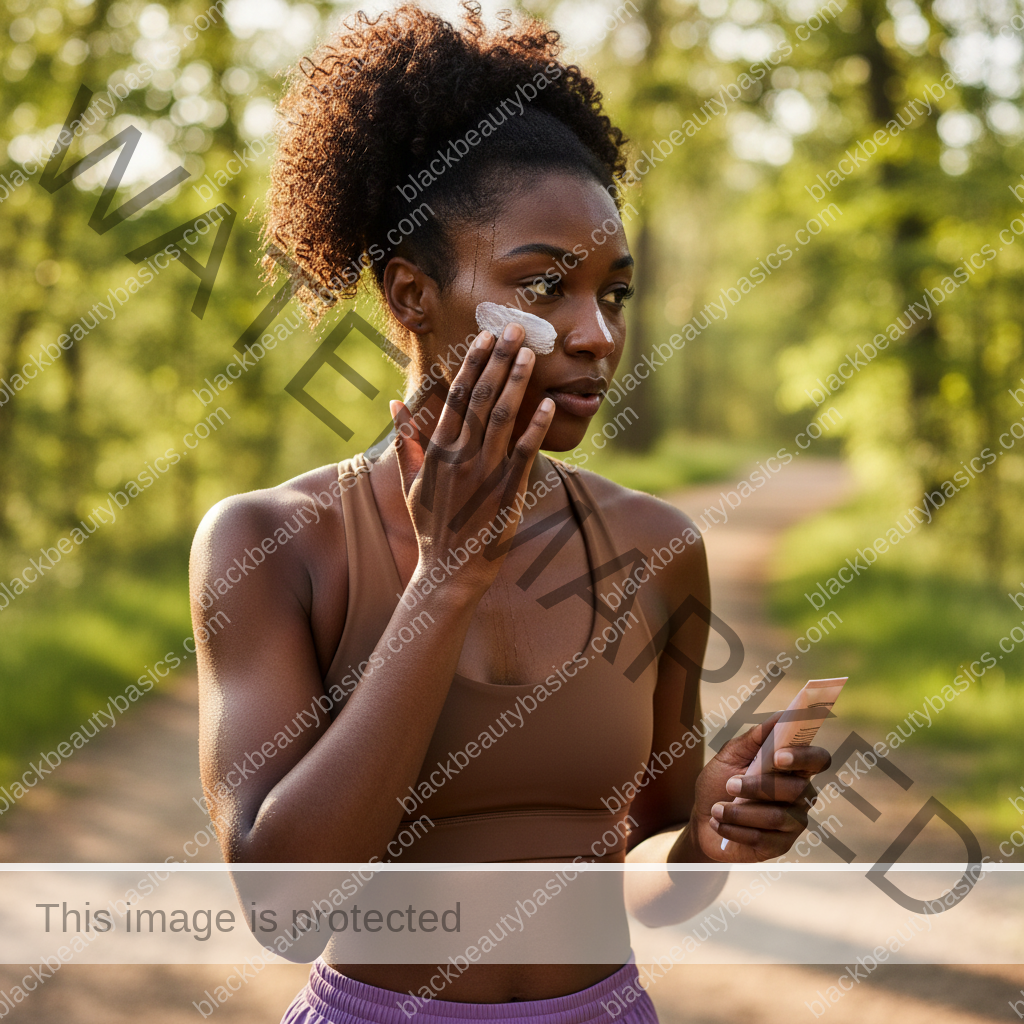
Mid-Workout & Post-Workout Care: Sustaining Your Glow
Your sunscreen routine doesn’t end with the initial application. Especially for extended outdoor activities, reapplication and post-workout care are just as vital.
Reapplication: The Golden Rule
Even water-resistant sunscreens lose their efficacy over time, especially with heavy sweating. Reapply sunscreen every two hours, or immediately after excessive sweating. For runners on long routes, consider carrying a travel-sized sunscreen or a stick formula for easy reapplication on the go. Don’t forget your lips!
Shop Travel Size Sunscreen Sticks on Amazon
Post-Workout Refresh: Soothe and Restore
Once your workout is complete, your skin needs a moment of recovery. This post-workout ritual helps to cleanse, soothe, and replenish your skin after sun exposure and exertion.
- Gentle Cleanse: Wash away sweat, sunscreen, and environmental impurities with a mild, hydrating cleanser. This prevents clogged pores and allows your skin to breathe.
- Soothe and Hydrate: Apply a soothing serum or moisturizer containing ingredients like hyaluronic acid, niacinamide, or aloe vera. These ingredients help replenish moisture, calm any redness, and support your skin barrier.
- Targeted Treatment (Optional): If you’re prone to hyperpigmentation, consider incorporating a vitamin C serum or a product with alpha arbutin or kojic acid into your evening routine to help address any sun-induced dark spots.
Shop Hydrating Facial Cleansers for Dark Skin on Amazon
Beyond the Bottle: Holistic Sun Protection Strategies
While sunscreen is your primary defense, a comprehensive approach to sun protection involves more than just topical application. Integrating these additional strategies will offer superior protection for your beautiful skin.
Protective Clothing: Your Stylish Shield
Consider incorporating UPF (Ultraviolet Protection Factor) clothing into your running wardrobe. These garments are specifically designed to block a significant amount of UV radiation. Look for lightweight, breathable fabrics that offer a UPF of 30 or higher. Long sleeves, pants, and wide-brimmed hats are excellent choices for extended outdoor exposure.
Shade Seeking: The Smart Strategy
Plan your outdoor workouts to avoid peak sun hours, typically between 10 AM and 4 PM. If that’s not possible, seek out shaded routes or areas whenever possible. Even brief moments in the shade can significantly reduce your overall UV exposure.
Eyewear: Protecting Your Windows to the Soul
Don’t forget your eyes! UV-blocking sunglasses protect the delicate skin around your eyes from sun damage and help prevent cataracts and other eye conditions. Choose sunglasses that block 99-100% of both UVA and UVB rays.
Hydration: Inner Radiance
Staying well-hydrated is crucial for overall skin health, especially when you’re active outdoors. Water helps maintain your skin’s elasticity and resilience, supporting its ability to repair itself from environmental stressors.
Comparison Table: Sunscreen Formulations for Runners
Choosing the right sunscreen texture can make all the difference in your comfort and compliance. Here’s a comparison of popular formulations for active individuals:
| Formulation Type | Pros for Runners on Dark Skin | Cons for Runners on Dark Skin | Best For |
|---|---|---|---|
| Lotion/Cream | Hydrating, good coverage, many no-white-cast options. | Can feel heavy or greasy if not lightweight. | Everyday use, longer runs, dry skin. |
| Gel/Fluid | Lightweight, non-greasy, absorbs quickly, often no white cast. | May require more frequent reapplication if not water-resistant. | Oily/acne-prone skin, hot/humid climates, quick workouts. |
| Stick | Excellent for targeted areas (face, ears, neck), portable, mess-free, good for reapplication. | Can be harder to apply evenly over large areas, some can feel thick. | Face, ears, neck, touch-ups, travel. |
| Spray (Aerosol/Pump) | Convenient for body, quick application, good for hard-to-reach areas. | Risk of uneven application, inhalation concerns (aerosols), can be wasteful. Avoid for face. | Body application, quick reapplication on limbs. |
| Tinted Mineral | No white cast, evens skin tone, physical barrier, gentle. | Limited shade range for deeper skin tones, can transfer. | Sensitive skin, light makeup days, those who prefer mineral. |
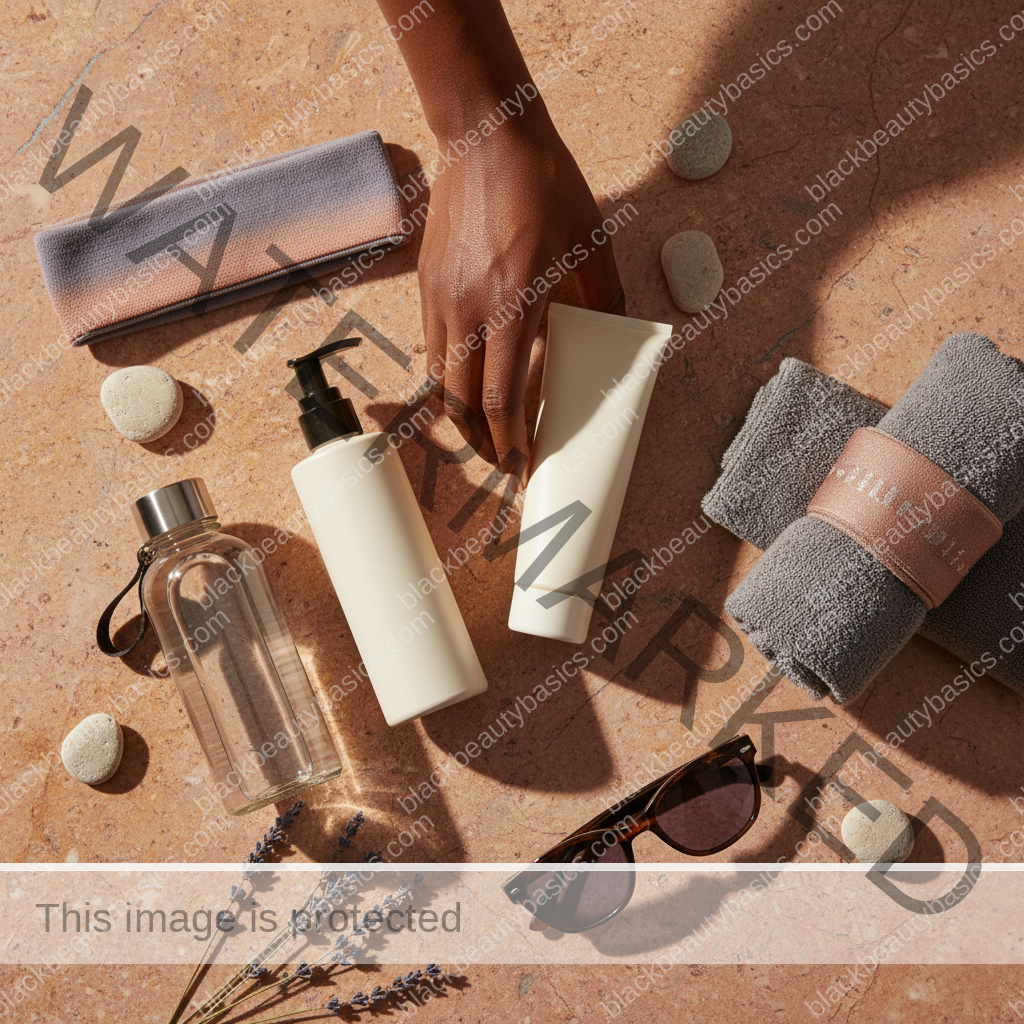
Tip List: Sunscreen Hacks for the Active Black Woman
Elevate your sun protection game with these insider tips tailored for your active lifestyle and beautiful dark skin.
1. Patch Test New Products
Before committing to a new sunscreen, especially if you have sensitive or acne-prone skin, perform a patch test on a small, inconspicuous area (like behind your ear or on your inner arm). This helps identify any potential irritation or white cast issues before full application.
2. Layering for Enhanced Protection
Consider layering your sun protection. Start with a hydrating serum containing antioxidants (like Vitamin C), then apply your sunscreen, and finish with a UPF hat. This multi-pronged approach offers robust defense.
3. Don’t Forget the Scalp and Hairline
The scalp, especially along the part line and hairline, is highly susceptible to sun damage and can be a common site for skin cancer. Use a spray sunscreen designed for hair/scalp or a powder sunscreen, or simply wear a hat.
4. Sunscreen for Your Hands and Feet
These areas are often neglected but receive significant sun exposure during outdoor activities. Make it a habit to apply sunscreen generously to the tops of your hands and feet.
5. Monitor Your Skin
Regularly check your skin for any new or changing moles, dark spots, or unusual growths. Early detection is key for any skin concerns, including skin cancer.
6. After-Sun Care is Key
Even with diligent sunscreen use, some sun exposure is inevitable. After-sun products with aloe vera, ceramides, and antioxidants can help soothe, repair, and replenish your skin’s moisture barrier.
7. Read Reviews from Other Women of Color
When searching for new sunscreens, pay attention to reviews from other women with dark skin. Their experiences with white cast, texture, and performance can be invaluable in guiding your choices.
Shop Vitamin C Serums for Hyperpigmentation on Amazon
FAQ: Your Sunscreen Questions Answered
Q1: Does dark skin really need sunscreen? I thought melanin protected us.
A1: Yes, absolutely! While melanin provides a natural SPF of about 13-15, it is not a complete shield. Our beautiful dark skin is still susceptible to sun damage, including hyperpigmentation (dark spots), uneven skin tone, premature aging (fine lines, wrinkles), and even skin cancer. Sunscreen is crucial for preventing these issues and maintaining your skin’s health and radiance.
Q2: What SPF level should I use for outdoor workouts, especially as a runner?
A2: For daily use, SPF 30 is recommended. However, for prolonged outdoor activities like running, especially when sweating heavily or exposed to intense sun, an SPF of 50 or higher is advisable. Always choose a broad-spectrum formula to protect against both UVA and UVB rays.
Q3: How often should I reapply sunscreen during a long run or outdoor workout?
A3: You should reapply sunscreen every two hours, or more frequently if you are sweating heavily or after swimming. Even water-resistant formulas lose their efficacy over time with perspiration. Carrying a travel-sized stick or small tube for on-the-go reapplication is a smart strategy.
Q4: I struggle with white cast. What are my best options for sunscreen on dark skin?
A4: Many modern sunscreens are formulated to be white-cast-free. Look for chemical sunscreens, which typically blend seamlessly. If you prefer mineral sunscreens, seek out formulas that are “micronized” or “tinted” with iron oxides, as these are designed to disappear on darker skin tones. Reading reviews from other women of color can also be very helpful.
Q5: Can sunscreen clog my pores and cause breakouts, especially when I’m sweating during a workout?
A5: Some sunscreens, especially heavier, oil-based formulas, can contribute to clogged pores. To avoid this, look for sunscreens labeled “non-comedogenic” (meaning they won’t clog pores) and “oil-free.” Lightweight gel, fluid, or serum textures are often excellent choices for active individuals as they allow the skin to breathe.
Q6: Should I wear sunscreen on cloudy days or in the winter if I’m running outdoors?
A6: Absolutely! UV rays can penetrate clouds, and snow can reflect up to 80% of UV radiation, increasing your exposure. UVA rays, which contribute to aging and hyperpigmentation, are present year-round, regardless of the weather. Consistent sunscreen use, even on cloudy or cold days, is vital for year-round protection.
Q7: What about my lips and scalp? Do they need sunscreen too?
A7: Yes, these areas are often overlooked but are highly susceptible to sun damage. Use a lip balm with an SPF of 30 or higher for your lips. For your scalp, especially along your part, consider a spray sunscreen designed for hair and scalp, a powder sunscreen, or simply wear a wide-brimmed hat or a cap to provide physical protection.
Your journey as a runner and an outdoor enthusiast is a testament to your strength and dedication, and your skin deserves the same unwavering commitment. By embracing a thoughtful, consistent sunscreen routine, you not only protect your skin from the sun’s harsh realities but also celebrate its inherent beauty, ensuring that your glow remains as enduring as your spirit. Step out with confidence, knowing that your skin is as resilient and radiant as you are.
Sweat changes the sunscreen conversation
Outdoor workouts ask sunscreen to survive movement, heat, sweat, friction, and sometimes hats, helmets, or workout clothes. A formula that looks perfect for a calm morning may sting your eyes once sweat starts moving it around. That does not mean sunscreen is impossible for runners or outdoor training. It means the routine needs a sport-minded texture, a smart application window, and a realistic reapplication plan.
Apply sunscreen before you are already sweating. Give it time to settle, especially around the eyes, brows, hairline, neck, and chest. If you run early, cloudy light still counts. If you work out midday, the exposure is stronger and shade becomes more important. For deeper skin tones, protection supports not only burn prevention but also the long game of even tone and dark-spot care.
Friction matters. Waistbands, sports bras, watch bands, socks, and sleeves can rub sunscreen away while also irritating skin. For areas that are exposed and prone to marks, use enough product and consider clothing support when it makes sense. A routine that combines SPF with breathable coverage often feels better than relying on lotion alone.
Workout SPF checkpoints
- Choose water-resistant SPF for sweat-heavy outdoor exercise.
- Apply before sweating starts so the film has time to set.
- Protect ears, neck, shoulders, chest, hands, and exposed scalp parts.
- Reapply after long sessions, heavy sweating, towel wiping, or shower breaks.
What to do next
Keep this guide connected to the rest of the Sunscreen for Dark Skin series. The goal is not to treat SPF like a one-size-fits-all rule. The goal is to build sun protection that works with deep skin, real schedules, makeup, body care, outdoor plans, and hyperpigmentation goals.
Related next steps
Related posts:
 Ninja OG951 Woodfire Pro Connect Premium XL Outdoor Grill & Smoker: Versatile 7-in-1 Outdoor Cooking Review
 Sports and Outdoor-Work SPF for Dark Skin: Sweat, Uniforms, and Long Days Outside
 Body SPF Reapplication for Beach, Sports, and Outdoor Work: Real-World Protection for Melanin-Rich Skin
 Zizor Men’s Moccasin Slippers With Memory Foam, House Shoes for Indoor Outdoor
 Sunscreen Routine for Black Women at the Beach
 Building a Skin-Type-Aware SPF Routine on Dark Skin