The crown we wear, our glorious hair, is a profound expression of identity, heritage, and artistry. From intricate braids to sleek ponytails, protective styles offer both beauty and convenience, allowing us to embrace our versatility. Yet, there’s a delicate balance between stunning aesthetics and the well-being of our precious scalp – a balance often challenged when tight styles lead to discomfort, irritation, and, in severe cases, long-term damage. This exploration is for every woman who has ever felt that familiar, unwelcome tug, a silent plea from her scalp begging for relief. Start with the related BBB scalp-health cluster guide if you want the broader map.
The Silent Cries of Your Scalp: Understanding the Discomfort
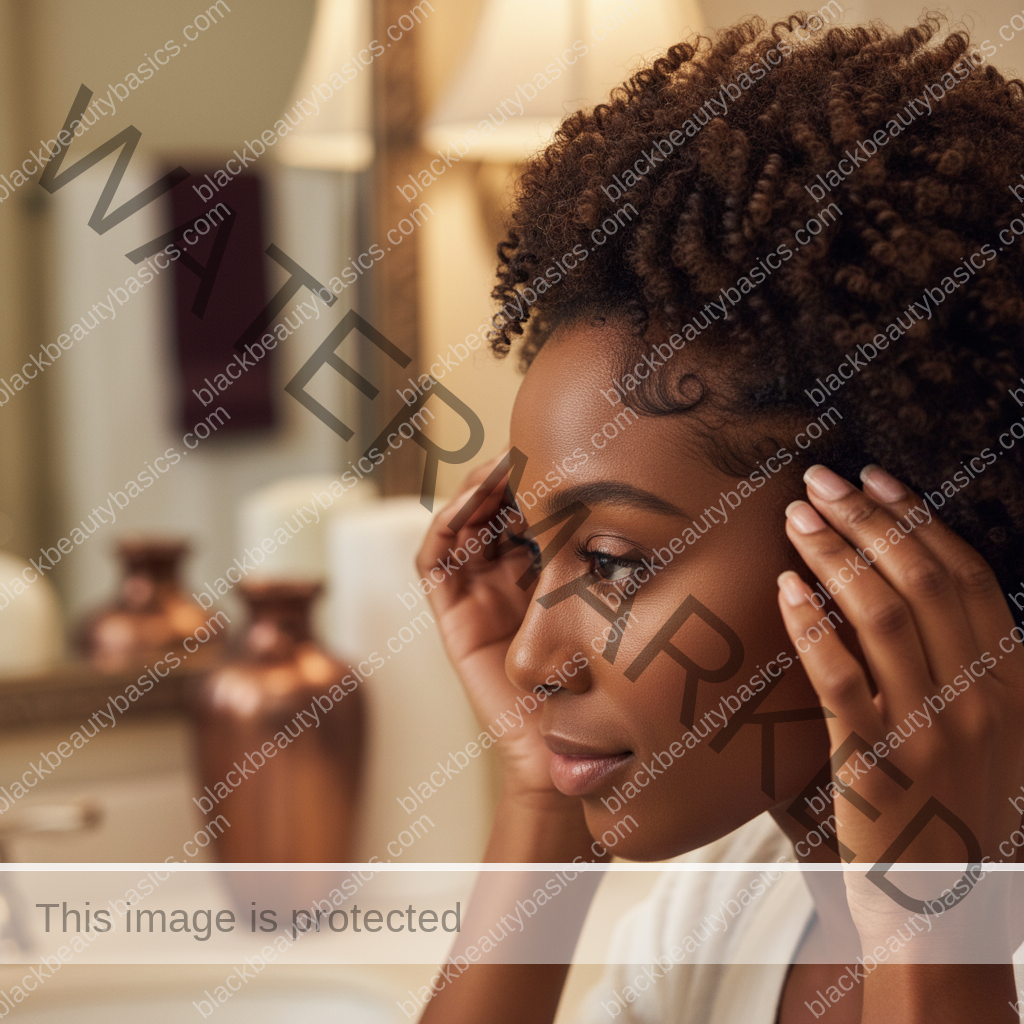
Our scalp is more than just the foundation for our hair; it’s a living, breathing ecosystem, rich with nerve endings, blood vessels, and hair follicles. When subjected to excessive tension from tight hairstyles, this delicate environment can quickly become distressed, leading to a cascade of unwelcome symptoms. Recognizing these signals is the first step toward preserving your scalp health and, by extension, the longevity and vitality of your hair.
What Constitutes a “Tight” Style?
A style becomes “tight” when it exerts undue pressure on the hair follicles and the surrounding scalp tissue. This isn’t just about the visual neatness of a style; it’s about the physical sensation. If you feel a constant pulling, throbbing, or tenderness, especially around the edges and nape, your style is likely too tight. Common culprits include:
- Braids: Micro braids, box braids, cornrows, and even intricate updos that pull hair taut from the root.
- Ponytails & Buns: Especially high, sleek styles that gather all hair tightly at a single point.
- Weaves & Wigs: When tracks are sewn in too tightly or wig caps are applied with excessive tension to secure them.
- Locs: New locs or retwists that pull the hair at the root before it has a chance to settle.
The Immediate Aftermath: Soreness and Inflammation
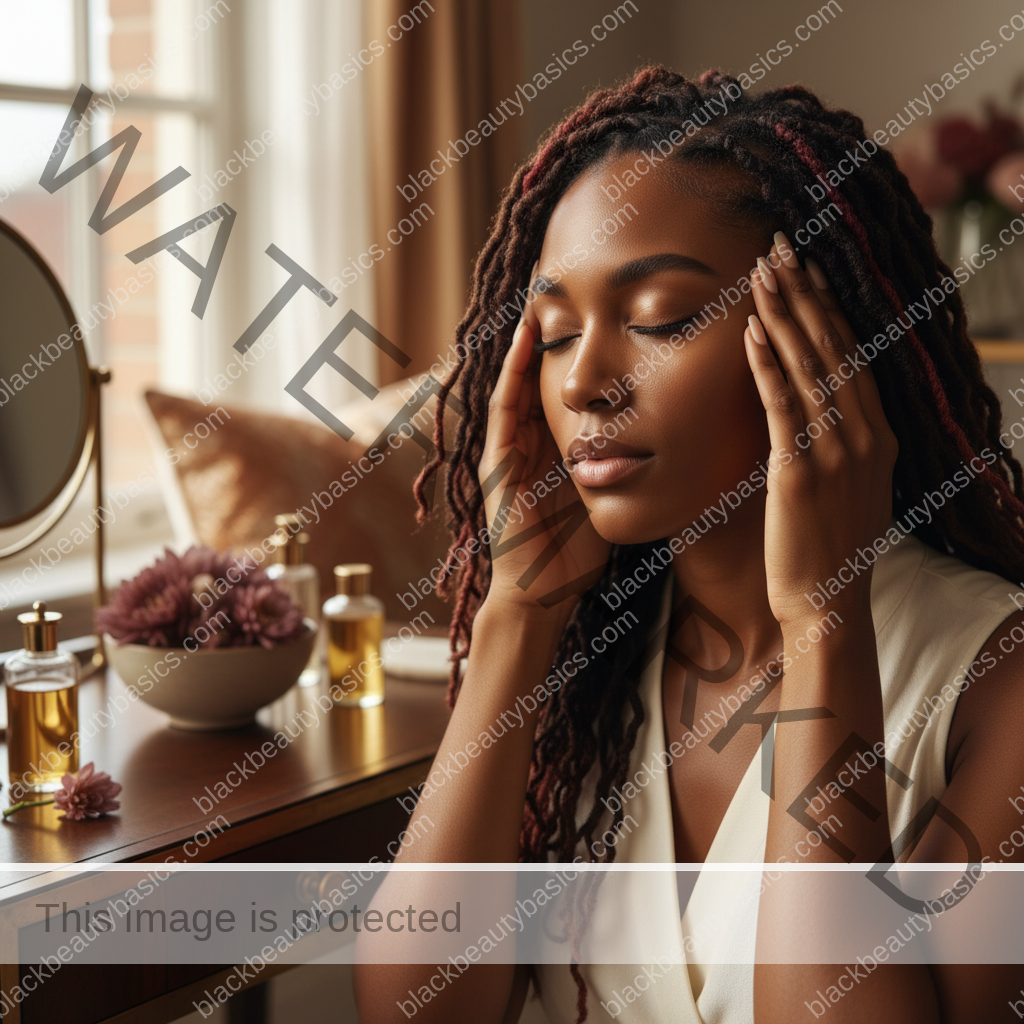
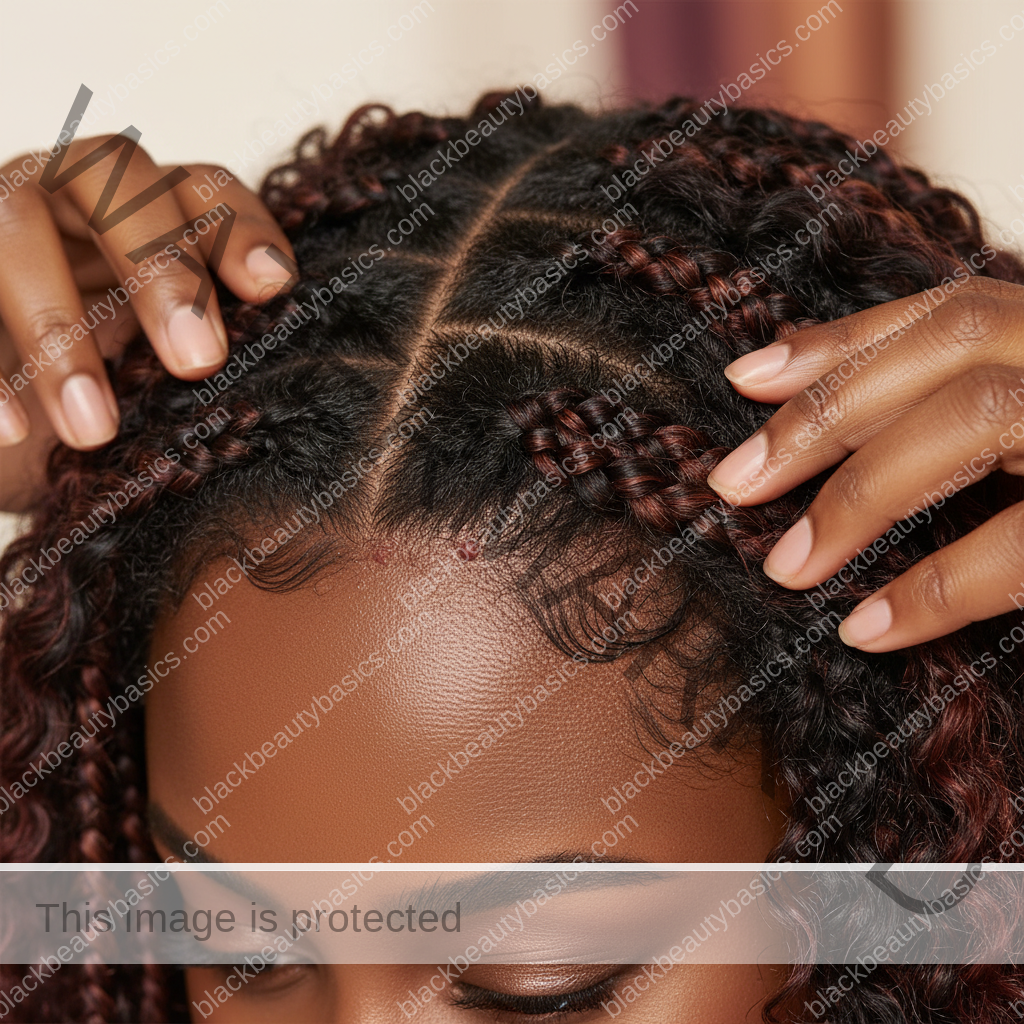
The most immediate and obvious sign of a tight style is soreness. This can range from a mild tenderness to an intense, persistent ache that makes even lying down uncomfortable. This soreness is often accompanied by:
- Redness: Visible irritation around the hair follicles.
- Swelling: A subtle puffiness of the scalp.
- Itching: The body’s inflammatory response can trigger an itchy sensation.
- Small Bumps or Pimples: Folliculitis, an inflammation of the hair follicles, can occur when follicles are stressed or become infected.
These symptoms are not merely cosmetic; they are the body’s warning system, indicating that the scalp is under duress and requires immediate attention.
Beyond Discomfort: The Long-Term Dangers of Chronic Tension
While immediate soreness is a clear signal, the true danger of consistently tight styles lies in their potential for long-term, irreversible damage. Ignoring these warning signs can lead to conditions that compromise not only your hair’s health but also its very existence.
Traction Alopecia: The Silent Hair Thief
Traction alopecia is a form of hair loss caused by repetitive or prolonged pulling on the hair follicles. It’s a prevalent concern within the Black community due to the popularity of many tension-inducing styles. Initially, it might manifest as thinning around the hairline, temples, and nape – areas most susceptible to tension. Over time, if the pulling continues, the follicles can become permanently damaged, leading to scarring and irreversible hair loss in those areas.
Signs of Traction Alopecia:
- Receding hairline, especially at the temples and forehead.
- Small, broken hairs around the edges.
- Redness, itching, and scaling of the scalp in affected areas.
- Shiny, smooth patches of skin where hair once grew (indicating permanent damage).
- Folliculitis or pustules around the hair follicles.
Central Centrifugal Cicatricial Alopecia (CCCA): A More Complex Threat
While not directly caused by tight styles, CCCA is a progressive form of scarring alopecia that predominantly affects Black women. It typically starts at the crown and spreads outwards, characterized by inflammation and eventual destruction of hair follicles, leading to permanent hair loss. The exact cause of CCCA is multifactorial, but some research suggests that chronic tension, chemical treatments, and heat styling can exacerbate the condition or trigger its onset in genetically predisposed individuals. Tight styles, by causing inflammation and trauma to the scalp, can certainly contribute to a hostile environment that may worsen CCCA or make one more susceptible.
Key Differences Between Traction Alopecia and CCCA:
| Feature | Traction Alopecia | CCCA |
|---|---|---|
| Cause | Chronic pulling/tension on hair follicles | Inflammatory process, genetic predisposition, exacerbated by trauma/chemicals |
| Location | Hairline, temples, nape (areas of tension) | Crown of the head, spreading outwards |
| Progression | Gradual thinning, then permanent loss if tension continues | Progressive scarring, inflammation, and permanent loss |
| Symptoms | Soreness, bumps, broken hairs, receding hairline | Itching, burning, tenderness, pustules, scalp scaling, central bald patch |
| Reversibility | Reversible in early stages if tension is removed | Irreversible once scarring occurs; treatment focuses on halting progression |
The Cycle of Damage: Inflammation, Infection, and Weakened Strands
Beyond specific alopecia types, chronic tension creates a hostile environment for hair growth. Constant inflammation weakens the hair follicle’s ability to produce healthy strands. It can also make the scalp more susceptible to bacterial or fungal infections, further compromising hair health. The hair shafts themselves can become thinner and more brittle, leading to breakage and stunted growth. This vicious cycle can severely impede your hair journey, making growth and retention a constant battle.
It’s crucial to understand that your scalp is the bedrock of your hair’s health. Any compromise to its integrity will inevitably impact the beauty and strength of your strands.
When to Take It Down: Non-Negotiable Signals
Knowing when to remove a style is paramount. While some discomfort might be expected with new styles as your scalp adjusts, certain signals are absolute red flags that demand immediate action. Ignoring these can lead to irreversible damage.
Immediate Red Flags: Don’t Wait!
These symptoms indicate acute distress and require you to take down your style as soon as possible, ideally within 24 hours.
- Intense, Persistent Pain: If the pain is more than mild discomfort and doesn’t subside after a few hours, or worsens, it’s a sign of excessive tension.
- Throbbing or Pulsating Sensation: This indicates significant inflammation and potentially restricted blood flow to the follicles.
- Headaches or Migraines: Tension from tight styles can trigger severe headaches, especially if you’re prone to them.
- Visible Bumps, Sores, or Pustules: These are signs of folliculitis or infection. Do not ignore them.
- Swelling or Inflammation of the Scalp: If your scalp feels puffy or looks visibly inflamed.
- Extreme Itching or Burning: While some itching can be normal, extreme, uncontrollable itching or a burning sensation is a serious warning.
- Hair Loss During Styling: If you notice an unusual amount of hair shedding during the installation of a style, it’s too tight.
- Difficulty Sleeping: If the style is so uncomfortable that it disrupts your sleep, it’s too tight.
If you experience any of these, gently and carefully remove the style. Do not try to “tough it out” or wait for it to loosen. Your scalp’s health is more important than the longevity of a hairstyle.
Subtler Signs: Pay Attention to Your Body
Beyond the immediate red flags, there are often more subtle cues that your scalp is unhappy. These might not demand immediate removal but indicate that the style is causing undue stress and should be taken down sooner rather than later, or adjusted.
- Mild, Lingering Tenderness: If your scalp remains tender to the touch for more than a day or two after installation.
- Constant Need to Adjust or Scratch: If you find yourself constantly trying to relieve pressure or scratch an itch that won’t go away.
- Tightness Around the Edges: If your hairline feels perpetually stretched or thin.
- Small, Scattered Bumps: Even if not overtly painful, these indicate irritation.
- Unusual Hair Breakage: If you notice more hair than usual breaking off at the root when you gently touch your hair.
These signs suggest that while not an emergency, the style is not serving your scalp’s best interest and should be removed within a week or two, or at the first sign of worsening symptoms.
The Art of Gentle Removal & Post-Style Recovery
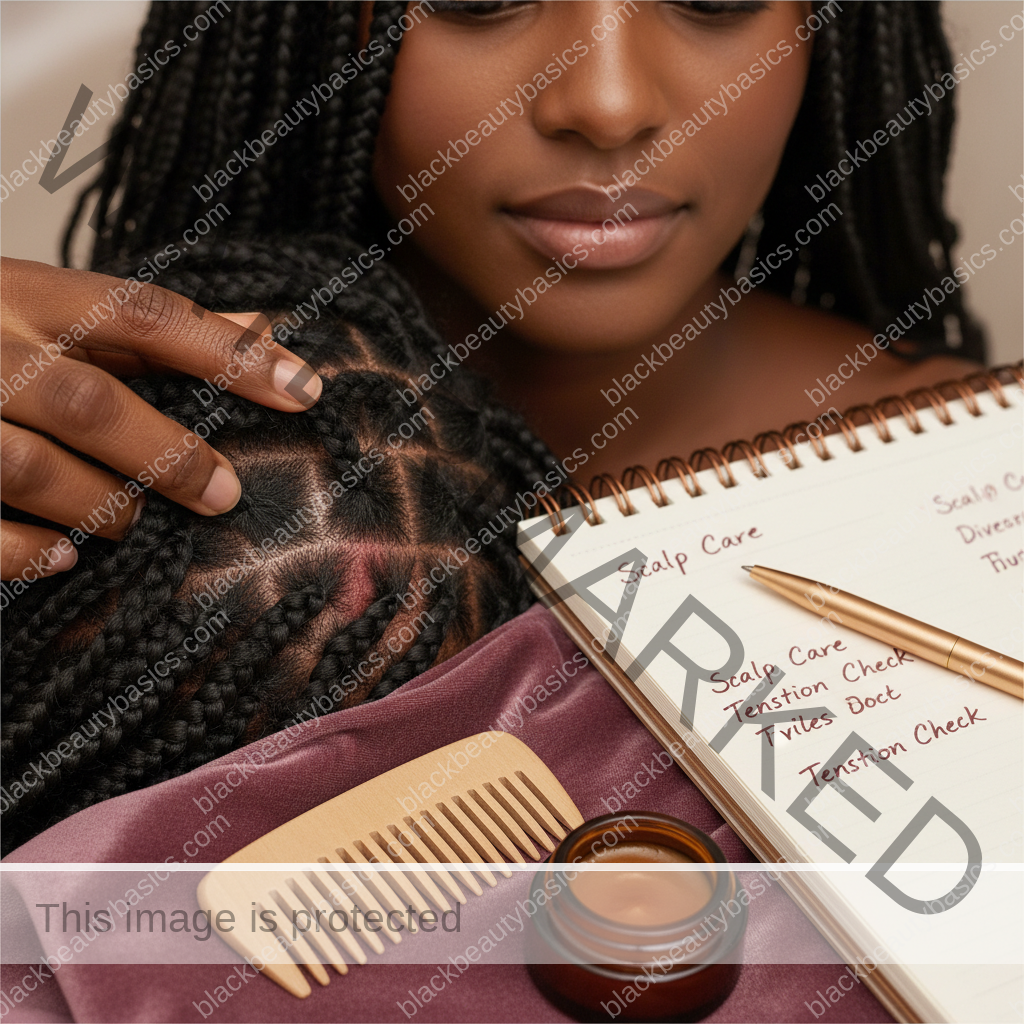
Once you’ve made the decision to take down a tight style, the process of removal is just as critical as the decision itself. Hasty or rough removal can exacerbate existing damage and cause further trauma to your already sensitive scalp. This is a time for patience, tenderness, and a focus on healing.
Step-by-Step Gentle Removal
- Gather Your Tools: You’ll need a good pair of sharp scissors (for extensions, not your natural hair!), a rat-tail comb, a spray bottle with water or a leave-in conditioner, and a detangling product. Shop Detangling Spray on Amazon
- Hydrate and Lubricate: Before you begin, generously spray your hair and scalp with water or a moisturizing leave-in conditioner. This will soften any buildup and make the hair more pliable, reducing friction during removal. Shop Leave-In Conditioner on Amazon
- Work in Sections: Never try to unravel everything at once. Isolate small sections, starting from the back or sides, and work your way forward.
- Unbraid Gently: For braids, carefully unbraid strand by strand. Use your fingers to separate the hair, avoiding pulling or tugging at the roots. If you encounter knots or tangles, apply more detangling spray and gently work them out with your fingers or a wide-tooth comb. Shop Wide-Tooth Combs on Amazon
- Cut Extensions Carefully: If you have braided extensions, locate where your natural hair ends and the extension begins. Use sharp scissors to cut the extension hair below your natural hair, making the unbraiding process much shorter. Be extremely cautious not to cut your own hair.
- Detangle as You Go: As each section is unbraided, apply a generous amount of a slip-rich conditioner or detangler to the section. Gently detangle with your fingers, then a wide-tooth comb, working from the ends upwards to the roots. This prevents matting and further breakage. Shop Detangling Conditioner on Amazon
- Be Patient: This process can be time-consuming, especially for long or intricate styles. Rushing will only lead to breakage and frustration. Put on some music, a podcast, or a favorite show, and take your time.
Post-Removal Scalp & Hair Recovery Routine
After the style is completely removed, your scalp and hair will need extra love and care to recover. This is a crucial healing period.
- Pre-Poo Treatment: Before shampooing, apply a nourishing oil (like castor oil, jojoba oil, or olive oil) or a pre-poo treatment to your scalp and hair. Gently massage it into your scalp to stimulate blood flow and loosen any remaining debris. Let it sit for at least 30 minutes, or even overnight. Shop Pre-Poo Treatment on Amazon
- Gentle Cleansing: Use a sulfate-free, clarifying shampoo to gently cleanse your scalp and hair. Focus on massaging your scalp with your fingertips (not nails!) to remove buildup, flakes, and product residue. Rinse thoroughly. Shop Sulfate-Free Clarifying Shampoo on Amazon
- Deep Conditioning: Follow with a rich, moisturizing deep conditioner or hair mask. Apply generously from root to tip, focusing on the ends. Cover your hair with a plastic cap and apply gentle heat (from a hooded dryer or a warm towel) for 20-30 minutes to allow the nutrients to penetrate deeply. Rinse with cool water to seal the cuticles. Shop Deep Conditioner & Hair Mask on Amazon
- Scalp Treatment: If your scalp is particularly sore or irritated, apply a soothing scalp serum or oil containing ingredients like tea tree oil, peppermint, or aloe vera. These can help reduce inflammation and promote healing. Shop Soothing Scalp Serum on Amazon
- Air Dry or Low Heat: Allow your hair to air dry as much as possible. If you must use heat, opt for the lowest setting and use a heat protectant. Shop Heat Protectant Spray on Amazon
- Give Your Hair a Break: Avoid putting your hair into another tight style immediately. Give your scalp and hair at least 1-2 weeks (or longer, if damage is significant) to rest and recover. Opt for loose styles, buns, or simply wear your hair out.
Prevention is Key: Nurturing Your Scalp with Every Style
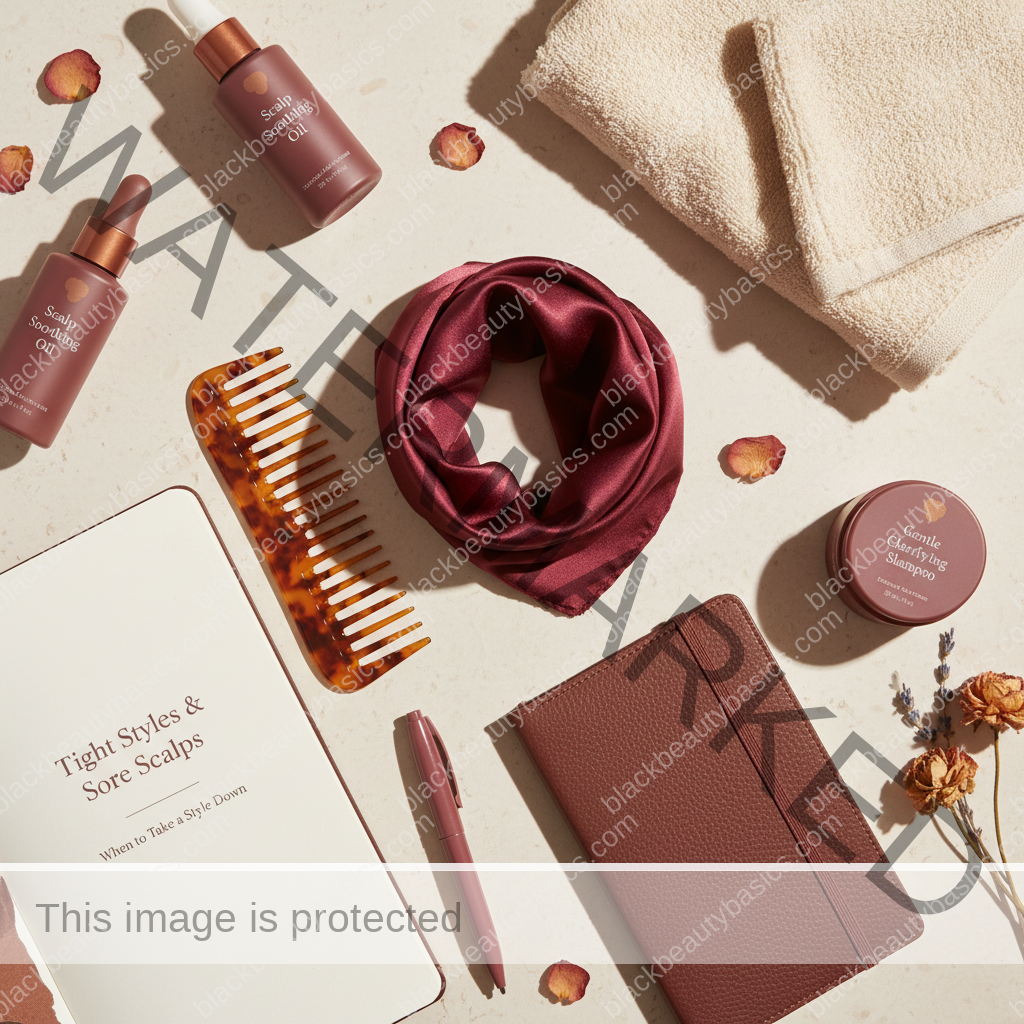
The best approach to tight styles and sore scalps is prevention. By adopting mindful styling practices and prioritizing scalp health, you can enjoy the beauty of protective styles without compromising your hair’s well-being.
Choosing the Right Stylist & Communication
The relationship with your stylist is paramount. A skilled stylist understands the delicate balance between a neat style and a healthy scalp.
- Do Your Research: Look for stylists known for healthy hair practices, especially those who specialize in natural hair and protective styles. Read reviews and ask for recommendations.
- Communicate Clearly: Before the styling begins, express your concerns about tension. Tell your stylist if you have a sensitive scalp or have experienced traction alopecia in the past.
- Speak Up During Styling: If you feel any discomfort or pain during the installation, speak up immediately. A good stylist will adjust their technique. Do not suffer in silence.
- Inspect the Work: After the style is done, gently feel your scalp. If any areas feel excessively tight or painful, ask your stylist to loosen them.
Mindful Styling Practices for Home & Salon
Whether you’re styling at home or in the salon, these practices can help prevent unnecessary tension:
Tips for Preventing Tight Styles
- Opt for Medium to Large Sections: Smaller sections often require more tension to create a neat look, especially for braids.
- Avoid Excessive Pulling at the Roots: Ensure the hair is not pulled too taut from the scalp when braiding, twisting, or creating ponytails.
- Leave Your Edges Out: If your edges are fragile, consider leaving them out of tight styles or styling them very loosely.
- Use Gentle Hair Accessories: Choose satin or silk scrunchies instead of tight elastic bands. Avoid metal clips that can snag and pull. Shop Satin Scrunchies on Amazon
- Rotate Styles: Don’t wear the same tight style repeatedly. Give your hair and scalp a break by alternating with looser styles or wearing your hair out.
- Limit Style Duration: Don’t leave protective styles in for too long. Braids and twists should typically be removed after 4-8 weeks, depending on the style and your hair’s health.
- Moisturize Your Scalp Regularly: A healthy, hydrated scalp is more resilient. Use light oils or scalp serums to keep your scalp moisturized while in protective styles. Shop Scalp Moisturizing Oil on Amazon
- Listen to Your Body: Your scalp will tell you when it’s unhappy. Pay attention to any discomfort, itching, or pain.
Nourishing Your Scalp from Within
Scalp health isn’t just about external care; it’s also about internal nourishment. A healthy diet rich in vitamins and minerals supports strong hair growth and a resilient scalp.
- Hydration: Drink plenty of water to keep your body, and thus your scalp, hydrated.
- Balanced Diet: Incorporate foods rich in Omega-3 fatty acids (salmon, flaxseed), vitamins A, C, D, and E, zinc, and biotin. These nutrients are vital for hair follicle health and overall scalp integrity.
- Supplements: Consider hair, skin, and nail supplements if your diet is lacking, but always consult with a healthcare professional first. Shop Hair, Skin, and Nail Supplements on Amazon
How to notice the pattern without diagnosing yourself
For Black women with textured hair, scalp and hair-care choices can be emotionally loaded because they often sit at the intersection of styling, identity, health, and being dismissed. This guide focuses on reading soreness, bumps, headaches, edge pain, sleep discomfort, and visible tension as signals instead of toughness tests, while keeping the related BBB scalp-health cluster as the home base. The goal is not to diagnose yourself from a mirror. The goal is to notice patterns clearly enough to choose safer next steps.
Start with the timeline. Did the change begin after a new style, product, postpartum season, illness, medication change, stressful period, or scalp flare? Did it show up at the edges, crown, hairline, part, or all over? Is there pain, itch, flaking, bumps, tenderness, odor, bleeding, scaling, or smooth shiny areas? These details matter because different patterns need different care.
The safest home routine is usually the one that lowers tension, reduces irritation, and keeps the scalp clean without aggressive scraping. If a symptom is painful, spreading, scarring, repeatedly returning, or connected to visible thinning, professional care matters. Early documentation can help a dermatologist, primary care clinician, or other qualified professional see the pattern more clearly.
What to track gently
- Location: edges, crown, hairline, part, nape, or all over.
- Timing: new style, postpartum shift, cycle change, illness, product, or stress season.
- Sensations: tenderness, burning, itching, tightness, soreness, or pain.
- Visible signs: flakes, bumps, redness that may look subtle on brown skin, thinning, or broken hairs.
- When the pattern improves or worsens.
What usually makes scalp concerns harder to read
The first challenge is tension. Tight braids, ponytails, wigs, sew-ins, loc maintenance, edge styling, and repeated parting can make it harder to tell whether the scalp is reacting to the style, an underlying condition, or both. That does not mean protective styles are bad. It means comfort and scalp access need to be part of the plan.
The second challenge is product layering. Oils, gels, sprays, dry shampoo, edge control, medicated products, and sweat can build up together. A scalp can be dry and still have residue. It can itch from buildup, irritation, inflammation, or a condition that needs professional treatment. Scratching harder does not solve that confusion; it can create more irritation.
The third challenge is waiting too long because you do not want to be dramatic. You are allowed to ask questions early. You are allowed to document a change before it becomes severe. And you are allowed to want care that understands textured hair instead of telling you to abandon your whole beauty routine without nuance.
What to do next
Keep this article connected to the Scalp Health, CCCA & Hair Loss system. Use the related guides below to decide whether your next step is tension reduction, scalp-routine adjustment, pattern tracking, or professional evaluation.
- Scalp Health, CCCA & Hair Loss
- The related scalp-health cluster guide
- protective-style behaviors that influence scalp health
- early signs of traction alopecia
- edges thinning from wigs and ponytails
- protective style strategy
Frequently Asked Questions About Tight Styles and Scalp Health
Q1: Is it normal for my scalp to be a little sore after getting braids?
A1: A very mild, temporary tenderness for the first 24-48 hours might be common for some, especially if you have a sensitive scalp. However, intense pain, throbbing, headaches, or soreness that persists for more than two days is not normal and indicates the style is too tight. Your scalp should never feel like it’s being pulled excessively or be in constant discomfort.
Q2: How can I tell if my edges are being damaged by a tight style?
A2: Look for signs like a receding hairline, especially at the temples, small broken hairs around the perimeter, redness, bumps, or a shiny appearance of the skin where hair used to be. If you notice these, it’s a clear indication of traction alopecia and requires immediate removal of the style and a break from tension-inducing styles.
Q3: What should I do if I suspect I have traction alopecia?
A3: The first and most crucial step is to immediately remove the tight style. Then, consult with a dermatologist or trichologist. They can accurately diagnose the condition and recommend appropriate treatments, which may include topical medications, steroid injections, or lifestyle changes. Early intervention is key to preventing permanent hair loss.
Q4: Can I prevent my braids from being too tight at the salon?
A4: Absolutely. Communicate clearly with your stylist before and during the process. Express your preference for a comfortable, not tight, installation. If you feel any pain, speak up immediately and ask them to loosen the section. A good stylist prioritizes your scalp health. You can also ask them to use larger sections, especially around your hairline.
Q5: How long should I wait between tight protective styles?
A5: This varies based on your hair and scalp health. Generally, it’s recommended to give your hair a break for at least 1-2 weeks between protective styles. If your scalp was particularly sore or irritated, extend this break to 3-4 weeks or more. During this time, focus on moisturizing, deep conditioning, and wearing loose, low-manipulation styles.
Q6: Are there any natural remedies to soothe a sore scalp after taking down a tight style?
A6: Yes, several natural remedies can help. Aloe vera gel is excellent for soothing inflammation and irritation. Tea tree oil (diluted in a carrier oil like jojoba or coconut) has anti-inflammatory and antiseptic properties. Peppermint oil (also diluted) can provide a cooling sensation and stimulate blood flow. Gentle scalp massages with these oils can promote healing and comfort. Shop Aloe Vera Gel for Scalp on Amazon
Q7: Can wearing a satin bonnet or pillowcase help reduce tension on my scalp while I have a tight style?
A7: While a satin bonnet or pillowcase won’t alleviate tension from an already tight style, it can help protect your hair and scalp from additional friction and dryness while you sleep. This can be beneficial for overall hair health and may prevent further irritation or breakage of already stressed strands. Shop Satin Bonnets on Amazon
A8: Persistent itching and flaking could indicate residual irritation, product buildup, or even a scalp condition like seborrheic dermatitis. Ensure you’ve thoroughly cleansed your scalp. If symptoms persist, consider using a medicated scalp treatment or consulting a dermatologist. They can diagnose the underlying cause and recommend appropriate treatment to restore scalp health.
Our hair, a testament to our strength and beauty, deserves to be adorned with care, not discomfort. The journey to stunning, healthy hair is an ongoing conversation between you and your body, a dialogue where your scalp’s whispers of discomfort should never be ignored. By understanding the signs, acting decisively, and embracing a regimen of gentle care and mindful styling, you empower yourself to protect your crown, ensuring its radiance for years to come. Let us always choose health and comfort, for true beauty blossoms from a place of well-being.
Related next steps
Related posts:
 Dry Scalp vs Dandruff on Melanin-Rich Scalps: Understanding Your Flakes
 Seborrheic Dermatitis on Black Scalps: Flakes, Itch & Oiliness
 How Scalp Oils Really Work on Melanin-Rich Scalps
 How to Simplify Your Skincare Routine When Your Budget Is Tight
 How PCOS-Related Thinning Looks on Black Scalps
 PCOS Thinning vs Traction Alopecia & CCCA: Distinguishing Hair Loss Patterns on Black Scalps