Some women are remembered because of what happened in a relationship. Others are remembered because of who they were inside it: fully alive, deeply self-aware, warm without disappearing, confident without performing, and willing to leave when staying would cost too much. If you have ever wondered why certain connections linger long after the relationship ends, the answer is rarely a trick, a perfect body, or the ability to keep someone chasing. It is usually the emotional imprint of being known, challenged, cared for, surprised, or asked to grow.
That is the lens for this conversation. 12 types of women men never get over—no matter how hard they try may sound like a story about men, but this is not a manual for becoming unforgettable to one. Black women already carry enough pressure to be beautiful, accommodating, emotionally fluent, endlessly strong, and somehow effortless at the same time. We are not adding another assignment. We are looking at the qualities that make a person memorable while keeping your worth exactly where it belongs: with you.
You may recognize yourself in one type, several types, or none of them. That does not rank your femininity or your value. These are reflections, not boxes. The point is not to make an ex regret losing you. The point is to notice your depth, protect what is tender, and become more intentional about who receives access to your care.
Watch the BBB video: 12 Types of Women Men Never Get Over. Then come back to explore the fuller, more honest story behind each type.
Before the List: Being Remembered Is Not the Same as Being Valued
A person can remember you and still have failed to treat you well. They can miss your tenderness while refusing the responsibility that tenderness required. They can romanticize your confidence after resenting the boundaries that protected it. Memory is not accountability, longing is not repair, and regret is not a relationship plan.
That distinction matters, especially for Black women. Too often, we are praised for how much we can carry while the cost of carrying it goes unnamed. The nurturer gets called unforgettable, but no one asks whether she was also supported. The confident woman is admired from a distance, but punished when her standards become inconvenient. The woman who walks away is respected later, after being pressured to stay longer than was healthy.
So read this list with both softness and discernment. Let it name qualities you love in yourself. Let it also reveal where you may have been overgiving, performing strength, or accepting intensity as proof of intimacy. BBB’s broader guide to beauty rituals and emotional wellbeing explores this same truth from another angle: the way you care for yourself shapes the way you recognize care from other people.
1. The First Love

The first love is remembered because she becomes part of a person’s earliest emotional vocabulary. She may be connected to the first experience of being chosen, the first late-night conversation that felt endless, the first frightening moment of realizing that another person could matter so much. Later relationships may be healthier, steadier, and more mature, but first love occupies a room that did not exist before she entered it.
What lingers is often ordinary and specific: a laugh in the passenger seat, a song that belonged to one summer, the way she said a name when she was trying not to smile. Memory preserves details more faithfully than it preserves the full truth. That is why nostalgia can make an old relationship seem softer than it really was.
If you were someone’s first love, you do not have to carry the responsibility of being their lifelong reference point. You were also learning. You were allowed to be imperfect, young, uncertain, or still discovering your own boundaries. The beautiful part is not that someone may compare every future relationship to you. It is that you were capable of opening your heart before you had proof of how the story would end.
2. The One Who Got Away
She is tied to timing, distance, hesitation, and the persistent question of what might have happened. Perhaps the connection was real but one person was not ready. Perhaps careers, geography, family, or fear made the relationship difficult to sustain. Because the story never reached a natural conclusion, imagination keeps writing alternate endings.
Sometimes what a person misses is not the woman herself but the version of life she represented. She becomes a symbol of the road not taken, and symbols are easier to idealize than real people. The actual woman had needs, bad days, contradictions, and limits. The imagined woman never interrupts the fantasy.
If this has been your role, you are not required to return just because someone finally understands what they lost. Their delayed clarity does not create an obligation for you. Your life continued after the almost. You learned, changed, built new routines, and became more than a frozen possibility in someone else’s memory. Being worth choosing then does not mean you must be available now.
3. The Toxic One
This label deserves care. Women, especially Black women, are too easily called toxic, angry, difficult, or dramatic when they express pain or refuse to stay quiet. A relationship can be unhealthy without reducing one person to a stereotype. Sometimes both people lacked tools. Sometimes manipulation, jealousy, instability, or repeated boundary violations were present. Sometimes a woman was reacting to harm that the story conveniently leaves out.
What makes an unhealthy bond difficult to forget is often intensity. The nervous system can confuse unpredictability with passion because the highs feel brighter after the lows. Reconciliation feels powerful when rupture has been painful. That does not make the connection deeper or destined. It means the emotional volume was high.
We do not romanticize chaos here. If you recognize yourself in this section, the most loving question is not, “Was I unforgettable?” It is, “What did I learn about safety, regulation, communication, and the kind of love I want now?” You can take responsibility for harm without accepting a flattened version of yourself. You can apologize, grow, seek support, and still refuse shame as an identity.
4. The Nurturing One
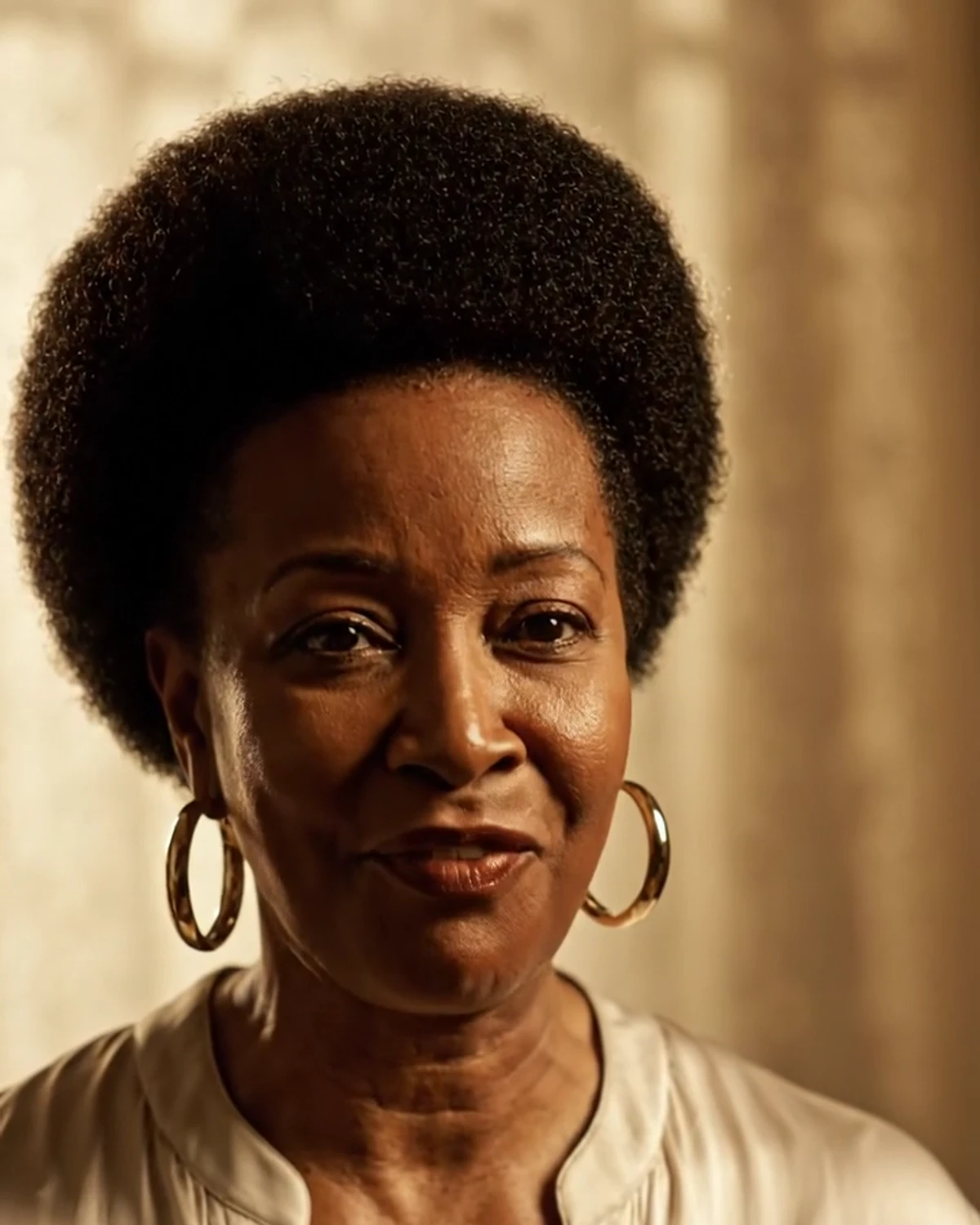
She remembers the appointment, checks in after the hard meeting, creates warmth, and notices what other people overlook. Her care makes a relationship feel like somewhere the body can exhale. Often, that care appears effortless because she has practiced anticipating needs for years. What others call natural may actually be emotional labor performed with great skill.
The nurturing woman is difficult to forget because being cared for without having to translate every need is rare. But this type carries a warning. Care can become self-erasure when she is always the emotional home and never allowed to need shelter herself. Love should not require her to mother a capable adult, absorb every consequence, or keep a relationship alive through effort no one matches.
If this is you, protect the conditions that allow your softness to stay soft. Notice whether care travels in both directions. Ask for what you need before resentment has to speak for you. The right relationship will not merely enjoy your warmth; it will help replenish it. Your capacity to nurture is beautiful, but access to it should be earned through consistency, respect, and reciprocal care.
5. The One Who Truly Understood Him
She heard what was said and noticed what was avoided. She recognized the fear underneath the joke, the ambition behind the hesitation, and the tenderness hidden inside a carefully managed image. Her attention made another person feel knowable, perhaps for the first time.
That kind of understanding leaves a mark because it meets a deep human need. Yet emotional insight can become a trap when a woman uses it to explain away behavior that continues to hurt her. Understanding why someone withdraws does not mean accepting silence without repair. Recognizing someone’s childhood wound does not make you responsible for healing it. Empathy and boundaries belong in the same room.
If you are the woman who sees beneath the surface, make sure you are not the only one doing the seeing. You deserve curiosity too. You deserve a partner who learns your pauses, remembers your pressure points, and notices when your strength is becoming exhaustion. Being deeply perceptive should create intimacy, not turn you into the unpaid interpreter of someone else’s inner life.
6. The Confident One
She had a life before the relationship and kept having one inside it. Her joy was not waiting for permission. She maintained friendships, interests, standards, and plans that did not disappear when someone desired her. That self-possession can be magnetic because it removes the anxious pressure to perform for approval.
Black women’s confidence is often misread. What looks like composure may have been built through years of surviving rooms that underestimated her. What gets called intimidating may simply be a woman who speaks clearly and does not shrink to manage someone else’s comfort. Real confidence is not loud all the time. Sometimes it is the quiet ability to say no without writing a closing argument.
She is remembered because her presence invited other people to rise rather than asking her to become smaller. But confidence should not be measured by whether a man misses it. Its value is in the choices it makes possible: leaving sooner, asking directly, resting without guilt, and choosing relationships that do not require constant proof of worth. If you want to deepen that relationship with yourself, explore BBB’s guide to identity, colorism, and texturism in beauty choices.
7. The One Who Walked Away First
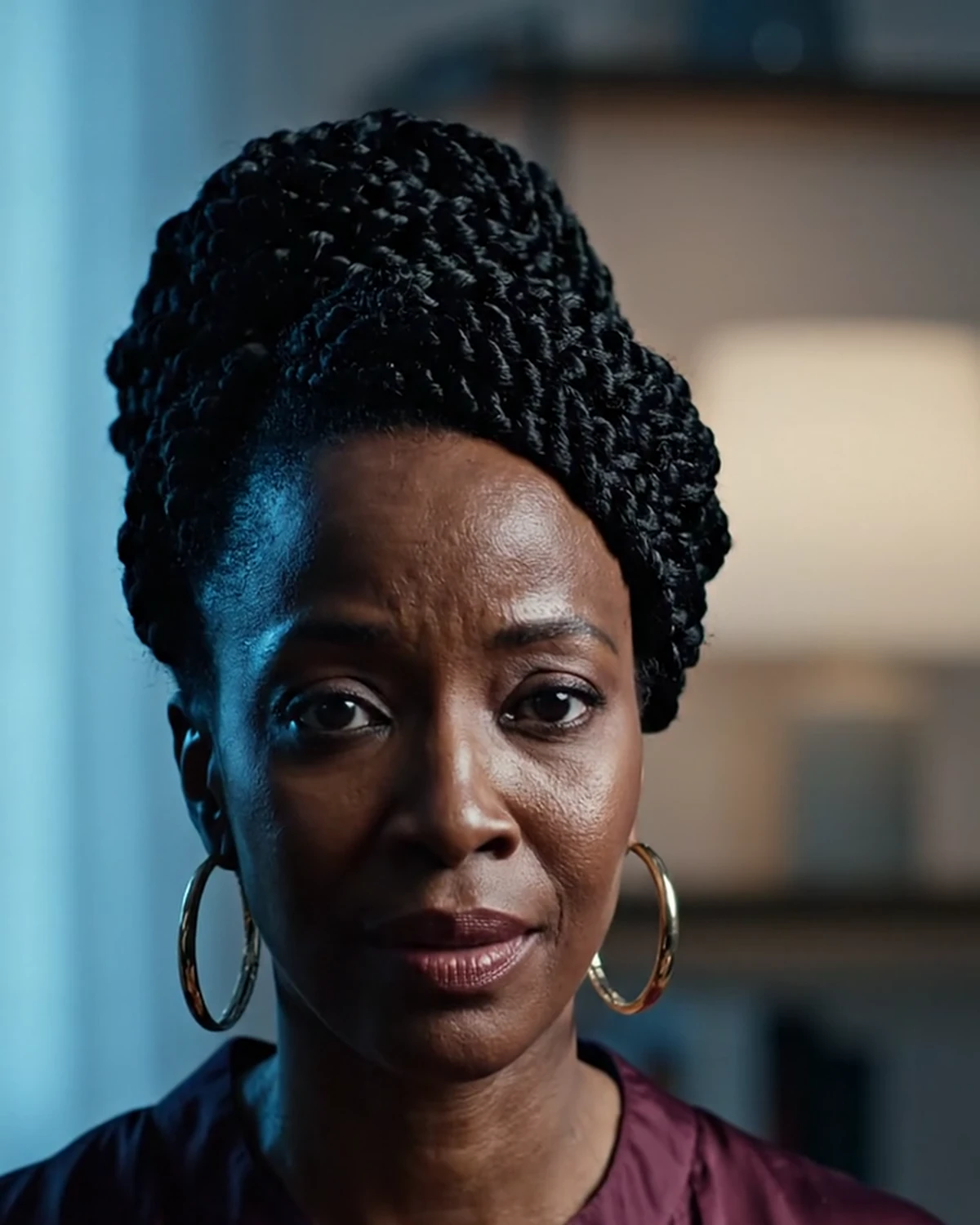
She did not necessarily leave because she stopped caring. Sometimes she left because caring was no longer enough to make the relationship healthy. She saw the pattern, accepted the evidence, and made a decision before hope could ask for another extension.
That departure is memorable because certainty changes the balance of a relationship. The person who assumed she would keep trying is suddenly forced to meet the reality of her boundary. Later, the memory may become respect, regret, or a clearer understanding of what she had been asking for all along.
But her leaving is not meaningful because it hurt someone. It is meaningful because she listened to herself. Black women are often encouraged to be patient beyond reason, to hold families and relationships together, and to treat endurance as proof of love. Walking away rejects the idea that suffering is the entrance fee for commitment. If you have been this woman, let the next chapter be about the life you protected, not the reaction your exit created.
8. The Wild One
She made ordinary moments feel awake. Not because she was reckless, but because she was present. She said yes to the late drive, danced before the room filled up, laughed without checking who approved, and reminded everyone around her that adulthood did not have to become emotional beige.
People remember her because they remember who they were around her: less guarded, more curious, and more willing to be surprised. Joy can be relational that way. It gives other people permission to unclench. Still, she should not be expected to entertain everyone or remain cheerful to preserve the version of herself they prefer.
The wild woman has depth, quiet, and limits too. Her freedom belongs to her, not to the people who enjoyed borrowing it. If this is your energy, protect your right to change pace. You can be spontaneous and responsible, vibrant and tired, social and private. Being memorable for your joy does not mean performing joy when your spirit needs rest.
9. The One He Hurt

She remains in memory because remorse has a long reach. Perhaps trust was broken, care was taken for granted, or she was asked to keep forgiving what never changed. As the person who hurt her becomes more self-aware, the gap between what she deserved and what she received may become harder to ignore.
We do not center his guilt. Regret can be appropriate, but it does not restore the time, safety, or energy she spent recovering. An apology may matter. Changed behavior matters more. Neither requires her to reopen a door she closed to survive.
If you have been this woman, you are not permanently defined by what someone did to you. Healing may be uneven. You may feel powerful one day and unexpectedly tender the next. That does not mean you are failing. Your story is not complete when the other person finally understands your worth. It continues every time you choose safety, tell the truth, receive support, and build a life that no longer organizes itself around the injury.
10. The Mysterious One

She could not be reduced to a convenient summary. She had interests, opinions, private rituals, and parts of her life that did not exist for public consumption. Each new layer felt surprising because she continued to grow rather than performing a fixed character inside the relationship.
Her appeal was not calculated scarcity. It was wholeness. She understood that intimacy does not require immediate access to every memory, wound, password, or private thought. Trust develops over time. A woman can be open-hearted and still keep something sacred for herself.
For Black women, privacy can be especially protective in a culture that often feels entitled to our stories, bodies, hair, pain, resilience, and explanations. You do not owe instant vulnerability to prove that you are genuine. Healthy mystery is not manipulation; it is discernment. The people who deserve deeper access will show patience, consistency, and respect for the boundaries around your inner life.
11. The Fixer-Upper
She entered the relationship during a season of transition. Perhaps she was rebuilding confidence, changing careers, recovering from loss, or learning how to trust herself again. Someone else may have imagined that he was rescuing, shaping, or improving her. Then she grew in directions he did not design.
What becomes unforgettable is the realization that she was never a project. Support may have helped, but the courage, choices, and work were hers. She became more fully herself, and that self may have outgrown the relationship that once seemed central to the transformation.
If you recognize this story, resist language that treats an earlier version of you as broken. You were becoming. You deserved love then, not only after the glow-up, promotion, therapy, boundary, or fresh start. The person standing nearby does not own your progress. Gratitude can be honest without surrendering authorship. Your evolution belongs to you.
12. The One He Chose Wrong Over
She offered something real, and he chose another path. Perhaps fear, timing, familiarity, social pressure, or emotional immaturity shaped that decision. Later, he may wonder whether he misunderstood what was in front of him. That wondering belongs to him.
The dangerous version of this story makes her wait for vindication. It imagines that his regret will finally prove her value. But her worth was never pending his recognition. She does not need the alternate timeline to become real in order for her life to be meaningful. She can grieve the possibility and still refuse to become a monument to somebody else’s indecision.
If you were not chosen, let yourself tell the truth about the disappointment without turning it into a verdict on your desirability. Sometimes another person’s choice is simply information about their capacity, readiness, or direction. Your task is not to remain impressive enough to haunt them. It is to keep choosing a life that chooses you back.
So, Which Woman Are You?
Probably more than one. You may be nurturing with a wild streak, confident and deeply private, the first love in one story and the woman who walked away in another. Human beings are not clean categories. We change across relationships because experience gives us new language, stronger boundaries, and a more honest relationship with ourselves.
The useful question is not, “Which version of me will a man regret losing?” Ask instead: “Which parts of me feel most alive, and which parts have I been giving away without enough care?” Maybe you want to protect your nurturing energy. Maybe you are learning that confidence can be quiet. Maybe you are ready to stop mistaking chaos for chemistry. Maybe walking away is the next form of self-respect.
There is also cultural context here. Black women are often expected to be simultaneously strong and soft, independent and endlessly available, ambitious and never intimidating. Those contradictions can make it difficult to know whether you are living from desire or responding to pressure. BBB’s exploration of community and intergenerational wisdom offers a deeper place to think about which messages you want to keep and which ones you are ready to release.
Your most unforgettable quality is not perfection. It is congruence: the feeling that your choices, boundaries, voice, and care belong to the same woman. When you live from that center, some people will remember you. More importantly, you will recognize yourself.
Frequently Asked Questions
1. Do men really never get over certain women?
People of every gender can carry meaningful relationships for a long time. Remembering someone does not necessarily mean wanting the relationship back, being emotionally unavailable, or loving a current partner less. Memory can hold first experiences, regret, gratitude, grief, or an earlier version of the self. The phrase “never get over” is best understood as emotional shorthand, not a psychological rule.
2. What makes a woman unforgettable?
Usually it is not one physical feature or dating strategy. People remember how a relationship felt: whether they felt understood, challenged, cared for, energized, safe, or invited to grow. Specific shared moments also become powerful memory cues. None of this means a woman should perform a personality type to create an effect. Authentic presence is more sustainable than trying to manufacture mystery, confidence, or distance.
3. Is this article saying women should try to make men regret losing them?
No. Regret is not a healthy relationship goal, and another person’s longing is not proof of your worth. This article uses a popular relationship frame to explore self-knowledge, emotional patterns, boundaries, and the qualities women may recognize in themselves. The most useful outcome is clarity about how you want to live and love, not a plan for staying in an ex’s mind.
4. Can someone miss me and still not be right for me?
Absolutely. Missing you does not repair incompatibility, dishonesty, emotional unavailability, or repeated harm. A person can sincerely miss your presence while still lacking the capacity to build a healthy relationship with you. Look at consistent behavior, accountability, and present-day compatibility rather than treating nostalgia as evidence that reunion is wise.
5. What if I recognize myself as the toxic one?
Start with accountability without turning shame into an identity. Name specific behaviors, consider their impact, apologize where it is appropriate and safe, and seek support for patterns you do not know how to change alone. Also examine whether the label was applied unfairly to silence your boundaries or emotions. Growth requires honesty in both directions. You are responsible for your behavior, but you are not required to accept a dehumanizing story about who you are.
6. How do I stop caring whether an ex remembers me?
Bring your attention back to the life in front of you. Limit checking, asking mutual friends for updates, or interpreting social posts as secret messages. Let grief exist without feeding it constant new material. Reinvest in sleep, friendship, creativity, movement, therapy or spiritual support, and routines that make your days feel like your own. The goal is not forced indifference. It is freedom from organizing your self-worth around someone else’s memory.
7. When should I seek professional support after a relationship?
Consider a licensed mental health professional if grief, anxiety, rumination, sleep disruption, fear, or changes in daily functioning feel persistent or overwhelming. Support may also be helpful after emotional abuse, coercion, betrayal, or a relationship that made you doubt your perception of events. Seeking help is not an admission that you are weak or unable to move on. It is a way of giving your nervous system and your story the care they deserve.
What to Do Next
After watching the complete companion video, notice which section stayed with you after the screen went quiet. Do not ask which type makes you most desirable. Ask which quality you want to honor, which pattern you are ready to change, and where your care needs a stronger boundary.
Choose one small next step. Write down a standard you have been afraid to name. Reach out to a friend who reminds you who you are. Stop checking the page that keeps reopening an old story. Return to a self-care ritual that makes your body feel like home. You do not have to become unforgettable. You deserve to become more fully known to yourself.
We see you, sis: the soft parts, the certain parts, the parts still becoming, and the parts that finally learned to leave. None of them need somebody else’s regret to be real.
Related next steps
Related posts:
 Body SPF Habits That Matter When You Are Treating Marks and Texture
 Must-Try Products for Black Women’s Skincare
 The Best Black-Owned Hair Care Brands & Must-Try Products
 Skincare Routines for Different Skin Types in Black Women
 How Come Black Girls Never Wash Their Hair, Or Like Maintain It To Help It Grow?
 Never Get Stranded Again – Power Up with BIZEWO 6000A Jump Starter!