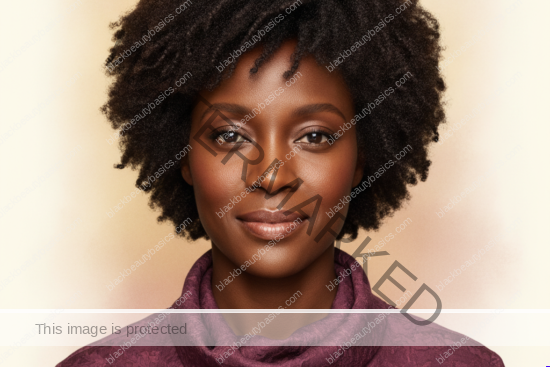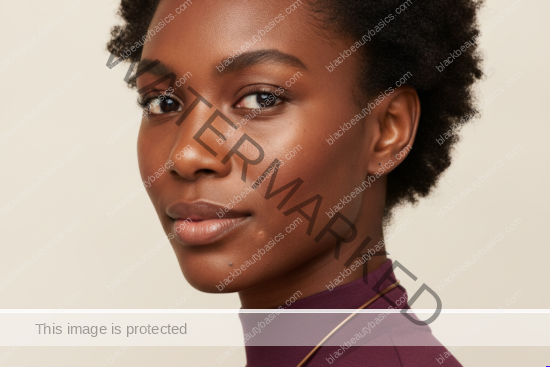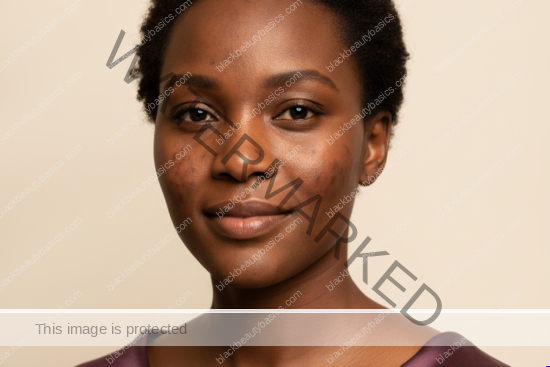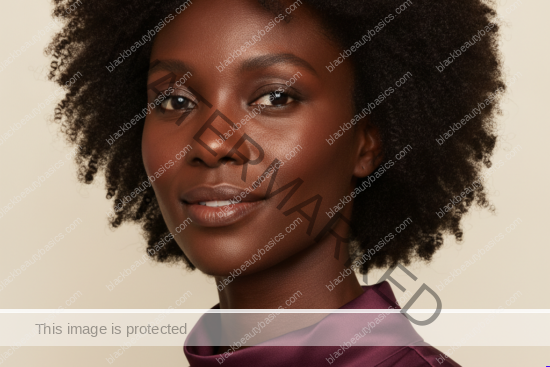
Our melanin-rich skin is a tapestry of stories, resilience, and unparalleled beauty. Yet, sometimes, the natural textures and visible pores that are a part of our unique canvas can feel like a challenge when we desire a smooth, refined makeup finish. This guide is crafted with you in mind, celebrating your inherent glow while offering an elegant roadmap to achieving a flawless complexion that feels as good as it looks. Start with the related BBB makeup cluster guide if you want the broader map.
Embracing Your Canvas: Understanding Textured Skin and Visible Pores on Dark Skin
Before we delve into the artistry of makeup, let’s first honor the skin we’re in. Textured skin and visible pores are not flaws; they are natural characteristics, often more pronounced in melanin-rich complexions due to various factors. Understanding these nuances is the first step towards mastering a makeup routine that works harmoniously with your skin, rather than against it.
What is Textured Skin?
Textured skin refers to skin that isn’t perfectly smooth. This can manifest in several ways:
- Uneven Tone: Hyperpigmentation, post-inflammatory hyperpigmentation (PIH) from acne, or sun damage can create areas of darker or lighter skin, contributing to an uneven appearance.
- Acne Scars: These can range from subtle indentations (atrophic scars) to raised bumps (hypertrophic scars or keloids), leaving a lasting texture.
- Fine Lines and Wrinkles: While often associated with aging, dehydration can also emphasize fine lines, contributing to textural differences.
- Dry Patches or Flakiness: Lack of moisture can lead to rough, scaly areas, especially on drier skin types.
- Congestion: Small bumps, blackheads, or milia can create a bumpy surface.
The Truth About Visible Pores
Pores are essential for healthy skin, allowing sebum (our natural oil) to reach the surface and hair follicles to grow. Their visibility is influenced by several factors, and they often appear more prominent on darker skin tones due to:
- Sebum Production: Individuals with oilier skin types tend to have larger, more visible pores as the oil glands produce more sebum, which can stretch the pore opening.
- Genetics: Pore size is largely hereditary.
- Sun Damage: Prolonged sun exposure can break down collagen, leading to a loss of skin elasticity and making pores appear larger.
- Clogged Pores: Accumulation of dead skin cells, oil, and debris can stretch pores, making them more noticeable.
For Black women, our skin often has a richer collagen content, which can sometimes lead to different healing responses, such as keloids, and our pores can be more active in sebum production, contributing to their visibility. The goal isn’t to erase pores, which is impossible, but to minimize their appearance and create a smooth canvas.
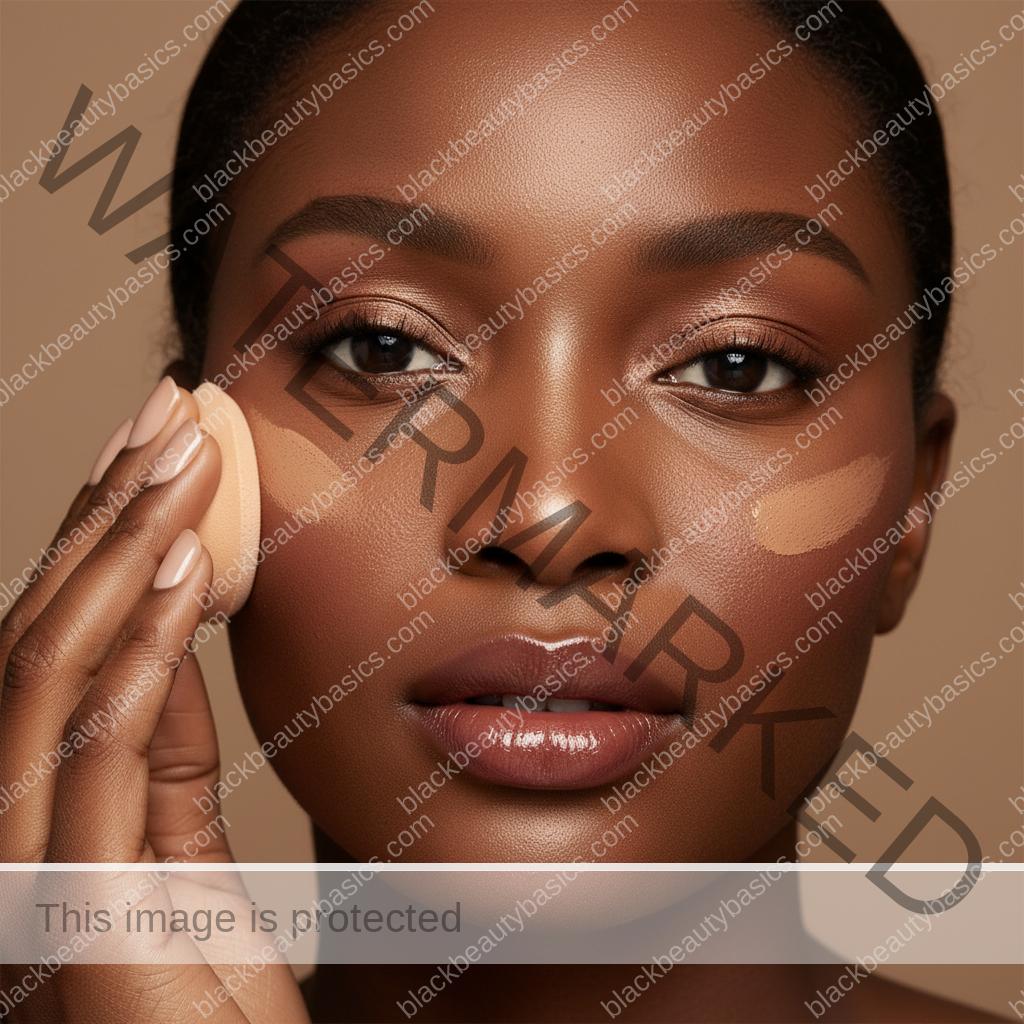
The Foundation of Flawless: Skincare as Your First Step
Before any makeup touches your skin, a meticulous skincare routine is paramount. Think of it as preparing a luxurious canvas for a masterpiece. For textured skin and visible pores, this step is non-negotiable.
Cleansing: The Gentle Purifier
Start with a gentle, hydrating cleanser. Avoid harsh formulas that strip your skin, as this can trigger more oil production and exacerbate dryness. Look for ingredients like ceramides, hyaluronic acid, or salicylic acid (for oily/acne-prone skin).
Tip: Double cleansing in the evening can be particularly beneficial to ensure all makeup, SPF, and impurities are thoroughly removed, preventing clogged pores.
Shop Hydrating Cleansers on Amazon
Exfoliation: The Refiner
Regular, gentle exfoliation is crucial for addressing texture and minimizing pore appearance. It removes dead skin cells that can clog pores and dull the complexion.
- Chemical Exfoliants (AHAs/BHAs):
- AHAs (Alpha Hydroxy Acids) like glycolic or lactic acid help to resurface the skin, improving tone and texture. They are water-soluble and work on the skin’s surface.
- BHAs (Beta Hydroxy Acids) like salicylic acid are oil-soluble, allowing them to penetrate deeper into the pores to dissolve sebum and debris, making them excellent for visible pores and acne-prone skin.
- Frequency: Start with 2-3 times a week, adjusting based on your skin’s tolerance. Over-exfoliation can lead to irritation and compromise your skin barrier.
Shop Chemical Exfoliants on Amazon
Toning: The Balancer
A hydrating or balancing toner can help restore the skin’s pH, provide an extra layer of hydration, and prepare the skin for subsequent products. Avoid alcohol-based toners, which can be drying.
Look for: Witch hazel (alcohol-free), rosewater, hyaluronic acid, or niacinamide.
Shop Hydrating Toners on Amazon
Serums: The Targeted Treatment
Serums are potent formulations designed to address specific concerns. For textured skin and visible pores, consider:
- Niacinamide (Vitamin B3): A powerhouse ingredient that helps minimize the appearance of pores, regulate oil production, improve skin texture, and reduce hyperpigmentation.
- Hyaluronic Acid: Provides intense hydration, plumping the skin and making texture appear smoother.
- Vitamin C: Brightens the complexion, fades hyperpigmentation, and offers antioxidant protection.
- Retinoids (Retinol, Tretinoin): Excellent for cell turnover, collagen production, and improving overall skin texture and pore appearance. Introduce slowly and use only at night.
Shop Niacinamide Serums on Amazon
Moisturizer: The Essential Hydrator
Even oily skin needs moisturizer. Dehydrated skin can produce more oil to compensate, leading to larger-looking pores. Choose a non-comedogenic, lightweight, yet deeply hydrating formula.
For oily skin: Gel-creams or oil-free lotions.
For dry skin: Richer creams with ceramides and fatty acids.
Shop Non-Comedogenic Moisturizers on Amazon
Sun Protection: The Ultimate Shield
Daily SPF is non-negotiable for all skin tones, especially for preventing hyperpigmentation and collagen breakdown, which can worsen texture and pore visibility. Look for broad-spectrum SPF 30 or higher. Mineral sunscreens (zinc oxide, titanium dioxide) are often preferred for sensitive or acne-prone skin, but ensure they don’t leave a white cast on darker complexions.
Shop Broad-Spectrum SPF for Dark Skin on Amazon
Skincare Product Selection for Textured Skin & Visible Pores
| Skin Type | Key Ingredients to Look For | Product Recommendations (General) |
|---|---|---|
| Oily/Acne-Prone | Salicylic Acid (BHA), Niacinamide, Green Tea, Clay | Foaming Cleanser, BHA Toner, Niacinamide Serum, Oil-Free Gel Moisturizer |
| Dry/Dehydrated | Hyaluronic Acid, Ceramides, Glycerin, Lactic Acid (AHA) | Cream Cleanser, Hydrating Toner, Hyaluronic Acid Serum, Rich Cream Moisturizer |
| Combination | Niacinamide, Glycolic Acid (AHA), Salicylic Acid (BHA) (spot treat) | Gentle Cleanser, Balancing Toner, Niacinamide/Vitamin C Serum, Lightweight Moisturizer |
| Sensitive | Centella Asiatica, Allantoin, Ceramides, Polyhydroxy Acids (PHAs) | Sulfate-Free Cleanser, Hydrating Toner, Barrier Repair Serum, Fragrance-Free Moisturizer |
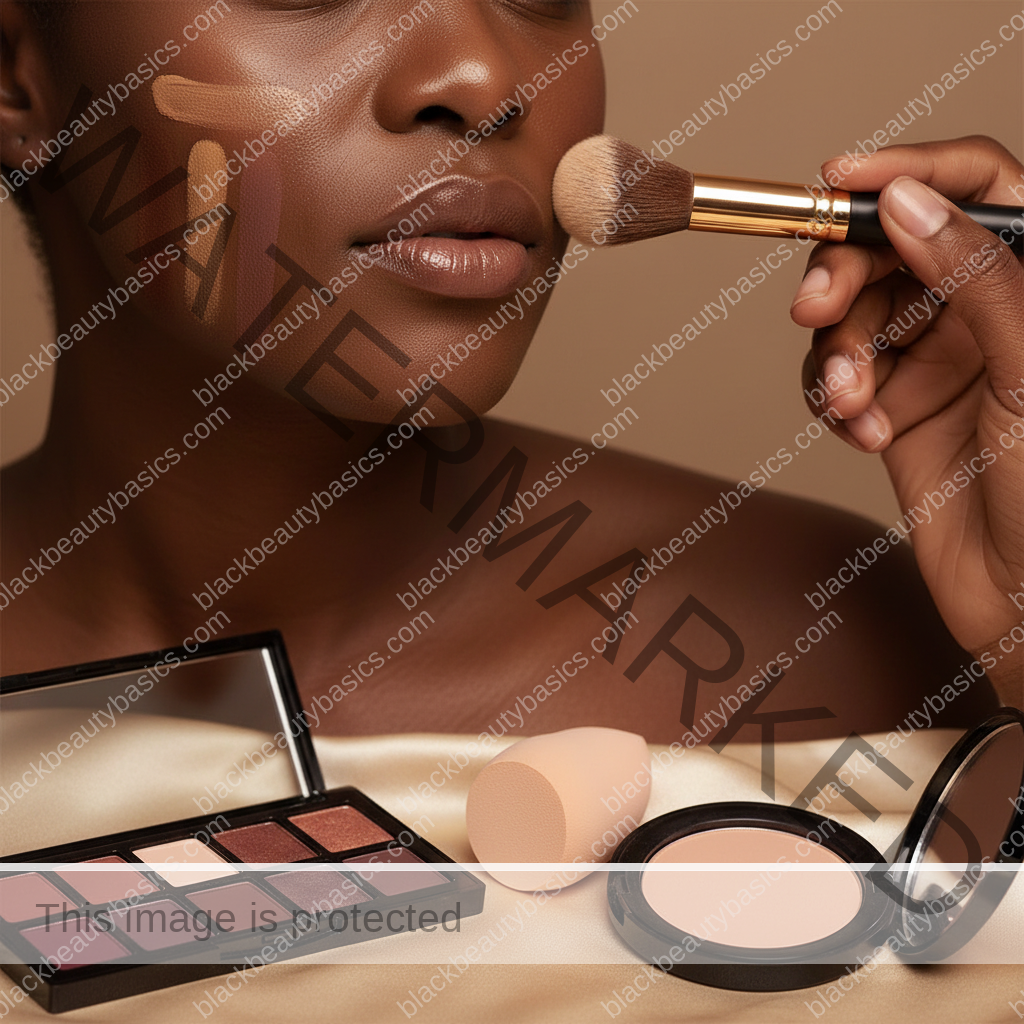
The Art of Application: Your Makeup Routine for a Refined Finish
With your skin beautifully prepped, it’s time for the makeup. The goal is to create a smooth, even-toned canvas that enhances your features without masking your natural radiance. Precision and technique are key.
Step 1: Primer – The Smoothing Veil
A good primer is your secret weapon for textured skin and visible pores. It creates a barrier between your skin and makeup, blurring imperfections and ensuring longevity.
- Pore-Filling/Blurring Primers: These often contain silicones that fill in pores and fine lines, creating a smoother surface. Apply sparingly to areas where pores are most visible (T-zone, cheeks).
- Hydrating Primers: If dryness contributes to your texture, a hydrating primer can plump the skin and prevent makeup from settling into fine lines.
- Mattifying Primers: For oily skin, these help control shine throughout the day, which can make pores appear less prominent.
Application: Use your fingertips to gently press (don’t rub) the primer into the skin, focusing on areas with texture and visible pores. Allow it to set for a minute or two before moving on.
Shop Pore-Filling Primers on Amazon
Step 2: Color Corrector – The Harmonizer
For hyperpigmentation or uneven tone, color correction can significantly reduce the amount of foundation needed, leading to a more natural, less “caked” finish.
- Orange/Peach Corrector: Ideal for neutralizing dark spots, hyperpigmentation, and dark circles on medium to deep skin tones.
- Application: Apply a very thin layer only to the areas needing correction. Blend gently with a small brush or your ring finger.
Shop Orange Color Correctors on Amazon
Step 3: Foundation – The Even Canvas
Choosing the right foundation and applying it correctly is crucial for textured skin. The aim is to even out your complexion without emphasizing texture.
- Formula Choice:
- Medium Coverage, Natural/Satin Finish: These are often the most forgiving. Matte foundations can sometimes highlight dry patches or make texture look flat, while overly dewy foundations might emphasize pores if not set properly.
- Non-Comedogenic: Always choose formulas that won’t clog pores.
- Shade Matching: Ensure a perfect match to avoid an ashy or unnatural look. Test shades on your jawline in natural light.
- Application Technique:
- Less is More: Start with a small amount and build coverage where needed.
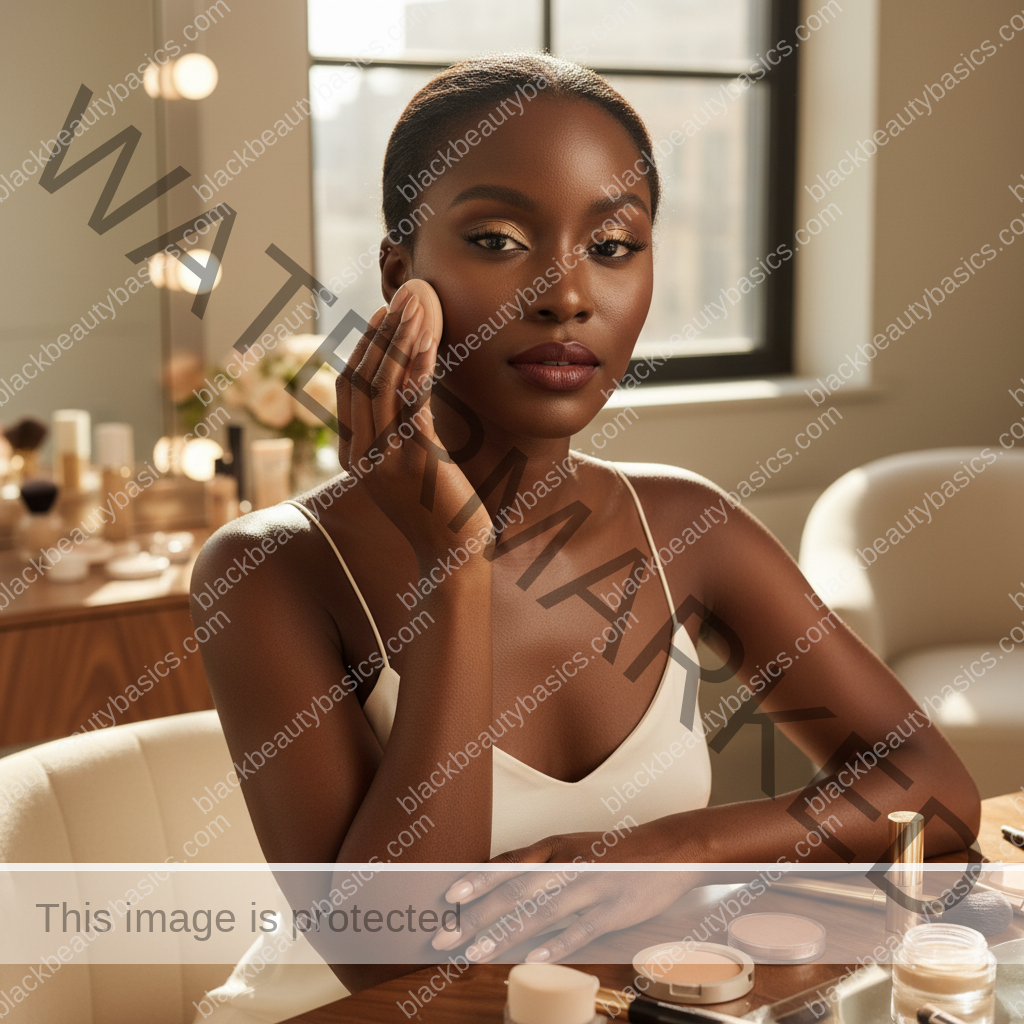
- Damp Beauty Sponge: This is often preferred for textured skin as it presses the product into the skin, creating a seamless, airbrushed effect without dragging or emphasizing texture.
- Stippling Brush: A dense, flat-top brush can also work well, using a stippling (tapping) motion to press the product into the skin.
- Blend Downwards: Blend foundation downwards to smooth down any fine facial hairs, which can otherwise be emphasized.
Shop Medium Coverage Foundation for Dark Skin on Amazon
Step 4: Concealer – The Targeted Brightener
Use concealer to brighten under-eyes or cover any remaining imperfections after foundation.
- Formula: Creamy, hydrating concealers are best to avoid creasing or emphasizing texture.
- Shade: For brightening, choose a shade 1-2 tones lighter than your foundation. For spot concealing, match your foundation shade.
- Application: Apply sparingly with a small brush or your ring finger, tapping gently to blend.
Shop Creamy Hydrating Concealers on Amazon
Step 5: Setting Powder – The Finisher
Setting powder is essential for locking in your makeup, controlling shine, and further blurring pores, especially for those with oily skin or visible pores.
- Loose Translucent Powder: A finely milled, translucent powder is ideal. For deeper skin tones, ensure it doesn’t leave an ashy cast. Some brands offer translucent powders with a subtle tint for melanin-rich skin.
- Application:
- Baking (for oily areas/under-eyes): Apply a generous amount with a damp sponge to areas that tend to get oily or crease, let it sit for a few minutes, then lightly dust off the excess with a fluffy brush.
- Light Dusting: For the rest of the face, use a large, fluffy brush to lightly dust powder over your foundation, focusing on the T-zone and areas with visible pores.
Shop Translucent Setting Powders for Dark Skin on Amazon
Step 6: Bronzer, Blush, & Highlight – The Dimension Creators
These steps add warmth, color, and dimension back to your face after foundation.
- Bronzer: Apply to the high points of your face where the sun would naturally hit. Choose a warm, not orange, shade.
- Blush: Apply to the apples of your cheeks, blending upwards towards your temples. Cream or liquid blushes can be beautiful on textured skin, offering a seamless finish without emphasizing dryness. If using powder, choose finely milled formulas.
- Highlighter: For textured skin, be mindful with highlighter. Avoid glittery or chunky formulas that can emphasize texture. Opt for a finely milled, subtle sheen or a liquid/cream highlighter applied to the very highest points of the cheekbones, brow bone, and cupid’s bow. Avoid areas with prominent texture or large pores.
Shop Cream Blushes for Dark Skin on Amazon
Shop Finely Milled Bronzers for Dark Skin on Amazon
Shop Liquid Highlighters for Dark Skin on Amazon
Step 7: Setting Spray – The Melder
A setting spray is the final touch. It melts all the layers of makeup together, removes any powdery finish, and helps your makeup last longer. Look for hydrating or mattifying formulas depending on your skin type.
Application: Hold the bottle 8-10 inches away from your face and spray in an ‘X’ and ‘T’ motion.
Shop Hydrating Setting Sprays on Amazon
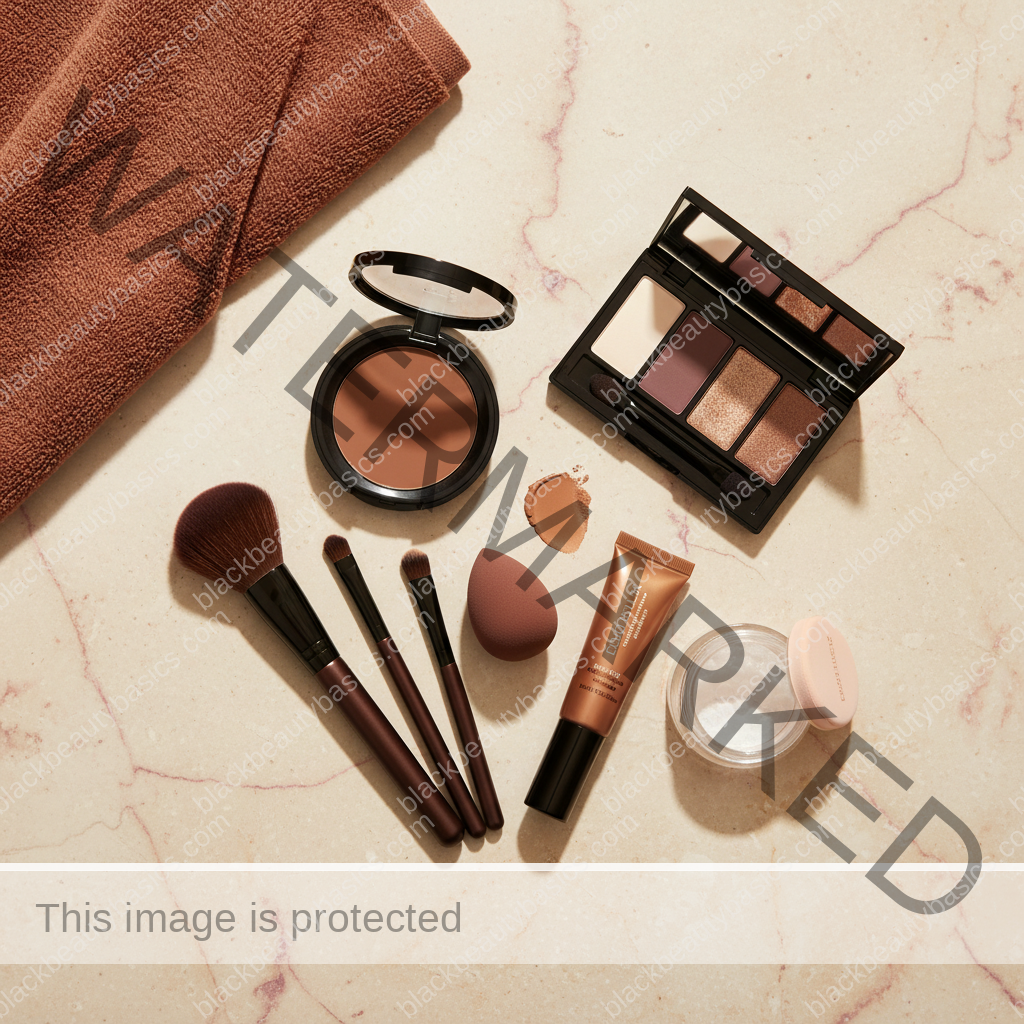
Advanced Techniques & Pro Tips for a Seamless Finish
Beyond the basic steps, these refined techniques can elevate your makeup game for textured skin and visible pores.
The “Press and Roll” Method
When applying foundation or powder, instead of dragging or wiping, use a damp sponge or brush to gently press and roll the product into the skin. This pushes the product into pores and texture, rather than sitting on top, creating a smoother, more natural finish.
Strategic Powdering
Don’t powder your entire face if you don’t need to. Focus powder only on areas that get oily or have larger pores (typically the T-zone). Leave the perimeter of your face and high points with a more natural, radiant finish.
Blotting, Not Powdering (Mid-Day Touch-Ups)
If shine appears mid-day, resist the urge to immediately re-powder. Instead, use blotting papers to absorb excess oil. Then, if necessary, lightly re-powder the affected areas. This prevents makeup from looking heavy or cakey.
Shop Blotting Papers on Amazon
Consider Cream Products
Cream blushes, bronzers, and even contour sticks can often look more seamless on textured skin than their powder counterparts. They melt into the skin, providing a natural flush or definition without emphasizing texture.
Hydration Throughout the Day
A hydrating facial mist can be a lifesaver for refreshing your makeup and re-plumping your skin throughout the day, especially if dryness contributes to your texture. Choose mists with ingredients like rosewater or hyaluronic acid.
Shop Hydrating Facial Mists on Amazon
Clean Your Tools
Regularly cleaning your makeup brushes and sponges is vital. Dirty tools can harbor bacteria, leading to breakouts and further texture, and they don’t apply product as smoothly.
Shop Makeup Brush Cleaners on Amazon
Do’s and Don’ts for Makeup on Textured Skin & Visible Pores
| DO’S | DON’TS |
|---|---|
| Invest in a solid skincare routine tailored to your skin concerns. | Skip skincare or use harsh, stripping products. |
| Use a pore-filling or blurring primer strategically. | Apply thick layers of primer all over your face. |
| Opt for medium coverage, natural/satin finish foundations. | Go for heavy, full-coverage matte foundations that can look flat. |
| Apply foundation with a damp beauty sponge or stippling brush, pressing into the skin. | Swipe or rub foundation across your face with your fingers or a flat brush. |
| Set makeup with a finely milled translucent powder, focusing on oily areas. | Over-powder your entire face, especially with heavy, tinted powders. |
| Choose cream or liquid blushes and subtle, finely milled highlighters. | Use glittery, chunky highlighters or heavily pigmented powder blushes on textured areas. |
| Use a setting spray to melt makeup together and extend wear. | Forget to set your makeup, especially in humid climates. |
| Clean your makeup brushes and sponges regularly. | Use dirty tools, which can spread bacteria and cause breakouts. |
How to make makeup choices fit your actual undertone and finish
For Black women and people with deep skin tones, makeup shopping can feel emotional because too many shade systems still treat deep complexions as an afterthought. This guide focuses on building makeup for textured skin and visible pores on dark skin with prep, primer choices, base texture, powder, and realistic finish, while keeping the related BBB makeup cluster as the home base. The goal is not to make your skin easier for a brand to understand. The goal is to help you read color, finish, placement, and undertone with more confidence.
Start with what you can actually see. Does the product turn orange, red, gray, ashy, too yellow, too pink, too flat, or too icy? Does it look right in store but strange in daylight? Does it match your jaw but fight your chest? Those details matter more than a shade name that sounds flattering but does not behave well on your skin.
The strongest makeup strategy is usually the one that respects depth and dimension. Deep skin often needs warmth, balance, and enough pigment, but not every product needs to be dramatic. Sometimes the better choice is a more accurate undertone, a softer placement, a different powder tone, or a formula that dries down without changing the whole face.
What to notice gently
- Where the color shifts: face, jaw, chest, under-eye, cheek, or high points.
- Whether the undertone reads red, golden, neutral, olive, muted, orange, gray, or pink.
- How the product looks in daylight, indoor lighting, flash, and after dry-down.
- Whether the finish keeps depth and dimension or makes the face look flat.
- Which placements make the makeup feel polished without erasing your complexion.
What usually makes makeup for deep skin harder than it needs to be
The first challenge is shade language that sounds precise but is not precise enough. “Deep warm” might mean red in one brand, golden in another, orange in another, and olive in none. That is why the same person can wear one brand beautifully and look completely off in another.
The second challenge is testing makeup in conditions that hide the problem. Store lighting can soften ashiness, phone cameras can warm a shade, and wet swatches can look better than dry foundation. Deep skin deserves enough time, light, and comparison points to see what is really happening.
The third challenge is using products meant to correct a problem created by the wrong base. Too-light concealer, chalky highlight, orange bronzer, or flat powder can make the whole face feel off. Often the answer is not more product. It is better tone, placement, formula, or restraint.
What to do next
Keep this article connected to the Makeup for Deep Skin Tones system. Use the related guides below to decide whether your next step is better shade matching, a base makeup adjustment, or a color product strategy that keeps depth and dimension.
- Makeup for Deep Skin Tones
- The related makeup cluster guide
- makeup for textured and PIH-prone skin
- makeup for acne marks and breakouts
- powder strategy
- foundation oxidation
Frequently Asked Questions About Makeup for Textured Skin & Visible Pores on Dark Skin
Q1: Can I really make my pores disappear with makeup?
A: While you cannot make your pores physically disappear, you can absolutely minimize their appearance with the right skincare and makeup techniques. Pore-filling primers, strategic foundation application, and finely milled setting powders work wonders in creating a smoother, blurred effect, making pores much less noticeable.
Q2: What’s the best type of foundation for dark skin with hyperpigmentation and texture?
A: For hyperpigmentation and texture, a medium-coverage foundation with a natural or satin finish is often ideal. These formulas provide enough coverage to even out skin tone without looking heavy or emphasizing texture. Look for non-comedogenic formulas that are buildable. Prioritize color correction for hyperpigmentation before foundation to reduce the amount of product needed.
Q3: My makeup always looks cakey around my nose and chin where I have larger pores. How can I fix this?
A: Cakey makeup in areas with larger pores often results from too much product or improper application. Try these tips:
- Less is More: Apply a very thin layer of pore-filling primer to these areas.
- Press, Don’t Rub: Use a damp beauty sponge to gently press foundation into the skin, rather than rubbing.
- Targeted Powdering: Use a small brush or sponge to apply a finely milled translucent powder specifically to these areas, pressing it in, then lightly dusting off the excess. Consider “baking” for a few minutes if your skin is oily.
- Blotting: Throughout the day, use blotting papers to absorb oil before reapplying any powder.
Q4: Are matte foundations good for visible pores on dark skin?
A: While matte foundations can help control shine, they can sometimes emphasize texture, dry patches, and fine lines. For visible pores, a natural or satin finish foundation often works better as it provides a more forgiving, skin-like appearance. If you prefer a matte look, ensure your skin is well-hydrated, use a pore-blurring primer, and set with a finely milled powder only in oily areas.
Q5: How do I prevent my makeup from settling into fine lines and texture?
A: The key is hydration and strategic product application.
- Hydrate: Ensure your skin is thoroughly moisturized before makeup.
- Hydrating Primer: Use a hydrating primer, especially if dryness is a concern.
- Thin Layers: Apply foundation and concealer in thin layers.
- Damp Sponge: Use a damp beauty sponge to press products into the skin.
- Light Setting: Set with a very light hand, focusing powder only where absolutely necessary.
- Setting Spray: Finish with a hydrating setting spray to meld products and remove any powdery finish.
Q6: What skincare ingredients should I look for to improve skin texture and pore appearance over time?
A: For improving texture and minimizing pore appearance, look for:
- Niacinamide (Vitamin B3): Helps regulate oil, minimize pores, and improve texture.
- Salicylic Acid (BHA): Penetrates pores to dissolve oil and debris, excellent for blackheads and congested pores.
- Glycolic Acid (AHA): Exfoliates the skin surface, improving tone and texture.
- Retinoids (Retinol, Tretinoin): Boosts cell turnover, improves collagen production, and refines skin texture and pore size over time. Introduce slowly.
- Hyaluronic Acid: Hydrates and plumps the skin, making texture appear smoother.
Q7: Can I use a facial oil with textured skin?
A: Yes, absolutely! Facial oils can be incredibly beneficial, even for oily or textured skin, as they provide essential fatty acids and can help balance oil production. Choose non-comedogenic oils like jojoba, rosehip, or squalane. Apply a few drops as the last step in your nighttime skincare routine, or mix a drop into your moisturizer for an extra boost of hydration. Just be mindful of the amount to avoid feeling greasy.
A: The ideal frequency depends on your skin type and the strength of your exfoliant. Start with 2-3 times a week using a gentle chemical exfoliant (like a BHA or a mild AHA). Pay attention to how your skin responds. If you experience redness, irritation, or increased sensitivity, reduce the frequency. Over-exfoliation can damage your skin barrier and worsen texture.
Our skin tells a story, and every curve, every pore, every rich hue contributes to its magnificent narrative. This guide is not about erasing your natural beauty, but about empowering you with the knowledge and techniques to enhance it, allowing your confidence to shine through with every elegant stroke. Embrace your unique canvas, for it is truly a masterpiece.
Related next steps
Related posts:
 How UV and Visible Light Affect Melanin-Rich Skin
 Clothing, Intimacy, and Being Seen With Visible Scars and Rashes
 Skincare Products for Women with Oily Skin and Large Pores
 Skincare Products for Women with Oily Skin and Large Pores
 Skincare Products to Minimize Large Pores and Blackheads in Black Women
 Skincare Products to Minimize Large Pores and Blackheads in Black Women