In the realm of beauty, our melanin-rich skin tells a story of resilience, radiance, and unparalleled depth. We’ve learned to navigate a world that often overlooks our unique needs, championing our own beauty rituals and innovations. Today, we turn our discerning gaze to a fascinating frontier: at-home LED light therapy devices, and what they truly promise for our beautiful, complexions. Start with the related BBB cluster guide for the broader map.
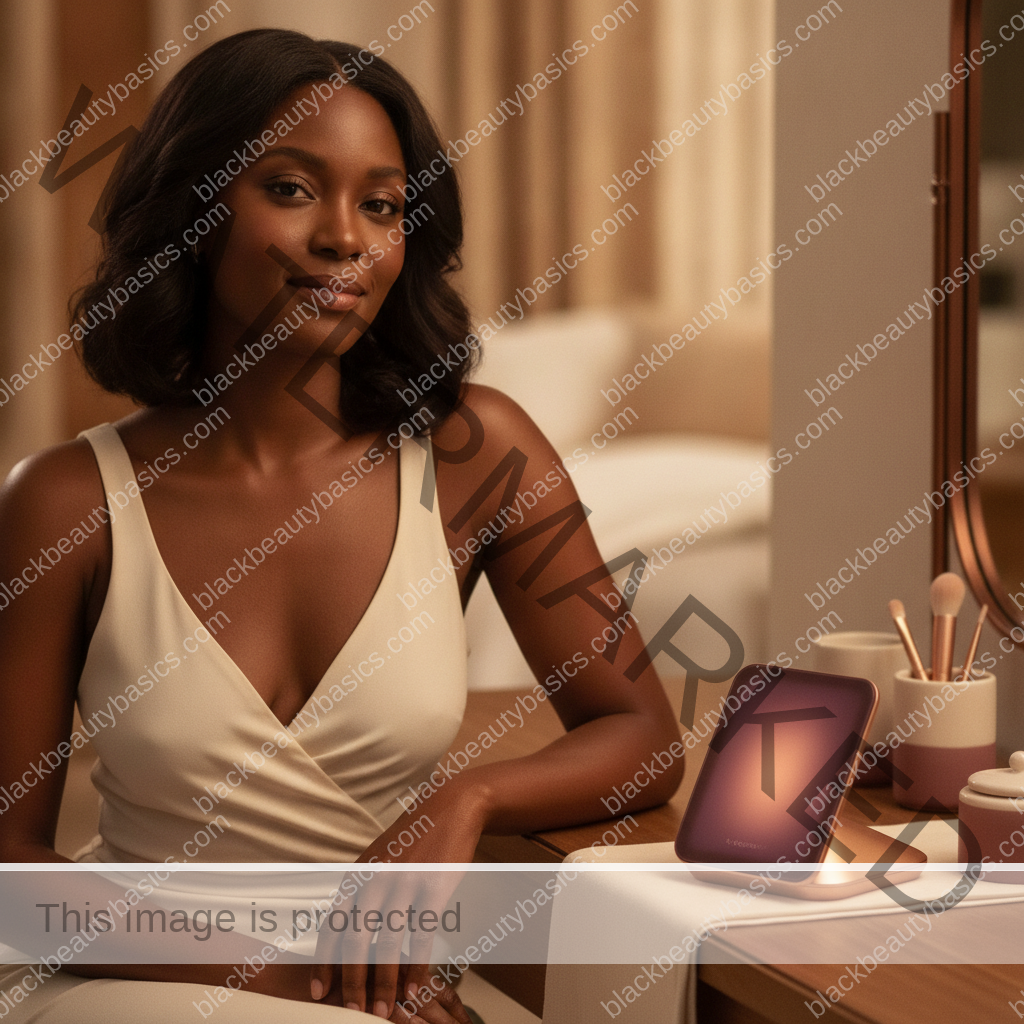
Illuminating the Science: How LED Therapy Works for Melanin-Rich Skin
Light Emitting Diode (LED) therapy is a non-invasive skincare treatment that uses varying wavelengths of light to penetrate the skin at different depths. Each wavelength, or color, of light, targets specific skin concerns, stimulating cellular processes without heat or UV radiation. For melanin-rich skin, understanding these mechanisms is paramount, as our skin often responds differently to treatments compared to lighter skin tones.
The Spectrum of Light: Understanding LED Colors
Different LED colors offer distinct benefits:
- Red Light (620-750 nm): The most popular wavelength, red light penetrates deeply to stimulate collagen and elastin production. This is crucial for improving skin firmness, reducing fine lines, and accelerating wound healing. For deeper skin tones, red light is excellent for addressing textural concerns and promoting an even, youthful glow.
- Near-Infrared Light (NIR) (750-1200 nm): Often combined with red light, NIR penetrates even deeper, reaching muscle and bone. It’s known for its anti-inflammatory properties, pain relief, and enhanced cellular repair. This can be beneficial for calming post-inflammatory hyperpigmentation (PIH) and supporting overall skin health.
- Blue Light (400-495 nm): Primarily known for its antibacterial properties, blue light targets the P. acnes bacteria responsible for breakouts. While effective for acne, caution is sometimes advised for deeper skin tones as excessive or high-intensity blue light *can* potentially exacerbate hyperpigmentation in some individuals, though this is rare with at-home devices. Always choose devices with a good safety profile and follow instructions diligently.
- Green Light (495-570 nm): Green light is often touted for its ability to target hyperpigmentation and redness, helping to even out skin tone. It can also have a calming effect on the skin. For those dealing with melasma or sun spots, green light can be a valuable addition to a comprehensive regimen.
- Yellow/Amber Light (570-590 nm): This wavelength is often used to reduce redness, soothe sensitive skin, and improve lymphatic flow, which can aid in detoxification and reduce puffiness.
The Cellular Response: Why It Matters for Our Skin
At a cellular level, LED light is absorbed by chromophores within our cells, particularly mitochondria. This absorption kickstarts a cascade of beneficial effects:
- Increased ATP Production: Mitochondria, the “powerhouses” of our cells, produce more adenosine triphosphate (ATP), the energy currency of the cell. More energy means cells can function more efficiently, repair themselves, and regenerate faster.
- Enhanced Collagen and Elastin Synthesis: Red and NIR light stimulate fibroblasts, the cells responsible for producing collagen and elastin. This leads to firmer, more supple skin, and a reduction in the appearance of fine lines and wrinkles.
- Reduced Inflammation: Certain wavelengths, especially red and NIR, have potent anti-inflammatory effects, which are crucial for managing conditions like acne, rosacea, and post-inflammatory hyperpigmentation (PIH) common in deeper skin tones.
- Improved Circulation: LED therapy can boost blood flow, delivering more oxygen and nutrients to skin cells while aiding in the removal of waste products. This contributes to a healthier, more radiant complexion.
For melanin-rich skin, the anti-inflammatory and collagen-boosting properties of red and NIR light are particularly advantageous. Our skin is prone to PIH following inflammation or trauma, and LED therapy can help mitigate this by accelerating healing and calming the skin. Furthermore, while we may show signs of aging later, when they do appear, they can be more pronounced. LED therapy offers a proactive and reactive solution for maintaining skin elasticity and firmness.
Navigating the Market: Choosing the Right At-Home LED Device
The market for at-home LED devices is burgeoning, offering everything from full-face masks to targeted wands. Making an informed choice requires understanding key features and considering your specific skin concerns.
Types of At-Home LED Devices
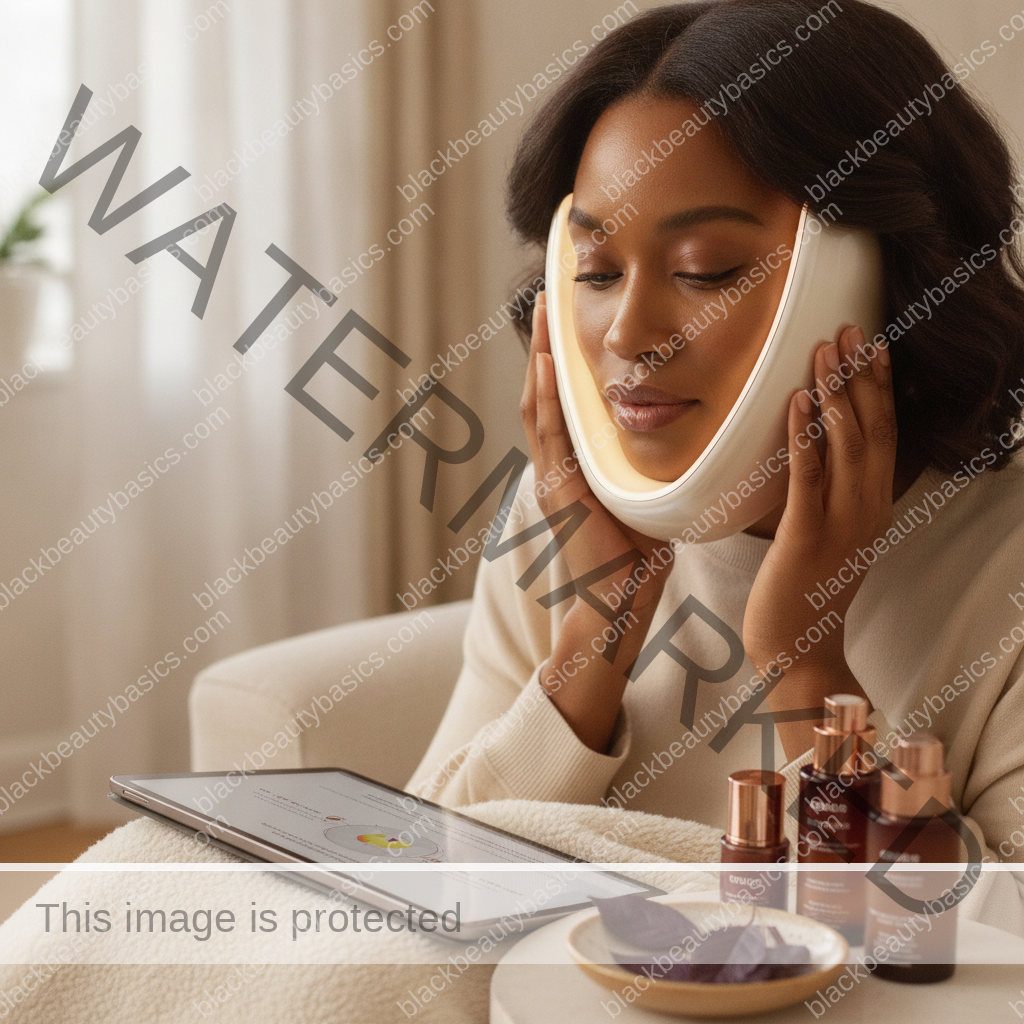
- Full-Face Masks: These cover the entire face, delivering consistent treatment across all areas. They are excellent for general anti-aging, acne, and overall skin tone improvement. Many offer multiple light settings. Shop LED Full-Face Masks on Amazon
- Handheld Wands/Devices: More targeted, these are ideal for addressing specific areas like under-eyes, fine lines around the mouth, or individual breakouts. They require more manual effort but offer precision. Shop LED Handheld Wands on Amazon
- Panel Devices: Larger, flat panels that can be positioned over the face or body. These often provide higher light intensity and cover a broader area, making them versatile for both facial and body treatments. Shop LED Panel Devices on Amazon
- Neck & Decolletage Devices: Specifically designed to treat the delicate skin of the neck and chest, areas often overlooked but prone to visible signs of aging. Shop LED Neck & Decolletage Devices on Amazon
Key Features to Consider for Deeper Skin Tones
When selecting an LED device, especially for melanin-rich skin, keep these factors in mind:
- Wavelengths Offered: Prioritize devices that offer red and near-infrared light for collagen stimulation, anti-inflammation, and overall skin rejuvenation. If acne is a primary concern, look for blue light, but ensure it’s from a reputable brand with appropriate intensity levels. Green light can be beneficial for hyperpigmentation.
- FDA Clearance: Look for devices that are FDA-cleared. This indicates that the device has been tested for safety and efficacy for its intended use, providing a layer of assurance.
- Irradiance/Power Output: While higher power isn’t always better, sufficient irradiance (measured in mW/cm²) is necessary for therapeutic effects. Reputable brands usually provide this information. Avoid devices that feel like toys or are excessively cheap, as they may lack the necessary power.
- Comfort and Fit: If opting for a mask, ensure it fits comfortably and allows the light to be evenly distributed across your face. An uncomfortable mask will deter consistent use.
- Treatment Time: Consider how long each session takes. Most effective at-home devices recommend 3-10 minutes per session, 3-5 times a week. Ensure this fits into your lifestyle.
- Brand Reputation and Reviews: Research brands known for quality and efficacy. Look for reviews from individuals with deeper skin tones if possible, to gauge their specific experiences.
Comparison Table: Popular At-Home LED Device Types
| Device Type | Pros | Cons | Best For |
|---|---|---|---|
| Full-Face Mask | Covers entire face, hands-free, multiple light options, consistent treatment. | Can be bulky, higher initial cost, less targeted for specific spots. | Overall anti-aging, acne management, general skin tone improvement. |
| Handheld Wand | Targeted treatment, portable, often more affordable, good for specific concerns. | Requires manual effort, smaller treatment area, takes longer for full-face. | Fine lines, dark spots, individual breakouts, under-eye concerns. |
| Panel Device | Large treatment area (face & body), often higher power, versatile. | Less portable, requires dedicated space, can be expensive. | Comprehensive anti-aging, muscle recovery, full-body skin concerns. |
Realistic Expectations: What LED Therapy Can (and Cannot) Do for Deep Skin
As discerning consumers, we approach new beauty technologies with both hope and healthy skepticism. LED therapy offers remarkable benefits, but it’s crucial to set realistic expectations, especially when considering the unique characteristics of melanin-rich skin.
The Promise: Tangible Benefits You Can Expect
- Improved Skin Texture and Firmness: With consistent use of red and NIR light, expect to see a gradual improvement in skin elasticity and a reduction in the appearance of fine lines and wrinkles. Our skin’s natural collagen production gets a significant boost, leading to a smoother, plumper complexion.
- Reduction in Post-Inflammatory Hyperpigmentation (PIH): This is a major win for deeper skin tones. Red and green light, with their anti-inflammatory and pigment-calming properties, can help accelerate the fading of dark spots left by acne or other skin traumas. It won’t erase them overnight, but it will significantly speed up the process when used consistently.
- Calmer, Less Inflamed Skin: For those prone to redness, sensitivity, or inflammatory acne, LED therapy (especially red and NIR) can significantly reduce inflammation, leading to a more even and comfortable skin tone.
- Acne Management: Blue light, when used appropriately, can effectively reduce acne-causing bacteria, leading to fewer breakouts. Red light simultaneously helps heal existing lesions and reduces the likelihood of PIH.
- Enhanced Radiance and Glow: By improving cellular function and circulation, LED therapy contributes to a healthier, more vibrant complexion. That coveted “lit-from-within” glow becomes more attainable.
- Better Product Absorption: While not a direct effect, healthier skin with improved circulation can often better absorb and utilize your topical skincare products, maximizing their efficacy.
The Reality Check: What LED Therapy Won’t Do
- Instant Miracles: LED therapy is not a one-and-done treatment. It requires consistency and patience. You won’t see dramatic changes after one or two sessions. Think of it as a marathon, not a sprint.
- Replace Professional Treatments: While powerful, at-home devices are generally less intense than professional in-office LED treatments. They complement, rather than replace, treatments like chemical peels, microneedling, or professional laser therapies for severe concerns.
- Erase Deep Wrinkles or Scars: While it can improve the appearance of fine lines and some superficial scars, LED therapy won’t eliminate deep-set wrinkles, severe acne scars, or significant skin laxity.
- Completely Eliminate Melasma: Green light can be helpful for melasma, but this complex condition often requires a multi-faceted approach involving strict sun protection, topical agents, and sometimes professional treatments. LED therapy can be a supportive tool, not a standalone cure.
- Work Without Consistency: The most common reason for disappointment with at-home devices is inconsistent use. Skipping sessions or using it sporadically will yield minimal results.
- Be a Substitute for a Good Skincare Routine: LED therapy enhances a good routine; it doesn’t replace it. Continue with your cleansers, serums, moisturizers, and most importantly, daily SPF.
The Melanin Advantage and Considerations
Our melanin-rich skin has a natural advantage in terms of sun protection and often shows signs of aging later. However, we are also more prone to post-inflammatory hyperpigmentation (PIH) and keloid scarring. LED therapy, particularly red and NIR light, is exceptionally well-suited for our skin because it is non-thermal and non-ablative, meaning it doesn’t generate heat or damage the skin barrier. This significantly reduces the risk of inflammation and subsequent hyperpigmentation, making it a safe and effective option for addressing concerns like PIH, uneven tone, and maintaining skin vitality without the risks associated with some other light-based treatments.
Tips for Maximizing Your LED Therapy Results
- Cleanse Thoroughly: Always start with clean, dry skin to ensure maximum light penetration.
- Be Consistent: Adhere to the recommended treatment schedule (e.g., 3-5 times a week).
- Combine with Actives: Use your LED device *after* applying serums with ingredients like hyaluronic acid, peptides, or vitamin C, as healthier skin can absorb them better. Avoid using retinoids or strong acids immediately before or after, unless advised by your dermatologist.
- Protect Your Eyes: Most devices come with protective eyewear; always use it.
- Patience is Key: Give it time. Significant results typically appear after 8-12 weeks of consistent use.
- Sun Protection: Continue to use broad-spectrum SPF daily. LED therapy makes your skin healthier, but it doesn’t make it immune to sun damage.
Why this needs a dark-skin lens
For Black women and people with richly melanated skin, understanding what at-home LED devices may and may not do for deep skin, including consistency, comfort, PIH caution, and realistic expectations. The usual one-size-fits-all beauty advice can miss the way brown skin shows irritation, dryness, marks, texture changes, or treatment reactions. Start with the related BBB cluster guide when you want the bigger map around this topic.
Beauty devices and AI tools can be useful, but they are not neutral for every skin tone. Deep skin needs realistic expectations, careful settings, and a willingness to pause when a tool does not account for melanin-rich skin.
A protective routine is not about doing the most. It is about reducing avoidable irritation, noticing patterns, keeping your skin and scalp comfortable, and knowing when a professional conversation belongs in the plan. You are allowed to ask questions before you buy a device, change a routine, start a treatment, or assume every change is your fault.
What to track gently
- Timing: cycle changes, pregnancy or postpartum shifts, menopause symptoms, treatment sessions, or device use.
- Skin response: itch, stinging, dryness, peeling, acne, irritation, dark marks, or unusual sensitivity.
- Hair and scalp response: shedding, breakage, density changes, texture shifts, tenderness, or dryness.
- Routine changes: new products, stronger actives, hair removal, devices, supplements, styling, or laundry changes.
- Quality of life: discomfort, confidence, sleep, stress, pain, or how often you feel the concern is interfering with normal life.
What to avoid while you figure it out
Avoid panic-buying every product or device that promises a fast fix. Melanin-rich skin can be more vulnerable to lingering marks after irritation, and a rushed routine can make it harder to know what helped or hurt.
Avoid harsh DIY treatments, aggressive scrubbing, over-exfoliating, and using multiple strong actives at the same time. If a product or tool makes your skin burn, swell, crust, or feel more inflamed, that is information. Pause and simplify instead of pushing through.
Avoid letting a device, app, trend, or comment section override your lived experience. If the advice does not account for deep skin, hormonal timing, scalp comfort, hyperpigmentation, or provider safety, it may not be complete enough for your situation.
What to do next
Use this guide as one step inside the larger BBB system, not as a stand-alone diagnosis. The next best move may be simplifying your routine, documenting patterns, checking a provider’s dark-skin experience, or bringing your notes to a medical professional.
- Beauty Devices & Treatments for Dark Skin
- The related BBB cluster guide
- beauty devices and treatments for dark skin
- skin-analysis apps on dark skin
- AI skin-analysis limitations
- at-home devices for dark skin
How to make the plan realistic
The most useful routine is the one you can repeat without turning your bathroom into a lab. Choose one or two changes at a time. Give your skin, hair, or scalp enough time to respond. Write down what you changed so you are not relying on memory when emotions are high.
If this topic involves pregnancy, postpartum, menopause, PCOS, or persistent symptoms, keep professional care in the picture. A beauty routine can support comfort, but it should not carry the whole weight of a hormone-related concern. You deserve care that respects both the beauty side and the health side.
When the topic involves devices, apps, or aesthetic treatments, ask what evidence exists for deep skin, what risks are possible, and what the provider or tool does when melanin-rich skin reacts differently. Calm questions protect you. They do not make you difficult.
Most of all, do not measure your worth by how quickly your skin clears, your hair thickens, or your routine feels stable. Hormonal seasons and beauty-tech decisions can be confusing. A slower, clearer plan is still progress.
How to make the plan realistic
The most useful routine is the one you can repeat without turning your bathroom into a lab. Choose one or two changes at a time. Give your skin, hair, or scalp enough time to respond. Write down what you changed so you are not relying on memory when emotions are high.
If this topic involves pregnancy, postpartum, menopause, PCOS, or persistent symptoms, keep professional care in the picture. A beauty routine can support comfort, but it should not carry the whole weight of a hormone-related concern. You deserve care that respects both the beauty side and the health side.
When the topic involves devices, apps, or aesthetic treatments, ask what evidence exists for deep skin, what risks are possible, and what the provider or tool does when melanin-rich skin reacts differently. Calm questions protect you. They do not make you difficult.
Most of all, do not measure your worth by how quickly your skin clears, your hair thickens, or your routine feels stable. Hormonal seasons and beauty-tech decisions can be confusing. A slower, clearer plan is still progress.
Frequently Asked Questions About At-Home LED Devices for Deep Skin
Q1: Is LED light therapy safe for dark skin tones?
A: Yes, absolutely. LED light therapy is considered very safe for all skin tones, including melanin-rich skin. Unlike some laser treatments or IPL (Intense Pulsed Light), LED devices do not use heat or cause thermal damage to the skin. This means there’s a significantly lower risk of post-inflammatory hyperpigmentation (PIH) or other adverse reactions that can sometimes occur in darker skin tones with heat-based treatments. Red and near-infrared lights are particularly beneficial and gentle.
Q2: How long does it take to see results from at-home LED devices?
A: Patience is key with LED therapy. While some individuals might notice subtle improvements in skin texture or radiance after a few weeks, significant and lasting results typically become visible after 8 to 12 weeks of consistent use. For concerns like hyperpigmentation or fine lines, it can take even longer, often 3-6 months. Think of it as a gradual, cumulative process rather than an instant fix.
Q3: Can LED therapy help with hyperpigmentation and dark spots on deep skin?
A: Yes, LED therapy can be a valuable tool in managing hyperpigmentation and dark spots, especially post-inflammatory hyperpigmentation (PIH) common in darker skin tones. Red light helps to reduce inflammation and accelerate healing, which can prevent new dark spots from forming and speed up the fading of existing ones. Green light is also specifically known for its ability to target melanin and help even out skin tone. However, for severe or deep-seated hyperpigmentation like melasma, LED therapy works best as part of a comprehensive treatment plan alongside topical agents and strict sun protection.
Q4: How often should I use my at-home LED device?
A: Most manufacturers recommend using at-home LED devices 3 to 5 times per week for optimal results. Each session typically lasts between 3 to 10 minutes, depending on the device and the specific light setting. Consistency is far more important than intensity or duration. Follow the specific instructions provided by your device’s manufacturer for the best and safest outcome.
Q5: Do I need to use special skincare products with LED therapy?
A: While you don’t necessarily need “special” products, using LED therapy in conjunction with a well-rounded skincare routine can enhance its benefits. Apply your LED device to clean, dry skin. Afterward, you can apply your regular serums (like hyaluronic acid, vitamin C, or peptides) and moisturizer. Some studies suggest that LED light can improve the absorption of certain skincare ingredients. Avoid using strong retinoids or exfoliating acids immediately before or after your LED session, unless your dermatologist advises otherwise, to prevent potential irritation.
Q6: Are there any side effects or risks for deep skin tones?
A: LED therapy is generally very low-risk. The most common “side effect” is a slight redness immediately after a session, which typically subsides quickly. For deeper skin tones, the primary concern with any light-based treatment is the potential for hyperpigmentation if the device generates too much heat or is used incorrectly. However, LED devices are non-thermal, making this risk extremely low. Always use the provided eye protection, and if you have any pre-existing skin conditions or are on photosensitizing medications, consult with a dermatologist before starting LED therapy.
Q7: Can I use LED therapy if I have melasma?
A: Yes, LED therapy can be a beneficial complementary treatment for melasma. Green light, in particular, has shown promise in helping to reduce melanin production and improve the appearance of melasma. Red light can also help by reducing inflammation, which is often a trigger for melasma. However, melasma is a complex condition that requires a multi-pronged approach. LED therapy should be used as an adjunct to strict daily sun protection (SPF 30+), topical treatments prescribed by a dermatologist, and potentially other professional procedures. It is not a standalone cure for melasma.
As we embrace the evolving landscape of beauty technology, at-home LED devices stand as a testament to innovation, offering a gentle yet powerful ally in our skincare journeys. For the woman of color, these devices present a unique opportunity to enhance our skin’s natural brilliance, address our specific concerns with precision, and cultivate a radiant glow that is authentically ours. Invest in your skin with wisdom, consistency, and the confidence that comes from choosing tools that truly celebrate your magnificent complexion.
Related next steps
Related posts:
 LED Light Therapy at Home on Dark Skin: Safety and Expectations
 Home RF, Lasers, and Hair-Removal Devices for Dark Skin: Where to Draw the Line
 At‑Home Hair Removal Devices for Dark Skin: Which Are Actually Safe?
 Niacinamide for Dark Spots and Redness on Dark Skin: Understanding Its Role and Realistic Expectations
 How Long Does Hyperpigmentation Take to Fade on Dark Skin? Expectations and Timelines
 Texturism and “Polished” Hair Expectations in Office Culture