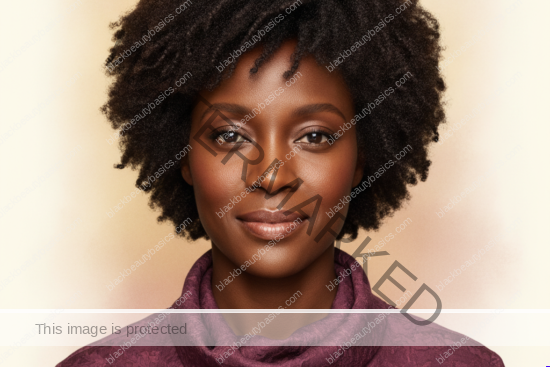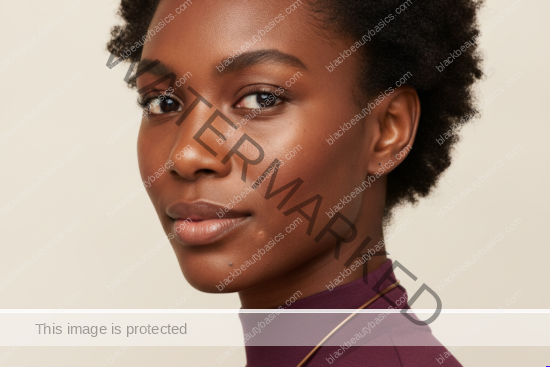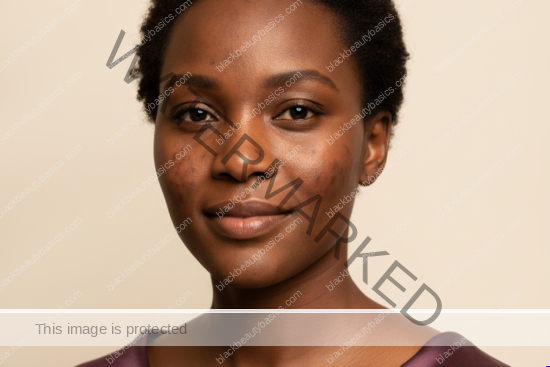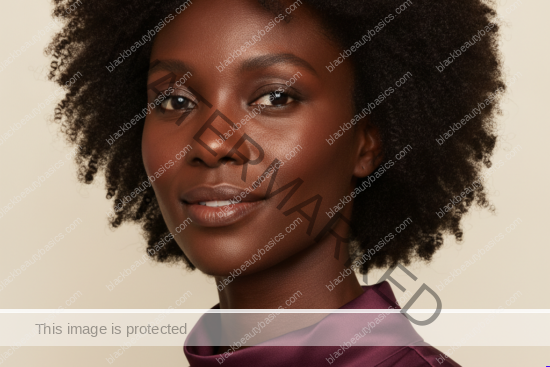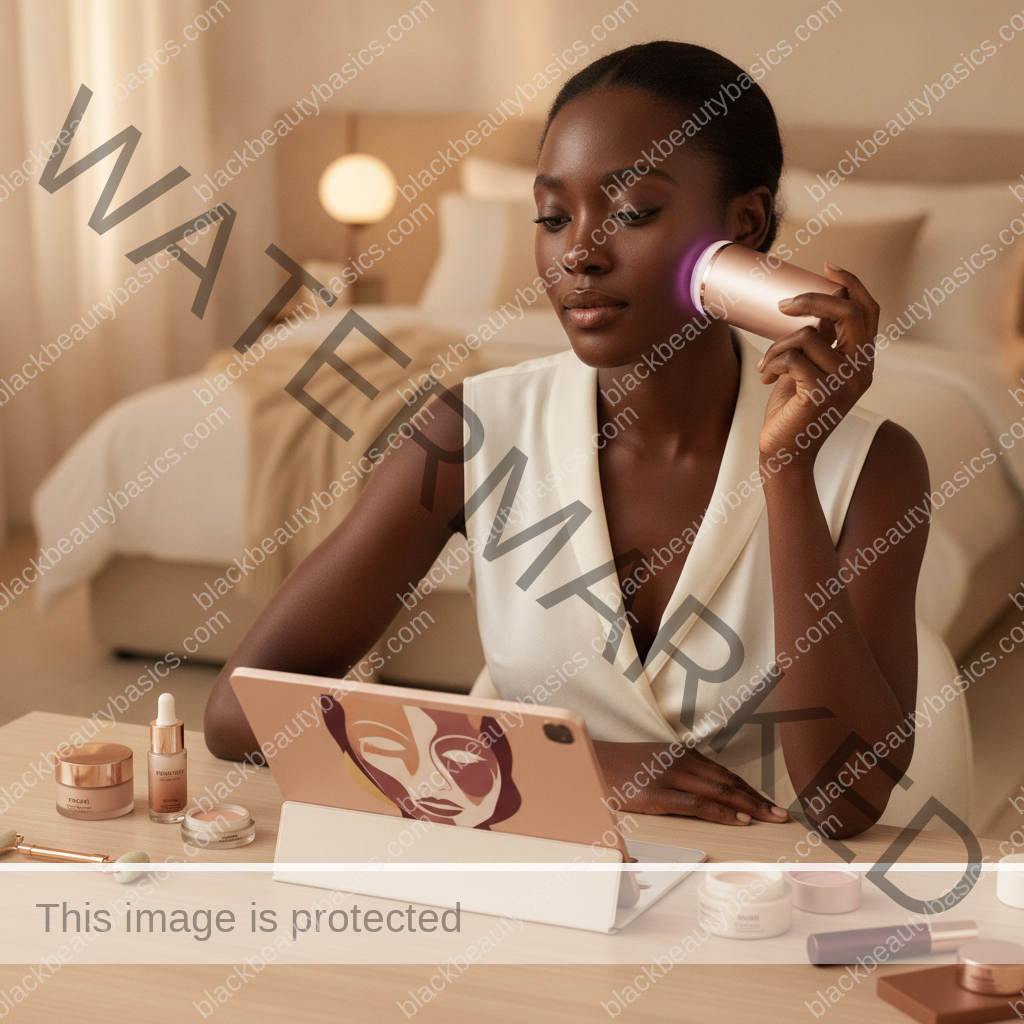
In the vibrant tapestry of Black beauty, our skin tells stories of resilience, radiance, and unparalleled grace. Yet, navigating the ever-evolving landscape of skincare technology often leaves us wondering if these innovations truly see and celebrate the unique nuances of melanin-rich complexions. As digital skin-analysis apps promise personalized regimens at our fingertips, a crucial question arises: do these tools genuinely understand the beauty and complexity of our skin, or do they fall short in their digital gaze? Start with the related BBB cluster guide for the broader map.
The Promise of Precision: Understanding Skin Analysis Apps
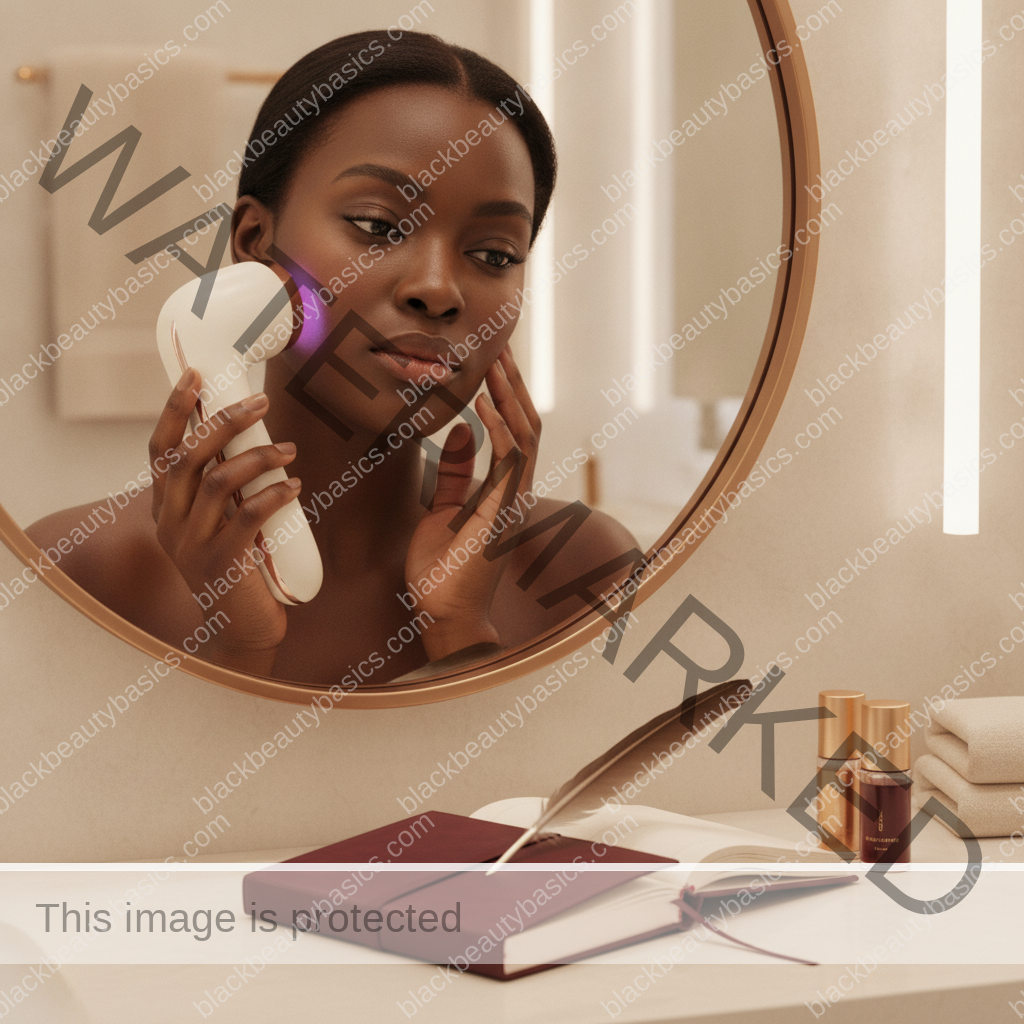
The allure of a personalized skincare journey is undeniable. Imagine a world where your smartphone, armed with advanced algorithms, could decipher your skin’s deepest secrets – from hydration levels to hyperpigmentation concerns – and recommend the perfect regimen tailored just for you. This is the promise of skin analysis apps, a burgeoning sector in beauty tech designed to demystify skincare and empower consumers with data-driven insights.
These applications typically work by using your device’s camera to capture images of your skin. Sophisticated AI and machine learning algorithms then process these images, analyzing various parameters. Common metrics include:
- Hydration: Assessing the skin’s moisture content.
- Pores: Identifying enlarged pores and their distribution.
- Wrinkles/Fine Lines: Detecting signs of aging.
- Spots/Pigmentation: Analyzing discoloration, sun spots, and hyperpigmentation.
- Redness: Identifying areas of inflammation or sensitivity.
- Texture: Evaluating skin smoothness and evenness.
The goal is to provide an objective assessment, removing the guesswork often associated with self-diagnosis or even the subjective eye of a retail consultant. For many, this represents a leap forward, offering a convenient and accessible way to understand their skin’s needs without a trip to a dermatologist. However, for women of color, the question of accuracy is not just a technical query; it’s a deeply personal one, rooted in a history where our beauty needs have often been overlooked or misunderstood by mainstream science and technology.

How Do Skin Analysis Apps Work? A Closer Look at the Technology
At their core, skin analysis apps leverage a combination of image processing, artificial intelligence, and machine learning. Here’s a simplified breakdown:
- Image Capture: The user takes a selfie or a series of photos under specific lighting conditions, often guided by the app.
- Feature Extraction: The app’s algorithms identify key facial features and skin areas.
- Data Analysis: AI models, trained on vast datasets of skin images, analyze the extracted features for various concerns. For instance, they might quantify the number and size of pores, measure the intensity of discoloration, or detect the depth of fine lines.
- Comparison & Scoring: The app compares your skin’s parameters against its internal database, often providing a score or a percentage for each concern.
- Personalized Recommendations: Based on the analysis, the app suggests specific skincare products, ingredients, or routines.
The accuracy of these analyses heavily relies on the quality and diversity of the data used to train the AI. If the training data predominantly features lighter skin tones, the algorithms may struggle to accurately interpret the unique characteristics of darker skin, leading to potential misdiagnoses or less effective recommendations.
The Melanin Factor: Why Dark Skin is Different
Melanin-rich skin is a marvel of nature, endowed with inherent protective qualities and a radiant glow that is truly unmatched. However, its unique physiological structure also presents distinct considerations that traditional skincare, and by extension, emerging beauty tech, must acknowledge.
Our skin, rich in eumelanin, offers a natural shield against UV radiation, contributing to a slower rate of photoaging compared to lighter skin tones. Yet, this protective advantage does not make us immune to skin concerns; rather, it shapes them differently. Here are key distinctions:
- Hyperpigmentation: Post-inflammatory hyperpigmentation (PIH) and melasma are significantly more prevalent and often more severe in darker skin. Even minor inflammation, like a mosquito bite or a small breakout, can leave a dark spot that lingers for months or even years. The way these spots appear and are perceived by an algorithm can differ greatly from how sun spots appear on lighter skin.
- Keloids: Individuals with melanin-rich skin have a higher propensity for keloid formation, which are raised scars that grow beyond the boundaries of the original wound.
- Ashiness/Dryness: While not exclusive to dark skin, the appearance of dryness or “ashiness” is often more noticeable due to the contrast with the deeper skin tone. Maintaining adequate hydration is crucial.
- Eczema and Psoriasis: These conditions can present differently on dark skin, often appearing as hyperpigmented patches rather than the classic red, inflamed lesions seen on lighter skin. This can lead to misdiagnosis if healthcare providers or AI are not trained to recognize these variations.
- Sun Protection: Despite the natural SPF of melanin, daily sun protection is still vital for preventing hyperpigmentation and maintaining overall skin health. However, the signs of sun damage might not manifest as readily as redness or peeling, making detection by some technologies more challenging.
These distinct characteristics mean that a “one-size-fits-all” approach to skin analysis, whether human or algorithmic, is inherently flawed. For an app to be truly accurate and beneficial for women of color, it must be specifically designed and rigorously tested with diverse skin tones.

Challenges in AI and Algorithm Training for Dark Skin
The core issue with many current skin analysis apps lies in the datasets used to train their AI algorithms. Historically, and even presently, medical and beauty research has been disproportionately focused on Caucasian skin. This bias extends to the image databases that fuel machine learning models. If an AI is primarily trained on images of lighter skin tones, it will naturally perform less accurately when presented with darker complexions.
Specific challenges include:
- Color Recognition: Algorithms may struggle to accurately identify and differentiate subtle variations in hyperpigmentation or redness on dark skin, often misinterpreting shades or missing concerns entirely. For example, a mild erythema (redness) might be easily detected on fair skin, but on dark skin, it might appear as a darker brown or purplish hue, which an untrained algorithm could overlook.
- Texture Analysis: The way pores, fine lines, or texture irregularities appear can be influenced by skin tone. An algorithm optimized for one skin type might not correctly interpret these features on another.
- Lighting Sensitivity: Darker skin can be more sensitive to lighting conditions during image capture. Poor or uneven lighting can cast shadows or create reflections that confuse the algorithm, leading to inaccurate readings.
- Lack of Diverse Datasets: The most significant hurdle is the scarcity of large, diverse, and well-annotated datasets of melanin-rich skin. Without sufficient representative data, AI models cannot learn to accurately recognize and categorize the unique concerns and characteristics of dark skin.
This technological gap isn’t just an inconvenience; it can lead to misinformed product recommendations, wasted money on ineffective treatments, and a perpetuation of the feeling that our beauty needs are secondary.
Are Skin Analysis Apps Accurate on Dark Skin? The Verdict
The short answer is: it varies, and often, not as accurately as we deserve. While some apps are making strides, many still fall short. The industry is slowly recognizing the need for inclusivity, but progress is uneven.
Here’s a breakdown of common concerns and how apps typically perform on dark skin:
Skin Concern Analysis: Dark Skin vs. App Accuracy
| Skin Concern | How it Presents on Dark Skin | Typical App Accuracy on Dark Skin | Why the Discrepancy? |
|---|---|---|---|
| Hyperpigmentation (PIH, Melasma) | Dark brown to black patches, often post-inflammatory. | Moderate to Low. Can detect prominent spots but struggles with subtle or nuanced discoloration. | Algorithms often trained on lighter skin where hyperpigmentation appears as distinct brown spots; less adept at identifying the varied shades and undertones on darker skin. |
| Hydration/Dryness | Ashiness, dullness, tight feeling. | Moderate. Can sometimes infer dryness from texture, but direct measurement is difficult for any app. | Relies on visual cues like flakiness or texture, which can be subjective or affected by lighting. Deeper skin tones can mask subtle dryness. |
| Pores | Can be prominent, especially in the T-zone. | Moderate to High. Generally performs well as pore size is a structural feature. | Pore analysis is more about size and distribution, which is less dependent on skin tone. |
| Fine Lines/Wrinkles | Often appear later and less pronounced due to melanin’s UV protection. | Moderate to High. Algorithms are generally good at detecting lines. | Wrinkle detection is primarily based on structural lines and shadows, which are universally recognizable, though their prevalence may differ. |
| Redness/Inflammation | Often presents as purplish, brownish, or darker skin tones rather than bright red. | Low. Frequently misidentifies or misses redness entirely. | Algorithms are primarily trained to detect classic red erythema. They struggle to interpret the varied presentations of inflammation on dark skin. |
| Texture (Roughness, Unevenness) | Can be affected by dryness, breakouts, or scarring. | Moderate. Can detect significant texture irregularities. | Relies on visual patterns; subtle texture changes might be harder to discern without specific training data. |
The most reliable apps are those that explicitly state their commitment to diversity in their training data and have been developed with input from dermatologists specializing in skin of color. Always look for transparency from the app developer regarding their methodology and inclusivity efforts.
Choosing Wisely: Identifying Inclusive and Accurate Apps
As discerning consumers, it’s essential to approach skin analysis apps with a critical eye, especially when our unique beauty is at stake. While the perfect, universally accurate app may still be a vision for the future, there are ways to identify platforms that are striving for greater inclusivity and precision for dark skin tones.
Tips for Selecting a Skin Analysis App for Dark Skin
- Research Developer Claims: Look for apps that explicitly mention their use of diverse datasets, including a significant representation of melanin-rich skin, in their AI training. Transparency is key.
- Read Reviews from Women of Color: Seek out reviews and testimonials from other Black women. Their experiences will be the most telling indicator of an app’s real-world performance on dark skin.
- Check for Dermatologist Endorsement: Apps developed in collaboration with or endorsed by dermatologists specializing in skin of color are more likely to be accurate and reliable.
- Focus on Specific Concerns: If an app claims to be excellent at detecting hyperpigmentation, test that specific feature. Some apps may be better at certain analyses than others.
- Observe Lighting Guidance: Good apps will provide clear, consistent guidance on how to take photos (e.g., natural, even lighting, no shadows). Follow these instructions diligently for the best results.
- Compare with Professional Opinion: Use the app as a supplementary tool, not a replacement for professional advice. If you have significant concerns, consult a dermatologist who understands skin of color.
- Look for Continuous Updates: Technology evolves. Apps that are regularly updated with improved algorithms and expanded datasets are more likely to improve their accuracy over time.
- Consider the “Why”: Understand the app’s primary purpose. Is it for general skin health, or does it focus on specific issues like acne or anti-aging? This can influence its analytical strengths.
It’s also important to remember that these apps are tools, not definitive diagnoses. They can offer insights and guide product choices, but they cannot replace the nuanced understanding and personalized care provided by a qualified dermatologist.
Shop Skincare Devices for Dark Skin on Amazon
Beyond the App: Holistic Approaches to Melanin-Rich Skincare
While technology can be an intriguing ally, the foundation of exquisite melanin-rich skin care remains timeless: a deep understanding of our unique needs, consistent care, and a connection with trusted professionals. Regardless of app accuracy, these pillars will always hold true.
The Power of a Personalized Skincare Routine
A truly effective skincare routine for dark skin is built on understanding its specific concerns and celebrating its inherent strengths. Here are key components:
- Gentle Cleansing: Use a mild, hydrating cleanser that doesn’t strip the skin’s natural oils. Over-cleansing or harsh ingredients can disrupt the skin barrier and lead to irritation and hyperpigmentation. Shop Gentle Cleansers for Dark Skin on Amazon
- Targeted Treatments: Address specific concerns like hyperpigmentation with ingredients such as Vitamin C, niacinamide, alpha arbutin, or azelaic acid. For acne, salicylic acid or benzoyl peroxide can be effective, but always use with caution to avoid post-inflammatory hyperpigmentation. Shop Hyperpigmentation Serums for Dark Skin on Amazon
- Hydration is Key: Melanin-rich skin can be prone to dryness. Incorporate humectants like hyaluronic acid and ceramides to lock in moisture. A rich, emollient moisturizer is essential, especially after cleansing. Shop Hydrating Moisturizers for Dark Skin on Amazon
- Daily Sun Protection: This is non-negotiable. Even with natural melanin, daily broad-spectrum SPF 30 or higher is crucial for preventing hyperpigmentation, premature aging, and skin cancer. Look for mineral sunscreens (zinc oxide, titanium dioxide) if you’re concerned about a white cast, or chemical sunscreens formulated to be invisible on dark skin. Shop No White Cast Sunscreens for Dark Skin on Amazon
- Exfoliation (Mindfully): Gentle chemical exfoliants (AHAs like lactic or glycolic acid, or BHAs like salicylic acid) can help with cell turnover and improve texture and tone. However, over-exfoliation can lead to irritation and hyperpigmentation, so proceed with caution. Shop Gentle Chemical Exfoliants for Dark Skin on Amazon
Consistency is the true magic ingredient. A well-chosen routine followed diligently will yield far better results than sporadic use of the most expensive products.
The Indispensable Role of a Dermatologist
While apps can offer preliminary insights, they are no substitute for the expertise of a board-certified dermatologist, especially one with experience treating skin of color. A dermatologist can:
- Provide Accurate Diagnosis: They can correctly identify skin conditions that might present atypically on dark skin, such as eczema, psoriasis, or fungal infections, which apps are ill-equipped to do.
- Offer Prescription Treatments: For stubborn hyperpigmentation, severe acne, or other medical conditions, a dermatologist can prescribe stronger, more effective treatments not available over-the-counter.
- Perform In-Office Procedures: Procedures like chemical peels, microdermabrasion, or laser treatments need to be carefully selected and performed on dark skin to avoid complications like hyperpigmentation. A skilled dermatologist will know which treatments are safe and effective for your skin type.
- Personalized Guidance: Beyond products, a dermatologist can offer lifestyle advice, dietary recommendations, and a holistic approach to skin health tailored to your unique needs and concerns.
Consider an app as a helpful guide, but your dermatologist is your trusted navigator on the journey to optimal skin health. Shop Dermatologist Recommended Skincare for Dark Skin on Amazon
The Future of Inclusive Beauty Tech
The beauty industry is slowly but surely moving towards greater inclusivity, and technology is no exception. We are seeing a rise in companies that are specifically developing AI and algorithms trained on diverse datasets, recognizing the immense market and ethical imperative to serve all skin tones. The future holds promise for:
- More Diverse Datasets: Increased efforts to collect and annotate images of melanin-rich skin for AI training.
- Specialized Algorithms: Development of algorithms specifically designed to detect and analyze concerns unique to dark skin, such as varied presentations of inflammation or subtle hyperpigmentation.
- Hardware Enhancements: Potentially, smartphone camera technology could evolve to better capture nuances across all skin tones under varying lighting.
- Hybrid Models: Apps that combine AI analysis with virtual consultations with human experts (dermatologists or estheticians) for a more comprehensive approach.
- Ethical AI Development: Greater emphasis on fairness, transparency, and accountability in AI development to prevent bias and ensure equitable outcomes for all users.
As consumers, our voices and purchasing power are crucial. By demanding more inclusive technology and supporting brands that prioritize diversity, we can accelerate this positive transformation and ensure that future beauty tech truly sees, understands, and celebrates the full spectrum of Black beauty.
Why this needs a dark-skin lens
For Black women and people with richly melanated skin, using skin-analysis apps carefully when dark skin, lighting, camera quality, AI bias, and post-inflammatory hyperpigmentation can affect results. The usual one-size-fits-all beauty advice can miss the way brown skin shows irritation, dryness, marks, texture changes, or treatment reactions. Start with the related BBB cluster guide when you want the bigger map around this topic.
Beauty devices and AI tools can be useful, but they are not neutral for every skin tone. Deep skin needs realistic expectations, careful settings, and a willingness to pause when a tool does not account for melanin-rich skin.
A protective routine is not about doing the most. It is about reducing avoidable irritation, noticing patterns, keeping your skin and scalp comfortable, and knowing when a professional conversation belongs in the plan. You are allowed to ask questions before you buy a device, change a routine, start a treatment, or assume every change is your fault.
What to track gently
- Timing: cycle changes, pregnancy or postpartum shifts, menopause symptoms, treatment sessions, or device use.
- Skin response: itch, stinging, dryness, peeling, acne, irritation, dark marks, or unusual sensitivity.
- Hair and scalp response: shedding, breakage, density changes, texture shifts, tenderness, or dryness.
- Routine changes: new products, stronger actives, hair removal, devices, supplements, styling, or laundry changes.
- Quality of life: discomfort, confidence, sleep, stress, pain, or how often you feel the concern is interfering with normal life.
What to avoid while you figure it out
Avoid panic-buying every product or device that promises a fast fix. Melanin-rich skin can be more vulnerable to lingering marks after irritation, and a rushed routine can make it harder to know what helped or hurt.
Avoid harsh DIY treatments, aggressive scrubbing, over-exfoliating, and using multiple strong actives at the same time. If a product or tool makes your skin burn, swell, crust, or feel more inflamed, that is information. Pause and simplify instead of pushing through.
Avoid letting a device, app, trend, or comment section override your lived experience. If the advice does not account for deep skin, hormonal timing, scalp comfort, hyperpigmentation, or provider safety, it may not be complete enough for your situation.
What to do next
Use this guide as one step inside the larger BBB system, not as a stand-alone diagnosis. The next best move may be simplifying your routine, documenting patterns, checking a provider’s dark-skin experience, or bringing your notes to a medical professional.
- Beauty Devices & Treatments for Dark Skin
- The related BBB cluster guide
- beauty devices and treatments for dark skin
- at-home LED expectations
- AI skin-analysis bias and best practices
- at-home devices for dark skin
Frequently Asked Questions About Skin Analysis Apps and Dark Skin
Q1: Are all skin analysis apps equally inaccurate on dark skin?
A: No, not all apps are equally inaccurate. The level of accuracy largely depends on the diversity of the datasets used to train their AI algorithms. Apps from brands that explicitly state their commitment to inclusivity and have invested in training their AI with a significant representation of melanin-rich skin will generally perform better than those with more limited datasets. Always research developer claims and user reviews from women of color.
Q2: Can skin analysis apps detect hyperpigmentation accurately on dark skin?
A: This is one of the most challenging areas for current apps. While they can often detect prominent or severe hyperpigmentation, they frequently struggle with subtle discoloration, varied shades, or the unique purplish/brownish presentation of post-inflammatory hyperpigmentation (PIH) on dark skin. Algorithms trained primarily on lighter skin tones may misinterpret or miss these nuances, leading to less accurate recommendations.
Q3: What are the best skin analysis apps for women of color?
A: Identifying a single “best” app is difficult as the technology is constantly evolving. However, look for apps developed by brands known for their inclusive product lines or those that explicitly mention their AI is trained on diverse skin tones. Brands like Neutrogena (Skin360) and some independent startups are making efforts in this area. Always cross-reference app recommendations with a dermatologist’s advice.
Q4: Should I rely solely on a skin analysis app for my skincare routine?
A: Absolutely not. Skin analysis apps are best used as supplementary tools to gain preliminary insights or track progress over time. They cannot replace the expertise of a board-certified dermatologist, especially for diagnosing complex conditions, prescribing treatments, or performing in-office procedures. Always consult a professional for personalized and accurate advice.
Q5: How can I improve the accuracy of a skin analysis app when using it on dark skin?
A: To maximize accuracy, ensure you follow the app’s instructions meticulously. Use consistent, even, natural lighting (avoiding direct sunlight or harsh shadows). Cleanse your skin thoroughly before taking photos. Take multiple photos from different angles if the app allows. And critically, understand the app’s limitations and compare its findings with your own observations and, ideally, a dermatologist’s assessment.
Q6: Are there any specific ingredients or products that skin analysis apps might recommend that are not suitable for dark skin?
A: While apps typically recommend general ingredients, some might suggest harsh exfoliants or treatments that could lead to irritation and subsequent post-inflammatory hyperpigmentation (PIH) on dark skin. Always research recommended ingredients and products, focusing on gentle formulations, and prioritize those known to be safe and effective for melanin-rich skin. If an app suggests a very aggressive treatment, exercise caution and consult a dermatologist.
Q7: What role does lighting play in app accuracy for dark skin?
A: Lighting plays a crucial role. Darker skin tones absorb more light, making them more susceptible to inaccurate readings under poor or uneven lighting. Shadows can be misinterpreted as hyperpigmentation, while overly bright or reflective lighting can wash out details. Consistent, diffused, natural light is usually ideal for capturing accurate images across all skin tones, especially dark skin.

The journey to radiant, healthy skin is a deeply personal one, and for Black women, it’s also a celebration of our unique heritage and beauty. While skin analysis apps offer a glimpse into the future of personalized skincare, let us remember that the most profound insights come from truly understanding our own skin, seeking wisdom from trusted professionals, and embracing the timeless rituals that nourish our complexions. May your path to luminous skin be as empowering and brilliant as you are.
Related next steps
Related posts:
 Beauty & “Skin Age” Apps: How Bias Shows Up for Black Women
 Questions to Ask Before Microneedling on Dark Skin
 Dark Spots from Acne on Dark Skin: Step-by-Step Treatment Plan
 LED Light Therapy at Home on Dark Skin: Safety and Expectations
 Best Ingredients to Fade Dark Spots on Dark Skin (Vitamin C, Azelaic, Kojic, etc.)
 How SPF Supports Hyperpigmentation and Dark Spot Work on Dark Skin