In the hallowed halls of professional ambition, where intellect and drive are meant to be the sole arbiters of success, an unspoken truth often lingers, casting a subtle shadow over the brilliance of Black women: the pervasive and often insidious expectation of “polished” hair. This isn’t merely about neatness; it’s a deeply rooted cultural construct, often steeped in texturism, that dictates how our natural crowns are perceived, judged, and, at times, policed within the workplace. For us, navigating office culture isn’t just about excelling at our jobs; it’s also about reclaiming our authentic beauty in spaces that weren’t always designed to celebrate it. Start with the related BBB cluster guide for the broader map.
Unraveling the Roots of “Polished”: Texturism in Professional Spaces
The concept of “polished” hair, while seemingly innocuous, carries a heavy historical and cultural weight for Black women. In professional settings, this term often subtly, or not so subtly, translates to hair that mimics Eurocentric standards – straight, sleek, and devoid of the glorious coils and kinks that define our natural textures. This isn’t just about aesthetics; it’s about power, perception, and the persistent legacy of texturism.
What is Texturism?
Texturism is a form of discrimination within the Black community, and beyond, where individuals with looser, wavier hair textures are favored over those with tighter, coily, or kinky textures. It’s a hierarchy of hair types that often mirrors the historical preference for lighter skin and features closer to European ideals. In the workplace, texturism manifests as an implicit bias, where tightly coiled hair might be deemed “unprofessional,” “messy,” or “distracting,” while looser curls or straightened styles are celebrated as “neat” and “polished.”
The Historical Context: A Legacy of Assimilation
For centuries, Black women have been pressured to conform to beauty standards that are not our own. From the era of slavery, where our hair was often shorn or covered, to the post-emancipation period and the Civil Rights movement, straightening our hair became a survival mechanism – a way to appear more “acceptable” and less “threatening” in a society that marginalized us. This historical pressure seeped into professional environments, creating an unspoken rule: to succeed, one must assimilate, and often, that began with our hair. The expectation of “polished” hair is a direct descendant of this legacy, demanding that our natural textures be tamed, altered, or hidden to fit a narrow definition of professionalism.
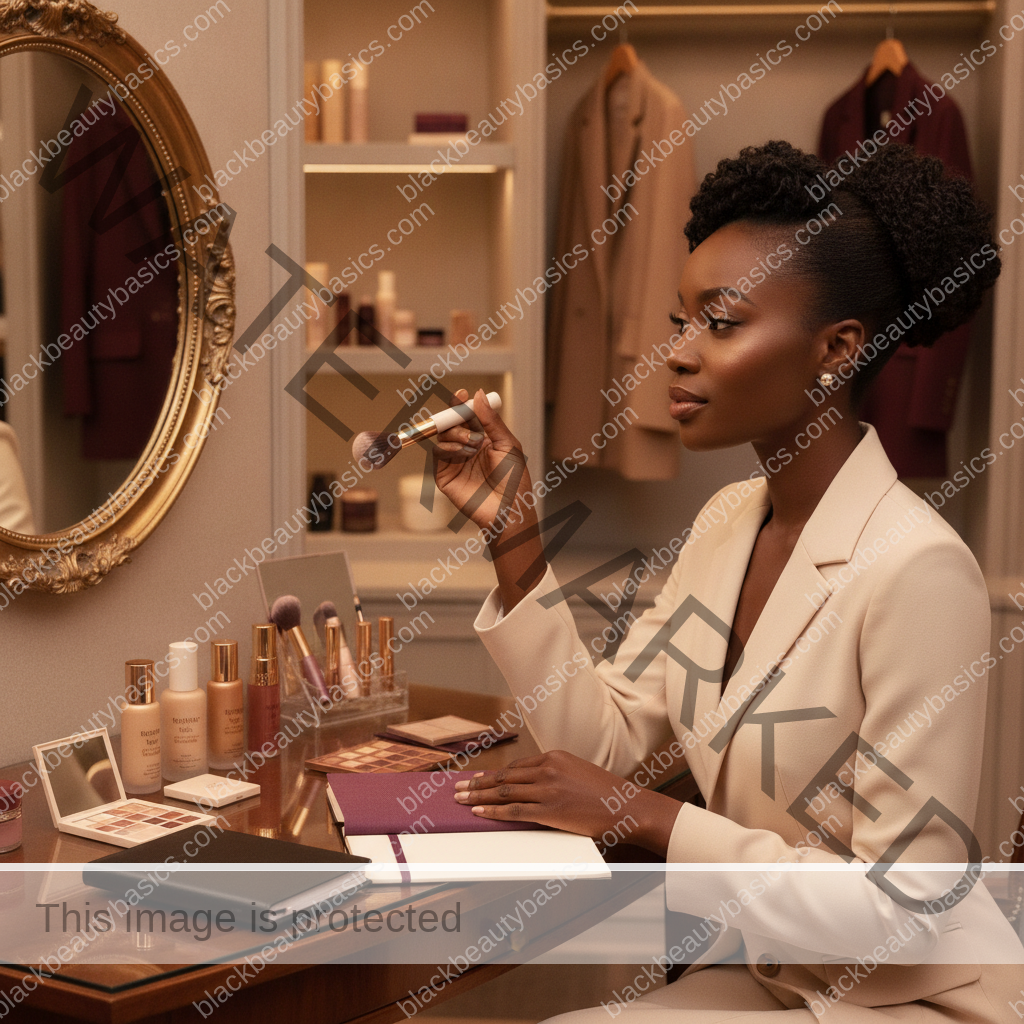
The Impact on Black Women: Beyond the Surface
The constant pressure to conform to “polished” hair expectations takes a significant toll on Black women, impacting not just our appearance, but our mental well-being, our sense of identity, and even our career trajectories. It’s a burden that many of our counterparts do not have to bear, adding an invisible layer of labor to our professional lives.
Psychological and Emotional Toll
Imagine starting each workday with the added mental load of wondering if your hair is “acceptable.” This is the reality for many Black women. The pressure can lead to:
- Increased Stress and Anxiety: The fear of judgment or professional repercussions can cause chronic stress, impacting focus and overall well-being.
- Erosion of Self-Esteem: When a part of your natural identity is deemed “unprofessional,” it can chip away at self-worth and confidence.
- Identity Conflict: Balancing the desire for authentic self-expression with the need for career advancement can create an internal struggle, forcing women to choose between their natural selves and perceived professional success.
- Code-Switching Fatigue: The effort required to constantly adjust one’s appearance, language, and behavior to fit into dominant cultural norms is exhausting.
Career Implications and Bias
Research consistently shows that bias against natural Black hair exists in the workplace. Studies have found that Black women with natural hairstyles are often perceived as less professional, less competent, and less ready for leadership roles compared to those with straightened hair. This bias can lead to:
- Missed Opportunities: Being overlooked for promotions, projects, or leadership positions.
- Hiring Discrimination: Facing challenges in securing employment due to biased perceptions during interviews.
- Microaggressions: Experiencing subtle, often unintentional, expressions of prejudice, such as unsolicited comments about hair, requests to touch hair, or suggestions to “tame” it.
The Crown Act: A Step Towards Equity
In recognition of this pervasive issue, the CROWN Act (Creating a Respectful and Open World for Natural Hair) has been gaining momentum across the United States. This legislation prohibits discrimination based on hair texture and protective hairstyles associated with race. While a crucial step, its existence highlights the deep-seated nature of the problem and the ongoing fight for hair freedom in professional spaces. It is a legal affirmation that our natural hair is professional, beautiful, and deserving of respect.
Redefining “Polished”: Embracing Our Natural Crowns with Confidence
At Black Beauty Basics, we believe that “polished” means well-cared-for, healthy, and intentionally styled, regardless of texture. It’s about presenting your best self, authentically. It’s about confidence, not conformity. Here’s how we can redefine and embrace our natural crowns in the office, turning perceived limitations into powerful statements of self-assurance and elegance.
Strategic Styling for Every Texture
Embracing your natural hair in the workplace doesn’t mean sacrificing professionalism. It means understanding your hair, caring for it, and styling it with intention. Here are some universally “polished” approaches for various textures:
For Coily & Kinky Textures (4A, 4B, 4C)
- Defined Twist-Outs/Braid-Outs: These styles offer beautiful definition and volume. Ensure they are well-moisturized and frizz-free. Use a good leave-in conditioner and a styling cream for hold.
- Sleek Puffs & Buns: A high or low puff, or a neatly coiled bun, can be incredibly chic and professional. Use an edge control to smooth your hairline.
- Elegant Updos: Intricate updos that showcase your texture while keeping hair off your face are sophisticated.
- Well-Maintained Afros: A shaped, moisturized afro is a powerful statement. Regular trims and deep conditioning are key.
For Curly Textures (3A, 3B, 3C)
- Defined Wash-and-Go’s: Focus on curl definition and minimal frizz. A good curl defining gel or mousse is essential.
- Half-Up, Half-Down Styles: Pulling the top section back can create a refined look while allowing your curls to flow.
- Low Ponytails & Buns: A sleek low ponytail or bun with defined curls can be effortlessly elegant.
For Wavy Textures (2A, 2B, 2C)
- Enhanced Waves: Use a wave enhancing spray or lightweight mousse to define your natural pattern.
- Soft Updos: Gather waves into a soft bun or chignon for a sophisticated touch.
- Sleek Blowouts: While embracing natural texture is key, a well-executed blowout that retains some body can also be professional.
Protective Styles: Professionalism & Protection
Protective styles are a cornerstone of Black hair care, offering versatility, growth retention, and undeniable elegance. When maintained impeccably, they are perfectly suited for any professional environment.
- Braids (Box Braids, Knotless Braids, Cornrows): Ensure braids are neat, uniform, and not overly large or long for formal settings. Keep edges smooth with non-flaking edge control.
- Twists (Senegalese Twists, Marley Twists): Similar to braids, neatness and appropriate sizing are key.
- Locs: Well-maintained, clean, and styled locs are inherently professional. Consider updos, buns, or neat ponytails. Regular retwists and moisturizing are crucial.
- Wigs & Weaves: These offer incredible versatility. Choose styles that are well-cut, natural-looking, and complement your face shape. Ensure the hair is clean and styled appropriately for the office.
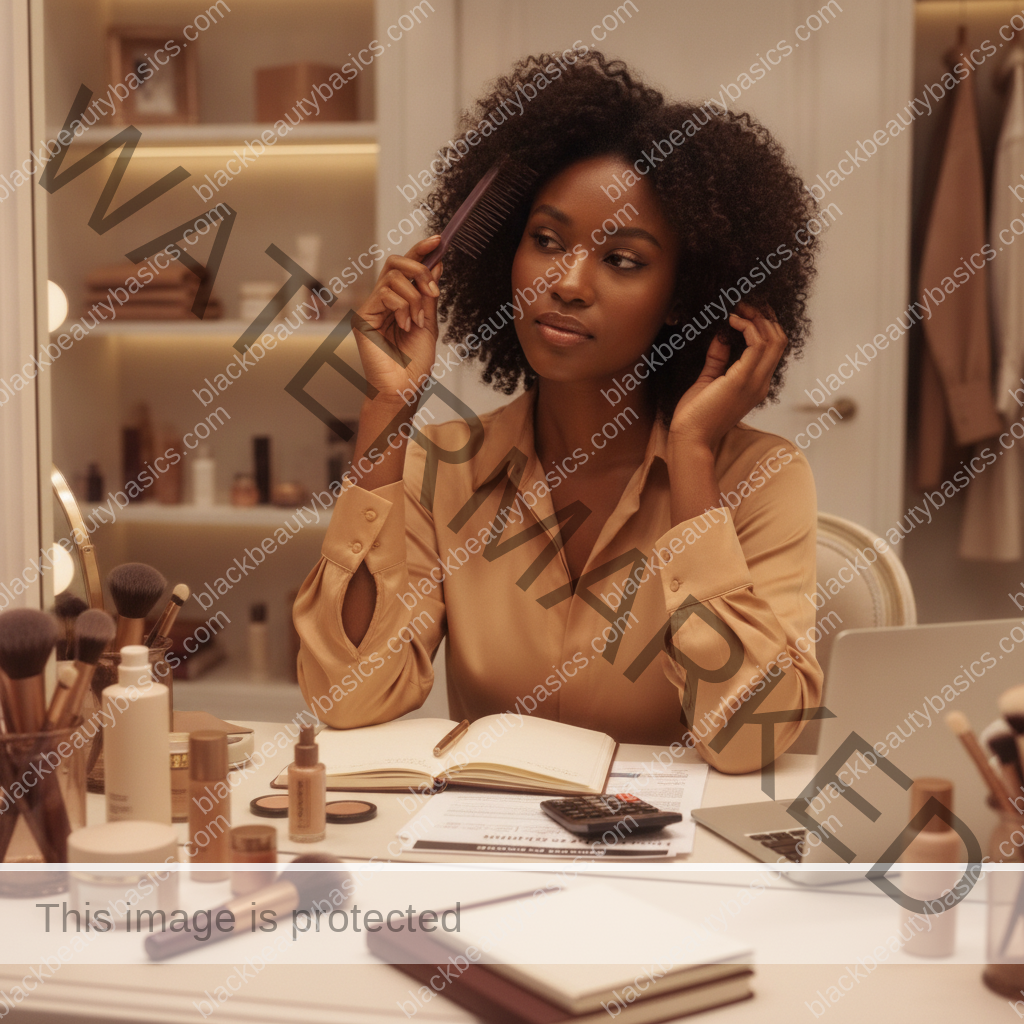
The Power of Hair Accessories
Thoughtfully chosen accessories can elevate any hairstyle, adding a touch of sophistication and personal flair. Opt for understated elegance in professional settings.
- Satin or Silk Scarves: Use these to tie back hair, create elegant headwraps (if appropriate for your workplace culture), or adorn a bun.
- Hair Pins & Clips: Simple, elegant gold or silver pins, or decorative clips, can secure stray hairs or add a subtle sparkle.
- Headbands: Choose fabric headbands in solid colors or subtle patterns. Avoid overly casual or sporty headbands.
Comparison Table: “Unpolished” vs. “Polished” Perceptions
Understanding the subtle nuances of perception can help us navigate office expectations while staying true to our authentic selves. This table highlights common perceptions and how to reframe them.
| Common “Unpolished” Perception (Often Biased) | Reframed “Polished” Approach (Authentic & Professional) | Key Action/Product |
|---|---|---|
| “Messy” or “Unkempt” Afro/Coils | Defined, moisturized, and shaped Afro/Coils | Regular trims, curl activator, deep conditioning treatment |
| “Distracting” or “Too Casual” Braids/Locs | Neat, uniform, and well-maintained protective styles | Braid & loc spray, edge brush, regular retwists/maintenance |
| “Unprofessional” Frizz/Flyaways | Smooth, hydrated, and controlled styles | Anti-frizz serum, satin bonnet, proper drying techniques |
| “Too Big” or “Wild” Natural Hair | Intentionally shaped and styled natural hair | Hair pick for shaping, pins for securing, strategic partings |
| “Unkempt” or “Dated” Wash-and-Go | Defined, moisturized, and refreshed wash-and-go | Curl refresher spray, diffuser, light hair oil |
Building a Hair Care Ritual for Professional Presence
A truly “polished” look begins with healthy hair. A consistent and intentional hair care ritual is not just about aesthetics; it’s a form of self-care that empowers you to present your best self with confidence. Investing in quality products, especially from Black-owned brands, aligns with our values and supports our community.
Essential Steps for Healthy, Professional Hair
No matter your texture or chosen style, these foundational steps will ensure your hair is always ready for the demands of the professional world.
1. Gentle Cleansing & Conditioning
- Sulfate-Free Shampoo: Opt for gentle cleansers that remove buildup without stripping your hair of its natural oils. Shop Sulfate-Free Shampoo on Amazon
- Hydrating Conditioner: Follow with a rich, moisturizing conditioner to replenish moisture and detangle. Shop Hydrating Conditioner on Amazon
- Co-Washing (Optional): For very dry or coily textures, consider co-washing between shampoo days to maintain moisture. Shop Co-Wash on Amazon
2. Deep Conditioning & Treatments
- Weekly Deep Conditioner: A non-negotiable for strength, elasticity, and shine. Look for ingredients like shea butter, argan oil, and protein. Shop Deep Conditioners on Amazon
- Protein Treatments (Monthly/Bi-Monthly): If your hair feels weak or prone to breakage, a protein treatment can help strengthen strands. Shop Protein Treatments on Amazon
3. Moisturizing & Sealing (L.O.C. Method)
- Liquid/Leave-in: Start with a water-based leave-in conditioner to hydrate. Shop Leave-in Conditioners on Amazon
- Oil: Apply a light oil (jojoba, almond, grapeseed) to seal in moisture. Shop Hair Oils on Amazon
- Cream: Finish with a styling cream or butter for added moisture and hold. Shop Styling Creams on Amazon
4. Protecting Your Hair
- Satin/Silk Pillowcases or Bonnets: Essential for preventing friction, frizz, and moisture loss while you sleep. Shop Satin Pillowcases on Amazon or Shop Satin Bonnets on Amazon
- Heat Protectant: If you use heat tools (diffusers, blow dryers, flat irons), always apply a heat protectant. Shop Heat Protectants on Amazon
- Regular Trims: Every 8-12 weeks to remove split ends and maintain shape. Shop Hair Shears on Amazon
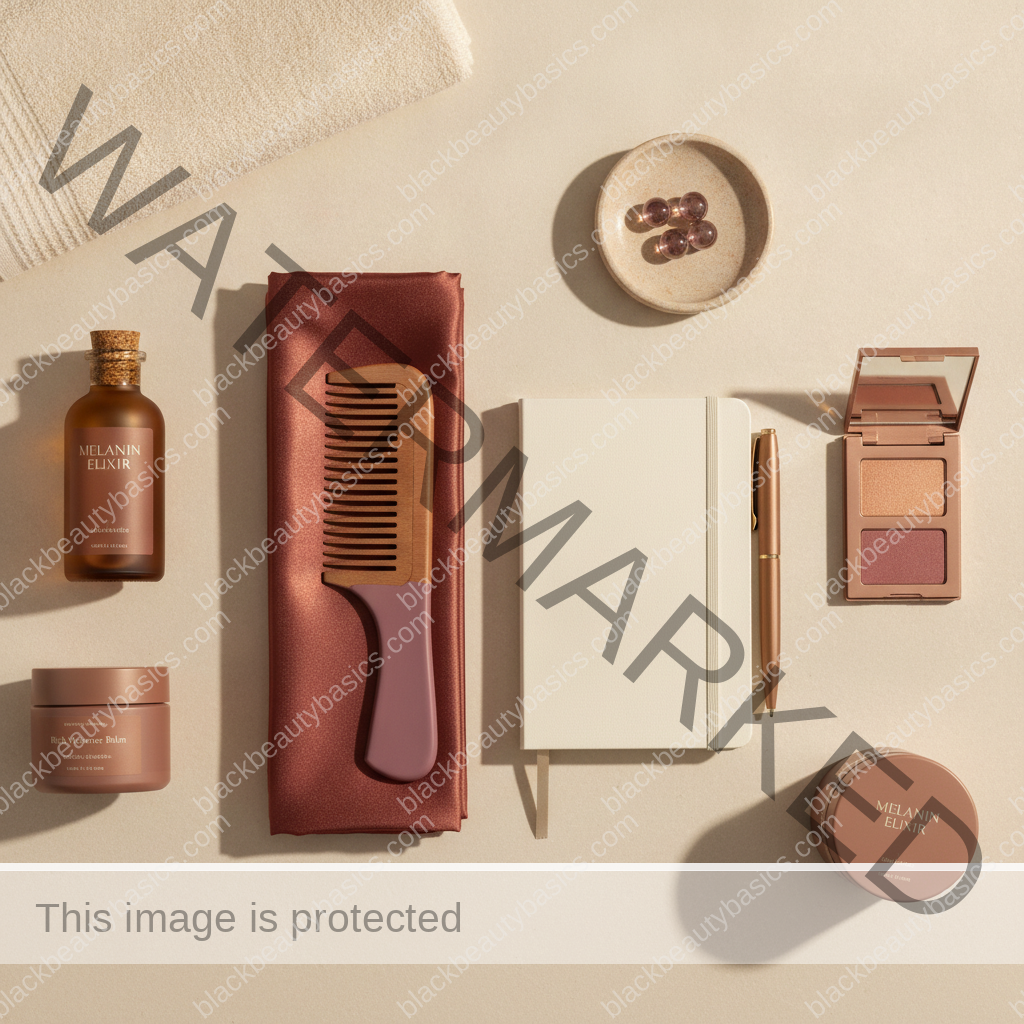
Tip List: Navigating Challenging Conversations & Biases
While we strive for authenticity, the reality is that biases still exist. Here’s how to navigate them with grace and strength:
- Know Your Rights: Familiarize yourself with your company’s diversity and inclusion policies, and if applicable, the CROWN Act in your state. Knowledge is power.
- Document Everything: If you experience direct discrimination or microaggressions related to your hair, keep a record of dates, times, individuals involved, and specific comments.
- Choose Your Battles: Not every comment warrants a full confrontation. Sometimes a polite, firm statement is enough (“My hair is professional, thank you”).
- Educate (If You Choose To): For those open to learning, a brief, calm explanation about natural hair or the CROWN Act can be effective. You are not obligated to educate, but it can be empowering.
- Seek Allies: Identify colleagues or mentors who are supportive and can advocate for you or offer advice.
- Escalate When Necessary: If discrimination persists or impacts your career, don’t hesitate to speak with HR or a trusted superior.
- Build a Support System: Connect with other Black women in your field or community who understand these unique challenges. Sharing experiences can be incredibly validating.
- Lead by Example: Confidently wearing your natural hair, styled beautifully, can inspire others and subtly shift perceptions within your workplace over time.
Black-Owned Brands: Our Allies in Authentic Professionalism
Supporting Black-owned beauty brands is not just about commerce; it’s an act of empowerment, community building, and self-affirmation. These brands are often formulated with our unique hair textures and needs in mind, offering products that truly celebrate and nourish our crowns. When you choose a Black-owned brand, you’re investing in innovation, cultural understanding, and the economic upliftment of our community.
Brands to Explore for Your Professional Hair Care Routine:
- Pattern Beauty by Tracee Ellis Ross: Known for its extensive range of products for all curl patterns, focusing on hydration and definition. Shop Pattern Beauty on Amazon
- Melanin Haircare by Whitney White: Offers simple, effective, and high-quality staples for natural hair care. Shop Melanin Haircare on Amazon
- Mielle Organics: A beloved brand with a wide array of products targeting growth, moisture, and overall hair health. Shop Mielle Organics on Amazon
- Adwoa Beauty: Focuses on clean, gender-neutral products with minimalist aesthetics and powerful results. Shop Adwoa Beauty on Amazon
- Bread Beauty Supply: Specializes in simple, effective “wash-day essentials” for curly and coily hair. Shop Bread Beauty Supply on Amazon
- Camille Rose: Offers gourmet blends of natural ingredients for luxurious hair care. Shop Camille Rose on Amazon
FAQ: Navigating Professional Hair Expectations
Q1: Is it truly possible to wear all natural hairstyles in a corporate office?
A1: Yes, absolutely. With the increasing awareness of texturism and the passing of legislation like the CROWN Act, more workplaces are recognizing and respecting natural Black hair. The key is to ensure your chosen style is well-maintained, neat, and reflects intentional care. A defined wash-and-go, sleek bun, elegant braids, or well-groomed locs are all perfectly professional.
Q2: How do I respond to a colleague who makes an inappropriate comment about my natural hair?
A2: Your response can vary based on the comment and your comfort level. You can choose to educate (“My natural hair is professional, and I’m proud to wear it.”), set a boundary (“Please don’t comment on my hair.”), or simply ignore it if it’s a one-off. If comments are persistent or discriminatory, document them and consider speaking with HR.
Q3: Are hair accessories considered professional?
A3: Yes, when chosen thoughtfully. Opt for understated, elegant accessories like simple headbands in solid colors, silk scarves, or decorative pins. Avoid overly casual, flashy, or distracting accessories in formal settings. The goal is to complement your style, not overshadow it.
Q4: My hair tends to frizz throughout the day. How can I maintain a “polished” look?
A4: Frizz is a common challenge, especially for natural textures. Combat it by ensuring your hair is deeply moisturized from wash day. Use a good leave-in conditioner, seal with an oil, and finish with a styling cream or gel that offers hold. For touch-ups, carry a small bottle of curl refresher spray or a light anti-frizz serum to smooth flyaways.
Q5: Should I straighten my hair for job interviews or important presentations?
A5: While the pressure to conform can be strong, we advocate for authenticity. If you feel most confident and comfortable in your natural hair, wear it. Focus on ensuring your natural style is impeccably neat, well-defined, and complements your overall professional presentation. Your confidence in your authentic self will shine through more than any hairstyle.
Q6: How can I encourage a more inclusive hair culture in my workplace?
A6: Start by confidently wearing your natural hair. You can also share resources about the CROWN Act or articles like this one with colleagues or HR. If your company has a diversity and inclusion committee, consider joining it to advocate for more inclusive beauty standards and policies. Leading by example and fostering open dialogue are powerful tools.
Q7: What are some quick, professional natural hairstyles for busy mornings?
A7: For busy mornings, consider styles that require minimal manipulation. A sleek high or low puff, a neat bun (either twisted or coiled), or refreshing a well-defined wash-and-go with a curl refresher spray are excellent options. Protective styles like braids or twists are also fantastic for low-maintenance, professional looks.
A8: This often depends on your specific workplace culture and industry. Generally, subtle, natural-looking colors (e.g., browns, auburns, dark reds) are more widely accepted. Vibrant, neon, or multi-colored styles might be perceived as less traditional. If you’re unsure, observe your workplace’s general aesthetic or opt for temporary color options to test the waters.
The journey to true hair freedom in the workplace is ongoing, but with every Black woman who confidently embraces her natural crown, we chip away at outdated norms and pave the way for a more inclusive future. Remember, your hair is an extension of your identity, a testament to your heritage, and a source of undeniable strength. May your professional path be as radiant and authentic as your glorious, natural hair, celebrated not just for its beauty, but for the profound statement it makes about who you are.
Why this deserves more than surface advice
For Black women, beauty is often asked to carry too much: workplace respectability, colorism, texturism, budget pressure, trend cycles, service gaps, and the quiet work of being understood. This guide focuses on unpacking texturism, polished hair expectations, office culture, protective styles, natural texture, and self-definition for Black women. Start with the related BBB cluster guide if you want the wider map for this conversation.
The BBB position is clear: your skin tone, hair texture, budget, caregiving role, or refusal to chase every trend does not make you less polished, less beautiful, or less worthy of care. Beauty systems should work for your life, not punish you for having one.
A practical beauty philosophy can hold more than products. It can include boundaries, spending rules, workplace survival, cultural memory, pleasure, rest, and the right to say, “This does not fit me.” That is not opting out of beauty. It is refusing to let beauty be defined only by pressure.
What to notice before changing anything
- What expectation is shaping the decision: workplace pressure, trend pressure, budget pressure, or genuine care?
- Whether the product, service, or style respects deep skin, textured hair, and your actual needs.
- What you are hoping the purchase, routine, or style will solve emotionally.
- Which practices still support you and which ones ask you to shrink.
- What one boundary would make beauty feel more honest this season.
What to stop normalizing
Stop normalizing beauty advice that treats lighter skin, looser texture, expensive products, or constant polish as the default. Those standards are not neutral. They come from systems that often ask Black women to edit themselves before they are considered acceptable.
Stop buying from panic. A product can be popular and still not fit your undertone, scalp, curl pattern, sensitivity, budget, values, or schedule. Pausing before purchase is not deprivation. It is protection.
Stop accepting poor service in spaces that charge luxury prices but do not understand dark skin, textured hair, shade matching, scalp comfort, or respectful consultation. You are allowed to ask questions, ask for another option, or leave.
What to do next
Choose one beauty pressure to name out loud: work polish, spending, trend chasing, texture respect, shade respect, service quality, or time. Then use the related guides below to keep this final cluster connected.
- Self-Care Rituals & Black-Owned Beauty
- The related BBB cluster guide
- identity and texturism in beauty choices
- colorism and professional beauty pressure
- personal beauty philosophy
- seasonal beauty closet edit
How to make the decision feel like yours
A useful beauty decision usually starts with a question that has nothing to do with a trend: What do I need this to do for my real life? Maybe you need a style that survives a busy caregiving week. Maybe you need a foundation match that does not turn gray. Maybe you need to stop proving professionalism through hair choices that hurt.
Once you name the real need, the options get clearer. You can decide what deserves money, what can be drugstore, what needs professional help, what should wait, and what does not belong in your routine at all. That clarity is not boring. It is freeing.
You also get to keep beauty joyful. A budget does not mean beauty has to be joyless. A workplace does not get to define your whole identity. A trend does not get to override your face, scalp, skin, texture, schedule, or values.
Let this be the final reminder from the 200-post system: BBB beauty is not about chasing a standard that was never built with enough care. It is about building systems, rituals, routines, and language that let Black women be seen clearly and cared for well.
Related next steps
Related posts:
 Defining Colorism, Featurism & Texturism in Black Beauty
 The 10-Minute Makeup Routine for a Polished, Everyday Glow
 How Long Does Hyperpigmentation Take to Fade on Dark Skin? Expectations and Timelines
 Niacinamide for Dark Spots and Redness on Dark Skin: Understanding Its Role and Realistic Expectations
 LED Light Therapy at Home on Dark Skin: Safety and Expectations
 At-Home LED Devices for Deep Skin: Realistic Expectations